Akira Japanese Steakhouse
Our verdict
Akira Japanese Steakhouse occupies a strip-mall suite in Plainfield, Indiana, bringing the teppanyaki format to a suburban Indianapolis corridor where Japanese steakhouse cooking remains the dominant gateway to live-fire Japanese cuisine. The kitchen works within a tradition that prizes theatrical tableside grilling and protein-forward menus, placing it squarely in the casual-to-mid-range dining tier that defines most of Plainfield's restaurant scene.

Pearl is the En Primeur Club membership app, where members save venues, book tables and use the concierge.
Teppanyaki in Suburban Indiana: What the Format Actually Delivers
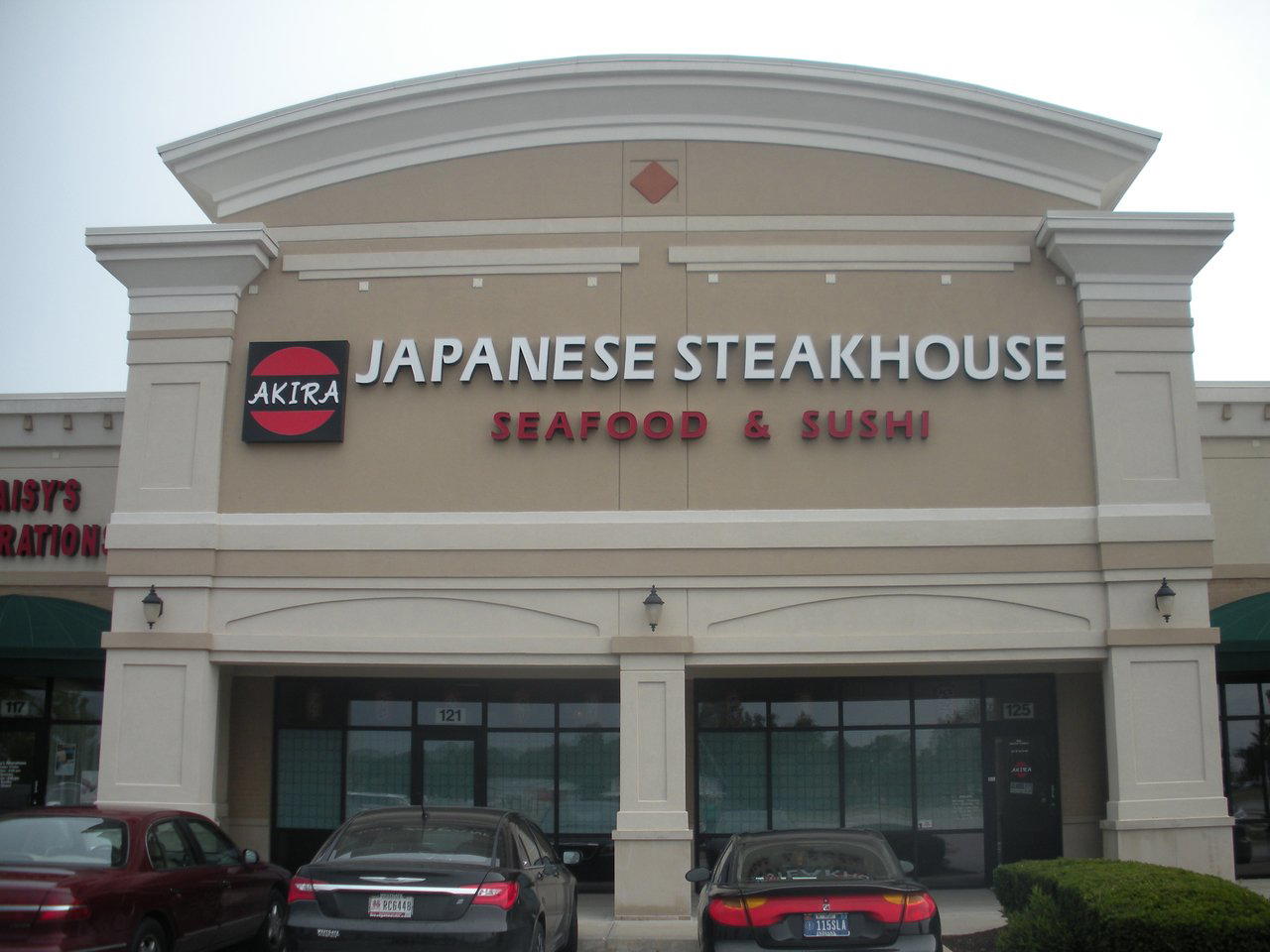
The Japanese steakhouse format arrived in the United States in the 1960s and has since split into two distinct tiers. At one end sit destination-grade teppanyaki rooms in major cities, where sourcing transparency, Japanese A5 wagyu allocations, and trained knife work justify premium pricing. At the other end, and this is where most Americans actually encounter the format, sit neighborhood and suburban operations that keep the tableside grill as the main event while pricing for everyday occasions. Akira Japanese Steakhouse, located at 160 Plainfield Village Drive in Plainfield, Indiana, operates in this second register: a community-facing teppanyaki restaurant serving a suburban corridor west of Indianapolis.
That context matters. Plainfield's dining scene, covered in depth in our full Plainfield restaurants guide, skews toward accessible mid-range options rather than destination fine dining. Akira sits alongside neighbors like Stone Creek - Plainfield, Theo's Italian, and Tlahcos in a market where the competition is casual American, Italian-American, and Mexican rather than other Japanese steakhouses. That positioning gives Akira a degree of category ownership in its immediate area that it would not hold in a denser urban market.
The Sourcing Logic of Teppanyaki and Why It Shapes the Menu
The teppanyaki format is, at its core, an ingredient showcase. The grill is visible, the cook is present, and the protein is the centerpiece of every plate. That structural fact means sourcing decisions, which cuts of beef, what seafood, how chickens are raised, land directly in the diner's sight line in a way they do not in a kitchen-hidden restaurant. At the highest tier of this format, that transparency becomes a selling point: restaurants like Atomix in New York City or sourcing-obsessed tasting-menu operations like Blue Hill at Stone Barns in Tarrytown have turned provenance into a central editorial argument. At the neighborhood steakhouse level, the question is more practical: are the proteins handled with care, cooked properly, and priced fairly for the market?
Suburban teppanyaki menus typically anchor on USDA-grade steak cuts, sirloin, filet, ribeye, alongside shrimp, scallops, and chicken, with fried rice and vegetables completing the plate. The live-fire cooking at the table remains the primary reason to choose the format over a conventional kitchen. For diners in the greater Indianapolis area, this represents a meaningful experiential step away from standard grill-and-go casual dining, even without the sourcing credentials that define top-tier operations like Single Thread Farm in Healdsburg or the hyperlocal procurement model at Smyth in Chicago.
How the Setting Reads on Arrival
Plainfield Village Drive is a mixed-use commercial strip, the kind of development common to Indianapolis's western suburbs, where national chains share parking lots with local independents. Strip-mall Japanese steakhouses are a recognizable American dining category in their own right, and the format works: the interior layout, centered on communal teppanyaki tables, creates its own social environment regardless of the exterior architecture.
Communal teppanyaki seating deserves a note. Unlike the private-table format of most Western restaurants, the teppanyaki grill table is designed for groups of strangers to share a cooking station. It is a format that rewards parties arriving together, families, groups celebrating occasions, more than it does solo diners or couples seeking quiet conversation. This social architecture is consistent across the category, from neighborhood steakhouses in the Midwest to the more theatrical productions found in larger cities.
Placing Akira in the Broader Japanese Dining Conversation
American dining in 2024 has produced a wide spectrum of Japanese-influenced restaurants, from Michelin-starred omakase counters in Manhattan to fast-casual ramen chains in suburban food courts. The Japanese steakhouse occupies a specific and durable middle position in that spectrum: it is neither high-commitment nor low-effort, and it offers a degree of theatrical engagement that most casual dining formats cannot match. Compared to the tightly controlled tasting-menu environments at The French Laundry in Napa or the seafood-forward precision of Le Bernardin in New York City, the teppanyaki steakhouse is a fundamentally different proposition, one built around accessibility, occasion dining, and communal spectacle rather than technical refinement.
That is not a criticism. Restaurants like Lazy Bear in San Francisco, Providence in Los Angeles, Addison in San Diego, The Inn at Little Washington, Emeril's in New Orleans, Frasca Food and Wine in Boulder, The Wolf's Tailor in Denver, and Atelier Moessmer Norbert Niederkofler in Brunico serve a reader whose primary dining interest is technical excellence and documented sourcing provenance. Akira serves a different reader in a different city with different expectations, and that alignment is what determines whether a restaurant is doing its job well.
Planning Your Visit
Frequently asked questions
Is Akira Japanese Steakhouse okay with children?
The teppanyaki format at Akira is well-suited for families with children. The tableside grilling theater, flames, knife work, and direct chef interaction, holds younger diners' attention in a way that conventional restaurant formats rarely do. Plainfield's suburban demographic makes this type of family-oriented outing common at restaurants along Plainfield Village Drive.
What kind of setting is Akira Japanese Steakhouse?
Akira occupies Suites 121 and 125 at 160 Plainfield Village Drive, a mixed-use commercial strip on the western edge of Indianapolis's suburban sprawl. The format is teppanyaki, meaning guests typically sit around a shared iron griddle where a cook works in front of them. Expect a communal table arrangement rather than private dining, which is standard for the steakhouse-teppanyaki format across the United States.
Is Akira Japanese Steakhouse in Plainfield the same style as hibachi restaurants in Indianapolis?
Akira operates in the Japanese steakhouse tradition, a format that Americans commonly call hibachi-style dining, though the cooking surface used is technically a teppan griddle rather than a hibachi grill. This puts Akira in the same category as most Japanese steakhouse chains found across the greater Indianapolis area. Located in Plainfield at 160 Plainfield Village Drive, it serves the western suburbs rather than the urban Indianapolis core, which means shorter travel times for Hendricks County residents than downtown alternatives.
What's the best thing to order at Akira Japanese Steakhouse?
The teppanyaki format centers protein on an open grill, so beef and seafood are the structural anchors of any menu in this category. Steak cuts and shrimp are the consistent draw at Japanese steakhouses operating in this format across the Midwest.
How It Stacks Up
Comparable venues nearby, for context on price, style, and recognition.
| Venue | Cuisine | Price | Notes |
|---|---|---|---|
| Akira Japanese SteakhouseThis venue (the venue you are viewing) | Japanese Hibachi Steakhouse | $20–30 | Not listed |
| Theo's Italian | Italian Pizza and Pasta | Not listed | The Shops at Perry Crossing |
| Tlahcos | Upscale Authentic Mexican | $20–30 | Downtown Plainfield |
| Stone Creek - Plainfield | Contemporary American Steakhouse | $30–50 | Perry Crossing, Plainfield |
| Hasuno | Modern Japanese Sushi Bar | $30–50 | Fletcher Place |
| Mama Carolla's | Traditional Italian | $20–30 | South Broad Ripple |
Continue exploring
More in Plainfield
Restaurants in Plainfield
All restaurants in Plainfield →
Details
- Lively
- Energetic
- Group Dining
- Family
- Celebration
- Open Kitchen
- Sake Program
- A La Carte
Current opening hours
- Monday
- 11 AM–2 PM, 5–9 PM
- Tuesday
- 11 AM–2 PM, 5–9 PM
- Wednesday
- 11 AM–2 PM, 5–9 PM
- Thursday
- 11 AM–2 PM, 5–9 PM
- Friday
- 11 AM–2 PM, 5–9:30 PM
- Saturday
- 11 AM–9:30 PM
- Sunday
- 12–8 PM
Hours can change for holidays and private events. Hours as of .
Moderate noise level with lively atmosphere from interactive teppanyaki cooking.