What to Know Before You Go
Bars operating in this residential-neighborhood tier frequently rely on local word-of-mouth, social media presence, and foot traffic from regulars rather than reservation systems or prominent web listings. That means the pre-visit homework looks different here than it does for a downtown cocktail program with an OpenTable page and a press kit.
For visitors arriving from outside Indianapolis, the practical approach is to cross-reference current hours through the venue's active social channels before committing to the address. North Talbott Street is accessible by car with street parking typical of the surrounding residential grid, and the broader Meridian-Kessler area is navigable on foot once you're in it. If you're building an evening that moves between neighborhoods, Baby's fits more naturally as a destination stop than a between-places drink, given its position away from the concentrated bar clusters further south.
Walk-in access is likely the norm rather than the exception for a bar at this address and in this format, but confirming current operating hours in advance removes the risk of a wasted trip. This is standard practice for any neighborhood bar operating outside a high-visibility district, and the same logic applies whether you're visiting Alley Cat Lounge or working through the quieter ends of any American city's drinking map.
The Atmosphere Argument
In American bar culture, the neighborhood room has gone through a complicated rehabilitation over the past decade. The early 2010s saw significant energy flow toward the theatrical cocktail bar, with elaborate back-bars, tasting menus, and dress codes that pushed the category toward fine dining adjacency. That wave has receded somewhat, and what's replaced it in many cities is a renewed interest in bars that function as actual neighborhood infrastructure rather than destination experiences.
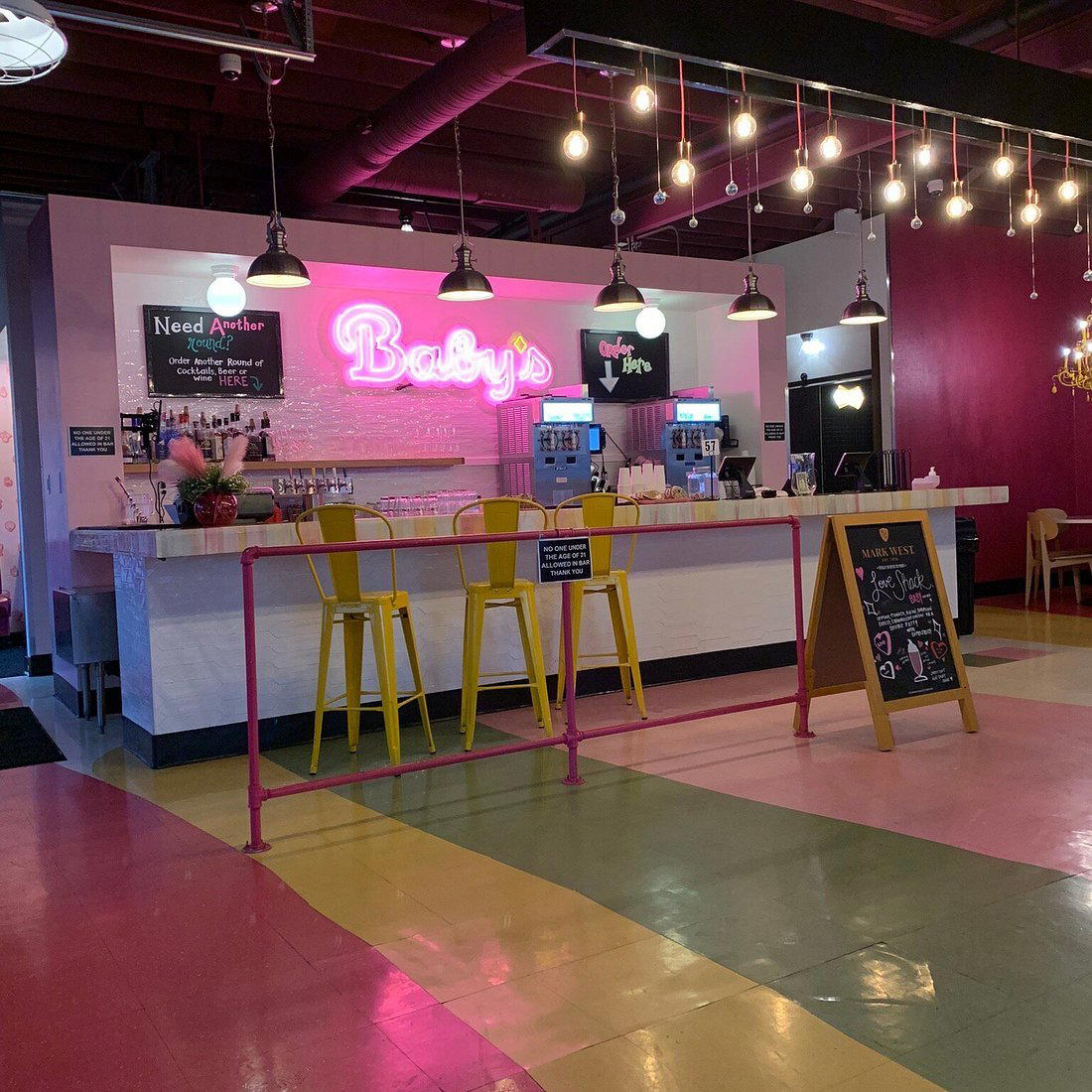
Baby's sits within that broader current. The North Talbott Street address puts it in a residential context where the bar's relationship to its immediate community carries more weight than its relationship to any particular cocktail trend. Nationally, bars operating in this mode have found that the metrics that matter most are regularity of visit and depth of local connection rather than social media reach or award recognition. Compare the approach to places like Kumiko in Chicago, where the program is explicitly destination-facing and technically elaborate, or Bar Leather Apron in Honolulu, which draws visitors as much as locals. Baby's operates in a different register, and that register has its own appeal for the right visitor.
For those who find the high-concept cocktail bar format exhausting, the neighborhood bar in a residential corridor offers something more direct: a room with a local crowd, a bar that knows its purpose, and an atmosphere that doesn't require advance study to appreciate. The Aristocrat Pub and Oxford Room operates in a comparable neighborhood-anchor mode elsewhere in Indianapolis, and the same principle applies: these are bars that serve a community first and visitors second, which is not a limitation but a point of distinction.
Baby's in the Indianapolis Context
Indianapolis's bar scene has enough range now that visitors can meaningfully compare formats and choose according to what they're after. The city has produced a cluster of bars worth attention beyond its downtown footprint. 317 Burger and Almost Famous represent different points on the casual-to-destination spectrum, while Baby's occupies its own position as an address-specific neighborhood room. None of these are interchangeable, and the choice between them depends on whether you want a program-led experience or a place that functions more organically.
For context on how bars at this address-type operate nationally, it's useful to look at what the category produces at its strongest. Jewel of the South in New Orleans and Julep in Houston both demonstrate that bars outside the obvious downtown core can carry serious weight when the format is right and the local connection is deep. Superbueno in New York City and ABV in San Francisco show the same principle in denser urban environments. The neighborhood bar with a fixed community role is not a consolation prize for venues that couldn't land a high-profile address; it's a distinct format with its own strengths.
Baby's fits that frame in Indianapolis, an emerging city for bar culture that has not yet generated the national coverage its better rooms deserve. The full Indianapolis guide maps the wider picture, but Baby's earns its place in the conversation as a representative of the neighborhood-first approach that gives mid-sized American cities their actual drinking character, as opposed to the downtown-facing bars that get most of the press. For comparison on how European neighborhood bars handle a similar positioning, The Parlour in Frankfurt on the Main offers a useful reference point in a different cultural context.
Planning Your Visit
Street access via North Talbott Street is direct for those with a car, and the Meridian-Kessler area surrounding it has enough character to make the neighborhood worth time beyond the bar itself. If Baby's is closed or quieter than expected on a given night, the Indianapolis bar circuit offers enough alternatives that the evening doesn't depend on a single address.