Tabelog 100 #88
Our verdict
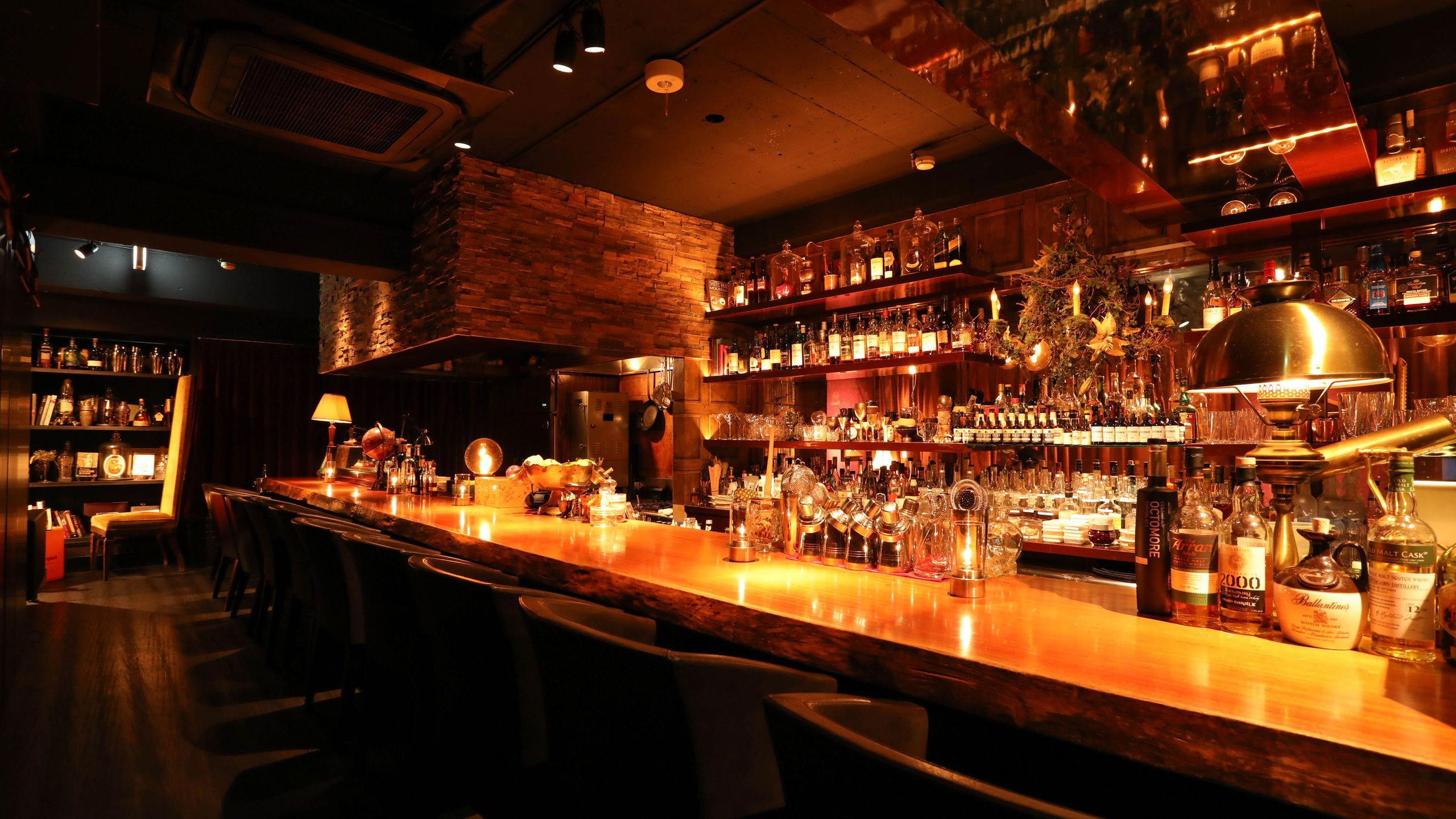
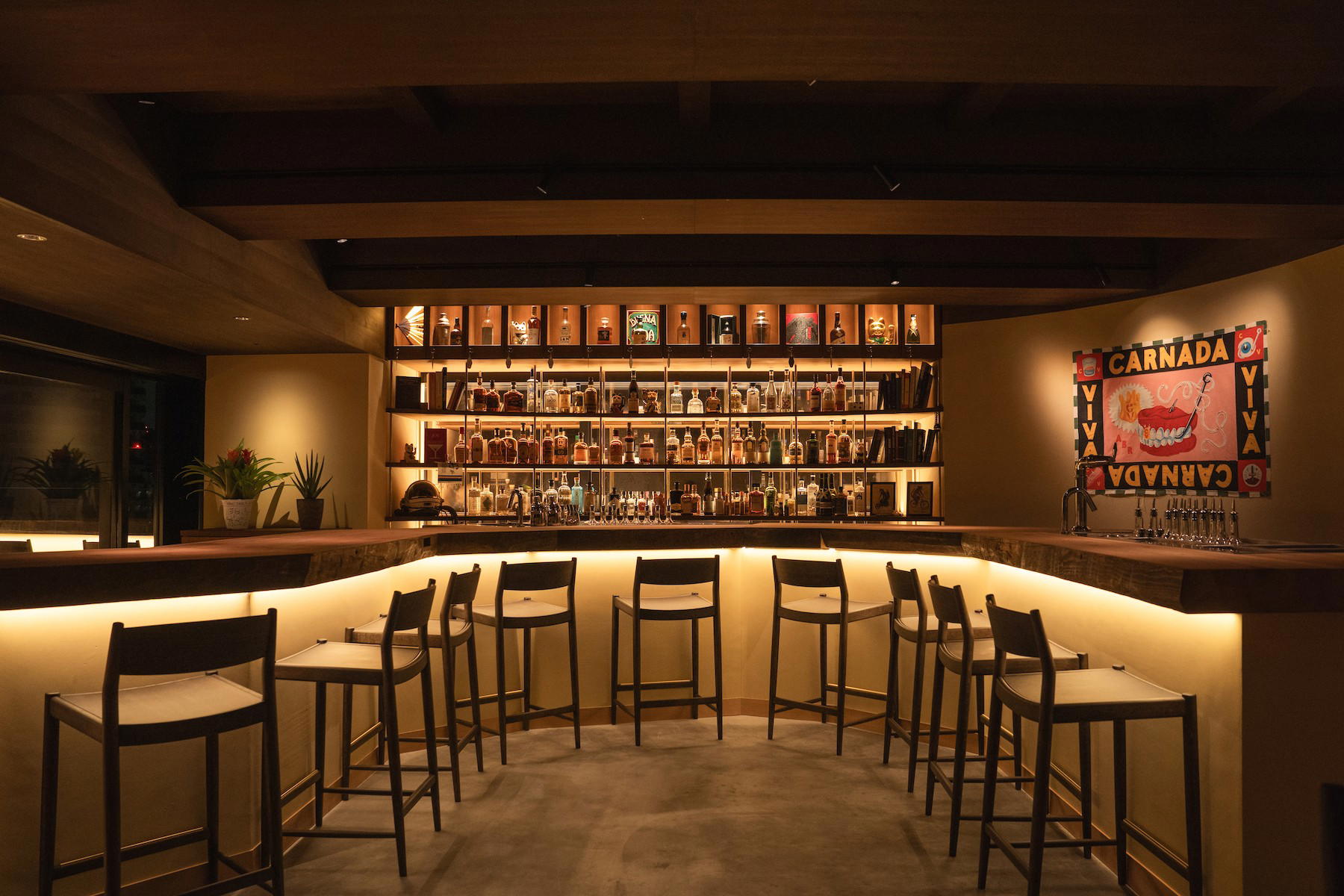
Akasaka’s polished yakiniku tier is increasingly built around small rooms, controlled pacing, and drinks lists that move beyond beer into sake, shochu, and wine. Akasaka Yakiniku Hachimen Roppi fits that format with 18 seats, private rooms, and a 2025 Tabelog 100 selection for Tokyo yakiniku, giving it a clear place in the city’s premium beef circuit.

Pearl is the En Primeur Club membership app, where members save venues, book tables and use the concierge.
The menu
What to order
- Sirloin yukhoe
- Premium wagyu yakiniku course
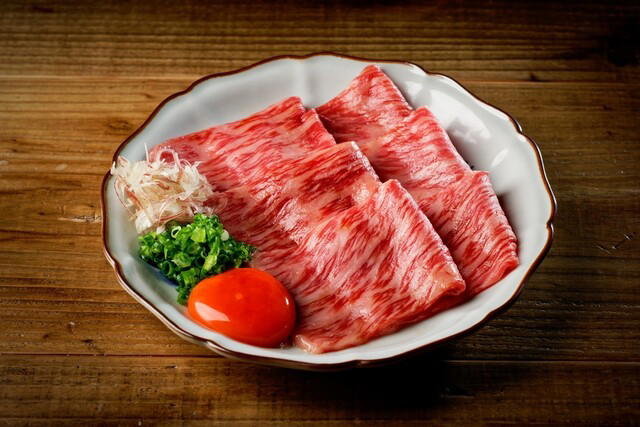
- Wagyu sukiyaki
- Wagyu steak
Akasaka after dark has a particular restaurant rhythm: office towers empty, side streets tighten, and the serious dining rooms reveal themselves by reservation lists rather than street noise. In that setting, yakiniku occupies a different register from sushi or tempura. The grill is communal, the pacing is physical, and the quality of the evening depends as much on smoke control, cut sequencing, and drink pairing as on the beef itself.
Akasaka Yakiniku Hachimen Roppi belongs to the newer polished end of that tradition, where yakiniku has moved from boisterous table cooking toward a more composed dinner format. The category remains democratic at heart, but Tokyo’s premium rooms now behave closer to small-format kappo: fewer seats, tighter service control, private-room demand, and beverage programs that assume guests may want sake, shochu, or wine with grilled beef rather than a default highball.
Akasaka's yakiniku scene is now a small-room game
Tokyo has never lacked yakiniku, but the sharper distinction in 2026 is between volume-driven beef restaurants and compact rooms built for slower, higher-spend dinners. Akasaka is well suited to the second model. The neighbourhood draws business dining, political traffic, hotel guests, and residents who want central Tokyo access without Ginza’s ceremonial polish or Roppongi’s late-night theatre.
The restaurant’s selection for Tabelog 100 - Yakiniku - TOKYO - 2025 places it inside a recognised citywide field rather than merely a local Akasaka list. That matters because yakiniku in Tokyo is dense and competitive; a Tabelog 100 inclusion signals that the room is being judged against specialists across the city, not only against nearby dining options. The score attached to the listing, 3.63, reinforces the same point: this is a premium-category address with public recognition, but not a Michelin-style tasting-menu temple.
Its immediate competitive frame is also revealing. Akasaka Totoya Uoshin sits in a higher dinner band, while Zakuro TBS ten is positioned below it for evening spend; infinito HIRO occupies a much more expensive fine-dining bracket, and Canton Meisai Akasaka Rikyu answers a different Chinese dining brief. Against that spread, Akasaka Yakiniku Hachimen Roppi reads as a focused yakiniku choice for guests who want beef as the centre of the night, without moving into the city’s highest tasting-menu pricing.
Wine, sake, and shochu change the grill conversation
The more interesting signal here is the beverage stance. Tokyo yakiniku was long easy to read through beer, lemon sours, and casual rounds of shochu. Premium rooms have complicated that script. As marbling levels rise and service becomes more deliberate, the drinks list has to do more work: sake for umami and fat, shochu for a cleaner cut through richer beef, wine for guests who think in tannin, acid, and bottle pacing.
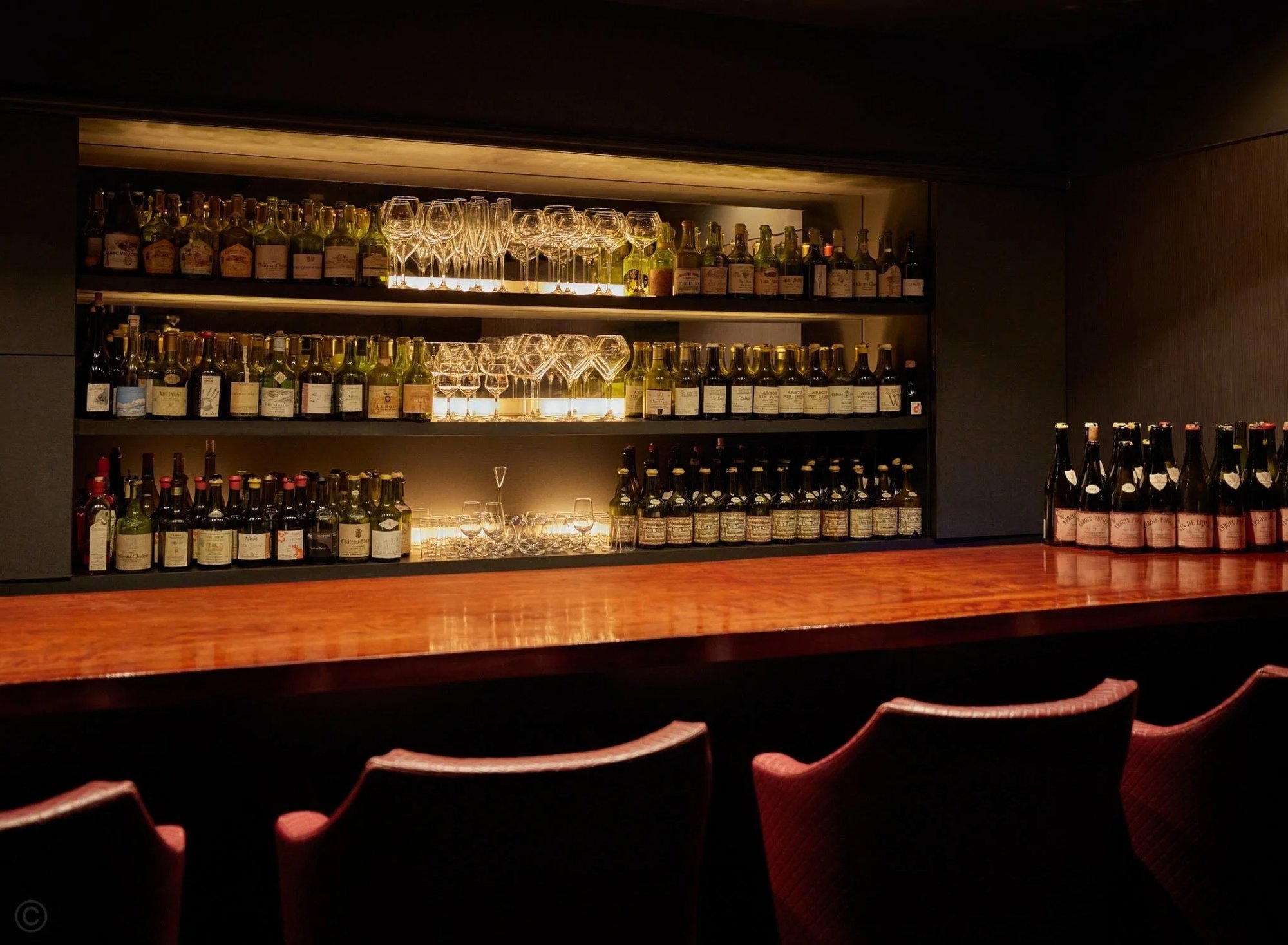
Hachimen Roppi lists sake, shochu, and wine, with particular attention to shochu and wine. That combination points to a dining style less about novelty and more about control. Beef cooked over heat can flatten a weak beverage program; fat, smoke, sauce, and salt all ask for structure. A cellar or bottle list in this context is not decoration. It shapes how long the dinner can hold interest after the first few cuts of beef.
The presence of BYO drinks adds another useful clue. In Tokyo, BYO is not a universal assumption, especially in compact premium rooms. For guests with a specific Burgundy, Champagne, sake, or aged shochu in mind, that flexibility can turn a yakiniku dinner into a more personal pairing exercise. The editorial caveat is simple: the food category rewards bottles with grip and freshness more than weight. Heavy oak and high alcohol can crowd the grill quickly.
Private rooms also affect the beverage logic. Yakiniku is interactive by design, and a closed room can make pacing feel more social and less counter-led. For families, small celebrations, or visitors entertaining Tokyo colleagues, that format is useful. It also puts pressure on ordering discipline: a premium yakiniku dinner is strongest when beef, hotpot elements, and drinks are treated as a sequence rather than a table-filling exercise.
How to place it in a Tokyo dining itinerary
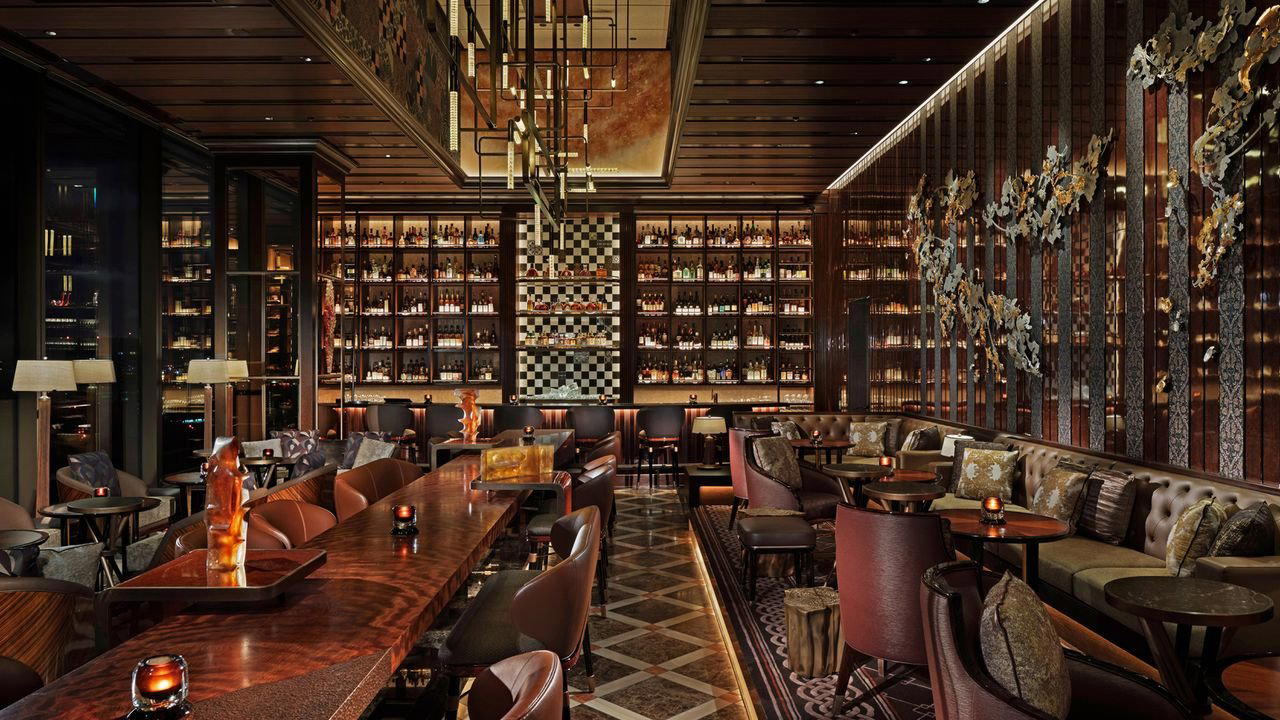
This is not the Tokyo meal to choose for a quiet study of knife work or a chef-facing performance. It is better understood as a controlled beef dinner in a central neighbourhood, useful when the table wants interaction but not noise, privacy but not hotel formality, and a drinks program with more range than the casual yakiniku norm. The 18-seat scale gives the format its logic; small capacity suits a restaurant where service timing, grill management, and bottle pacing matter.
For travellers building a broader Tokyo run, it pairs well with other category-specific meals rather than replacing them. A sushi counter, yakitori room, curry specialist, and yakiniku dinner each reveal a different kind of Tokyo precision. For broader restaurant planning, start with Our full Tokyo restaurants guide, then compare casual and specialist formats such as . 鮪と炭火焼き うお炭 秋葉原店, 12/10 Shinjuku ten, 124. KAGURAZAKA (Yakitori), 2D Cafe, and 3 Chome no Curry Ya San.
Visitors extending the itinerary beyond restaurants can map the night around Our full Tokyo hotels guide, Our full Tokyo bars guide, Our full Tokyo wineries guide, and Our full Tokyo experiences guide. Regional comparisons add perspective too: beef-focused dining at -Grilled beef Sukiyaki- KAMAKURA TANUKIAN 鎌倉 たぬき庵 in Kamakura, cafe culture at.cafe in Osaka, contemporary dining at.know in Kumamoto, Vietnamese cooking at (Shoku) Vietnam in Kawasaki, curry specialization at [Curry Senmon Ten] Maruyama Kyoju. in Sapporo, Kyoto dining at [ki:] in Kyoto, and Japanese-influenced drinking and casual formats abroad at Jōdo Saké Bar in Los Angeles and Onigiri Time in Pasadena.
The cleanest read is this: Akasaka Yakiniku Hachimen Roppi is for diners who treat yakiniku as a serious dinner category, not a prelude to something else. The Tabelog 100 recognition supplies the trust signal, the compact room supplies the discipline, and the sake-shochu-wine emphasis gives the meal its adult shape. In a city where beef restaurants can blur together, those three facts are enough to define the decision.
Frequently asked questions
What's the address for Akasaka Yakiniku Hachimen Roppi?
Akasaka Yakiniku Hachimen Roppi is located in Tokyo.
How much does it cost to eat at Akasaka Yakiniku Hachimen Roppi?
Pricing at Akasaka Yakiniku Hachimen Roppi is listed as JPY 10,000 - JPY 14,999.
What's the best way to book Akasaka Yakiniku Hachimen Roppi?
The restaurant operates on a reservation-only basis, and same-day bookings are handled by phone. For other inquiries, use the online reservation system listed for Akasaka Yakiniku Hachimen Roppi in Tokyo; credit cards are accepted, including VISA, Master, JCB, AMEX, and Diners.
What is Akasaka Yakiniku Hachimen Roppi known for?
Akasaka Yakiniku Hachimen Roppi is primarily known for its core concept and execution in Tokyo.
Compact Comparison
Comparable venues at the same tier.
| Venue | Cuisine | Price | Awards | Notes |
|---|---|---|---|---|
| Akasaka Yakiniku Hachimen RoppiThis venue (the venue you are viewing) | Modern Wagyu Yakiniku | $50–100 | Tabelog 100 #88 | Not listed |
| Akasaka Totoya Uoshin | Traditional Seasonal Japanese Kaiseki | $100–150 | Tabelog 100 #36 | JPY 15,000 - JPY 19,999 JPY 6,000 - JPY 7,999 |
| infinito HIRO | Seasonal Italian Fine Dining | $200–300 | Tabelog 100 #48 | JPY 40,000 - JPY 49,999 JPY 3,000 - JPY 3,999 |
| Canton Meisai Akasaka Rikyu | Authentic Cantonese | $50–100 | Michelin Plate · Tabelog 100 #40 | Chinese |
| Ninomae | Handmade Hitachi Aki soba | $50–100 | Tabelog 100 #45 | Not listed |
| Zakuro TBS ten | Traditional Japanese Shabu-shabu & Sukiyaki | $50–100 | Tabelog 100 #47 | JPY 8,000 - JPY 9,999 JPY 2,000 - JPY 2,999 |
Recognition history
Dated appearances from independent guides and award organizations, with the underlying list record or original source where available.
Tabelog 100 #88 · No. 88
Tabelog · Tabelog 100 - Yakiniku - TOKYO - 2025