
Tabelog 100 #6
Our verdict
A Gifu yakiniku address with Tabelog 100 Yakiniku EAST 2025 recognition, Yakiniku Shun Yasai Fanbogi sits in the city’s higher dinner bracket rather than its everyday grill-house tier. The appeal is cultural as much as carnivorous: yakiniku’s Korean-Japanese roots, offal traditions, table grilling, and drink pairings meet a compact room near Gifu’s rail core.

Pearl is the En Primeur Club membership app, where members save venues, book tables and use the concierge.
The menu
What to order
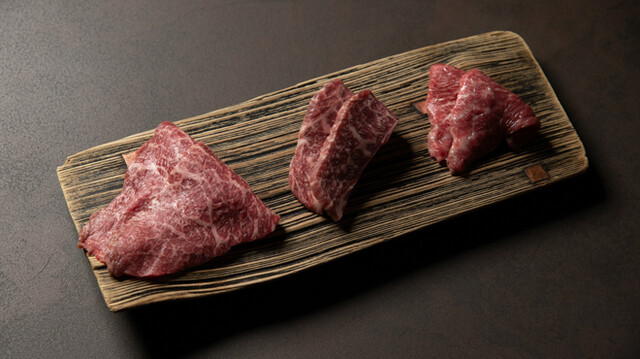
- A5 Akaushi wagyu assorted platter
- Charcoal-grilled aged beef cuts
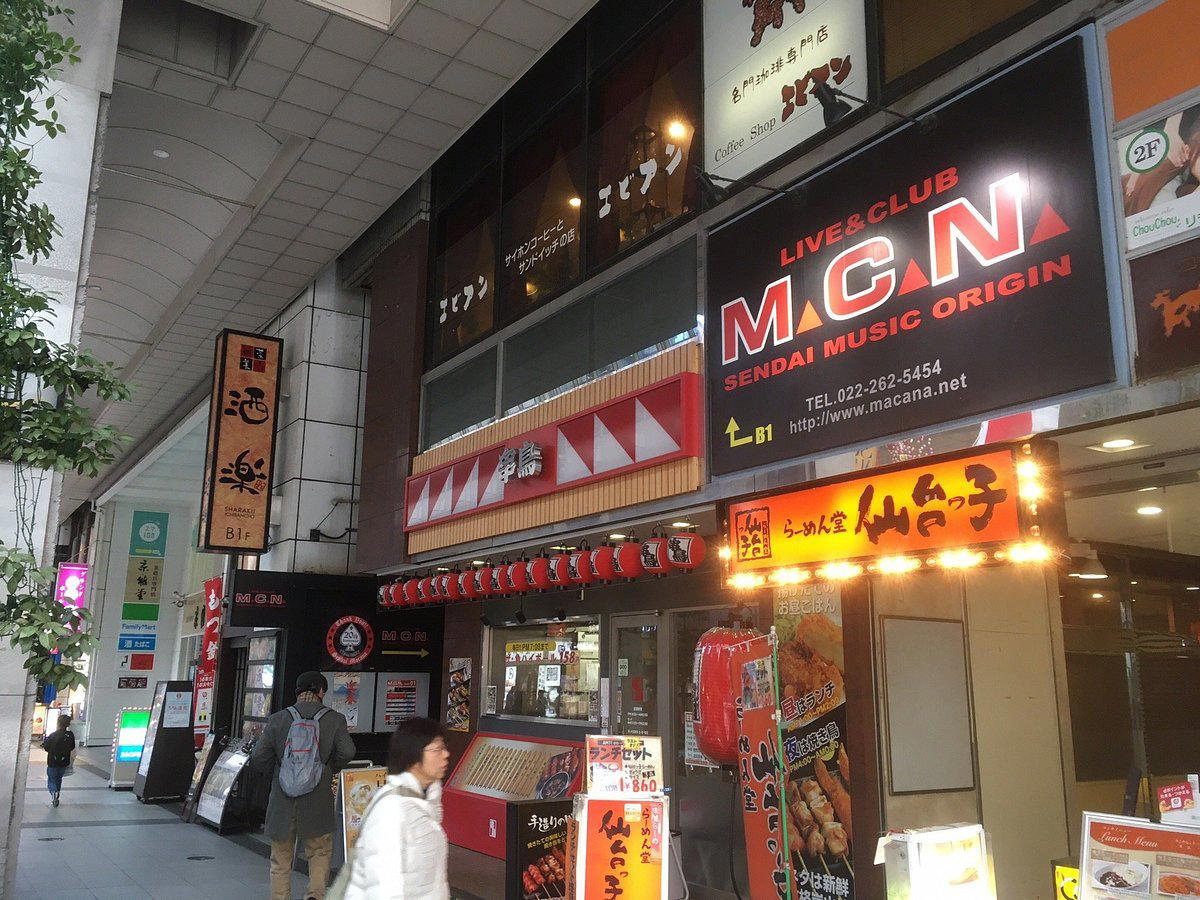
In Gifu, the mood shifts from everyday city movement to evening appetite: modest restaurant fronts, glowing signs, and tables settling in for grilled beef rather than a quick bowl. Yakiniku belongs to Japan’s after-dark register: social, smoky in spirit even when ventilation works well, and built around timing, with cuts ordered in sequence, conversation pausing as meat hits heat, and drinks moving between sake, shochu, and wine.
Yakiniku Shun Yasai Fanbogi sits at Gifu’s more serious end of that culture. Its Tabelog Hyakumeiten recognition for 2025 places it beyond local convenience dining, while its price band puts it closer to special-occasion yakiniku than casual grill counters. In Gifu, where diners can move from modest izakaya budgets to more considered beef rooms within a short night out, the question is not simply where to eat meat; it is which version of yakiniku the evening requires.
Yakiniku in Gifu, read through beef, offal, and Korean-Japanese technique
Modern Japanese yakiniku has a clear Korean-Japanese inheritance: tabletop grilling, marinated and unmarinated cuts, offal categories, rice and drinking-food logic, and a meal structure that lets the table control pace. The format rewards diners who think in textures as much as prestige cuts. Tripe is not a side note; it signals a grill restaurant working beyond sirloin and rib. Fanbogi’s category listing spans yakiniku, tripe, and Korean cooking, placing it in that lineage rather than a steakhouse frame.
That context explains why drinks matter in this kind of meal. Sake and shochu sit naturally beside grilled meat in Japan, while wine has become a familiar presence in more ambitious yakiniku rooms, especially with richer beef cuts and slower dinners. A restaurant with a higher dinner spend is not automatically more formal, but it changes the competitive set, suggesting a meal intended to stretch, with sequencing and pairings doing some of the work a tasting menu would do elsewhere.
Gifu’s dining appeal often comes from serious food without the constant theatre of larger cities. One itinerary might include beef, kappo, bars, and casual rooms without treating any category as the whole story. For wider city context, Our full Gifu restaurants guide is the natural starting point, with nearby editorial threads through Our full Gifu bars guide, Our full Gifu hotels guide, Our full Gifu wineries guide, and Our full Gifu experiences guide.
A focused grill room in the city's higher dinner bracket
Rhythm matters in a yakiniku meal. The table’s timing, the sequence of cuts, and the way diners manage heat become part of the experience. The best use of the format is not to rush through plates, but to let the meal build from lighter bites into richer, more deeply grilled textures.
Fanbogi’s price range places it in a premium dinner bracket for Gifu rather than a midweek casual tier. Among local reference points, diners might also be looking at Gishu, Mikazuki Bar, Tejaku Kappou Terada, Sake no Tori, or THE Setsugekka, but Fanbogi should be understood on its own terms as a yakiniku, tripe, and Korean cooking address. That does not make one category more valid; it clarifies expectation. Dinner here should be judged against serious grill dining, not casual izakaya arithmetic.
Award history reinforces that positioning. Its Tabelog Hyakumeiten 2025 recognition and listed score of 3.74 show attention in a category where Japanese diners are exacting about sourcing, cut handling, ventilation, and value. Tabelog scores and lists are not Michelin stars, but in Japan they carry practical weight because they reflect an audience deeply engaged with category-specific dining. For yakiniku, that audience can be less forgiving than international guides because it knows the difference between a pleasant beef dinner and a disciplined room.
Practical planning should be kept simple: treat the restaurant as an evening anchor in Gifu, then build the night around the pace of a grill dinner rather than squeezing it between hurried stops. With a listed dinner budget of JPY 10,000 - JPY 14,999, it is best approached as the main meal of the night, not an add-on after drinks or a casual prelude to something else.
How to place it within a Gifu food itinerary
Gifu rewards category switching. A beef-led dinner can sit beside kappo, bars, and casual daytime stops without forcing the trip into one culinary identity. Readers mapping a broader route might compare the mood against other Gifu dining rooms, cocktail bars, and polished local restaurants. The contrast is useful: yakiniku is less about composed plating than participation, and success depends on how the room manages heat, pacing, and cut variety.
For travelers extending the theme beyond Gifu, beef and grill culture takes different forms across Japan and abroad. Other Japanese dining rooms may lean toward sukiyaki logic, charcoal cooking, cafe formats, comfort food, curry, or drinking-led meals. The wider map is useful as context, but Fanbogi should be read first through its own category: yakiniku, tripe, and Korean cooking in Gifu, with the table’s participation giving the dinner its shape.
The editorial case for Fanbogi is clear: choose it when the night calls for yakiniku as a structured dinner rather than a casual meat stop. The recognition is category-specific, the spend is in Gifu’s premium range, and the Korean-Japanese grammar of beef, offal, grill, and drink gives the meal its shape.
Frequently asked questions
Is Yakiniku Shun Yasai Fanbogi child-friendly?
Publicly provided details here do not confirm a specific child policy. Check the venue's official channels for the latest details before booking.
Is Yakiniku Shun Yasai Fanbogi formal or casual?
It reads as a polished yakiniku dinner rather than a white-tablecloth formal restaurant. The listed category is yakiniku, tripe, and Korean cooking, with a JPY 10,000 - JPY 14,999 price range.
What's the pricing like at Yakiniku Shun Yasai Fanbogi?
Pricing at Yakiniku Shun Yasai Fanbogi is listed as JPY 10,000 - JPY 14,999.
When can I go to Yakiniku Shun Yasai Fanbogi?
Check the venue's official channels for current hours and booking details.
What part of town is Yakiniku Shun Yasai Fanbogi in?
Gifu.
Cost and Credentials
Nearby venues at a similar price tier for orientation.
| Venue | Cuisine | Price | Awards | Notes |
|---|---|---|---|---|
| Yakiniku Shun Yasai FanbogiThis venue (the venue you are viewing) | Aged Wagyu Yakiniku | $50–100 | Tabelog 100 #6 | Not listed |
| Akane Ya | Yakiniku & Chinese Grill | $50–100 | Tabelog 100 #5 | Mitonocho, Yakiniku & Chinese Grill |
| Kawaramachi Izumiya | Traditional Ayu Fish Cuisine | $50–100 | Tabelog 100 #12 | Kawaramachi, Traditional Ayu Fish Cuisine |
| Kobanzushi | Traditional Japanese Sushi Omakase | Not listed | Tabelog Bronze #189 | Gifu City, Traditional Japanese Sushi Omakase |
| たか田 八祥 | Michelin-Starred Kaiseki Japanese | $150–200 | Tabelog 100 #3 | Gifu City, Michelin-Starred Kaiseki Japanese |
| Soba Kura Tomi | Traditional Japanese Soba | $20–30 | Tabelog 100 #55 | Yanagase area, Traditional Japanese Soba |
Recognition history
Dated appearances from independent guides and award organizations, with the underlying list record or original source where available.
Tabelog 100 #6 · No. 6
Tabelog · Tabelog 100 - Yakiniku - EAST - 2025
Continue exploring
More in Gifu
Restaurants in Gifu
All restaurants in Gifu →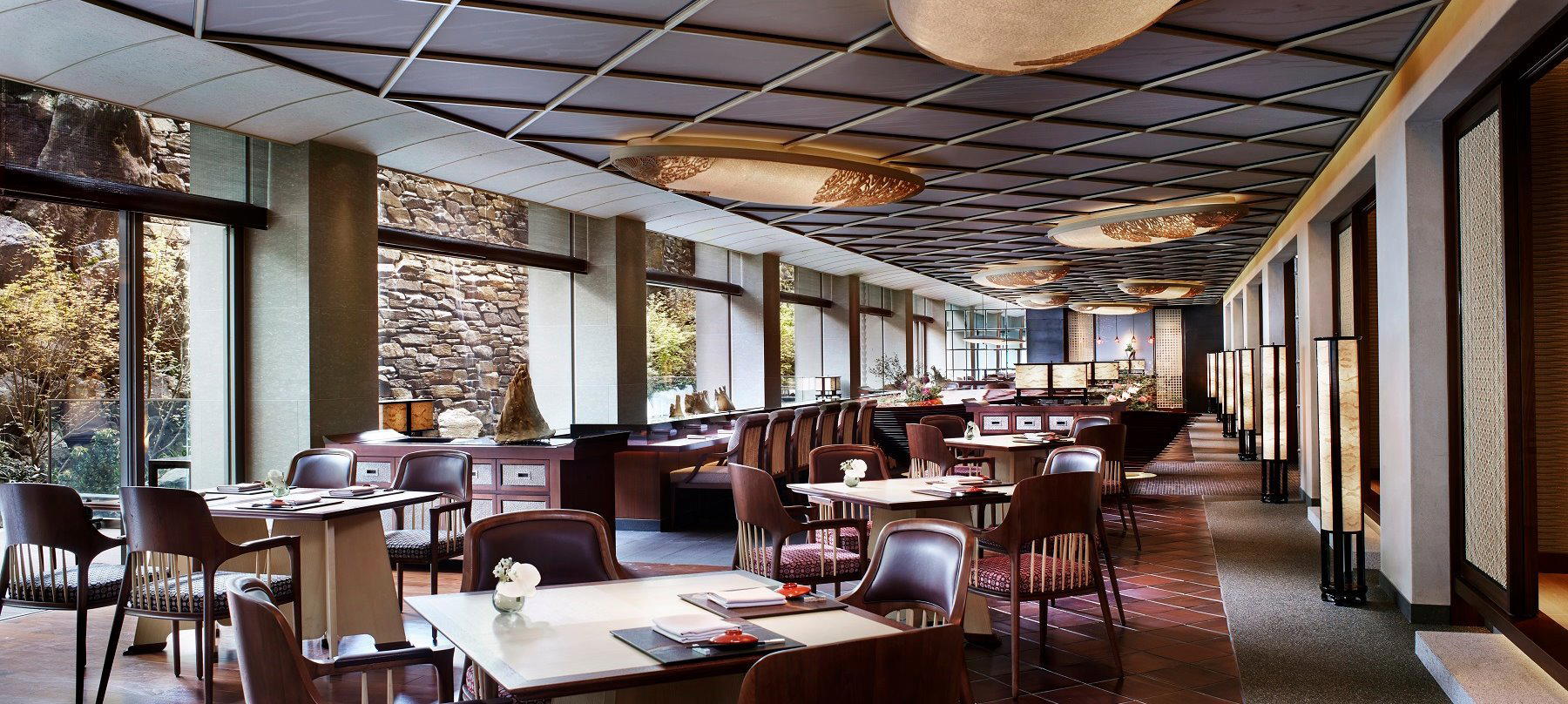
Details
- Cozy
- Lively
- Intimate
- Date Night
- Business Dinner
- Group Dining
- Celebration
- After Work
- Standalone
- Sake Program
- Beer Program
- Local Sourcing
- A La Carte
- Sake
- Beer
Current opening hours
- Monday
- Closed
- Tuesday
- Closed
- Wednesday
- Closed
- Thursday
- Closed
- Friday
- Closed
- Saturday
- Closed
- Sunday
- Closed
Hours can change for holidays and private events. Hours as of .
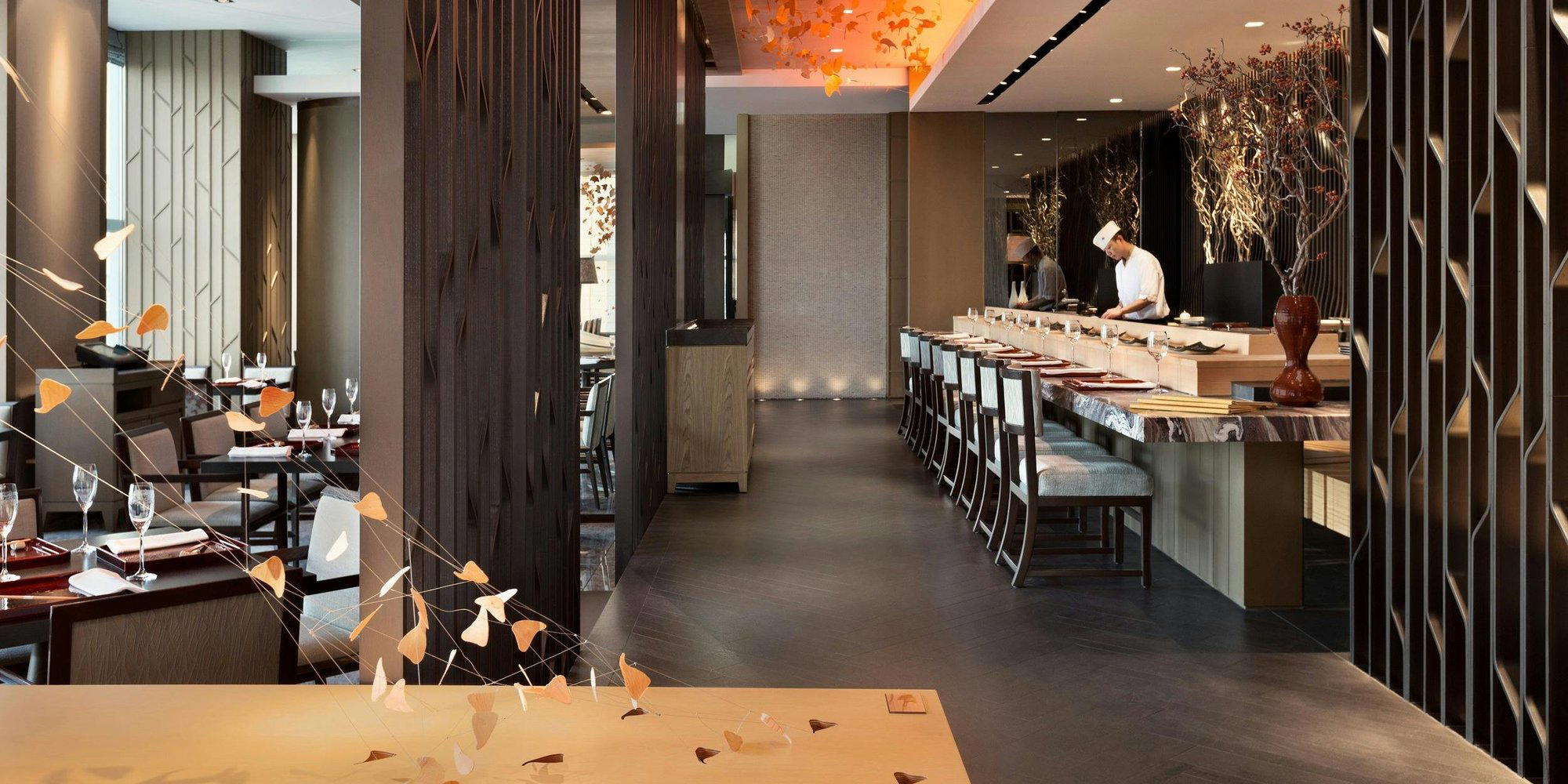
A cozy, lively yakiniku dining room with the warm glow of charcoal grills, creating an intimate yet energetic atmosphere suited to small groups and meat-focused dinners.