Ajeno
On Avenida Álvaro Obregón in Roma Norte, Ajeno occupies one of Mexico City's most active dining corridors, where the collaboration between kitchen, floor, and cellar has become as much a talking point as the food itself. The restaurant sits in a mid-tier bracket for the neighbourhood, drawing comparisons to other creative addresses along the Roma-Condesa axis. Reserve ahead, particularly for weekend sittings.
Pearl is the En Primeur Club membership app — saves, bookings, and concierge access live there. Same editors, same standards.
- Address
- Av. Álvaro Obregón 126, Roma Nte., Cuauhtémoc, 06700 Ciudad de México, CDMX, Mexico
- Phone
- +525513492850
- Website
- opentable.com
- Directions
- Get directions
 Saves & bookings on Pearl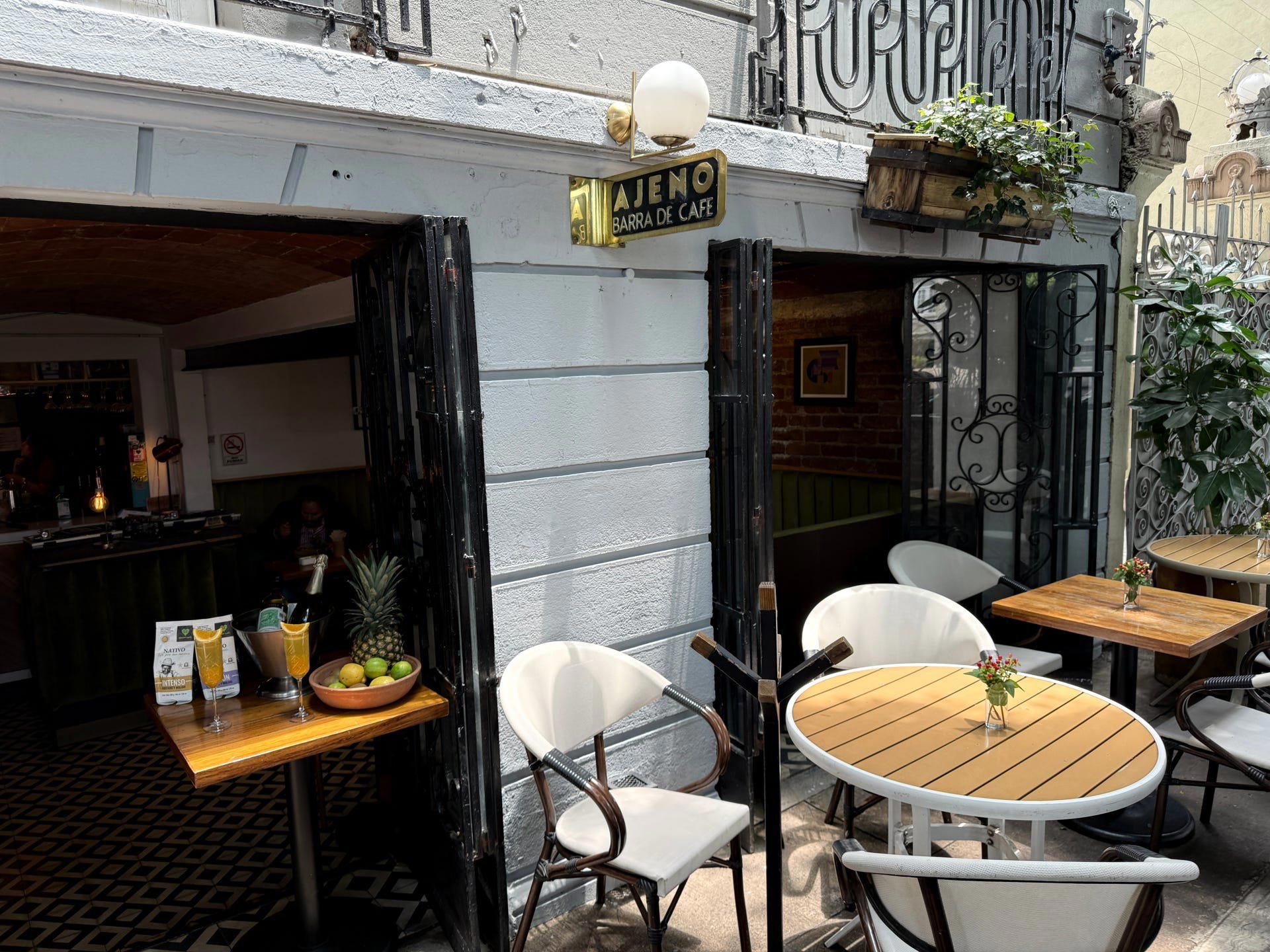
Roma Norte and the Restaurants That Define It
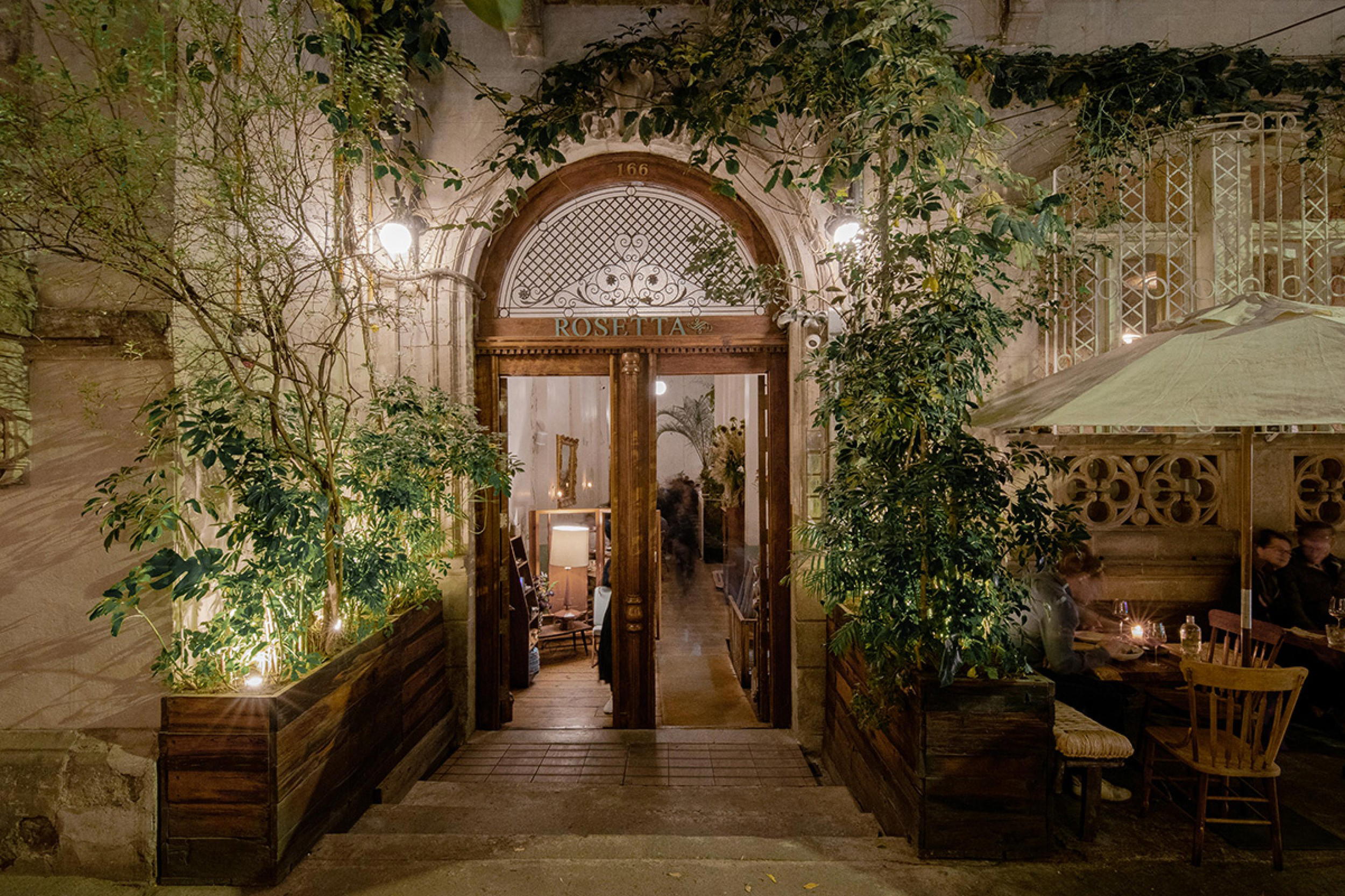
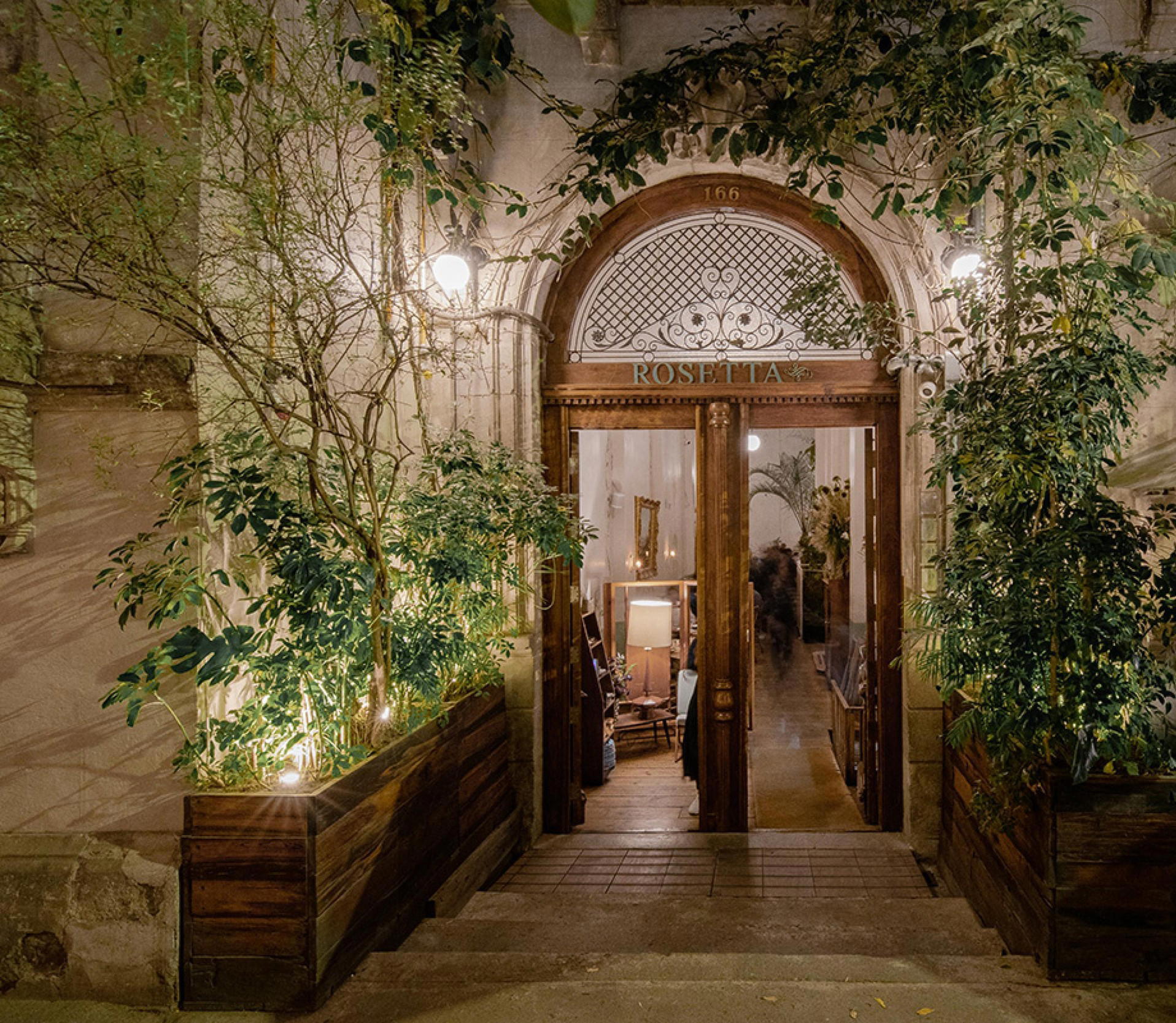
Avenida Álvaro Obregón runs through the spine of Roma Norte like a slow argument about what a Mexico City restaurant should be in 2024. The boulevard's tree-lined median, its ground-floor dining rooms opening onto the street, its mix of neighbourhood locals and out-of-towners with reservations printed on their phones, all of it creates a particular pressure on any serious address along its length. The casual density of competition means that individual restaurants cannot rely on location alone. They have to do something. Rosetta, a few blocks west, built its reputation around creative Italian cooking in a restored mansion. The cluster of ambitious mid-range and upper-mid-range rooms along this corridor has raised the bar for what "good enough" even means in this part of the city.
Ajeno sits at number 126 on that corridor, inside one of the more considered dining scenes in Mexico City. For broader context on where it fits relative to the city's full range of creative addresses, from Pujol at the summit of the market to more accessible neighbourhood rooms, the full Mexico City restaurants guide maps the territory more completely.
The Collaboration Model in Mexico City Fine Dining
Across the upper tiers of Mexico City dining, one interesting development of the past several years has not been any single chef's technique or any single ingredient trend. It has been the formalisation of team structure: the front-of-house as co-author of the experience, the sommelier as editorial voice rather than order-taker, the kitchen as one element of a coordinated whole rather than the unchallenged centre of attention. Quintonil operates this way, with its service floor functioning as an interpretive layer between the menu's intellectual ambition and the diner's actual evening. Em has done similar work, building a room where what happens between courses carries as much weight as what arrives on the plate.
Ajeno enters this conversation as an address where the collaboration between kitchen, sommelier, and floor staff appears to be a structural commitment rather than an afterthought. In practice, this means the wine program is not subsidiary to the food, it is positioned as a parallel argument. It means the front-of-house is expected to carry knowledge that goes beyond table management. And it means the experience of eating there is shaped by how well those three disciplines synchronise, not just by what the kitchen sends out. This model is harder to execute than it looks, and the restaurants that do it well tend to hold their ground in a crowded market for longer than those built around a single strong personality.
Where Ajeno Sits in Its comparable set
The Roma Norte dining corridor has developed a mid-to-upper-mid bracket that runs between roughly the price point of Rosetta (which prices in the $$ range for the neighbourhood) and the full tasting-menu spend required by the city's upper-tier rooms. Sud 777, operating further south in Pedregal, has defined what creative cooking looks like outside the Polanco axis. Within Roma Norte specifically, the competitive pressure comes from addresses that combine creative ambition with accessible formats, rooms that do not require a special-occasion justification to visit but reward the attention of someone who is paying close attention.
Ajeno's address on Álvaro Obregón places it in direct conversation with this tier. What it can be positioned within is the neighbourhood's broader creative current, which runs from Roma Norte up through Condesa and draws comparisons with the kind of collaborative, detail-oriented rooms emerging across Mexico's restaurant scene, from Alcalde in Guadalajara to KOLI Cocina de Origen in Monterrey and, in a different register, Levadura de Olla in Oaxaca.
The Role of the Sommelier Floor in Mexican Restaurants Right Now
Mexico's wine culture has shifted considerably over the past decade. The country produces credible wine from Baja California's Valle de Guadalupe, Animalón and Lunario are among the addresses that have built their identity around that regional production, and Mexico City's serious restaurants have absorbed that domestic offer into their cellars while also building lists that reference European benchmarks. The sommelier role in this context requires genuine range: the ability to navigate Mexican producers that serious international diners may not know alongside Old World references they will recognise immediately.
At addresses that have built their identity around team collaboration, the sommelier becomes a credibility signal in a way they do not at restaurants where wine is an ancillary service. The pairing conversation, whether a diner takes a curated match or builds their own list from the cellar, becomes part of how the room communicates its knowledge and ambition. Internationally, rooms like Le Bernardin in New York and Lazy Bear in San Francisco have demonstrated how a sommelier program can function as a parallel argument to the kitchen's, carrying its own editorial intelligence. Mexico City's better rooms are building toward the same standard.
Planning a Visit
Ajeno's address on Avenida Álvaro Obregón 126 in Roma Norte puts it within easy reach of the neighbourhood's main hotel cluster and a short taxi or metro ride from Polanco and Condesa. Ajeno is open daily from 10 AM to 2 AM. Reservations are recommended. Dress code is business casual.
For context on how this part of the city compares to coastal and regional Mexican dining scenes, addresses like HA' in Playa del Carmen, Arca in Tulum, Le Chique in Puerto Morelos, Pangea in San Pedro Garza García, and Olivea Farm to Table in Ensenada each represent what serious creative cooking looks like outside the capital.
Peers Worth Knowing
Comparable venues nearby, for context on price, style, and recognition.
| Venue | Cuisine | Price | Notes |
|---|---|---|---|
| AjenoThis venue — the venue you are viewing | Fusion / Eclectic | $$ | Not listed |
| Artiano's | Mexican-American Fusion | $$ | Juarez |
| Blanco Castelar | Mexican-European Fusion | $$$ | Polanco Chapultepec |
| müi Paladar | Modern Fusion Pop-up | $$$ | Condesa |
| Puerto Prendes | Traditional Mexican Seafood | $$ | Roma Norte |
| Mythos Cibeles | Greek Mediterranean | $$ | Roma Norte |
Continue exploring
More in Mexico City
Restaurants in Mexico City
Browse all →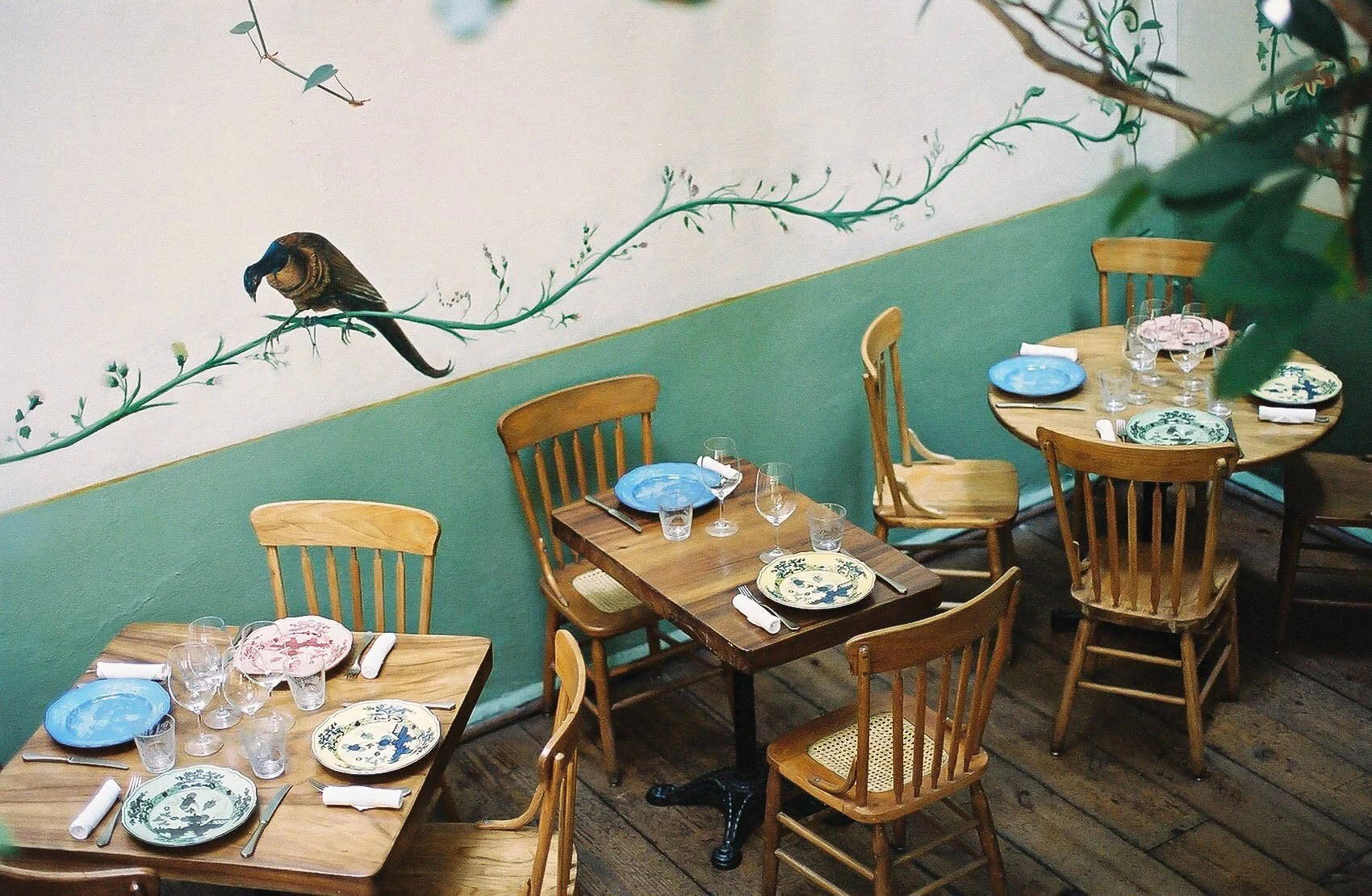
Bars in Mexico City
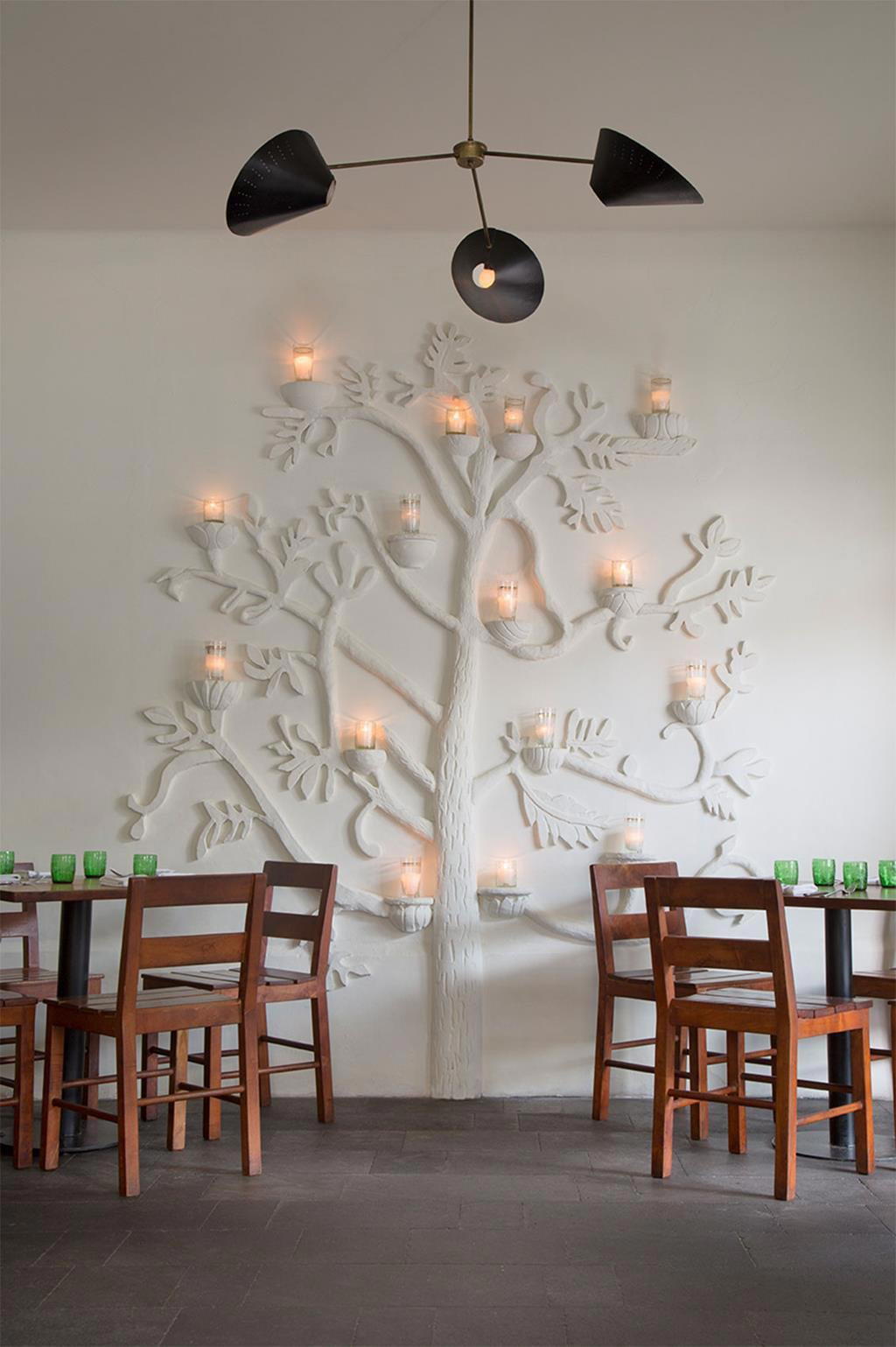
Browse all →
At a Glance
- Trendy
- Cozy
- Date Night
- Casual Hangout
- Brunch
- Live Music
- Open Kitchen
- Terrace
- Craft Cocktails
- Street Scene
Current opening hours
- Monday
- 10 AM–2 AM
- Tuesday
- 10 AM–2 AM
- Wednesday
- 10 AM–2 AM
- Thursday
- 10 AM–2 AM
- Friday
- 10 AM–2 AM
- Saturday
- 10 AM–2 AM
- Sunday
- 10 AM–2 AM
Hours can change for holidays and private events. Last verified .
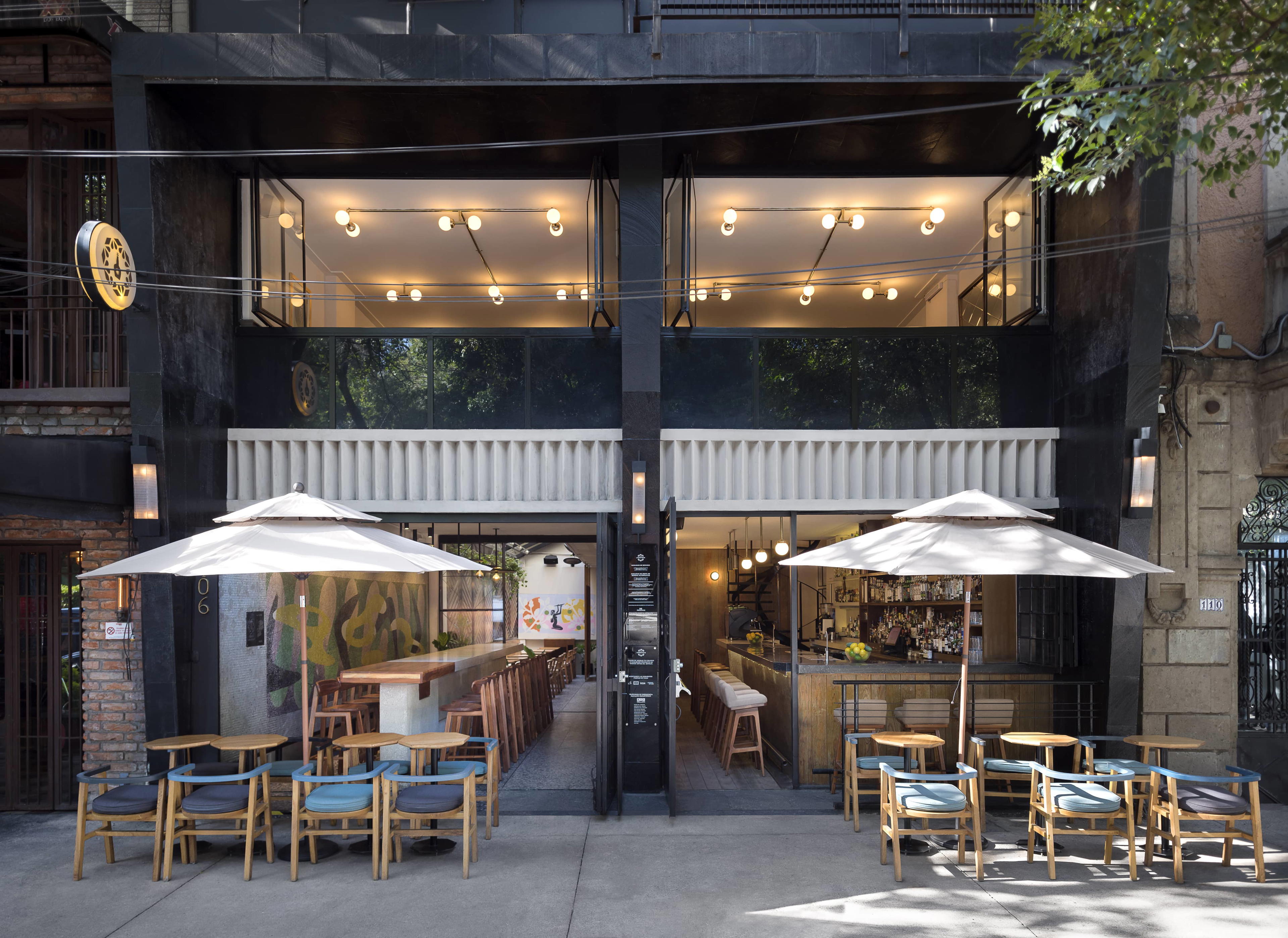
Gorgeous interior featuring traditional clay brick arches, vinyl records, and a DJ station, creating a cozy yet trendy atmosphere with people-watching on the sidewalk terrace.