Aitana


A Michelin Plate-recognised address on Calle San Gregorio, Aitana sits at the practical centre of Aranda de Duero's traditional dining scene. The kitchen works a wood-fired oven and a menu built around Castilian red meats and seasonal vegetables, with IGP Castilla y León baby lamb available on prior order. A tapas section at the entrance and a Ribera set menu round out the offering at a mid-range price point.
Pearl is the En Primeur Club membership app — saves, bookings, and concierge access live there. Same editors, same standards.
- Address
- C. San Gregorio, 17, Bajo, 09400 Aranda de Duero, Burgos, Spain
- Phone
- +34 947 51 44 45
- Website
- aitanarestaurante.es
- Directions
- Get directions
 Saves & bookings on Pearl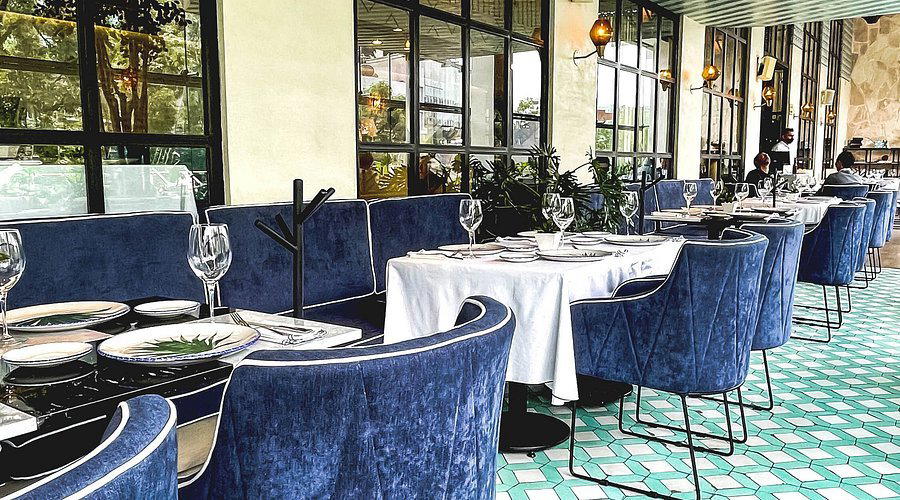
Walk into the old quarter of Aranda de Duero and the architecture above ground tells only half the story. Beneath the town runs more than four kilometres of medieval wine cellars, cut into the sandstone by monastic communities and later expanded by the Ribera del Duero trade. The cuisine that grew up around this underground network is equally direct: lamb raised on the Castilian meseta, vegetables that arrive at the kitchen with the seasons, and red meat cooked over wood until the crust speaks for itself. Aitana is a restaurant in Aranda de Duero, Burgos, serving Traditional Castilian Asador cooking. Aitana, on Calle San Gregorio, operates squarely within that tradition.
Wood, Fire, and the Logic of Castilian Cooking
The wood-fired oven is visible from the dining room at the rear of the restaurant, and its presence is not decorative. In the Castilian kitchen, wood fire is an ingredient as much as a technique: it sets temperature curves that gas cannot replicate, produces a dry, aromatic heat that crisps lamb skin while leaving the interior almost custard-soft, and creates the kind of surface caramelisation that no grill finish can convincingly substitute. Aranda de Duero has long been one of the reference points for this style of cooking in Castile and León, sitting in a triangle of lechazo country that also takes in Sepúlveda and Peñafiel. Restaurants here are judged by their mastery of the oven as much as by any other element of their operation.
Aitana holds Michelin Plate recognition for both 2024 and 2025, and Google users rate it 4.6 across 981 reviews. At a mid-range price point (€€), it occupies a different register from Spain's multi-starred addresses: the three-Michelin-star operations at Aponiente in El Puerto de Santa María, Arzak in San Sebastián, Azurmendi in Larrabetzu, Cocina Hermanos Torres in Barcelona, and DiverXO in Madrid all operate in the €€€€ tier with tasting-menu formats and significant advance booking requirements. Aitana is a working restaurant for the town and for visitors who have spent the morning in the cellars and want a lunch that reflects the area.
Where the Ingredients Begin
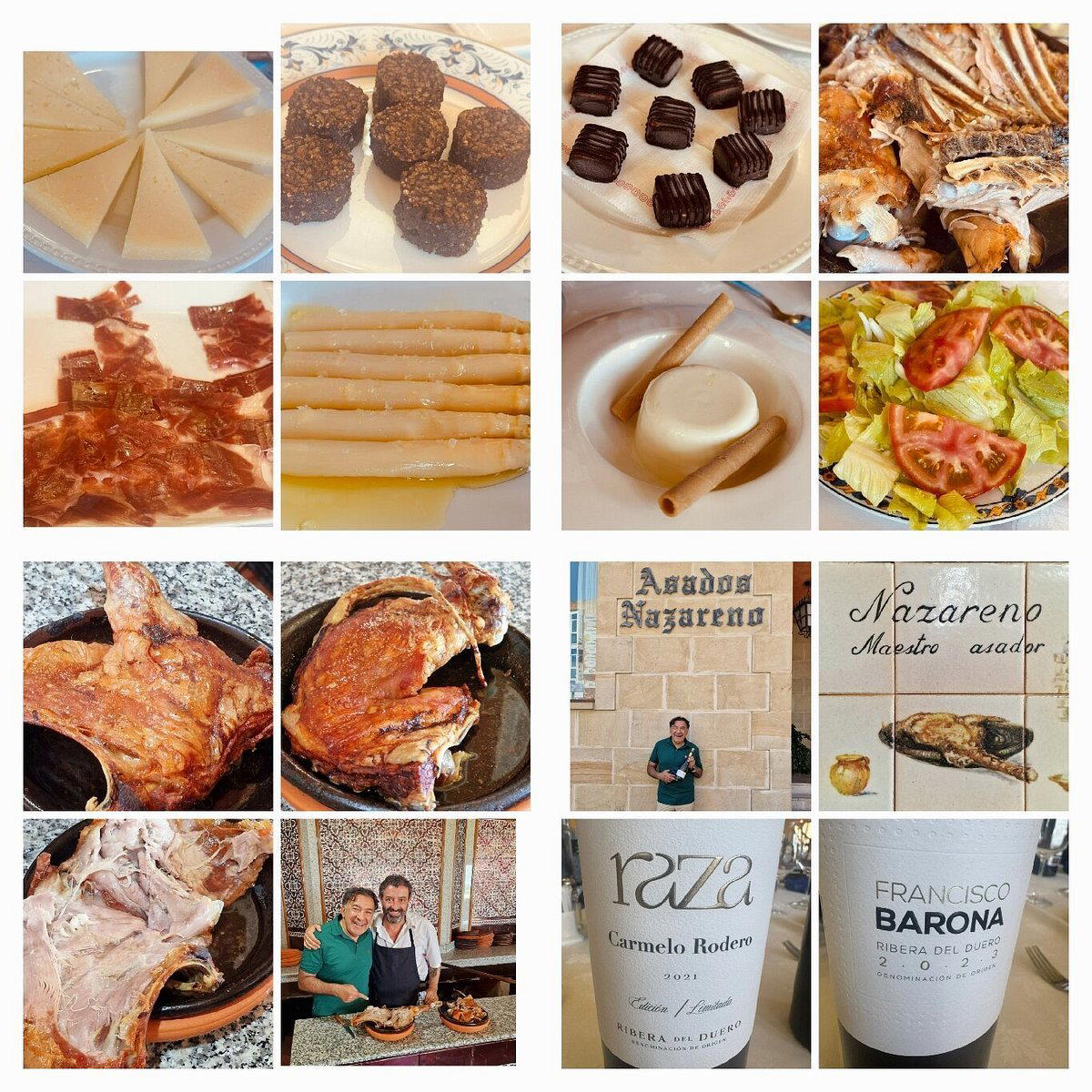
The IGP Castilla y León designation on the baby lamb served here is the anchor of the menu's sourcing argument. IGP (Indicación Geográfica Protegida) for lechazo in this region specifies milk-fed lambs raised by registered producers within Castile and León, slaughtered at no more than 35 days old and under 8 kilograms dressed weight. The result is meat with a mild, almost sweet flavour profile and a fat structure that renders cleanly under the high, dry heat of a wood-fired oven. This is not a dish you order and then change your mind about: the baby lamb at Aitana requires prior arrangement, which is standard practice for lechazo across Aranda de Duero, since the portion sizes and cooking times are calibrated to the whole animal rather than individual cuts.
The seasonal vegetables on the menu follow the same regional logic. Castile and León's high-altitude plains produce legumes, root vegetables, and alliums that benefit from the temperature contrast between warm days and cold nights, developing density and sweetness that lower-altitude equivalents rarely match. The kitchen's commitment to seasonal sourcing means the supporting cast on the plate changes with the calendar rather than with a marketing cycle.
À la carte is supplemented by a Ribera set menu, which positions the meal within the wine geography of the Duero valley. Ribera del Duero's Tempranillo-dominant reds, built for tannin and long ageing, are a natural counterpart to the red meats and roasted lamb that anchor Aitana's menu. For a broader picture of what the region offers in terms of producers and cellars,
The Format: Tapas at the Front, Dining Room Behind
Layout of Aitana reflects a pattern common in Castilian provincial restaurants: a tapas bar section near the entrance that handles shorter visits and local trade, with the main dining room reserved for longer, more structured meals. This dual-format approach is not a compromise but a practical response to how Spaniards actually move through a town like Aranda de Duero during the day. A mid-morning stop for a tapa and a glass of Ribera is a different transaction from a seated lunch built around slow-roasted lamb, and the room plan accommodates both without forcing either into an uncomfortable register.
6 across 981 reviews is a reliable volume indicator. At that sample size, the score reflects sustained performance rather than a cluster of enthusiastic recent visitors, and 4.6 is a level that most mid-range regional restaurants in Spain with genuine local followings tend to hold. It does not indicate novelty; it indicates consistency.
Planning Your Visit
Aitana is on Calle San Gregorio 17, in the centre of Aranda de Duero, which puts it within walking distance of the underground cellars that draw most visitors to the town in the first place. If you are planning to order the baby lamb, contact the restaurant in advance to confirm availability and reserve the dish. The Ribera set menu is available without pre-ordering and gives a structured route through the kitchen's range. The price point (€€) makes this a practical choice for a main meal rather than a special-occasion splurge, and the tapas section at the entrance works if you want something lighter after a cellar tour.
For the full picture of eating and drinking in Aranda de Duero, our full Aranda de Duero restaurants guide covers the range across price tiers and styles.
Auga in Gijón and Auberge Grand'Maison in Mûr-de-Bretagne, both operating in the traditional cuisine register at comparable price tiers. Spain's broader Michelin constellation, from El Celler de Can Roca in Girona to Martin Berasategui in Lasarte-Oria, Mugaritz in Errenteria, Quique Dacosta in Dénia, Ricard Camarena in València, and Atrio in Cáceres, operates at a different altitude in both ambition and price, but the sourcing discipline that connects Spanish regional cooking at every tier is the same thread that runs through Aitana's wood-fired kitchen in Aranda de Duero.
Fast Comparison
Comparable venues nearby, for context on price, style, and recognition.
| Venue | Cuisine | Price | Awards | Notes |
|---|---|---|---|---|
| AitanaThis venue — the venue you are viewing | Traditional Castilian Asador | $$ | Michelin Plate | Not listed |
| El Viejo Fogón | Modern Spanish Fusion | $$ | Michelin Plate | Majadahonda |
| Casa de Pías | Modern Spanish | $$ | Michelin Plate | Centro |
| Taberna Pedraza | Traditional Spanish Tavern | $$ | Michelin Plate | Recoletos |
| Cepa 21 | Modern Spanish Cuisine | $$$ | Michelin Plate | Castrillo de Duero |
| Don Fadrique | Traditional Spanish | $$ | Michelin Plate | Alba de Tormes |
Recognition history
Dated appearances from independent guides and award organizations, with the underlying list record or original source where available.
Macarfi 7.3 Food Rating
Macarfi
Michelin Plate
Michelin
Michelin Plate
Michelin
Michelin Plate
Michelin
Continue exploring
More in Aranda de Duero
Restaurants in Aranda de Duero
Browse all →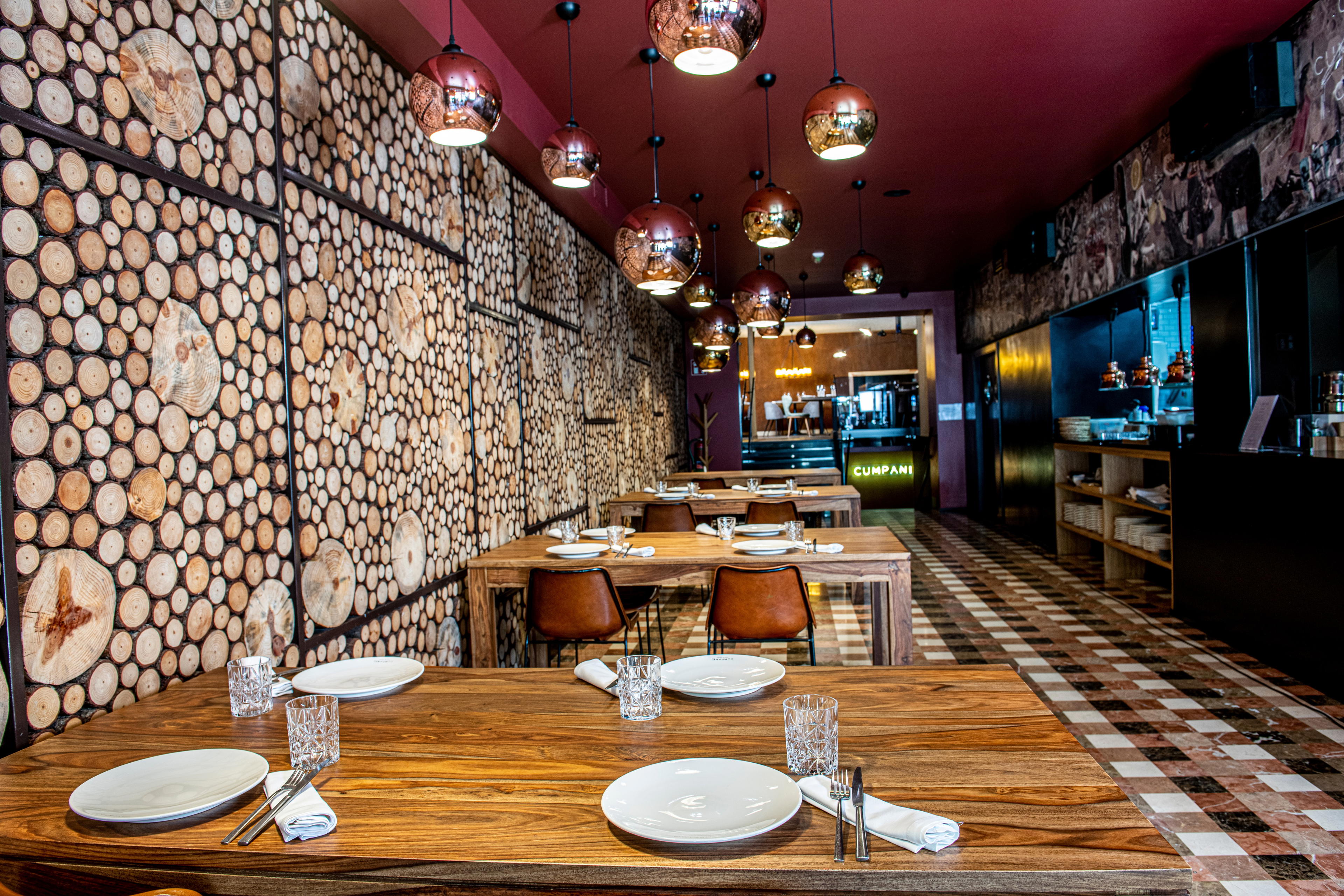
At a Glance
- Classic
- Cozy
- Rustic
- Family
- Celebration
- Business Dinner
- Open Kitchen
- Extensive Wine List
Current opening hours
- Monday
- 9 AM–5 PM
- Tuesday
- 9 AM–5 PM
- Wednesday
- 9 AM–5 PM
- Thursday
- 9 AM–5 PM
- Friday
- 9 AM–5 PM, 9–11 PM
- Saturday
- 9 AM–5 PM, 9–11 PM
- Sunday
- 9 AM–5 PM
Hours can change for holidays and private events. Last verified .
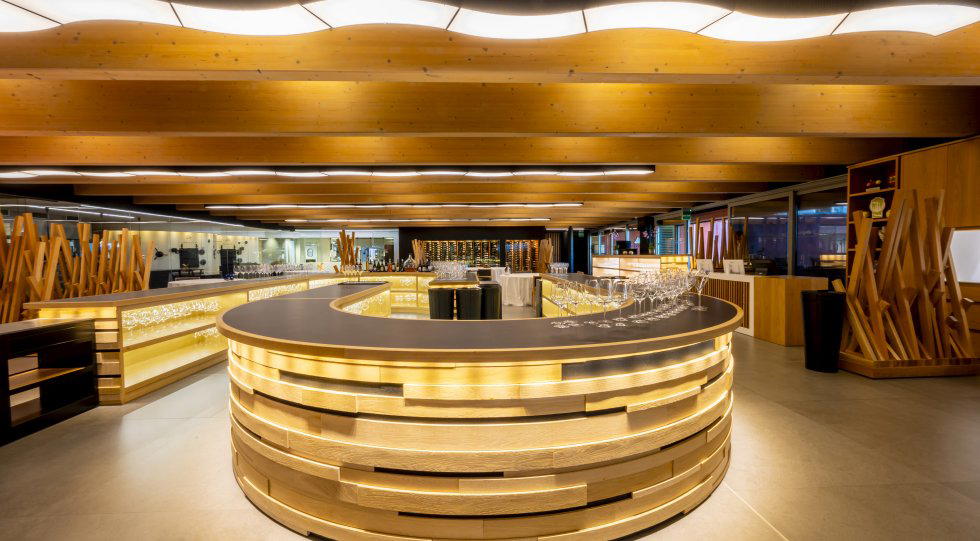
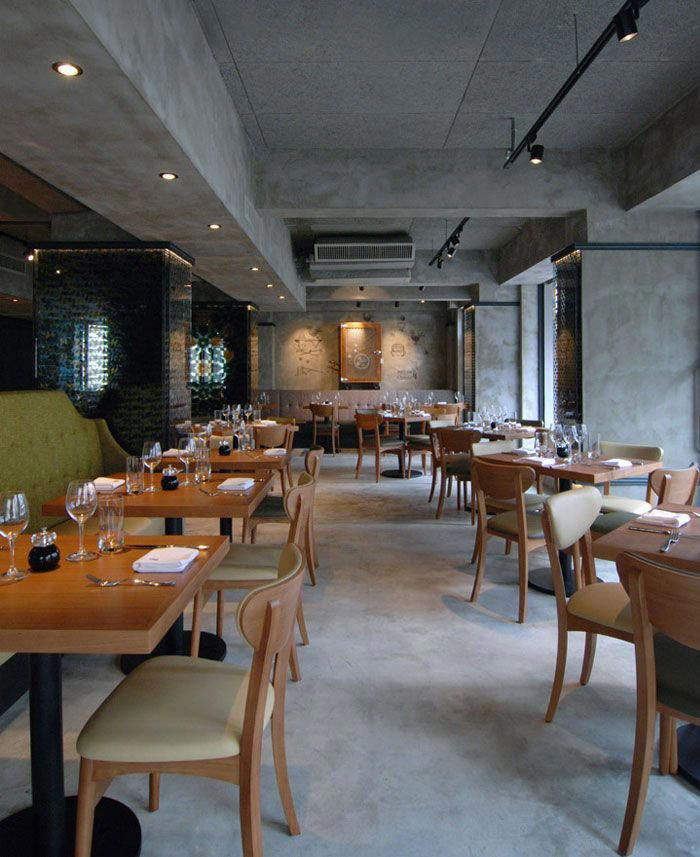
Cozy dining room with view of the wood-fired oven, warm and inviting atmosphere praised for its home-like feel and attentive service.