Hainanese chicken rice is Singapore's most debated hawker dish, and Ah Tei Hainanese Chicken enters that conversation at the serious end of the tradition. The format is spare, the focus singular: poached or roasted chicken served over fragrant rice with a trio of condiments. For visitors trying to understand why this dish inspires such loyalty, Ah Tei is a place worth finding.

Pearl is the En Primeur Club membership app — saves, bookings, and concierge access live there. Same editors, same standards.
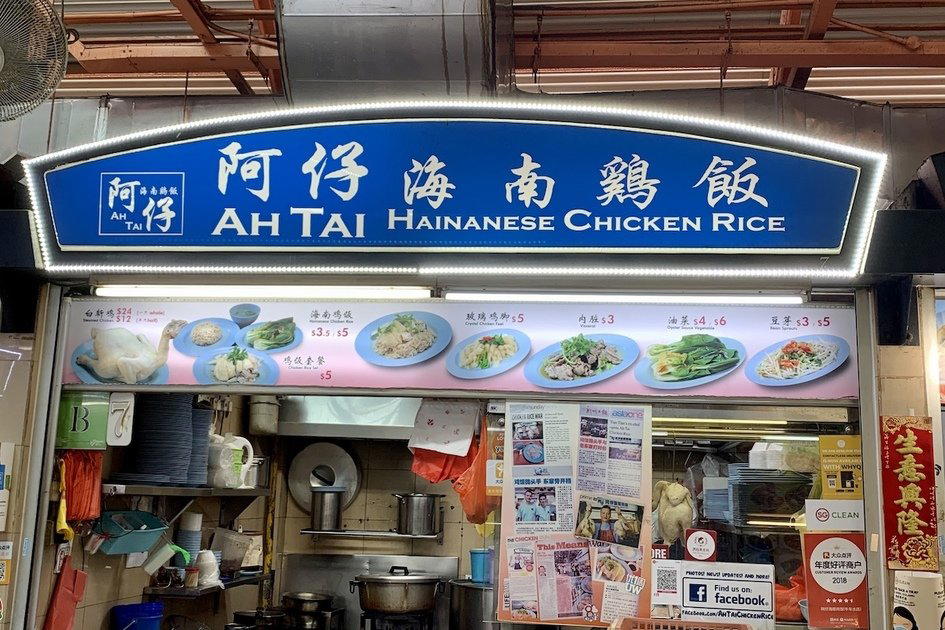
The Dish That Defines a City's Palate
Singapore's hawker culture has attracted global attention, but few dishes carry the weight of identity that Hainanese chicken rice does. It is the dish Singaporeans argue about with the kind of conviction usually reserved for football loyalties: which stall poaches at the right temperature, whose chilli has the correct ratio of ginger to heat, whose rice carries enough chicken stock to stand as a dish in itself. The dish's ubiquity is deceptive. Because it appears everywhere, from airport food courts to neighbourhood coffee shops, it is easy to assume that quality differences are marginal. They are not. The gap between a bowl of oily, fragrant rice served under properly rested, silken poached chicken and a mediocre approximation is considerable, and locals have spent decades mapping exactly where on that spectrum each stall sits.
Ah Tei Hainanese Chicken occupies a place within this deeply local tradition. The name signals something important: this is not a restaurant selling Hainanese chicken rice as one item among many. The dish is the point. That kind of singular focus is a characteristic of the hawker format at its most disciplined, and it is the reason the leading chicken rice stalls in Singapore accumulate loyal queues rather than casual walk-ins.
A Dish with Deep Roots
Hainanese chicken rice arrived in Singapore with migrants from Hainan province in southern China during the late nineteenth and early twentieth centuries. The original technique, poaching a whole chicken in a master stock and then using that stock to cook the rice, is direct in principle and demanding in execution. The temperature of the poaching liquid, the resting time after cooking, and the quality of the bird itself all determine whether the meat stays silken through to the bone or turns dry and chalky. The rice, cooked in chicken fat and stock with pandan and ginger, should carry enough flavour to be eaten on its own.
Singapore's version diverged from its Hainanese origins over time, developing a local character through the addition of dark soy sauce, a sharp ginger paste, and a chilli sauce that varies significantly between stalls. This condiment trio is often where hawker stalls signal their seriousness. A house-made chilli with fresh chillies and proper seasoning reads differently from a bottled product, and regulars notice. The dish also split into two main preparations: the pale, smooth-skinned poached version and the roasted variant with lacquered, fragrant skin. Most serious stalls offer both, and choosing between them is itself a small ritual for the initiated.
For broader context on how Singapore's dining culture spans from this kind of hawker precision to the multi-course European cooking found at venues like Les Amis, Odette, and Zén, our full Singapore restaurants guide maps the full range.
Where Ah Tei Sits in the Chicken Rice Conversation
Singapore's chicken rice scene is not monolithic. It spans hawker centre stalls with near-mythological reputations, coffee shop operations that have been running for decades, and a newer tier of restaurant-format venues that charge more and plate more carefully. The hawker tier is where tradition is most concentrated and where the comparison between stalls is most direct. Within that tier, reputation is built slowly and lost quickly, because the regulars are paying close attention.
Ah Tei operates within this tradition. The name circulates among those who follow the city's hawker circuit seriously. Visitors who have already covered the circuit's better-known landmarks often arrive here as part of a more considered exploration of what the dish can do in different hands. That kind of positioning, within a crowded field but with a distinct following, is typical of stalls that have developed a loyal base through consistency rather than marketing.
For those exploring hawker-adjacent eating in different parts of the city, options like KTMW chicken rice tea-cafe in Bedok and 大巴窑93茶粿 in Kallang offer points of comparison across neighbourhoods. Broader casual dining across the city includes Asian Twist by 365 Food in Queenstown, Fu He Delights in Rochor, and Du Du Shou Shi in Jurong West.
Planning Your Visit
Hawker stalls in Singapore operate on rhythms that differ substantially from restaurant dining. The leading advice for visiting any serious chicken rice stall applies here: arrive early, expect to queue if the stall is operating at peak hours, and understand that sell-outs are common. Many of particularly disciplined operations close when the day's supply is finished rather than extend hours, which means a midday visit carries more certainty than an evening one. Hawker pricing in Singapore remains among the more accessible in any major city in the region, making this kind of eating a different financial proposition from the multi-hundred-dollar tasting menus at venues like Jaan by Kirk Westaway or Meta. The value calculus at a hawker stall is not about price-to-portion but about price-to-craft: what a skilled operator produces at hawker prices represents a different kind of achievement.
For those building a wider Singapore itinerary that mixes hawker eating with more formal dining, the city also supports venues like Imperial Treasure Fine Chinese Cuisine in the Downtown Core, Béni in Orchard, and Etna Restaurant in Outram. For reference points outside Singapore entirely, the editorial standards we apply here are consistent with how we approach venues from Le Bernardin in New York to Atomix. Further options for casual eating across the island include Haidilao Hot Pot at Sun Plaza in Sembawang and Little Italy Katong in Marine Parade.
Fast Comparison
Comparable venues nearby, for context on price, style, and recognition.
| Venue | Cuisine | Price | Notes |
|---|---|---|---|
| Ah Tei Hainanese ChickenThis venue — the venue you are viewing | Hainanese Chicken Rice | $ | Not listed |
| Zhen Zhen Porridge 中国街真真粥品 | Cantonese Porridge | $ | Chinatown |
| Ng Ah Sio Pork Ribs Soup Eating House | Teochew Bak Kut Teh | $ | KAMPONG JAVA |
| Fatty Cheong Roast Meat | Singaporean Roast Meats | $ | ABC Brickworks |
| Lor 29 Geylang | Singaporean Fried Hokkien Mee | $ | ALJUNIED |
| 545 Whampoa Prawn Noodle | Traditional Singapore Prawn Noodles | $ | BALESTIER |
Continue exploring
More in Singapore
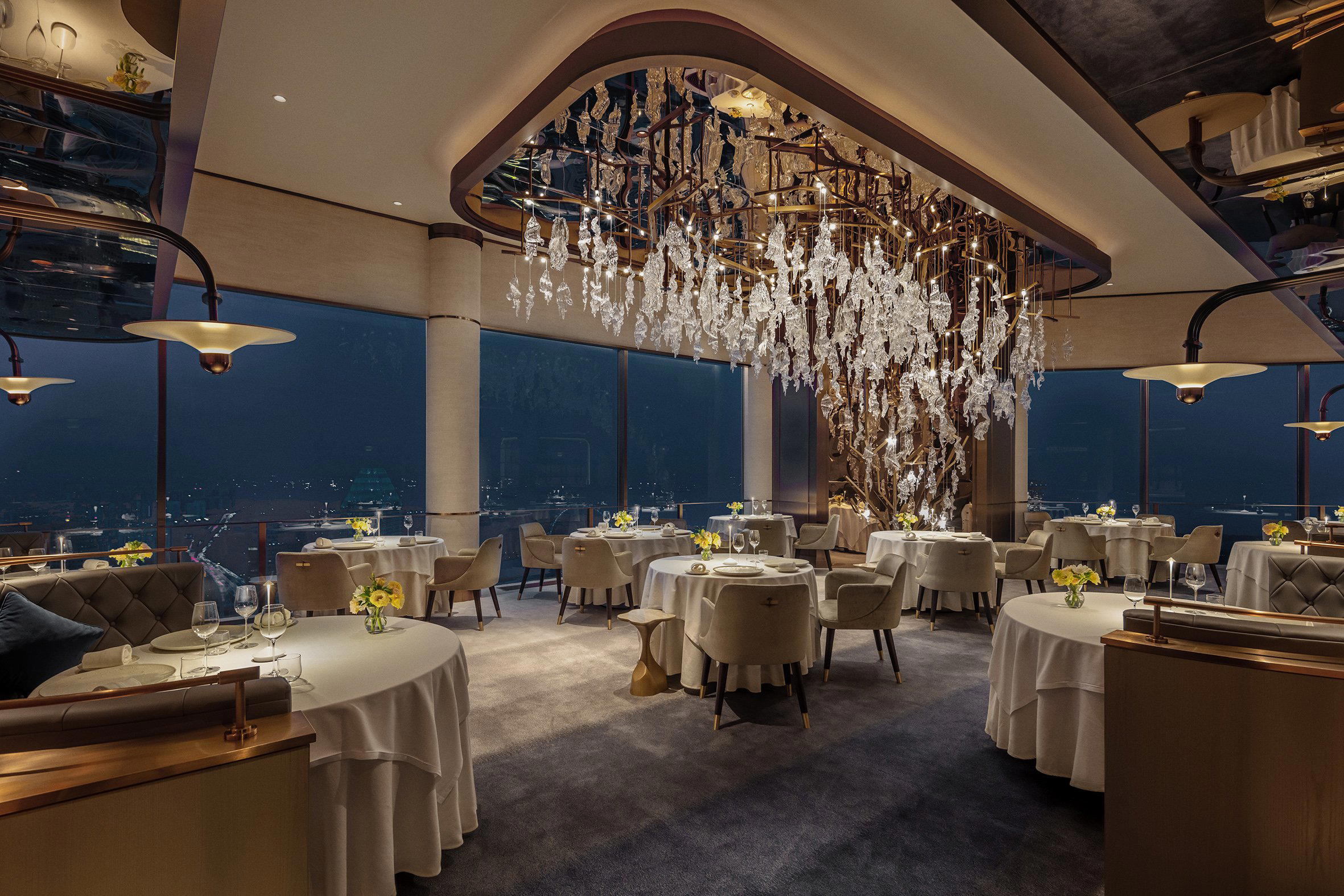
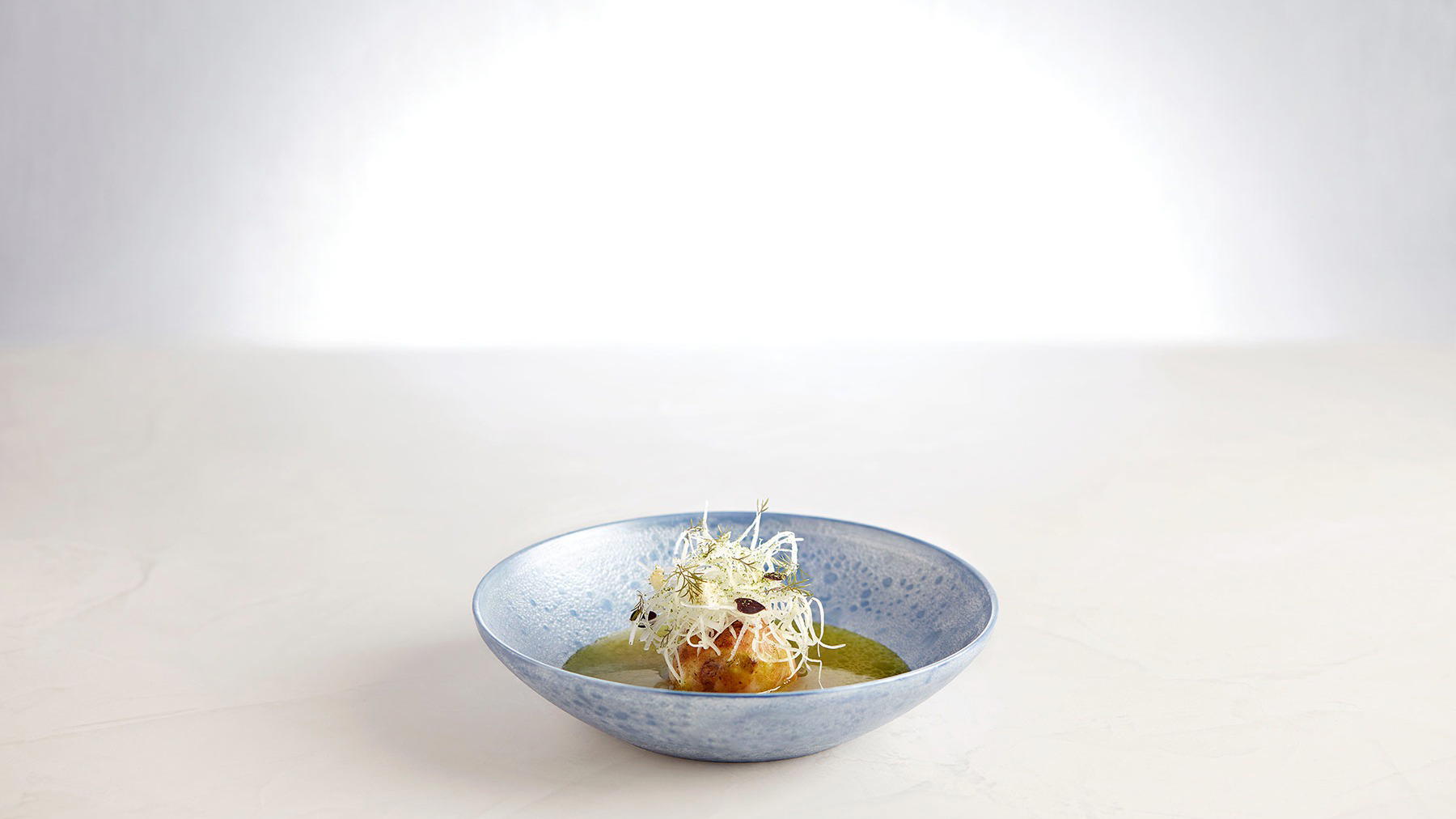
Restaurants in Singapore
Browse all →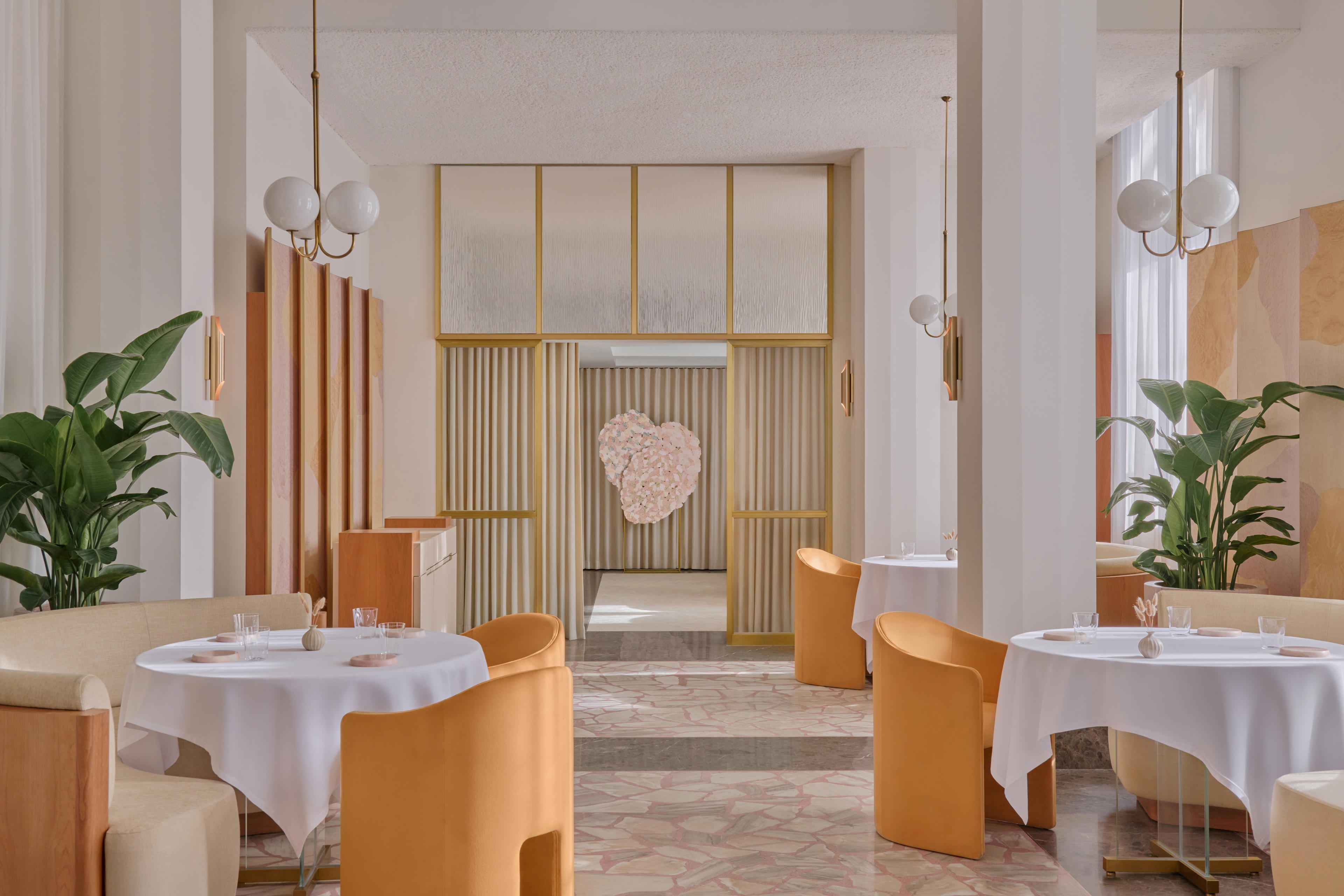
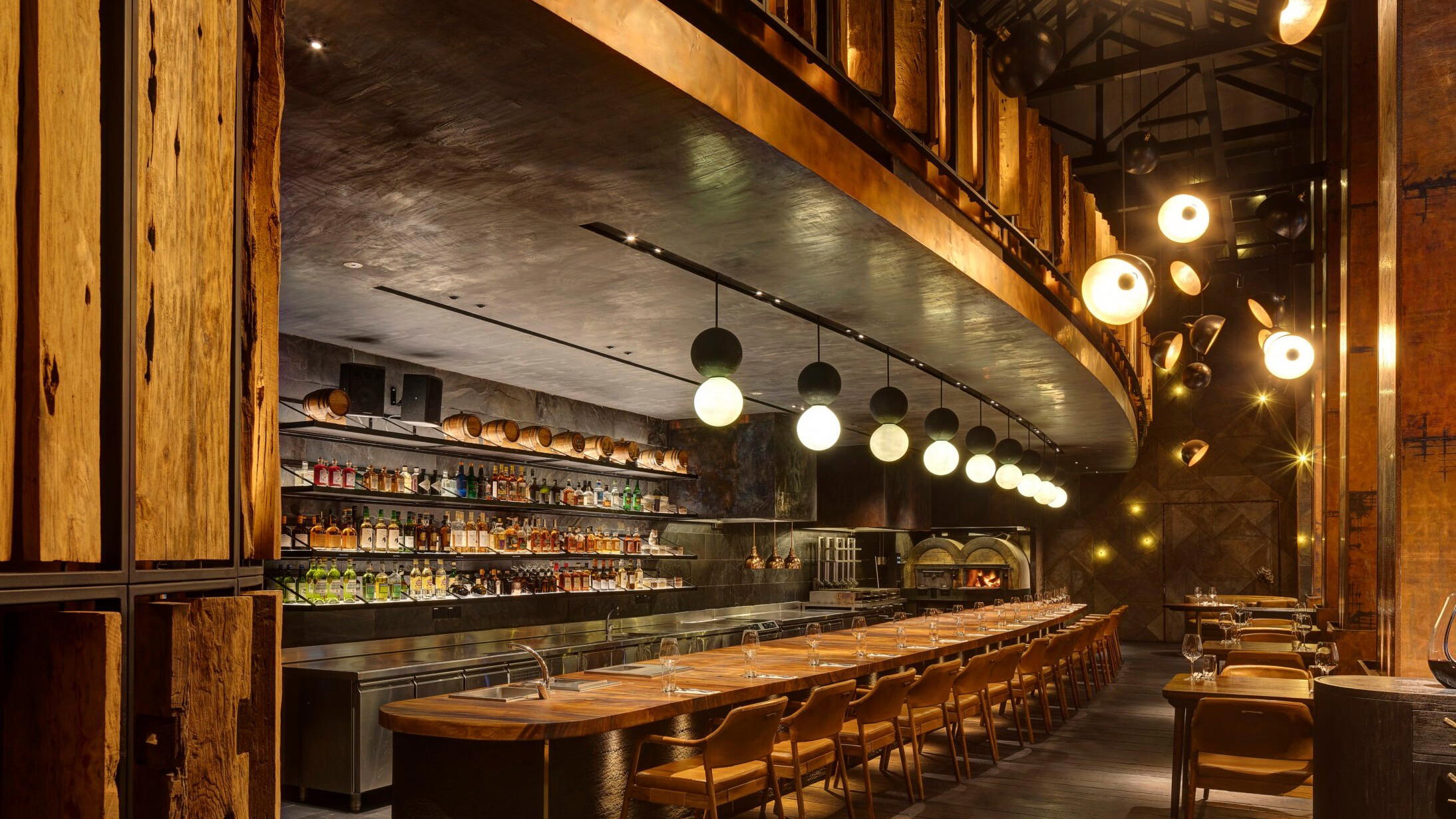
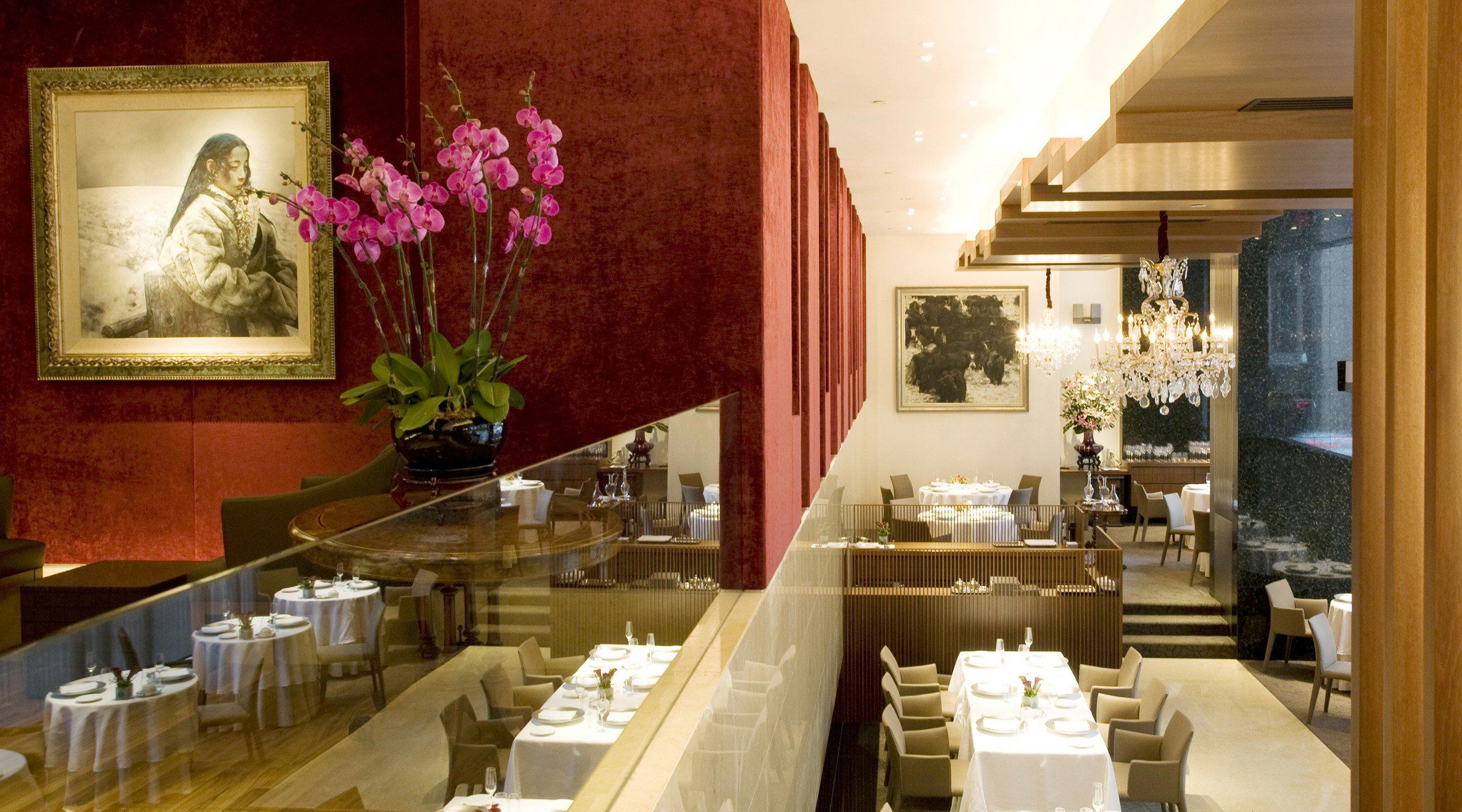
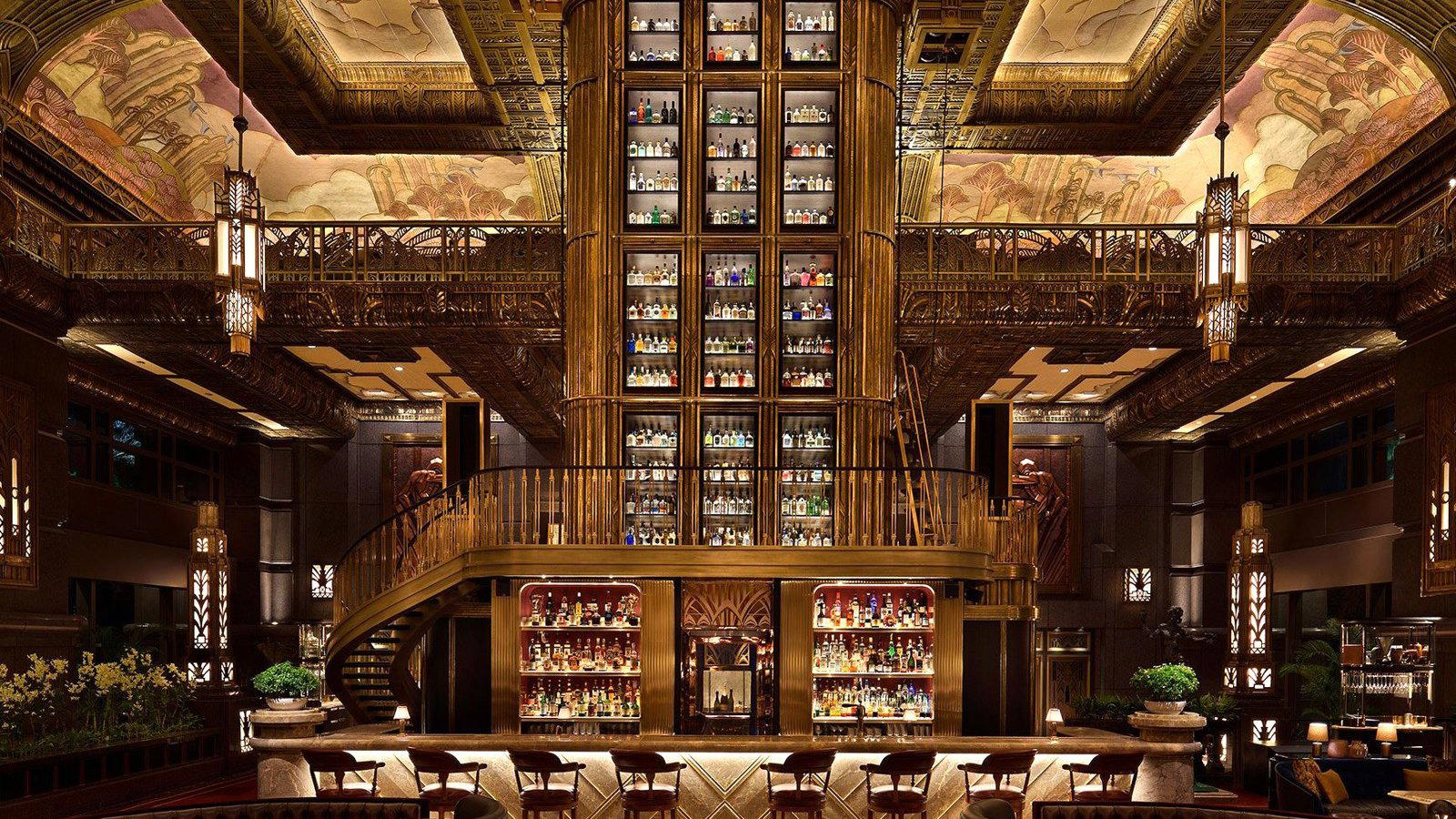
Bars in Singapore
Browse all →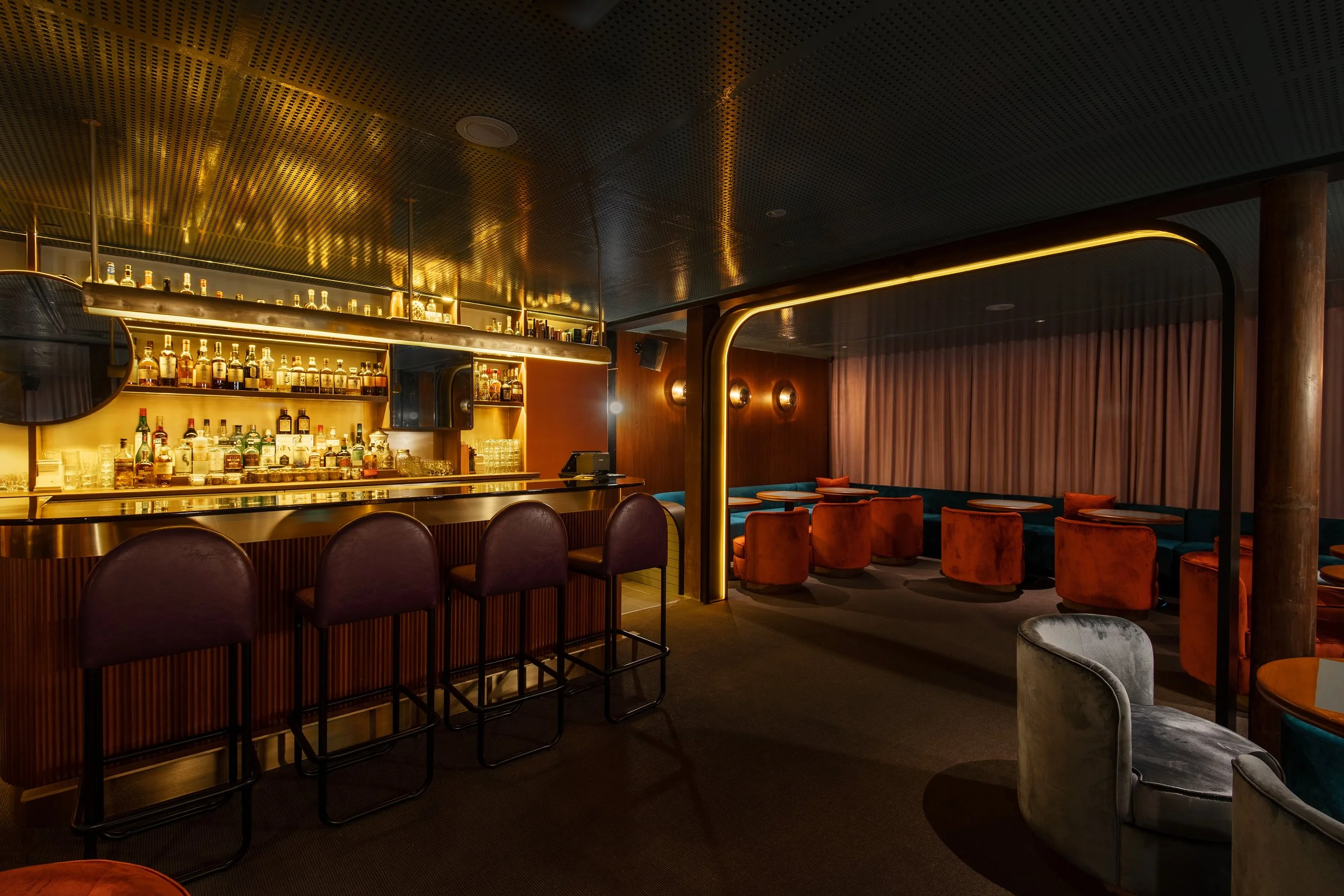
At a Glance
- Lively
- Casual Hangout
- Standalone
Bustling hawker centre atmosphere with communal seating and lively food centre energy.