Imperial Treasure Fine Chinese Cuisine
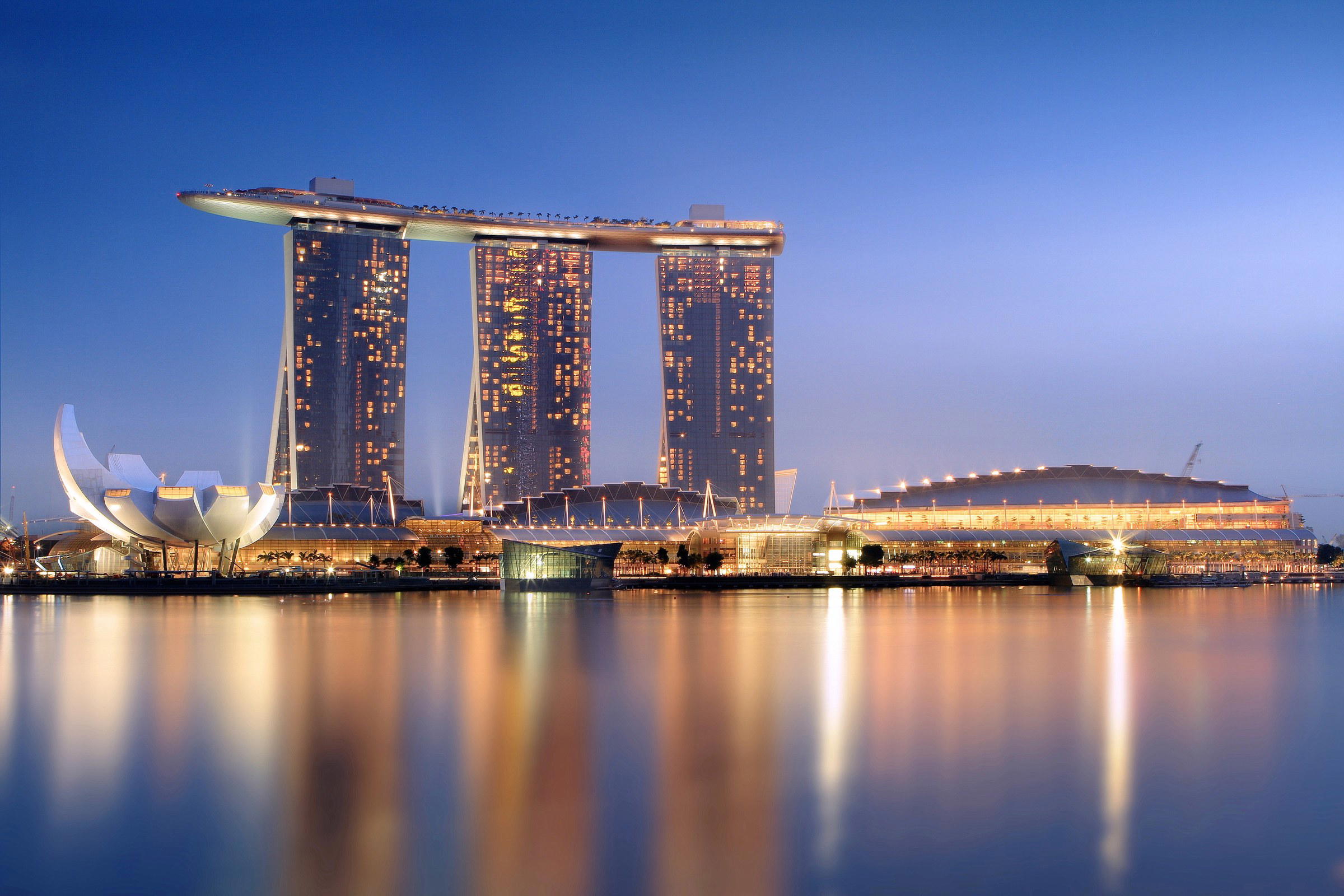
Imperial Treasure Fine Chinese Cuisine occupies a prominent position within Marina Bay Sands' The Shoppes, placing refined Cantonese and broader Chinese cooking traditions against one of Singapore's most commercially significant backdrops. The restaurant belongs to a multi-location group with a consistent record in the premium Chinese dining tier across Singapore and beyond. For visitors to the Downtown Core, it represents a measured, formal approach to Chinese cuisine in a setting that signals occasion dining.
Pearl is the En Primeur Club membership app — saves, bookings, and concierge access live there. Same editors, same standards.
- Address
- 8 Bayfront Ave, #02-04 The Shoppes, Marina Bay Sands, Singapore 018955
- Phone
- +6566887788
- Website
- imperialtreasure.com
- Directions
- Get directions
 Saves & bookings on Pearl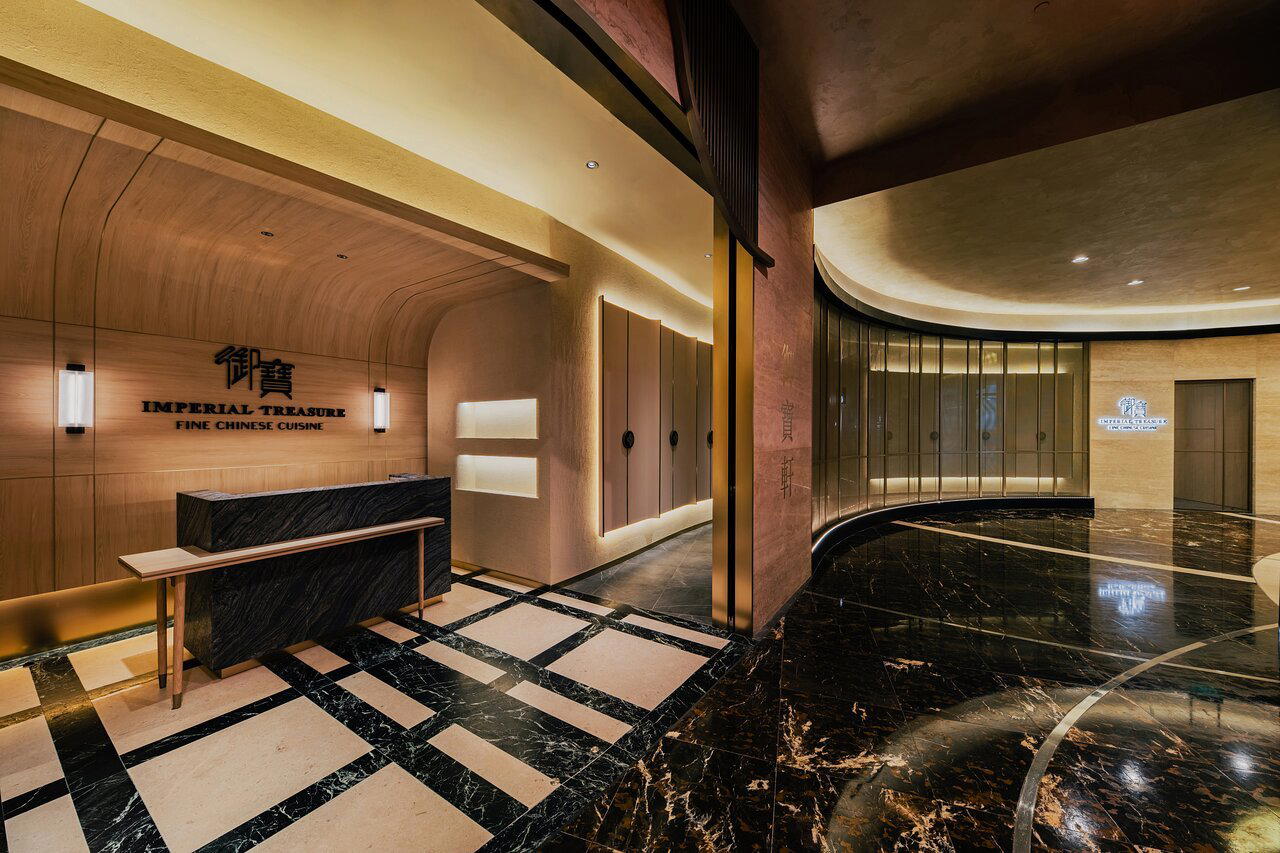
The Setting: Marina Bay Sands and What It Asks of a Restaurant
The Shoppes at Marina Bay Sands is not a neutral backdrop. Restaurants that operate within it must contend with foot traffic that skews heavily toward international visitors, high retail adjacency, and a built environment designed around spectacle. Within this context, premium Chinese dining faces a particular challenge: maintaining the kind of format discipline that serious Cantonese cooking demands while operating inside one of Southeast Asia's most commercially dense dining destinations. Imperial Treasure Fine Chinese Cuisine is a fine Cantonese Chinese restaurant at 8 Bayfront Ave, #02-04 The Shoppes, Marina Bay Sands, Singapore 018955. Imperial Treasure Fine Chinese Cuisine, positioned at #02-04 within The Shoppes, occupies that tension directly.
The Marina Bay precinct has matured considerably as a dining address since the Sands complex opened. What was initially read as a tourism-first cluster has gradually attracted restaurant groups with serious culinary credentials, partly because the concentration of high-spending visitors and corporate clientele creates a commercial base that can support premium pricing. In that sense, the address now reads less as a compromise and more as a deliberate targeting of a specific diner profile.
Where Imperial Treasure Sits in Singapore's Chinese Dining Hierarchy
Singapore's premium Chinese dining scene operates across a recognisable tier structure. At the upper end, a handful of restaurants compete on classical technique, sourcing rigour, and the kind of banquet-format service associated with formal Cantonese tradition. Imperial Treasure as a group has established itself within that upper tier across multiple Singapore addresses, with the brand's broader network extending into Hong Kong, London, and Shanghai. That footprint matters contextually: it signals a standardisation of quality and kitchen discipline that single-location operations cannot always replicate, though it also invites scrutiny about whether group-scale operations can sustain the sourcing precision that defines the category's leading work.
In the Downtown Core specifically, the competitive reference points include Cherry Garden at Mandarin Oriental and Golden Peony at Conrad Centennial, both of which operate within the hotel-dining model that has long anchored Singapore's formal Chinese restaurant market. Imperial Treasure at Marina Bay Sands runs a comparable format: occasion-oriented, service-led, and priced for a clientele that treats the meal as an event rather than a routine dinner.
The Sourcing Logic Behind Formal Cantonese Cooking
The ingredient sourcing traditions that underpin formal Cantonese cuisine are among the more demanding of any Chinese regional style. Cantonese cooking at the premium end is structured around the idea that technical intervention should be minimal precisely because the primary materials are notable: live seafood, specific-origin poultry, aged dried goods with provenance traceable to particular coastal or agricultural regions. The philosophical foundation is restraint in processing, which makes sourcing the non-negotiable variable.
In Singapore, this creates a particular logistical dynamic. The city-state produces little of its own protein at scale, which means the supply chains for premium Chinese restaurants run largely through import relationships with suppliers in Malaysia, Hong Kong, and mainland China. The quality of a given restaurant's relationships with those suppliers, and its purchasing volume, determines what actually arrives in the kitchen. Group-scale operations like Imperial Treasure can sometimes negotiate sourcing arrangements that smaller independent restaurants cannot access, which is one structural advantage of operating within a recognised multi-location brand.
Dried seafood ingredients, including abalone, sea cucumber, and dried scallop, remain central to the prestige grammar of Cantonese banqueting. These are not incidental ingredients: their sourcing origin, drying method, and age materially affect the outcome of the dishes they anchor. The leading Cantonese restaurants in Singapore and Hong Kong treat their dried goods inventory as a capital investment, not a perishable cost line.
Format, Occasion, and How to Book
Formal Chinese restaurant dining in Singapore follows conventions that differ substantially from Western tasting-menu formats. The banquet structure, whether for a business lunch, a family celebration, or a wedding table, is the primary service format at this tier. Individual à la carte dining exists but is often secondary to the group-meal architecture. This has practical implications: one representative experience of what a restaurant like this does at its ceiling tends to come from pre-arranged set menus rather than improvised individual ordering.
Reservations are recommended.
The Downtown Core also offers context-setting options beyond the fine dining register. Ah Ter Teochew Fishball Noodles grounds visitors in the hawker tradition that runs alongside Singapore's premium dining scene, while Nutmeg & Clove covers the Peranakan register at a more accessible price point. For a tea interlude before or after a formal Chinese meal, TWG TEA is within the same development. Across Singapore's wider dining map, the contrast between a group like Imperial Treasure and the French fine dining tradition represented by Les Amis illustrates how the city has developed two parallel premium dining tracks that rarely overlap in clientele or occasion logic.
Planning Your Visit
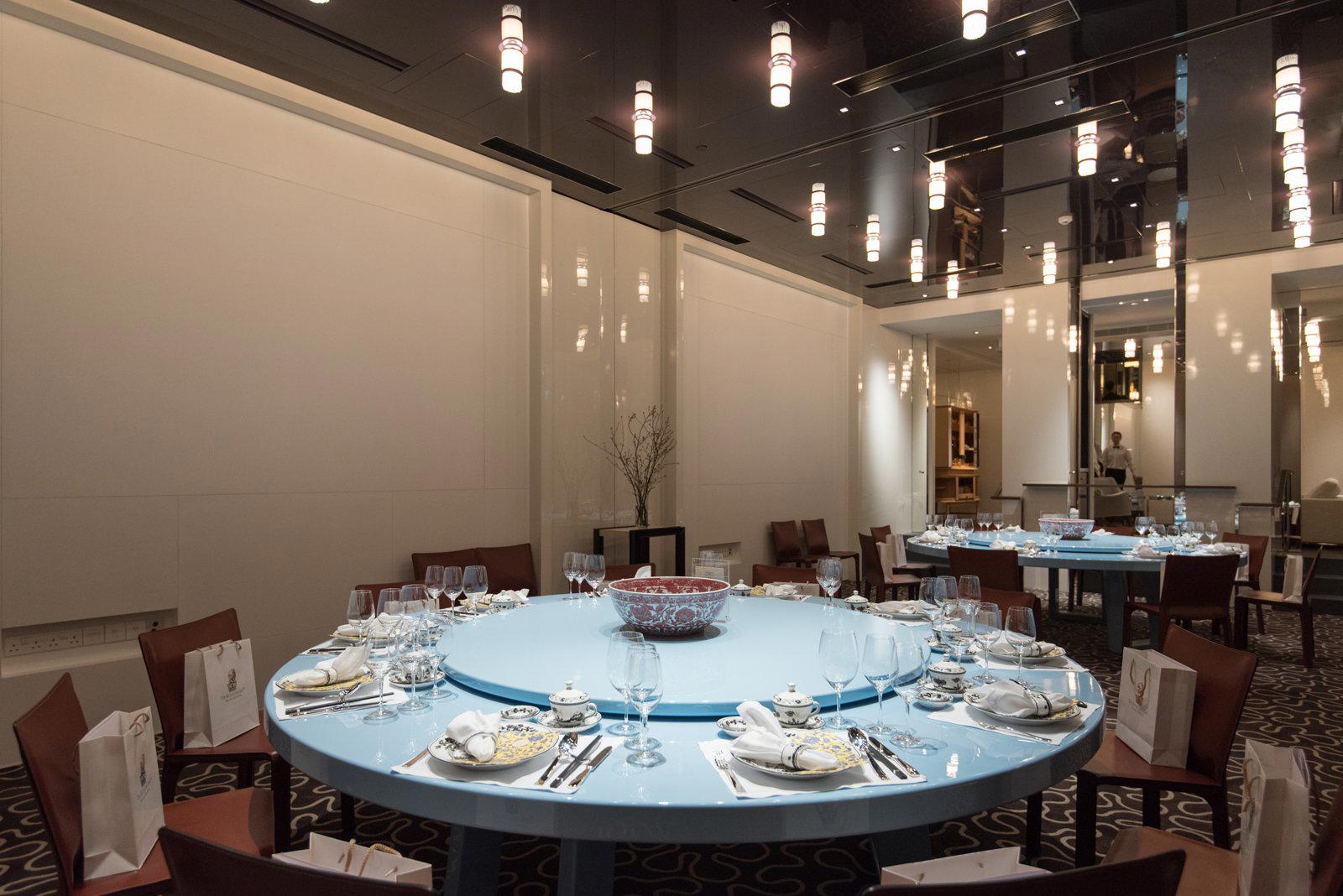
Reservations are the non-negotiable starting point. For table sizes of eight or more, early contact to discuss menu format and any private dining availability is advisable. The Marina Bay Sands location draws a mixed crowd of hotel guests, corporate diners, and local families marking occasions, which means weekend service in particular runs at pressure. Dress code expectations at this tier of Singapore Chinese dining trend toward smart casual at minimum, with business attire common at dinner.
Side-by-Side Snapshot
Comparable venues nearby, for context on price, style, and recognition.
| Venue | Cuisine | Price | Notes |
|---|---|---|---|
| Imperial Treasure Fine Chinese CuisineThis venue — the venue you are viewing | Fine Cantonese Chinese Cuisine | $$$$ | Not listed |
| Golden Peony | Modern Cantonese | $$$$ | Downtown Core |
| Cherry Garden | Modern Cantonese | $$$$ | Marina Centre |
| Ah Ter Teochew Fishball Noodles | Teochew Fish Ball Noodles | $ | Downtown Core |
| TWG TEA | Luxury Tea Salon | $$$ | Downtown Core |
| Wine Universe Singapore | Contemporary Swiss Gastrobar | $$$ | Downtown Core |
Continue exploring
More in Downtown Core
Restaurants in Downtown Core
Browse all →
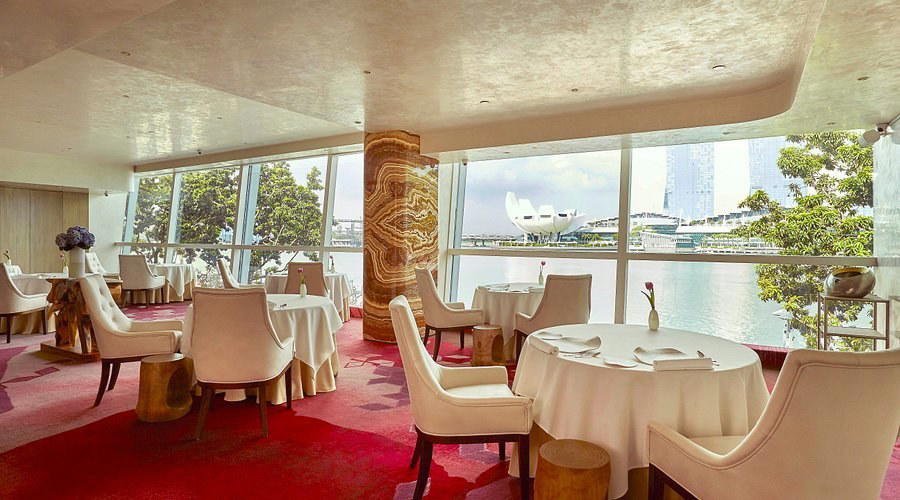
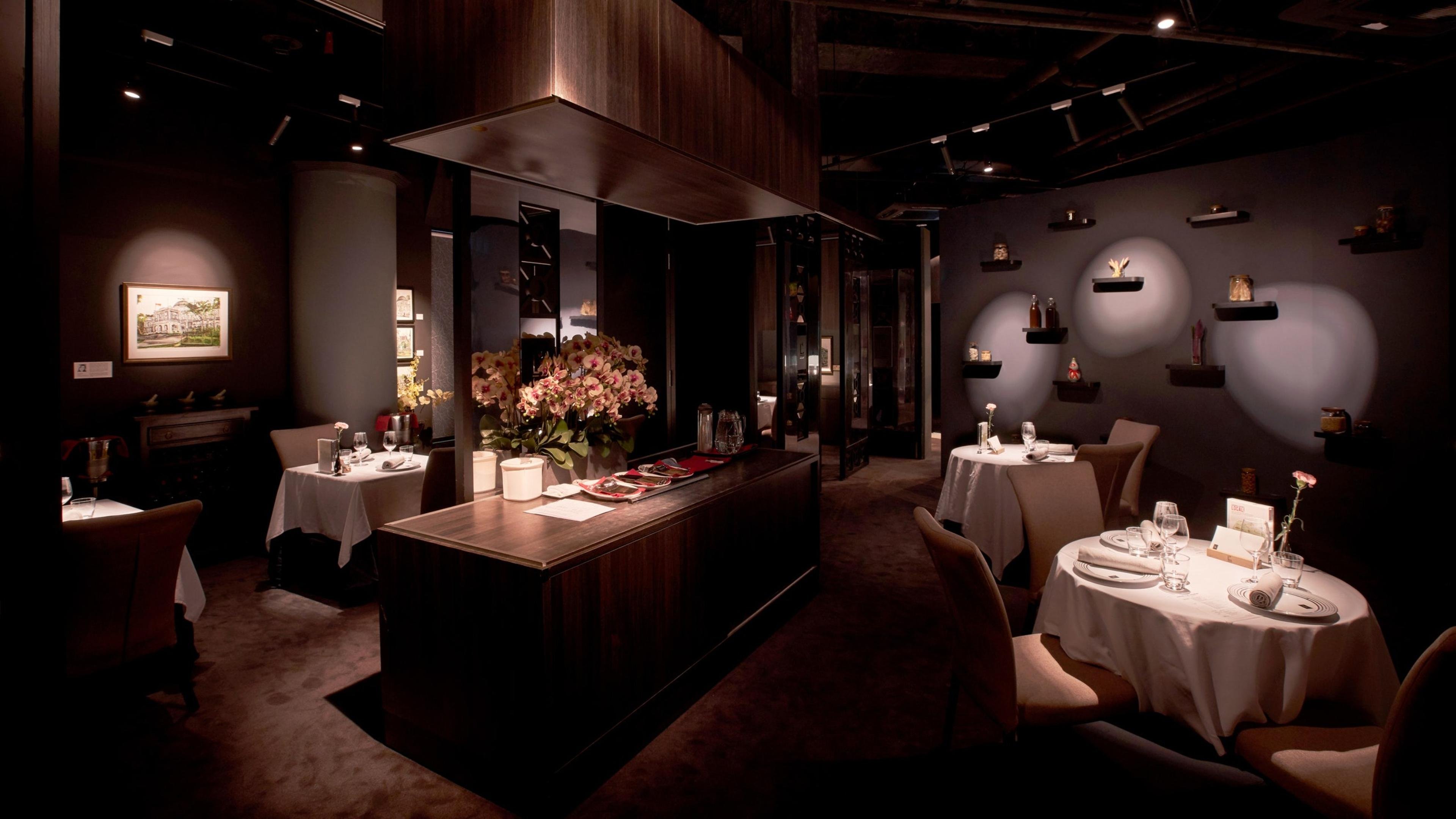
Bars in Downtown Core
Browse all →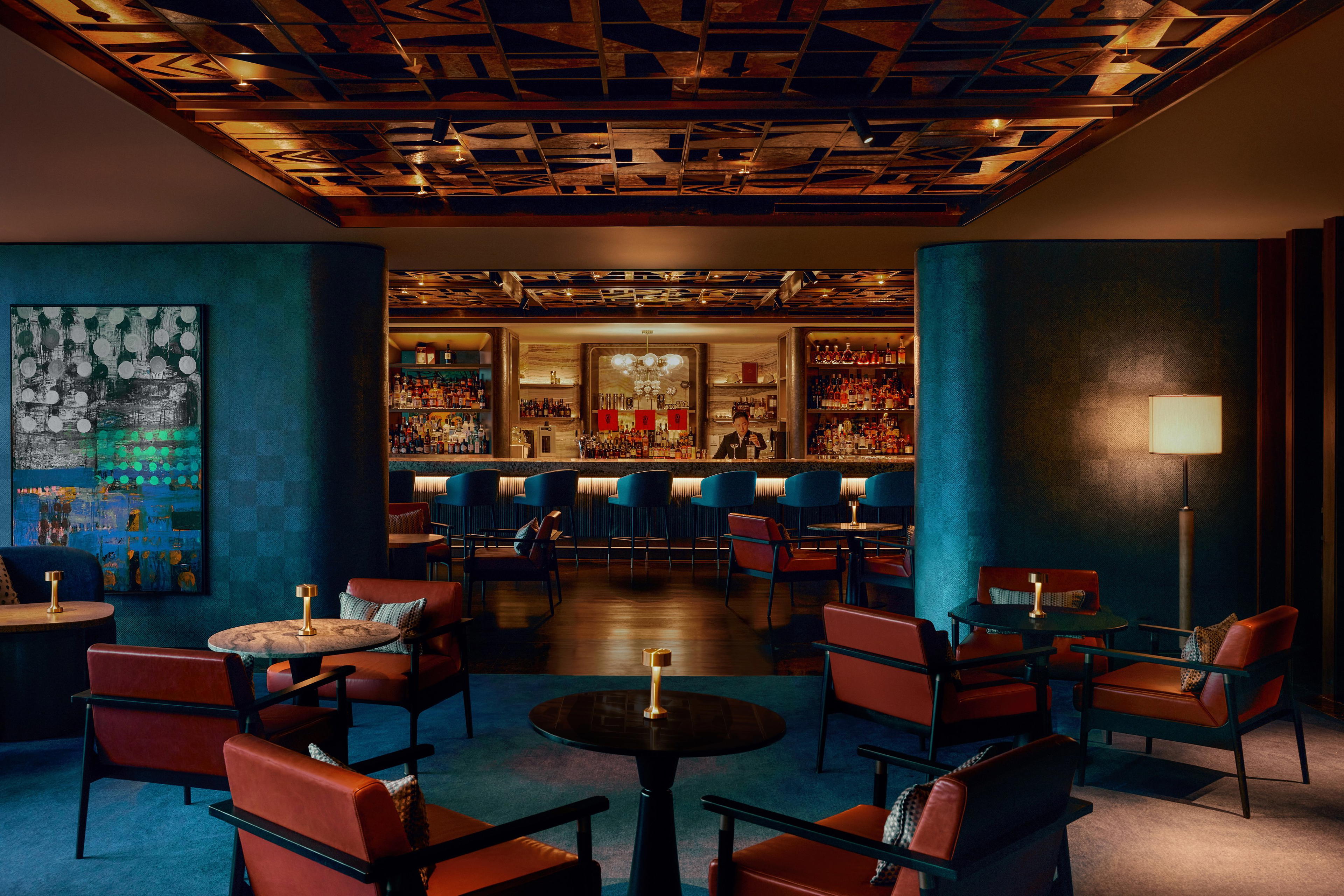
At a Glance
- Elegant
- Sophisticated
- Ornate
- Business Dinner
- Special Occasion
- Celebration
- Private Dining
- Waterfront
- Waterfront
- Skyline
Current opening hours
- Monday
- 11:30 AM–10:30 PM
- Tuesday
- 11:30 AM–10:30 PM
- Wednesday
- 11:30 AM–10:30 PM
- Thursday
- 11:30 AM–10:30 PM
- Friday
- 11:30 AM–10:30 PM
- Saturday
- 11:30 AM–10:30 PM
- Sunday
- 11 AM–10:30 PM
Hours can change for holidays and private events. Last verified .
Refined and elegant atmosphere with glittering views of the casino floor and Marina Bay waterfront from private rooms.