Agora Midtown
Agora Midtown sits at 92 Peachtree Place in Atlanta's Midtown corridor, occupying a position in the city's upper-tier dining conversation alongside peers like Bacchanalia and Lazy Betty. The address places it within walking distance of the neighborhood's arts and cultural anchors, making it a logical base for an evening that extends well beyond the table. Atlanta's farm-supply networks and sourcing culture run through restaurants at this level.
Pearl is the En Primeur Club membership app — saves, bookings, and concierge access live there. Same editors, same standards.
- Address
- 92 Peachtree Pl NE, Atlanta, GA 30309
- Phone
- +14042532997
- Website
- agoracuisine.com
- Directions
- Get directions
 Saves & bookings on Pearl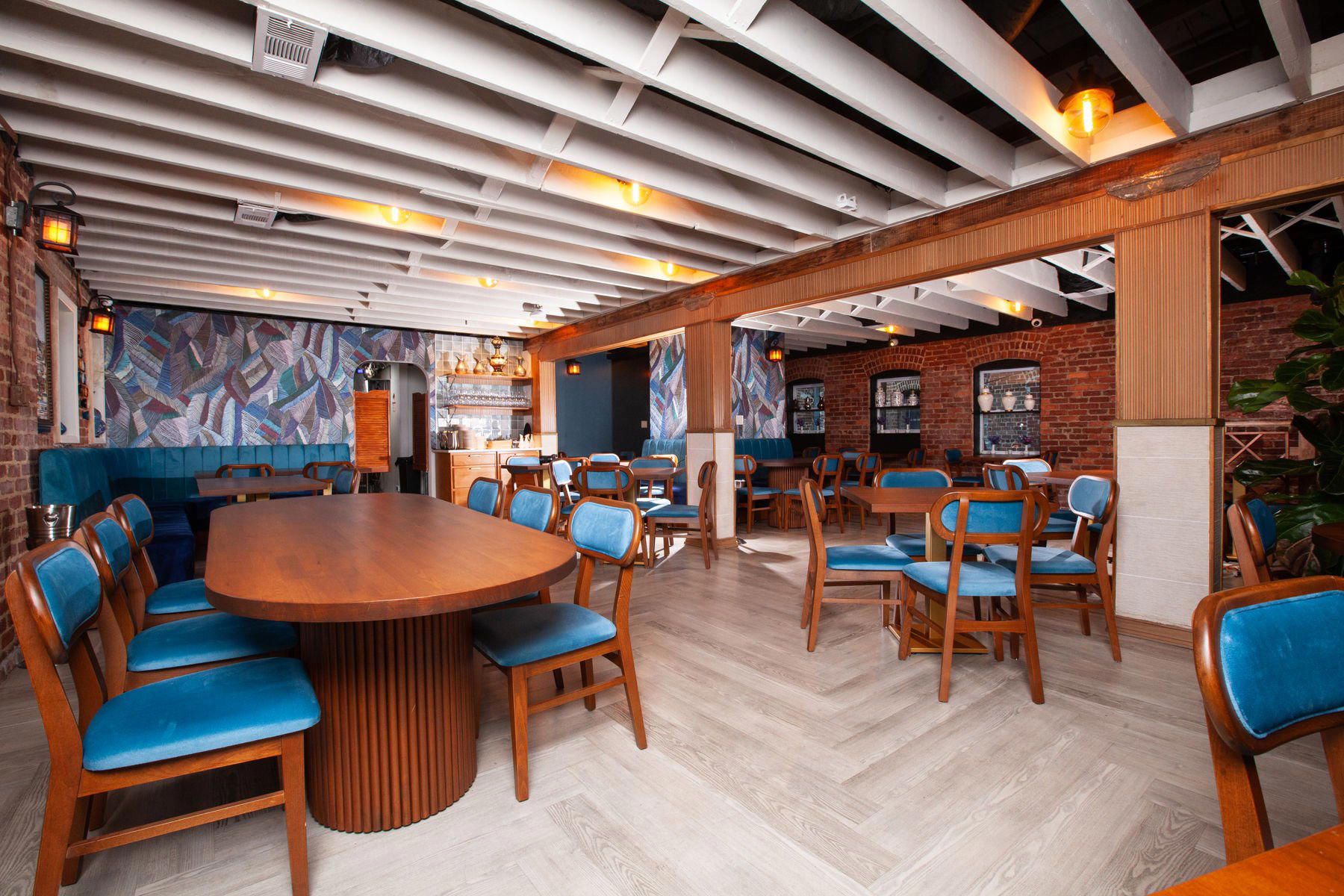
Where Midtown Atlanta's Sourcing Culture Takes Shape
Peachtree Place in Midtown Atlanta is not a restaurant row in the conventional sense. It lacks the foot-traffic density of Buckhead or the weekend noise of Inman Park, which means the dining rooms that anchor this stretch tend to attract guests with a specific purpose rather than a spontaneous appetite. Agora Midtown, at 92 Peachtree Place NE, sits inside that quieter gravity. The address is close enough to the Fox Theatre and the broader Midtown arts corridor that pre-theatre and post-performance visitors form part of its audience, but the room reads less as a convenience stop and more as a destination in its own right.
Atlanta's fine-dining tier has reorganized itself considerably over the past decade. The city's identity in the premium segment has shifted away from formal European templates toward something more regionally inflected, with kitchens drawing on Georgia's agricultural breadth: coastal seafood from the Sea Islands corridor, mountain produce from the North Georgia highlands, and the kind of grassland-fed proteins that the state's cattle operations have supplied to regional tables for generations. Restaurants operating at the $$$$ price point in this city, a peer group that includes Bacchanalia, Atlas, and Lazy Betty, are increasingly defined by how explicitly they trace supply chains back to named farms and specific growing regions. That sourcing transparency has become the clearest differentiator within the tier, more so than format or cuisine label.
The Sourcing Logic Behind Georgia's Premium Kitchens
The case for ingredient-led cooking in Georgia is partly climatic and partly logistical. The state's growing season is long, its soil diversity between the Piedmont plateau and the coastal plain is considerable, and the proximity of Atlanta's restaurant community to working farms is shorter than in most major American cities. Where a kitchen in, say, Chicago or New York is managing multi-state supply chains for local product, an Atlanta kitchen sourcing within a 150-mile radius reaches into genuinely distinct agricultural zones. Smyth in Chicago has built a national reputation on hyperlocal sourcing with its own farm attachment; in Atlanta, the infrastructure for that kind of supply relationship exists at a wider scale and lower barrier to entry.
The comparison matters because it shapes expectations for what premium dining in Atlanta can deliver. When Blue Hill at Stone Barns in Tarrytown or Single Thread Farm in Healdsburg anchor their menus to specific growing seasons, it reflects a model that requires either owned land or years of exclusive supplier relationships. Atlanta kitchens operating in the same philosophical space can often achieve similar specificity without the capital overhead, which is why sourcing claims at this level of the market carry weight when they are granular enough to be verified.
Reading Agora Midtown Within Atlanta's Competitive Tier
Absence of detailed public data on Agora Midtown's current menu format, chef, or awards position means it is difficult to place it precisely within Atlanta's fine-dining hierarchy. The restaurants Agora Midtown competes with for the same evening reservation are drawing from the same guest profile that books Lazy Betty and Mujō, Atlanta's most closely-watched omakase counter.
Atlanta's serious dining rooms are regularly measured against what Le Bernardin in New York or The French Laundry in Napa represent at the top of the American fine-dining spectrum, and more immediately against what Providence in Los Angeles or Addison in San Diego demonstrate about regional kitchens that have built national credibility. The question for any Atlanta restaurant at the $$$$ tier is whether its sourcing story and kitchen execution are specific enough to hold that comparison without retreating into vague localism.
At the international level, the sourcing-first model has produced some of Europe's most critically discussed restaurants. Atelier Moessmer Norbert Niederkofler in Brunico has built its entire program around Alpine ingredient specificity, and Atomix in New York has shown that ingredient narrative and cultural context can coexist in a format that reads as contemporary rather than didactic. These are the reference points against which the most ambitious American regional kitchens, Atlanta included, are being evaluated by critics and guests who move between markets.
Planning a Visit: What the Midtown Address Implies
The practical dimension of dining on Peachtree Place in Midtown is worth addressing directly. The neighborhood is served by MARTA's Arts Center station, making it accessible without a car from Buckhead or Downtown, and street parking in the immediate blocks is manageable outside peak hours. For guests arriving from out of town, the proximity to several Midtown hotels means a taxi or rideshare from nearby lodging is the most logical approach. The Fox Theatre, roughly six blocks south, generates predictable demand on performance nights, so reservation timing around major shows is worth factoring in. For deeper research across Atlanta's dining options, the full Atlanta restaurants guide maps the city's competitive tiers with more granularity.
For guests accustomed to dining at Lazy Bear in San Francisco or Emeril's in New Orleans, the Midtown Atlanta scene offers a different proposition: a city whose fine-dining identity is still being actively written, with sourcing culture and regional ingredient specificity as the primary narrative thread. Hayakawa has established what disciplined Japanese technique can look like in Atlanta; Bacchanalia remains the clearest proof that the city can sustain a restaurant at the top of the American New American tier over multiple decades. Agora Midtown enters that conversation from Peachtree Place, in a neighborhood that has historically supported serious dining without the volume or visibility of Atlanta's higher-profile corridors. The Inn at Little Washington model of destination dining built away from major urban density offers one parallel; the more immediate frame is simply Atlanta's own trajectory, which is producing more credible fine-dining options per square mile than at any previous point in the city's history.
How Agora Midtown Atlanta compares with similar nearby venues.
| Venue | Cuisine | Price |
|---|---|---|
| Lazy Betty | Contemporary | $$$$ |
At a Glance
- Cozy
- Modern
- Trendy
- Casual Hangout
- Family
- Brunch
- Open Kitchen
- Craft Cocktails
Current opening hours
- Monday
- 11 AM–2:45 PM, 5–10 PM
- Tuesday
- 11 AM–2:45 PM, 5–10 PM
- Wednesday
- 11 AM–2:45 PM, 5–10 PM
- Thursday
- 11 AM–2:45 PM, 5–10 PM
- Friday
- 11 AM–2:45 PM, 5–10 PM
- Saturday
- 11 AM–2:45 PM, 5–11 PM
- Sunday
- 11 AM–2:45 PM, 5–9 PM
Hours can change for holidays and private events. Last verified .
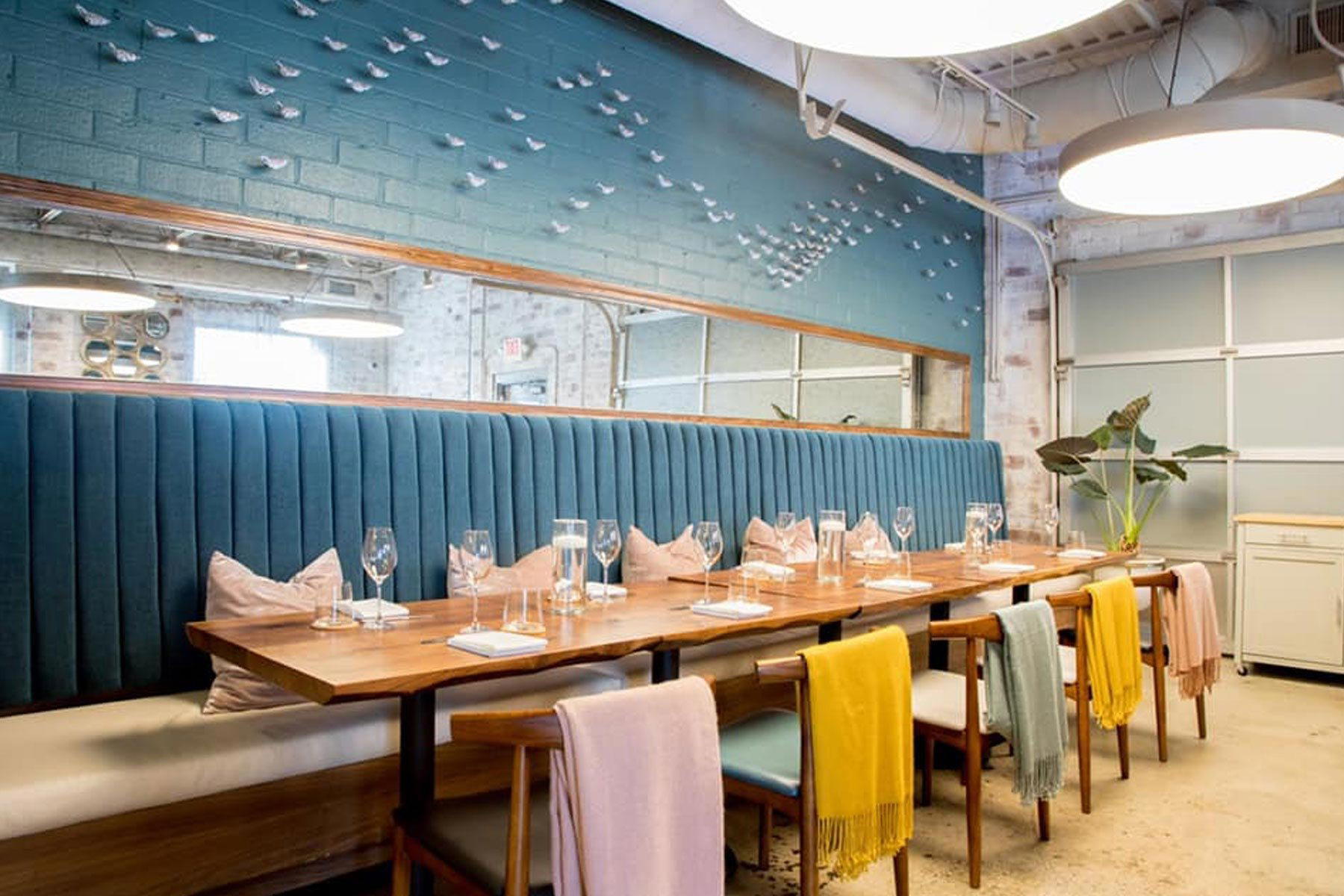
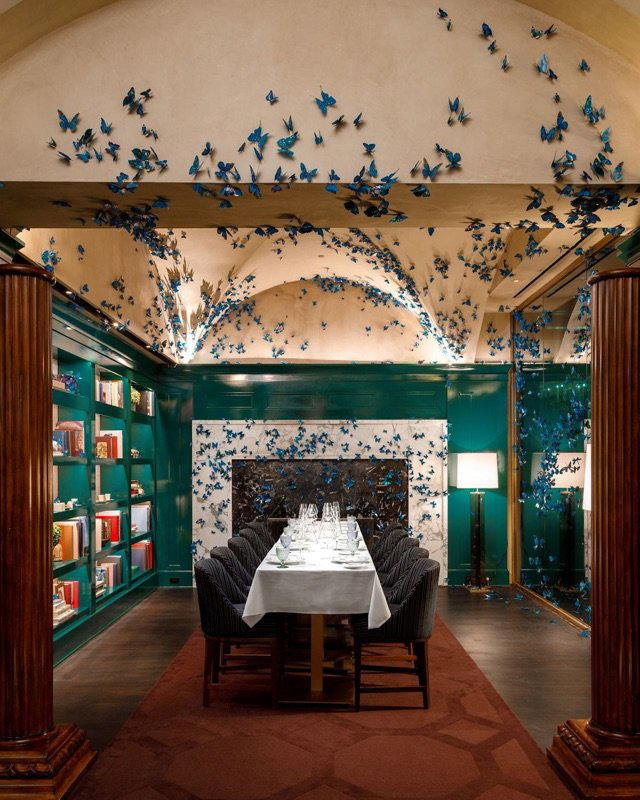
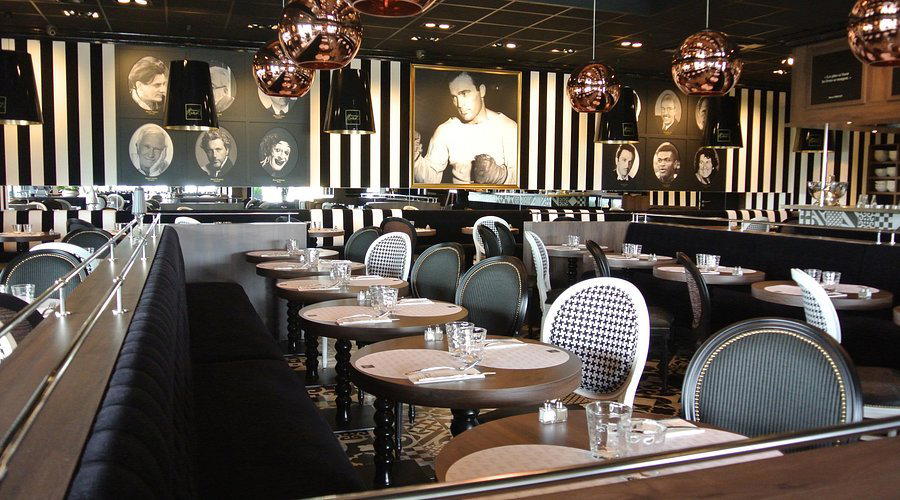
Tasteful minimalist decor with coastal blues and whites, comfortable seating indoors and out, creating a pleasant and spacious neighborhood atmosphere.
Know Before You Go
- Getting there
- 92 Peachtree Pl NE, Atlanta, GA 30309