a mano
A mano sits on Ralph McGill Boulevard in Atlanta's Old Fourth Ward, where handcraft cooking and a closely coordinated front-of-house team define the experience. The name itself signals intent: work done by hand, with attention spread equally across the kitchen, the cellar, and the floor. For Atlanta diners who track the city's fine-dining tier, it occupies a position worth understanding before you book.
Pearl is the En Primeur Club membership app — saves, bookings, and concierge access live there. Same editors, same standards.
- Address
- 587 Ralph McGill Blvd NE, Atlanta, GA 30312
- Phone
- +14045497727
- Website
- amanoatl.com
- Directions
- Get directions
 Saves & bookings on Pearl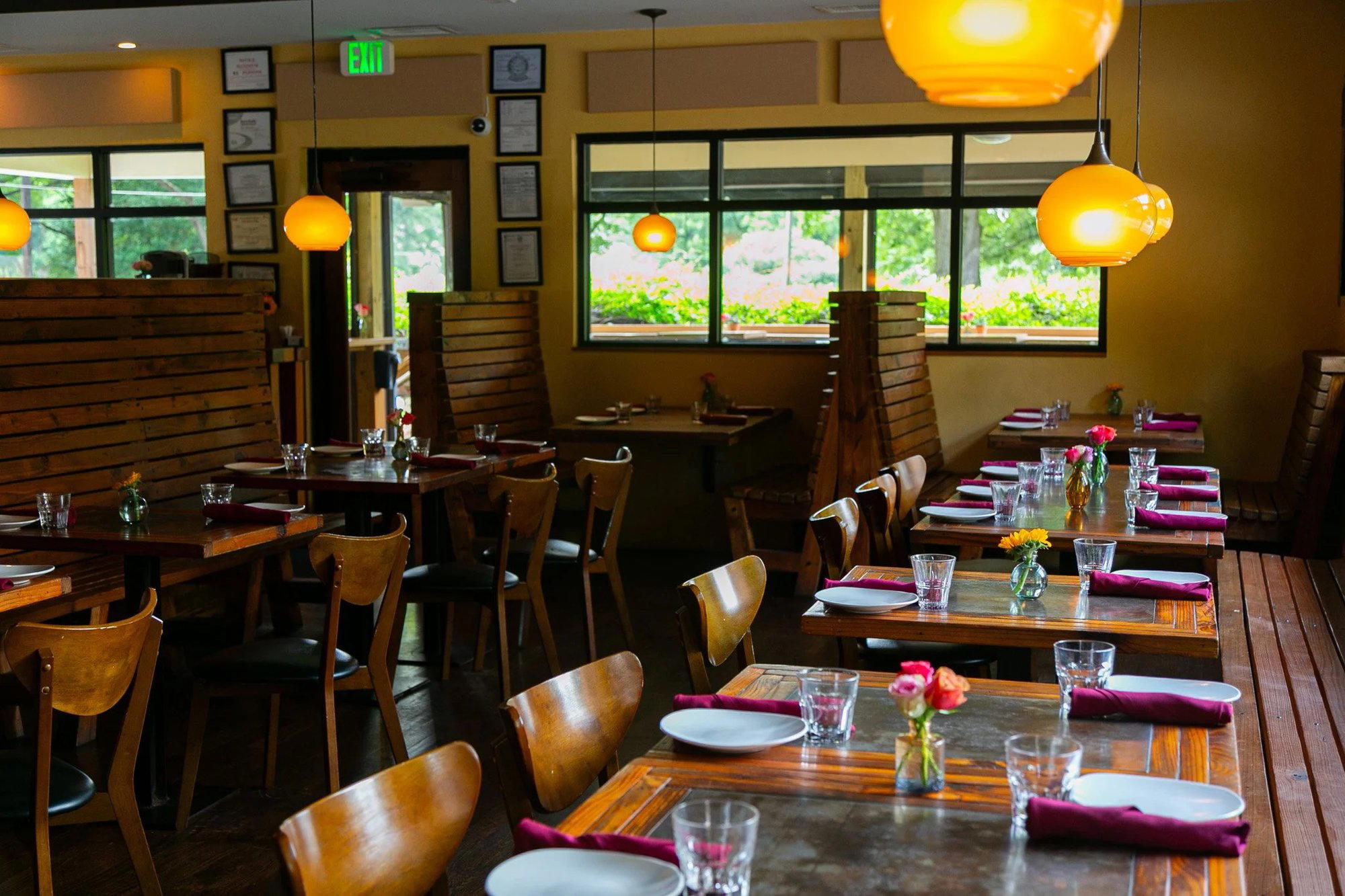
The Address and What It Signals
Old Fourth Ward has become one of the more instructive Atlanta neighbourhoods to track if you want to understand how the city's restaurant scene has repositioned itself over the last decade. The corridor along Ralph McGill Boulevard NE draws a dining room clientele that mixes in-neighbourhood residents with visitors making a deliberate trip, and the venues that have taken root here tend to share a posture: serious about craft, less interested in spectacle. A mano, at 587 Ralph McGill Blvd NE, fits that pattern. The address puts it within a walkable cluster of food-forward options, though the restaurant reads as a destination in its own right rather than a neighbourhood drop-in.
Atlanta's fine-dining tier has sharpened considerably since the early 2010s. Restaurants like Bacchanalia and Atlas have long anchored the best of the market, and more recent arrivals such as Lazy Betty, Hayakawa, and Mujō have densified that upper bracket. A mano enters a market where the bar for technique, sourcing, and hospitality coherence is already set by strong peers, which means the question for any new entrant is less about whether the cooking is careful and more about what kind of experience the whole room produces.
How the Room Works: Service as Structure
The name translates from Italian as "by hand," and the operational logic that runs through a mano reflects that framing. Handcraft restaurants in the American fine-dining context have evolved a particular team structure: the work visible at the table is understood to be a direct extension of the work invisible in the kitchen, and the connection between those two zones is the thing that either holds or breaks an evening. At the restaurants that execute this well, the sommelier and front-of-house leads function less as separate departments and more as a single hospitality unit that the kitchen is in constant communication with.
That kind of coordination is harder to sustain than it looks from a guest's seat. Across the American scene, from Lazy Bear in San Francisco to Single Thread Farm in Healdsburg to Blue Hill at Stone Barns in Tarrytown, the restaurants where the floor and the kitchen read as one operation tend to share a few structural features: smaller seat counts that allow for closer attention, wine programs that evolve in conversation with the menu rather than independently of it, and a hospitality approach where the team can tell you not just what is on the plate but why the sequence was built the way it was. These are not luxuries in the fine-dining tier; they are table stakes. The question with a mano is how tightly that integration is achieved.
Atlanta's Fine-Dining Tier: Where a mano Sits
It is useful to place a mano within a broader competitive frame. A meal at Lazy Betty or at the tasting menu format that Bacchanalia has operated for years draws comparisons from Atlanta diners who also eat at Alinea in Chicago, The French Laundry in Napa, or Le Bernardin in New York City. That competitive framing matters because it shapes what a guest expects and what a restaurant has to deliver to justify its position.
The handcraft positioning that a mano signals through its name puts it in a specific sub-category: restaurants where technique is expressed through restraint and precision rather than through volume or theatrical presentation. That sub-category includes Atlanta peers as well as national counterparts like Providence in Los Angeles, Addison in San Diego, and Atomix in New York City. Within Atlanta specifically, the closest structural analogues are restaurants that emphasise sourcing rigour and floor-kitchen coherence over any single signature dish or chef-as-celebrity framing.
For guests coming from outside the Southeast, it is worth noting that Atlanta's fine-dining market has more depth than its national reputation historically suggested. The same shift has happened in comparable cities: Emeril's in New Orleans and The Inn at Little Washington helped establish that serious fine dining was not exclusively a coastal-gateway phenomenon. Atlanta's current tier, including a mano's positioning within it, is a continuation of that argument. You can find the wider picture in our full Atlanta restaurants guide.
Planning Your Visit
The address at 587 Ralph McGill Blvd NE is direct to reach by car from Midtown or Downtown Atlanta, and the Old Fourth Ward has sufficient street and lot parking for a dinner visit. Public transit access via MARTA is possible with a walk from the King Memorial station, though most guests arriving for a fine-dining evening will drive or use a ride service. As with the restaurants in this tier across the Atlanta market, booking ahead is advisable; the city's serious dining rooms at this level tend to fill quickly on Thursday through Saturday. Visiting earlier in the week or at lunch service, where applicable, typically offers more flexibility. Specific hours and booking methods are best confirmed directly with the restaurant, as these details shift seasonally and by service format. The same applies to pricing: Atlanta's fine-dining tier spans a meaningful range, and a mano's specific format will determine whether you're looking at an à la carte structure or a fixed-format menu when you sit down.
How a mano Atlanta compares with similar nearby venues.
| Venue | Cuisine |
|---|---|
| Azara | Mediterranean / Asian / Latin (Longevity-inspired) |
At a Glance
- Cozy
- Lively
- Romantic
- Intimate
- Date Night
- Casual Hangout
- Group Dining
- Standalone
- Natural Wine
- Craft Cocktails
- Natural Wine
- Biodynamic
Current opening hours
- Monday
- Closed
- Tuesday
- 11 AM–2:30 PM, 5–9:30 PM
- Wednesday
- 11 AM–2:30 PM, 5–9:30 PM
- Thursday
- 11 AM–2:30 PM, 5–9:30 PM
- Friday
- 11 AM–2:30 PM, 5–9:30 PM
- Saturday
- 11 AM–2:30 PM, 5–9:30 PM
- Sunday
- Closed
Hours can change for holidays and private events. Last verified .
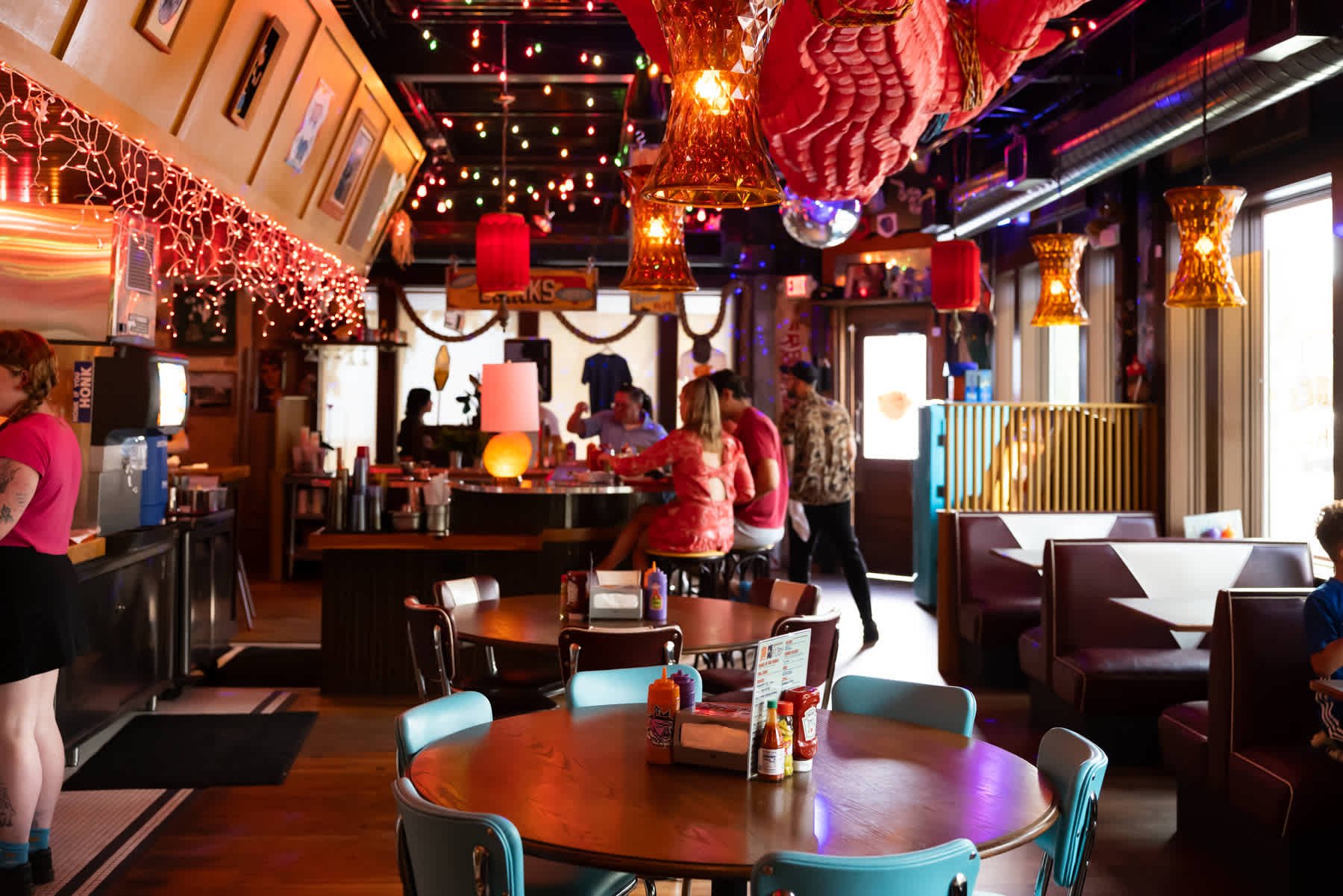
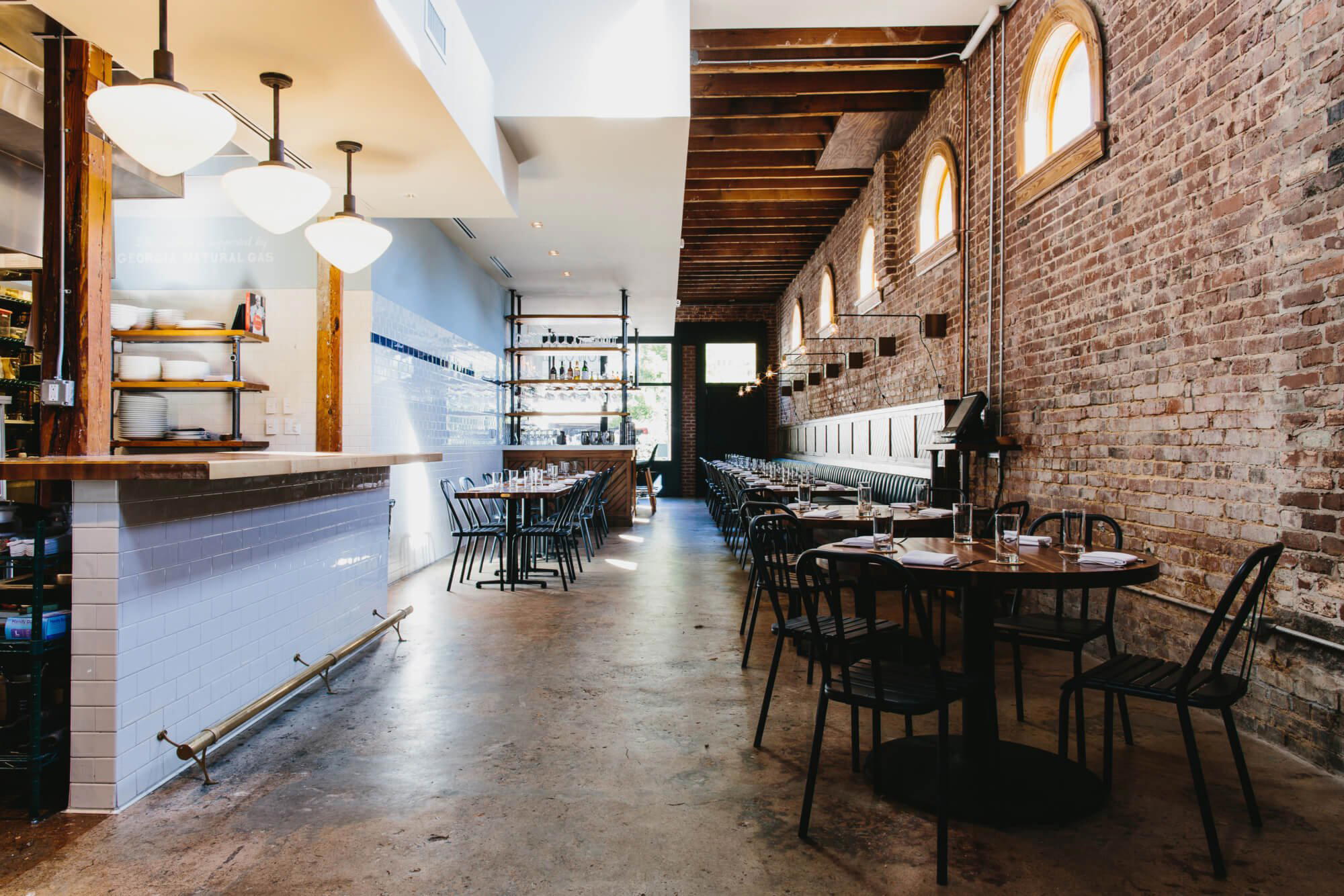
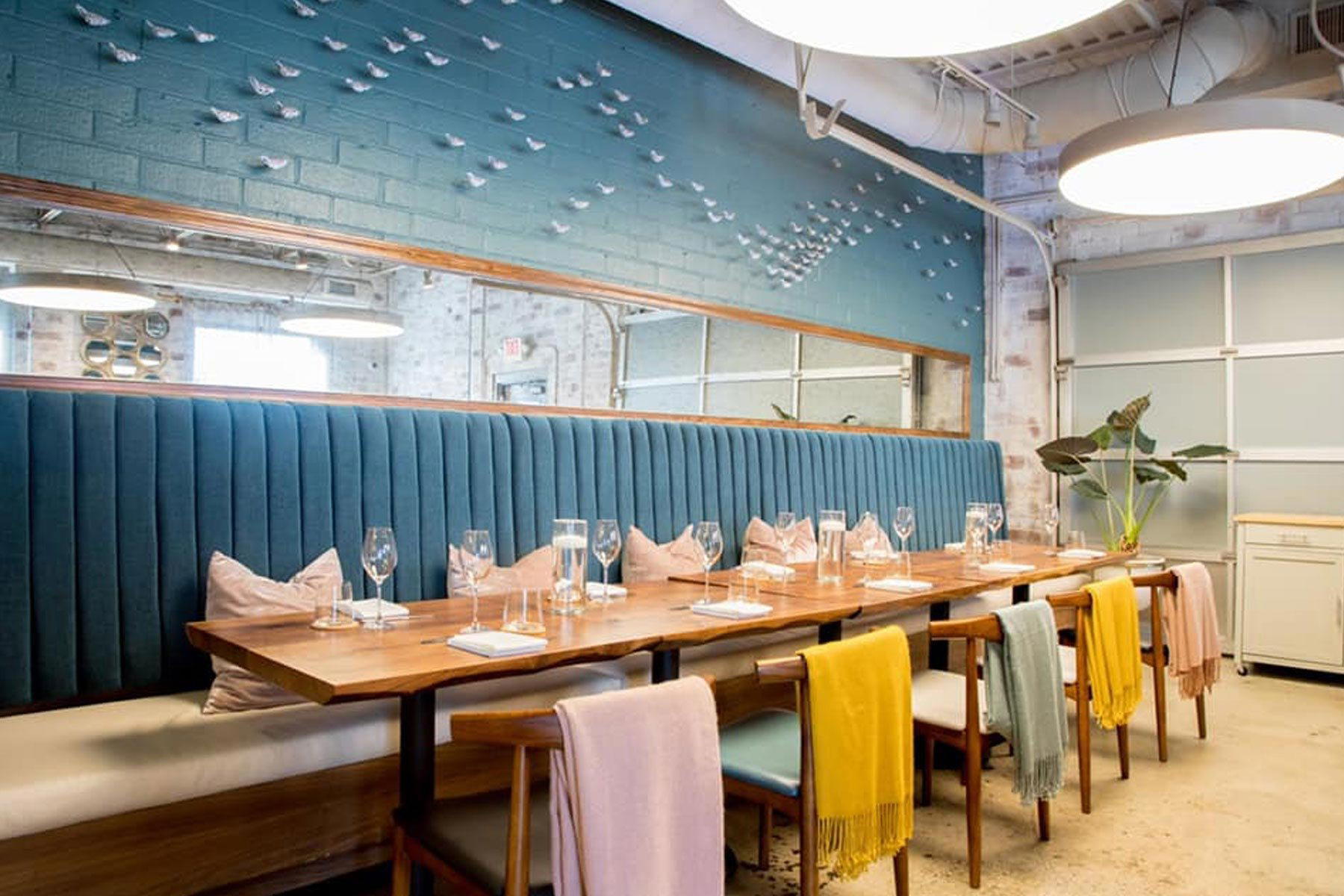
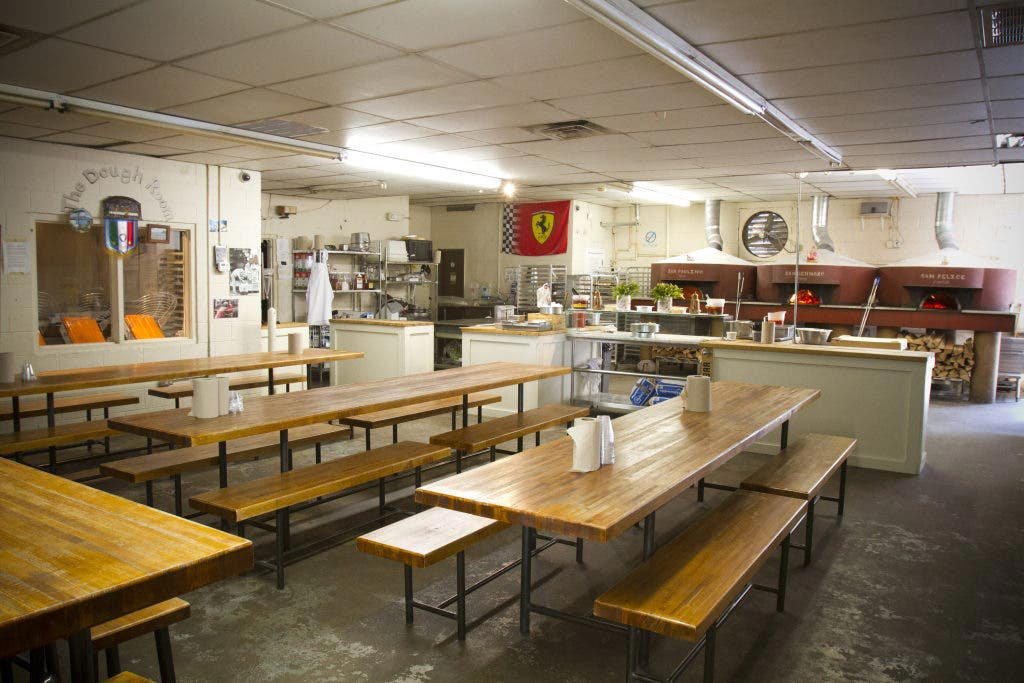
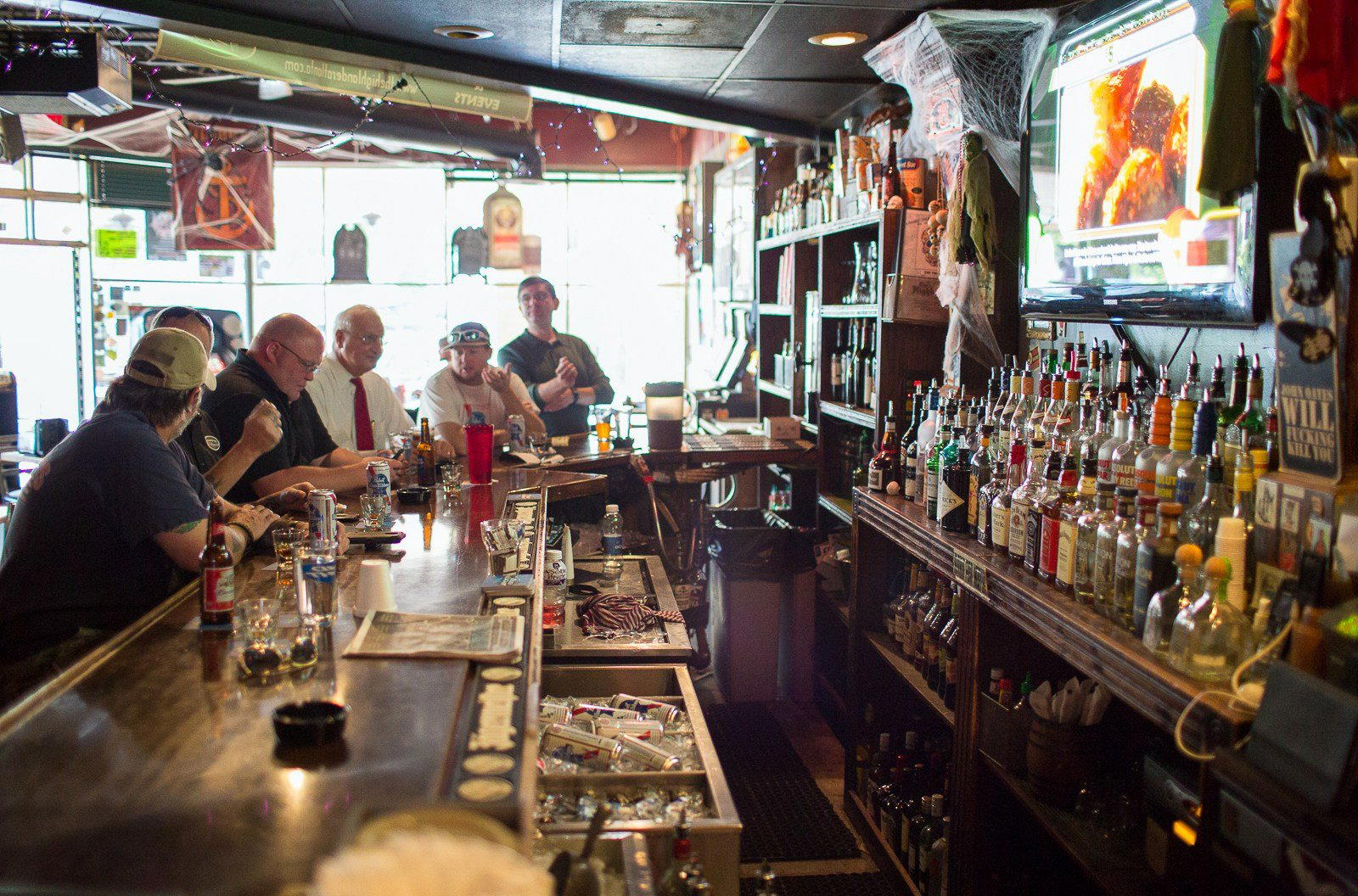
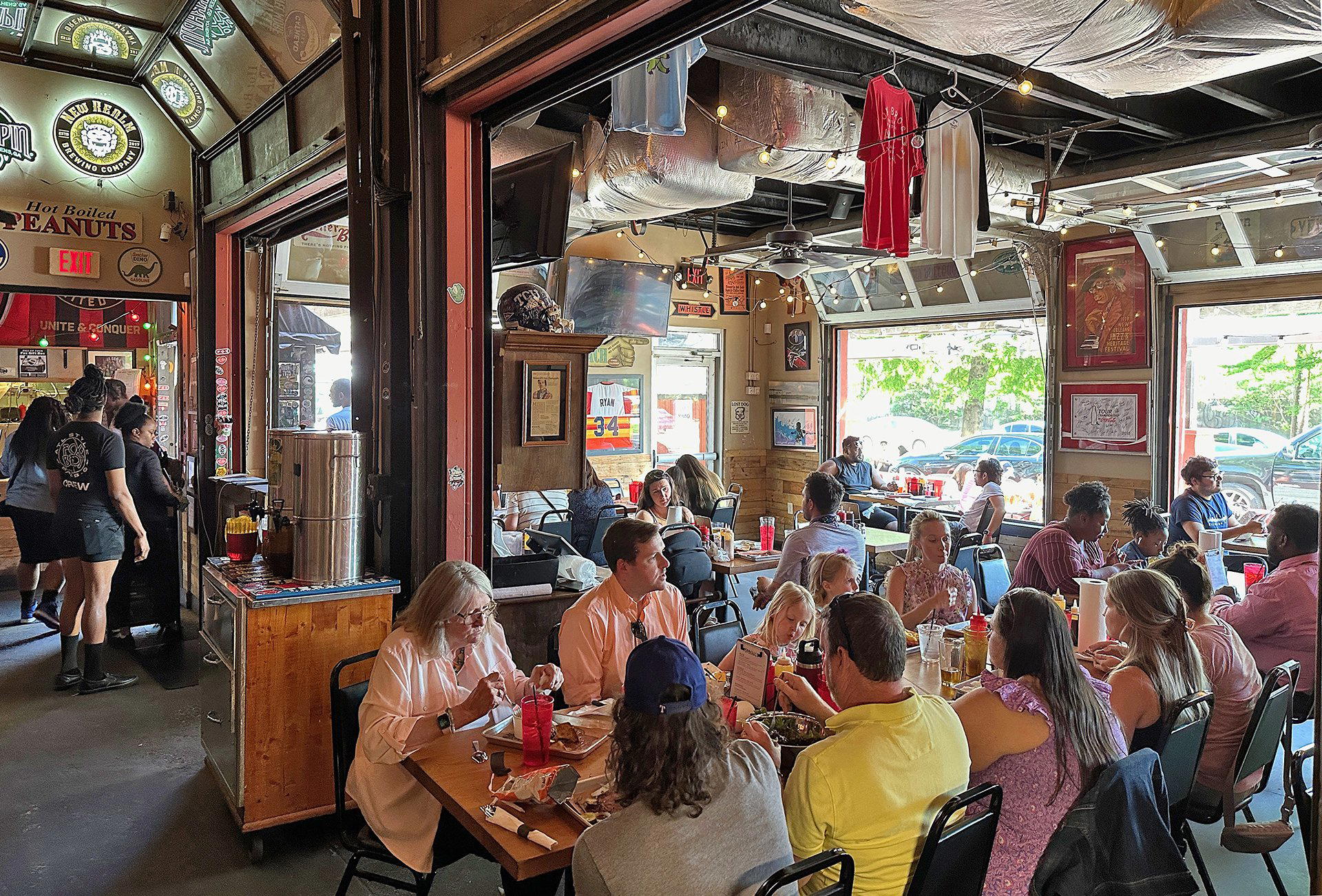
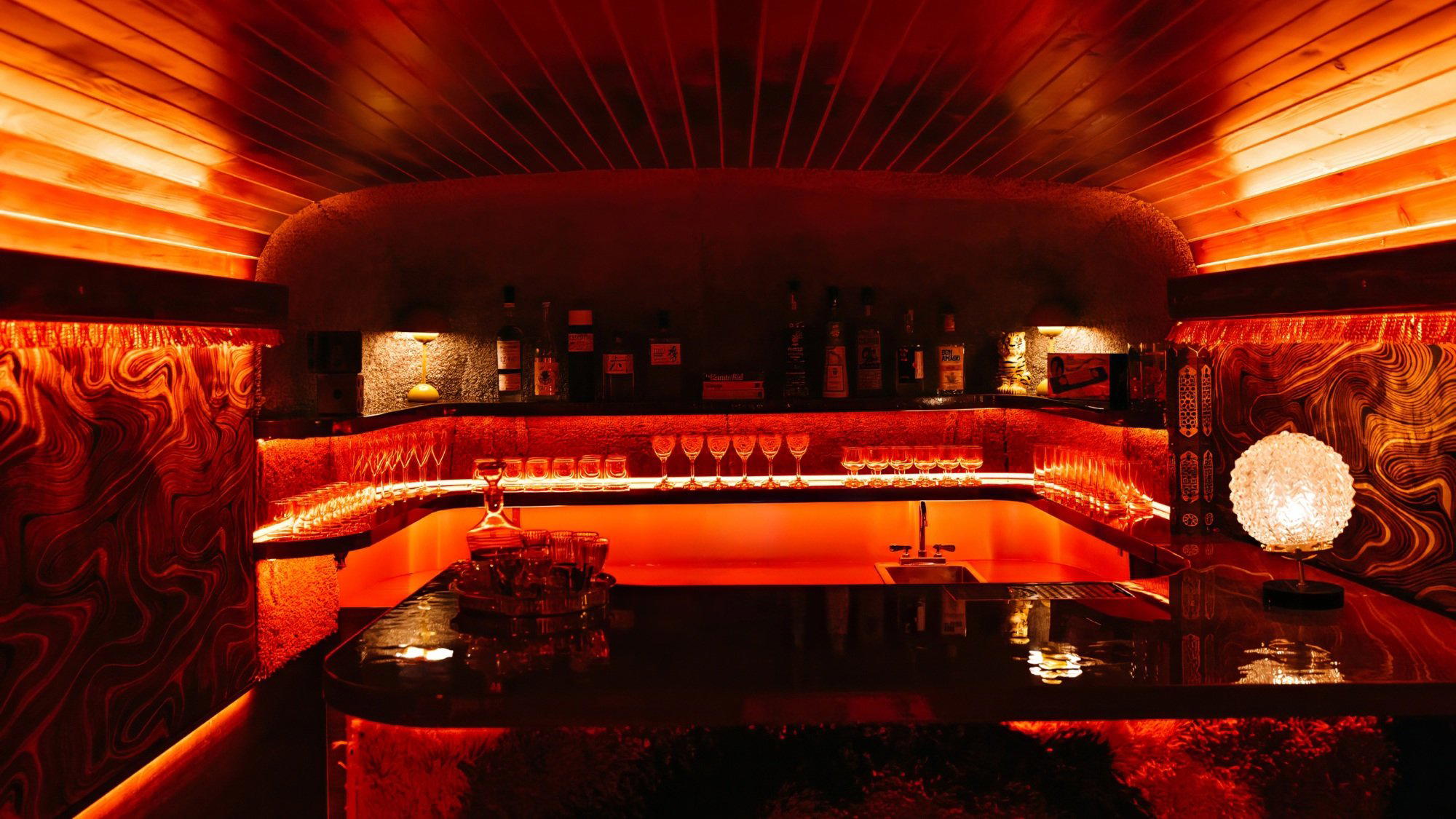
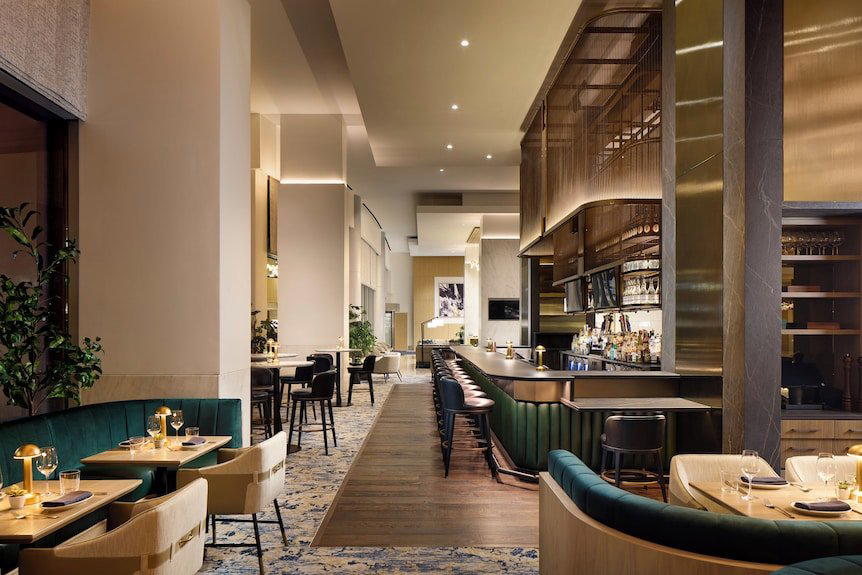
Low-pressure mood with string lights draped inside, snug bar, rustic yet contemporary dining area, lively but not chaotic with steaming plates moving through packed dining room.
Know Before You Go
- Getting there
- 587 Ralph McGill Blvd NE, Atlanta, GA 30312