A Well-remembered Piazza
Our verdict
A Piazza in the Holy City: What Dining Near the Haram Actually Looks Like The streets radiating outward from the Masjid al-Haram carry a particular weight that few urban environments match. Pilgrims move in overlapping currents at all hours, the air carries the sound of adhan across rooftops, and the restaurants and gathering spaces along these corridors serve a population that arrives exhausted, spiritually charged, and often far from home. Dining in this district is not a leisure exercise in the conventional sense. It is a form of restoration, and the spaces that do it well understand that distinction. A Well-remembered Piazza sits in the Jarwal neighbourhood, on Jebel al-Kaaba Street, inside one of the residential quarters that borders the pilgrimage core without being consumed by it. The Jarwal Quarter and What It Asks of a Dining Space Jarwal occupies a position that most visitors to Makkah never fully register. It is residential in grain, older in character than the tower-hotel developments that now define the skyline visible from the Grand Mosque, and it absorbs a cross-section of guests that includes returning hajj families, local residents who have lived through successive waves of redevelopment, and domestic Saudi travellers who prefer the neighbourhood's comparative quiet. Dining spaces here compete on different terms than the hotel restaurants in Abraj Al-Bait. The reference point is not a lobby lounge or a branded international concept. It is the neighbourhood piazza model, where a gathering space holds the function of both eating and simply being present in a place. The name A Well-remembered Piazza is itself a statement about that function: memory, return, and the accumulation of visits that give a place its character over time. Saudi Arabia's dining scene has expanded considerably since 2017, with new investment formats and internationally trained operators moving into cities from Riyadh to Jeddah. For a sense of what that shift looks like in practice, the contrast between a capital-city operator like Marble in Riyadh and the neighbourhood restaurants of Makkah is instructive: the former competes on design and concept; the latter competes on familiarity and reliability of sourcing. Both are legitimate strategies, but they answer different needs. Ingredient Sourcing in a City That Receives Millions The logistics of feeding Makkah are unlike those of any other city on earth. During Hajj season, the population can swell by several million within a matter of days, placing extraordinary pressure on supply chains that must deliver fresh produce, proteins, and staple ingredients across a city that is simultaneously managing unprecedented human movement. The practical consequence for restaurants and food spaces in the outer residential quarters is a sourcing calculus that blends local Hejazi produce with national supply networks and, during peak pilgrimage periods, whatever is available and reliable. The Hejaz region has its own culinary logic: lamb prepared in the slow-roasted mandi and saleeg tradition, bread baked in ways that reflect centuries of trade-route exchange, rice dishes that carry the spice signatures of East Africa, South Asia, and the Levant through the port history of Jeddah to the west. A dining space in Jarwal draws on that tradition whether it declares it explicitly or not. The neighbourhood's own demographic history, which includes communities with roots across the Muslim world, has shaped what local sourcing means here: it is not farm-to-table in the Californian sense, but it is deeply place-specific in a way that connects the food on the table to the movement of people and trade across generations. For a parallel rooted in Saudi regional produce identity, Tama in AlUla demonstrates how a different Saudi region builds a food identity around local ingredients with similar specificity. Across Saudi Arabia, the conversation about ingredient provenance has accelerated alongside Vision 2030's investment in domestic agriculture and food production. Cities like Taif, which sits at altitude less than two hours from Makkah and produces some of the most recognised rose and stone-fruit cultivation in the region, supply the Hejazi food corridor with seasonal produce that distinguishes local cooking from the more generic restaurant formats imported wholesale from other markets. A space like بروست طازة in Taif operates in that same regional supply zone, making it a useful point of comparison for what the ingredient geography of western Saudi Arabia actually produces. Gathering Spaces and the Piazza Model The piazza as a typology carries specific meaning: it is not just an outdoor or semi-open space, but a place where the act of gathering is itself the purpose, with food and drink as the mechanism rather than the destination. In cities with deep Islamic traditions of communal gathering, the function of these spaces maps naturally onto the model. The Haramain cities have always had their version of the piazza in the courtyards, the covered souqs, and the open plazas around mosques where people stop, rest, and eat. A restaurant or food space that names itself after this model is making a claim about that continuity. Whether it earns that claim is a matter of what it actually provides: seating that allows people to remain without pressure to turn tables, food that sustains without demanding attention, an atmosphere that is present without being performative. Across Saudi cities, the gathering-space format has become a genuine design priority as opposed to an afterthought. The difference between that approach and the large-format concepts being developed in places like Ad Diriyah, where yello operates as part of a broader heritage redevelopment, is one of scale and intent. The Jarwal context calls for something quieter and more durable. The Broader Saudi Dining Context Makkah's food scene does not receive the same editorial attention as Jeddah or Riyadh, in part because the city's primary identity is pilgrimage rather than leisure, and in part because the critical infrastructure of food media has been slower to cover the western region with the depth it deserves. Kuuru in Jeddah and operators in the Red Sea corridor represent a newer wave of concept dining that is drawing attention back to the Hejaz. But Makkah's own food culture, rooted in centuries of receiving the world's Muslim communities and absorbing their culinary languages, predates any of these recent developments by a considerable margin. For the full editorial picture of where Makkah sits in the Saudi dining map, our full Makkah restaurants guide provides the wider context. Other Saudi cities and their characteristic food spaces worth cross-referencing: بيتوتي in Burayda represents Najd's domestic-cooking tradition; kol restaurant in Jizan reflects the southern coastal influences that differ substantially from Hejazi cooking; and Reyhana offers another register of Saudi hospitality worth understanding alongside the Makkah model. Planning a Visit Travel to the Jarwal area is direct by road from the Haram perimeter, and the neighbourhood is generally accessible outside peak pilgrimage movement windows. For visitors travelling during Ramadan or Hajj season, timing any dining visit around prayer schedules is standard practice across all Makkah food spaces. Entry to Makkah itself is restricted to Muslims, a condition that shapes the entire hospitality context of the city and distinguishes it from every other major Saudi destination. International visitors unfamiliar with the Hejazi region's food culture might find useful orientation in how other coastal Saudi cities approach the same culinary inheritance, including at مطعم بيروت in Hafar Al Batin, which reflects Levantine influence absorbed through the same trade networks that shaped Makkah's own table. Frequently Asked Questions Is A Well-remembered Piazza suitable for children?Makkah's neighbourhood dining spaces, particularly those in residential quarters like Jarwal, generally serve multigenerational family groups as a matter of course. The piazza-format gathering model is by its nature accommodating of family visits. Given the city context and the neighbourhood's residential character, a family visit is a reasonable expectation, though confirming current arrangements directly before travelling is advisable.How would you describe the vibe at A Well-remembered Piazza?The Jarwal quarter sits at a remove from the high-density hotel zone around the Haram, which gives its food spaces a more settled, neighbourhood character than the lobby-adjacent restaurants in the tower developments. A piazza-named venue in this context signals a gathering-oriented atmosphere: less transactional, more oriented toward extended visits.What dish is A Well-remembered Piazza famous for?No specific signature dishes, menu descriptions, or cuisine type are documented in the public record. The culinary tradition of the Hejaz region, which encompasses Makkah, centres on lamb-based preparations including mandi and kabsa, rice dishes with spice profiles reflecting the region's historic trade connections, and bread traditions with roots across the Muslim world. Any specific claim about what the kitchen here is known for would require direct confirmation from the venue.What makes A Well-remembered Piazza a distinct option in Makkah's Jarwal neighbourhood rather than in the hotel dining zone near the Haram?The distinction is one of context rather than format: Jarwal sits in the residential fabric of Makkah rather than inside the pilgrimage infrastructure, which means its food spaces operate for a different cadence of visitor, one returning across multiple trips rather than passing through once. The piazza model implied by the name aligns with that repeat-visit logic, where familiarity and a reliable sense of place carry more weight than spectacle. For the broader editorial frame on what Makkah's dining scene offers across its different neighbourhoods, see our full Makkah restaurants guide.

Pearl is the En Primeur Club membership app — saves, bookings, and concierge access live there. Same editors, same standards.
- Address
- 3601 حي, Jarwal، MAJA7418، 7418 شارع جبل الكعبة, Makkah 24231, Saudi Arabia
- Phone
- +966 12 510 0000
- Website
- anjumhotels.com
- Directions
- Get directions
- Booking
- Book on the venue's website
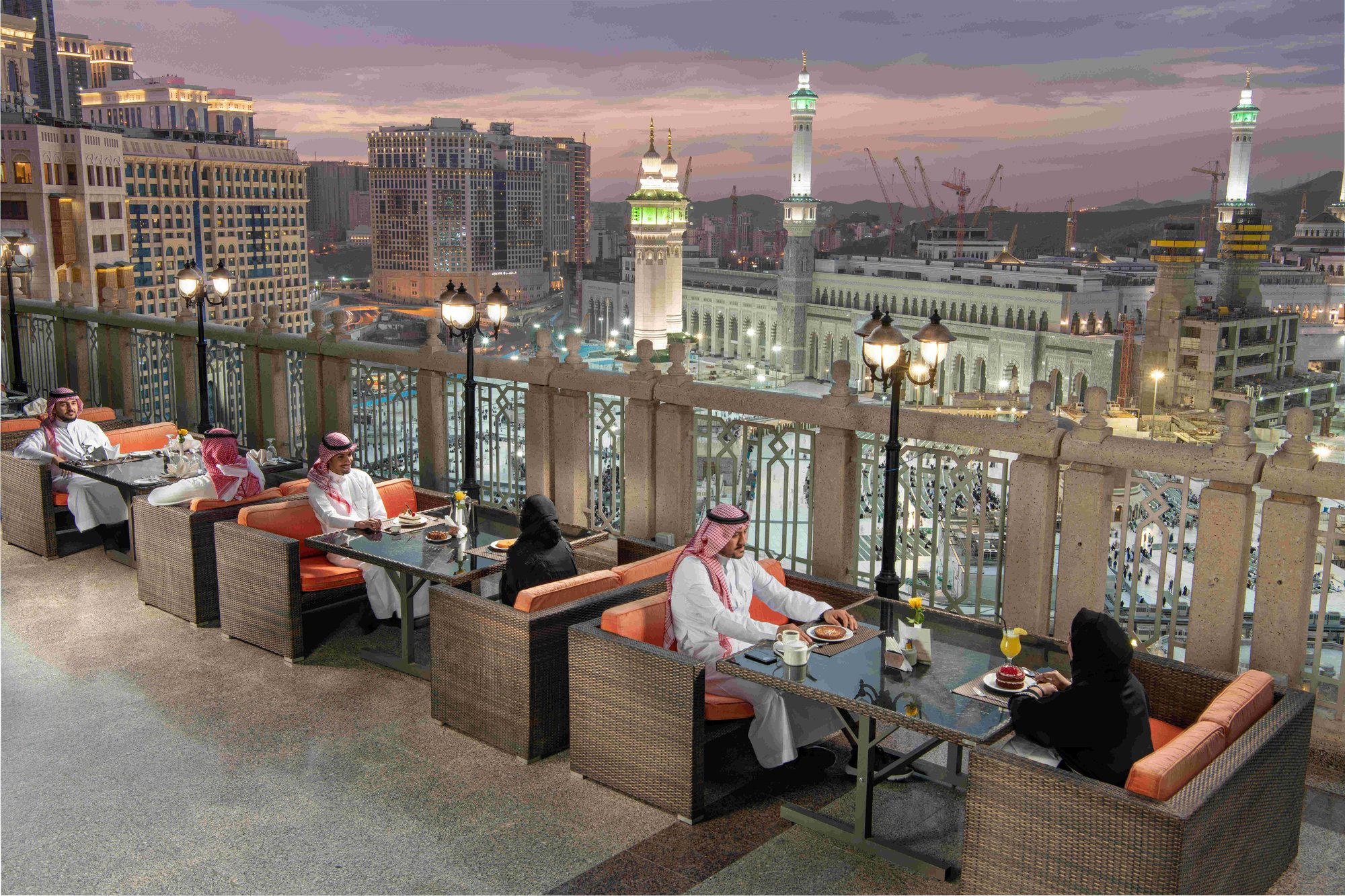
A Piazza in the Holy City: What Dining Near the Haram Actually Looks Like
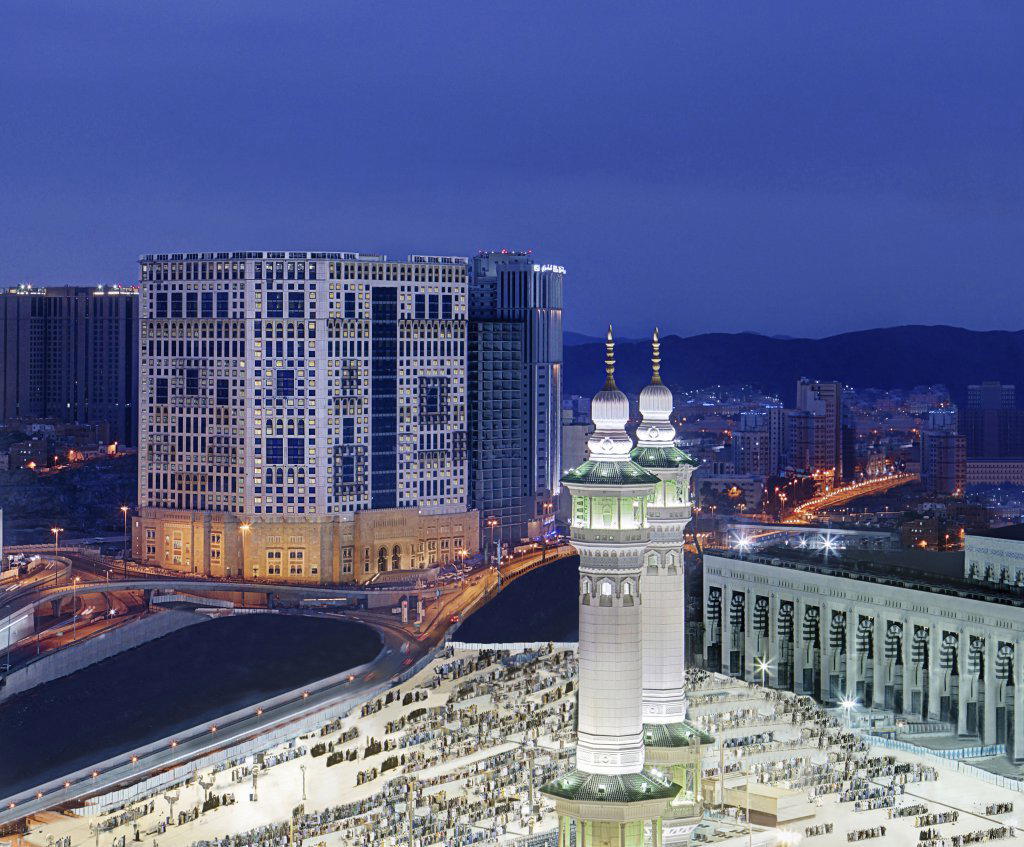
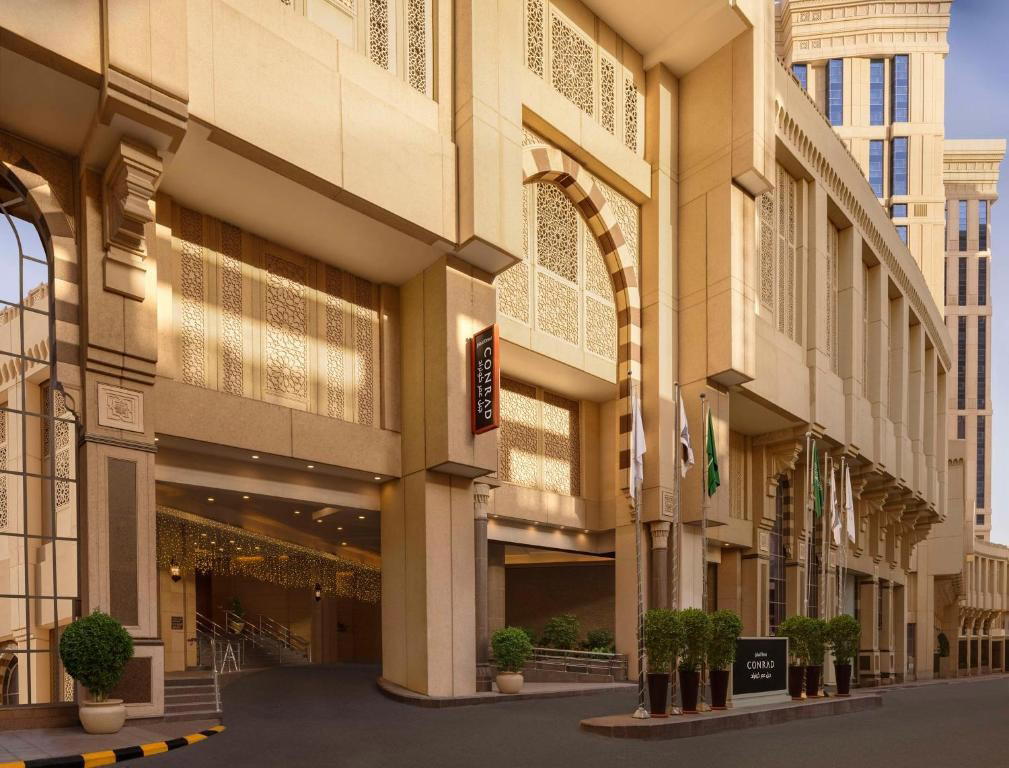
The streets radiating outward from the Masjid al-Haram carry a particular weight that few urban environments match. Pilgrims move in overlapping currents at all hours, the air carries the sound of adhan across rooftops, and the restaurants and gathering spaces along these corridors serve a population that arrives exhausted, spiritually charged, and often far from home. Dining in this district is not a leisure exercise in the conventional sense. It is a form of restoration, and the spaces that do it well understand that distinction. A Well-remembered Piazza sits in the Jarwal neighbourhood, on Jebel al-Kaaba Street, inside one of the residential quarters that borders the pilgrimage core without being consumed by it.
The Jarwal Quarter and What It Asks of a Dining Space
Jarwal occupies a position that most visitors to Makkah never fully register. It is residential in grain, older in character than the tower-hotel developments that now define the skyline visible from the Grand Mosque, and it absorbs a cross-section of guests that includes returning hajj families, local residents who have lived through successive waves of redevelopment, and domestic Saudi travellers who prefer the neighbourhood's comparative quiet. Dining spaces here compete on different terms than the hotel restaurants in Abraj Al-Bait. The reference point is not a lobby lounge or a branded international concept. It is the neighbourhood piazza model, where a gathering space holds the function of both eating and simply being present in a place. The name A Well-remembered Piazza is itself a statement about that function: memory, return, and the accumulation of visits that give a place its character over time.
Saudi Arabia's dining scene has expanded considerably since 2017, with new investment formats and internationally trained operators moving into cities from Riyadh to Jeddah. For a sense of what that shift looks like in practice, the contrast between a capital-city operator like Marble in Riyadh and the neighbourhood restaurants of Makkah is instructive: the former competes on design and concept; the latter competes on familiarity and reliability of sourcing. Both are legitimate strategies, but they answer different needs.
Ingredient Sourcing in a City That Receives Millions
The logistics of feeding Makkah are unlike those of any other city on earth. During Hajj season, the population can swell by several million within a matter of days, placing extraordinary pressure on supply chains that must deliver fresh produce, proteins, and staple ingredients across a city that is simultaneously managing unprecedented human movement. The practical consequence for restaurants and food spaces in the outer residential quarters is a sourcing calculus that blends local Hejazi produce with national supply networks and, during peak pilgrimage periods, whatever is available and reliable.
The Hejaz region has its own culinary logic: lamb prepared in the slow-roasted mandi and saleeg tradition, bread baked in ways that reflect centuries of trade-route exchange, rice dishes that carry the spice signatures of East Africa, South Asia, and the Levant through the port history of Jeddah to the west. A dining space in Jarwal draws on that tradition whether it declares it explicitly or not. The neighbourhood's own demographic history, which includes communities with roots across the Muslim world, has shaped what local sourcing means here: it is not farm-to-table in the Californian sense, but it is deeply place-specific in a way that connects the food on the table to the movement of people and trade across generations. For a parallel rooted in Saudi regional produce identity, Tama in AlUla demonstrates how a different Saudi region builds a food identity around local ingredients with similar specificity.
Across Saudi Arabia, the conversation about ingredient provenance has accelerated alongside Vision 2030's investment in domestic agriculture and food production. Cities like Taif, which sits at altitude less than two hours from Makkah and produces some of the most recognised rose and stone-fruit cultivation in the region, supply the Hejazi food corridor with seasonal produce that distinguishes local cooking from the more generic restaurant formats imported wholesale from other markets. A space like بروست طازة in Taif operates in that same regional supply zone, making it a useful point of comparison for what the ingredient geography of western Saudi Arabia actually produces.
Gathering Spaces and the Piazza Model
The piazza as a typology carries specific meaning: it is not just an outdoor or semi-open space, but a place where the act of gathering is itself the purpose, with food and drink as the mechanism rather than the destination. In cities with deep Islamic traditions of communal gathering, the function of these spaces maps naturally onto the model. The Haramain cities have always had their version of the piazza in the courtyards, the covered souqs, and the open plazas around mosques where people stop, rest, and eat. A restaurant or food space that names itself after this model is making a claim about that continuity. Whether it earns that claim is a matter of what it actually provides: seating that allows people to remain without pressure to turn tables, food that sustains without demanding attention, an atmosphere that is present without being performative.
Across Saudi cities, the gathering-space format has become a genuine design priority as opposed to an afterthought. The difference between that approach and the large-format concepts being developed in places like Ad Diriyah, where yello operates as part of a broader heritage redevelopment, is one of scale and intent. The Jarwal context calls for something quieter and more durable.
The Broader Saudi Dining Context
Makkah's food scene does not receive the same editorial attention as Jeddah or Riyadh, in part because the city's primary identity is pilgrimage rather than leisure, and in part because the critical infrastructure of food media has been slower to cover the western region with the depth it deserves. Kuuru in Jeddah and operators in the Red Sea corridor represent a newer wave of concept dining that is drawing attention back to the Hejaz. But Makkah's own food culture, rooted in centuries of receiving the world's Muslim communities and absorbing their culinary languages, predates any of these recent developments by a considerable margin. For the full editorial picture of where Makkah sits in the Saudi dining map, our full Makkah restaurants guide provides the wider context.
Other Saudi cities and their characteristic food spaces worth cross-referencing: بيتوتي in Burayda represents Najd's domestic-cooking tradition; kol restaurant in Jizan reflects the southern coastal influences that differ substantially from Hejazi cooking; and Reyhana offers another register of Saudi hospitality worth understanding alongside the Makkah model.
Planning a Visit
Travel to the Jarwal area is direct by road from the Haram perimeter, and the neighbourhood is generally accessible outside peak pilgrimage movement windows. For visitors travelling during Ramadan or Hajj season, timing any dining visit around prayer schedules is standard practice across all Makkah food spaces. Entry to Makkah itself is restricted to Muslims, a condition that shapes the entire hospitality context of the city and distinguishes it from every other major Saudi destination. International visitors unfamiliar with the Hejazi region's food culture might find useful orientation in how other coastal Saudi cities approach the same culinary inheritance, including at مطعم بيروت in Hafar Al Batin, which reflects Levantine influence absorbed through the same trade networks that shaped Makkah's own table.
Frequently asked questions
Is A Well-remembered Piazza suitable for children?
How would you describe the vibe at A Well-remembered Piazza?
What dish is A Well-remembered Piazza famous for?
What makes A Well-remembered Piazza a distinct option in Makkah's Jarwal neighbourhood rather than in the hotel dining zone near the Haram?
Details
- Elegant
- Scenic
- Intimate
- Family
- Casual Hangout
- Hotel Restaurant
- Panoramic View
- Courtyard
- Zero Proof
- Skyline
- A La Carte
- Smoothies
- Halal
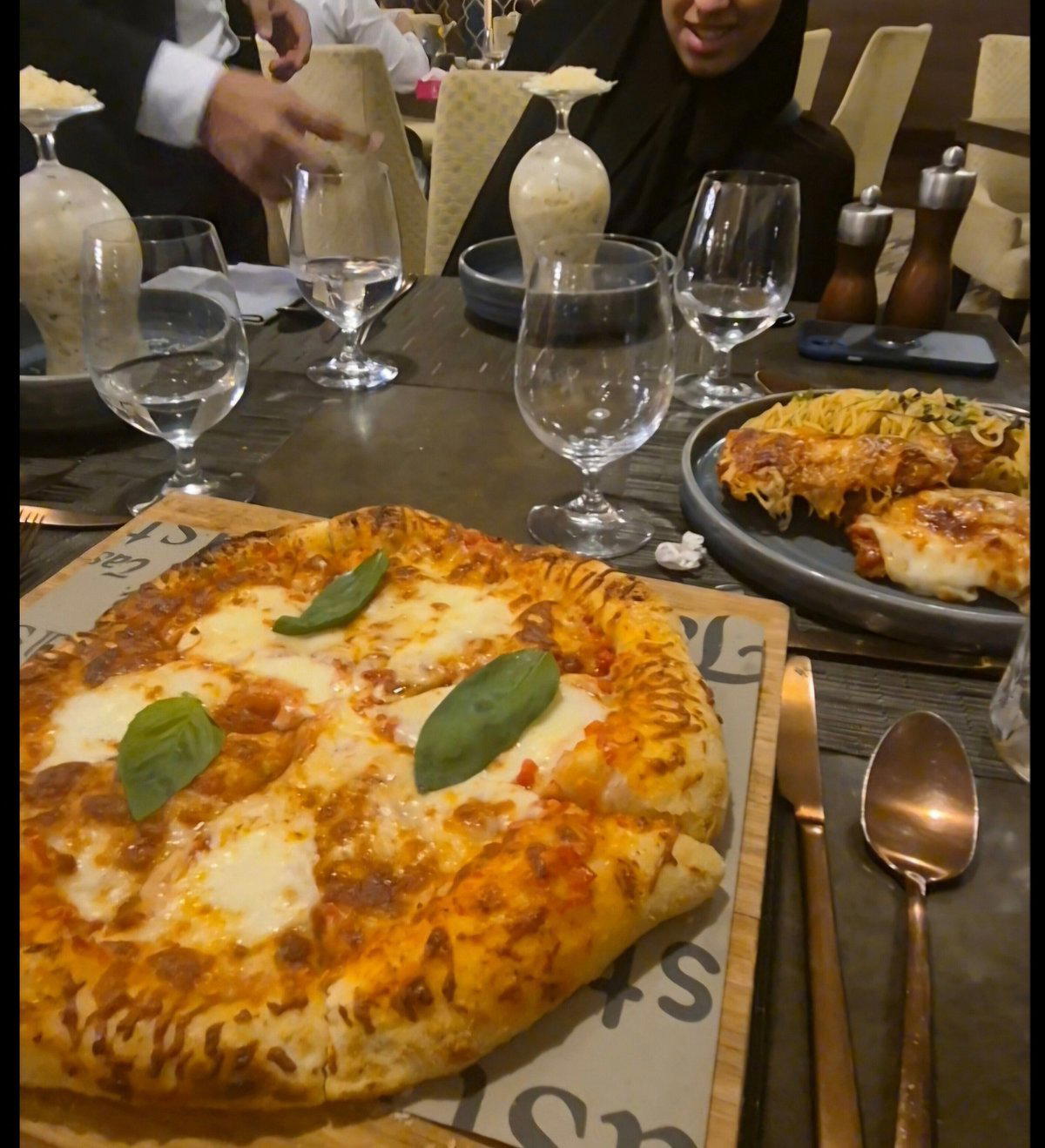
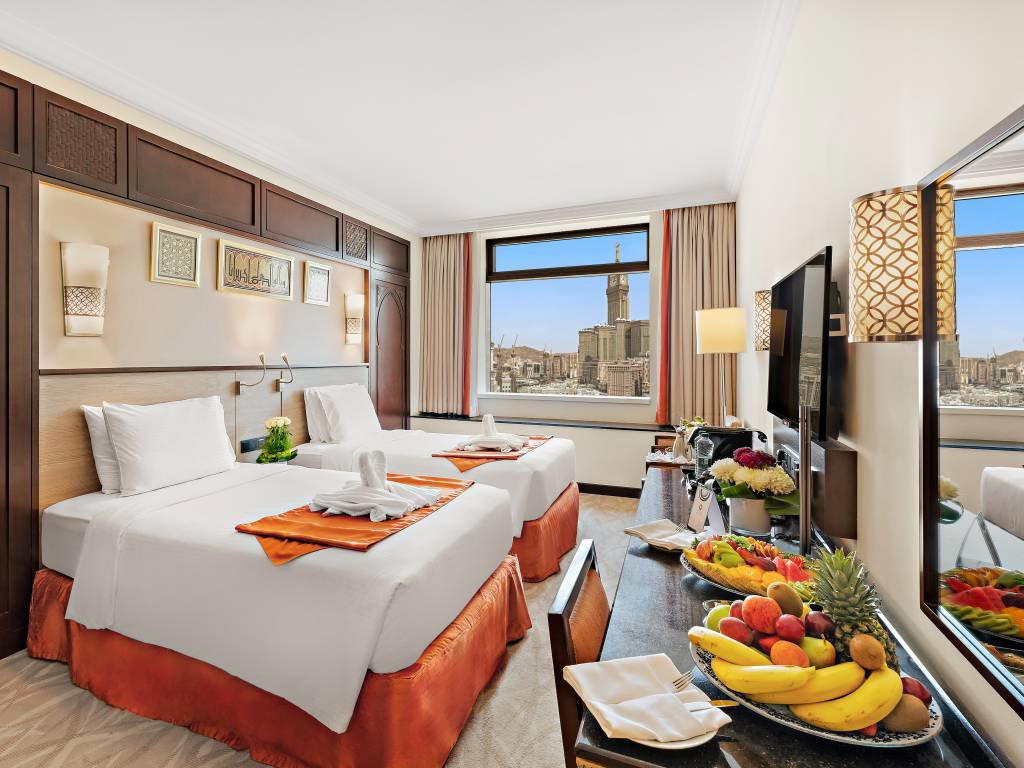
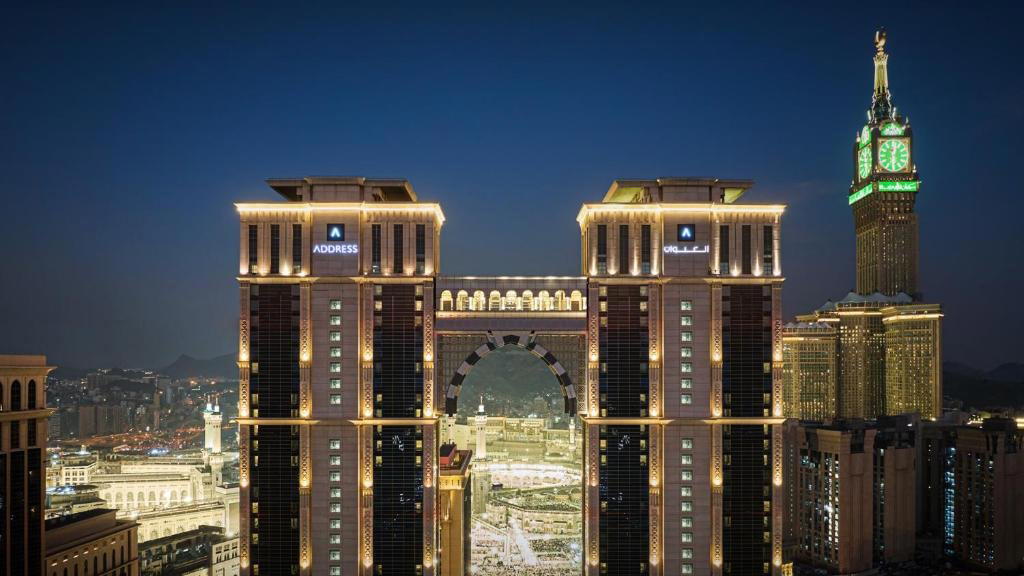
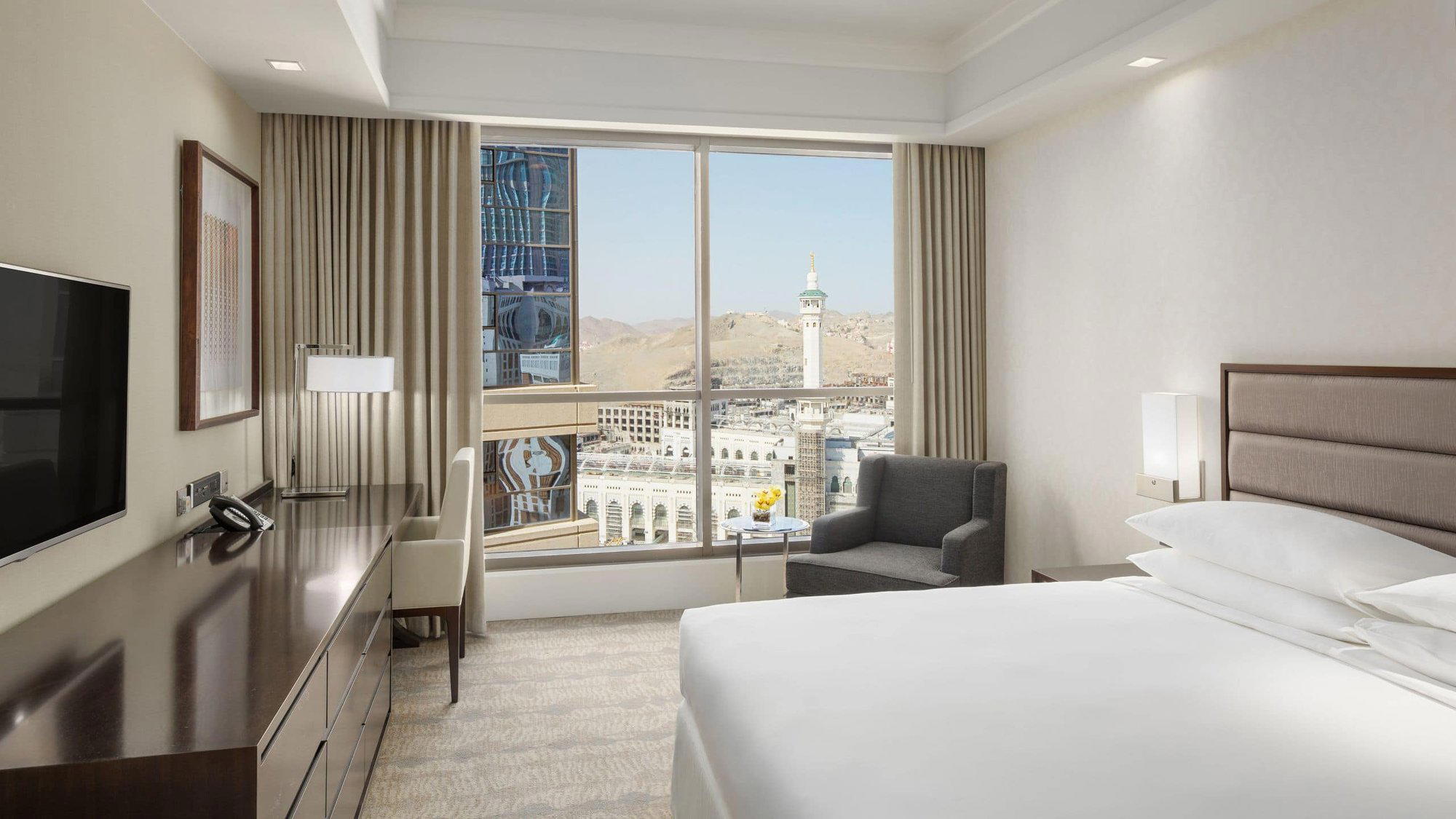
Serene and distinctive piazza atmosphere well-suited for sharing meals with loved ones, overlooking the Holy Haram.