Address Jabal Omar Makkah



Michelin Selected · Star Wine List · Forbes Recommended
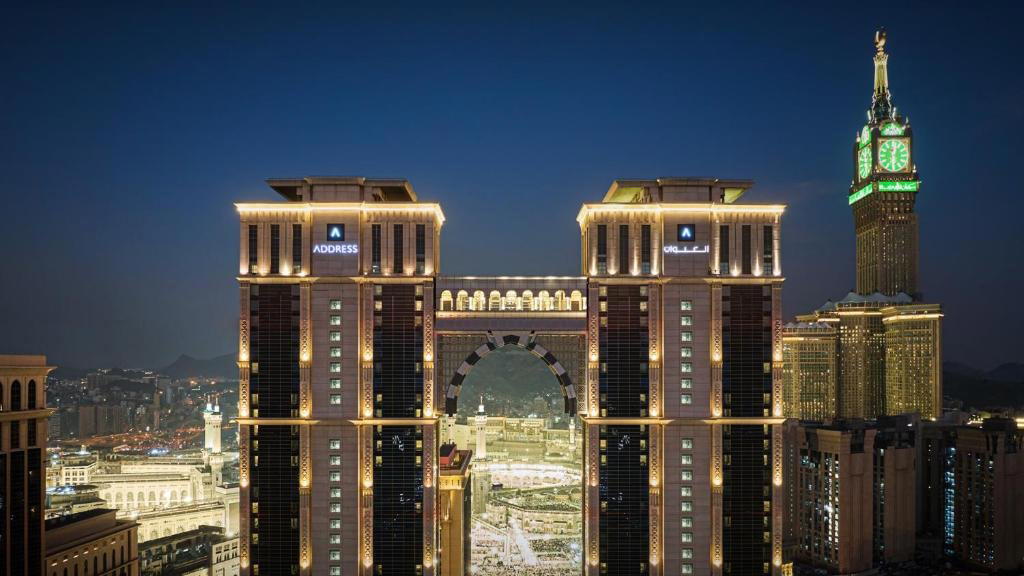
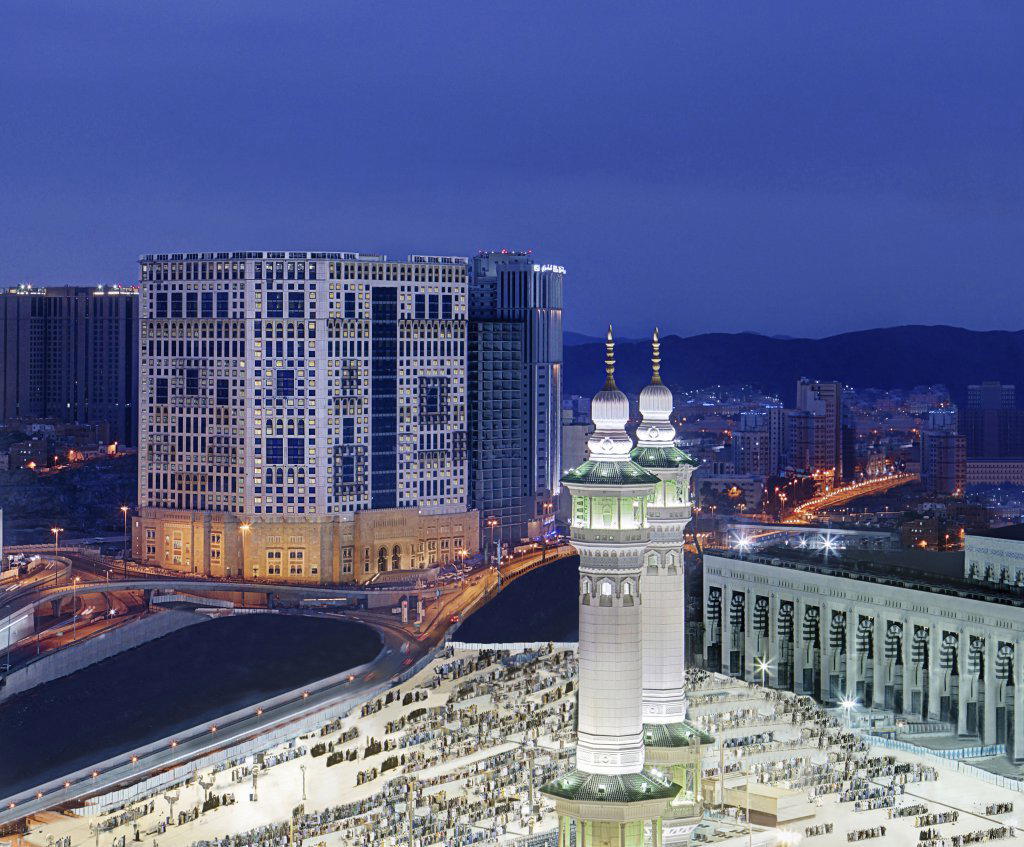
Among the high-rise cluster of the Jabal Omar development, Address Jabal Omar Makkah rises across 40 floors with twin towers joined by a sky bridge, placing it directly within walking distance of the Grand Mosque. Recognised by Star Wine List in 2026, it occupies the upper tier of proximity-driven luxury in the city. Pilgrims and premium travellers who prioritise immediate access to the Haram will find few addresses closer at this scale.

Pearl is the En Primeur Club membership app — saves, bookings, and concierge access live there. Same editors, same standards.
- Address
- Jabal Omar, 7123 Prince Mohammed Bin Salman Road
- Phone
- 012-553-1444
- Website
- addresshotels.com
- Directions
- Get directions
Position and Presence in the Jabal Omar Quarter
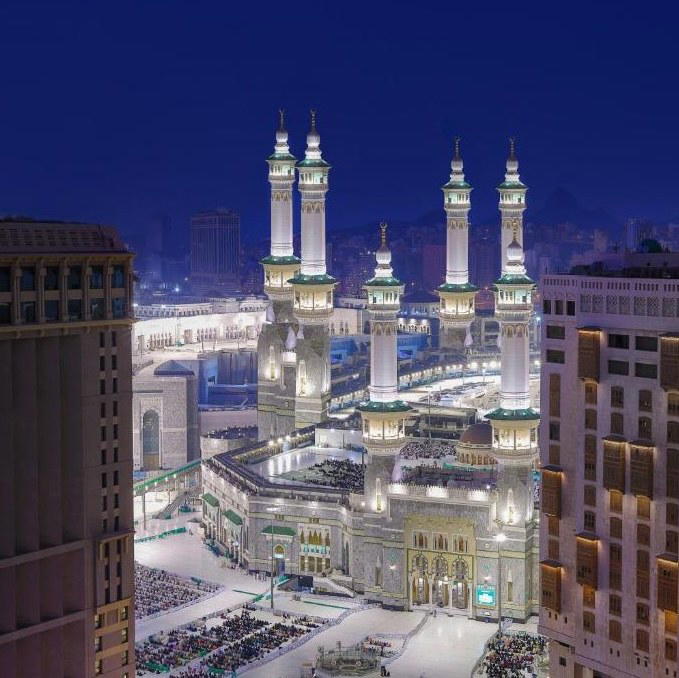
Makkah's hotel sector has consolidated around a single competitive logic: proximity to the Grand Mosque. Within that framework, the Jabal Omar development represents the most deliberate attempt to cluster premium accommodation immediately adjacent to the Haram, and Address Jabal Omar Makkah, at 40 storeys with twin towers connected by a sky bridge, is among the most architecturally pronounced structures in that cluster. The address on Prince Mohammed Bin Salman Road places guests within the development's pedestrian network, which feeds directly into the approach routes to the mosque. For the Hajj and Umrah visitor whose primary concern is minimising transit time between accommodation and worship, this geography is the core proposition.
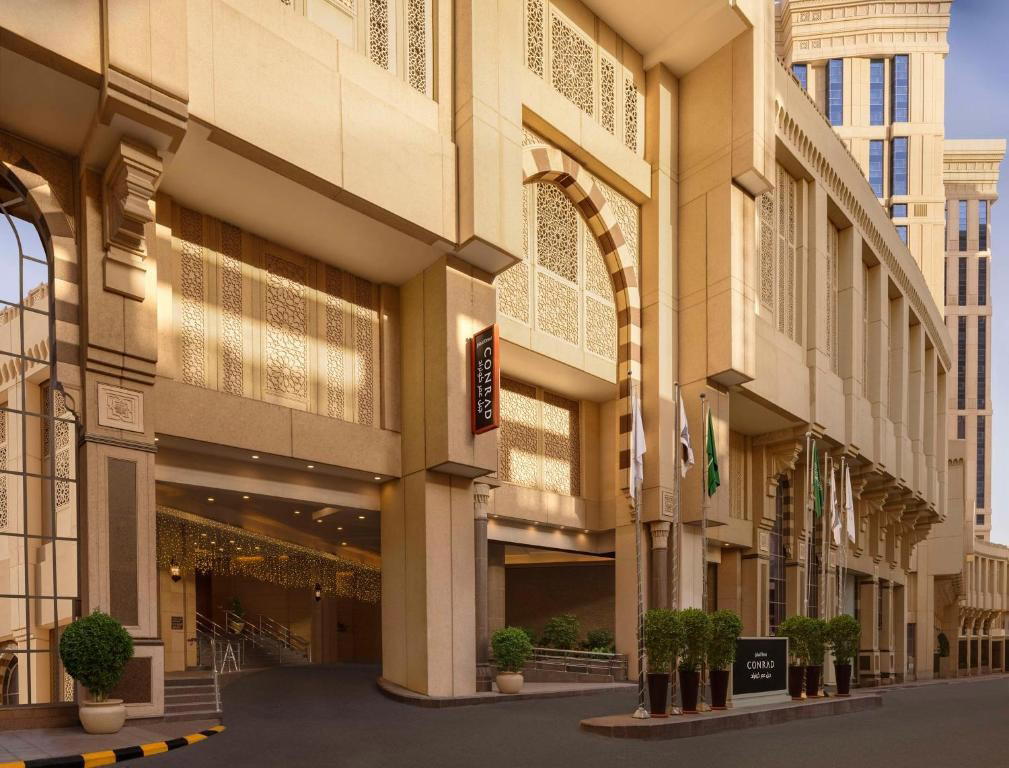
The Jabal Omar quarter now accommodates several of the city's most recognisable hotel brands within a compact footprint. Conrad Makkah Jabal Omar and the Jabal Omar Hyatt Regency Makkah occupy the same development, meaning guests are effectively choosing between flagship international brands at equivalent proximity.
What the Address Delivers at Height
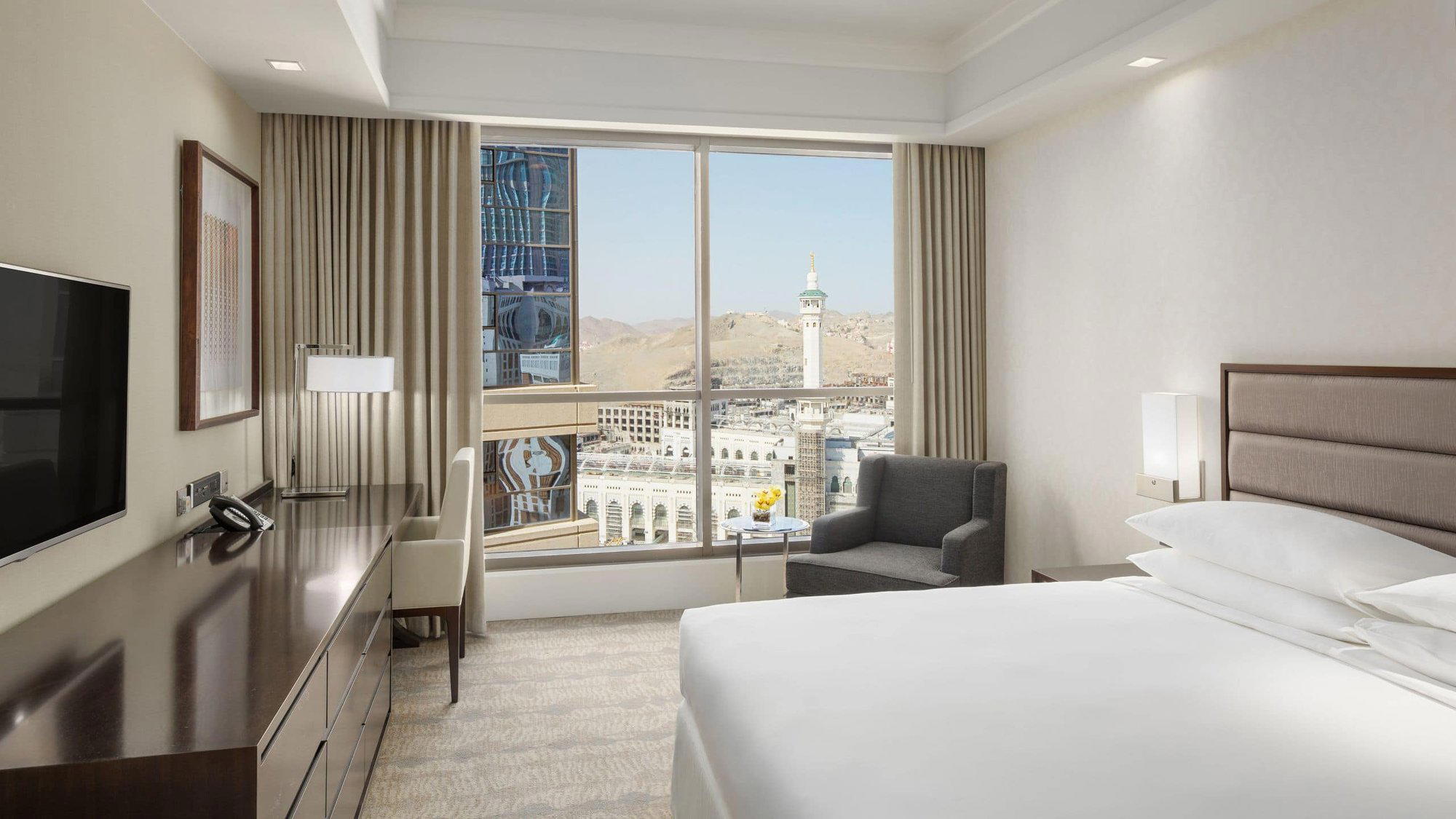
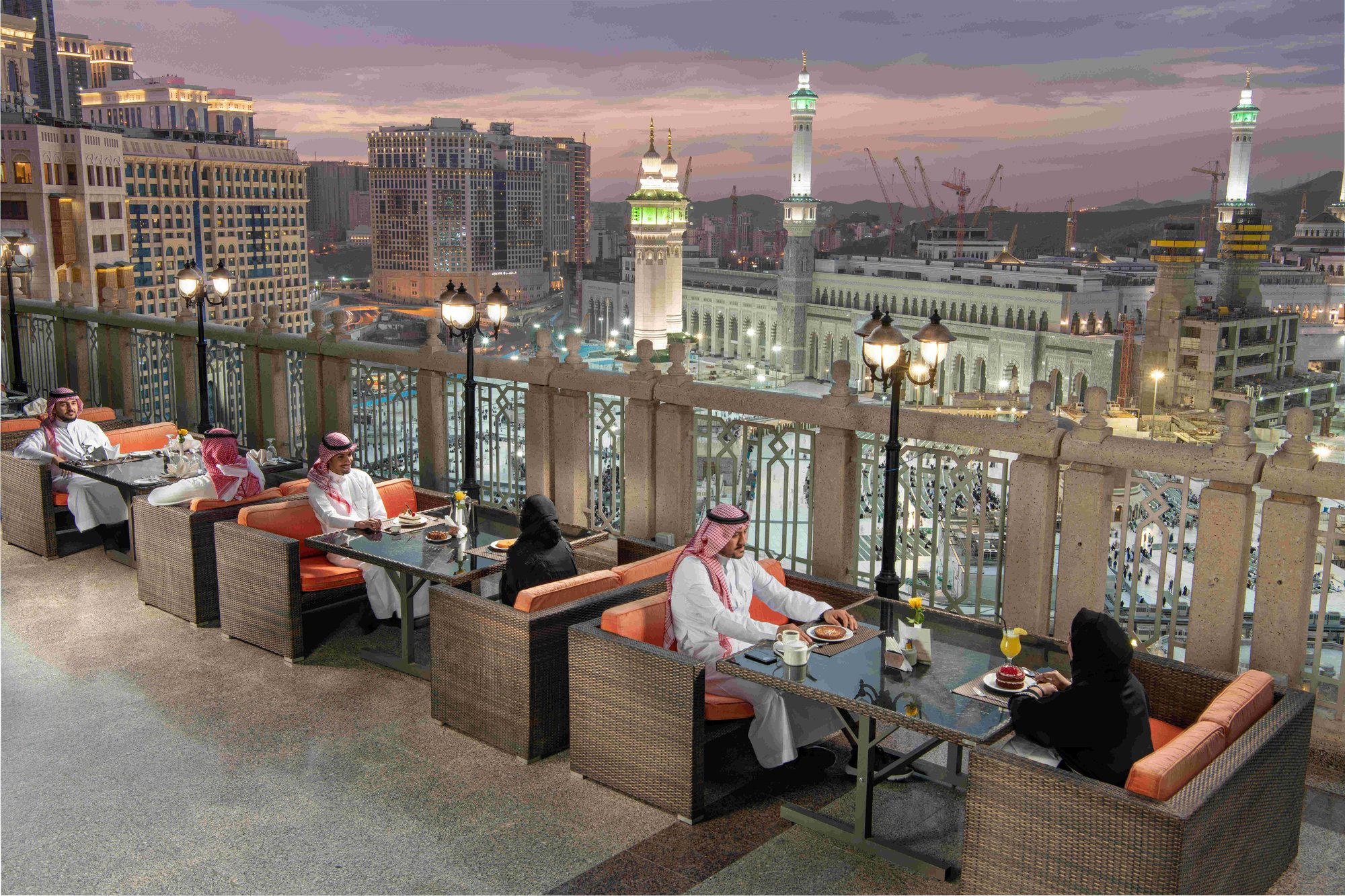
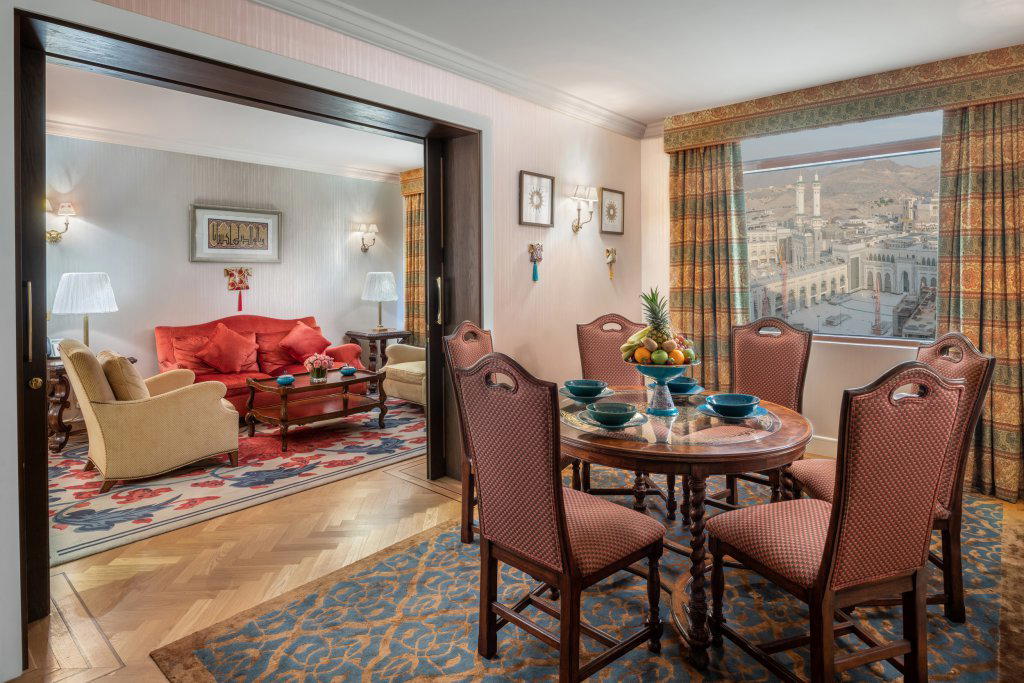
The twin-tower configuration, joined by a sky bridge, does more than announce itself visually. At 40 floors, the upper tiers of the building place guests above the dense urban grain of the development, with refined sightlines toward the Grand Mosque and its clock tower. In a city where the view from a room window carries genuine spiritual weight for many visitors, that vertical position has functional value that goes beyond aesthetics. Properties at ground-level proximity in the same neighbourhood cannot replicate what height adds here.
Makkah Clock Royal Tower, a Fairmont Hotel, anchors the broader Abraj Al-Bait complex with the most direct views of the Kaaba of any hotel in the city, occupying a position that remains a reference point across the market. Address Jabal Omar Makkah operates in a different part of the sacred precinct but benefits from the same principle: at sufficient height, the building becomes part of how guests experience the city's spiritual topography, not just a place to sleep between visits.
Recognition and Competitive Positioning
Address Jabal Omar Makkah holds a Star Wine List recognition for 2026, a credential that carries a specific implication in the Makkah context. Saudi Arabia's approach to alcohol means hotel beverage programmes operate under different parameters than in most international luxury markets. Star Wine List recognition in this environment signals a commitment to non-alcoholic beverage quality and curation that reflects the wider shift in premium hospitality across the Kingdom toward sophisticated alternatives. For the Makkah visitor accustomed to international hotel standards, that signal matters.
Among the city's other premium options, the Raffles Makkah Palace represents the most direct competitor in terms of brand tier and address prestige, with its position at the Abraj Al-Bait towers placing it at the apex of Haram-facing accommodation. The Anjum Hotel Makkah and Makkah Hotel & Towers serve a slightly broader market, while TIME Ruba Hotel & Suites appeals to longer-stay and suite-focused visitors. Address Jabal Omar Makkah positions itself above the midmarket but below the single-property trophy tier, a bracket where the quality of the room product and F&B programme becomes the deciding variable.
Planning Your Stay: Timing and Logistics
Makkah's hotel calendar operates around two dominant periods: Hajj, which runs on the Islamic lunar calendar and shifts through the Gregorian year, and Ramadan, when Umrah volumes spike significantly. Both windows see rates across the Jabal Omar development move to their highest points, and availability at properties of this scale compresses weeks in advance. Visitors with flexible travel windows who can plan Umrah outside these peaks will find better room availability and more consistent service conditions across all the major properties in the quarter. For those who need Hajj-period access, booking through an authorised Hajj package operator remains the standard approach.
The Jabal Omar development's pedestrian infrastructure means that guests at Address Jabal Omar Makkah can reach the Grand Mosque's perimeter without requiring vehicle transit, which is a significant practical advantage during peak periods when road access around the Haram becomes heavily managed. That walkability is the address's most tangible operational asset, and it should sit at the centre of any decision-making process for a Makkah stay.
Address in the Wider Saudi Hospitality Context
Makkah sits within a Saudi hospitality market that has expanded rapidly at the premium end. Elsewhere in the Kingdom, properties like Assila, a Luxury Collection Hotel, Jeddah and Banyan Tree AlUla represent the design-forward, experience-led direction that Vision 2030 hospitality investment has taken in cities open to international leisure travellers. Makkah operates under different conditions: non-Muslim visitors cannot enter the city, which concentrates the market entirely around pilgrimage and religious tourism. That constraint shapes every aspect of the hotel product, from room configuration designed for family groups to F&B that reflects Islamic dietary requirements throughout.
For travellers building an itinerary across the region, the neighbouring city of Madinah offers a natural continuation of the religious tourism circuit, with properties like Al Manakha Rotana Madinah serving the Prophet's Mosque precinct in much the same proximity-first logic that governs Makkah's hotel market. Those visiting the Red Sea coast before or after their pilgrimage will find options like the InterContinental The Red Sea Resort and Miraval The Red Sea at the opposite end of the Saudi hospitality register, both oriented toward leisure and landscape rather than religious access.
For a fuller picture of where Address Jabal Omar Makkah sits relative to the city's broader accommodation options, our full Makkah hotels guide covers the major properties across price tiers and proximity bands.
Frequently Asked Questions
A Lean Comparison
Comparable venues nearby, for context on price, style, and recognition.
| Venue | Price | Awards | Notes |
|---|---|---|---|
| Address Jabal Omar MakkahThis venue — the venue you are viewing | Not listed | Michelin Selected · Star Wine List | Not listed |
| Jabal Omar Hyatt Regency Makkah | Not listed | Michelin Selected · World Luxury Hotel Awards WLHA Country Winner | Jabal Omar, Modern luxury hotel blending comfort and spirituality near holy sites |
| Anjum Hotel Makkah | $100–200 | World Luxury Hotel Awards WLHA Global Winner | Makkah City Center, Ultra-luxury Islamic hospitality hotel designed for pilgrims and luxury travelers, featuring modern architecture with traditional Islamic elements and direct access to the Holy Haram. |
| Conrad Makkah Jabal Omar | Not listed | Forbes Recommended | Jabal Omar, Luxury urban hotel with direct access to sacred sites |
| Makkah Clock Royal Tower, A Fairmont Hotel | $200–300 | Michelin Selected · Star Wine List | Abraj Al Bait, Well-known architectural masterpiece blending luxury with spiritual significance |
| Raffles Makkah Palace | $750–1,000 | Michelin Selected · World Luxury Hotel Awards WLHA Global Winner | Abraj Al-Bait Complex, Luxury all-suite palace hotel blending contemporary design with authentic Arabian heritage and Islamic architectural elements. |
Recognition history
Dated appearances from independent guides and award organizations, with the underlying list record or original source where available.
Michelin Selected
Michelin
Star Wine List
Star Wine List
Forbes Recommended
Forbes
Details
- Modern
- Elegant
- Quiet
- Sophisticated
- Religious Pilgrimage
- Historic Building
- Panoramic View
- Wi Fi
- Room Service
- Concierge
- Fitness Center
- Pool
- Skyline
- Elevator
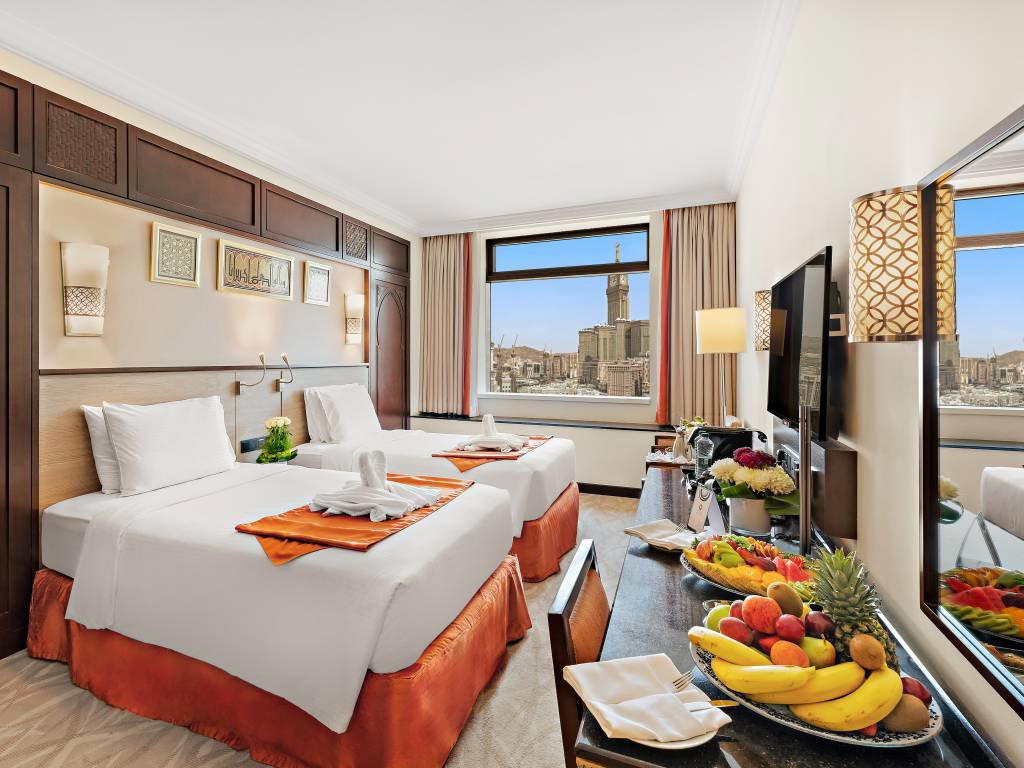
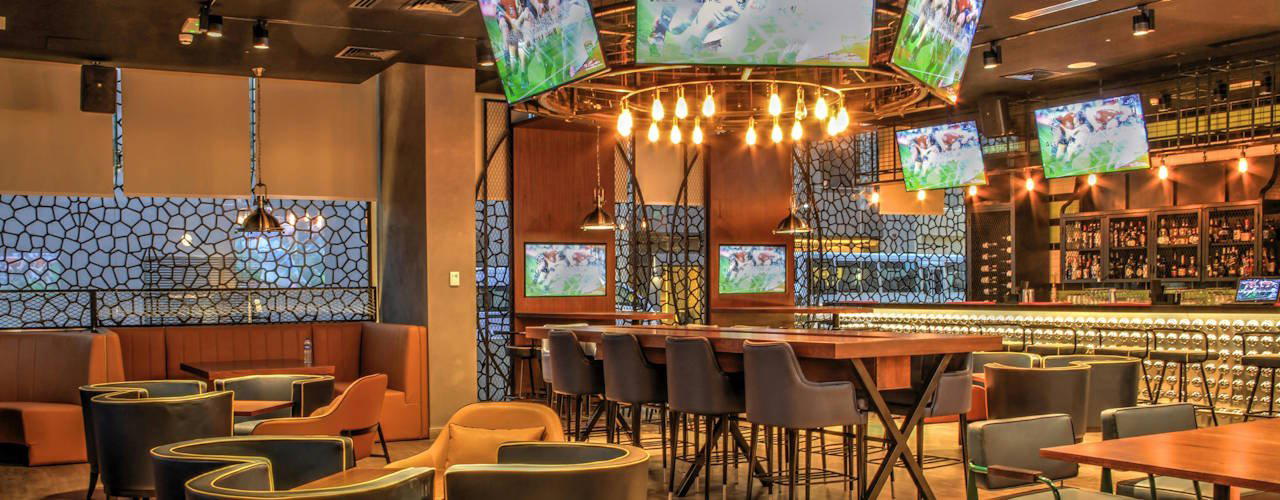
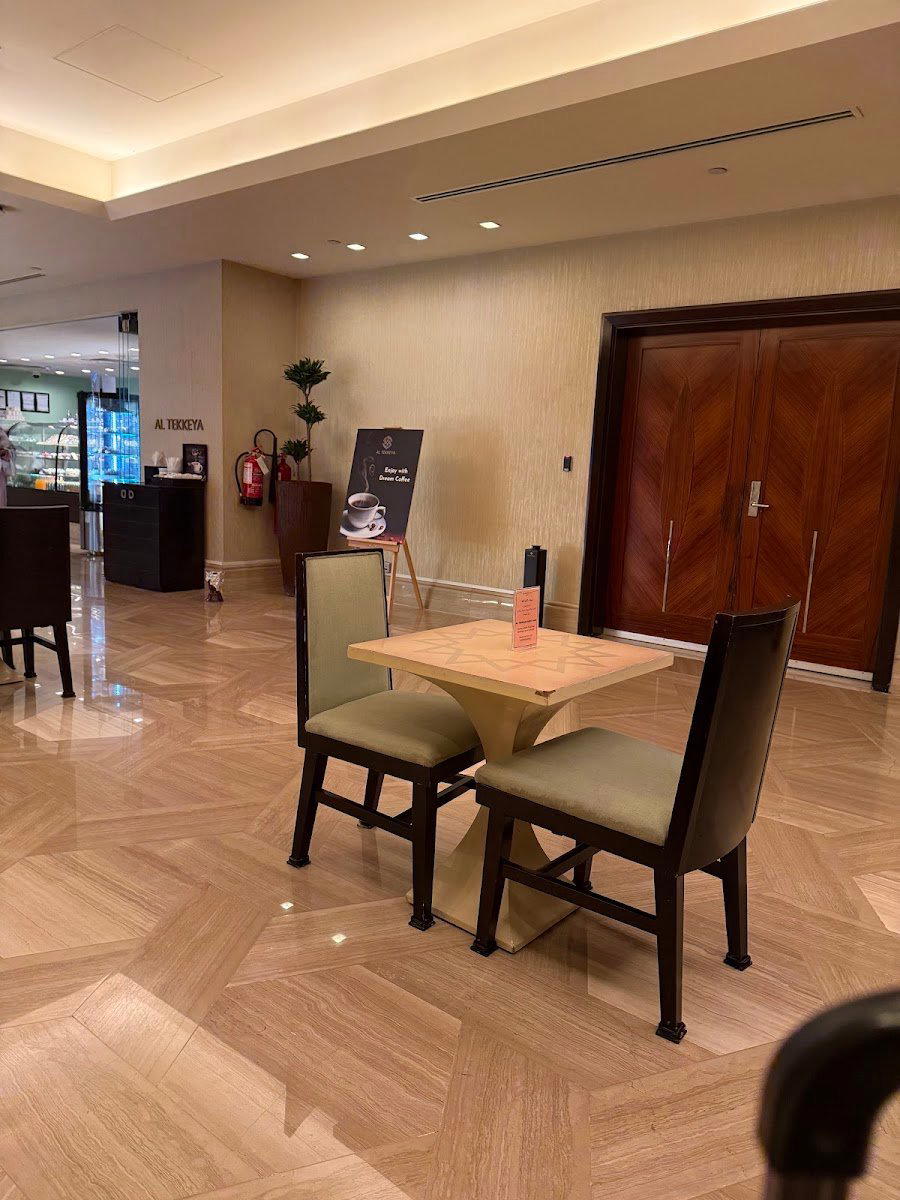
Modern, clean, elegant atmosphere with refined lighting and spacious, comfortable rooms.