Al Shubaiikah Café
Our verdict
Al Shubaiikah Café fits the everyday side of Makkah dining: informal, city-facing, and shaped by the rhythms of pilgrims, residents, and hotel corridors rather than awards-page theatre. Treat it as a café stop in Jarwal’s broader hospitality zone, useful for understanding how casual eating in Makkah sits beside hotel restaurants and quick-service Saudi staples.

Pearl is the En Primeur Club membership app — saves, bookings, and concierge access live there. Same editors, same standards.
- Address
- 3601 حي, Jarwal، MAJA7418، 7418 شارع جبل الكعبة, Makkah 24231, Saudi Arabia (Floor G)
- Directions
- Get directions
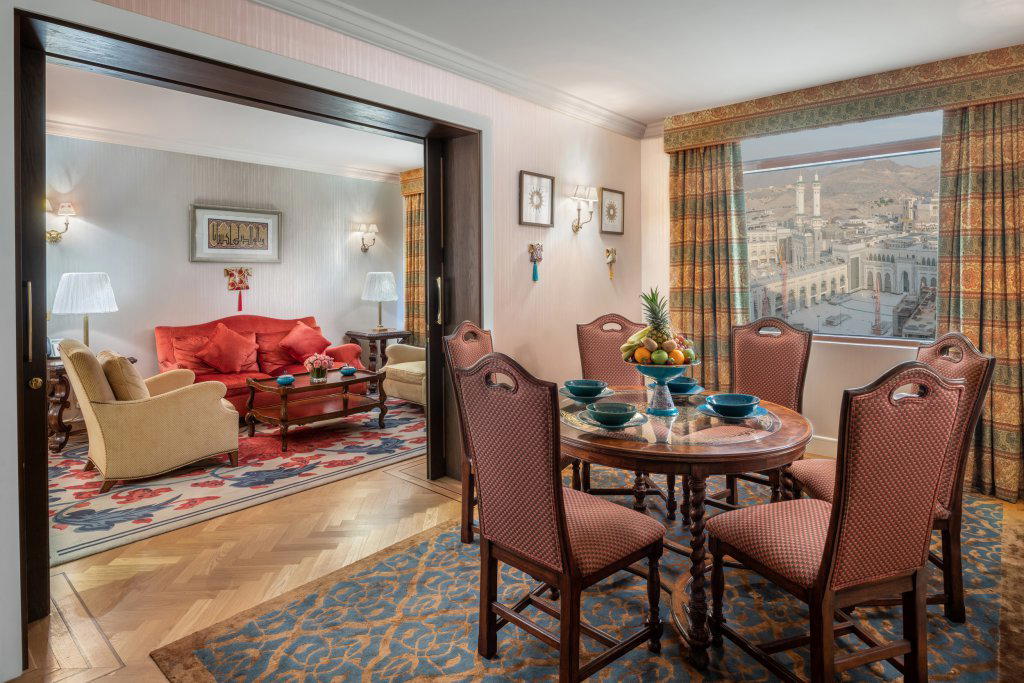
The menu
What to order
- Traditional Shawarma
- Authentic Hijazi Mutabbaq
- Date, milk and cashew smoothie
- Seasonal fresh fruit smoothies
Approaching Makkah, the city’s dining grammar changes quickly: hotel lobbies, café counters, quick meals between prayer times, and informal tables built for movement rather than ceremony. This is not the language of long tasting menus. It is the language of proximity, hospitality, simple food and drink, and the practical appetite of a city that receives people in waves.
Al Shubaiikah Café belongs to that daily-use category. Its value is less about individual authorship or destination positioning and more about how café culture functions in Makkah: as a pause point, a meeting place, and a food-and-drink format that has to accommodate families, visitors, and locals moving through a dense religious city. In a market where formal restaurants often sit inside larger hospitality settings, the café format carries a different job. It shortens the meal, lowers the threshold, and keeps the room legible for mixed groups.
A Makkah café in a city built around movement
Makkah’s food scene cannot be read like a purely leisure-led restaurant market. The city is shaped by pilgrimage logistics, accommodation density, and pedestrian surges, which makes casual hospitality more important than it first appears. A café in Makkah has to work for different meal clocks: early pauses, late snacks, family regrouping, and the practical need for somewhere seated after long stretches on foot.
That context matters more than a list of dishes. Everyday cafés in Makkah tend to depend on consistency, speed, and broad usefulness across the day. The better question is not whether a café performs culinary theatre, but whether it fits the city’s pressure points without turning a simple stop into work.
Compared with full-service Makkah dining rooms such as Al Hijaz Restaurant, Um Al Qura Restaurant, Al Tekkeya Lobby Corner, AlForno, and A Well-remembered Piazza, a café format reads differently. It is less about extended service and more about timing, access, and the kind of offer that can carry a mixed party. Readers mapping the city’s broader dining range can place it alongside other Makkah dining rooms, then use our full Makkah restaurants guide for the wider restaurant picture.
Why sourcing matters even in a casual café
In café culture, sourcing is often invisible until it fails. Core supplies must be steady, prepared items must hold across service hours, and perishable ingredients need enough turnover to stay credible in a hot climate. Makkah adds another layer: demand can shift with religious calendars, accommodation patterns, and group travel. A café that survives in this environment is usually built around repeatable supply rather than fragile seasonality.
That does not make the category less interesting. It makes it more revealing. Saudi dining at the casual end is where imported café habits meet local expectations around hospitality, family seating, and sweet service. Familiar café orders and simple shared plates can carry more cultural information than an overdesigned luxury menu. For travellers, the lesson is to read the room: who is eating, how quickly tables turn, what people order in groups, and whether the café functions as a snack stop or a meal replacement.
Al Shubaiikah Café is therefore more useful as a marker of everyday Makkah dining than as a destination built around a named culinary personality. Its profile is best read through practical comparison: café versus hotel dining room, casual stop versus planned meal, city rhythm versus culinary showcase.
How to place it within a Makkah itinerary
For visitors, the decision is mainly about category fit. Choose a café in Makkah when the group needs flexibility, children are part of the plan, or the day is structured around prayer times and transport rather than a long lunch. Choose a hotel restaurant when table spacing, buffet service, or a wider formal menu matters. Choose a specialist restaurant when the meal itself is the centre of the evening.
The wider Saudi comparison is useful too. Casual eating in the Kingdom ranges from quick-service institutions to heritage-led rooms, destination dining, and regional café culture in other Saudi cities. International references can be misleading: compact single-format counters belong to another dining culture, while a broad Saudi café has to serve a wider social function.
Readers planning beyond restaurants should treat the café as one piece of a city system. Accommodation shapes dining decisions in Makkah more than in many leisure cities, so our full Makkah hotels guide is relevant to where and when meals happen. The city is not a conventional bar destination, but our full Makkah bars guide explains the local category constraints. For cultural planning beyond the table, use our full Makkah experiences guide; wine tourism is not part of the city’s dining identity, though our full Makkah wineries guide keeps the category mapped separately. For different Saudi city dining references, imported formats and contemporary casual rooms show how the Kingdom’s broader market sits alongside EP Club’s restaurant coverage.
Frequently asked questions
Is Al Shubaiikah Café suitable for children?
As a café in Makkah, Al Shubaiikah Café fits a family stop more naturally than a formal dining room. Its café format makes it a straightforward place to pause with children during a city stay.
What kind of setting is Al Shubaiikah Café?
It is a café in Makkah. That points to a casual, utilitarian setting rather than a chef-driven restaurant format.
What part of town is Al Shubaiikah Café in?
Makkah.
Do I need a reservation for Al Shubaiikah Café?
Al Shubaiikah Café should be treated as a simple café stop in Makkah rather than a destination defined by formal booking rituals. The practical approach is to use it for flexible timing.
What is Al Shubaiikah Café known for?
Al Shubaiikah Café is known here as a café in Makkah. That city context is the clearest marker available, placing the café within Makkah’s everyday dining rhythm.
Can Al Shubaiikah Café adjust for dietary needs?
No detailed menu information is listed for Al Shubaiikah Café, so any dietary adjustment would need to be handled directly at the café in Makkah. Its café format suggests a lighter, simpler order pattern than a tasting-menu restaurant.
Quick Comparison
Comparable venues by cuisine and price in the same metro.
| Venue | Cuisine | Price |
|---|---|---|
| Al Shubaiikah CaféThis venue — the venue you are viewing | International light meals & Hijazi café bites | $10–20 |
| Al Hijaz Restaurant | International & Middle Eastern Hotel Buffet | Not listed |
| A Well-remembered Piazza | International & Oriental Piazza | $20–30 |
| Um Al Qura Restaurant | Middle Eastern & International Buffet | Not listed |
| Al Tekkeya Lobby Corner | Lobby coffee & bakery café | Not listed |
| AlForno | Modern Bistro | Not listed |
Details
- Modern
- Quiet
- Cozy
- Casual Hangout
- Family
- Solo
- After Work
- Late Night
- Group Dining
- Hotel Restaurant
- Standalone
- Zero Proof
- Local Sourcing
- Street Scene
- A La Carte
- Counter Dining
- Small Plates
- Smoothies
- Tea
- Coffee
- Fresh Juices
- Halal
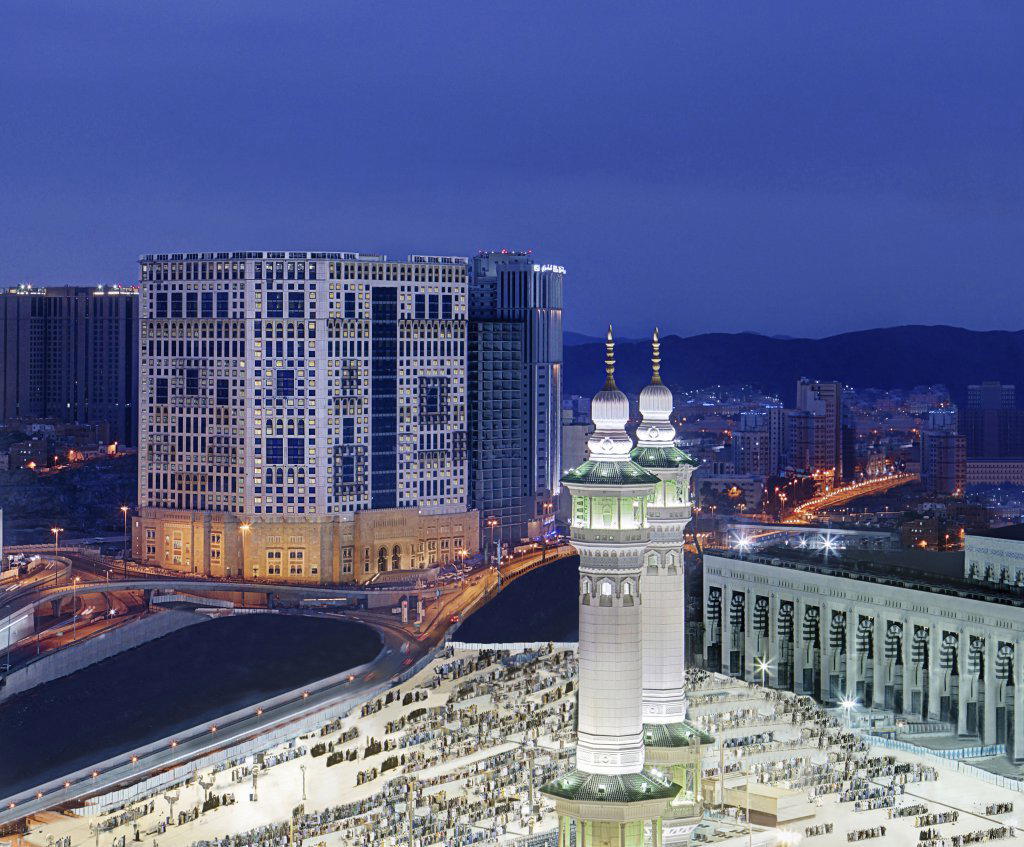
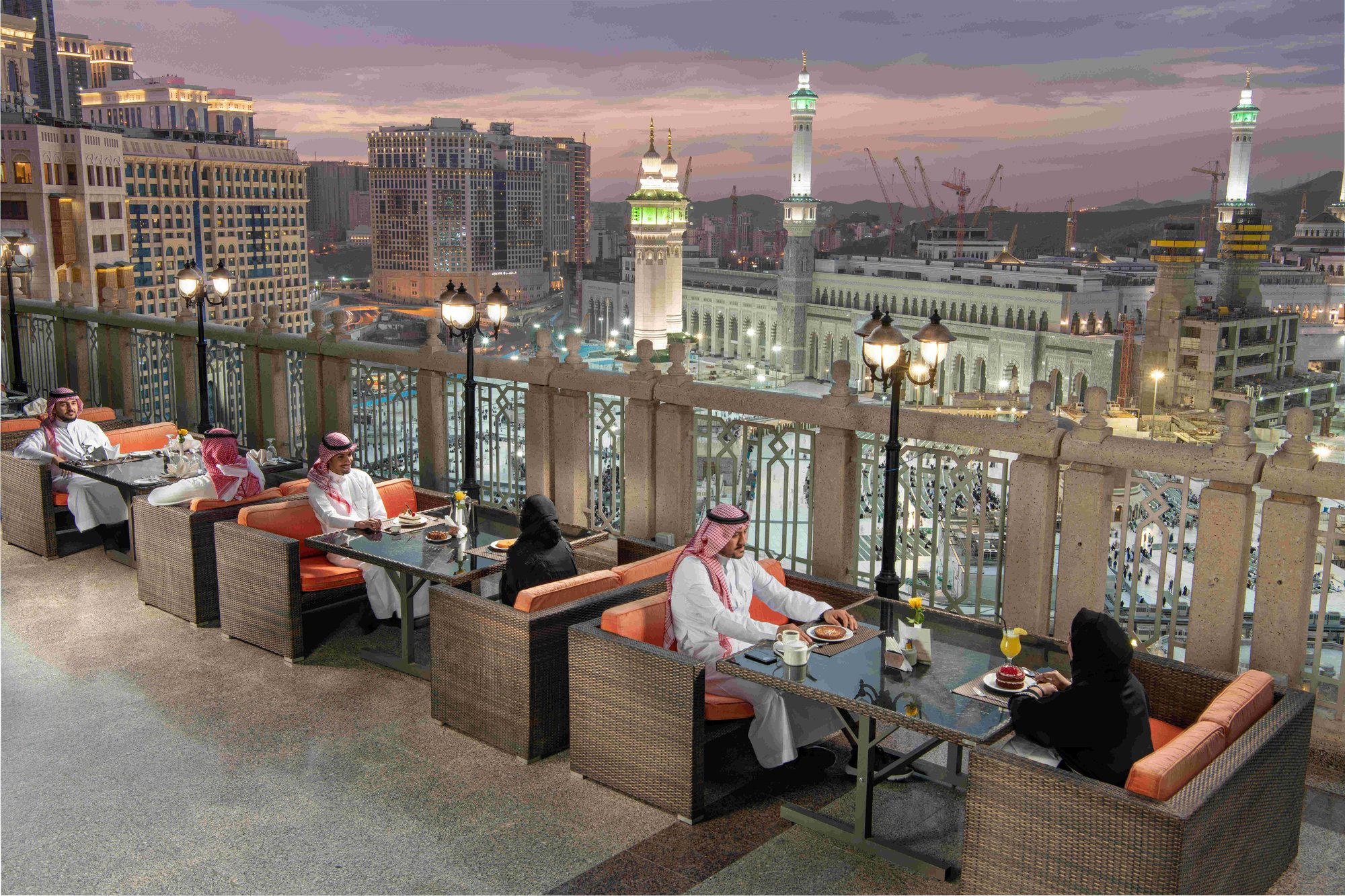
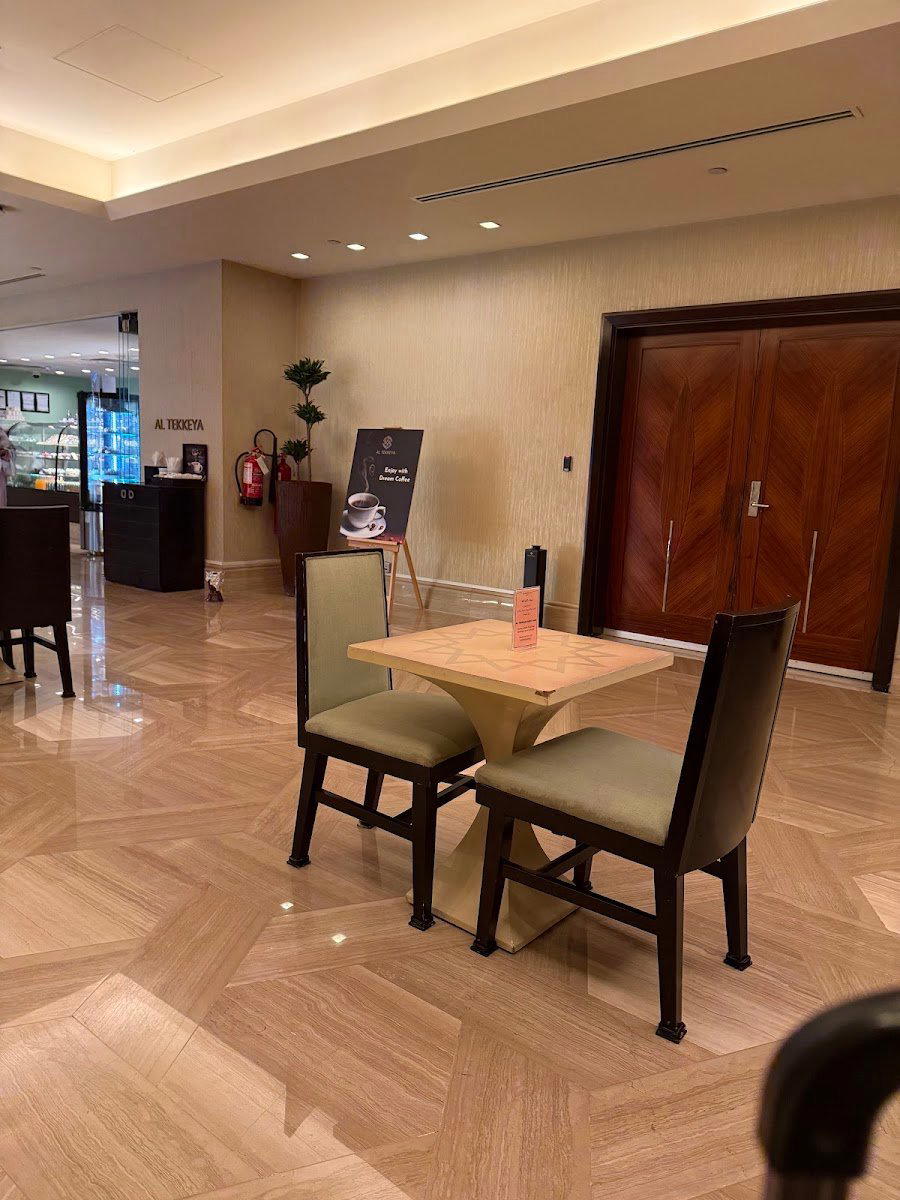
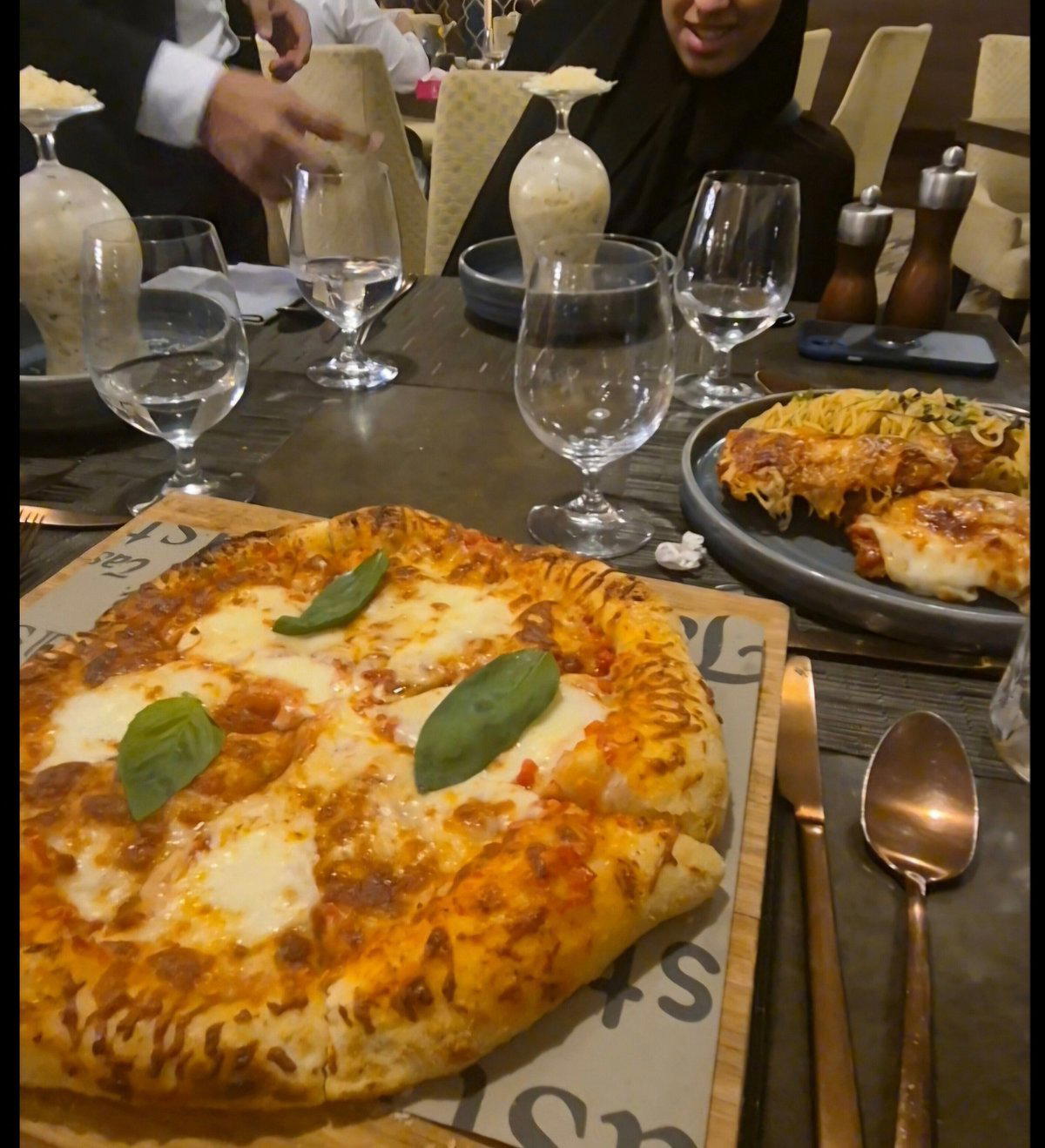
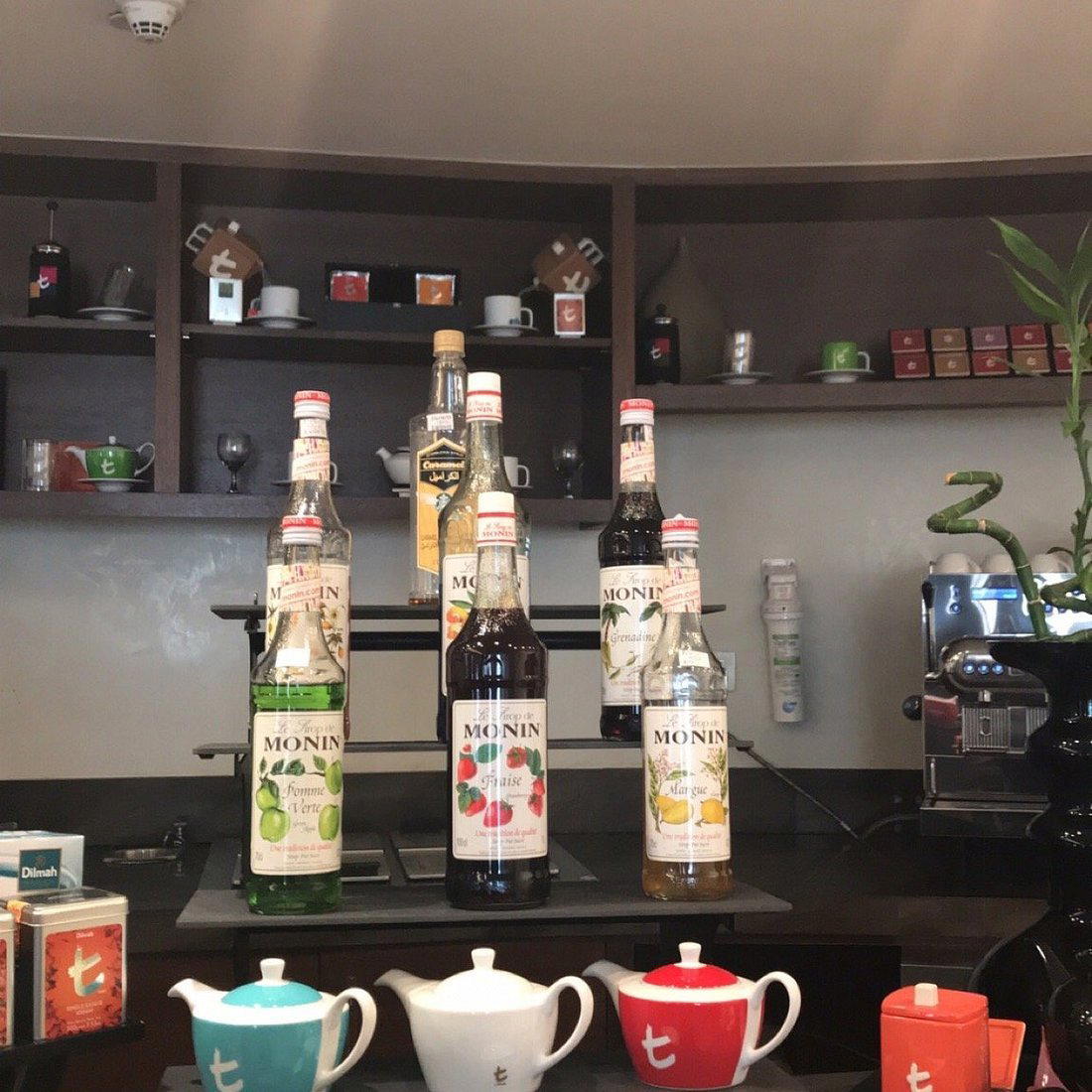
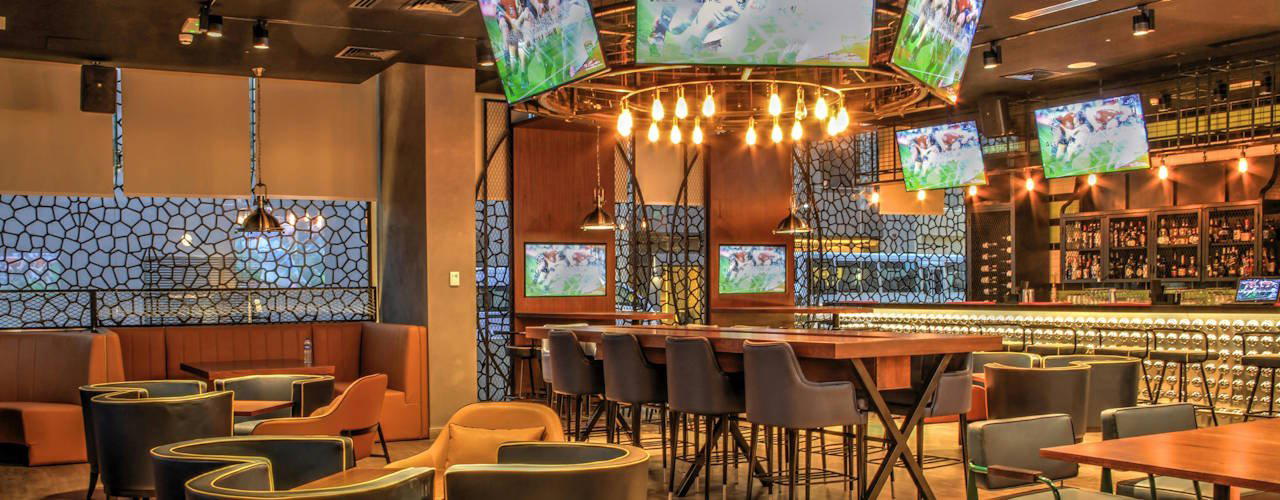
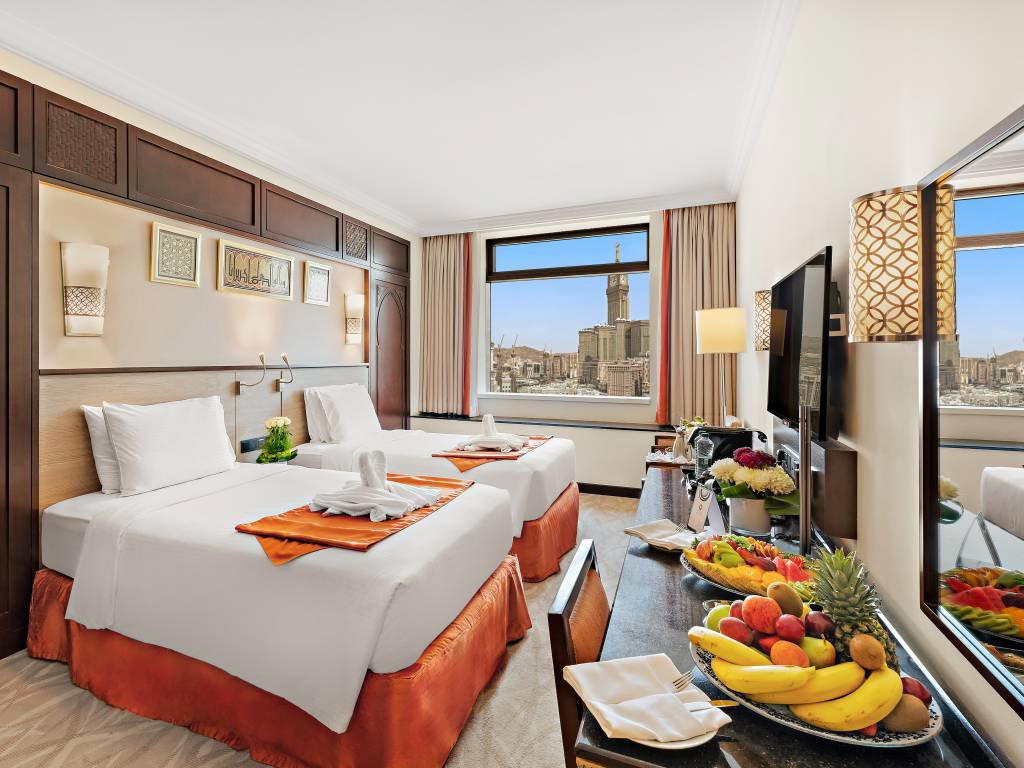
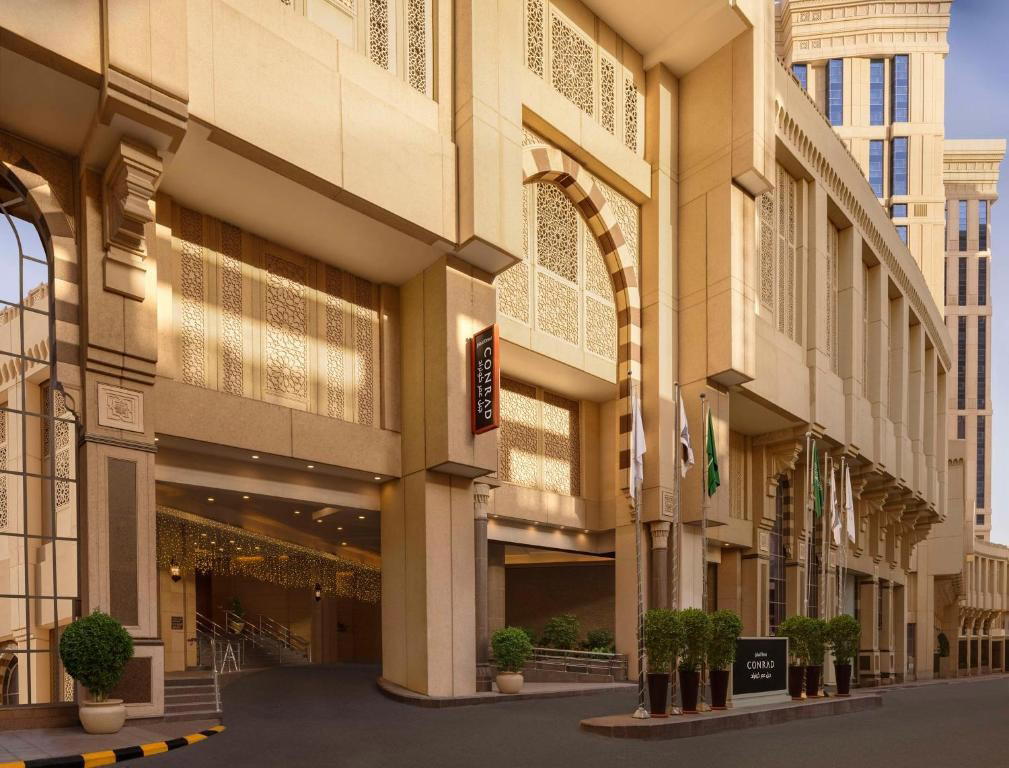
Relaxed hotel-café atmosphere designed for guests to chill out between activities, with comfortable seating, bright contemporary decor and a steady flow of pilgrims and travelers.