Al Hijaz Restaurant
Our verdict
Al Hijaz Restaurant sits in Makkah’s Jarwal orbit, where dining is shaped less by ceremony than by the practical rhythm of prayer, movement, and group meals. The appeal is the context: a Floor F restaurant in a city where the table often functions as a pause between worship, transit, and family coordination.

Pearl is the En Primeur Club membership app — saves, bookings, and concierge access live there. Same editors, same standards.
- Address
- 3601 حي, Jarwal، MAJA7418، 7418 شارع جبل الكعبة, Makkah 24231, Saudi Arabia (Floor F)
- Directions
- Get directions
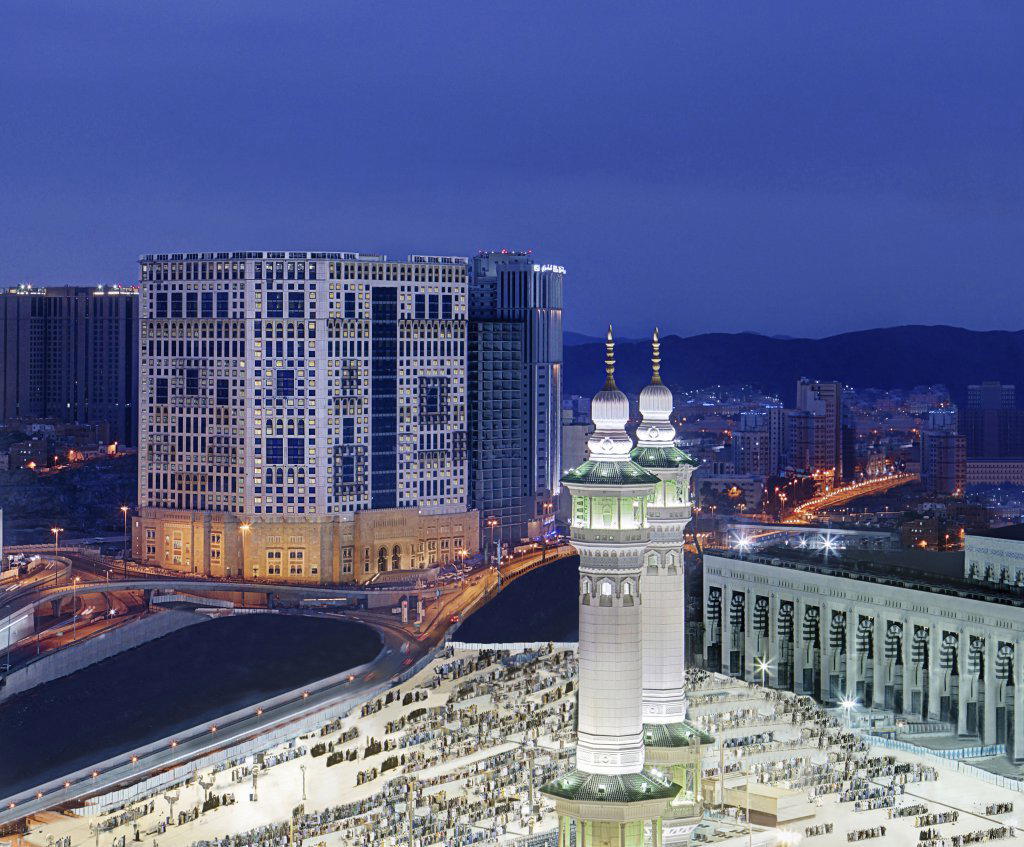
The menu
What to order
- Egyptian-style foul
- Falafel
- Fresh omelette live station
- Pancakes from live cooking station
Approaching a restaurant in Makkah is rarely a leisurely act. The city moves in waves: families regrouping after prayer, hotel corridors filling and emptying, elevators carrying diners between rooms, lobbies, and dining floors. In that setting, Al Hijaz Restaurant belongs to a dining culture built around timing, appetite, and collective order rather than long-form tasting rituals. The meal is part of the day’s choreography.
Makkah’s restaurant scene has a particular function within the city. It absorbs the practical needs of pilgrims and local families who want a proper table without turning dinner into an event. The room, the queue, the pace, and the meal structure matter because the city’s schedule is external: prayer times, transport, hotel check-ins, and group movement shape when people eat and how long they stay. This is not a city where the restaurant always controls the evening; often, the evening controls the restaurant.
Makkah's meal rhythm is collective, quick, and tied to prayer time
The dining ritual here is less about individual preference than shared coordination. Groups arrive with different appetites, different levels of fatigue, and a clear need to eat efficiently. That changes the way a restaurant is judged. A room that can handle families, a menu broad enough for mixed groups, and service that understands the rush between prayer periods can matter more than chef authorship or technical flourish.
Al Hijaz Restaurant fits into that practical tier of Makkah dining: useful, central to the city’s everyday visitor pattern, and shaped by the expectations of guests who may be eating before returning to their next commitment, meeting relatives, or resetting after a long day. Without leaning on a published chef profile or signature menu format here, the stronger editorial reading is not personality-driven. The point is how restaurants in this city serve the religious calendar and the physical demands of pilgrimage.
That makes comparison useful, but only within the same city logic. Other Makkah dining rooms sit inside a broader pattern where hotel-adjacent dining, family tables, and convenience carry weight. Nearby reference points such as A Well-remembered Piazza, Al Shubaiikah Café, Al Tekkeya Lobby Corner, AlForno, and Um Al Qura Restaurant show how varied the city’s restaurant offer has become, but the underlying test remains the same: can the meal work around the guest’s day rather than asking the guest to surrender the evening?
The useful lens is not chef worship; it is how the table works for groups
In cities built around destination dining, restaurants often compete through named chefs, tasting menus, cellar depth, or international recognition. Makkah runs on another hierarchy. The restaurant meal frequently has to satisfy several generations at once, accommodate different levels of formality, and keep the group moving without making the table feel rushed. That is why the dining ritual matters: order, pacing, and ease are not secondary details, they are the core of the experience.
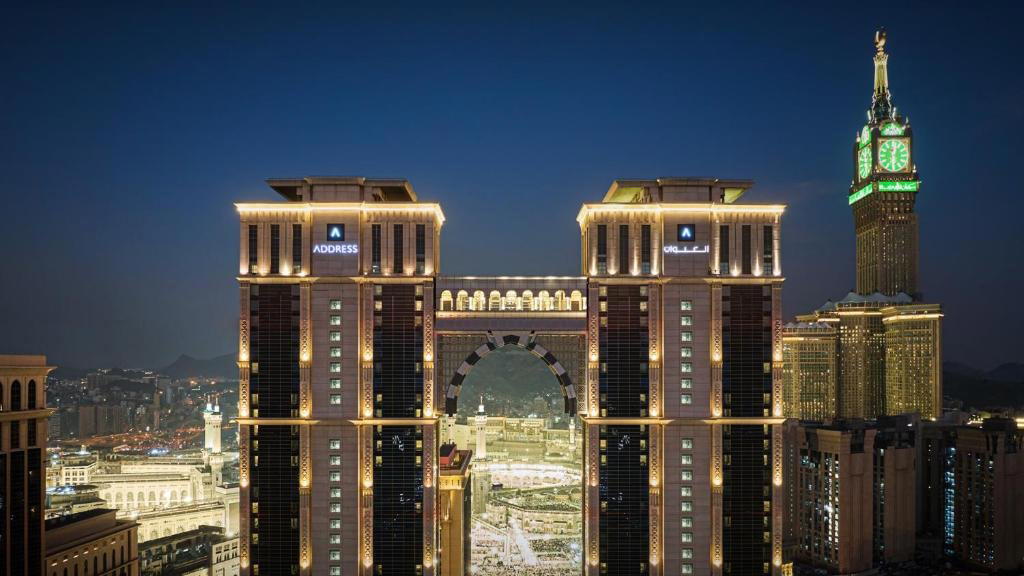
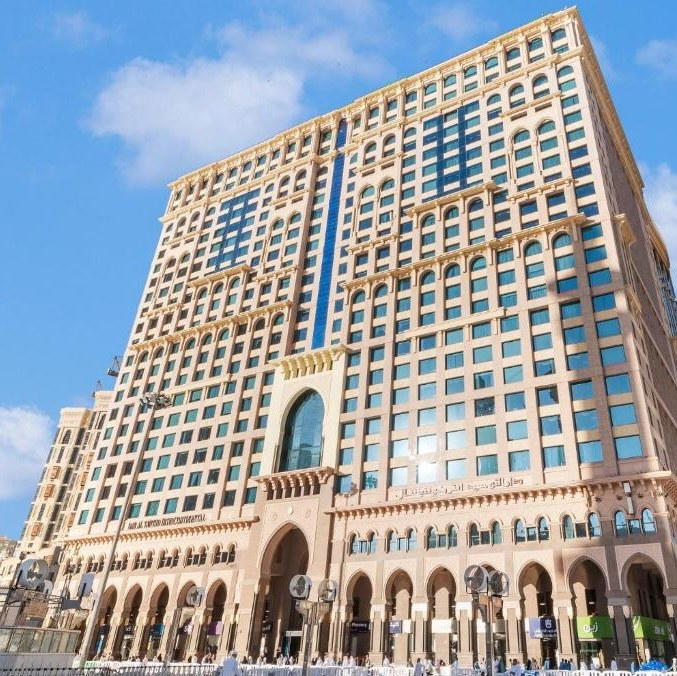
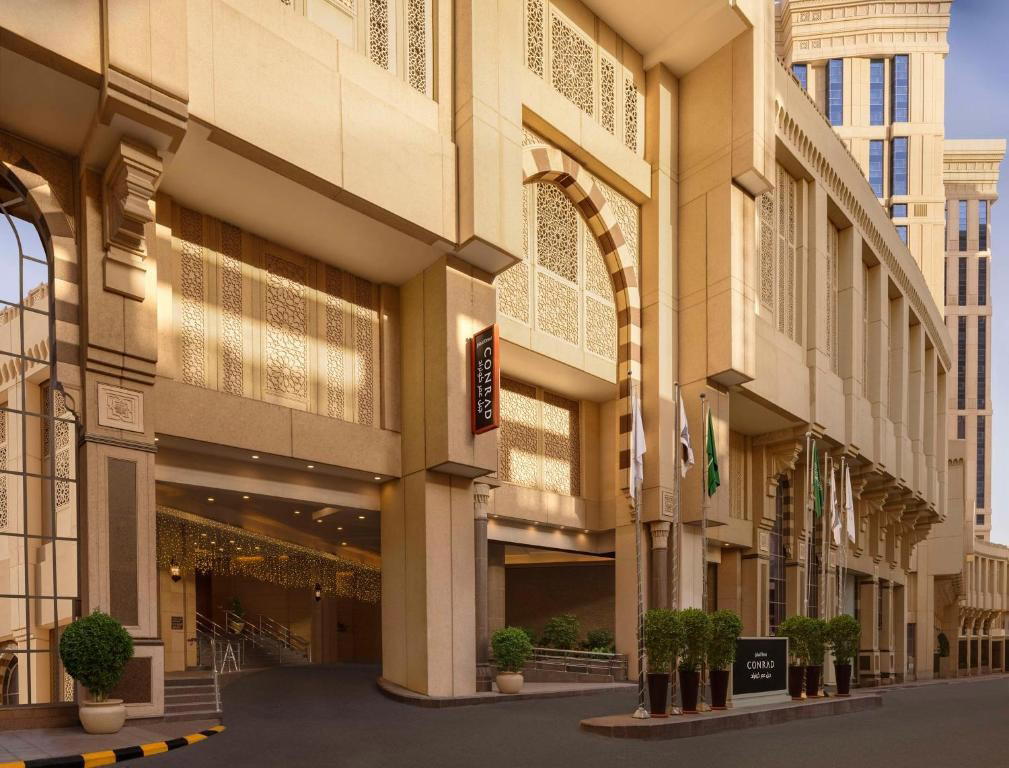
Al Hijaz Restaurant is therefore better read as part of Makkah’s functional hospitality network than as a chef-led restaurant narrative. The venue’s setting also reflects a common urban pattern in the city, where restaurants may be folded into larger buildings rather than presented as street-facing standalone dining rooms. For visitors accustomed to restaurant districts with terraces, pavement tables, and bar-led dining, Makkah’s verticality changes the cues: lifts, lobbies, and building entrances become part of the meal’s logistics.
The Saudi dining frame also matters. Meals can be generous without being slow, communal without being theatrical, and formal without adopting Western fine-dining codes. The strongest restaurants in this category do not need a long explanation at the table. They need to make sense to a group that may be tired, hungry, and coordinating around fixed religious times. That is the cultural measure to apply here.
How to place it within a Makkah eating plan
For a city-wide view, start with our full Makkah restaurants guide, then pair dining choices with the practical geography of our full Makkah hotels guide and the broader programming in our full Makkah experiences guide. Makkah is not a conventional nightlife city, so our full Makkah bars guide and our full Makkah wineries guide should be read through the city’s specific cultural and legal context rather than imported expectations from Dubai, London, or New York.
For readers mapping Saudi dining more broadly, the contrast is useful. Familiar high-volume restaurants in other Saudi cities can speak to mass familiarity and speed; heritage-led dining rooms sit closer to cultural presentation; tourism-focused destinations reflect a different kind of travel-led meal. Regional cafés and casual dining rooms belong to different local rhythms. Even international comparisons sharpen the point by contrast: Makkah dining is governed by faith, movement, and family use before it is governed by leisure. Casual formats shift when the city’s purpose changes, and Al Hijaz Restaurant should be read through that Makkah-specific lens.
Frequently asked questions
Where is Al Hijaz Restaurant in Makkah?
Makkah.
Do they take walk-ins at Al Hijaz Restaurant?
In Makkah, that practical approach suits restaurants serving a steady local and visitor flow.
What is Al Hijaz Restaurant known for?
Al Hijaz Restaurant is identified as a Makkah restaurant rather than by a chef name or a tasting-menu format. That points to a practical city dining room, not a chef-driven destination narrative.
How does Al Hijaz Restaurant handle allergies?
No allergy protocol is listed for Al Hijaz Restaurant, so guests with dietary restrictions should plan for direct communication with the venue in Makkah. Without a published menu or service details, the safest approach is to ask before ordering.
Cuisine-First Comparison
Comparable venues by cuisine and price in the same metro.
| Venue | Cuisine | Price |
|---|---|---|
| Al Hijaz RestaurantThis venue — the venue you are viewing | International & Middle Eastern Hotel Buffet | Not listed |
| Al Shubaiikah Café | International light meals & Hijazi café bites | $10–20 |
| A Well-remembered Piazza | International & Oriental Piazza | $20–30 |
| Um Al Qura Restaurant | Middle Eastern & International Buffet | Not listed |
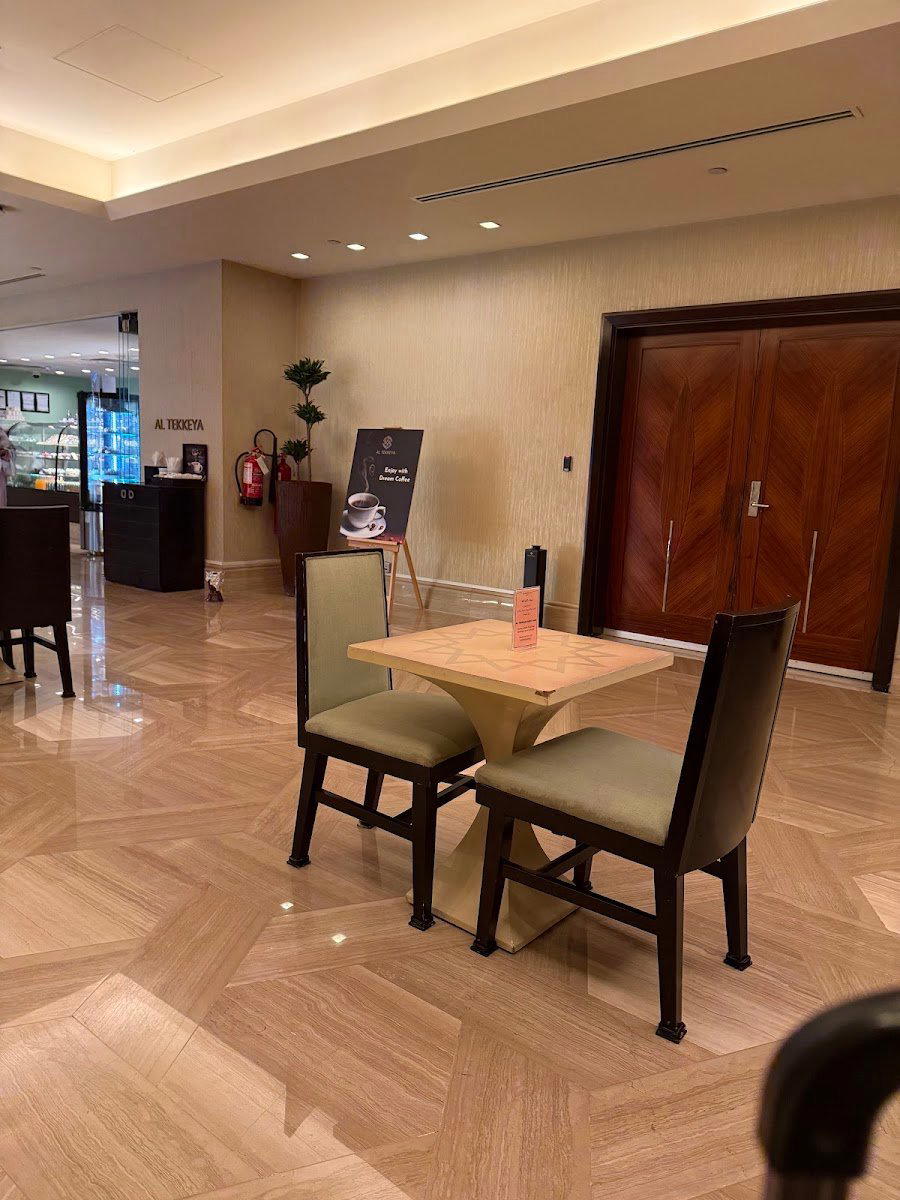
| Al Tekkeya Lobby Corner | Lobby coffee & bakery café | Not listed |
| AlForno | Modern Bistro | Not listed |
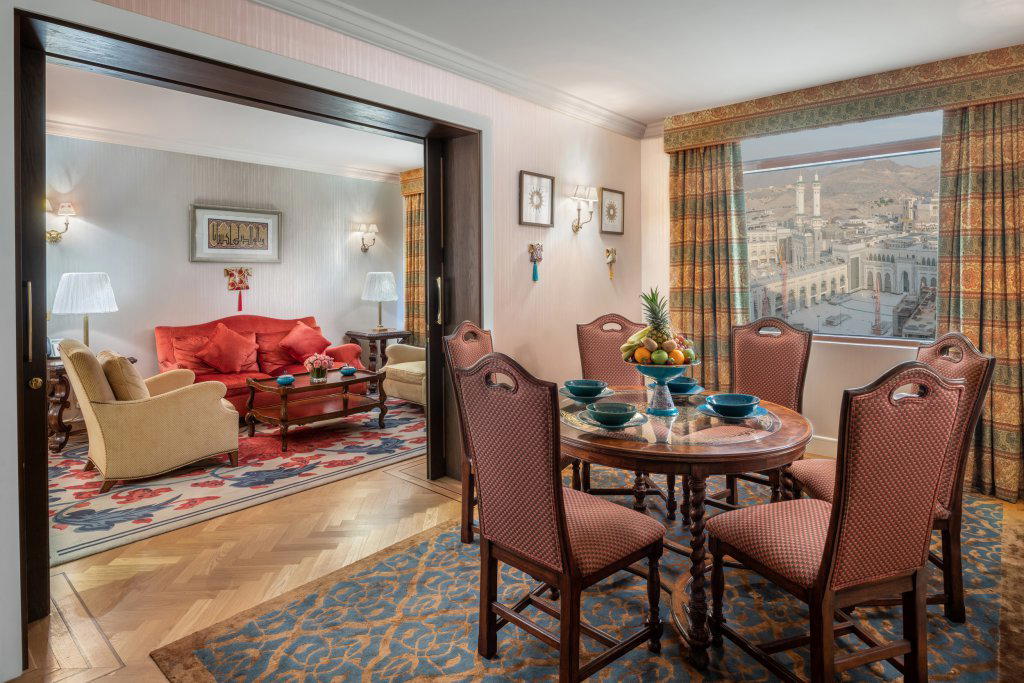
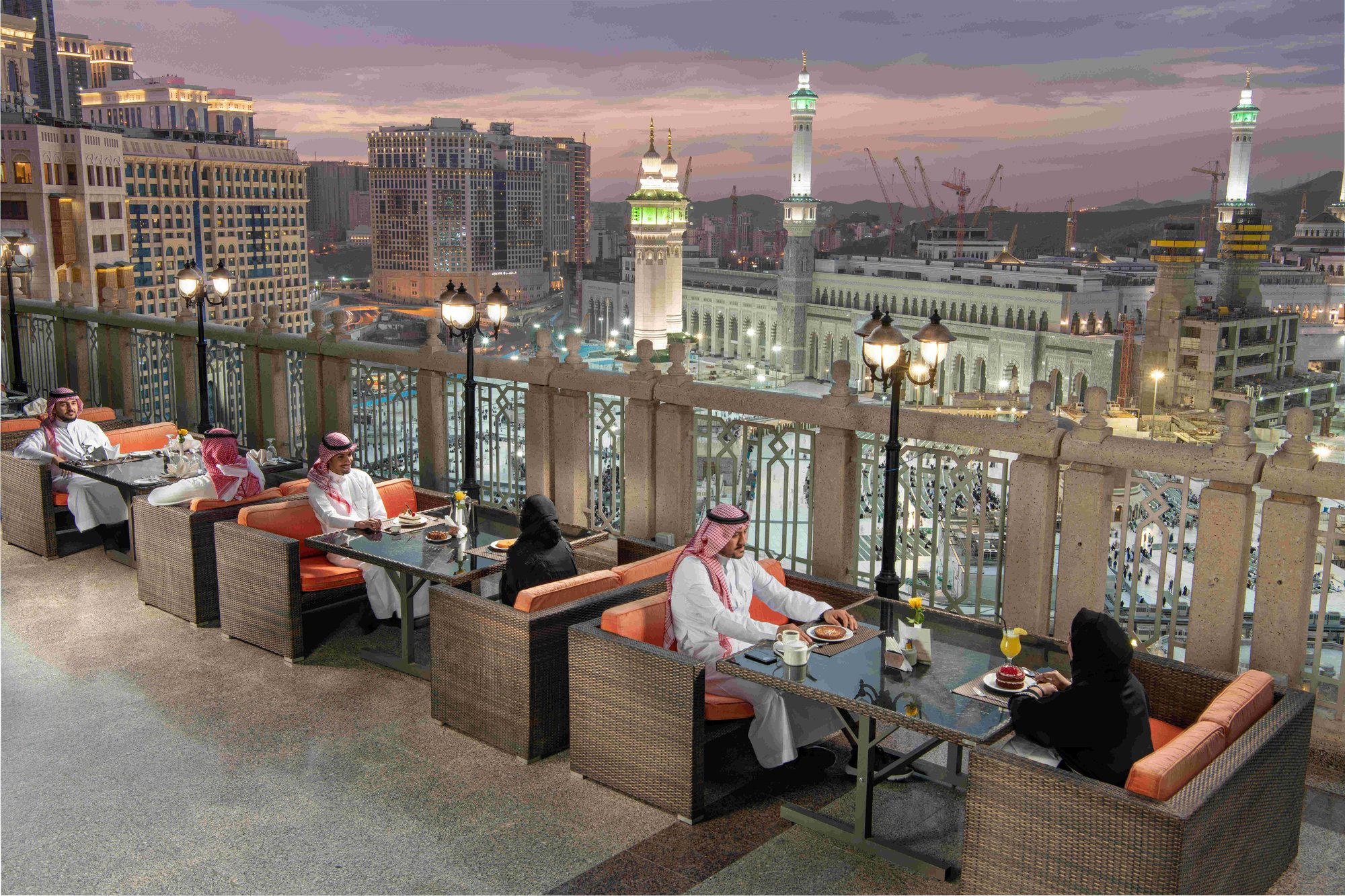
Details
- Lively
- Group Dining
- Family
- Celebration
- Casual Hangout
- Hotel Restaurant
- Local Sourcing
- Buffet
- Halal
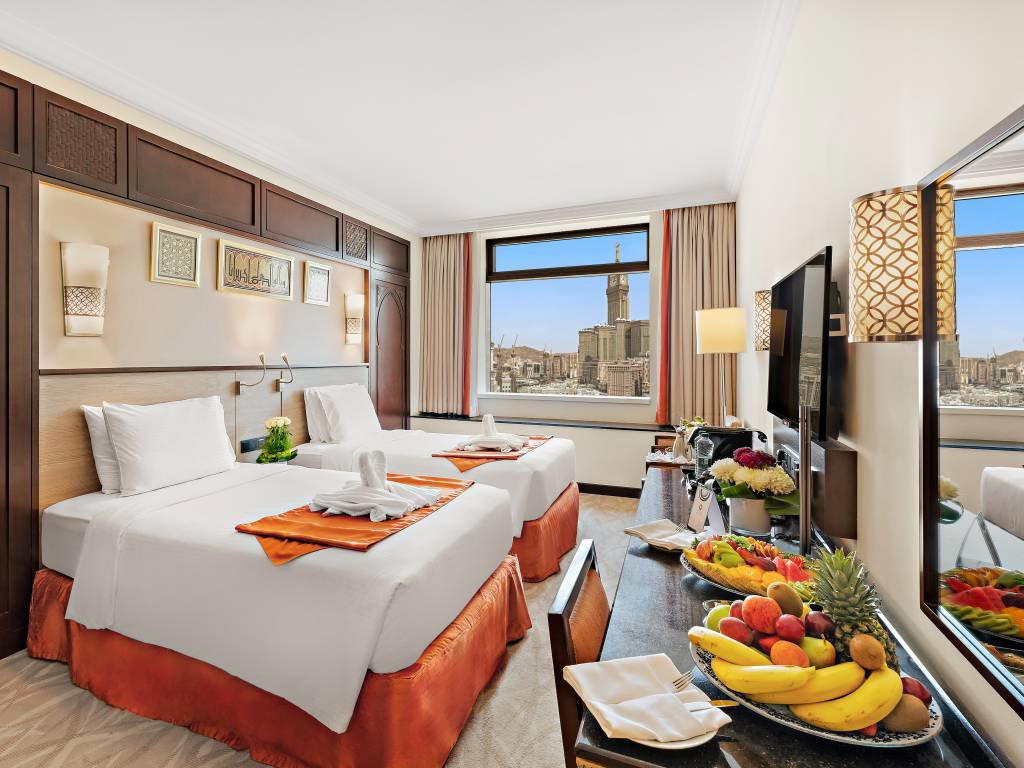
Hotel buffet setting with warm Arabic hospitality, high-capacity dining room and a busy, lively atmosphere that suits large pilgrim and tour groups.