
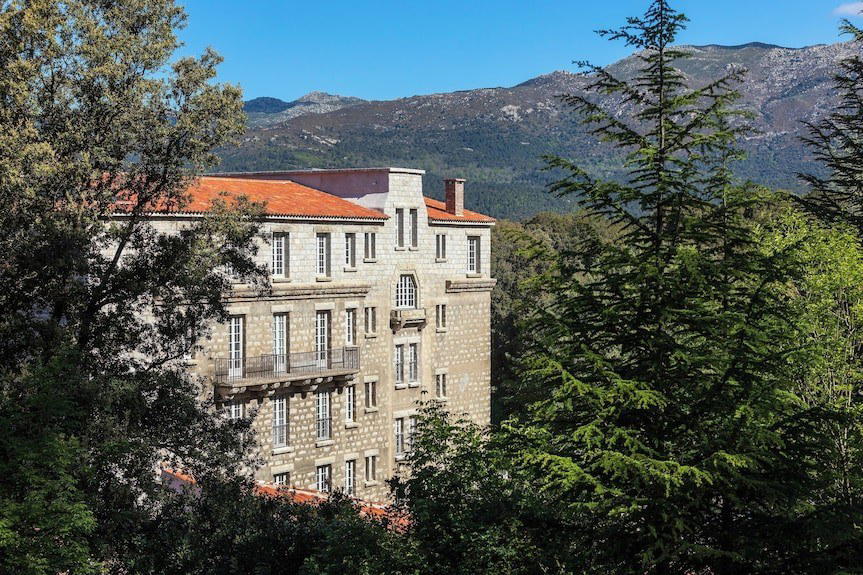
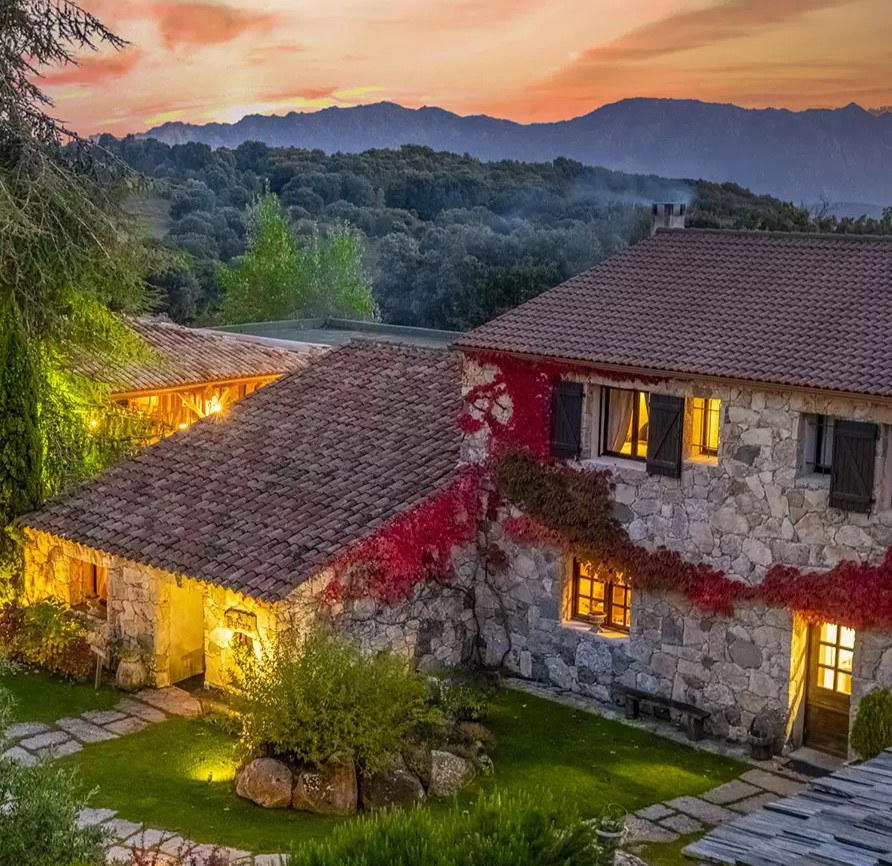
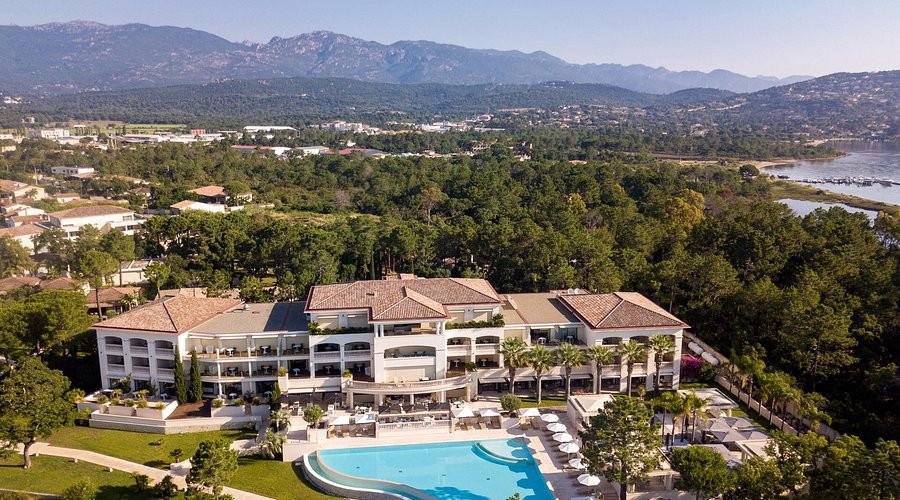
Like the hotel itself, which sits amid the dense vegetation of the Alta Rocca, restaurant A Nepita is an ode to Corsican nature and its produce. Chef Sébastien Chauchat deliberately limits his culinary compositions to three or four ingredients each, in order to preserve the pure taste of produce harvested from his vegetable garden.
Pearl is the En Primeur Club membership app — saves, bookings, and concierge access live there. Same editors, same standards.
- Address
- Pian Di Santo, 20124 Zonza, France
- Phone
- +33 4 95 78 72 72
- Website
- lemouflondor.com
- Directions
- Get directions
 Saves & bookings on Pearl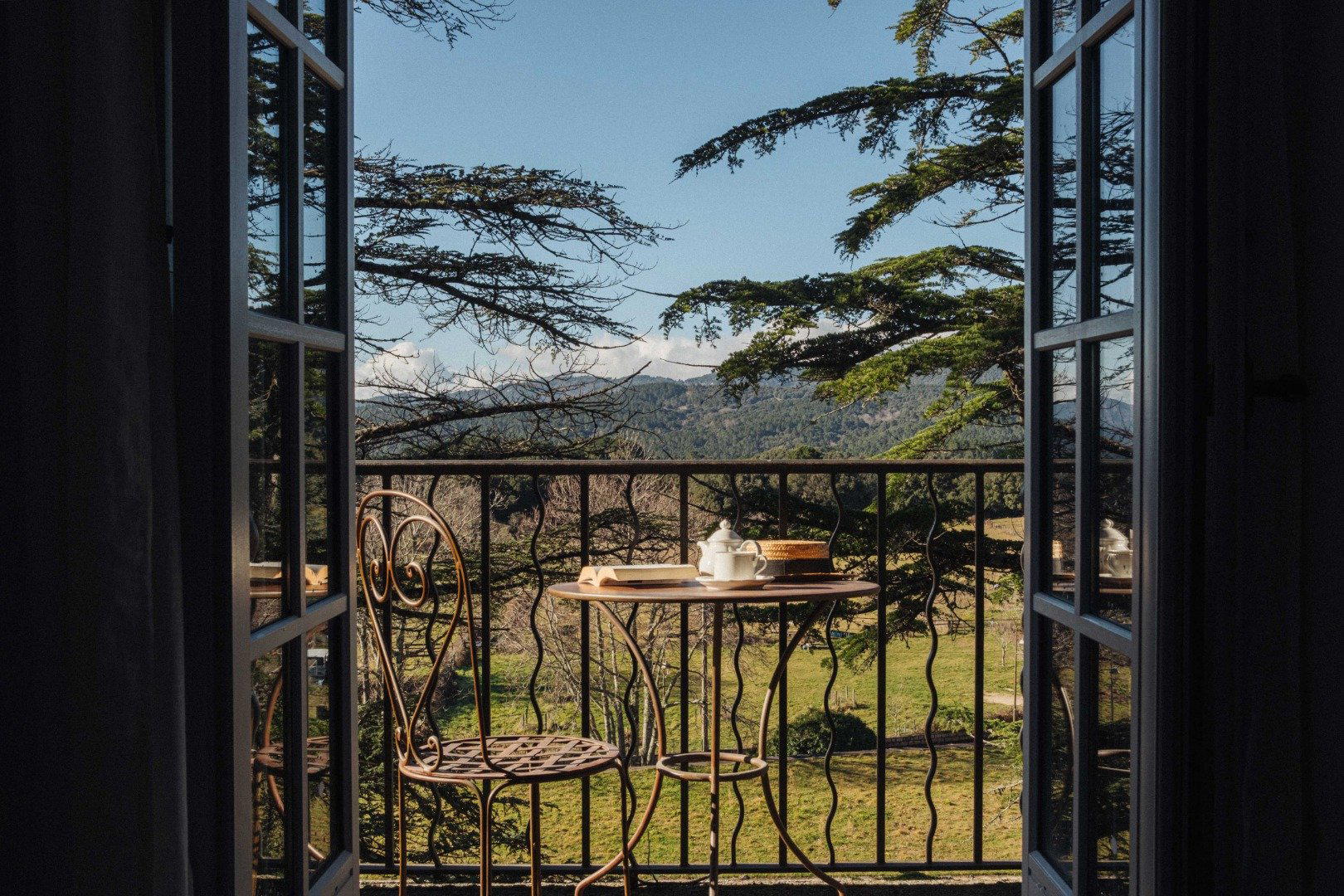
Where the Maquis Meets the Table
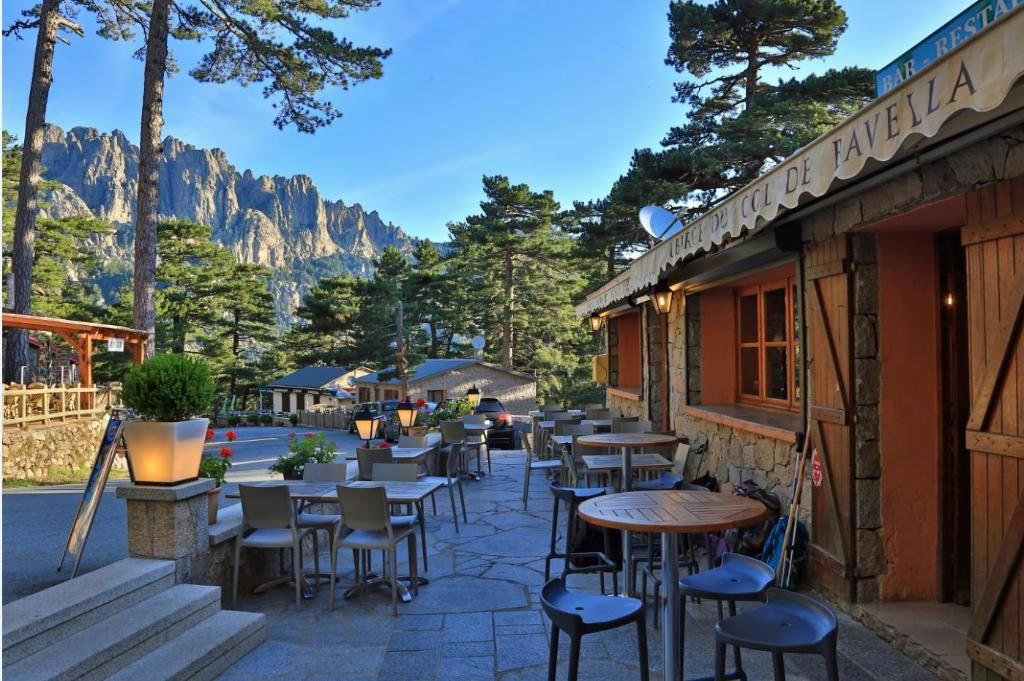
Alta Rocca, the highland interior of southern Corsica, operates on different terms from the coast. The air carries the resinous scent of maquis scrub — rockrose, myrtle, immortelle — before any meal begins, and the surrounding chestnut forest and granite ridgelines are not backdrop but source material. In this part of the island, the defining characteristic of serious cooking is not technique imported from the mainland but an almost stubborn fidelity to what grows, grazes, and forages within walking distance. A Nepita, addressed to Pian Di Santo in Zonza, sits inside that tradition. The village of Zonza itself, perched at around 780 metres above sea level in the Ospedale massif, is not a place you pass through on the way to somewhere else. You arrive because you chose it.
Sourcing as Culinary Argument
Corsican cuisine makes its case through provenance. The island's Protected Designation of Origin frameworks cover charcuterie, cheese, and oils that come from animals and trees tied to specific altitudinal and ecological zones. In the Alta Rocca highlands, this means chestnut-fed pork products from animals that graze under the island's native chestnut canopy, brocciu cheese made from the whey of ewes and goats that move across this particular terrain, and herbs that grow specifically in maquis at elevation rather than in a cultivated garden. These are not interchangeable with mainland equivalents. The flavour profile of figatellu, the liver sausage that anchors Corsican winter tables, shifts measurably depending on the diet of the animal and the altitude of its pasture.
What restaurants in Zonza do well, collectively, is resist the pressure to smooth these flavours into something more internationally legible. The Alta Rocca dining tradition tends toward directness: a piece of lonzu cured and aged on-island carries its own argument, and surrounding it with architectural presentation would obscure rather than clarify. A Nepita operates within this framework. Its address at Pian Di Santo places it physically within the kind of highland agricultural setting from which these ingredients originate, rather than in a coastal resort context where the sourcing story becomes a marketing element layered over a menu designed for tourists.
For comparison, this sourcing philosophy is not exclusive to Corsica. Restaurants like Bras in Laguiole built an entire language around Aubrac plateau ingredients, and Auberge du Vieux Puits in Fontjoncouse demonstrates that deep regionalism in the French south does not require metropolitan proximity to sustain serious cooking. Closer to the Mediterranean register, Mirazur in Menton has formalised the garden-to-table sourcing argument at the highest level of recognition. A Nepita operates at a different scale and in a different mode, but the underlying logic, that the food should be accountable to the land it comes from, belongs to the same broad current running through particularly considered regional kitchens in France.
Zonza's Dining Terrain
Zonza is a small commune, and its restaurant options reflect that scale without apology. Domaine Le Mouflon d'Or anchors the village's more traditional end of the Corsican register, while Hôtel Restaurant de La Terrasse provides an option for those staying in-village and wanting a direct service format. L'Eternisula and Le Patio extend the range further, and La Table du Pinarello draws from the coastward edge of the same geographical zone. The full picture of eating in this part of southern Corsica is mapped in our full Zonza restaurants guide.
What distinguishes A Nepita's position within this local set is its address outside the immediate village centre, at Pian Di Santo. That kind of remove from the pedestrian core of a small mountain commune typically signals a place oriented around destination dining rather than passing custom. It implies a kitchen that expects guests to have already made the decision to come, rather than one that competes for walk-in traffic on a summer evening. The implications for service pace, menu depth, and ingredient sourcing are consistent with this reading.
The Broader French Regional Context
Corsica's relationship with the French culinary establishment has always been oblique. The island's cooking did not develop through the same guild and restaurant culture that produced the classical French kitchen, and its product traditions are oriented toward the Mediterranean pastoral rather than the bourgeois urban. The result is a cuisine that holds little interest in the kind of formalism that defines starred restaurants on the mainland, from Arpège in Paris to Flocons de Sel in Megève or the multi-generational weight of Auberge de l'Ill in Illhaeusern and Georges Blanc in Vonnas. Corsican kitchens, at their most honest, are doing something structurally different: they are working out what it means to cook with specific island products in ways that don't betray those products.
That distinction matters for visitors arriving with expectations calibrated to, say, the precision of Troisgros in Ouches or the technical rigour of Le Bernardin in New York City or Lazy Bear in San Francisco. A Nepita is not in that conversation, and placing it there would misread what highland Corsican cooking is attempting. The more useful frame is a kitchen accountable to Alta Rocca's particular larder: the herbs, the pork, the cheese, the chestnut, the game that comes down from the Ospedale ridgelines in autumn.
Planning a Visit
Zonza is reached most practically by car from Ajaccio (approximately 85 kilometres via the N196 and D368) or from Porto-Vecchio on the southeastern coast (around 40 kilometres inland via the D368). The Alta Rocca is noticeably cooler than the coast in summer, which makes midday dining at elevation a different physical experience from a beachside terrace. Specific hours, booking methods, and seasonal opening periods for the restaurant are not published in a verified format at time of writing; direct contact or local inquiry on arrival in Zonza is the advised approach. The high summer months of July and August see the heaviest visitor pressure across Alta Rocca; shoulder season visits in May, June, and September tend to encounter shorter lead times and a quieter pace across the village's dining options. The address at Pian Di Santo, outside the village proper, makes private transport necessary rather than optional. Visitors staying in Zonza or the immediate Alta Rocca zone are better positioned to build the restaurant into a meal plan than those based on the coast making a single-day excursion.
Recognition history
Dated appearances from independent guides and award organizations, with the underlying list record or original source where available.
Relais Chateaux Award
Relais Chateaux
Continue exploring
More in Zonza
Restaurants in Zonza
Browse all →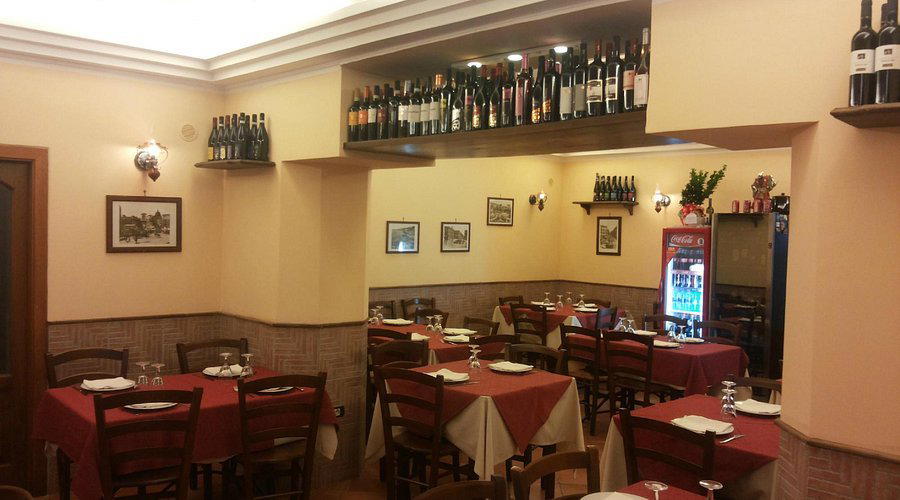
At a Glance
- Romantic
- Elegant
- Sophisticated
- Scenic
- Date Night
- Special Occasion
- Celebration
- Garden
- Hotel Restaurant
- Panoramic View
- Open Kitchen
- Sommelier Led
- Farm To Table
- Local Sourcing
- Organic
- Mountain
- Garden
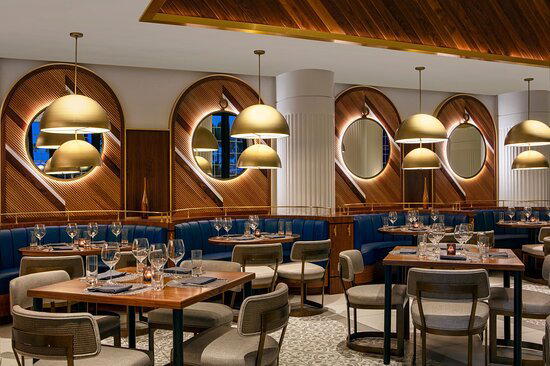
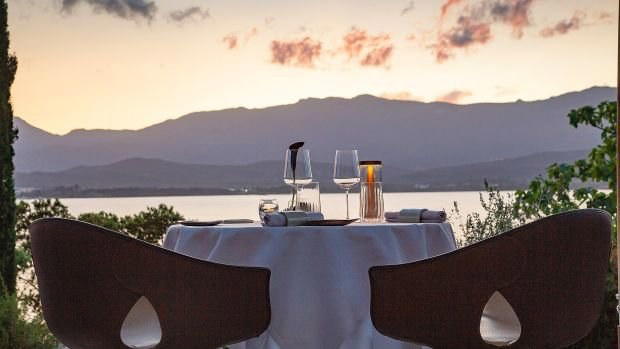
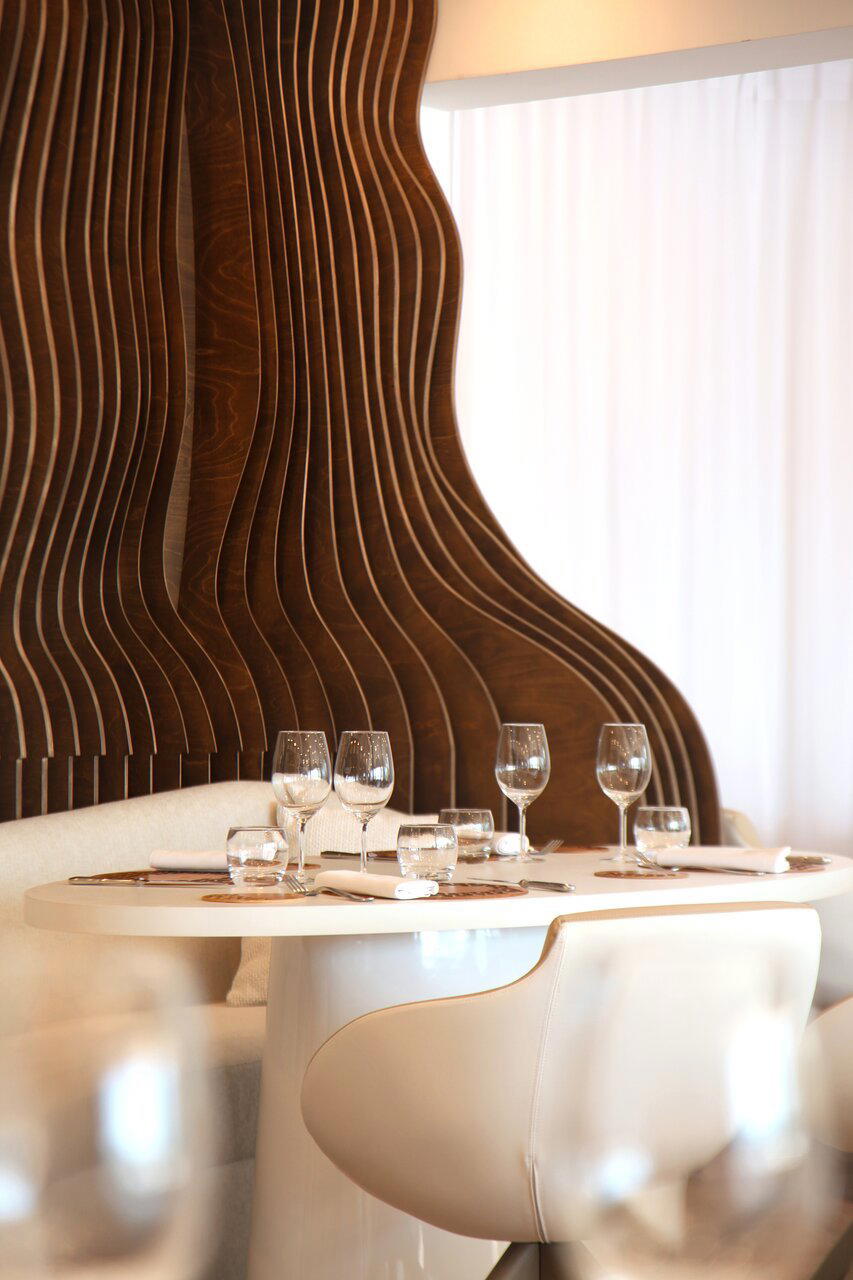
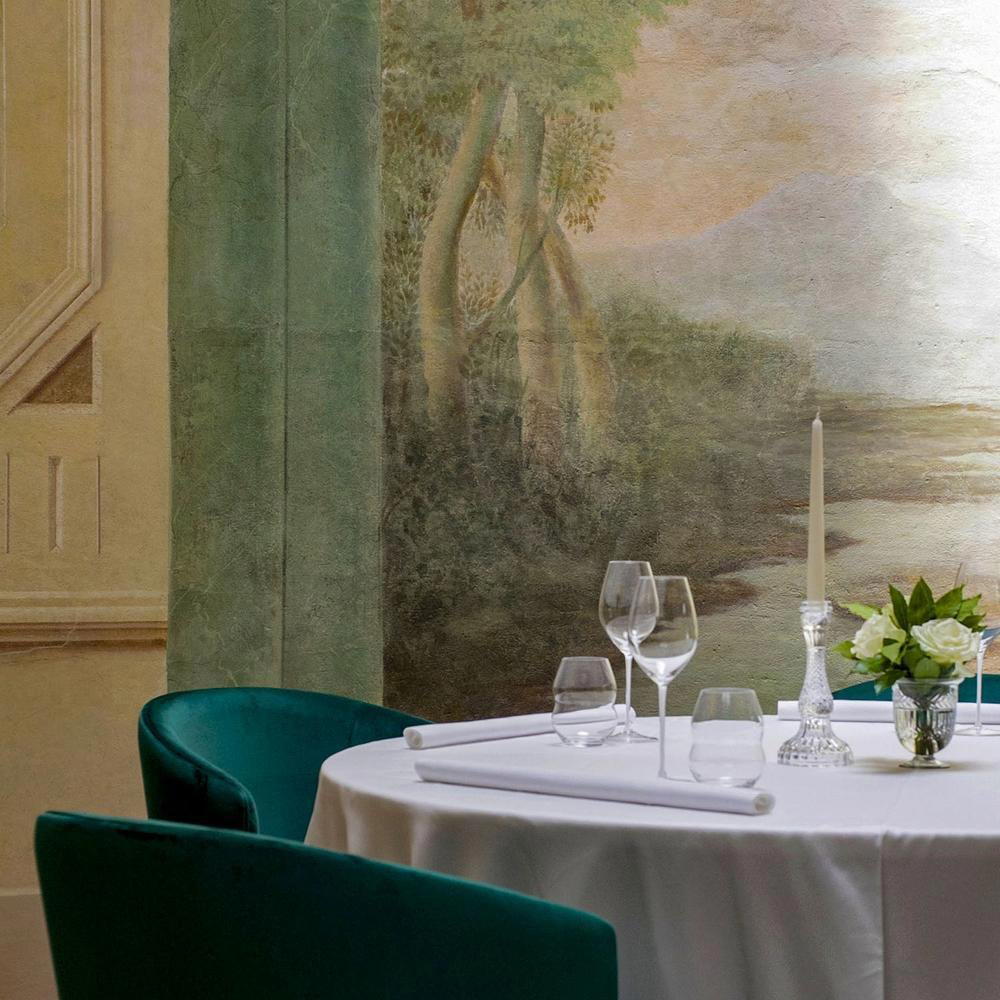
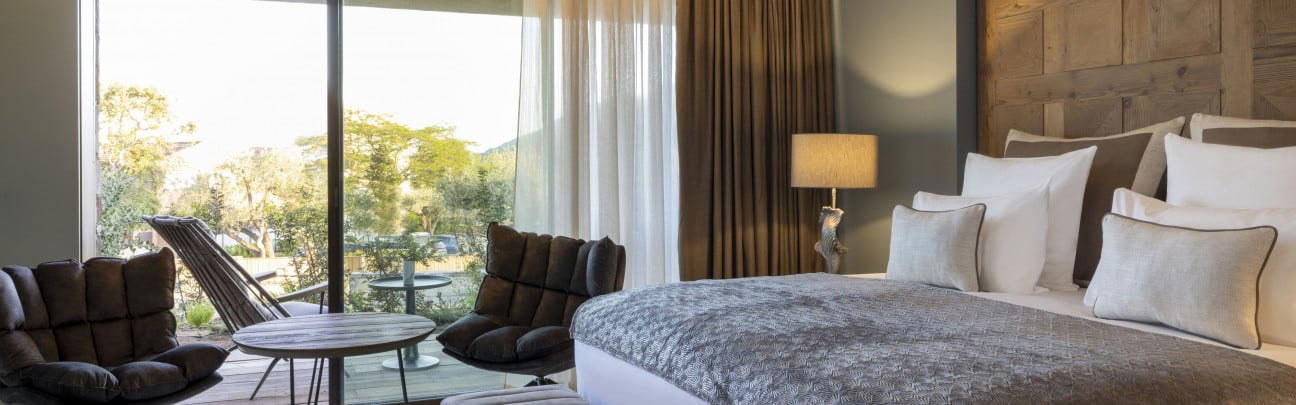
Refined casual-chic setting with mineral notes, clear marble, crystal chandeliers, and a harmonious blend of antique furnishings with contemporary elegance, creating a warm and stylish atmosphere.