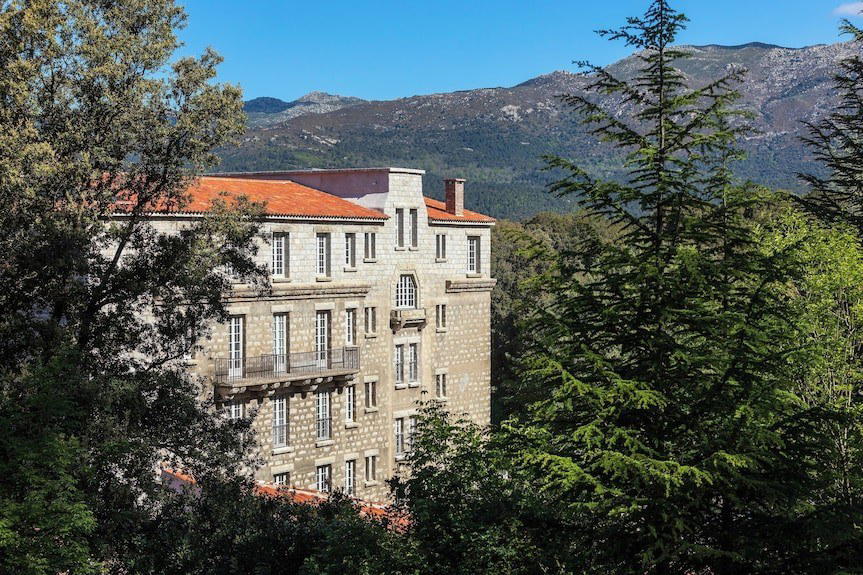
Set in the mountain village of Zonza in Corsica's Alta Rocca region, Hôtel Restaurant de La Terrasse occupies a position at the quieter end of the island's dining spectrum, where the surrounding maquis and chestnut forests shape the kitchen as much as any formal brigade. For travellers moving through southern Corsica, it represents a practical and characterful base with a restaurant rooted in local supply lines and regional cooking habits.
Pearl is the En Primeur Club membership app — saves, bookings, and concierge access live there. Same editors, same standards.
- Address
- Le Village, 20124 Zonza, France
- Phone
- +33495786769
- Website
- hotel-delaterrasse-zonza.com
- Directions
- Get directions
 Saves & bookings on Pearl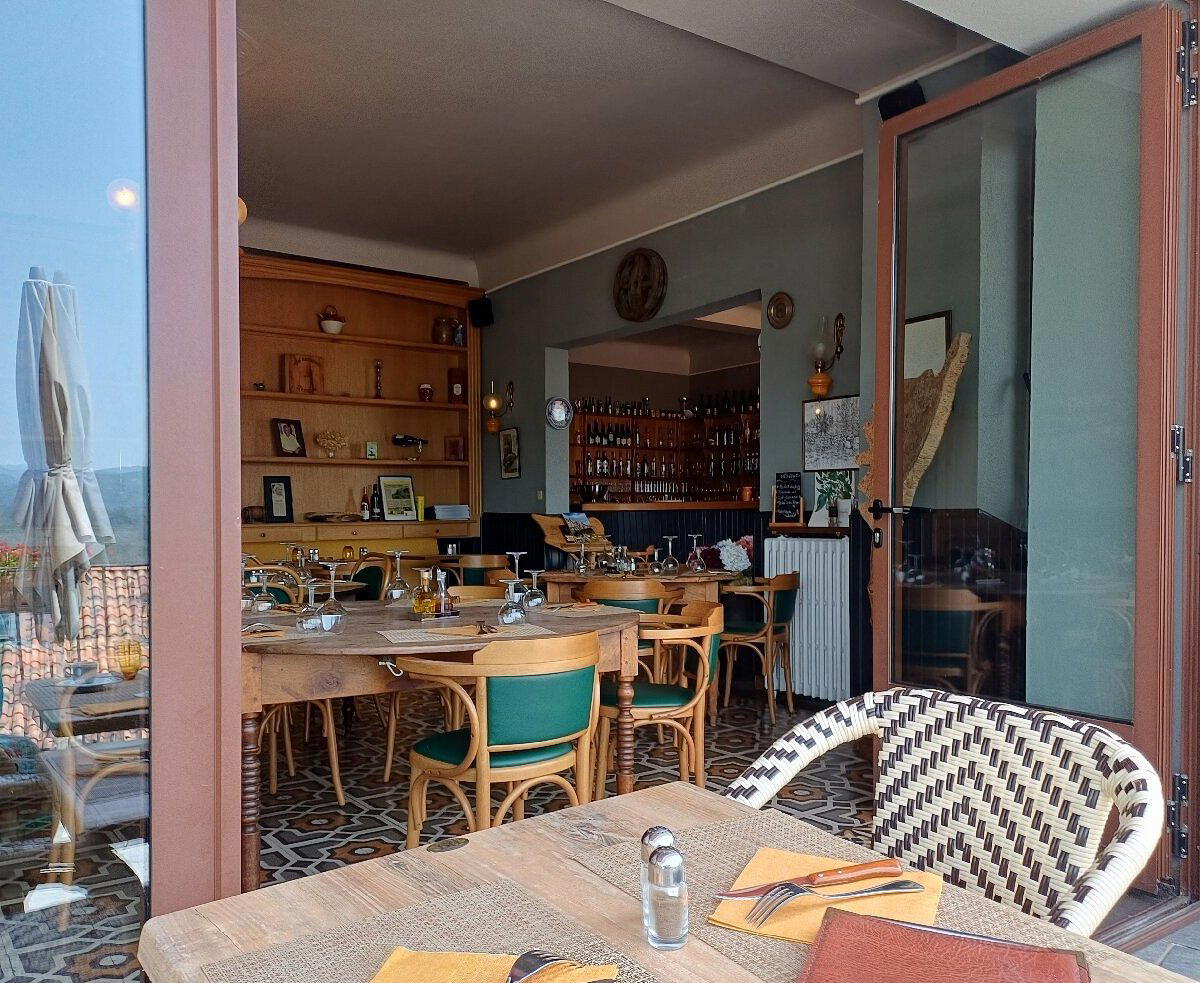
Where the Alta Rocca Sets the Table
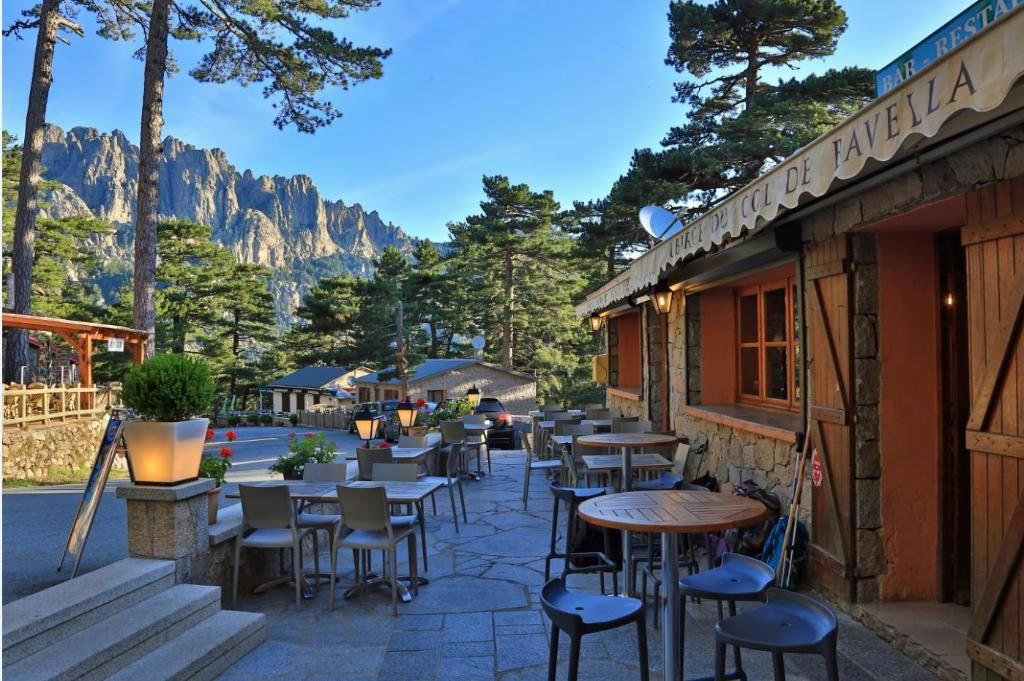
Zonza sits at roughly 780 metres above sea level in southern Corsica's Alta Rocca massif, surrounded by Laricio pines and granite ridges that block the coastal tourist circuits from reaching it in any meaningful volume. Arriving in the village, you feel the temperature drop a few degrees from the coast, and the pace drops further still. The terrasse referenced in the name of this hotel-restaurant faces outward toward the mountains rather than toward any commercial strip, which tells you something about the priorities of the place. In a region where dining can skew toward the theatrical spectacle of coastal seafood, a mountain terrace with forested views operates according to a different logic entirely.
This part of Corsica has long functioned as a supplier to its own kitchens. The Alta Rocca's chestnut groves historically fed both people and pigs, the latter becoming the backbone of Corsican charcuterie traditions that persist across the island's restaurants today. Chestnuts ground into flour, cured meats from free-ranging pigs, soft brocciu cheese made from ewe's or goat's milk, herbs pulled from the maquis scrubland: these are the building blocks of traditional Corsican cooking, and in Zonza they are geographically proximate rather than imported from a distant producer. That proximity matters more here than in a city kitchen, it shapes both what appears on the plate and how it is priced.
The Ingredient Logic of Alta Rocca Cooking
The broader French restaurant world has spent the last decade in a sustained conversation about provenance, with kitchens from Mirazur in Menton to Bras in Laguiole building their identities around the specific ecology of their location. In the latter case, the Aubrac plateau directly informs the kitchen's identity; at Flocons de Sel in Megève, the alpine forage logic runs through the entire menu structure. The principle is the same in Zonza, but without the Michelin infrastructure: what the land produces in season is what you eat.
Corsica's protected designation products anchor most menus in the island's interior. Charcuterie carrying the AOP designation, lonzu, coppa, figatellu, prisuttu, comes from pigs raised on chestnuts and acorns, a diet that produces a fat profile distinct from industrially reared alternatives. Brocciu, the fresh whey cheese with its own AOP status, appears in pasta fillings, fritters, and desserts across the season. The chestnut flour that defines pulenda (a dense polenta-style preparation) and the island's fiadone cake reflects a centuries-old substitution for wheat that has become a point of regional pride rather than necessity. A kitchen in Zonza that ignores these materials is working against its own geography; one that honours them is simply cooking where it is.
That grounding in place distinguishes the Alta Rocca's restaurant offer from the coast, where imported fish and international formats dominate. Other options in Zonza's immediate orbit, including Domaine Le Mouflon d'Or with its Corsican traditional focus, and L'Eternisula, cluster around the same supply logic. La Table du Pinarello, Le Patio, and Le Rouf round out the local dining options for visitors who have chosen to base themselves inland rather than on the coast.
Atmosphere and Setting
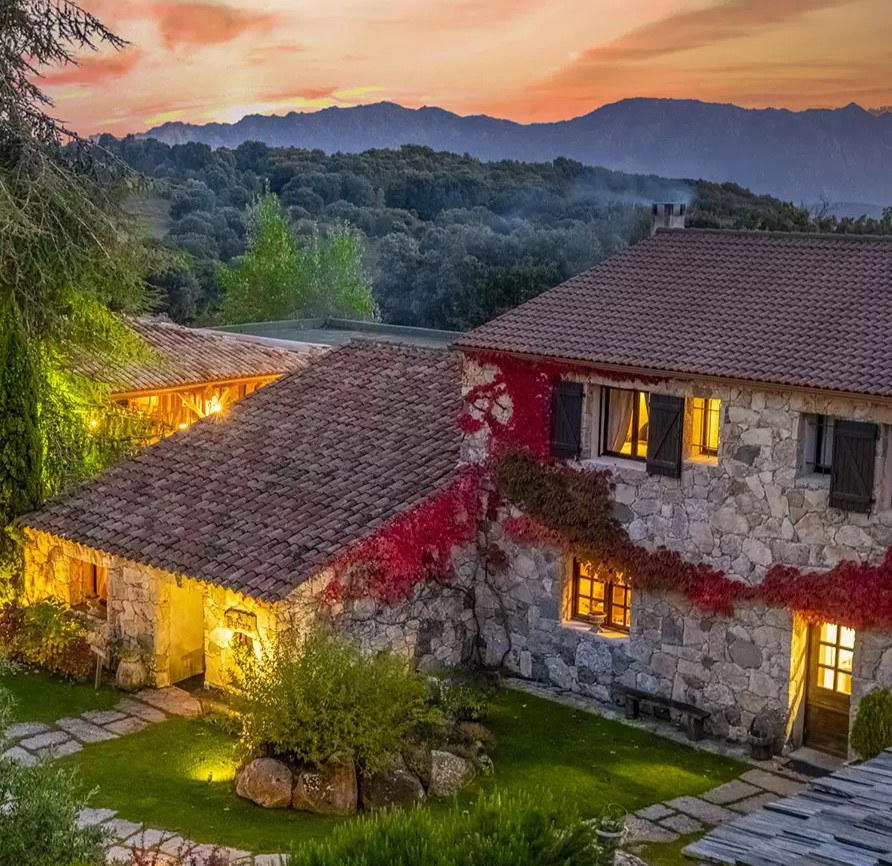
Village hotel-restaurants in Corsica's interior occupy a social function that has largely disappeared from mainland France outside of rural areas. They serve as a gathering point for both visitors and locals, with the restaurant operating alongside accommodation in a format that predates the contemporary boutique-hotel model by several generations. The terrace at a property like this is not a lifestyle amenity added to attract a certain demographic; it is the main event, the reason the building faces the direction it does, and the space where the mountain light and the pine-scented air combine with whatever is on the plate.
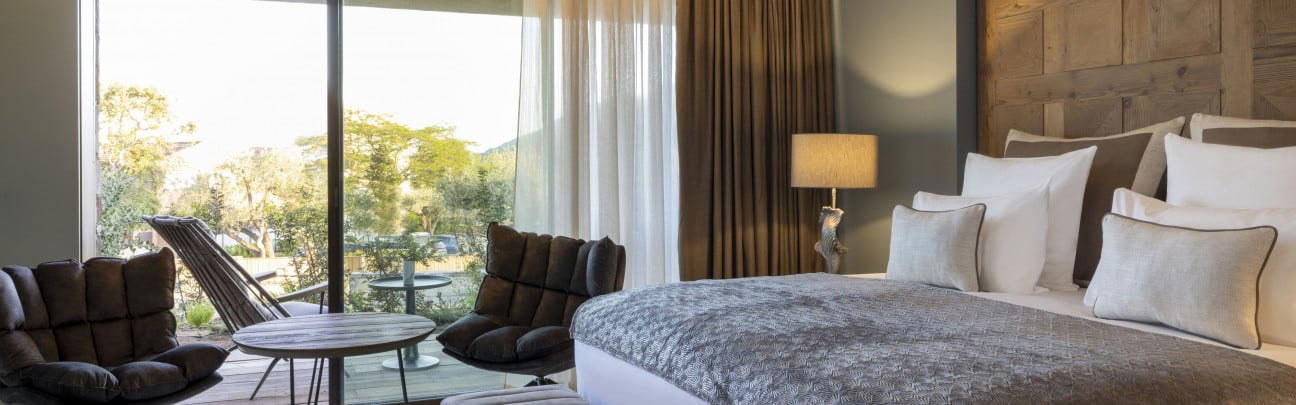
Inside, the register tends toward the functional warmth of a family-run auberge rather than the designed restraint of a modern hotel. Stone walls, heavy wooden furniture, and the kind of room where the proprietor might sit at a corner table after service are the expected codes here. This is not the format of Alléno Paris au Pavillon Ledoyen in Paris, nor the theatrical Alpine precision of Assiette Champenoise in Reims. It belongs to a different category of French hospitality, closer to the spirit of Auberge de l'Ill in Illhaeusern in its rooted-in-place ambition, if not in its formality or reputation.
Planning Your Visit
Zonza is most accessible between May and October, when the D368 mountain roads connecting the Alta Rocca to Propriano on the west coast and Porto-Vecchio on the east are fully passable and not subject to winter closure risk. The village sits roughly 35 kilometres from Porto-Vecchio by road, making it a feasible day trip from coastal bases, though guests staying at the hotel have the significant advantage of evening light on the terrace after the day-trippers have cleared out. Given the small scale of Zonza's accommodation stock, rooms book ahead during the July and August peak, when the trails around the Aiguilles de Bavella bring hikers through the village in volume. The shoulder months of June and September offer the same landscape with considerably less competition for a table on the terrace.
Fast Comparison
Comparable venues nearby, for context on price, style, and recognition.
| Venue | Cuisine | Price | Notes |
|---|---|---|---|
| Hôtel Restaurant de La TerrasseThis venue — the venue you are viewing | Corsican Bistro | $$ | Not listed |
| L'Eternisula | Corsican Café-Deli | $$ | Zonza |
| La Table du Pinarello | Refined French-Mediterranean | $$$$ | Sainte-Lucie-de-Porto-Vecchio |
| Le Patio | Authentic Corsican | $$ | Zonza |
| Le Rouf | Mediterranean Brasserie with Corsican Influences | $$$$ | Pinarello |
| Domaine Le Mouflon d'Or | Mediterranean Fine Dining | $$$$ | Alta Rocca, Zonza |
Continue exploring
More in Zonza
Restaurants in Zonza
Browse all →
At a Glance
- Rustic
- Cozy
- Scenic
- Casual Hangout
- Family
- Hotel Restaurant
- Terrace
- Extensive Wine List
- Local Sourcing
- Mountain