Our verdict
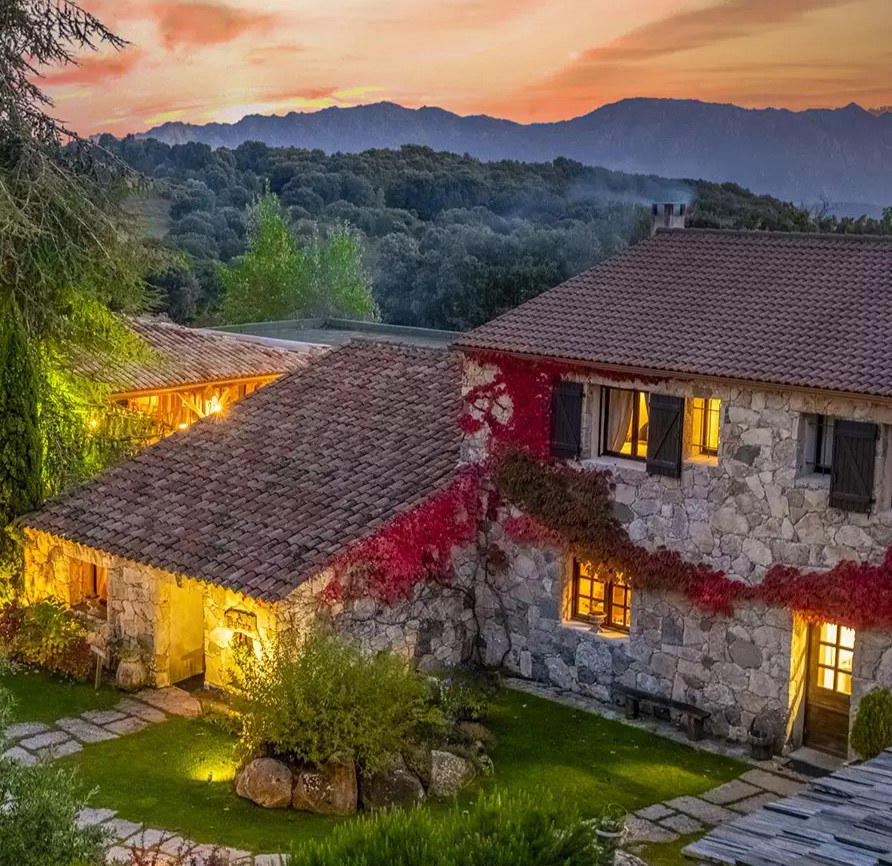
L'Eternisula sits in Zonza, a small village in Corsica's Alta Rocca region, where the Alta Rocca plateau and the Aiguilles de Bavella shape the surrounding terrain. The restaurant operates within a dining scene defined by local produce, Corsican charcuterie, and mountain traditions, positioning it alongside a small cluster of village tables serving the island's interior rather than its coastal tourist circuits.

Pearl is the En Primeur Club membership app, where members save venues, book tables and use the concierge.
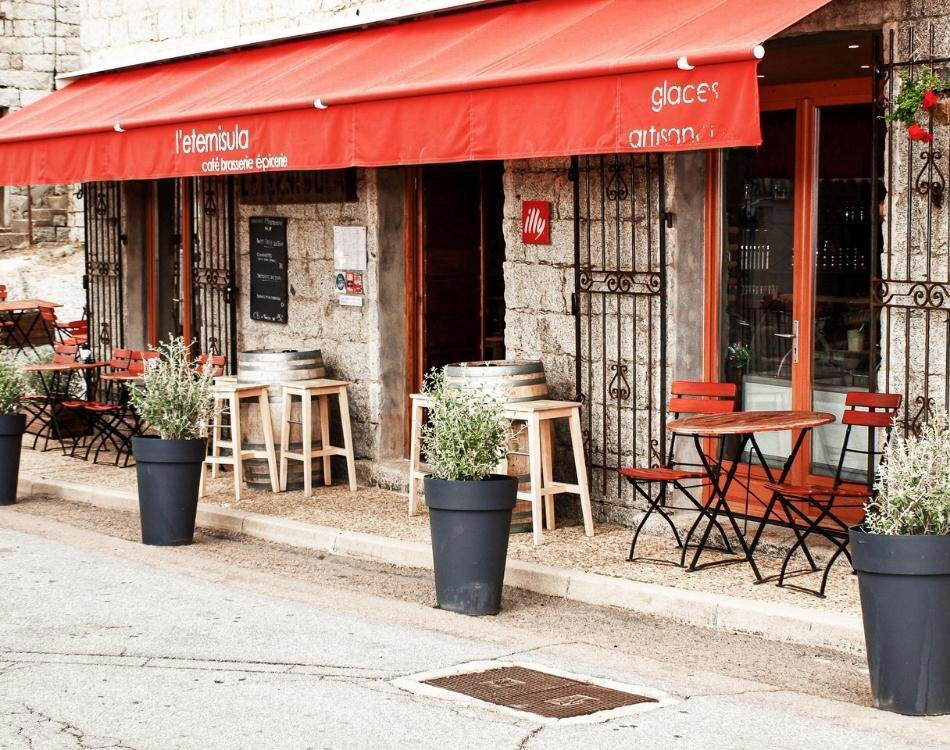
The menu
What to order
- Charcuterie platters
- Corsican ham and cheese
- Sandwiches
Dining at Altitude: Zonza's Interior Table Scene
Corsica's restaurant reputation follows its coastline. Porto-Vecchio, Bonifacio, and Calvi absorb the majority of international visitors and, with them, the majority of critical attention. The island's interior is a different proposition. Villages like Zonza, sitting at roughly 780 metres in the Alta Rocca massif, operate their own food culture, one shaped less by the tourist season and more by the chestnut forests, wild boar, and aged charcuterie traditions of the Corsican highlands. L'Eternisula is one of a small number of tables in Zonza serving within this context, alongside neighbours like Domaine Le Mouflon d'Or, which anchors the village's Corsican traditional end, and Hôtel Restaurant de La Terrasse, which pairs accommodation with village dining.
That interior setting matters more than it might first appear. The Alta Rocca's altitude and forest cover produce a cooler microclimate than the coast, which in turn shapes both the produce available and the style of cooking most suited to the setting. Corsican cuisine in the highlands leans on preserved and cured meats, chestnut flour, brocciu cheese, and game in ways the coastal fish-forward menus do not. A visitor arriving at Zonza expecting a seafood-led Corsican experience will find something different, and, for those already familiar with the island's coastal tables, something more instructive about what Corsican food actually is when it is not performing for summer tourists.
What the Menu Format Reveals
In a village of Zonza's scale, the architecture of any restaurant menu is partly determined by supply logistics. There is no wholesale fish market accessible daily, no urban network of specialty suppliers making mid-week deliveries practical. What the local terrain provides, and what a kitchen can preserve or extend through technique, defines what ends up on the plate. This is menu architecture by geography rather than by design choice, and it tends to produce more coherent results than urban menus stretched across every category. The focus is narrower. The sourcing tends to be more traceable.
This pattern of constraint-driven menu coherence is visible across France's more remote fine dining addresses. At Bras in Laguiole, the Aubrac plateau's produce defines the seasonal scope of the kitchen. At Flocons de Sel in Megève, Alpine altitude shapes what is available and what is preserved between harvests. The common thread is that geographic isolation, rather than limiting ambition, tends to clarify it. Kitchens that cannot import freely tend to cook what they know at a deeper level than city operations that have access to everything.
For L'Eternisula, the practical implication for visitors is that the menu is likely to reflect Corsican highland ingredients in their most direct form. Charcuterie, local cheese, game when in season, and preparations rooted in the island's mountainous interior traditions are the probable pillars, as they are at the comparable Zonza tables in our full Zonza restaurants guide.
The Corsican Village Dining Format
Village dining in Corsica's interior occupies a tier that sits largely outside the critical frameworks used to assess mainland French restaurants. Michelin covers the island, but its coverage concentrates on the coastal towns and the island's handful of more ambitious addresses. The villages of the Alta Rocca receive less attention, which means that quality at this level is assessed more through local reputation and return visitors than through formal recognition.
That absence of formal critical infrastructure does not imply absence of quality. It implies a different kind of quality signal. The coastal and urban restaurants that carry formal recognition in France, from Alléno Paris au Pavillon Ledoyen through to Mirazur in Menton, operate within systems of peer comparison, press attention, and inspector visits that simply do not reach Zonza with the same regularity. The metric for a table like L'Eternisula is closer to what Auberge de l'Ill in Illhaeusern represents at its most rooted level: cooking that serves a community and a terrain before it serves a critic's checklist.
Other Zonza options worth contextualising against L'Eternisula include La Table du Pinarello, Le Patio, and Le Rouf, each of which addresses a slightly different traveller profile within the same compact village setting.
Approaching the Village
Zonza is not a destination you arrive at incidentally. The village sits on the D368, roughly midway between the Aiguilles de Bavella to the north and Sainte-Lucie-de-Porto-Vecchio to the south. The road is mountain driving, single-lane stretches, steep drops, livestock, and the journey from the coast typically takes between 45 minutes and an hour depending on your starting point and the season's traffic on the Bavella pass. There is no rail access; a hire car is the practical prerequisite for any visit. The village itself is small enough that L'Eternisula at the address 20124 Zonza will be findable on foot once you arrive, but pre-trip communication to confirm hours and availability would be advisable given the remoteness and the limited database information currently held on the venue.
For the broader context of what France's regional dining tradition means at this scale, the contrast with major destination addresses, Troisgros in Ouches, Paul Bocuse in Collonges-au-Mont-d'Or, or Assiette Champenoise in Reims, is instructive. Those kitchens sit at the formal apex of French restaurant culture. L'Eternisula operates at the other end of the register: village-scale, terrain-defined, and outside the critical mainstream. Both ends of that range have legitimate value for a serious eater; they just ask different things of the visitor.
What to Know Before Visiting
Given Zonza's scale and the seasonal rhythm of Corsican highland tourism, hours are likely to vary significantly between the summer peak (July through August, when the Bavella region draws hikers and road-trippers) and the shoulder months. Direct verification through local tourism resources or on-site inquiry on arrival is recommended before making a special journey. The address, L'Eternisula, 20124 Zonza, is confirmed. For comparison venues with more complete data, see our profiles of AM par Alexandre Mazzia in Marseille, Au Crocodile in Strasbourg, Le Bernardin in New York City, and Atomix in New York City, each of which offers a fuller data picture for planning purposes.
Frequently asked questions
Where is L'Eternisula located?
L'Eternisula is located at L'Eternisula, 20124 Zonza, France, Zonza.
What is the drive to L'Eternisula like, and is it accessible without a hire car?
Zonza sits on the D368 in Corsica's Alta Rocca interior, a route that connects the Aiguilles de Bavella pass to the coast near Porto-Vecchio. The road is well-surfaced but narrow in sections, and a hire car is effectively required, there is no regular public transport serving the village from Ajaccio or Bonifacio. Factor in driving time from the coast: the journey from Porto-Vecchio takes roughly 45 minutes under normal conditions, longer in peak summer traffic.
What should I eat at L'Eternisula?
In Zonza's context, village restaurants at this altitude typically work with producers from the Alta Rocca plateau, charcuterie, chestnut-based preparations, and lamb are the structural pillars of interior Corsican cooking. Order around what the kitchen sources locally that day rather than arriving with fixed expectations.
How hard is it to get a table at L'Eternisula?
Booking difficulty in Zonza follows a seasonal pattern. The village draws hikers and travellers using the D368 corridor as a route between the Aiguilles de Bavella and Porto-Vecchio from June through September, when demand in the handful of village restaurants compresses.
What do critics highlight about L'Eternisula?
No Michelin recognition or named critical coverage of L'Eternisula is recorded in EP Club's database at this time. Corsica's interior dining scene sits largely outside the frameworks applied to coastal and continental French restaurants, which means the absence of formal awards is a structural feature of the category rather than a measure of quality. EP Club's own rating has not yet been assigned.
Is L'Eternisula good for vegetarians?
Interior Corsican village menus are typically built around meat and charcuterie, reflecting what the local supply chain makes viable in villages of Zonza's scale. Calling ahead is the only reliable way to verify current options.
Where the Accolades Land
Comparable venues nearby, for context on price, style, and recognition.
| Venue | Cuisine | Price | Awards | Notes |
|---|---|---|---|---|
| L'EternisulaThis venue (the venue you are viewing) | Corsican Café-Deli | $20–30 | Not listed | Not listed |
| La Table du Pinarello | Refined French-Mediterranean | Not listed | Not listed | Sainte-Lucie-de-Porto-Vecchio |
| Le Patio | Authentic Corsican | Not listed | Not listed | Zonza |
| Hôtel Restaurant de La Terrasse | Traditional Corsican Cuisine | $20–30 | Not listed | Village |
| Le Rouf | Mediterranean Brasserie with Corsican Influences | $50–100 | Not listed | Pinarello |
| Domaine Le Mouflon d'Or | Mediterranean Fine Dining | $150–200 | Relais Chateaux Award | Alta Rocca, Zonza |
Continue exploring
More in Zonza
Restaurants in Zonza
All restaurants in Zonza →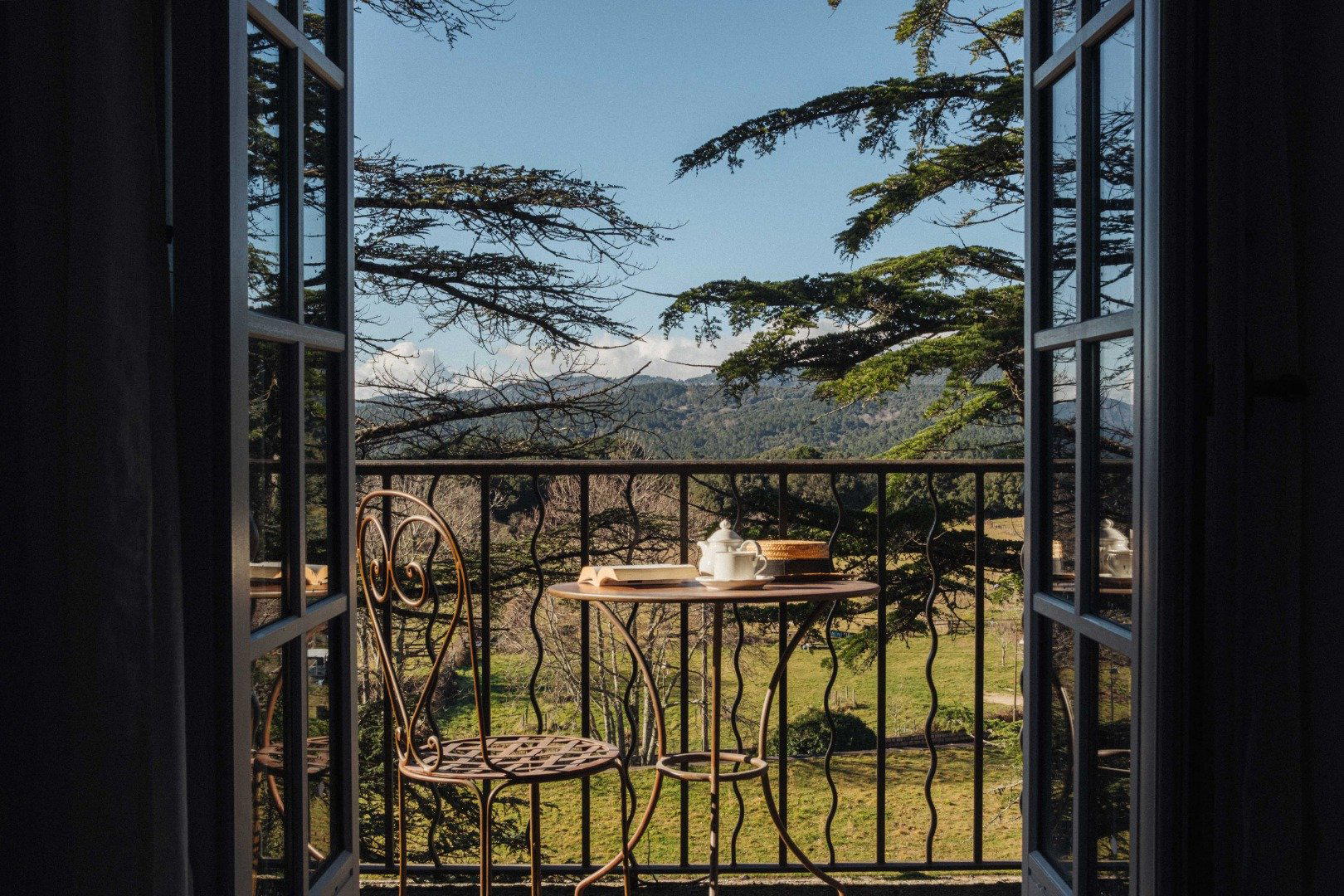
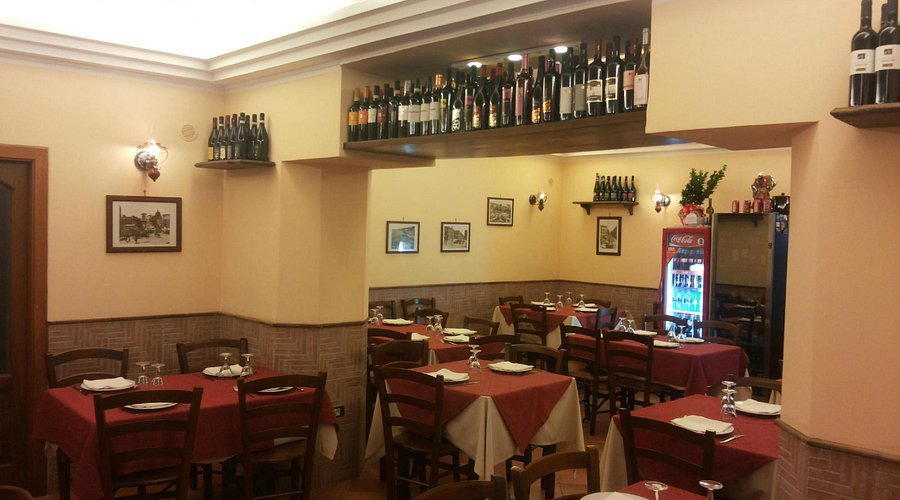
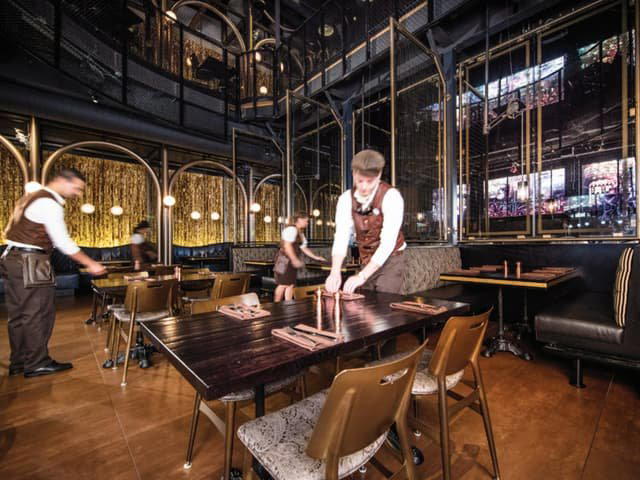
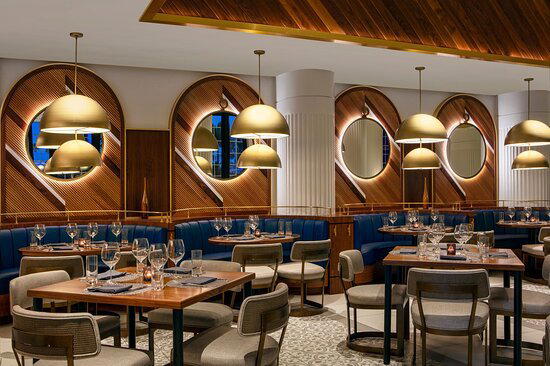
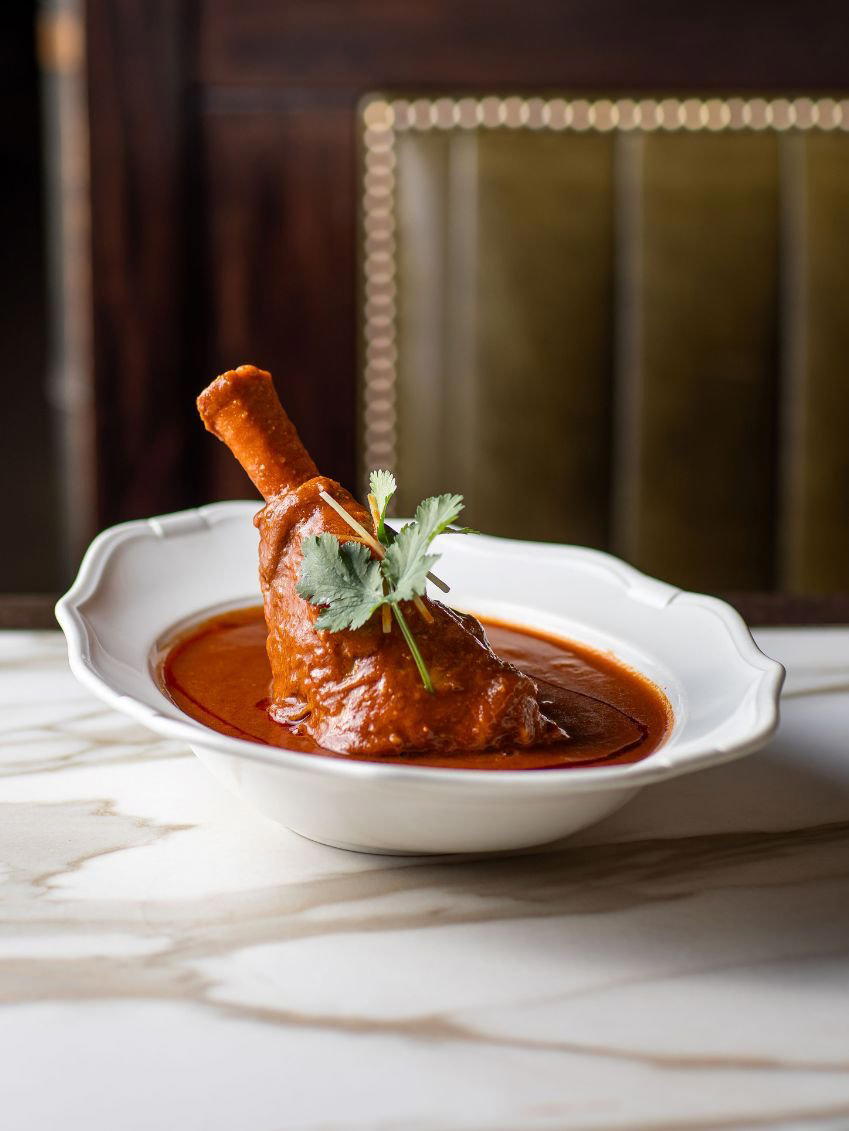
Bars in Zonza
Browse all →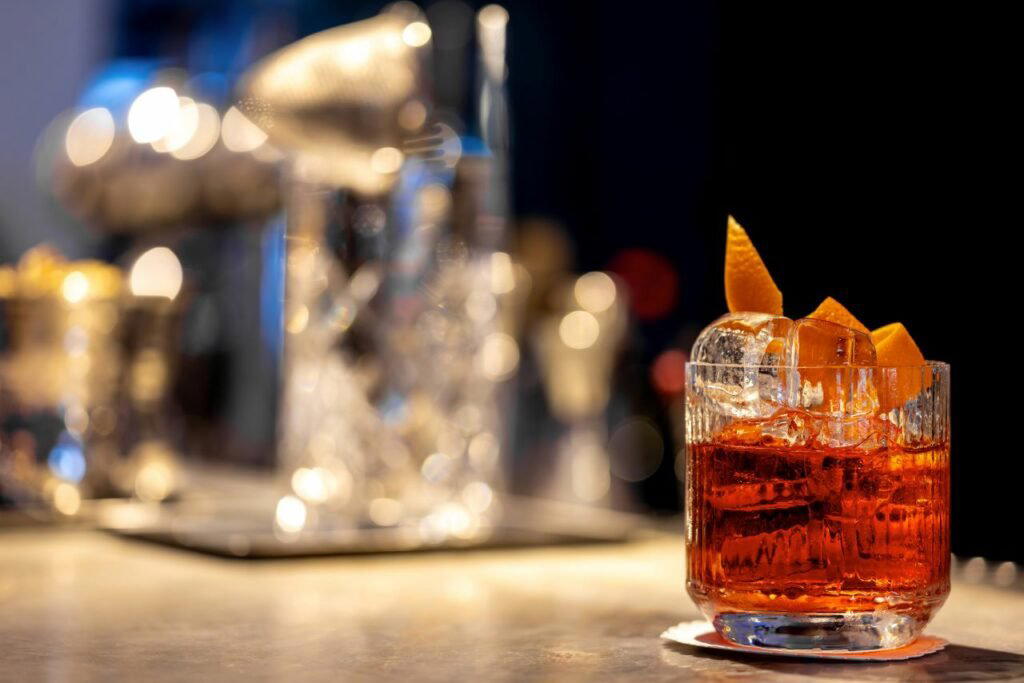
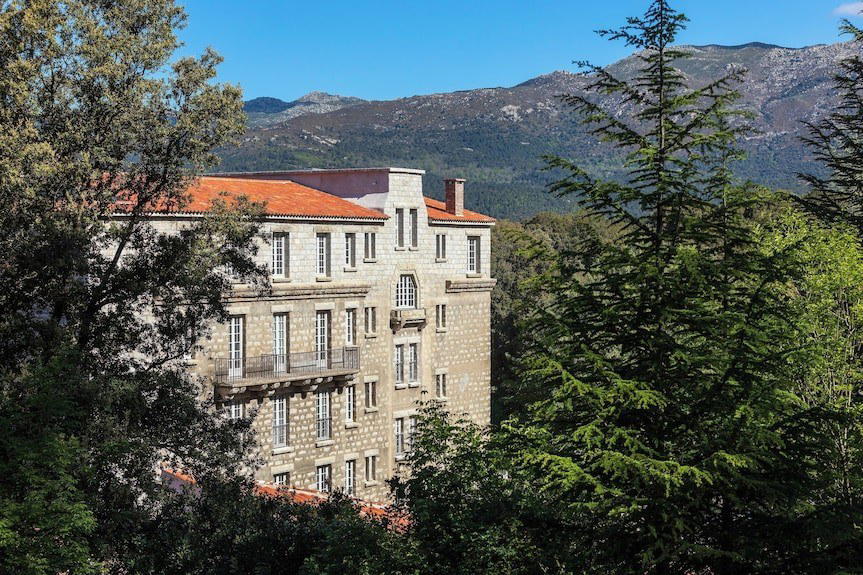

Details
- Casual
- Cozy
- Rustic
- Casual Hangout
- Extensive Wine List
- Local Sourcing
- A La Carte
- Fine Wines
- Gluten Free Options
Current opening hours
- Monday
- Closed
- Tuesday
- 12–2 PM, 7–10 PM
- Wednesday
- 12–2 PM, 7–10 PM
- Thursday
- 12–2 PM, 7–10 PM
- Friday
- 12–2 PM, 7–10 PM
- Saturday
- 12–2 PM, 7–10 PM
- Sunday
- 12–5 PM
Hours can change for holidays and private events. Hours as of .
Fun, casual, and upbeat with friendly staff.