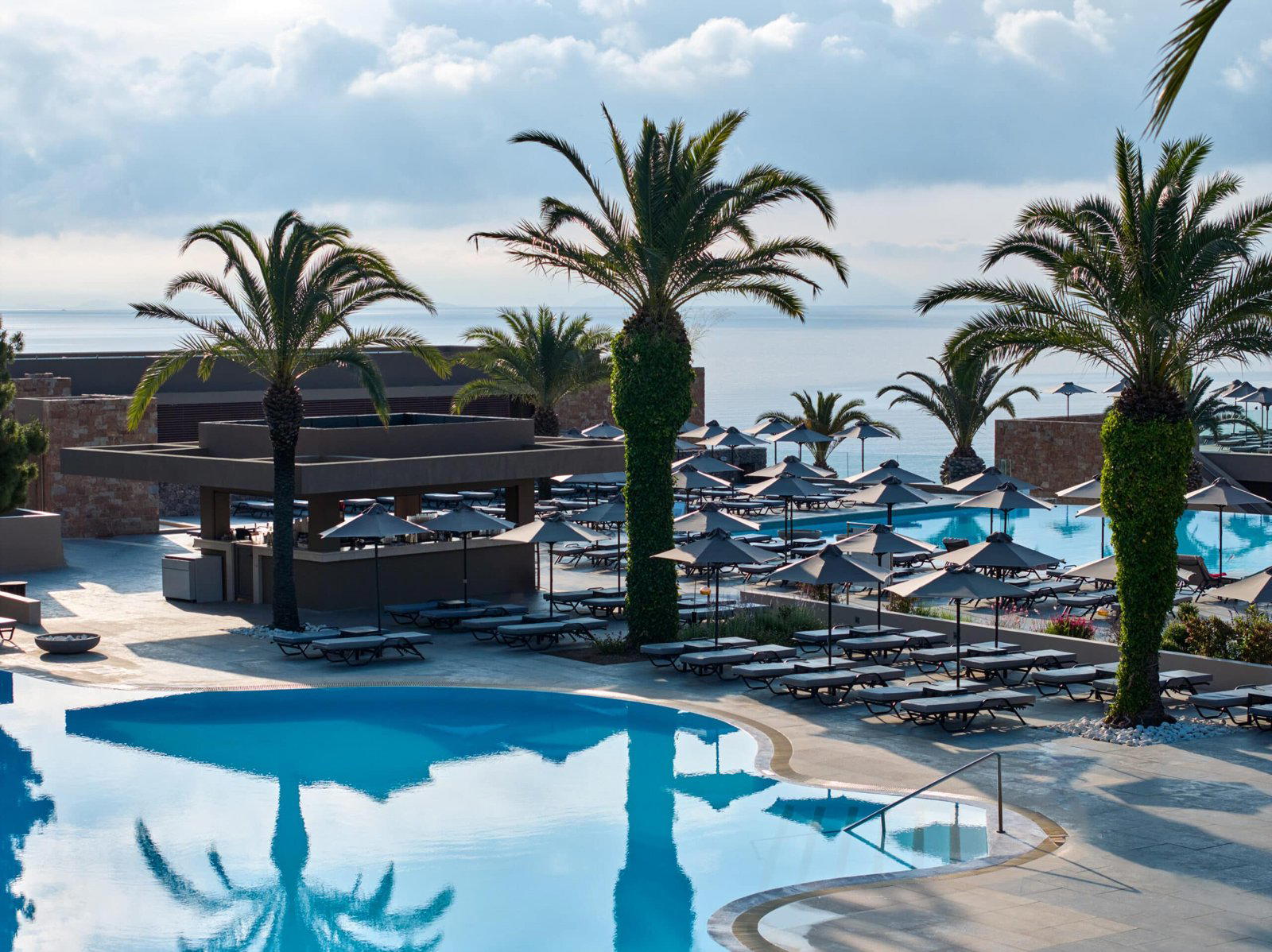
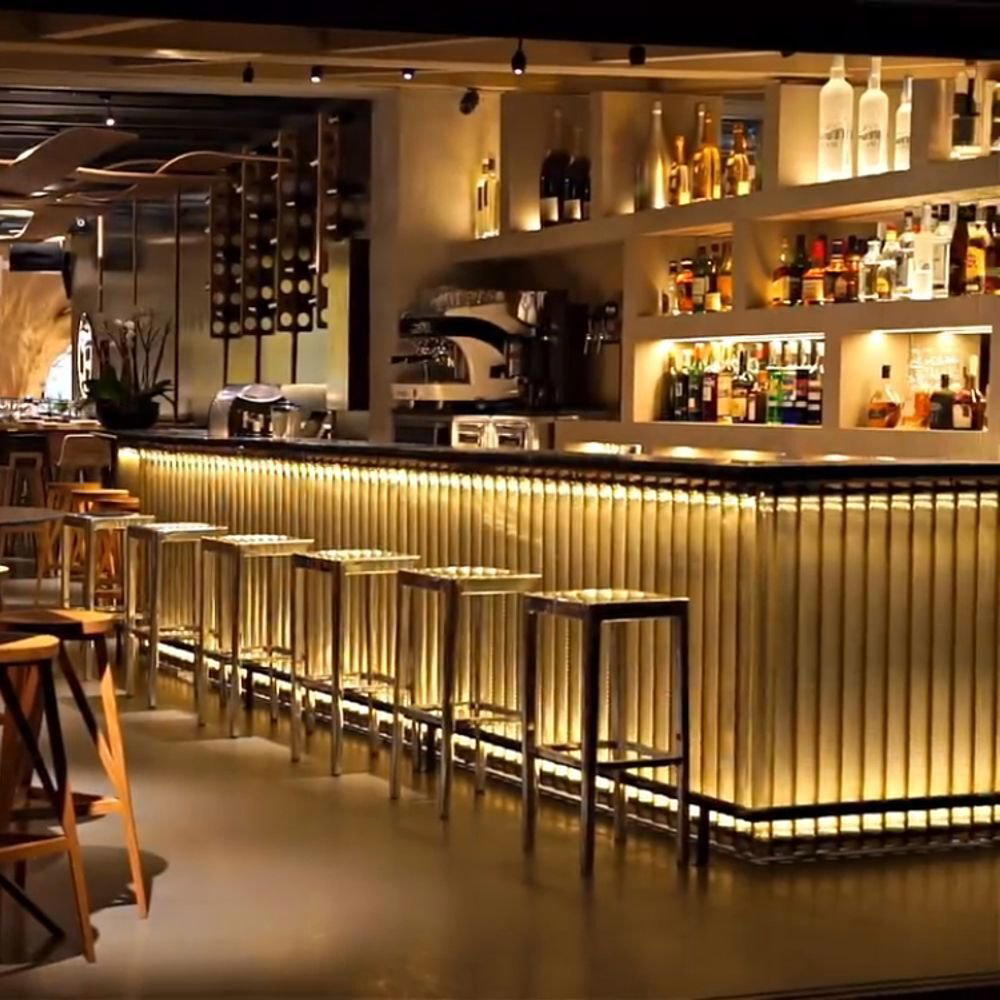
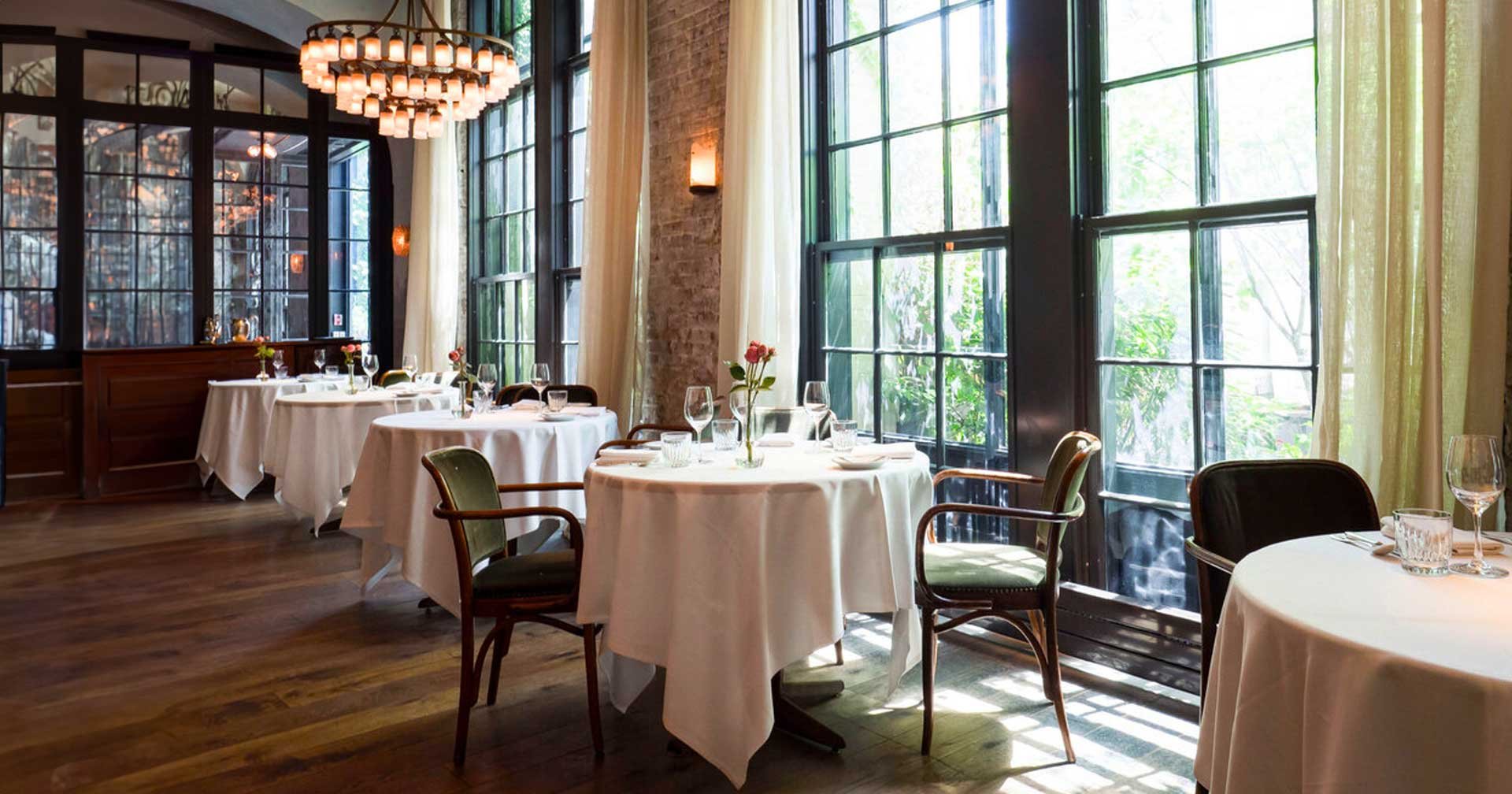
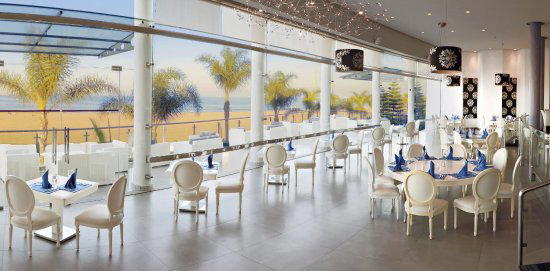
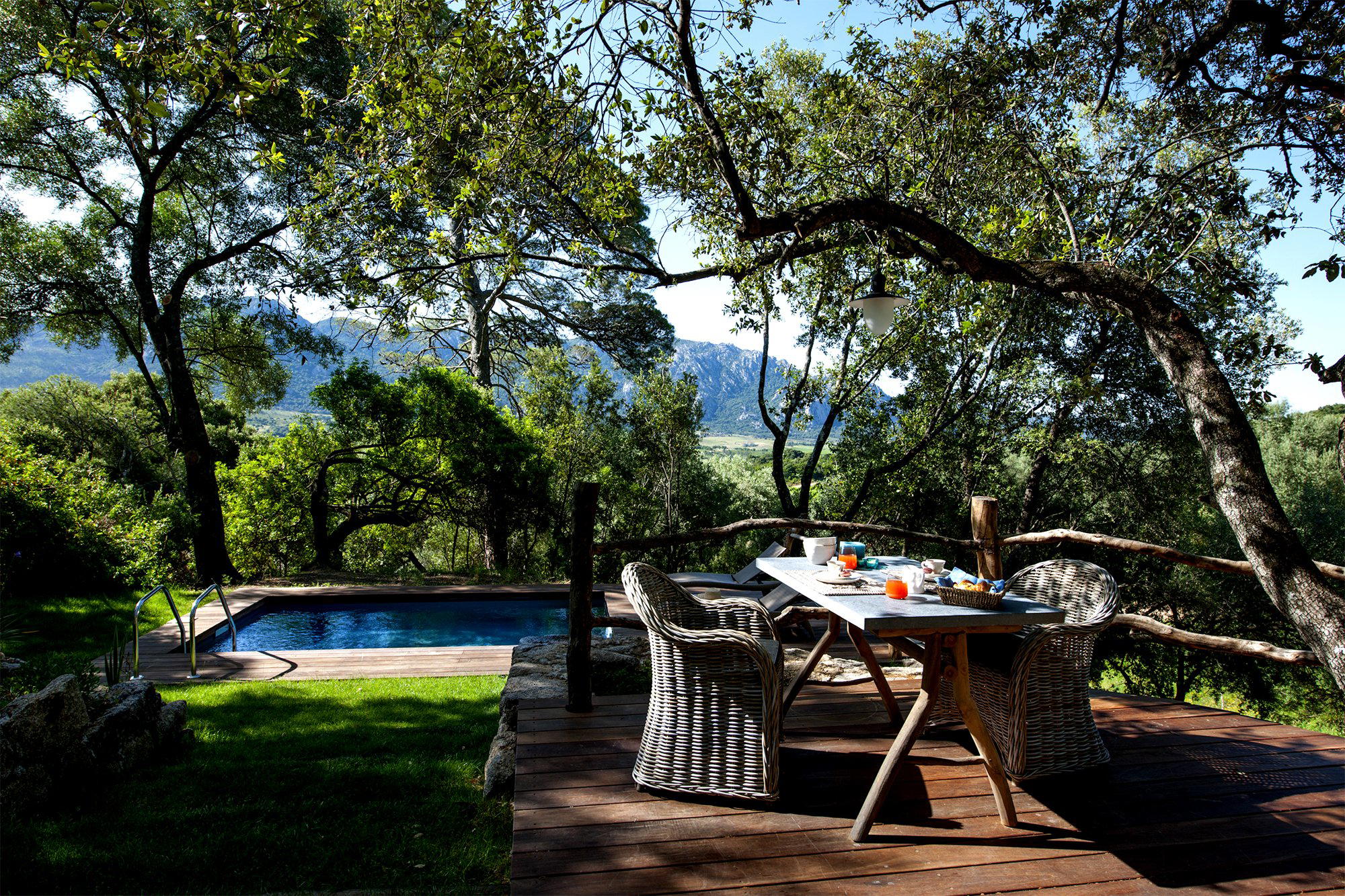
Bar de l’Hôtel belongs to a small Corsican category: the sea-facing hotel bar where the setting does much of the work, but the drink order still matters. On Ile de Cavallo, off Bonifacio, it is better read as a coastal aperitif stop than a conventional city cocktail address, with planning shaped by island access and limited published details.

Pearl is the En Primeur Club membership app — saves, bookings, and concierge access live there. Same editors, same standards.
- Address
- Ile de Cavallo, 20169 Bonifacio (hotel bar facing the sea)
- Directions
- Get directions
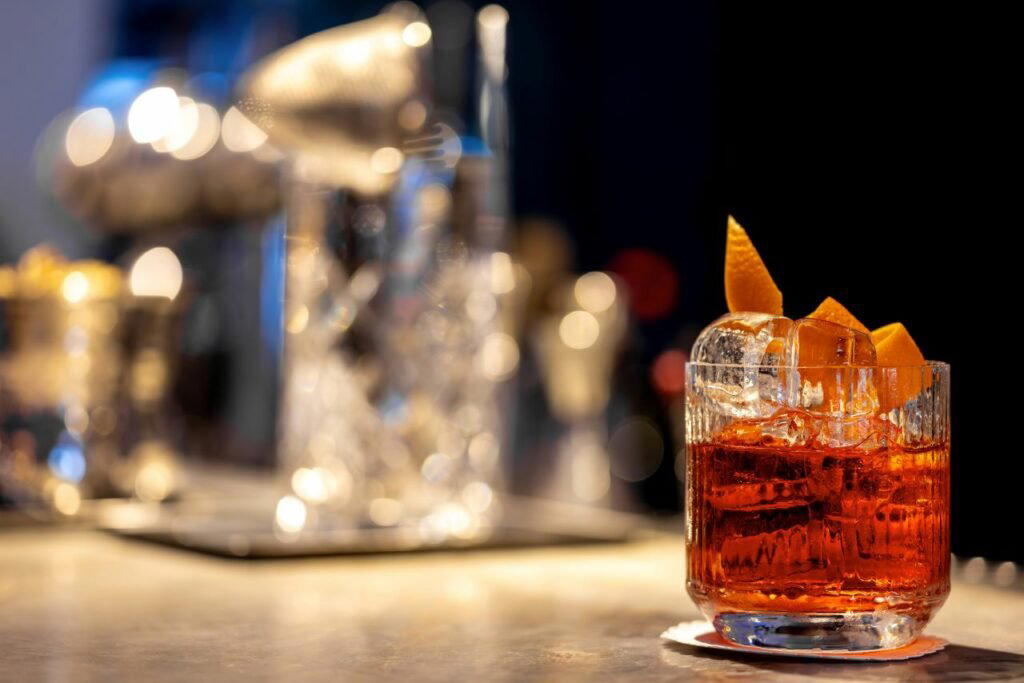
Sea-facing drinking on Ile de Cavallo
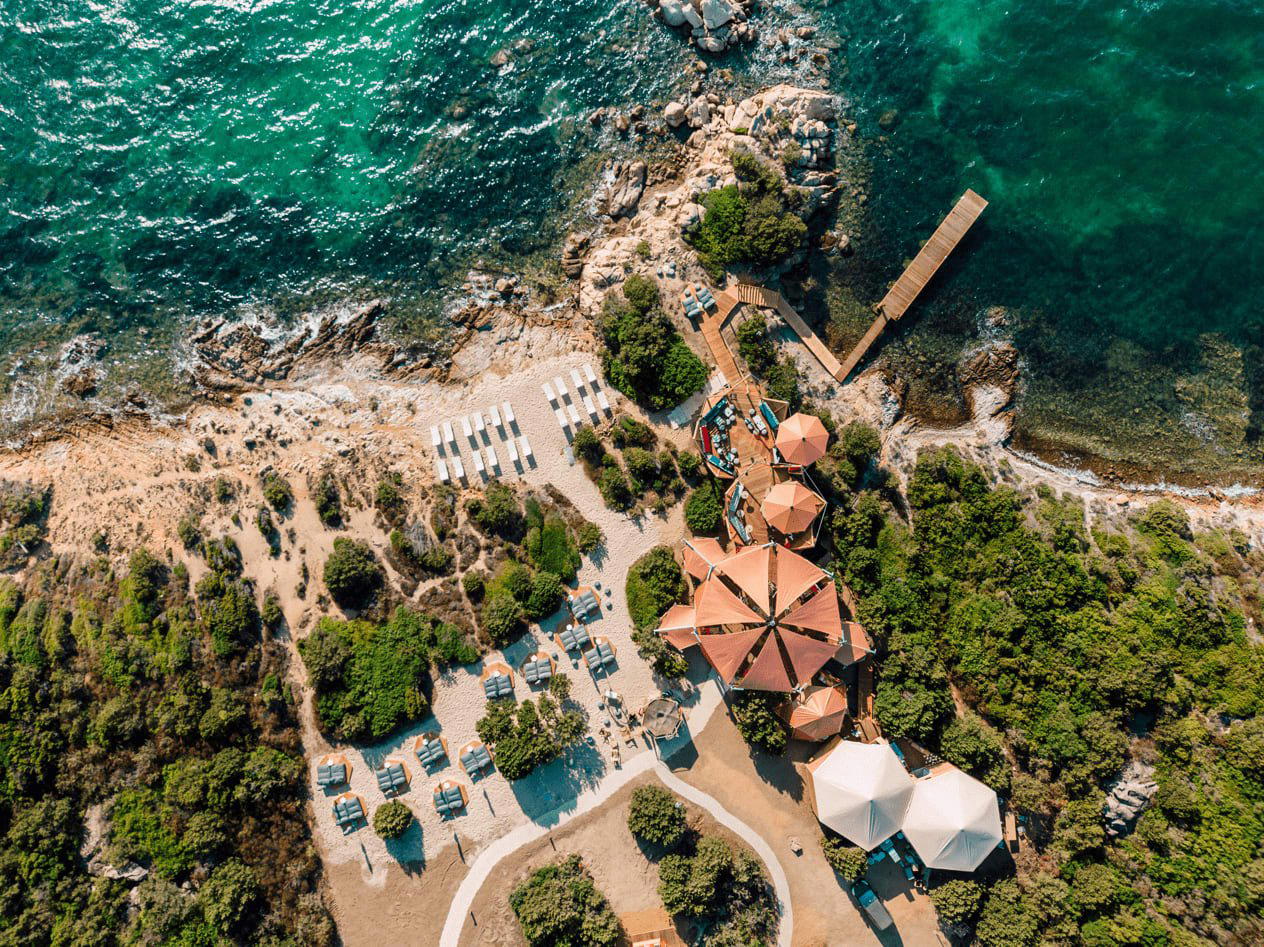
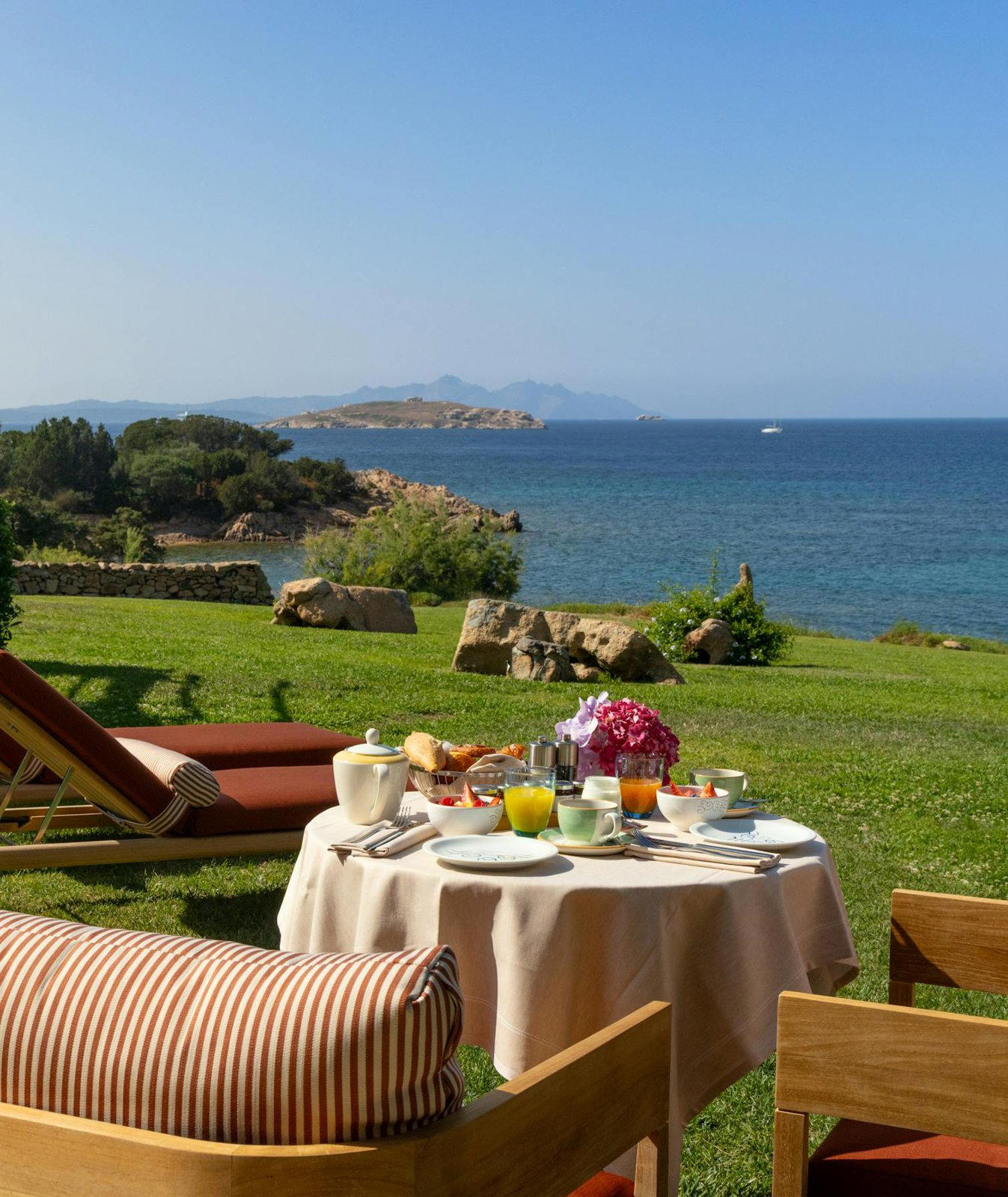
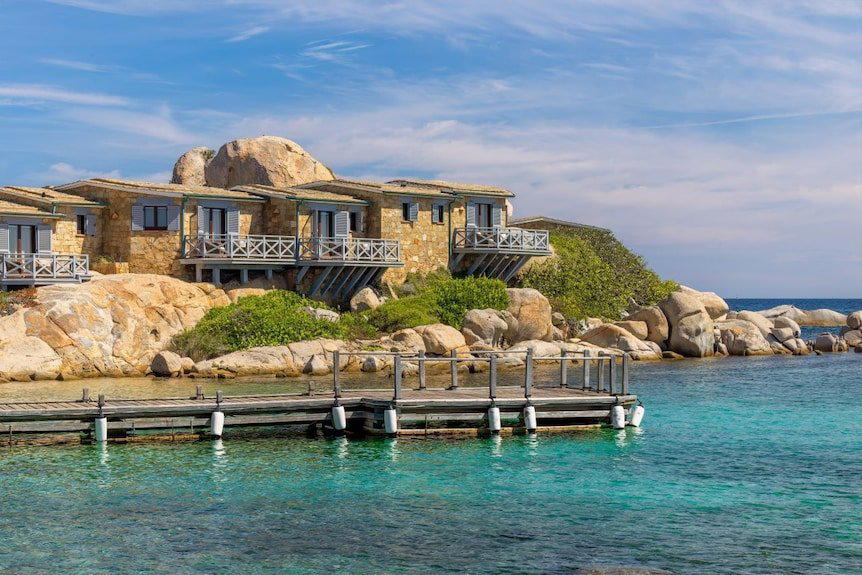
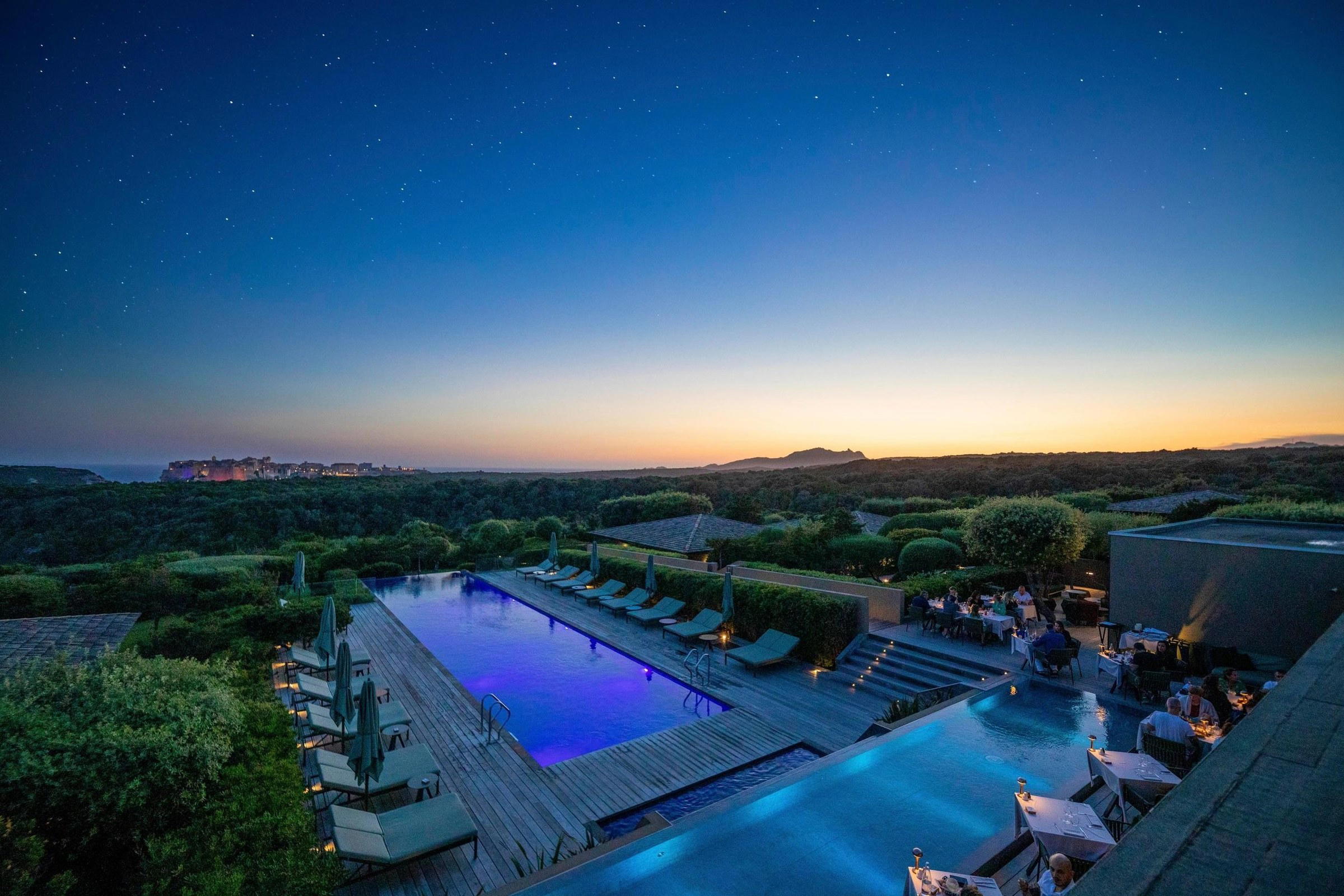
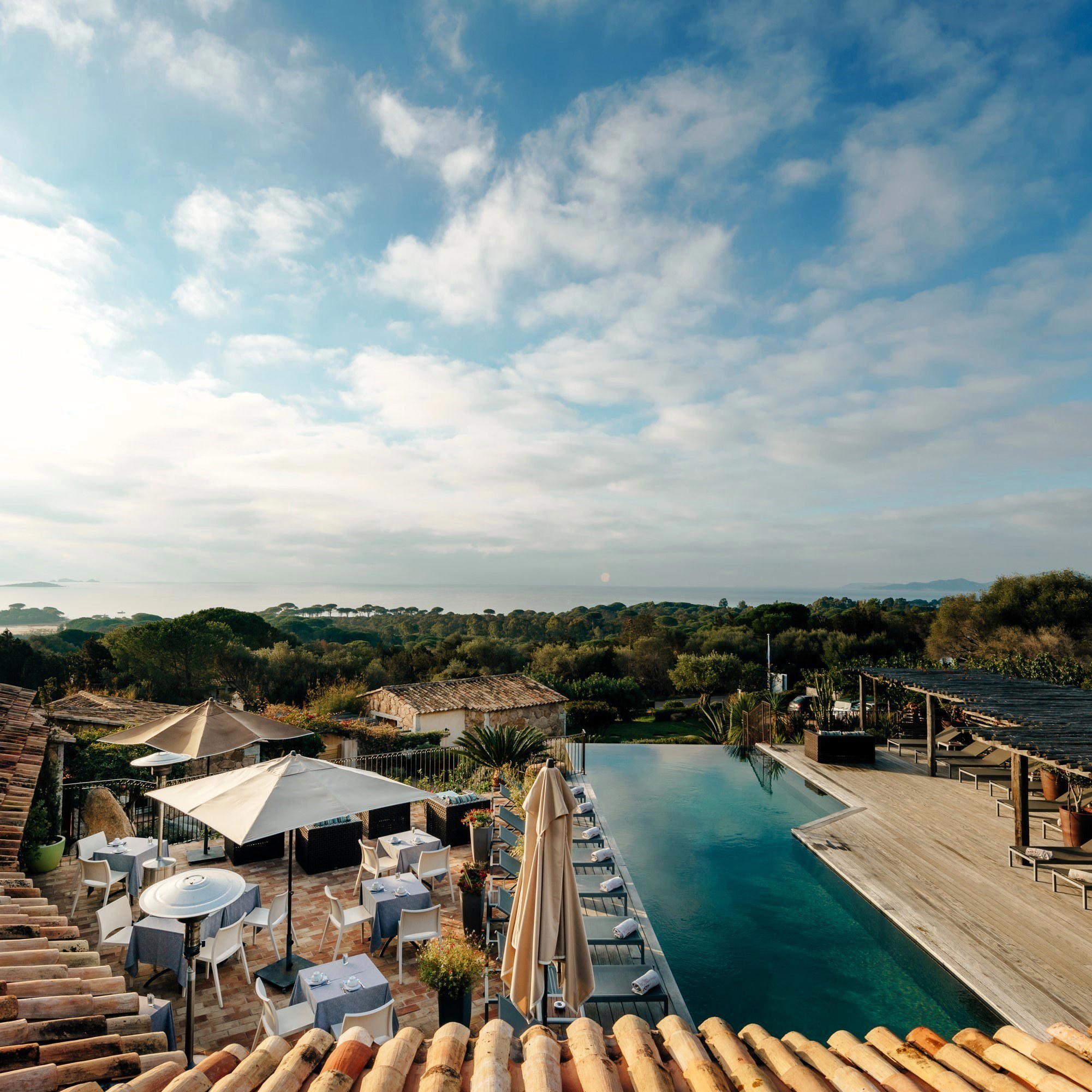
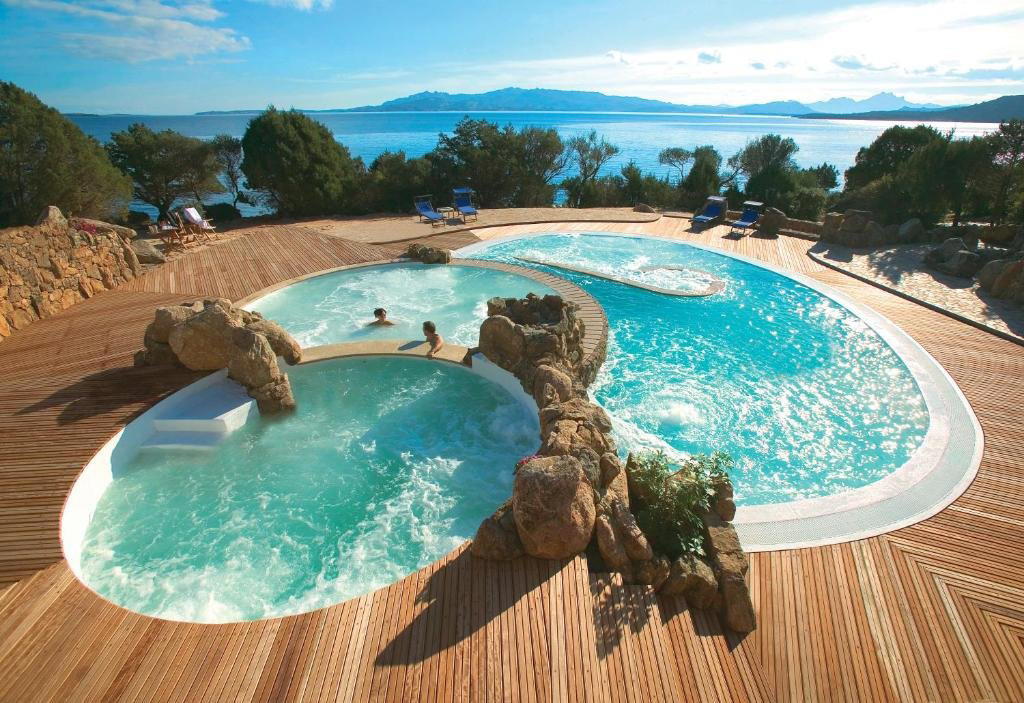
Approaching a hotel bar on Ile de Cavallo changes the usual rhythm of the aperitif. Bonifacio’s limestone cliffs and marina energy sit across the water, while the bar itself is defined by the quieter grammar of a small island: sea air, resort architecture, and the slower decision of what to drink before dinner. Bar de l’Hôtel is listed at Ile de Cavallo, 20169 Bonifacio, as a hotel bar facing the sea, and that single line matters more than it might in a city address. In Paris, a hotel bar often competes through counter craft, room design, and the reputation of its bartender. Here, the first competitive fact is geography.
The Corsican hotel-bar category
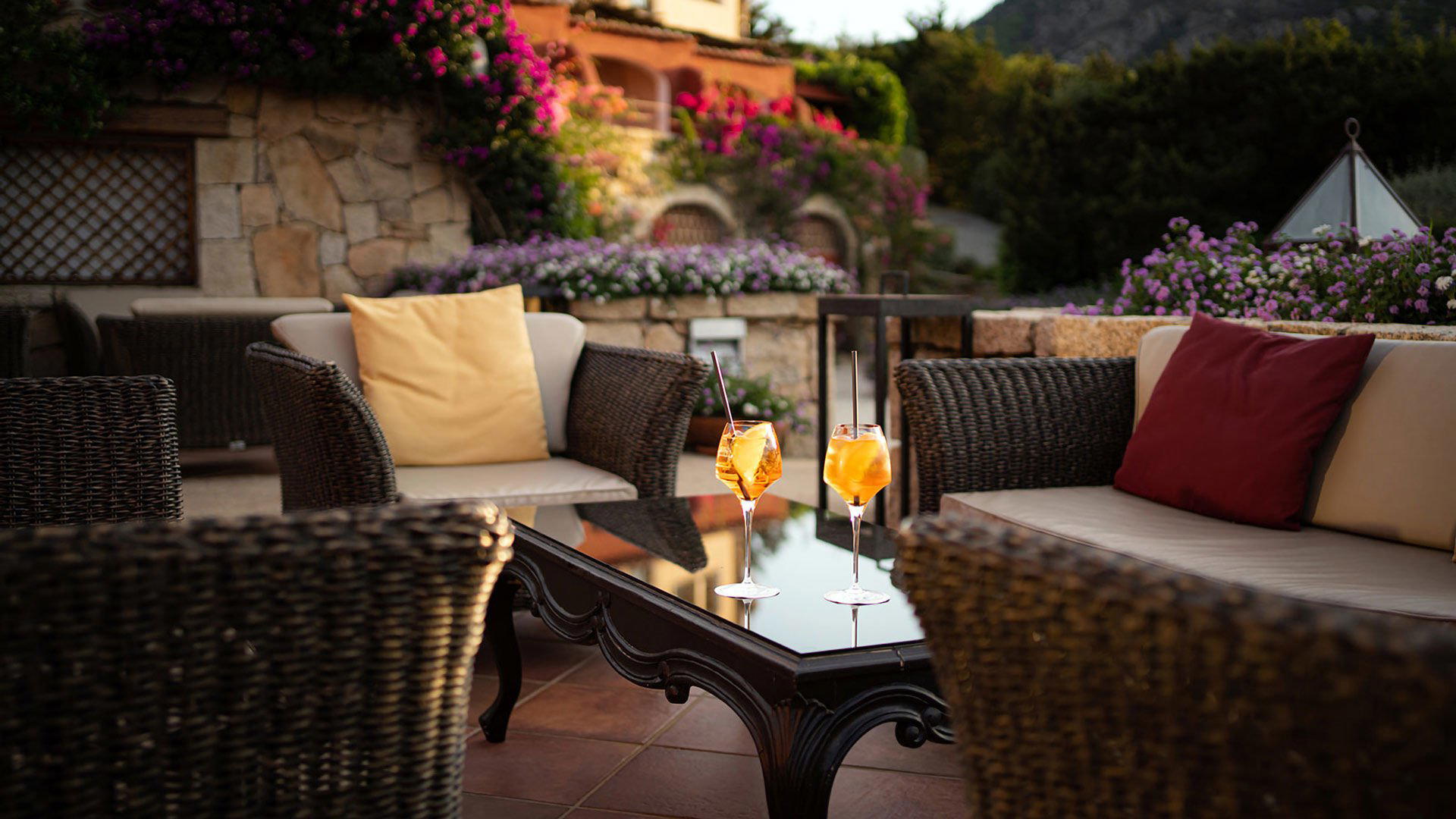
Corsica’s drinking culture is not built like that of mainland cocktail cities. Bonifacio, Ajaccio, Calvi, and Porto-Vecchio have bars that serve tourists, sailors, hotel guests, and locals, but the premium end often clusters around hotels, terraces, marina addresses, and seasonal dining rooms. In that pattern, Bar de l’Hôtel sits closer to the Mediterranean aperitif tradition than to the urban speakeasy model. The point is not concealment or performance. The point is timing, view, temperature, and the first drink before the evening meal.
That distinction helps set expectations. A guest using Our full Bonifacio restaurants guide will find that the town’s appeal is split between the citadel, the port, nearby beaches, and offshore addresses. Ile de Cavallo adds another layer: it is part of the Bonifacio experience but not simply a walk-in neighbourhood stop. The bar’s address on the island gives it a different logistical profile from a café near the marina or a wine bar inside the old town. In editorial terms, that makes it valuable for a specific moment: a planned coastal drink attached to an island stay or excursion, rather than a spontaneous round during a town-centre crawl.
Hotel bars across France now occupy several distinct lanes. The grand-palace model, represented by La Bar du Plaza Athénée in Paris, trades on metropolitan service rituals and a luxury-hotel audience. Independent cocktail rooms such as Papa Doble in Montpellier belong to a different strain, where the bar itself is the destination and the menu carries the argument. Regional wine-and-aperitif addresses, from La Vertu in Reims to Bar Casa Bordeaux in Bordeaux, often work through local drinking habits as much as cocktail technique. Bar de l’Hôtel is better compared with that last idea, translated to the island-hotel frame.
What the cocktail programme should be read against
The assigned lens here is the cocktail programme, but the public data is thin: no named drink list, no stated house style, no chef or bar lead, no opening hours, no price range, and no awards. That absence should not be disguised. For a premium traveller, it is a useful signal. When a bar publishes a full menu, a booking platform, awards, and named personnel, the decision can be made on craft credentials.
For travellers mapping French bar culture more broadly, the contrast is instructive. Broc'Bar in Lyon belongs to a city where food culture and casual drinking overlap tightly. Le Cercle Rouge in Angers and Le Cercle des Arômes in Colmar point toward wine-region drinking, where glass selection and local identity carry much of the interest. Le Goupil in Ribeauvillé sits in an Alsatian context where wine, tourism, and small-town pacing shape the experience. Bonifacio’s offshore hotel bar category asks a different question: not how deep the cellar goes, or how technical the shaker work is, but whether the venue can turn a coastal pause into a properly calibrated drink.
Why the setting matters more than the address line suggests
Ile de Cavallo is not simply another Bonifacio district. The island position changes the social composition of the bar, the planning window, and the likely use case. A guest in central Bonifacio can compare restaurants and bars on foot. A guest heading to Cavallo has already made a more deliberate movement, usually tied to a hotel stay, private boating, or island arrangements. That makes Bar de l’Hôtel a narrower recommendation, but a clearer one: it suits travellers whose evening is already oriented toward the sea rather than the citadel.
The comparison set across EP Club also shows how different bar decisions can be. Chez Rosa in Toulouse sits in an urban southern French context, where a bar can be folded into a night of restaurants, music, and late drinks. Crapule in Vannes belongs to a Brittany circuit with its own coastal but town-based rhythm. Café La Trova in Miami shows the opposite end of the spectrum: a bar whose identity is inseparable from live atmosphere and a large-city cocktail conversation. Bar de l’Hôtel asks for less comparison by fame and more comparison by function. It is a place to frame the Bonifacio coast through a glass, not to chase a documented global bar ranking.
Planning the visit
That lack of public detail matters more on an island than it would on a city street. Before treating the bar as a fixed stop, travellers should confirm access through their hotel, transport provider, or current local source, especially outside peak summer weeks when island hospitality can be more variable than mainland schedules.
The practical approach is to treat Bar de l’Hôtel as part of a Cavallo plan rather than a standalone Bonifacio errand. If already staying on Ile de Cavallo or arriving by arranged boat, it can serve as an early-evening aperitif before dinner. If based in Bonifacio town, the decision depends on transport, weather, and return timing.
Price is also unpublished. In a sea-facing hotel bar attached to an island setting, travellers should expect hotel-bar pricing rather than neighbourhood-café pricing, but no exact figure is available from the record. The same restraint applies to dress code. The stronger planning move is to verify directly through the property or host handling the island visit.
Editorial verdict
Bar de l’Hôtel is for the traveller who understands that not every worthwhile drink is validated by awards, published menus, or a named mixologist. Its case rests on a specific Corsican proposition: a hotel bar facing the sea on Ile de Cavallo, within the wider Bonifacio area. That makes it a precise fit for an aperitif shaped by geography. It is not the address to choose if the evening demands a documented cocktail laboratory, extensive public detail, or a bar programme with named accolades. It is the address to consider when the island setting is already part of the plan and the drink is meant to mark the transition from day to dinner.
Continue exploring