La Tavola Trattoria
La Tavola Trattoria on Virginia Avenue has held a steady place in Atlanta's Virginia-Highland neighbourhood for years, anchoring a stretch of the city where Italian-American trattoria dining sits between the formal and the casual. The room reads lived-in in the way that neighbourhood regulars prefer: a place that has earned its familiarity rather than designed it. For Atlanta diners who favour progression through a meal over single-dish satisfaction, it represents a consistent address in a city still defining its Italian dining tier.
Pearl is the En Primeur Club membership app — saves, bookings, and concierge access live there. Same editors, same standards.
- Address
- 992 Virginia Ave NE, Atlanta, GA 30306
- Phone
- +14048735430
- Website
- latavolatrattoria.com
- Directions
- Get directions
 Saves & bookings on Pearl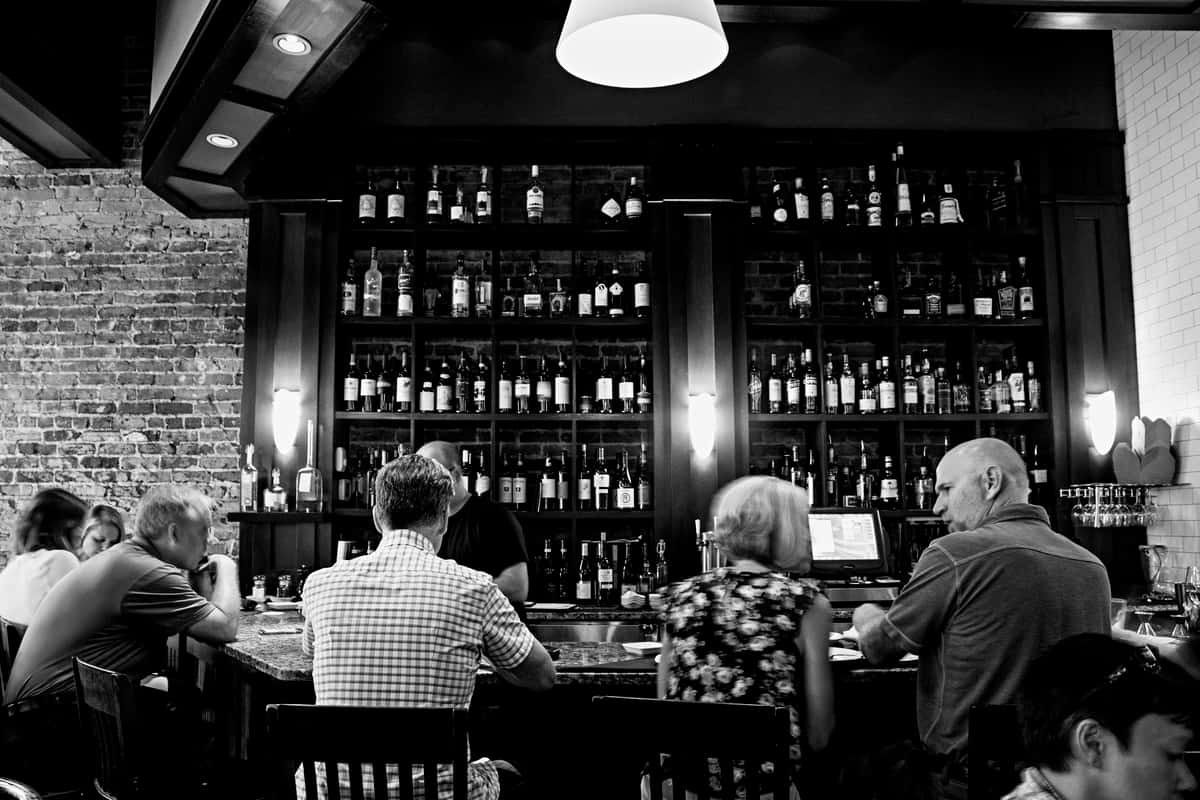
Where Virginia-Highland Sets Its Table
Virginia-Highland has a specific gravitational pull in Atlanta's dining geography. The neighbourhood sits northeast of Midtown, close enough to draw a professional crowd but residential enough that its restaurants function as genuine local anchors rather than destination showpieces. On Virginia Avenue, the foot traffic is neighbourhood-first: people who return weekly, who know the staff by name, and who measure a room by how it feels on a Tuesday rather than how it photographs on a Saturday. La Tavola Trattoria has occupied this block long enough to be part of that rhythm.
Atlanta's Italian dining tier has historically operated in a narrower band than cities like New York or Chicago, where the category runs from red-sauce institutions to modern Italian fine dining at full parity with French or Japanese formats. Here, the trattoria model, mid-register, pasta-forward, wine-friendly, has found a durable home in neighbourhoods like Virginia-Highland precisely because the format fits the social tempo. It is a cuisine built for extended tables and second glasses, not for timed tasting sequences or imposed silence. La Tavola sits in that trattoria register, which places it in a different competitive conversation than the city's fine-dining flagships like Bacchanalia, Atlas, or Lazy Betty.
The Arc of a Meal Here
The trattoria format has always been defined by progression rather than spectacle. Unlike the contemporary tasting menu format practised at destination addresses such as Lazy Bear in San Francisco, Alinea in Chicago, or The French Laundry in Napa, the Italian trattoria meal moves at the diner's pace through a structure that is familiar enough to feel comfortable and flexible enough to reward attention: something small to open, pasta as the structural centre, a secondo if the appetite calls for it, and whatever the kitchen is doing well with dessert.
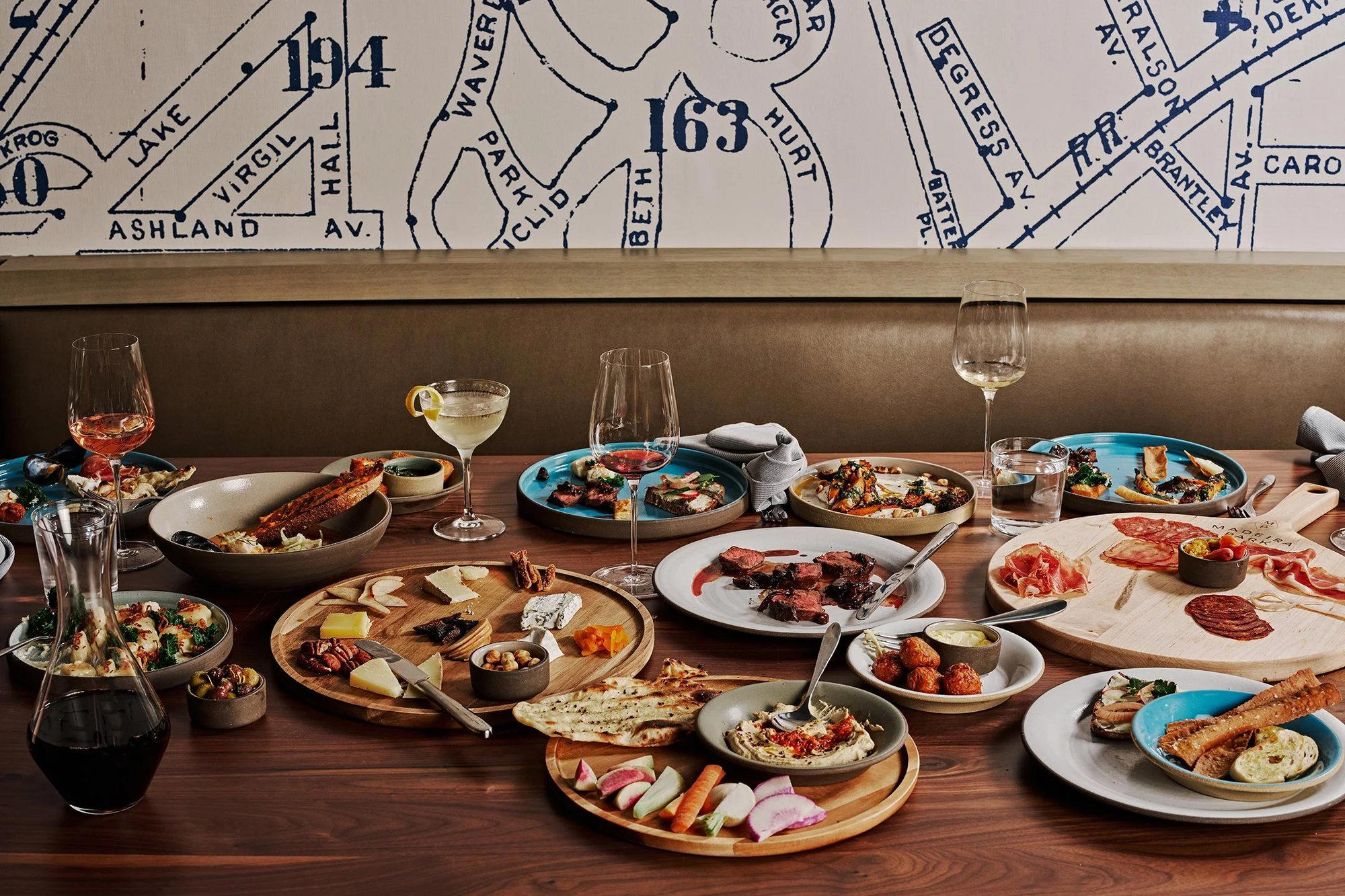
That structure is not incidental. It reflects the way Italian cooking treats starch as a course rather than a side, and protein as a secondary act. Antipasti in this format serve as scene-setting rather than showmanship, a cured meat, a vegetable preparation, something preserved or pickled, portions calibrated to sharpen rather than satisfy. The pasta course carries the weight of the kitchen's identity. In a well-run trattoria, this is where technique is most visible: whether the dough has been made that day, how the sauce ratio is judged, whether the cook knows when to pull back on richness before the secondo arrives.
For Atlanta diners accustomed to the single-plate casual Italian model, where a bowl of pasta and a glass of Chianti constitutes the full experience, the trattoria progression asks for a slightly different kind of attention. It rewards diners who pace themselves, who treat the meal as a sequence rather than a transaction, and who use the wine list as a thread rather than an afterthought. In this respect, the format has more in common with the disciplined multi-course approach at addresses like Single Thread Farm in Healdsburg or Blue Hill at Stone Barns than it does with most casual Italian spots, though the register and price point differ substantially.
Italian Dining in Atlanta: The Category Context
Atlanta's Italian restaurant scene has developed along two primary tracks. One track runs toward the upscale modern-Italian format, where pasta is handmade daily, the wine list includes serious Barolo and Brunello allocations, and the room is designed to signal occasion. The other track, longer in the city's history, belongs to neighbourhood trattorie and Italian-American rooms where the emphasis is on generosity, familiarity, and a certain unpretentiousness about the food's ambitions.
La Tavola sits in the second track, which is not a diminishment. Particularly durable restaurant addresses in American cities operate in exactly this register. The comparison set is not Le Bernardin in New York or Atomix, it is the kind of restaurant that serves the same neighbourhood for two decades without a relaunch, whose regulars measure it not against Michelin benchmarks but against their own accumulated experience of the room. Atlanta has relatively few restaurants in this category that have held their ground through the city's cycles of development and demographic shift. Virginia-Highland has been more stable than most Atlanta neighbourhoods in that respect, which partly explains why the trattoria format has survived here where it has struggled elsewhere in the city.
Where It Sits Among Atlanta's Formal and Casual Poles
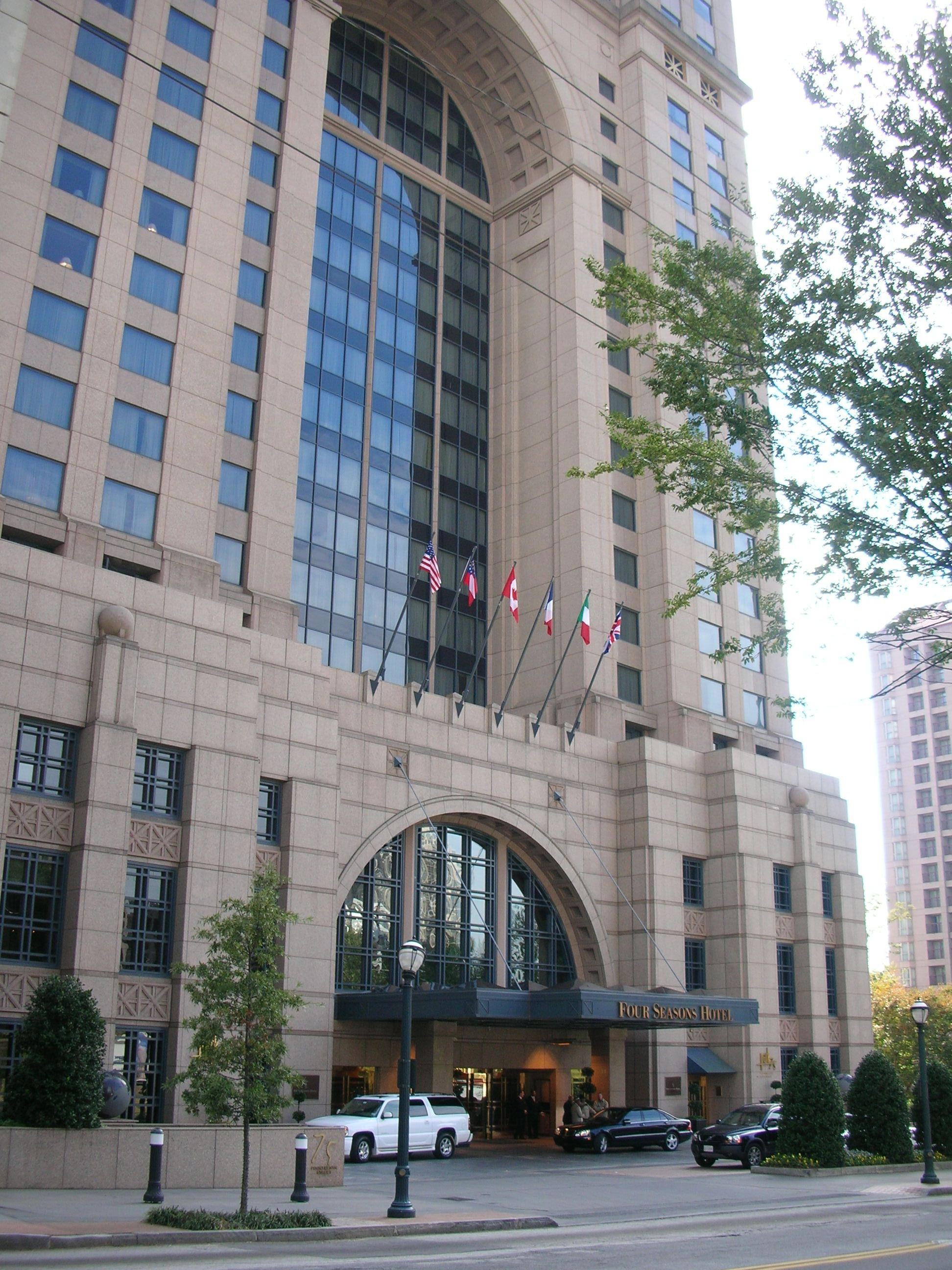
Atlanta's restaurant scene at the upper end has consolidated around a handful of addresses with national standing. Bacchanalia has held its position as the city's most serious New American kitchen for decades. Atlas operates at the Four Seasons and anchors the luxury-hotel dining tier. Hayakawa and Mujō have brought serious Japanese dining, both kaiseki and omakase, to a city that was not previously known for that format. At these addresses, comparable in seriousness to Providence in Los Angeles, Addison in San Diego, or The Inn at Little Washington, the expectation is of a fully composed experience with technical ambition to match.
La Tavola operates at a different altitude, and that clarity of positioning is part of its value. A city's dining health is measured not only by its flagships but by the depth of its middle register, the neighbourhood rooms that anchor communities, sustain regulars, and offer a lower-stakes version of the pleasure that fine dining pursues at higher cost. In Italian cuisine specifically, that middle register has produced particularly enduring restaurant addresses in the world. The trattoria is not a lesser format; it is a different discipline, one that prizes consistency and warmth over innovation and spectacle. The comparison is less 8 1/2 Otto e Mezzo Bombana and more the kind of neighbourhood room that survives because the community decided it should.
Side-by-Side Snapshot
Comparable venues nearby, for context on price, style, and recognition.
| Venue | Cuisine | Price | Notes |
|---|---|---|---|
| La Tavola TrattoriaThis venue — the venue you are viewing | Classic Italian Trattoria | $$ | Not listed |
| Osteria 832 | Rustic Italian Osteria | $$ | Virginia Highland |
| EATaliano Kitchen | Traditional Italian Trattoria | $$ | Cumberland Bridge |
| Capolinea | Italian-American Fine Dining | $$$ | Downtown |
| Amore e Amore | Immersive Themed Italian | $$$ | Inman Park |
| Gigi's Italian Kitchen | Modern Italian-American | $$$ | Candler Park |
At a Glance
- Cozy
- Rustic
- Classic
- Intimate
- Date Night
- Family
- Group Dining
- Open Kitchen
- Extensive Wine List
Current opening hours
- Monday
- 5–9:30 PM
- Tuesday
- 5–9:30 PM
- Wednesday
- 5–9:30 PM
- Thursday
- 5–9:30 PM
- Friday
- 5–10 PM
- Saturday
- 5–10 PM
- Sunday
- 5–9 PM
Hours can change for holidays and private events. Last verified .
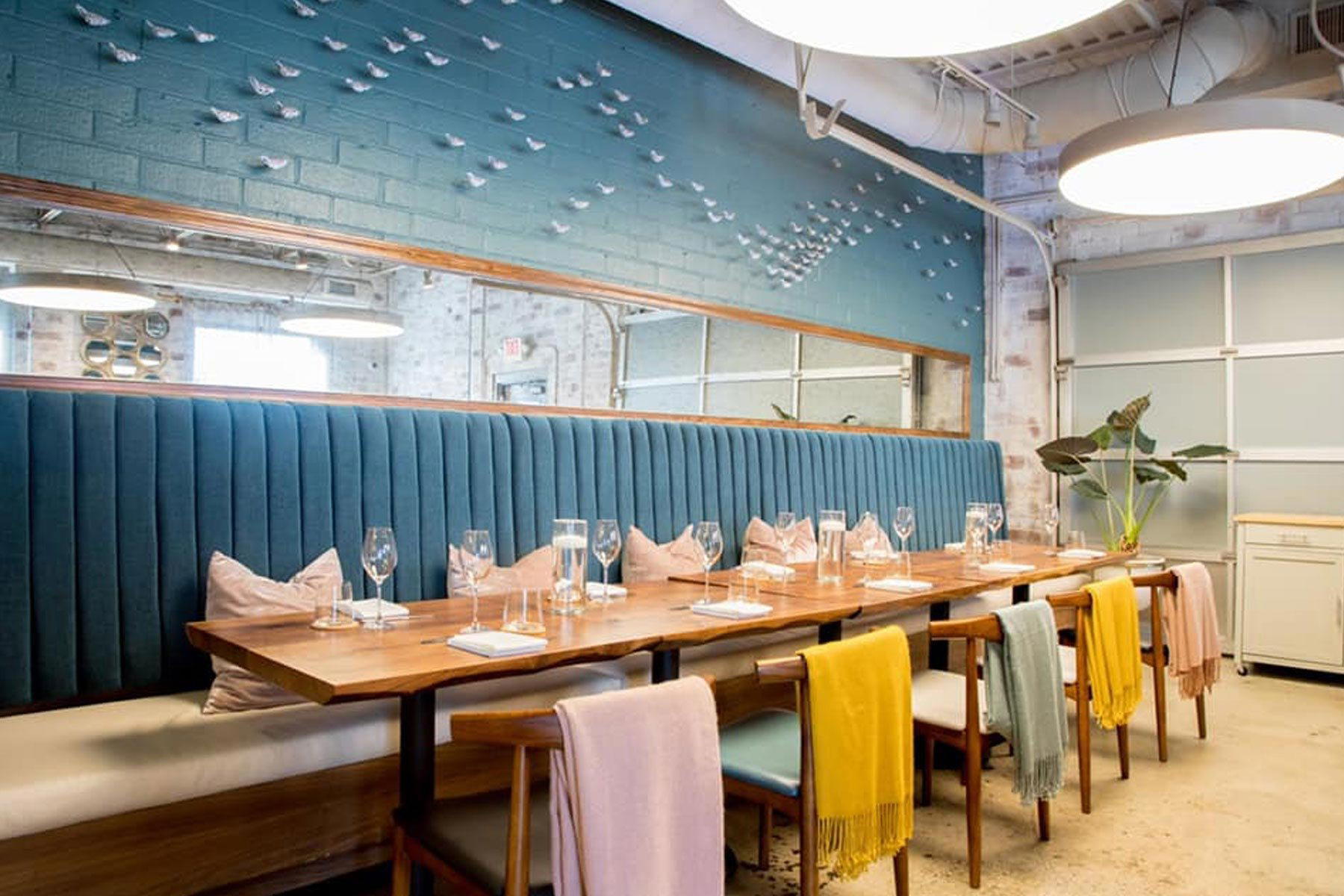
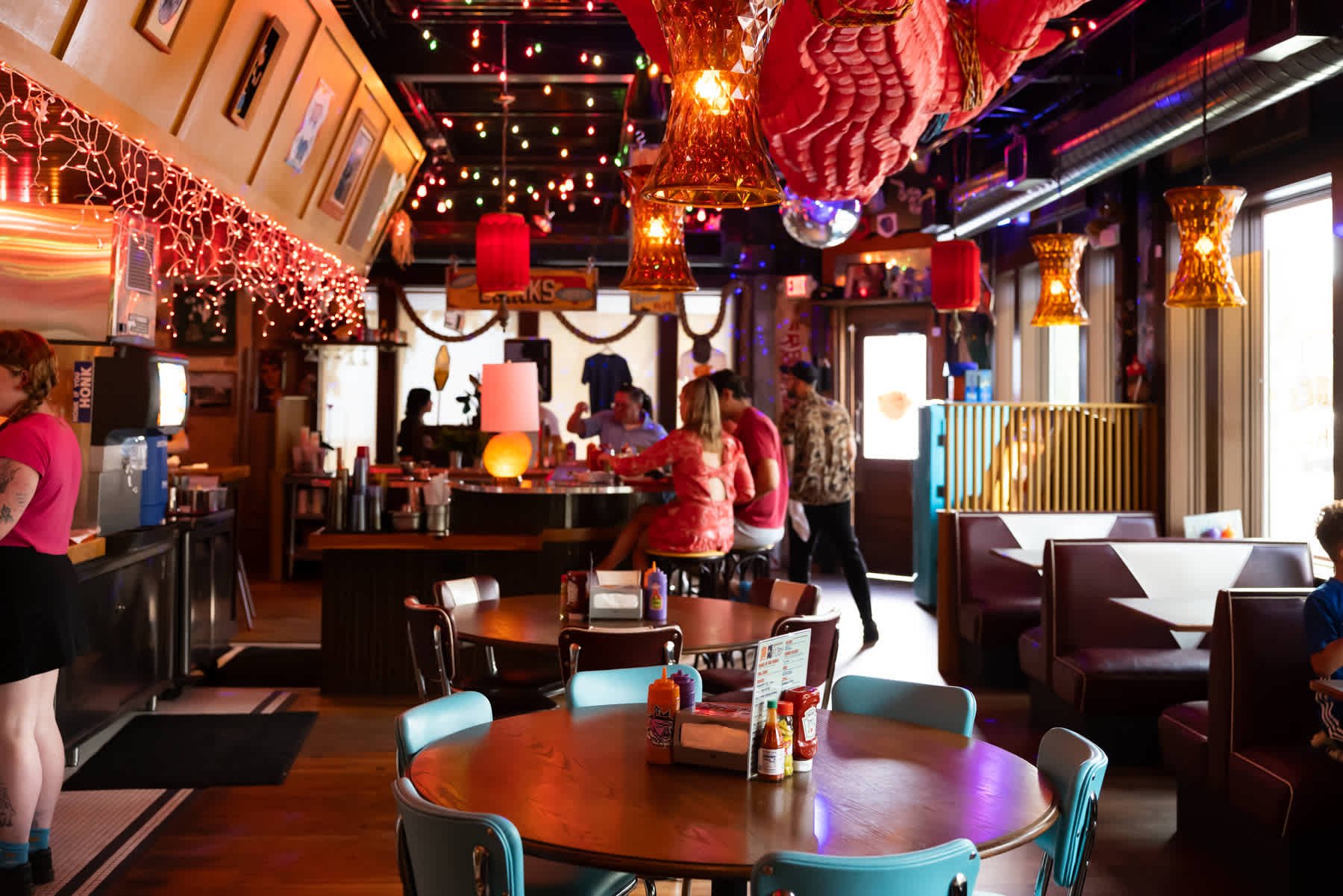
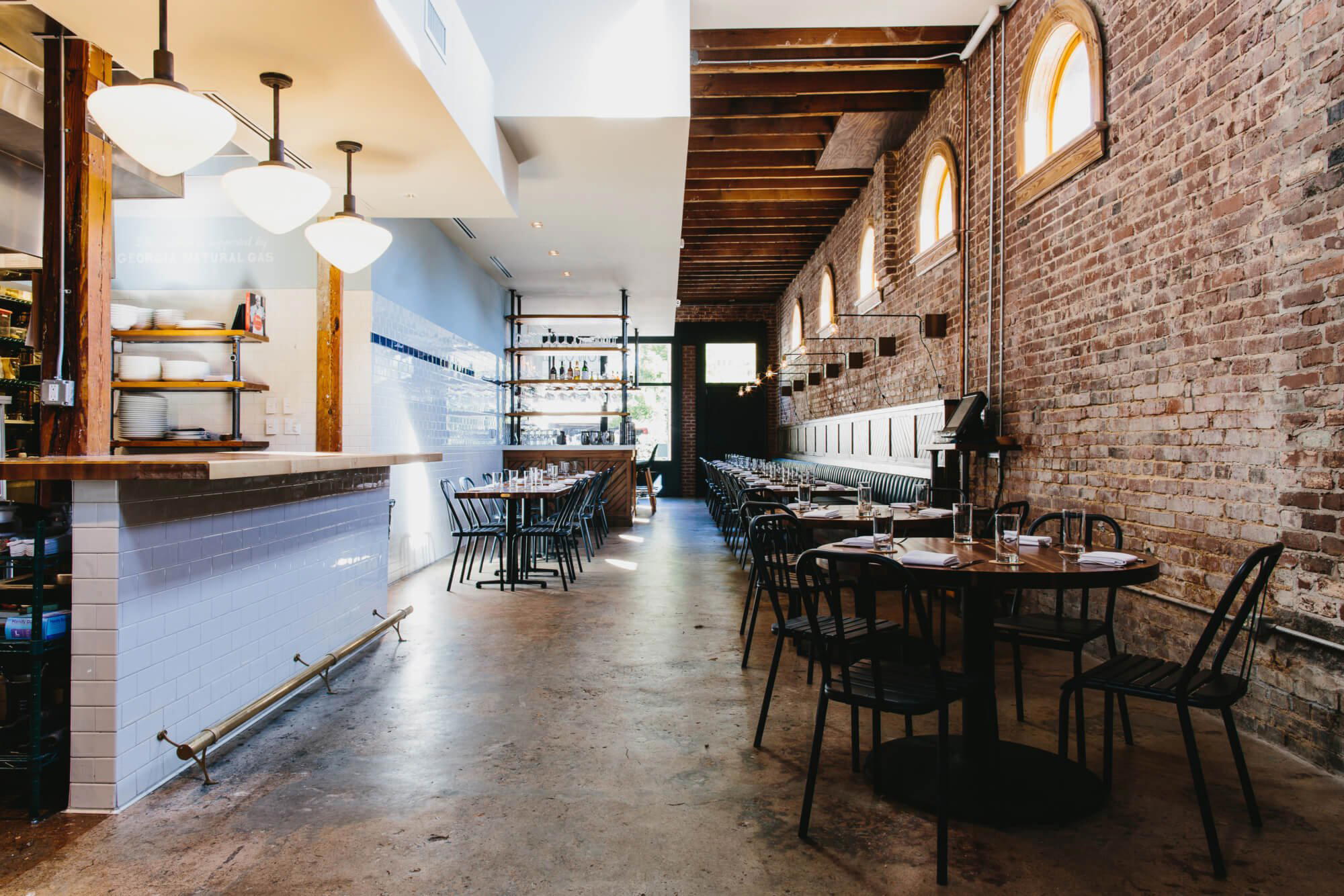
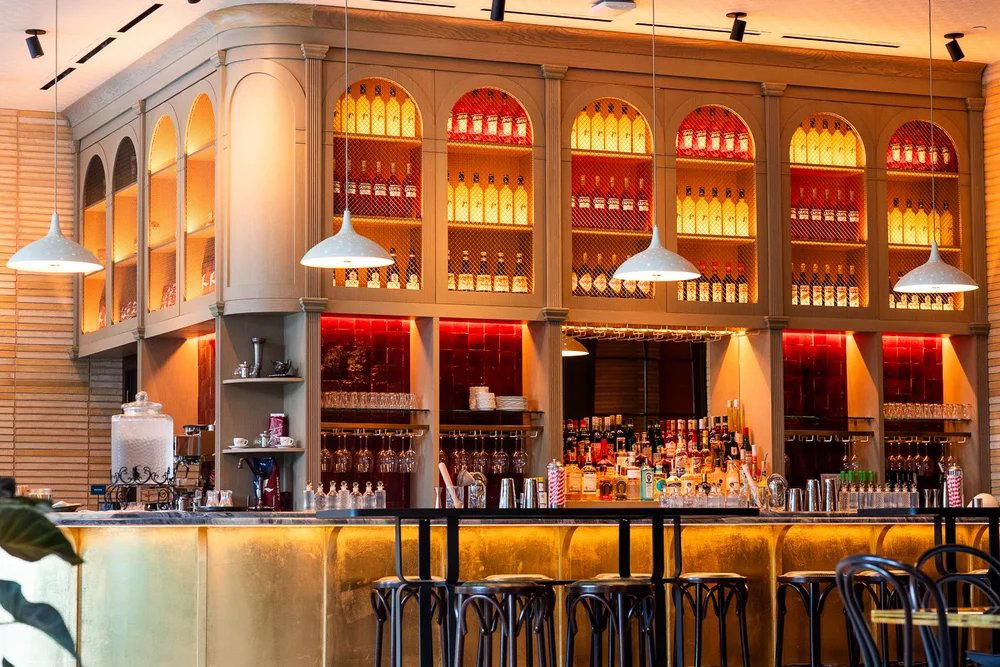
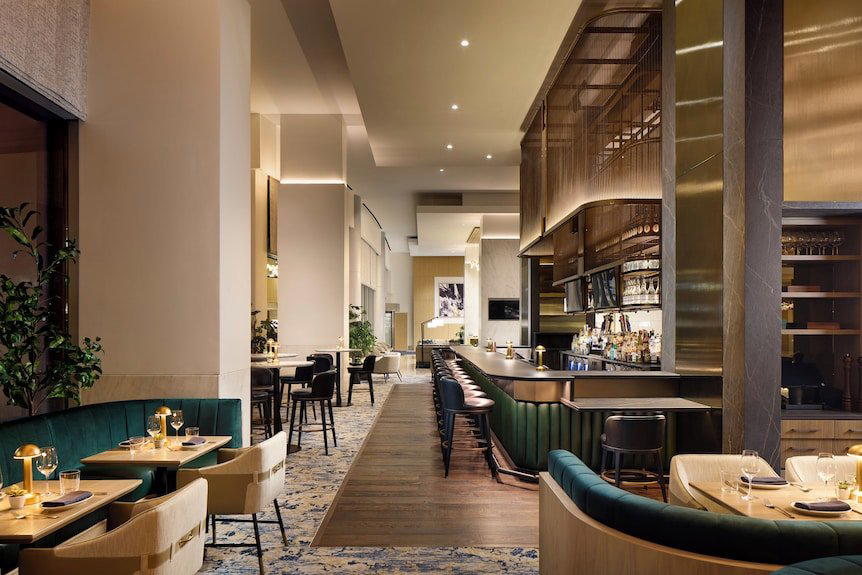
Cozy atmosphere featuring exposed brick, dark wood floors, rustic colors, comfortable seating, and lively energetic feel under approachable lighting.