Our verdict
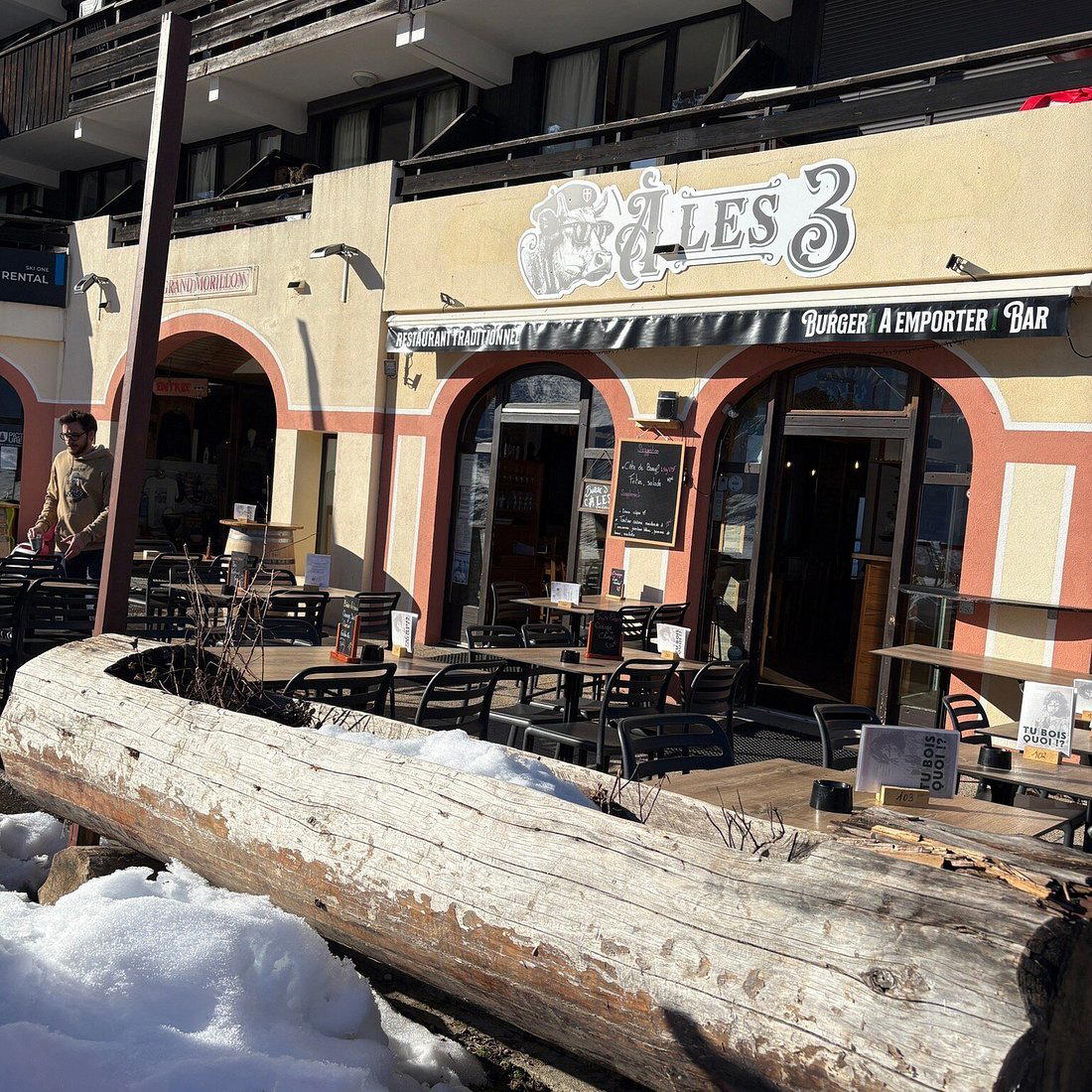
A les 3 sits at 304 Chemin du Front de Neige in Morillon, a small ski village in the Grand Massif area of the French Alps. In a region where mountain dining ranges from roadside crêperies to serious table d'hôte traditions, it occupies a local address worth knowing before you arrive. Check current hours and booking directly with the venue.

Pearl is the En Primeur Club membership app — saves, bookings, and concierge access live there. Same editors, same standards.
Mountain Dining in the Grand Massif: Where Morillon Fits
The French Alps support two distinct restaurant cultures that rarely overlap. At one end sit the destination tables of towns like Megève, where Flocons de Sel has built a three-Michelin-star program around alpine produce sourced from a small radius of farms and foragers. At the other end, in quieter ski villages with fewer tourists and lower property costs, a more grounded tradition operates: family-run rooms and unpretentious dining that answers to the rhythm of the snow season rather than the requirements of a guide. Morillon belongs to this second category. Part of the Grand Massif ski area alongside Samoëns, Sixt-Fer-à-Cheval, and Les Carroz, it draws a quieter, largely French clientele compared to the international crowds of Chamonix or Courchevel. The restaurants here are not competing for star ratings; they are feeding skiers, walkers, and families who want the Alps on a plate without a tasting menu attached.
A les 3, addressed at 304 Chemin du Front de Neige, sits squarely inside that village tradition. The address itself signals position: the Front de Neige is the snow-front zone immediately at the base of the ski lifts, the part of a French Alpine village where après-ski transitions into dinner and the mood is driven by the mountain outside rather than the décor within. Venues in this position typically serve a mixed crowd of day visitors coming off the slopes and resort guests looking for something direct before returning to their accommodation. The format is usually unpretentious, portion-led, and calibrated to hunger earned outdoors.
The Sourcing Logic of Alpine Cooking
To understand what drives the better village restaurants in the Haute-Savoie, it helps to understand what the surrounding land produces. The Savoie and Haute-Savoie departments together form one of France's most coherent regional food cultures, built on dairy above almost everything else. Reblochon, Abondance, Beaufort, and Tomme de Savoie are all produced within an hour or two of Morillon, and they appear on plates across the region in gratins, fondues, raclettes, and tartiflettes. These are not imported comfort foods; they are the direct product of the high-altitude pastures visible from the dining rooms that serve them. When a Haute-Savoie restaurant puts a Beaufort gratin on the table, the cheese may well have been pressed and aged at a cooperative in the Beaufortain valley, the milk drawn from cattle that spend the warmer months above 1,500 metres.
This sourcing logic extends to charcuterie. The diot, a pork sausage traditionally cooked in white wine, and the pormoniers made with wild herbs and greens are produced locally and appear across the village restaurants of the Grand Massif. The same applies to freshwater fish: the lakes of the Haute-Savoie, particularly Lake Geneva and Lake Annecy, supply Arctic char and perch to kitchens throughout the department. A region that is often reduced to fondue and raclette in popular imagination is, in practice, running a supply chain that connects mountain pasture, lake fishery, and artisan charcutier in a way that the starred restaurants of France's cities would recognise as serious sourcing. Restaurants like Bras in Laguiole have made the case that regional identity expressed through local ingredients can reach the highest critical levels. In the Alps, the same logic operates at every price point, from the grand tables down to the village address at the foot of the lifts.
For context on how French fine dining has formalised this approach at the upper end, the programs at Mirazur in Menton, Alléno Paris au Pavillon Ledoyen, and AM par Alexandre Mazzia in Marseille each demonstrate how rigorous ingredient sourcing becomes the structural backbone of a menu rather than a marketing footnote. At the village level, the same principle holds even without the critical apparatus around it.
Approaching A les 3
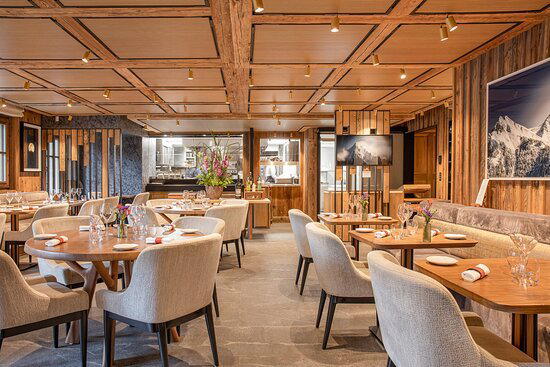
The Front de Neige position means the approach to A les 3 follows the natural movement of the mountain day. On snow, you come down from the slopes and the restaurant is in front of you. In summer, when the Grand Massif shifts toward hiking and trail running, the same zone becomes the departure and arrival point for day walks. Either way, the physical setting does much of the work: the Alps frame the experience before you sit down. This is not a restaurant where the interior architecture is the story. In this type of venue, the story is the mountain outside, the regional food on the table, and the particular relief of eating well after physical effort at altitude.
For those planning a wider exploration of serious French regional dining, the reference points spread across the country. Auberge de l'Ill in Illhaeusern, Troisgros in Ouches, Paul Bocuse in Collonges-au-Mont-d'Or, and Georges Blanc in Vonnas represent the benchmark tradition of French regional cooking at its most decorated. Further afield, Auberge du Vieux Puits in Fontjoncouse, Christopher Coutanceau in La Rochelle, La Marine in Noirmoutier-en-l'île, Assiette Champenoise in Reims, Au Crocodile in Strasbourg, and L'Oustau de Baumanière in Les Baux round out a picture of how deeply regional character runs through French cooking at every level. For international comparison, Le Bernardin and Atomix in New York show how French-rooted discipline translates across different culinary contexts entirely. See our full Morillon restaurants guide for more options across the village.
Planning Your Visit
Frequently asked questions
Can I bring kids to A les 3?
The Front de Neige address puts A les 3 directly on the mountain arrival point in Morillon, which is a practical asset for families coming off the slopes. That physical context — shared by most ski-base restaurants in the Grand Massif — tends to produce an environment comfortable for children.
Is A les 3 formal or casual?
A les 3 sits at 304 Chemin du Front de Neige in Morillon, a village-scale stop within the Grand Massif ski area rather than a resort hotel dining room. That positioning points firmly toward relaxed mountain-day dress: ski gear, boots, and base layers are the working uniform at Front de Neige addresses throughout the Haute-Savoie, and nothing in the venue's profile suggests otherwise.
Is A les 3 open year-round or only during ski season?
A les 3 sits at the Front de Neige in Morillon, a position tied directly to the Grand Massif's operational calendar. The ski area typically runs from December through April, with a secondary summer season in July and August serving hikers and cyclists using the same lifts. Outside those windows, Morillon quiets considerably, and Front de Neige venues generally follow the mountain's rhythm rather than staying open independently.
What's the must-try dish at A les 3?
No menu details are confirmed for A les 3 in Morillon, so naming a single dish would be speculation. What the Front de Neige location does signal is alignment with the practical, produce-led cooking that characterises Haute-Savoie mountain dining: Savoie cheeses, charcuterie, and hearty hot dishes suited to a ski-day schedule. Checking the current menu on arrival is the most reliable approach.
What part of town is A les 3 in?
A les 3 is located at 304 Chem. DU FRONT DE NEIGE, 74440 Morillon, France, Morillon.
Should I book A les 3 in advance?
Morillon and the Grand Massif run on a compressed seasonal window — typically December through April for winter, with a summer reopening in July and August — which concentrates demand at Front de Neige venues across a limited number of service days. No confirmed booking policy exists for A les 3, but the seasonal pattern common to Haute-Savoie mountain restaurants means securing a table before peak weekend days is generally the safer approach.
| Venue | Cuisine | Price | Awards | Notes |
|---|---|---|---|---|
| A les 3This venue — the venue you are viewing | Savoyard Crêperie & Pizzeria | $20–30 | Not listed | Not listed |
| Alléno Paris au Pavillon Ledoyen | Modern French Fine Dining | $150–200 | 3 Michelin Stars · World's 50 Best #79 | Creative |
| Kei | Modern French with Japanese Influences | $300–500 | 3 Michelin Stars · World's 50 Best #93 | Contemporary French, Modern Cuisine |
| L'Ambroisie | Classic French Haute Cuisine | $300–500 | 2 Michelin Stars · World's 50 Best #23 | French, Classic Cuisine |
| Le Cinq - Four Seasons Hôtel George V | Modern French Fine Dining | $300–500 | 3 Michelin Stars · World's 50 Best #24 | French, Modern Cuisine |
| Mirazur | Modern French Fine Dining | $300–500 | 3 Michelin Stars · World's 50 Best #1 | Modern French, Creative |
Continue exploring
More in Morillon
Restaurants in Morillon
All restaurants in Morillon →
Bars in Morillon
Browse all →

Details
- Rustic
- Cozy
- Casual Hangout
- After Work
- Terrace
- Mountain
- A La Carte
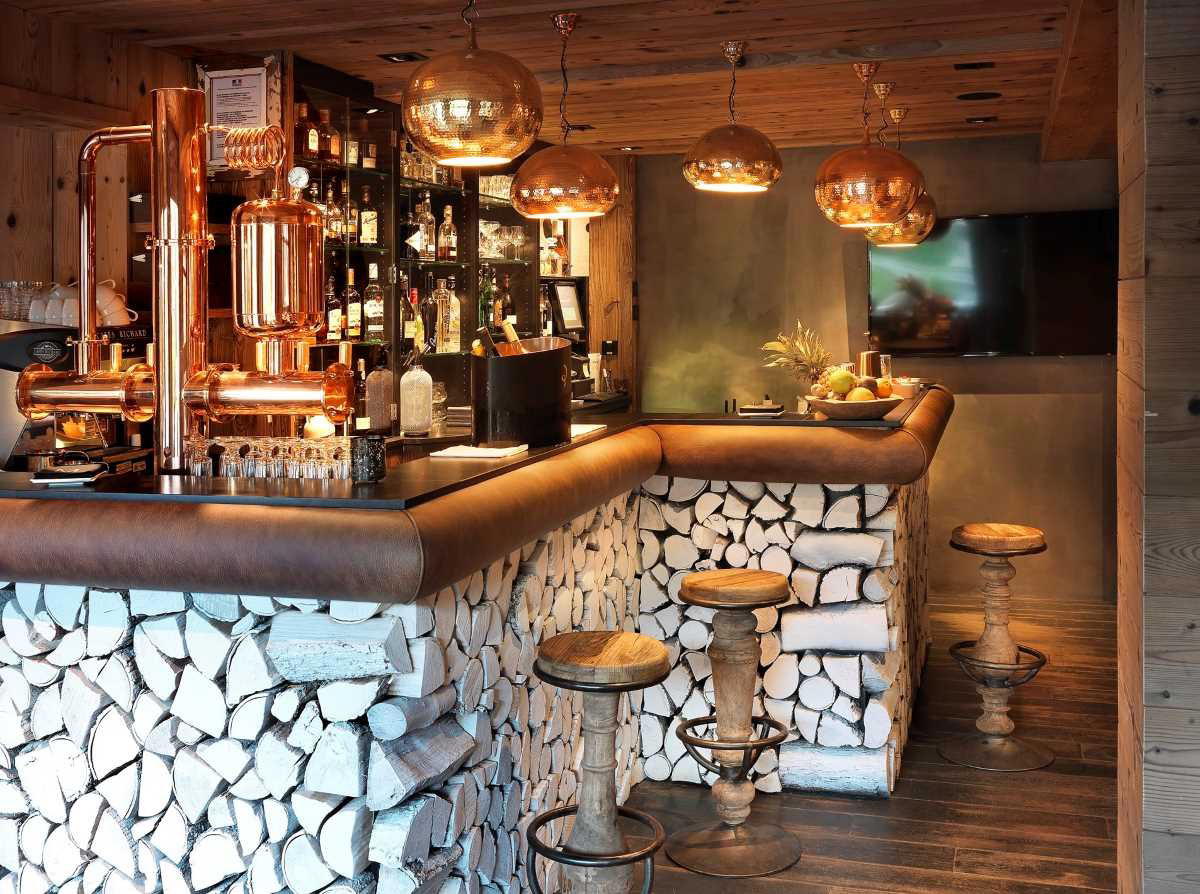
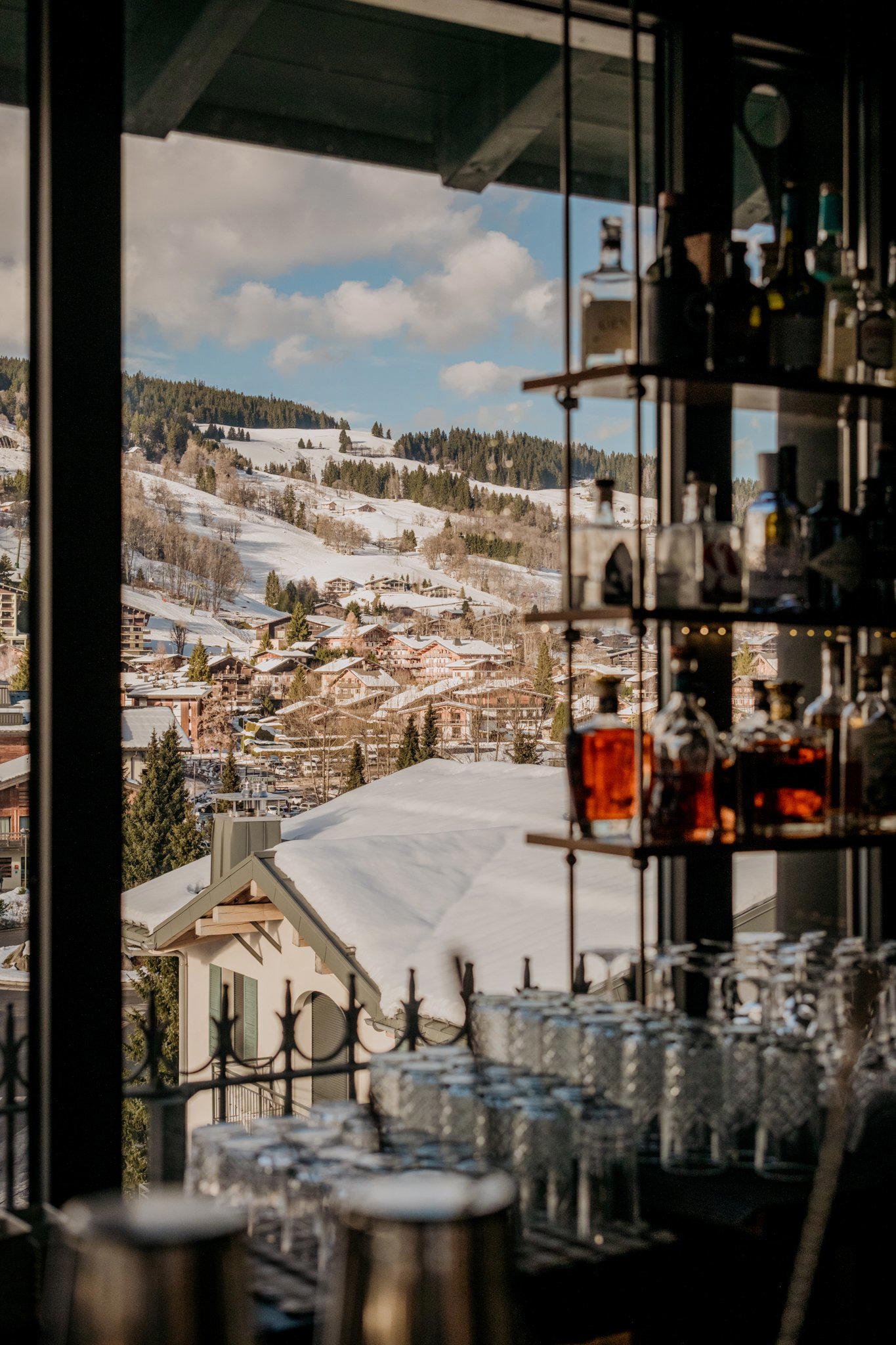
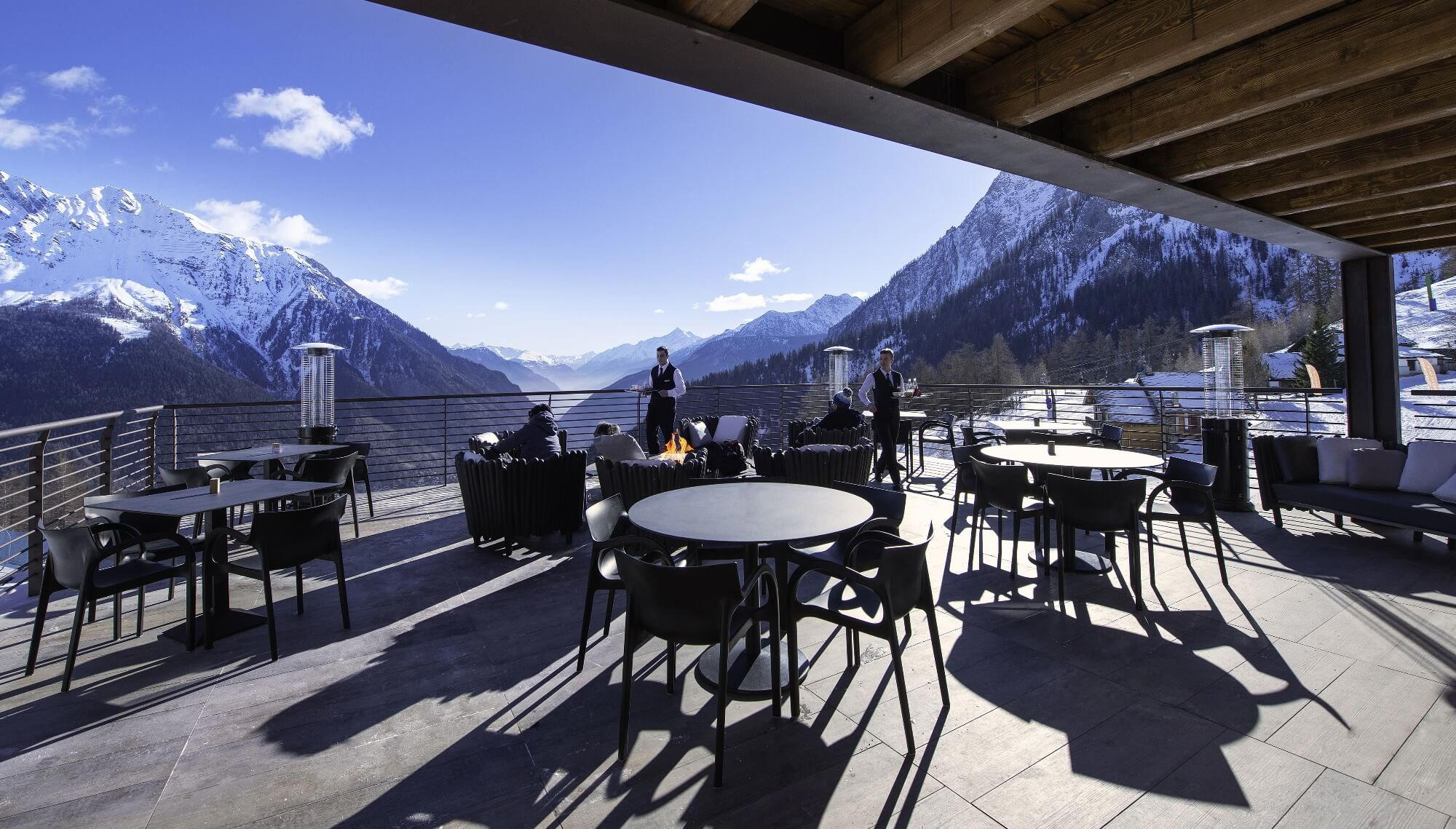
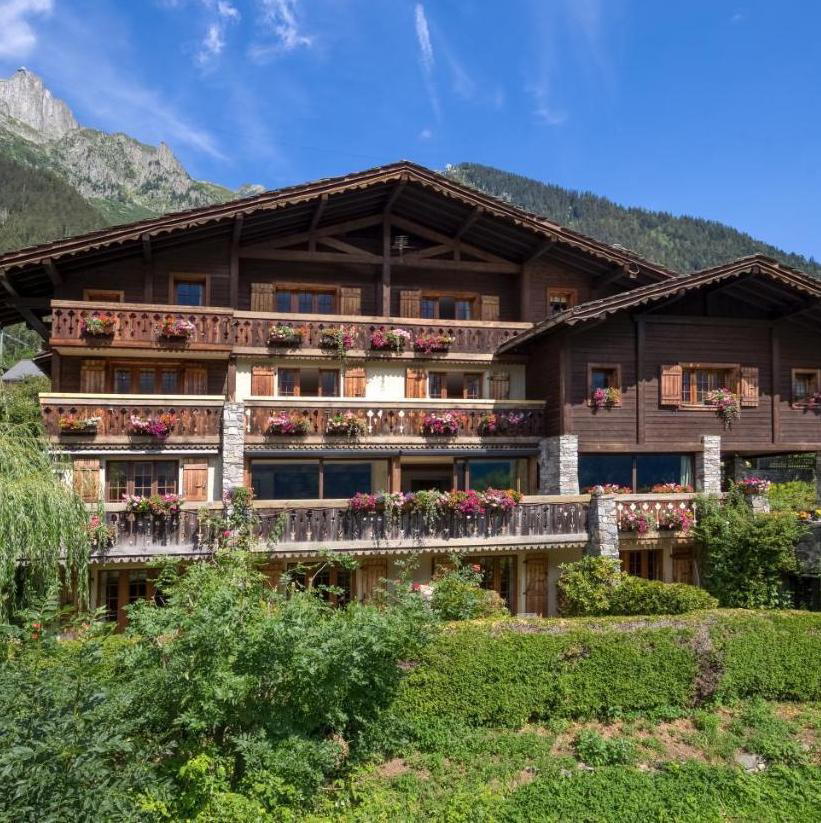
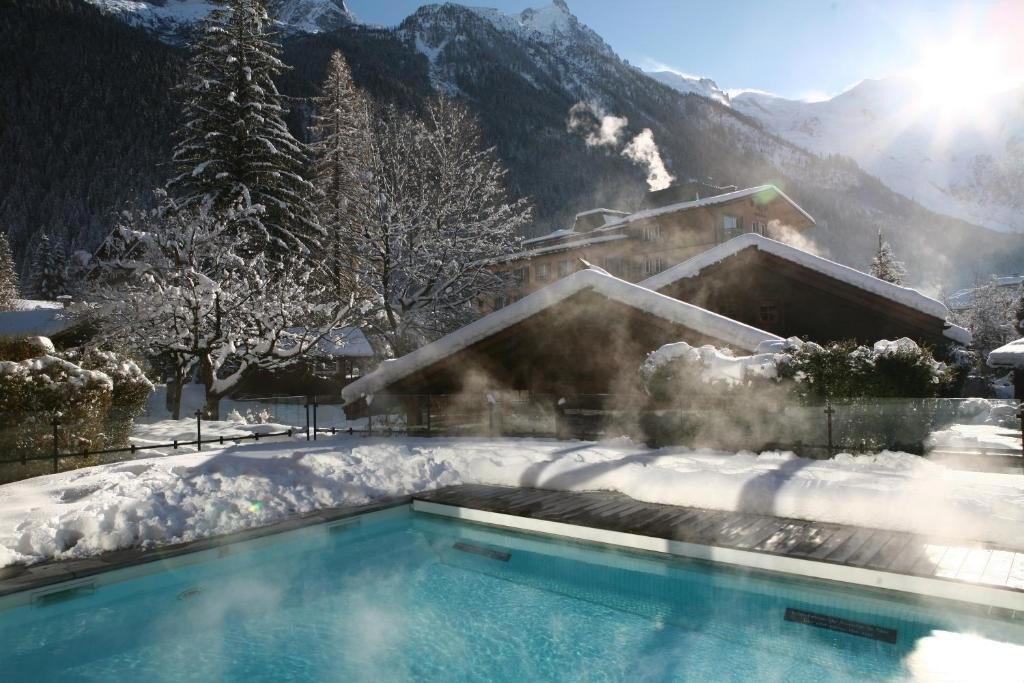
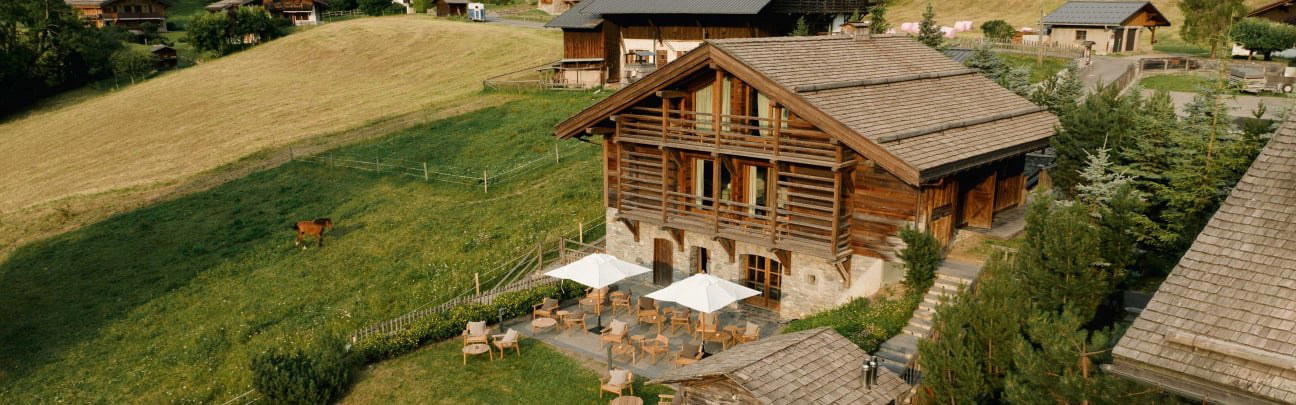
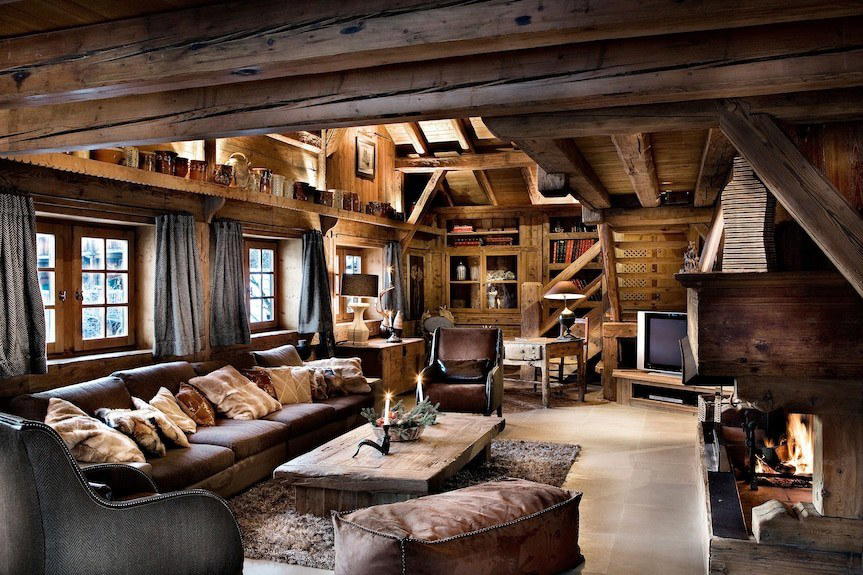
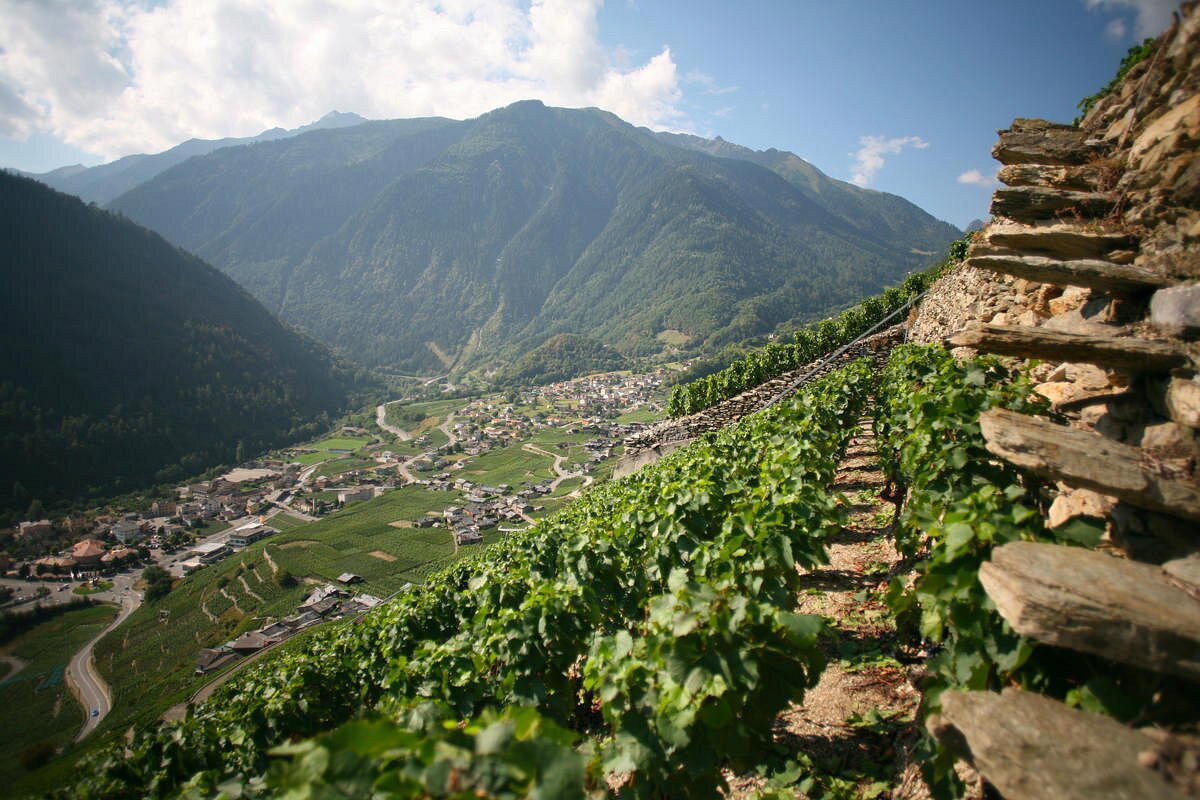
Savoyard decor in a mountain setting with après-ski atmosphere.