Restaurant Du Fromage
Our verdict
In the village of Malbuisson on the shores of Lac de Saint-Point, Restaurant Du Fromage anchors itself in the cheese-making traditions of the Franche-Comté region. The kitchen draws on one of France's most ingredient-driven terroirs, where raw-milk cheeses, mountain-grazed livestock, and lacustrine produce define what lands on the plate. For travellers moving through the Doubs valley, it occupies a distinct position among Malbuisson's dining options.

Pearl is the En Primeur Club membership app, where members save venues, book tables and use the concierge.

The menu
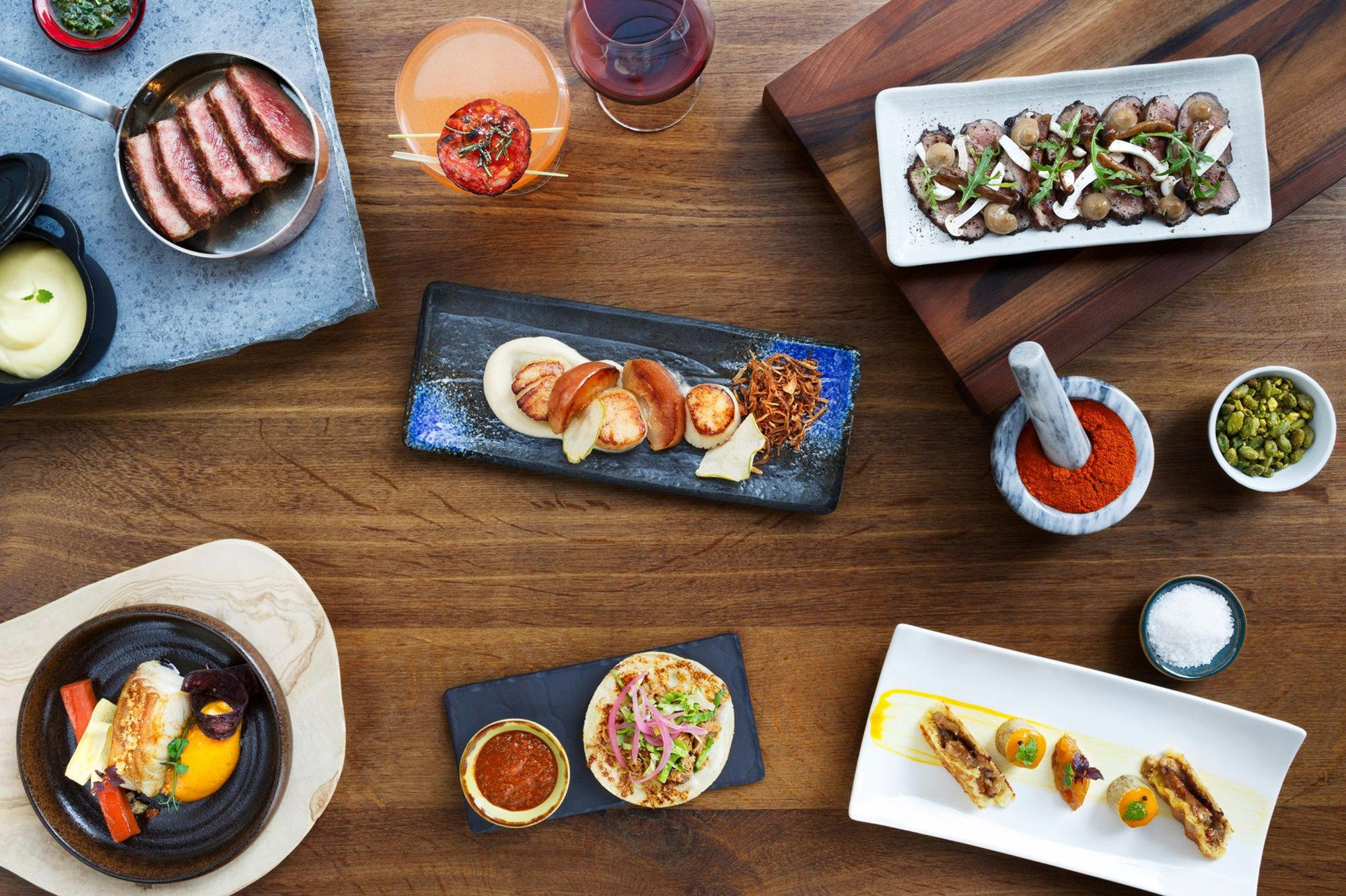
What to order
- Fondue
- Raclette
- Boîte chaude
- Tartes flambées
Where Comté Country Meets the Table
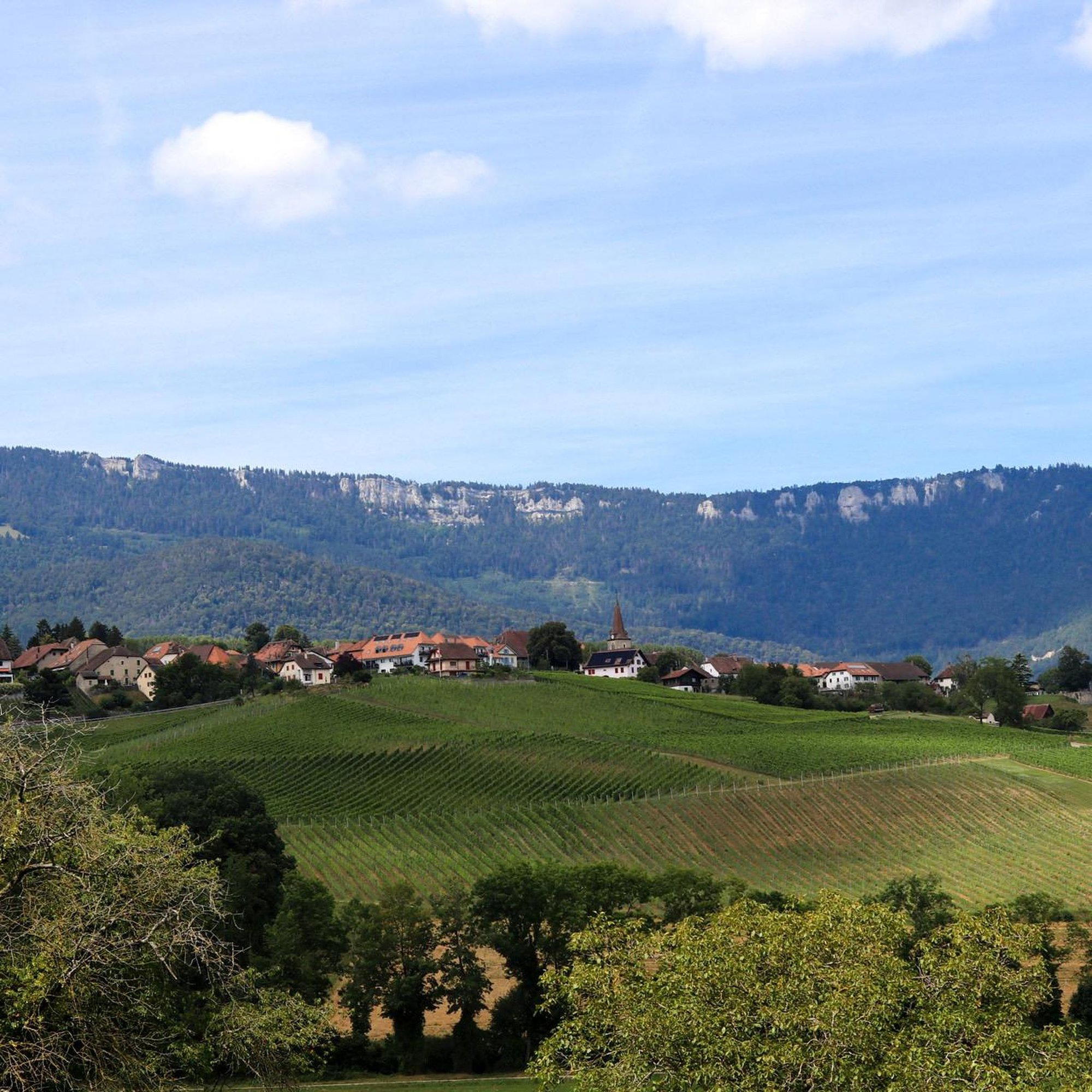
The Franche-Comté plateau is one of France's most legible food regions: what grows and matures here shows up, with relatively little mediation, on local plates. Lac de Saint-Point sits at the centre of this territory, and Malbuisson, the small lakeside village at its northern edge, has developed a modest but earnest dining scene that reflects the surrounding farmland rather than chasing urban trends. Restaurant Du Fromage, at 65 bis Grande Rue, sits on the village's main street within walking distance of the lake, positioned as a distinctly regional address in a town where ingredient provenance is less a marketing posture than a geographical fact.
The broader context matters here. Franche-Comté produces Comté AOP, Morbier AOP, and Mont d'Or AOP, three of France's most rigorously regulated raw-milk cheeses, each tied by law to specific pasture altitudes and production methods. The milk that makes Comté must come from Montbéliarde or Simmental cows grazing on mountain grass, and the cheese wheels must be aged in designated affineurs, often for 12 to 24 months. This is not a region where ingredient sourcing is an abstract aspiration; it is a legally codified, geographically enforced reality. A restaurant operating under the name Du Fromage in this département carries an implicit contract with that tradition.
The Ingredient Logic of the Doubs Valley
Understanding what makes the Franche-Comté terroir distinct requires a brief mapping of the supply chain. The Doubs département, in which Malbuisson sits, connects high-altitude summer pastures (the chaumes) to valley-floor production facilities and then to urban and local markets. Cheese dominates, but the region also produces freshwater fish from its lakes and rivers, notably perch and pike-perch from Lac de Saint-Point itself, as well as cured meats in the Jura tradition: smoked saucisse de Morteau and saucisse de Montbéliard, both carrying protected geographical indication status.
For a kitchen in Malbuisson, this supply geography is an advantage. The proximity to primary producers, affineurs, lake fishermen, small-scale charcutiers, compresses the distance between source and plate in ways that urban restaurants in Lyon or Paris can only approximate through logistics. Addresses like Bras in Laguiole and Flocons de Sel in Megève have made this kind of mountain-terroir proximity central to their culinary identities at the starred level; in Malbuisson, the same logic operates at a village scale, without the institutional apparatus. For comparison, the sourcing philosophy at Mirazur in Menton or Auberge du Vieux Puits in Fontjoncouse similarly depends on tight geographic specificity, the difference is altitude, latitude, and the particular character of the ingredients in question.
How Cheese Functions as a Culinary Framework
In most French restaurant contexts, cheese arrives as a course: a selection on a trolley, a wedge on a board, a punctuation mark between the main and the dessert. In a restaurant whose identity is organised around fromage, the cheese functions differently, as a recurring structural element across the meal rather than a single moment. This approach has precedents in French regional cooking: fondue and raclette formats in Savoie, aligot in the Aubrac, gougères in Burgundy. Franche-Comté's version leans on Comté as a cooking cheese (its low moisture and nutty depth make it unusually versatile in hot preparations) and on Mont d'Or as a seasonal centrepiece, available only between September and May when the spruce-bark-wrapped wheels reach optimal runny consistency.
This seasonality matters practically for visitors. A trip to Restaurant Du Fromage in January or February, when snow closes the higher Doubs passes and Lac de Saint-Point sits under cold fog, will encounter a different cheese-forward menu than a summer visit, when Mont d'Or is out of season but fresh Comté and lighter preparations take precedence. The rhythm of the regional cheese calendar is, effectively, the rhythm of the kitchen.
Malbuisson's Position Among Franche-Comté Dining
Malbuisson is not a dining destination in the way that Arbois, with its Jura wine culture and the legacy of Henri Maire, functions as a draw for wine-led travellers, nor does it carry the institutional weight of Besançon, the regional capital 70 kilometres north. What it offers is compactness and specificity: a small cluster of restaurants operating close to their source ingredients, without the pricing pressure or competitive noise of larger markets.
Within the village, Restaurant Du Fromage sits alongside Le Bon Accueil, which takes a modern cuisine approach, and Restaurant Le Lac, orientated more explicitly toward the lake and its fish. See our full Malbuisson restaurants guide for how these three addresses compare in format and price. Du Fromage occupies the most ingredient-specific niche of the three: where the others use regional produce as one element among many, the fromage focus creates a more singular editorial identity. For context on how French regional restaurants across different price tiers maintain that kind of specificity, addresses like Auberge de l'Ill in Illhaeusern, Georges Blanc in Vonnas, Troisgros in Ouches, Paul Bocuse in Collonges-au-Mont-d'Or, and Assiette Champenoise in Reims demonstrate the range of what committed regionality looks like at different levels of ambition and resource. At the creative end of French haute cuisine, Alléno Paris au Pavillon Ledoyen, AM par Alexandre Mazzia in Marseille, and Au Crocodile in Strasbourg show how ingredient identity scales into fine-dining architecture, Du Fromage operates in a far more modest register, but the underlying commitment to place is recognisable. Further afield, Christopher Coutanceau in La Rochelle provides a parallel example of a restaurant whose identity is inseparable from a single dominant local ingredient category.
Planning Your Visit
Malbuisson is accessible by car from Besançon (approximately 70 kilometres south on the D683) or from Pontarlier, which is served by rail from Lausanne and Dijon. The village itself is compact enough to walk between the lake and the main street where Restaurant Du Fromage is located. For visitors crossing from Switzerland via the Pontarlier-Vallorbe route, the restaurant sits close enough to the border that a day trip is practicable, though the Doubs valley rewards an overnight stay.
Frequently asked questions
Is Restaurant Du Fromage good for families?
Malbuisson is a small plateau village on Lake Saint-Point, drawing a mix of local residents and visitors rather than an exclusively fine-dining crowd, which generally points toward a relaxed atmosphere suited to families. The restaurant's address on the Grande Rue places it in the village centre rather than a resort or hotel context.
How would you describe the vibe at Restaurant Du Fromage?
The setting, a village address at 65 bis Grande Rue in Malbuisson, population under 500, points toward something closer to a neighbourhood table than a destination restaurant in the Arbois or Besançon sense. Franche-Comté dining culture at this scale tends to be unhurried and rooted in local produce rather than performance. The name itself signals a direct, ingredient-led philosophy: cheese is the organising principle of the menu, not a supporting act.
Does Restaurant Du Fromage in Malbuisson specialise in a particular regional cheese tradition?
Malbuisson sits within the Doubs département, the heartland of Comté production, France's highest-volume AOC cheese, aged in fruitières across the Jura plateau. A restaurant named Du Fromage in this location almost certainly draws on that supply chain, where the distance between an affineur and a kitchen can be measured in kilometres rather than supply-chain links. The Doubs also produces Morbier and Mont d'Or, the latter a seasonal washed-rind cheese available only from September to March, which shapes what any cheese-centred menu in this region can offer across the year.
What's the best thing to order at Restaurant Du Fromage?
The name signals where the kitchen's priorities lie: dishes built around Comté, Morbier, or Mont d'Or, the three AOC cheeses produced within the Doubs département, are the logical focus. In Franche-Comté's restaurant tradition, these are not simply served on a board but incorporated into cooked preparations alongside regional staples such as morilles and smoked meats from the Haut-Doubs.
Where exactly is Restaurant Du Fromage?
Restaurant Du Fromage is located at 65 bis Grande Rue, 25160 Malbuisson, France, Malbuisson.
At-a-Glance Comparison
Comparable venues nearby, for context on price, style, and recognition.
| Venue | Cuisine | Price | Awards | Notes |
|---|---|---|---|---|
| Restaurant Du FromageThis venue (the venue you are viewing) | Franche-Comté Cheese Specialties | $20–30 | Not listed | Not listed |
| Restaurant Le Lac | Traditional French Franc-Comtoise | $30–50 | Not listed | Malbuisson |
| Le Bon Accueil | Franche-Comté Gastronomic Fine Dining | $50–100 | 1 Michelin Star | Malbuisson |
| L’aventure | French Mountain Grill | $30–50 | Not listed | Oz en Oisans |
| Les Tables d'antan | Traditional Franc-Comtois French | $20–30 | Not listed | Centre-ville |
| Le Cercle | Bistronomie Comtoise | $30–50 | Not listed | historic center |
Continue exploring
More in Malbuisson
Restaurants in Malbuisson
All restaurants in Malbuisson →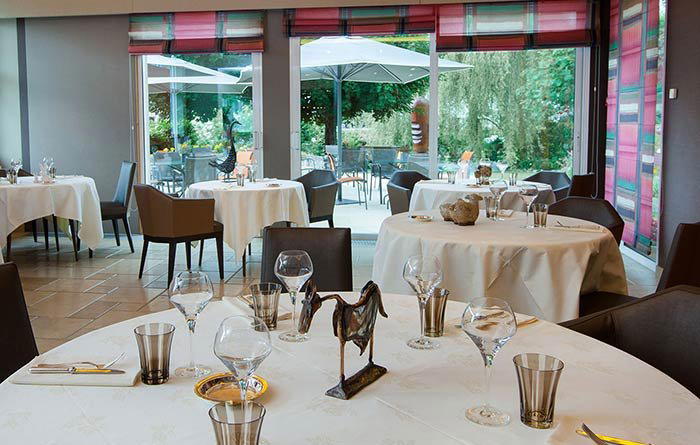
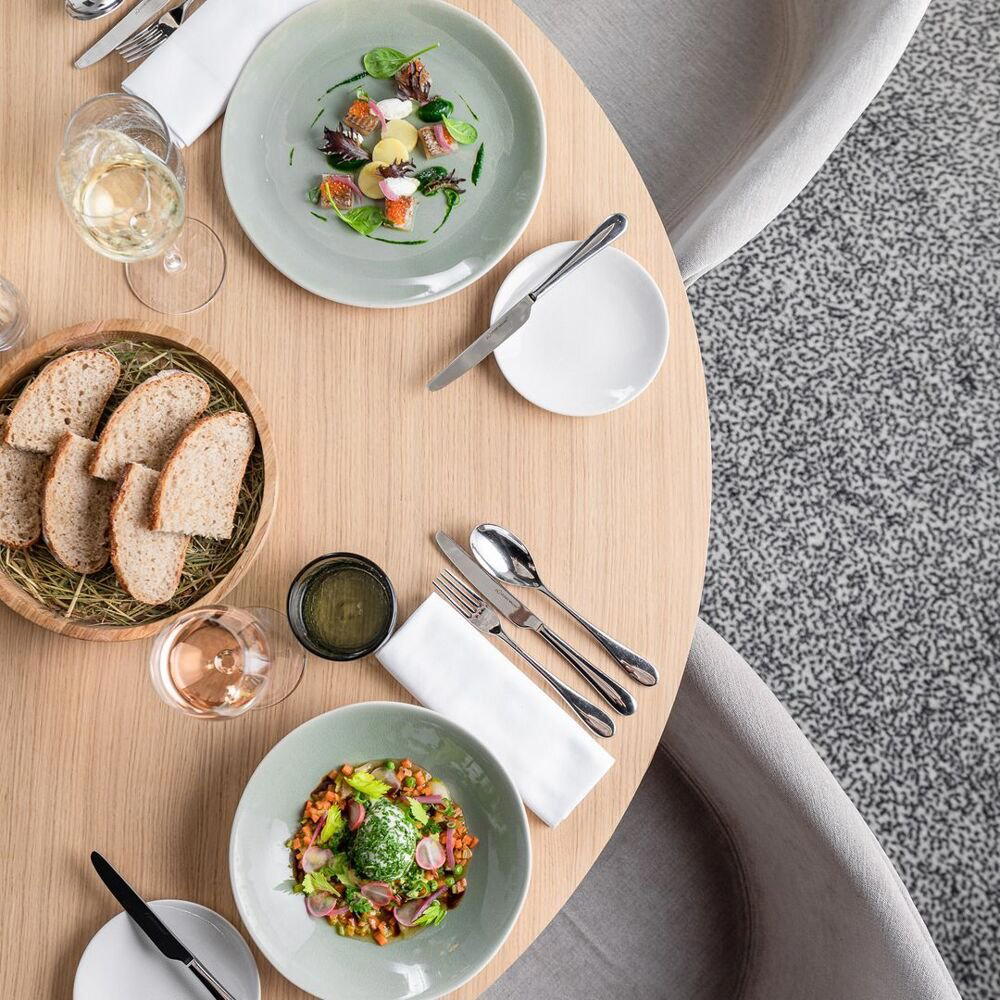
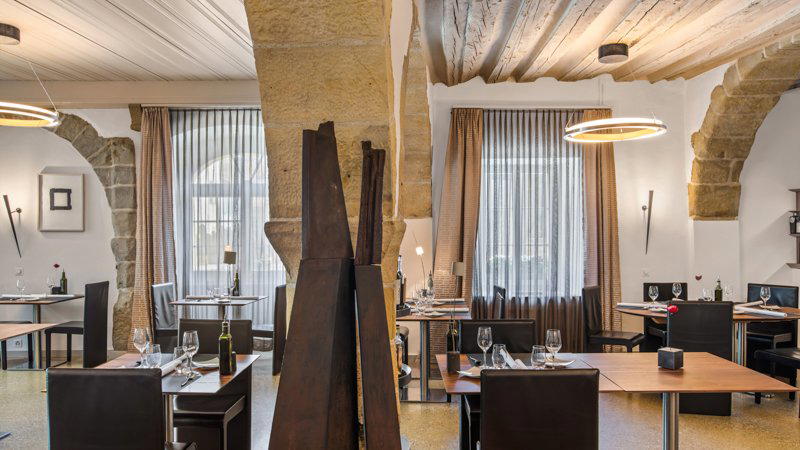
Bars in Malbuisson
Browse all →

Details
- Cozy
- Rustic
- Intimate
- Family
- Casual Hangout
- Historic Building
- Local Sourcing
- A La Carte
- Vegetarian Friendly
Current opening hours
- Monday
- 12–1:30 PM, 7–8:30 PM
- Tuesday
- Closed
- Wednesday
- Closed
- Thursday
- 12–1:30 PM, 7–8:30 PM
- Friday
- 12–1:30 PM, 7–8:30 PM
- Saturday
- 12–1:30 PM, 7–8:30 PM
- Sunday
- 12–1:30 PM, 7–8:30 PM
Hours can change for holidays and private events. Hours as of .
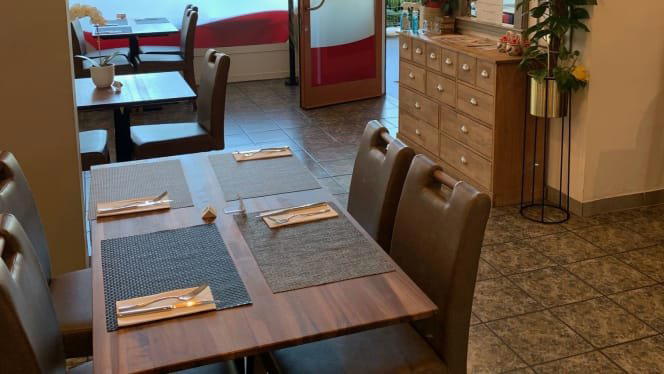
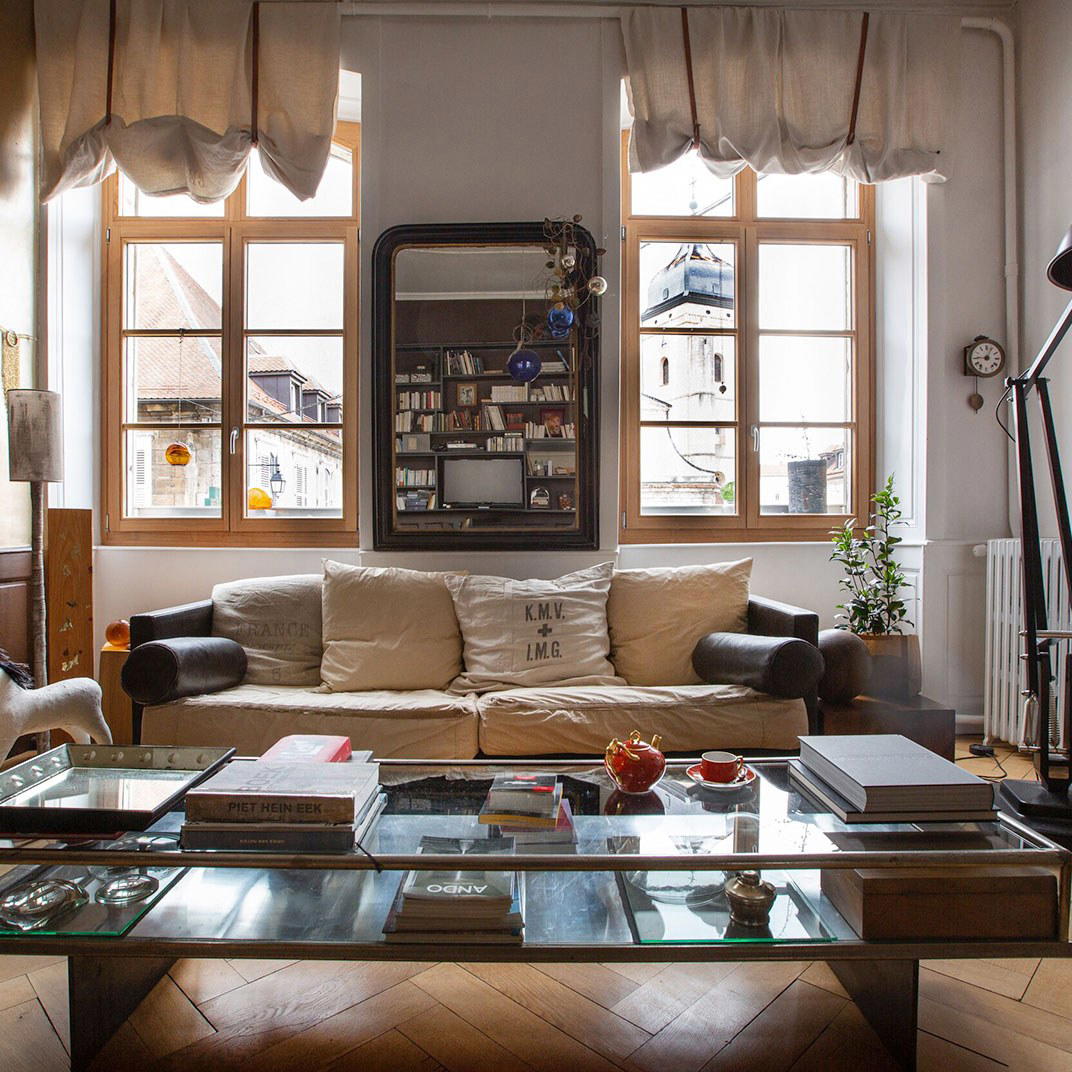
Warm and friendly atmosphere with charming hand-carved wooden interior creating a cozy, rustic charm.