Le Fangle sits along the Route de l'Alpage outside Morzine's centre, placing it in the quieter upland corridor where the valley's dining scene trades resort-strip energy for a more grounded alpine register. The address alone signals something about pacing and intention. For visitors moving between Morzine's more central tables and the higher-altitude options above Avoriaz, Le Fangle occupies a distinct geographical and atmospheric position.
Pearl is the En Primeur Club membership app — saves, bookings, and concierge access live there. Same editors, same standards.
- Address
- 620 Rte de l'Alpage, 74110 Morzine, France
- Phone
- +33450740224
- Directions
- Get directions
 Saves & bookings on Pearl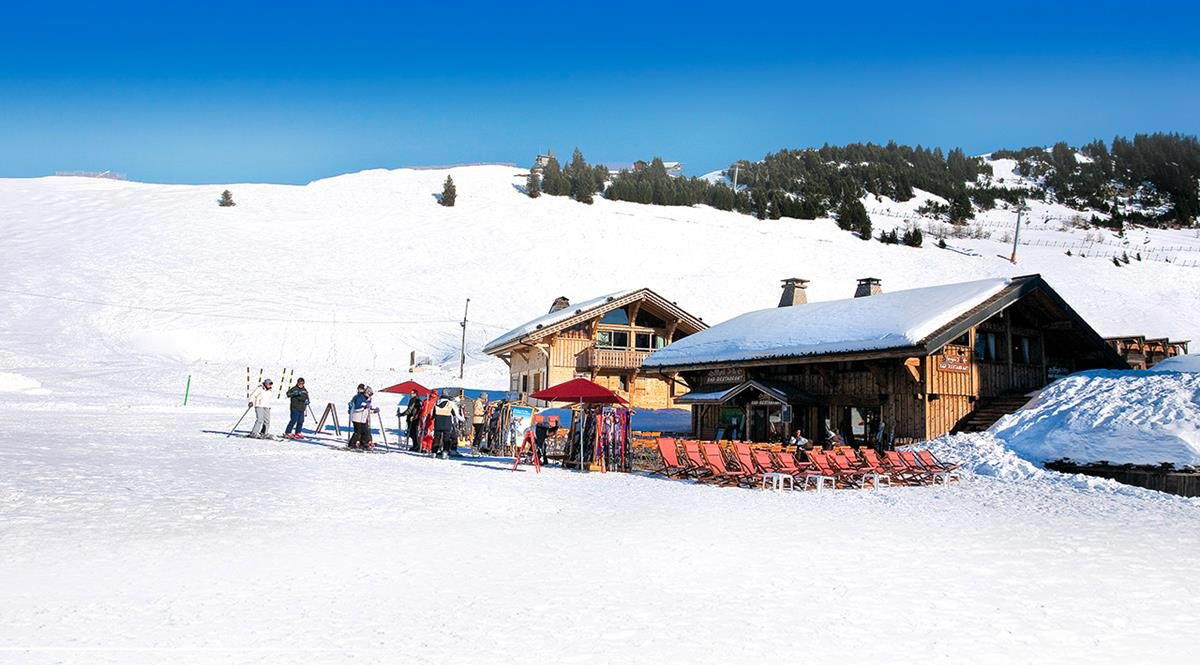
The Route de l'Alpage and What It Signals
There is a particular rhythm to eating well in the French Alps, and it rarely begins on the main drag. The restaurants that earn sustained local attention tend to sit further out, along roads that reward a short drive or a deliberate walk. Le Fangle, at 620 Route de l'Alpage in Morzine, follows that pattern. The address places it along the alpage corridor — the route that climbs toward summer pasture — and that geography carries a certain meaning before you ever sit down. You are not eating amid the après-ski churn. You are somewhere quieter, where the meal is more likely to be the event itself rather than a prelude to something else.
Morzine's dining scene has matured considerably over the past decade. The Portes du Soleil's pull as a year-round destination has drawn a wider range of operators, and the better establishments now hold their own against the broader Haute-Savoie benchmark. That benchmark is serious: Flocons de Sel in Megève operates at three-Michelin-star level barely an hour away, and the region's culinary tradition, rooted in Savoyard produce and refined over generations, is not decorative context. It is the actual standard against which mountain restaurants get measured. Within Morzine specifically, Le Fangle sits alongside a cohort of address-driven tables that include L'Atelier, L'Etale, La Chamade, La Chaudanne, and the higher-altitude Les Enfants Terribles Avoriaz.
The Dining Ritual in the Alpine Register
Mountain dining in France carries its own set of customs, and they differ meaningfully from the urban fine-dining codes that govern tables like Alléno Paris au Pavillon Ledoyen or Mirazur in Menton. The pacing is generally longer and less formal. Alpine meals are structured around the table as a sustained social space rather than a sequence of technical courses to be assessed. Cheese arrives with real weight and intention. Wine selections tend to lean toward Savoie and Rhône appellations, where regional loyalty intersects with genuine quality. Bread and charcuterie set a tone early, and the main courses, typically centred on Savoyard staples like reblochon, Abondance, or local game, are not small. This is not cuisine designed for restraint.
Within that tradition, the restaurants along routes like the Route de l'Alpage tend to lean further into the unhurried end of the spectrum. Proximity to the actual alpage, the high pasture that produces much of the cheese and some of the lamb that defines mountain cooking, is not purely geographical. It establishes an expectation about what you will eat and how long it will take. A two-hour table is a reasonable default. Three is not unusual. That pacing shapes the entire experience: how you order, when you ask for wine recommendations, whether you take a digestif. The ritual has its own internal logic, and it rewards guests who arrive without an agenda for the evening beyond the meal itself.
This places Le Fangle in a tradition that runs through some of France's most deliberate dining institutions. The unhurried seriousness of places like Auberge de l'Ill in Illhaeusern or Bras in Laguiole is a different expression of the same underlying conviction: that a meal should have a proper beginning, middle, and end, and that rushing any of them diminishes all of them. Mountain restaurants hold that conviction in their own register, shaped by altitude, season, and the specific generosity of alpine produce.
Morzine's Position in the Broader French Mountain Dining Context
The Haute-Savoie is not short of serious restaurants, and Morzine competes for attention within a département that includes Megève, Chamonix, and Annecy, all of which carry stronger dining reputations in the wider food press. That gap is partly a function of critical attention rather than actual quality. Megève benefits from its long-standing association with Parisian wealth and the kind of coverage that follows it; Annecy from its proximity to Geneva. Morzine's profile is more athletic and more international, drawing a British-skewed clientele that has historically been less focused on the table. That dynamic has shifted as the resort has attracted a more year-round, food-aware visitor base, and the restaurant cohort has responded accordingly.
For context on how seriously the French take mountain dining at its apex, the three-Michelin-star trajectory of Paul Bocuse - L'Auberge du Pont de Collonges or the technical ambition of AM par Alexandre Mazzia in Marseille and Assiette Champenoise in Reims represents one end of a long spectrum. Morzine's better tables sit somewhere in the middle of that spectrum, not competing for stars, but not indifferent to craft either. The Savoyard culinary tradition, drawing on dairy, cured meats, freshwater fish, and mountain herbs, gives even modest operators a strong raw-material foundation to work from. Where the better alpine restaurants distinguish themselves is in how carefully they source within that tradition and how much they resist the temptation to simplify for a tourist audience.
International comparisons occasionally illuminate what makes a regional dining culture distinctive. The counter-driven precision of Atomix in New York City or the seafood rigour of Le Bernardin in New York City operate in a fundamentally different register from alpine Savoyard cooking, but the shared underlying principle, that one important thing is fidelity to the leading available ingredient, translates across both contexts. And among France's own institutions, the generational confidence of Troisgros - Le Bois sans Feuilles or Au Crocodile in Strasbourg suggests that durability in French provincial dining comes from exactly that commitment.
Planning a Visit
Le Fangle is located at 620 Route de l'Alpage in Morzine, which sits outside the pedestrianised resort centre and is most easily reached by car or taxi. Given the alpage road's character, narrow in places and busier during peak season, arriving early enough to settle before a meal is the right approach. Morzine's core tourist calendar runs from mid-December through April for winter and July through August for summer, and table availability at the better local restaurants tightens considerably during both peaks. Checking availability well ahead of arrival is advisable, particularly during school holiday weeks when the resort fills to capacity. For a broader picture of what the town's restaurant scene offers across different categories and price points, the full Morzine restaurants guide covers the current cohort in full.
Continue exploring
More in Morzine
Restaurants in Morzine
Browse all →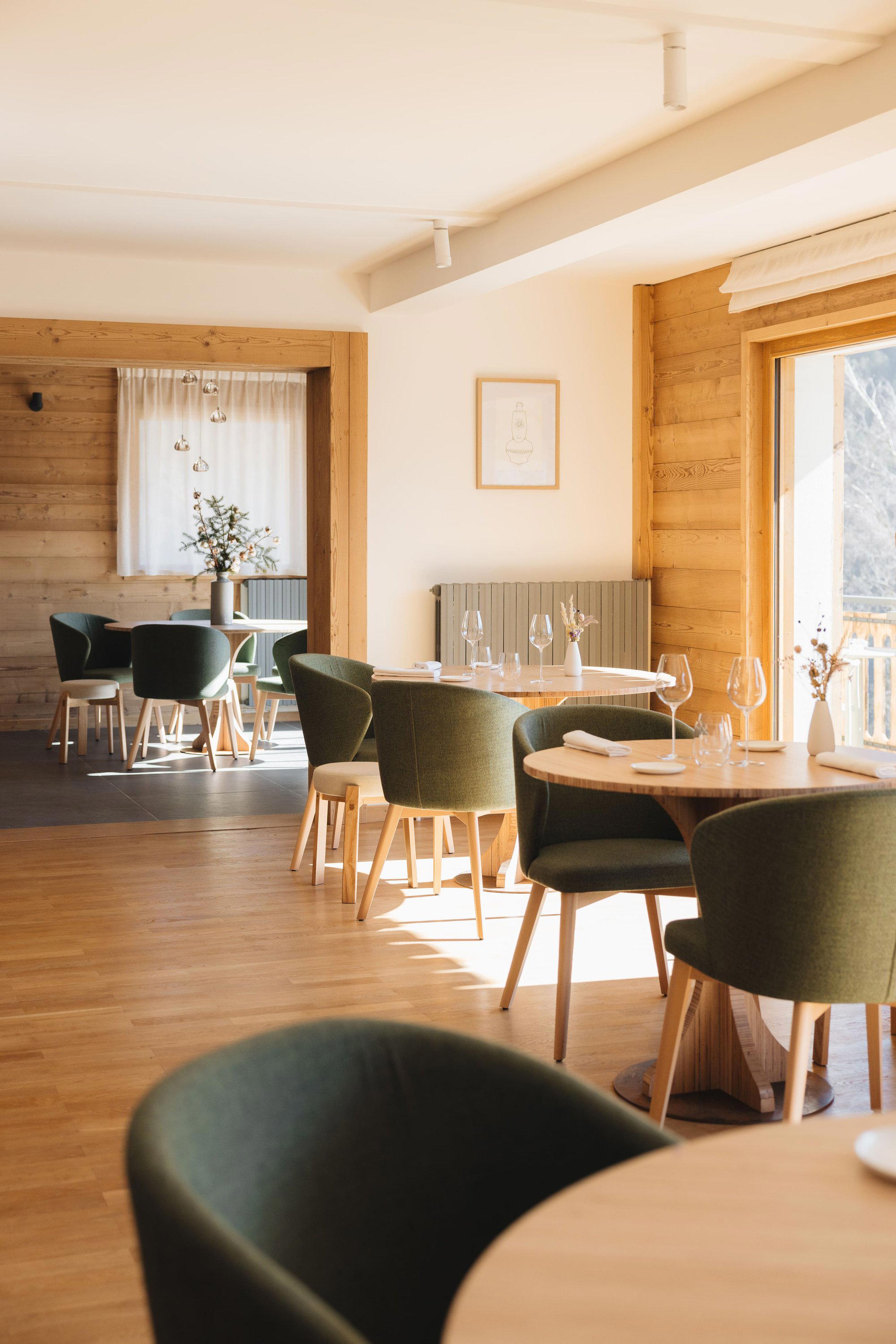
Bars in Morzine
Browse all →
Hotels in Morzine
Browse all →

At a Glance
- Rustic
- Cozy
- Scenic
- Classic
- Group Dining
- Casual Hangout
- Family
- After Work
- Terrace
- Panoramic View
- Standalone
- Beer Program
- Local Sourcing
- Mountain
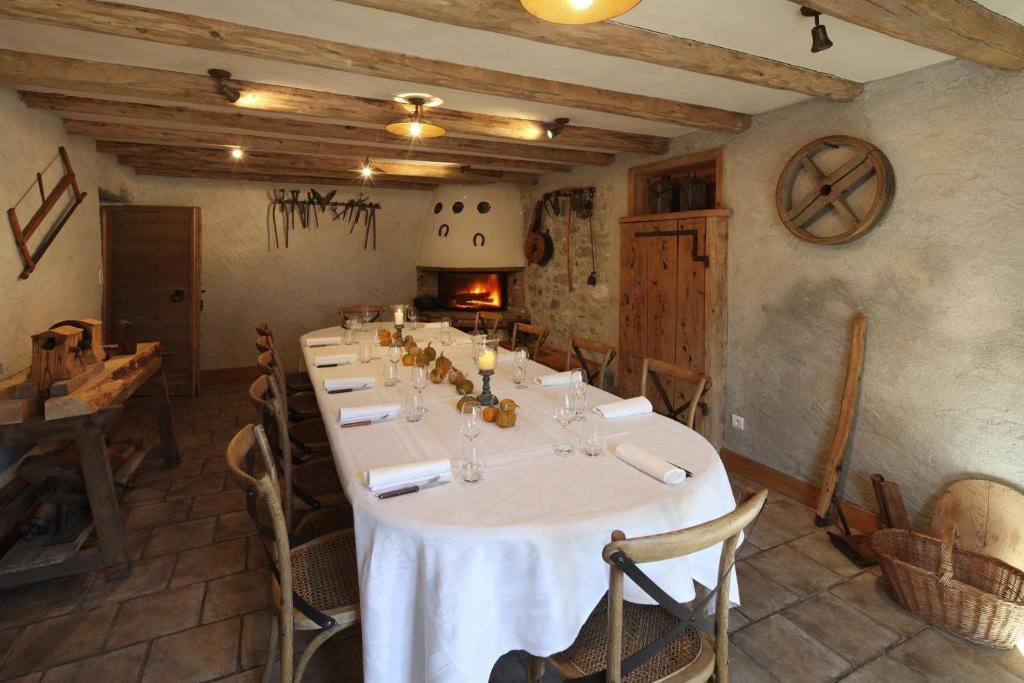
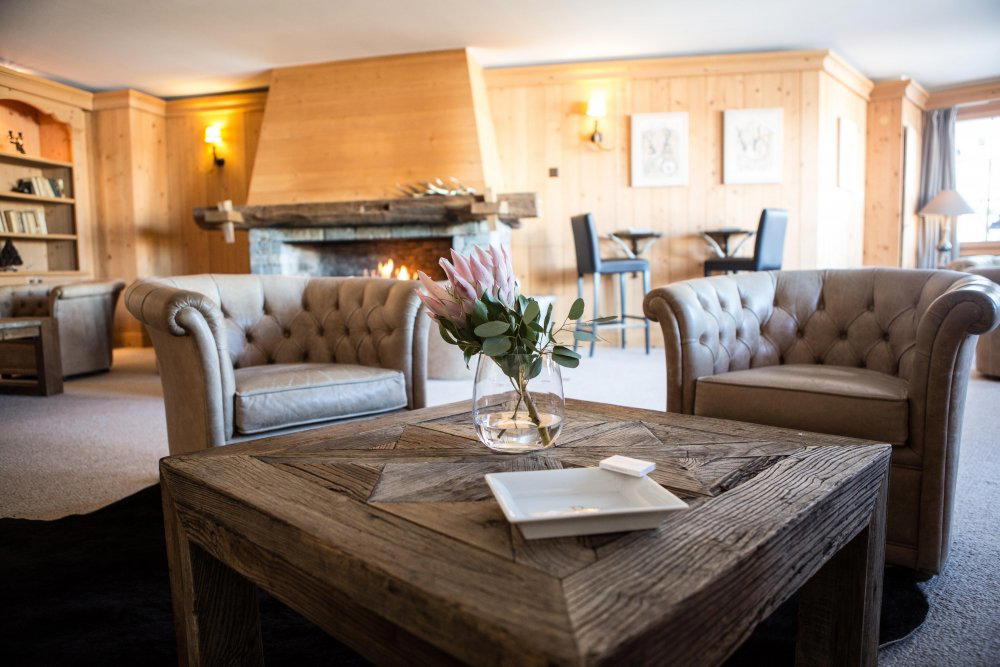
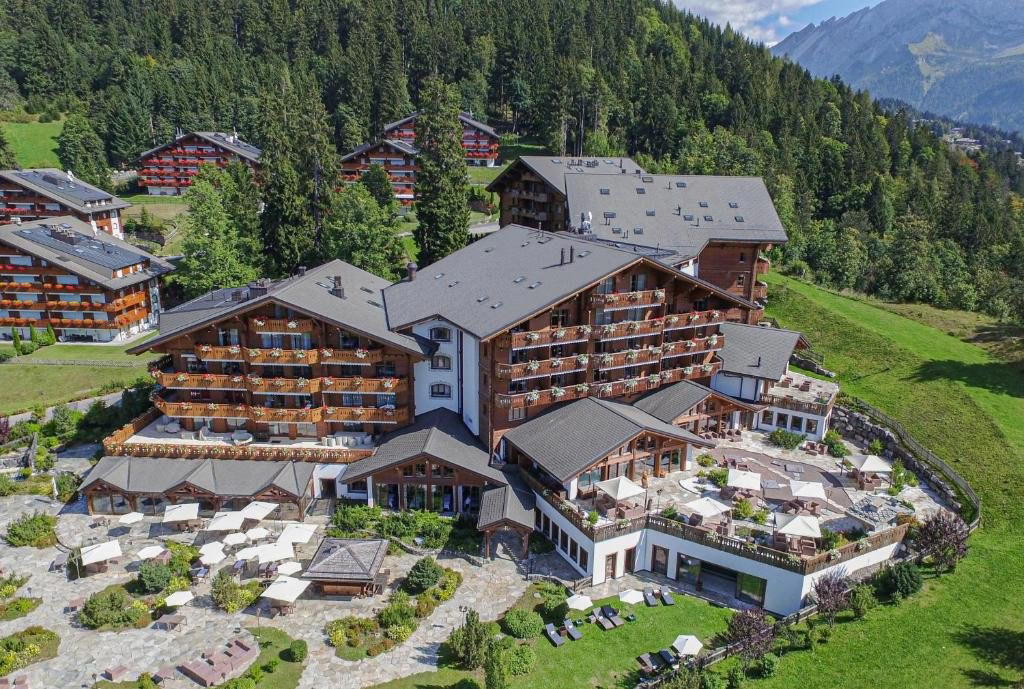
Spacious traditional alpine interior with wood throughout, central fireplace, warm and inviting atmosphere designed to energize skiers and mountain visitors.