
1 Michelin Star
Our verdict
A converted chalet at the upper edge of Abondance village, Chalet Flachaire serves a single set menu built on seasonal, locally sourced ingredients. Thomas Flachaire trained at Maison Troisgros in Ouches before opening this intimate room with his partner Estelle, and the cooking reflects that formation: light, precise, and grounded in the produce of the Haute-Savoie.

Pearl is the En Primeur Club membership app, where members save venues, book tables and use the concierge.
Where the Village Ends and the Kitchen Begins
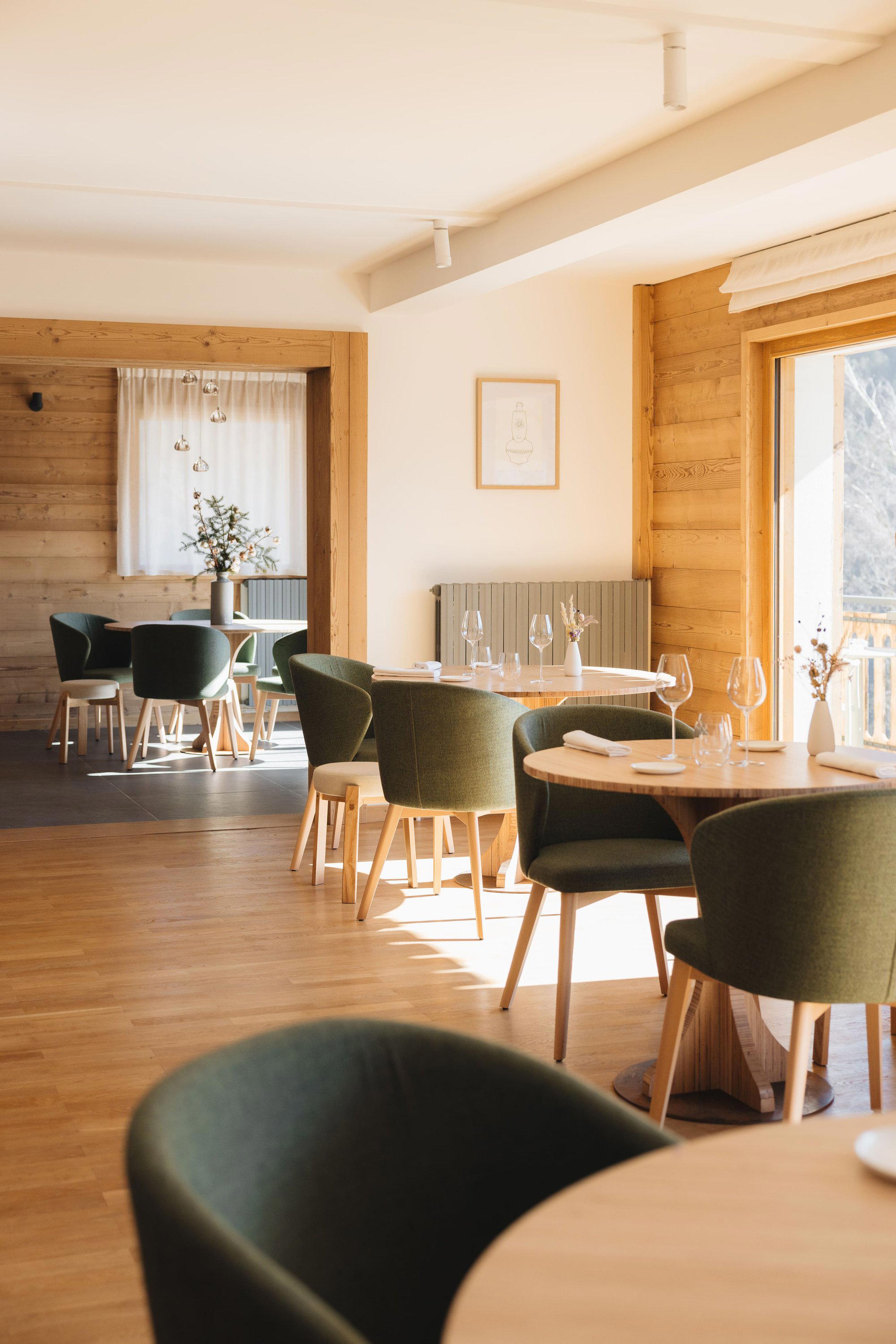
Abondance sits at the quieter end of the Portes du Soleil circuit, a valley village better known for its medieval abbey and eponymous cheese than for destination dining. The upper reaches of the village, where the road narrows and the chalets thin out, are not where most visitors expect to find cooking of serious intent. Chalet Flachaire occupies exactly that position, at 24 impasse du Cottage, in a converted chalet that reads more like a private home than a restaurant from the outside. That domestic quality is not incidental. It shapes everything about the experience inside.
The alpine restaurant format across France has long split between two poles: the large hotel dining room serving safe mountain classics to a captive ski crowd, and the rare intimate address where the cooking reflects genuine culinary ambition. Chalet Flachaire belongs firmly to the second category. The room is small, the service personal, and the format built around a single set menu, which means the kitchen controls the entire arc of the meal rather than accommodating à la carte variables.
The Sourcing Logic Behind the Menu
The approach to ingredients at Chalet Flachaire reflects a broader movement in French alpine cooking, one that treats proximity as a culinary value rather than a marketing convenience. The Haute-Savoie offers a specific seasonal palette: dairy from high-altitude pastures, mountain herbs, freshwater fish, foraged elements, and produce from the valley floor whose growing season compresses into the warmer months. Kitchens that commit to this geography face a genuine constraint that shapes the menu by necessity rather than by choice.
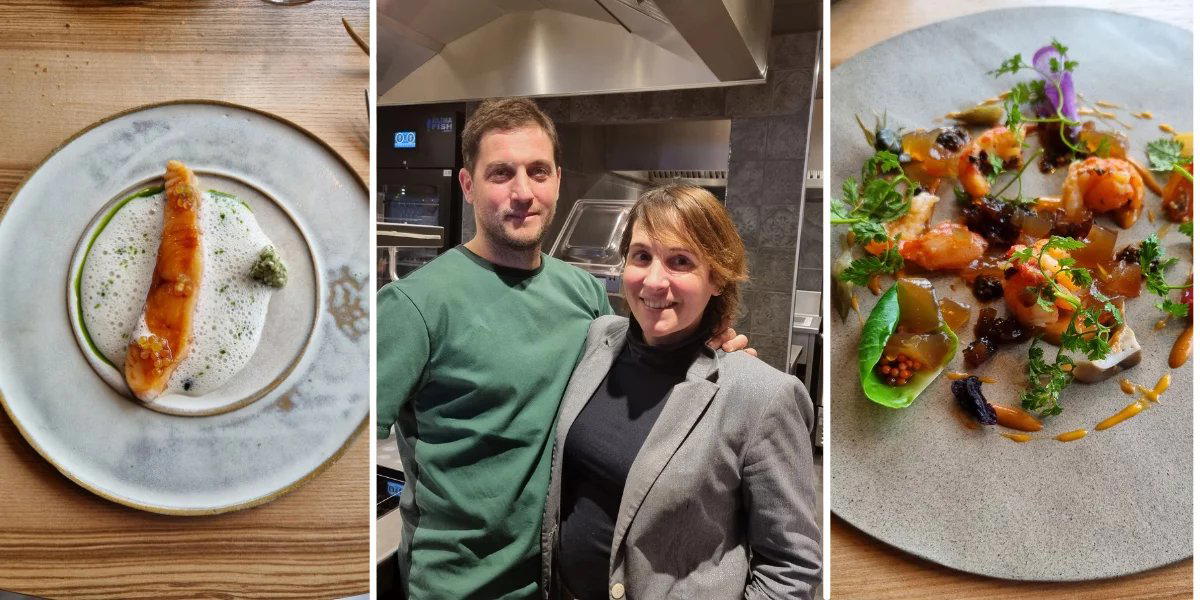
Thomas Flachaire trained at Troisgros - Le Bois sans Feuilles in Ouches, a kitchen with a multi-generational reputation for applying classical French technique to seasonal and regional produce. That formation is legible in the finished plates: the cooking is described as healthy, light, and built from seasonal, often locally sourced ingredients, which at this level of training means the lightness is technical rather than accidental. Reduction, acidity, and smoke are doing the structural work that cream and butter might carry in a more conventional alpine kitchen. The flavour register, described as smoky, fruity, and zesty, points toward a chef using the full toolkit of contemporary French cooking while remaining anchored in the raw materials available at altitude.
The set menu format reinforces this logic. A single sequence of courses, with poetically named dishes, allows the kitchen to source precisely for the day rather than maintaining a broad larder. It is the same discipline that defines kitchens like Mirazur in Menton, where the menu shifts with the harvest, or Bras in Laguiole, where the immediate landscape is treated as the primary ingredient. The scale here is smaller and the setting more intimate, but the underlying principle is consistent: the menu follows the source, not the reverse.
Formation and Peer Context
The Maison Troisgros lineage carries specific weight in French gastronomy. Generations of chefs who have worked in that kitchen have dispersed across France and beyond, carrying a particular fluency in technique and a commitment to produce quality that shows up in the work regardless of the scale of the restaurant they eventually open. Thomas Flachaire's CV, described in the available record as near-perfect, places him in a cohort of young chefs who left major kitchens not to open in Paris or Lyon but to return to or settle in regional France, where the sourcing advantage is real and the dining room can be built around a genuinely local identity.
That pattern has produced some of France's most interesting recent openings. Kitchens like Auberge du Vieux Puits in Fontjoncouse and Flocons de Sel in Megève demonstrate that serious French cooking no longer requires a metropolitan address. Chalet Flachaire fits that trajectory, arriving in a village context where the competition is minimal but the sourcing access is genuine. Estelle Flachaire's role in the welcome and front-of-house operation is central to the experience: at this scale, the service is an extension of the cooking's personality rather than a separate department, and the warmth described in the record reflects a deliberate hosting stance rather than a default hospitality formula.
For broader reference points in the French fine dining circuit, the ambition visible in Chalet Flachaire's format connects, at different scales, to kitchens like Auberge de l'Ill in Illhaeusern and AM par Alexandre Mazzia in Marseille, each of which demonstrates how a strong regional identity combined with serious technical formation can produce a dining experience that reads beyond its immediate geography.
Planning Your Visit
Abondance is accessible from Thonon-les-Bains or via the D22 through the Dranse valley, placing it roughly an hour from the southern shore of Lake Geneva. The village functions across both ski season and summer, and a kitchen built on seasonal sourcing will naturally shift register between those periods. Given the intimate format and the single set menu, Chalet Flachaire operates with limited covers, and advance booking is the practical requirement rather than the exception. The set menu structure means there is no à la carte fallback, so arriving with an appetite for the full sequence and with enough time to move through it at the kitchen's pace is the correct approach.
For visitors building a broader Abondance stay, the Abondance hotels guide covers the accommodation options in the area, while the full Abondance restaurants guide maps the wider dining scene. Those extending into the valley region can also consult the Abondance bars guide, the Abondance wineries guide, and the Abondance experiences guide for a fuller picture of the area.
Frequently asked questions
Is Chalet Flachaire suitable for children?
The format is a single set menu with poetically named courses, which requires patience from younger diners. The chalet setting in Abondance is informal enough in tone, but the kitchen's focus on a composed, fixed progression makes it better suited to adults or food-curious older children rather than families with young kids.
What should I expect atmosphere-wise at Chalet Flachaire?
The space is an upper-village chalet converted into an intimate restaurant, close, warm, and personal rather than formally hushed. Thomas and Estelle Flachaire run the room themselves, and the welcome is described as genuinely warm, which sets the register: this is serious cooking delivered without ceremony.
What's Chalet Flachaire known for in terms of accolades?
Chalet Flachaire has received recognition including: This chalet in the upper reaches of the village has been converted into an intimate restaurant by young couple Thomas and Estelle Flachaire, who met while working at the renowned Maison Troisgros in Ouches. The chef boasts a near-perfect CV….
What should I order at Chalet Flachaire?
There is no à la carte. Chalet Flachaire serves a single set menu, with courses that shift according to the season and what local suppliers are producing. The kitchen's signature direction runs toward smoky, fruity, and zesty combinations built from light, health-conscious technique, expect nothing heavy or cream-laden.
What's Chalet Flachaire's location?
Chalet Flachaire is located at 24 impasse du Cottage, Abondance.
How hard is it to get a table at Chalet Flachaire?
Abondance is a small village and Chalet Flachaire is an intimate space, so capacity is limited by definition.
What's the defining dish or idea at Chalet Flachaire?
The defining idea is restraint applied with precision: a Maison Troisgros-trained chef cooking light, seasonal food in an alpine village that most visitors associate with cheese and skiing rather than considered gastronomy. The set menu structure, with its poetically named courses, positions each meal as a deliberate sequence rather than a collection of individual plates.
At-a-Glance Comparison
Comparable venues nearby, for context on price, style, and recognition.
| Venue | Cuisine | Price | Awards | Notes |
|---|---|---|---|---|
| Chalet FlachaireThis venue (the venue you are viewing) | Modern French Mountain Gastronomy | Not listed | 1 Michelin Star | Not listed |
| Chez Mosse | Modern French Seasonal Bistro | $50–100 | Michelin Plate | Cornier |
| Le Palace de Menthon | Modern French Fine Dining | $150–200 | Michelin Plate | Menthon-Saint-Bernard |
| La Table de Marc Turpin - Hostellerie Saint-Germain | Modern French Jura Gastronomy | $50–100 | Michelin Plate | Saint-Germain-lès-Arlay |
| Les 9 névés | Modern French Mountain Cuisine | Not listed | Michelin Plate | Arêches Beaufort |
| Chez Mathilde | Modern French Bistro with Lake Fish | $50–100 | Michelin Plate | Maxilly-sur-Léman |
Recognition history
Dated appearances from independent guides and award organizations, with the underlying list record or original source where available.
Michelin 1 Star
Michelin
Continue exploring
More in Abondance
Restaurants in Abondance
All restaurants in Abondance →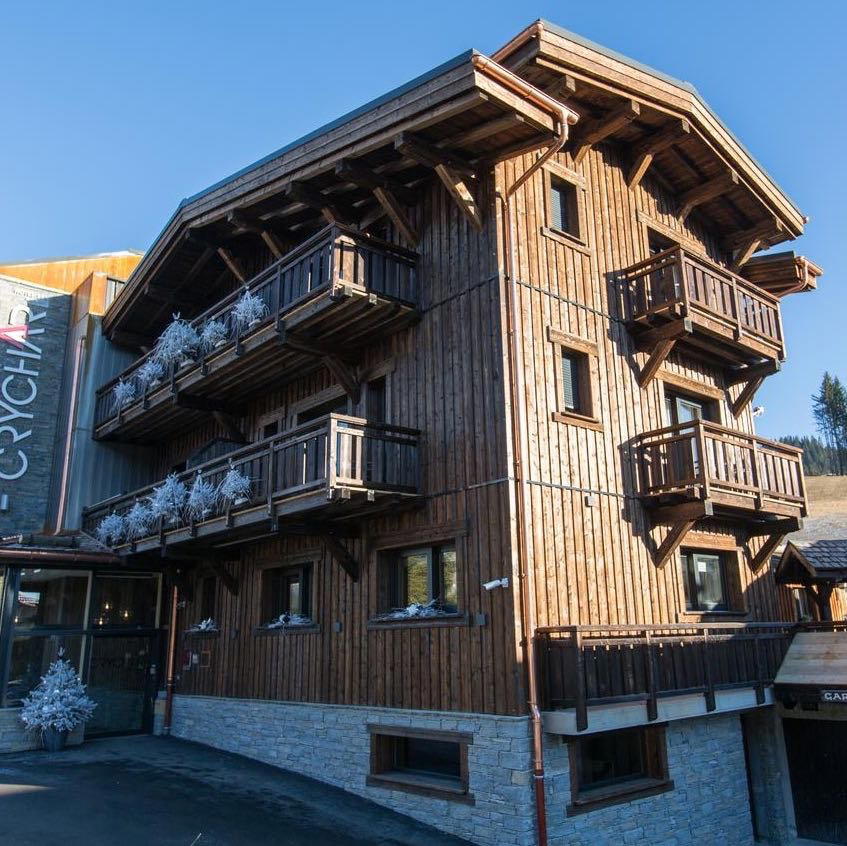
Bars in Abondance
Browse all →
Details
- Intimate
- Cozy
- Elegant
- Rustic
- Scenic
- Date Night
- Special Occasion
- Open Kitchen
- Historic Building
- Farm To Table
- Local Sourcing
- Mountain
- Tasting Menu
- Set Menu
Current opening hours
- Monday
- Closed
- Tuesday
- Closed
- Wednesday
- 7:30–10:30 PM
- Thursday
- 12–2:30 PM, 7:30–10:30 PM
- Friday
- 12–2:30 PM, 7:30–10:30 PM
- Saturday
- 12–2:30 PM, 7:30–10:30 PM
- Sunday
- 12–2:30 PM, 7:30–10:30 PM
Hours can change for holidays and private events. Hours as of .
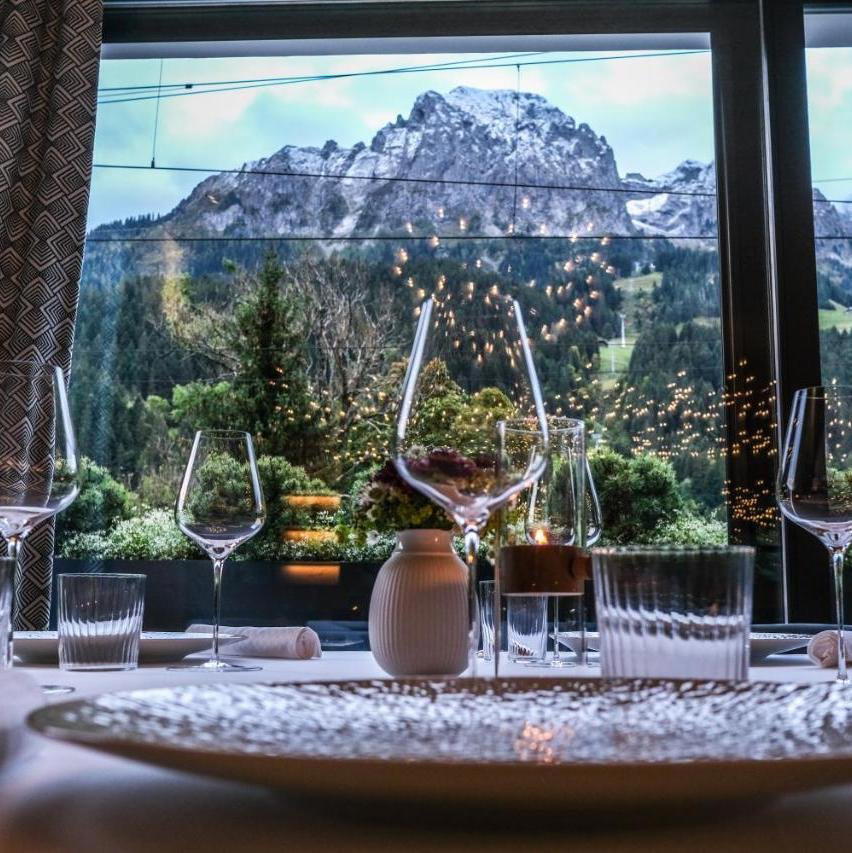
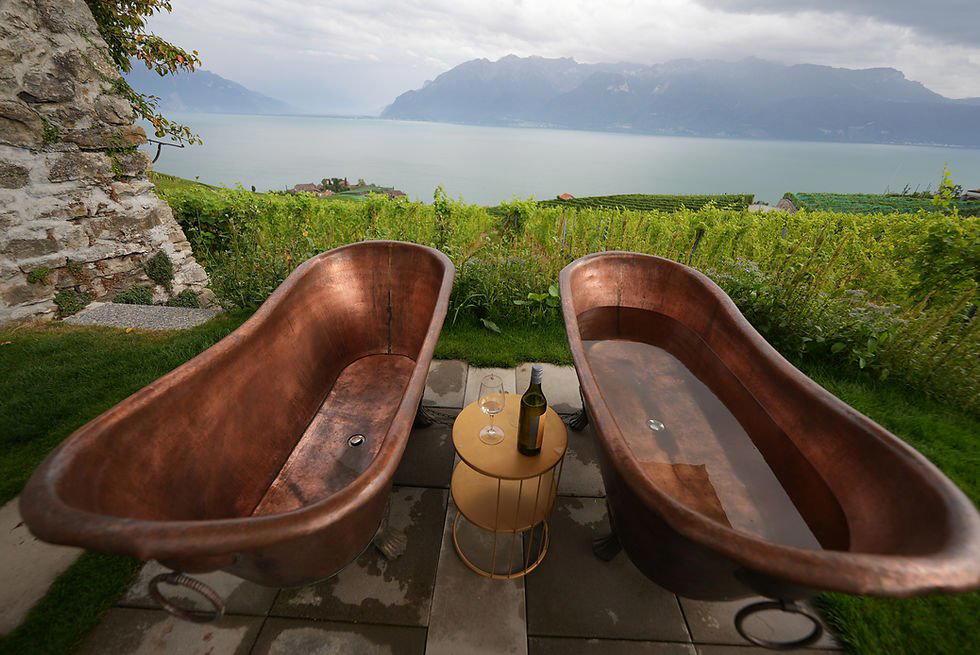
Cozy, elegant mountain cocoon with natural reassurance, open kitchen, and dramatic valley views, creating a calm, sophisticated, and warm atmosphere.