Where the Silk Road Slows Down Kashgar sits at the western edge of China's Xinjiang region, closer to Baghdad than to Beijing, and its tea culture reflects that geography more honestly than almost any other single institution in Central Asia....
 Discover on Pearl
Pearl is the En Primeur Club membership app — saves, bookings, and concierge access live there. Same editors, same standards.
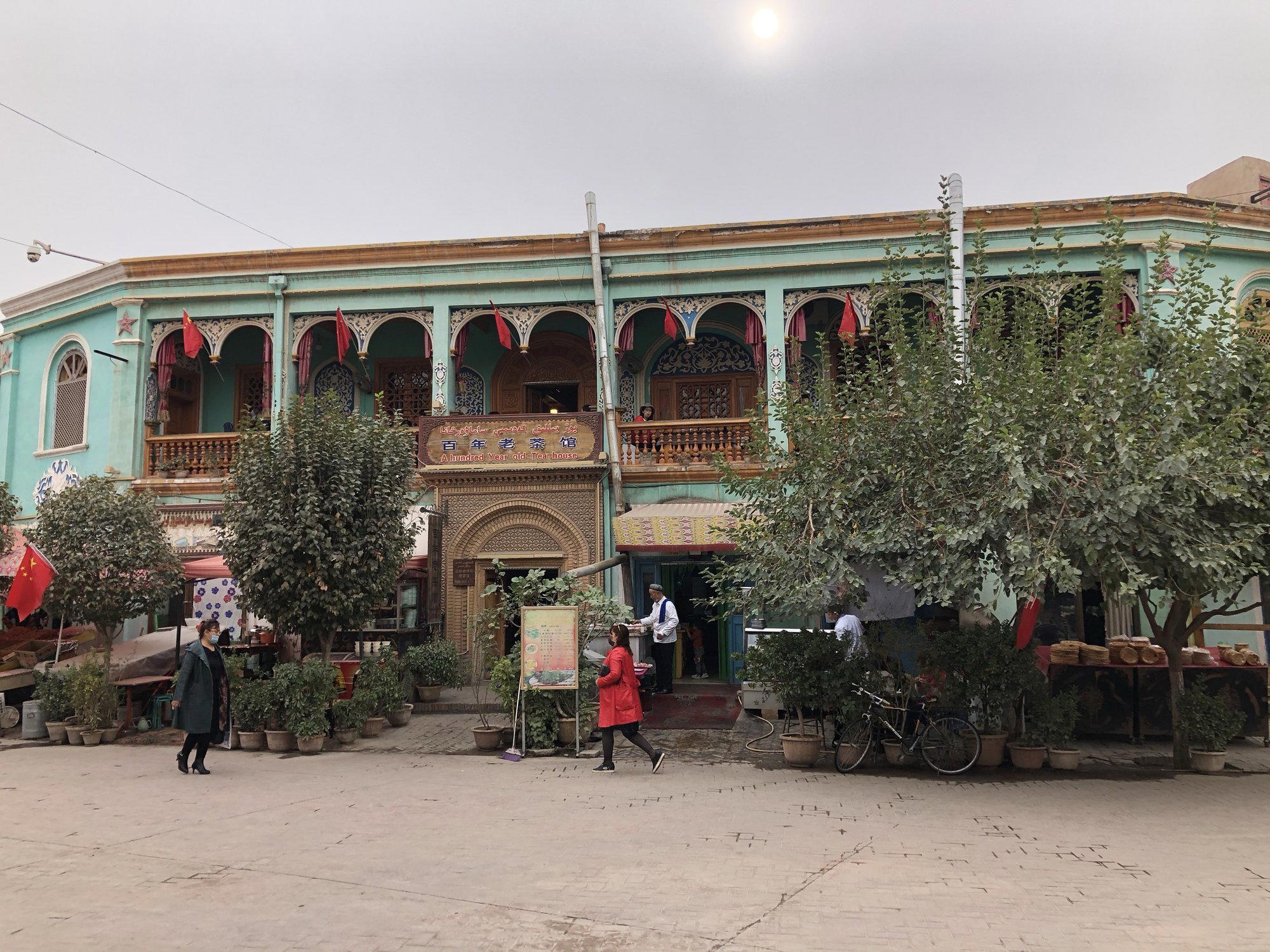
Where the Silk Road Slows Down
Kashgar sits at the western edge of China's Xinjiang region, closer to Baghdad than to Beijing, and its tea culture reflects that geography more honestly than almost any other single institution in Central Asia. The old city here has been a commercial crossroads for centuries, a place where Uyghur, Persian, Turkic, and Han influences compressed into a single streetscape. Tea houses, in this context, are not restaurants in the conventional sense. They are the social infrastructure of the bazaar economy: the place where merchants settled disputes, travellers rested between caravans, and news moved before the telegraph. A Hundred Year Old Tea House carries that institutional weight, functioning as one of Kashgar's most enduring examples of the form.
The Architecture of Uyghur Tea Culture
To understand what a traditional Kashgar tea house offers, it helps to set aside the expectations built by East Asian tea ceremony culture. This is not the studied minimalism of a Kyoto machiya or the precise choreography of a Chengdu gaiwan session. Uyghur tea culture is convivial and unhurried in a different register: low wooden platforms called takhta invite seated gatherings over pots of black tea, often served with nan bread, dried fruit, and sheep's-milk products. The pace is deliberate in the way that long conversations are deliberate, not in the way that rituals are. Tea here is infrastructure for talk, not the performance itself.
The region's dominant tea is a black brick variety, often supplemented with salt and milk in the Kazakh pastoral tradition, though the Uyghur preference in Kashgar leans toward a lighter steep served in small bowls. That distinction matters because it separates the Kashgar tea house tradition from both the Han Chinese tea house circuits of eastern China and from the heavier dairy-tea cultures of the steppe. It is a specifically southwestern Xinjiang form, shaped by altitude, trade-route access to South Asian tea merchants, and the long influence of oasis agriculture on local diet.
A Venue Placed in Its Tradition
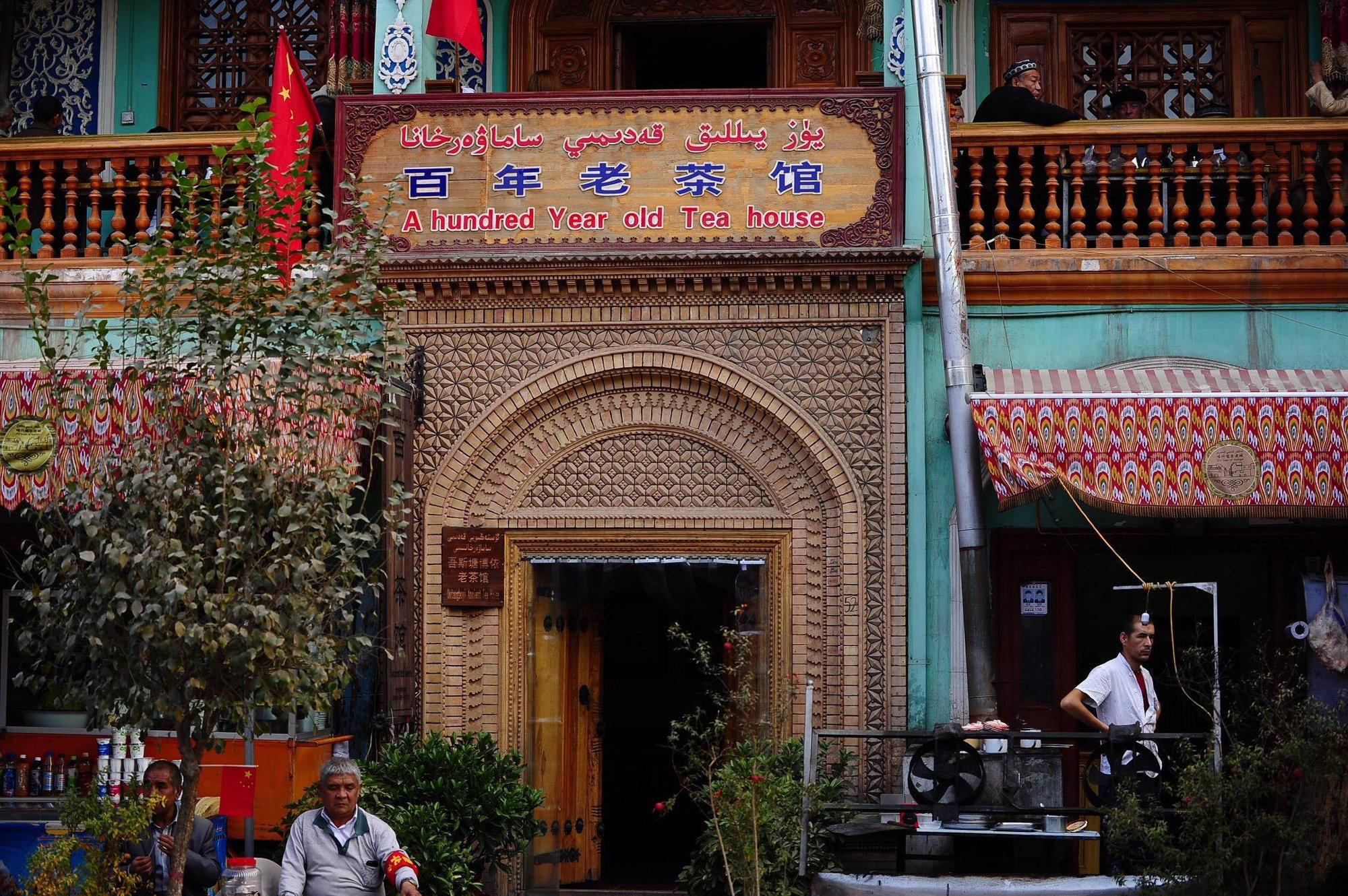
Among the tea houses that line the lanes of the Old City, a place carrying a hundred-year claim occupies a particular position in local cultural memory. Age, in the context of Kashgar's old town, is not merely a marketing point. The neighbourhood has experienced considerable demolition and reconstruction over the past two decades, and institutions that predate that disruption carry documentary value as well as commercial identity. A tea house old enough to span the late Qing period, the Republican era, and the People's Republic represents a thread of continuity through one of the most turbulent centuries in Chinese Central Asian history.
That context places A Hundred Year Old Tea House in a different category from the newer tea-house-styled venues that have appeared in Kashgar's tourist quarter. It belongs, at least by claim of age, to the tier of places that function as both a working local institution and a site of cultural record. Whether it reads primarily as the former or the latter depends partly on when you visit and who shares the room with you.
Xin Rong Ji (Xinyuan South Road) in Beijing, 102 House in Shanghai, and Chef Tam's Seasons in Macau represent a different tier of the country's dining culture entirely, but the contrast clarifies how far Kashgar sits from the coastal Chinese food canon. Similarly, Xin Rong Ji in Chengdu, Ru Yuan in Hangzhou, and Imperial Treasure Fine Chinese Cuisine in Guangzhou each reflect regional Chinese traditions that share almost no culinary DNA with the Uyghur tea-house format.
Dai Yuet Heen in Nanjing, Dingshan·Jiangyan (Xiangcheng) in Suzhou, Fleurs Et Festin in Xiamen, Jiangnan Wok·Rong in Fuzhou, Shang Palace in Yangzhou, and Ensue at Hotel in Shenzhen.
Visiting: What to Expect in Practice
Kashgar's Old City is the logical base for anyone coming to see a place like this. The tea house sits within a neighbourhood that rewards slow walking and unscheduled time. Specific hours, pricing, and booking conditions are not published here. Walk-ins are the norm. Mornings and early afternoons align with local custom and tend to bring a mix of older Uyghur men engaged in the long-form conversation for which the takhta format is suited. Evenings and weekends may attract a younger, more tourist-facing crowd depending on the season and current visitor volumes in the Old City. For a nearby alternative that also operates within the Old City cultural zone, Local Old Town Home is worth knowing. Further afield in the region, 57号窑烤披萨咖啡馆 in Wenzhou, La Strada Italian Restaurant in Changzhou represent a completely different dining register for reference.
Budget and Context
Comparable venues nearby, for context on price, style, and recognition.
| Venue | Cuisine | Price | Awards | Notes |
|---|---|---|---|---|
| A Hundred Year Old Tea HouseThis venue — the venue you are viewing | $$ | , | ||
| Altun Orda | Renmin Xi Lu, Uyghur Cuisine | $$ | , | |
| Local Old Town Home | $ | , | Kashgar Old Town, Traditional Uyghur Home Cooking | |
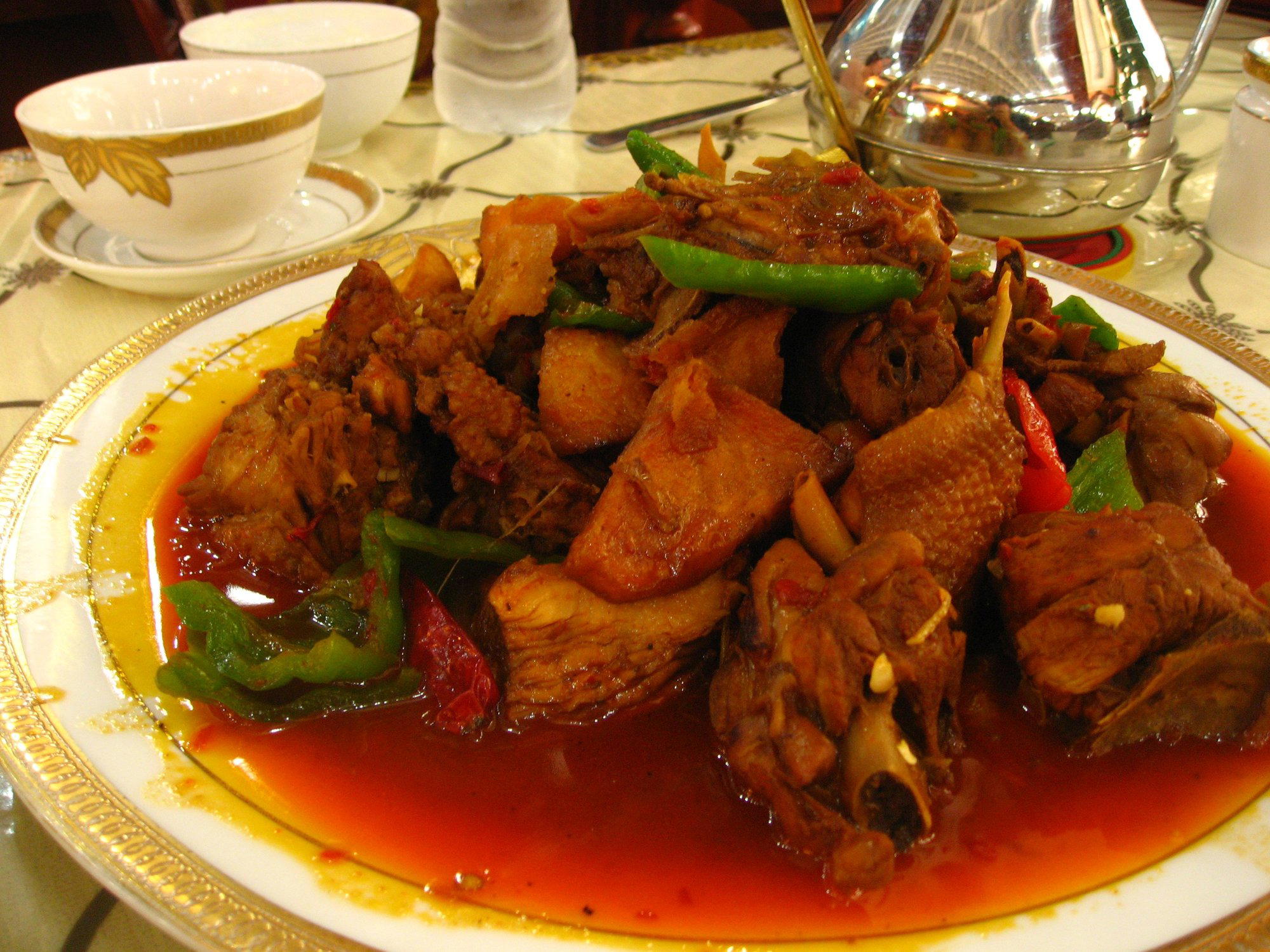
| Meifu Dapanji (美福大盤雞) | Kashgar Old City, Xinjiang Dapanji | $ | , | |
| Black Tent Dinner | 甘南, Tibetan Black Tent Dinner | $$ | , | |
| Wisca | Haizhu, Cantonese | $$ | , |
Continue exploring
More in Kashgar
Restaurants in Kashgar
Browse all →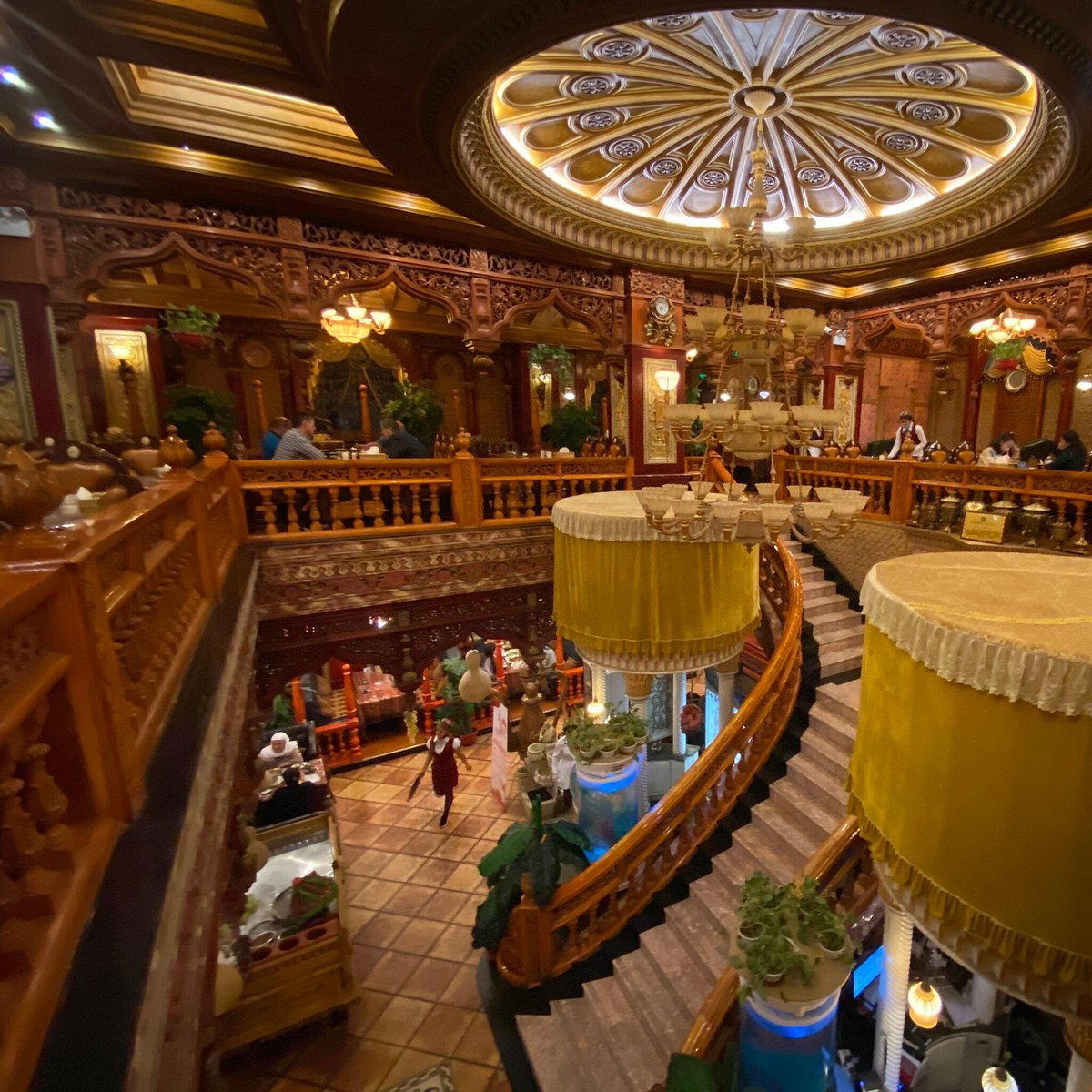
At a Glance
- Historic
- Cozy
- Rustic
- Iconic
- Casual Hangout
- Historic Building
- Street Scene
Cozy and comfortable with warm, unique Uyghur architectural style on two floors featuring kang-style platforms, evoking historic Silk Road atmosphere.