
Winstub À Côté in Sierentz earns consecutive Michelin Bib Gourmand recognition (2024 and 2025) for its honest, regionally rooted cooking under chef Martin Aeschlimann. Priced at the €€ level, it occupies the accessible end of Alsace's serious dining spectrum, where winstub tradition and careful sourcing converge. A reliable choice for lunch or dinner in the Haut-Rhin countryside.
Pearl is the En Primeur Club membership app — saves, bookings, and concierge access live there. Same editors, same standards.
- Address
- 2 Rue Rogg Haas, 68510 Sierentz, France
- Phone
- +33 9 83 37 16 80
- Website
- auberge-saintlaurent.fr
- Directions
- Get directions
 Saves & bookings on Pearl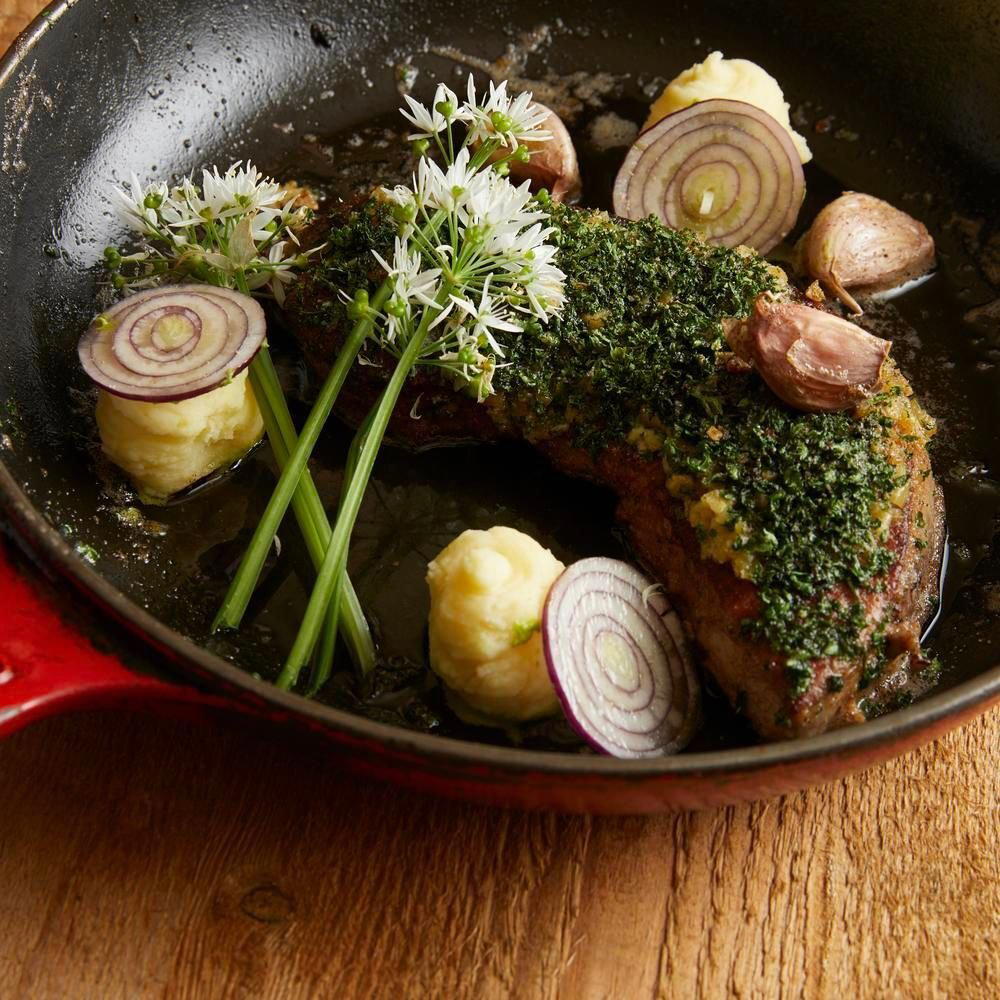
Where the Winstub Tradition Earns Its Stripes
The winstub format is one of Alsace's most durable contributions to French regional dining. Part tavern, part dining room, it sits below the formal restaurant in ceremony but above the brasserie in culinary intention. At its finest, the winstub trades in the kind of cooking that requires real knowledge of local produce, regional technique, and seasonal rhythm rather than spectacle. In the small Haut-Rhin town of Sierentz, Winstub À Côté, found at 2 Rue Rogg Haas, operates firmly within that tradition while earning successive Michelin Bib Gourmand recognition in both 2024 and 2025, a signal that the guide's inspectors regard the cooking here as consistent and fairly priced, not merely competent.
The Bib Gourmand is a useful calibration tool. Michelin awards it specifically to restaurants delivering quality meals at moderate cost, which places À Côté in a category distinct from the grand tables of the Alsace-Lorraine corridor. This is not the register of Auberge de l'Ill in Illhaeusern or Au Crocodile in Strasbourg, where tasting menus and formal service dominate. It is a different argument: that regional cooking done with discipline and sourced with care can hold its own on a €€ budget.
Sourcing as the Foundation, Not the Footnote
In Alsace, the connection between kitchen and agricultural hinterland is not a recent trend imported from metropolitan food culture. It is structural. The region sits at a crossroads, bordered by Germany to the east and Switzerland to the south, with the Vosges mountain range defining its western edge and the Rhine plain supplying some of France's most productive market-garden land. What this geography produces is a larder of uncommon range: choucroute cabbage grown in the Bas-Rhin, Munster cheese from the valley that bears its name, trout from cold Vosges streams, white asparagus in late spring, and game across the autumn months. For a kitchen working at the winstub register, this is the curriculum.
Chef Martin Aeschlimann works within that framework. The kitchen's identity here is tied to regional produce rather than imported luxury, which is precisely what the Bib Gourmand recognises. The leading winstub cooking reads as a seasonal argument: what the Alsatian countryside offers in a given month is what arrives on the plate, prepared with the accumulated technique of a tradition that predates modern gastronomy terminology. That consistency of sourcing intent is what separates a serious winstub from a tourist-facing reproduction of one.
The broader regional context is worth holding in mind when considering À Côté's position. Alsace has one of France's densest concentrations of Michelin-recognised addresses relative to its size, from starred country houses to winstubs with Bib designations. The competition for that recognition at the accessible price tier is meaningful. Consecutive Bib Gourmand years in 2024 and 2025 indicate a kitchen that has not drifted.
Sierentz and the Southern Haut-Rhin Setting
Sierentz sits in the southern Haut-Rhin, a short drive from the Swiss border and roughly equidistant between Mulhouse and Basel. It is not a dining destination in the way that Colmar or Strasbourg attract visitors specifically for restaurant itineraries, but that relative quietness is part of what makes À Côté function as it does. The restaurant draws on local clientele and informed visitors rather than high-volume tourist traffic, which tends to keep the cooking accountable to repeat guests who know the regional benchmarks.
The winter months represent a particular moment for this style of cooking. December, when Alsace's Christmas market season draws visitors across the region, is also when the larder tilts toward the heartier end of its register: braised meats, root vegetables, fermented preparations, and the warming backdrop of local Pinot Noir and Riesling. A winstub operating in this season with Bib Gourmand recognition is well positioned for visitors already in the area for broader regional exploration. For those building a broader Sierentz itinerary, the full picture is in our full Sierentz restaurants guide, alongside hotels, bars, wineries, and experiences across the town.
Placing À Côté in the Regional Dining Spectrum
France's most-discussed restaurants in the Alsace and wider eastern corridor tend to operate at a very different price point and register. Flocons de Sel in Megève, Mirazur in Menton, and Troisgros in Ouches represent the upper end of French regional ambition, where the dining experience is the destination. At the Paris end of the spectrum, addresses like Alléno Paris au Pavillon Ledoyen operate in a category defined by creative distance from regional tradition. Further afield, Bras in Laguiole, Paul Bocuse's Auberge du Pont de Collonges, AM par Alexandre Mazzia in Marseille, and Assiette Champenoise in Reims each anchor a regional cooking tradition at the top of its price register.
À Côté argues for something different. The value of a well-executed Bib Gourmand address is precisely that it does not require the commitment of a starred meal in terms of time, ceremony, or expense, while still delivering cooking that Michelin's inspectors have judged worth a specific detour. For a visitor to the Haut-Rhin who wants to eat well without building the entire itinerary around a single grand table, addresses at this tier carry real weight. Auberge Saint-Laurent
Cross-border regional comparisons are also worth drawing. Fahr in Künten-Sulz and Gannerhof in Innervillgraten operate in analogous registers in the German-speaking Alpine zone, where regional cuisine and seasonal sourcing drive the identity of serious but accessible kitchens. The comparison is instructive: this is a category of European dining where ambition is measured through ingredient fidelity and technique depth rather than format complexity.
Planning a Visit
Winstub À Côté is priced at the €€ tier, making it one of the more accessible Michelin-recognised addresses in the Haut-Rhin. The restaurant sits at 2 Rue Rogg Haas in Sierentz, a small commune that is most easily reached by car from Mulhouse, Basel, or the A35 motorway corridor. Booking in advance is advisable, particularly in December when the region draws visitors for the Alsatian Christmas season and dining rooms at recognised addresses fill faster than the rest of the year.
Pricing, Compared
| Venue | Cuisine | Price | Awards |
|---|---|---|---|
| Winstub À CôtéThis venue — the venue you are viewing | Regional Cuisine | €€ | Bib Gourmand |
| Alléno Paris au Pavillon Ledoyen | Creative | €€€€ | Michelin 3 Star |
| Kei | Contemporary French, Modern Cuisine | €€€€ | Michelin 3 Star |
| L'Ambroisie | French, Classic Cuisine | €€€€ | Michelin 3 Star |
| Le Cinq - Four Seasons Hôtel George V | French, Modern Cuisine | €€€€ | Michelin 3 Star |
| Plénitude | Contemporary French | €€€€ | Michelin 3 Star |
Recognition history
Dated appearances from independent guides and award organizations, with the underlying list record or original source where available.
Michelin Bib Gourmand
Michelin
Michelin Bib Gourmand
Michelin
Michelin Bib Gourmand
Michelin
Continue exploring
More in Sierentz
Restaurants in Sierentz
Browse all →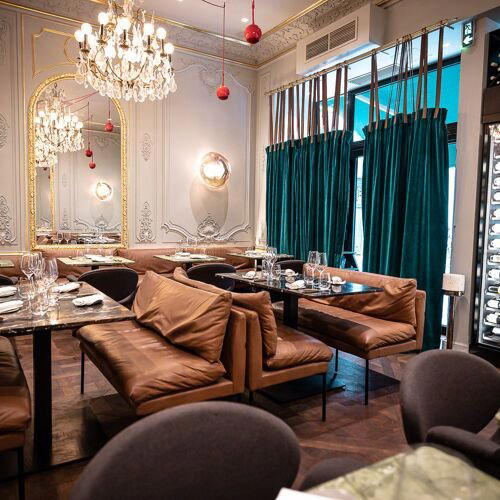
Bars in Sierentz
Browse all →
Hotels in Sierentz
Browse all →
At a Glance
- Cozy
- Modern
- Classic
- Date Night
- Group Dining
- Casual Hangout
- Terrace
- Open Kitchen
- Extensive Wine List
- Garden
Current opening hours
- Monday
- 12–3 PM, 7–11 PM
- Tuesday
- Closed
- Wednesday
- Closed
- Thursday
- Closed
- Friday
- 12–3 PM, 7–11 PM
- Saturday
- 12–3 PM, 7–11 PM
- Sunday
- 12–3 PM, 7–11 PM
Hours can change for holidays and private events. Last verified .
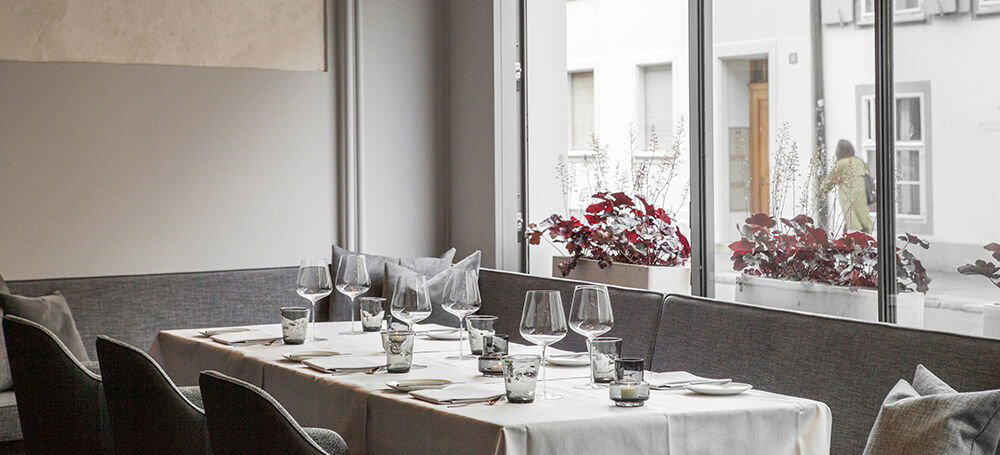
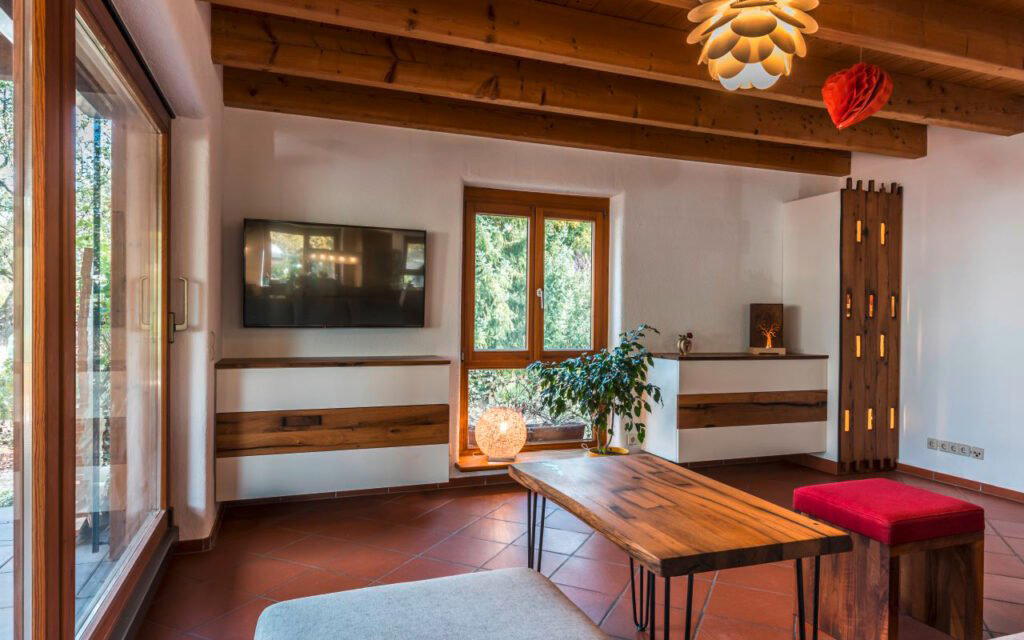
Contemporary bistro decor with designer furniture, light fittings, and copper counter creating a convivial yet stylish atmosphere.
Know Before You Go
- Getting there
- 2 Rue Rogg Haas, 68510 Sierentz, France