Ti Hai sits on Rue Rogg Haas in Sierentz, a small Alsatian commune close to the Swiss and German borders where dining options range from regional winstub cooking to contemporary French. The address places it within a local circuit that includes Auberge Saint-Laurent and A Côté, making Sierentz a more layered dining stop than its size suggests.
Pearl is the En Primeur Club membership app — saves, bookings, and concierge access live there. Same editors, same standards.
- Address
- 11 Rue Rogg Haas, 68510 Sierentz, France
- Phone
- +33643281421
- Website
- tihaifoodtruck.com
- Directions
- Get directions
 Saves & bookings on Pearl
Where the Upper Rhine Meets the Table
Sierentz is not a city that accumulates dining noise. The commune sits in the Haut-Rhin department of Alsace, roughly equidistant from Basel, Mulhouse, and the German border at Neuenburg am Rhein, and its restaurant scene reflects that tripoint geography: flavours drift between French classical technique, Alsatian regional tradition, and the quieter influence of cross-border Swiss and German cooking. It is in this layered context that Ti Hai, at 11 Rue Rogg Haas, occupies its address. For visitors already making time for the broader Alsace dining circuit — perhaps anchoring at Auberge de l'Ill in Illhaeusern or passing through Strasbourg to dine at Au Crocodile — Sierentz reads as a logical stop rather than a detour.
The commune's dining character is small-scale and locally grounded. The most prominent reference points in the immediate vicinity are Auberge Saint-Laurent, which operates at the upper end of the local price register with modern French cooking, and Winstub À Côté, which holds to regional Alsatian cuisine at a more accessible price point. A Côté rounds out the cluster. These three together suggest that Sierentz, despite its modest size, sustains a range of formats and registers rather than converging on a single style. Ti Hai, whose name and address are established but whose cuisine type, format, and pricing remain undocumented in available records, adds another variable to that mix. See the full Sierentz restaurants guide for a complete picture of the local scene.
The Alsace Dining Tradition and Where Ti Hai Fits
Alsace carries one of France's most legible regional food identities. The cooking draws from a Germanic larder, choucroute, baeckeoffe, flammekueche, while being shaped by French classical technique and a wine culture built almost entirely on aromatic whites: Riesling, Gewurztraminer, Pinot Gris, Muscat. The region has historically produced some of France's most durable fine dining institutions, among them Auberge de l'Ill, which has held three Michelin stars for decades, and represents the kind of multigenerational restaurant family that French gastronomy tends to mythologise. That tradition sets a high baseline for expectations in the area.
Outside the region, the French fine dining conversation has shifted considerably. Houses such as Alléno Paris au Pavillon Ledoyen and Mirazur in Menton represent a contemporary direction that emphasises seasonal sourcing and technique-forward menus. Meanwhile, more rooted regional expressions, like Bras in Laguiole or Flocons de Sel in Megève, demonstrate that terroir-led cooking can carry its own critical weight without aspiring to metropolitan polish. Alsace has tended to sit closer to this second camp, its leading tables are readable as expressions of a place, not abstract exercises in technique. Where Ti Hai positions itself within that continuum is, at present, an open question.
A Name That Signals Something
The name Ti Hai does not read as an Alsatian or French designation. What can be observed is that names carry positioning signals in the dining market: a venue in a small Alsatian commune that does not reach for a French or Alsatian name is, at minimum, signalling a point of difference from its immediate neighbours. Whether that difference manifests in cuisine origin, format, ownership, or ambience remains to be confirmed through direct engagement with the venue. Travellers for whom cuisine type is a deciding factor are advised to contact the restaurant directly before visiting.
This kind of ambiguity is not unusual for smaller addresses in provincial French towns, where venues may have limited digital presence and rely on local word-of-mouth rather than online documentation. It does mean that Ti Hai, for now, occupies a genuinely indeterminate position in the Sierentz dining map, which, paradoxically, makes it more interesting as a subject than a fully documented venue whose profile would simply confirm expectations. The dining circuits that run through Alsace, from the three-star anchors to the neighbourhood winstubs, have enough documented range to absorb a point of mystery.
Planning a Visit to Sierentz
Sierentz is accessible by car from Basel-Mulhouse-Freiburg Airport (EuroAirport), which serves the tripoint region and handles routes from major European hubs. The drive from the airport to Sierentz is short, making the area a practical base for travellers whose Alsace itinerary extends north toward Colmar or Strasbourg. For those building a multi-day dining itinerary in northeastern France, the region connects logically to larger dining destinations: Assiette Champenoise in Reims to the northwest, and the extended French fine dining circuit that includes houses as varied as Troisgros in Ouches, Paul Bocuse in Collonges-au-Mont-d'Or, and Auberge du Vieux Puits in Fontjoncouse. Sierentz, at its scale, is unlikely to anchor such an itinerary, but it fits naturally as a stopping point for travellers who prefer to eat locally rather than drive to Mulhouse or Basel for every meal.
Because verified hours, booking method, and contact details for Ti Hai are not documented in available records, arriving without a prior reservation carries risk, particularly on weekends or during the Alsatian summer and Christmas market seasons, when smaller communes attract visitor traffic from Basel and beyond. The practical advice, pending more complete documentation, is to approach the venue in the same way one would approach any underdocumented local address: arrive early, or ask at your accommodation for current intelligence on opening days.
How Ti Hai Sierentz compares with similar nearby venues.
| Venue | Cuisine | Price |
|---|---|---|
| Winstub À Côté | Regional Cuisine | €€ |
| Auberge Saint-Laurent | Modern Cuisine | €€€€ |
Continue exploring
More in Sierentz
Restaurants in Sierentz
Browse all →
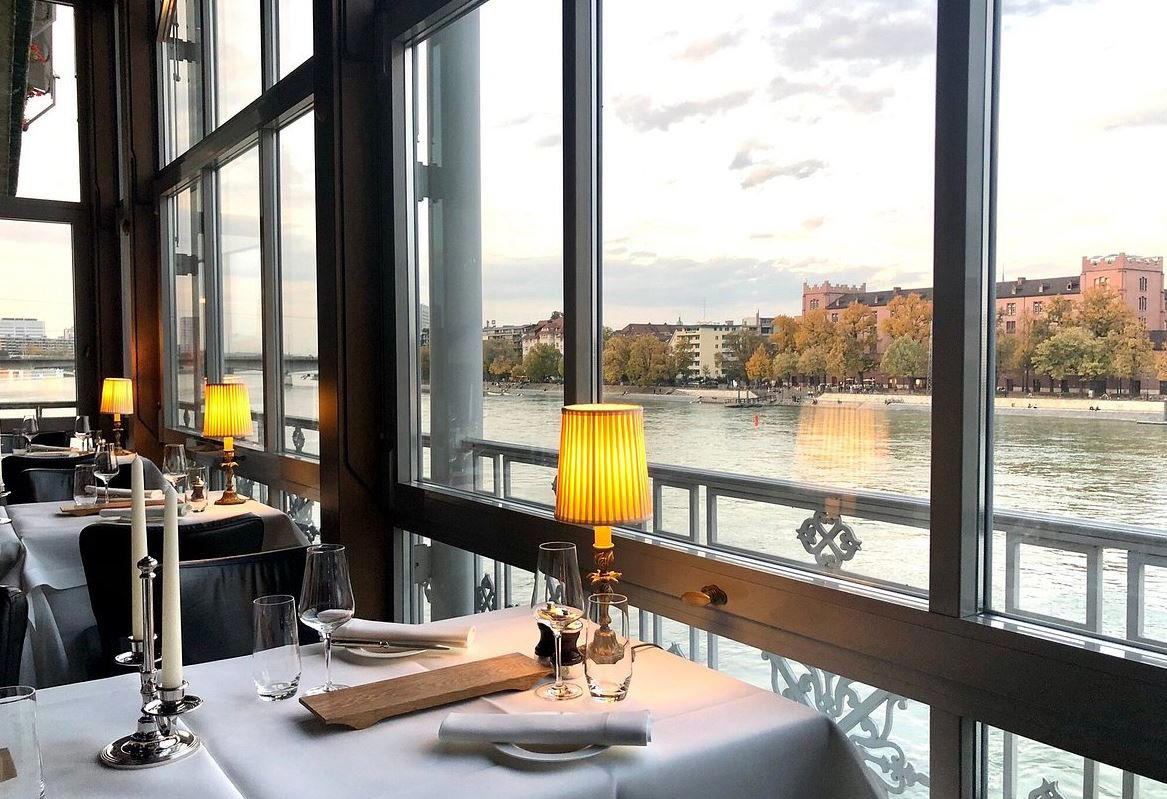
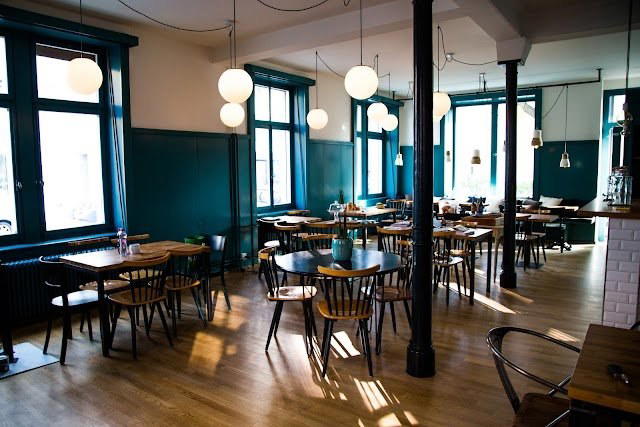
Bars in Sierentz
Browse all →
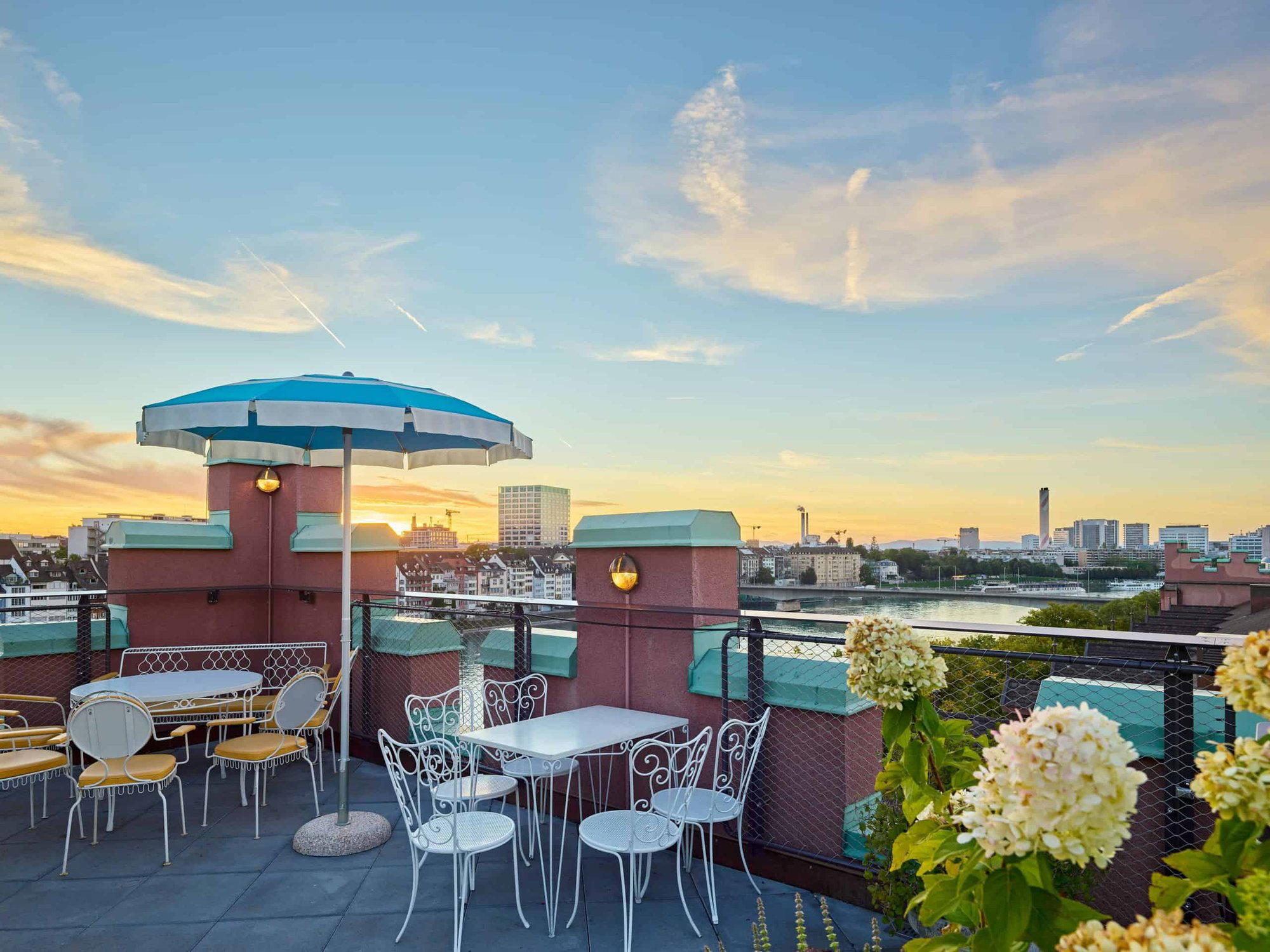
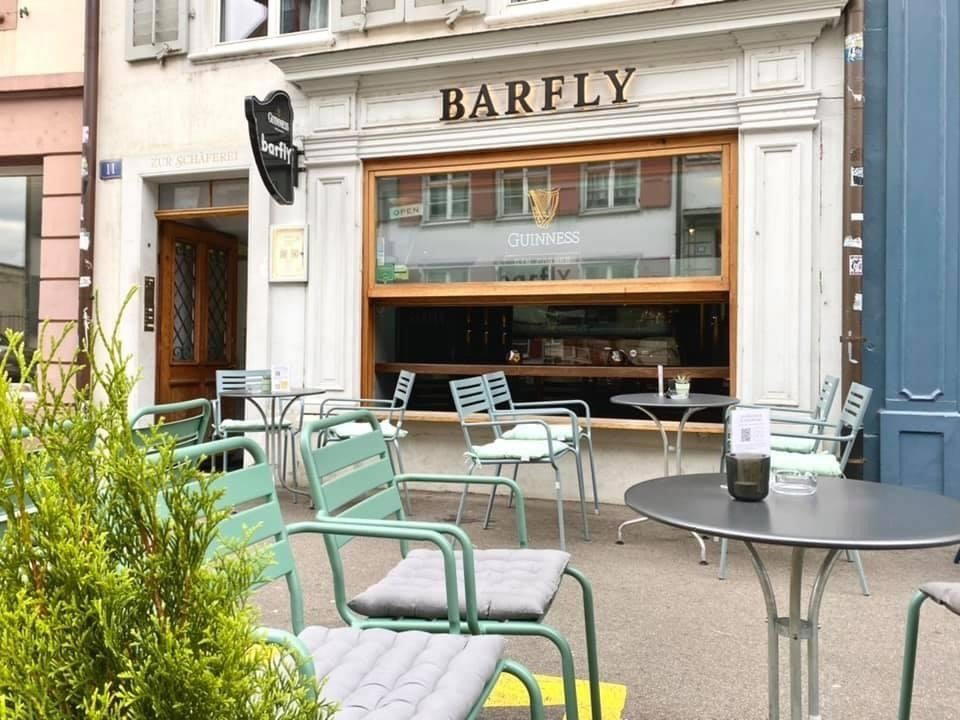
Hotels in Sierentz
Browse all →
At a Glance
- Lively
- Cozy
- Casual Hangout
- Standalone
Current opening hours
- Monday
- Closed
- Tuesday
- Closed
- Wednesday
- 11 AM–2:30 PM, 5–8 PM
- Thursday
- 11 AM–2:30 PM, 5–8 PM
- Friday
- 11 AM–2:30 PM, 5–8 PM
- Saturday
- 11 AM–2:30 PM, 5–8 PM
- Sunday
- 10 AM–2:30 PM
Hours can change for holidays and private events. Last verified .
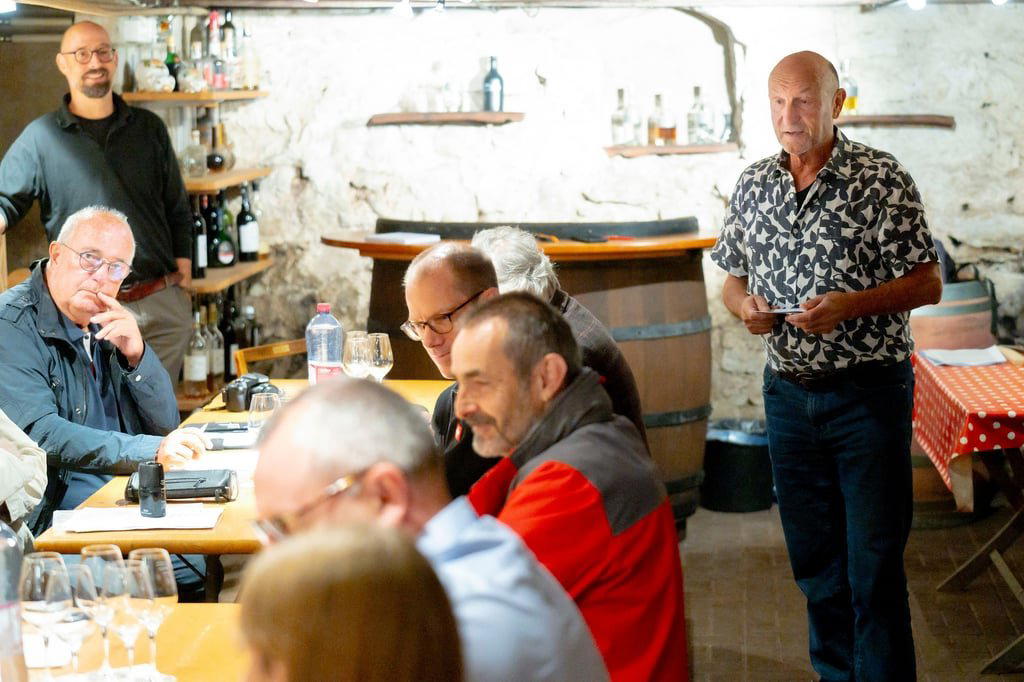
Casual and lively food truck atmosphere.
Know Before You Go
- Getting there
- 11 Rue Rogg Haas, 68510 Sierentz, France