Our verdict
Located in central Shibata, Niigata Prefecture, 鮨 絵巻 sits within a regional dining scene shaped by some of Japan's most prized seafood and rice-growing traditions. The restaurant draws on Niigata's exceptional ingredient geography, placing it in a broader conversation about how provincial Japan continues to redefine what serious sushi can mean outside the major city counters.

Pearl is the En Primeur Club membership app — saves, bookings, and concierge access live there. Same editors, same standards.
- Address
- 3 Chome-7-8 Chuocho, Shibata, Niigata 957-0053, Japan
- Phone
- +81254223358
- Website
- tokiwasushi.top
- Directions
- Get directions
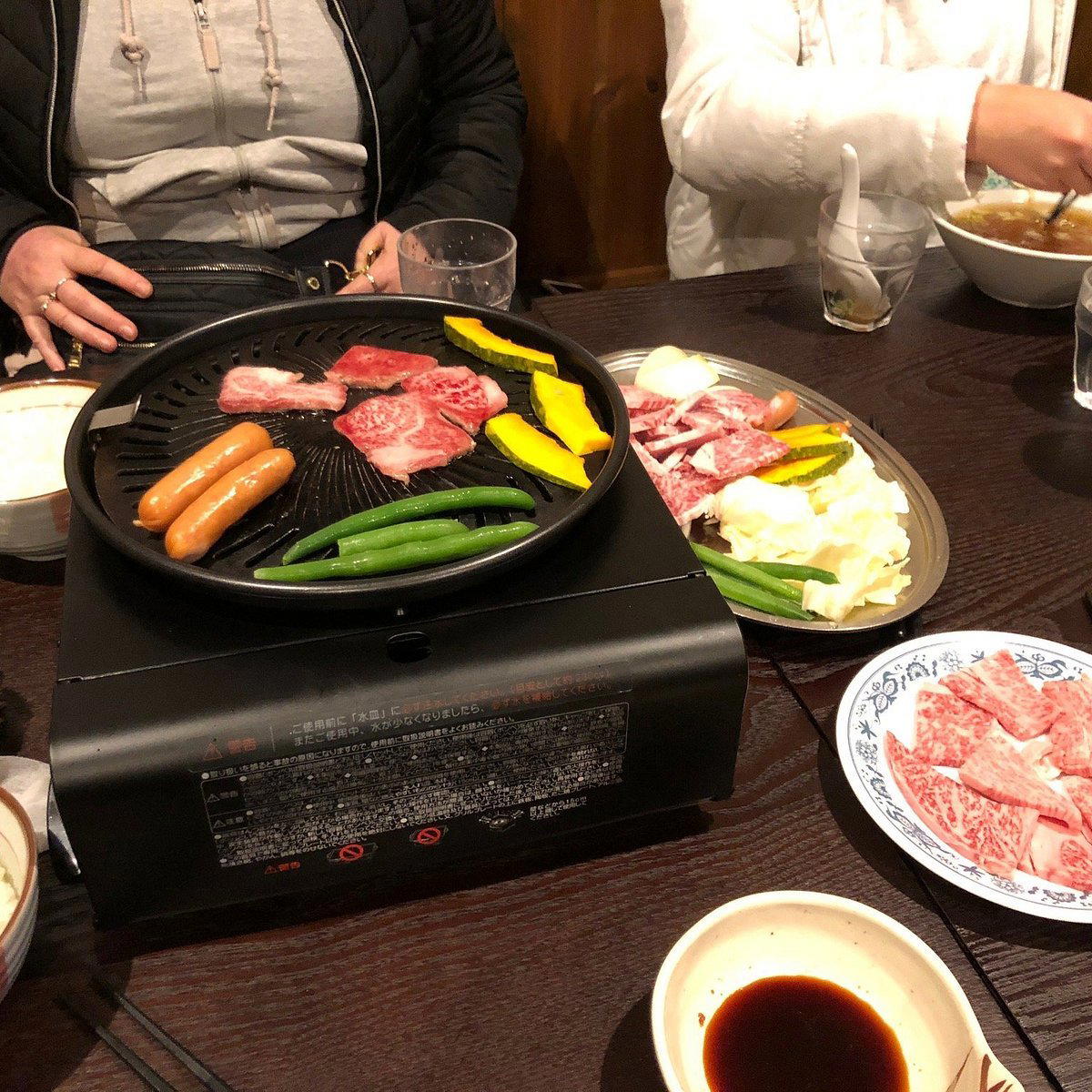
Shibata and the Case for Regional Sushi
Japan's most discussed sushi counters occupy well-documented addresses in Tokyo's Ginza and Minami-Aoyama districts, or in Osaka's Kitashinchi. But the argument that serious sushi exists only inside major metropolitan prefectures has been losing ground for over a decade. Niigata Prefecture, and Shibata specifically, presents one of the more compelling counter-arguments. The prefecture sits along the Sea of Japan coast, giving local restaurants access to cold-water seafood of a quality that urban suppliers routinely source from the same waters. What Shibata adds to that equation is proximity: a shorter supply chain between the catch and the counter. For a restaurant like 鮨 絵巻, operating in this geography is not a compromise. It is the point. Compare this with the supply logistics facing even a well-resourced Tokyo counter like Harutaka in Tokyo, and the advantages of regional positioning become concrete rather than theoretical.
Niigata's Ingredient Geography
Few prefectures in Japan carry the ingredient credentials that Niigata does. The region produces Koshihikari rice, widely regarded among sushi professionals as among the most suitable varieties for shari preparation, owing to its moisture content, grain firmness, and the way it absorbs vinegar without losing structural integrity. The Sea of Japan coastline delivers flounder, snow crab, yellowtail, and in winter, particularly prized specimens of buri that the local cold waters fatten at a slower pace than warmer Pacific stocks. This is the ingredient backdrop against which 鮨 絵巻 operates at its address on Chuocho in central Shibata.
The editorial significance of sourcing in this context is not romanticisation. It is a structural advantage. Regional counters that sit close to primary producers can price fish by relationship rather than by wholesale intermediary markup, and can adjust their menus more fluidly to what the day's catch actually delivers. This operational reality shapes the type of sushi a counter can credibly serve. It is how smaller-prefecture restaurants in Japan have consistently produced technically serious work that draws visitors willing to travel specifically for the meal, a pattern visible at regional standouts across the country, from affetto akita in Akita to Goh in Fukuoka.
The Scene at 鮨 絵巻
Shibata is a mid-sized city in northern Niigata, known locally more for its castle ruins and sake breweries than for high-profile dining. That context matters. Restaurants here serve a community rather than a tourist economy, which tends to produce a different kind of establishment: less performative, more consistent, attuned to a regular clientele with exacting local knowledge. Walking into a counter in this environment carries a different charge than arriving at a destination restaurant in a major city. The audience is familiar, the expectations are calibrated, and the kitchen has little margin for the kind of inconsistency that a high-turnover tourist trade can absorb.
The address at 3 Chome-7-8 Chuocho places the restaurant within central Shibata, accessible from Shibata Station on the JR Shinetsu Main Line, which connects north from Niigata City in under an hour. For visitors arriving from Tokyo, the Joetsu Shinkansen to Niigata, followed by a local transfer, is the standard route. This is relevant planning information because Shibata does not sit on a Shinkansen line itself, making the journey slightly more considered than a single bullet-train hop. That friction, however, is part of what distinguishes regional dining at this level from the more accessible counters catalogued in our full Shibata restaurants guide.
Regional Sushi in a National Context
The broader trajectory of Japan's serious dining scene has been toward decentralisation. Prefectures with strong agricultural and fishing identities have developed restaurant cultures that no longer position themselves as approximations of Tokyo. Kyoto's kaiseki tradition, as seen at Gion Sasaki in Kyoto, long established that regional cooking could set terms rather than follow them. Sushi is following a similar arc. The counters worth tracking in 2024 are increasingly those that have locked in direct supply relationships with specific fishing communities, rice farmers, and seasoned producers, rather than those competing on the prestige of their urban location alone.
Niigata's sake tradition is an adjacent data point worth holding. The prefecture produces more designated sake breweries than any other in Japan, and the local palate has developed accordingly. The relationship between well-made sake and sushi is not incidental; the acidity profiles and umami depth that define serious shari work at its finest are calibrated, in many regional counters, against the specific sake that will accompany the meal. This is a dimension of ingredient pairing that metropolitan counters, drawing from a more generic wine and sake list, sometimes navigate less precisely. Restaurants in sake-producing regions operate with a natural advantage in this respect, one that extends the ingredient sourcing argument beyond the fish itself.
For reference points outside Japan's sushi tradition, the sourcing-first philosophy that shapes counters like 鮨 絵巻 has close parallels in how the most credible seafood-focused restaurants anywhere reckon with their ingredient geography. Le Bernardin in New York City built its reputation on the same foundational logic: that proximity to, and rigorous selection of, primary seafood sources is not a detail but the entire premise of the kitchen's credibility.
Situating 鮨 絵巻 Among Its Peers
What the regional context supports is a different kind of claim: that a sushi counter operating in Niigata, with access to local Koshihikari rice and Sea of Japan seafood, is working from a stronger raw-material position than its city-level obscurity might suggest. The restaurants that have built durable reputations in similar regional settings, among them aki nagao in Sapporo and Aji Arai in Oita, demonstrate that ingredient geography and kitchen discipline, rather than metropolitan address, are the more reliable predictors of a counter's ceiling.
Visitors planning a Niigata itinerary with serious dining in mind would do well to treat Shibata as a logical extension of the prefecture's broader appeal rather than a detour. The castle grounds, the sake breweries, and the Sea of Japan coastline all reinforce each other as reasons to be in the area. A meal at 鮨 絵巻 fits within that logic rather than requiring a separate justification. That kind of coherence between place and plate is precisely what the most considered dining travel, as opposed to destination-restaurant pilgrimage, tends to look like. For further regional context, the dining scenes in adjacent prefectures are well-documented through counters including Amaki in Aichi and anchoa in Kanagawa, both of which illustrate how regional Japan continues to produce serious restaurant work at distance from the national spotlight.
Frequently asked questions
Is 鮨 絵巻 good for families?
Sushi counters in Japan generally prioritise quiet, focused dining over a casual family atmosphere, and Shibata's dining scene skews toward that same register. The format is likely better suited to adults with an interest in the sushi itself.
What part of town is 鮨 ç»åå in?
鮨 ç»åå is located at 3 Chome-7-8 Chuocho, Shibata, Niigata 957-0053, Japan, Shibata.
Do they take walk-ins at 鮨 ç»åå?
Reservations are recommended for 鮨 ç»åå in Shibata. Confirm current policy via the venue's official channels.
Is 鮨 絵巻 formal or casual?
Regional sushi counters in Niigata tend to occupy a middle register — serious about the craft without the ceremony of a Tokyo Ginza address. Shibata itself is a working city known for sake breweries rather than high-formality dining, which suggests 鮨 絵巻 likely follows that understated local tone.
Fast Comparison
| Venue | Cuisine | Price | Awards | Notes |
|---|---|---|---|---|
| 鮨 ç»ååThis venue — the venue you are viewing | Japanese Izakaya | Not listed | Not listed | Not listed |
| HAJIME | Avant-Garde Japanese Fine Dining | $300–500 | 3 Michelin Stars · World's 50 Best #83 | French, Innovative |
| Harutaka | Edo-Style Omakase Sushi | $200–300 | 3 Michelin Stars · World's 50 Best #76 | Sushi |
| L'Effervescence | Modern French with Japanese Influences | $200–300 | 3 Michelin Stars · World's 50 Best #69 | French |
| RyuGin | Modern Kaiseki | $500+ | 3 Michelin Stars · World's 50 Best #41 | Kaiseki, Japanese |
| Crony | Modern French with Japanese Influences | $150–200 | 2 Michelin Stars · World's 50 Best #34 | Innovative, French |
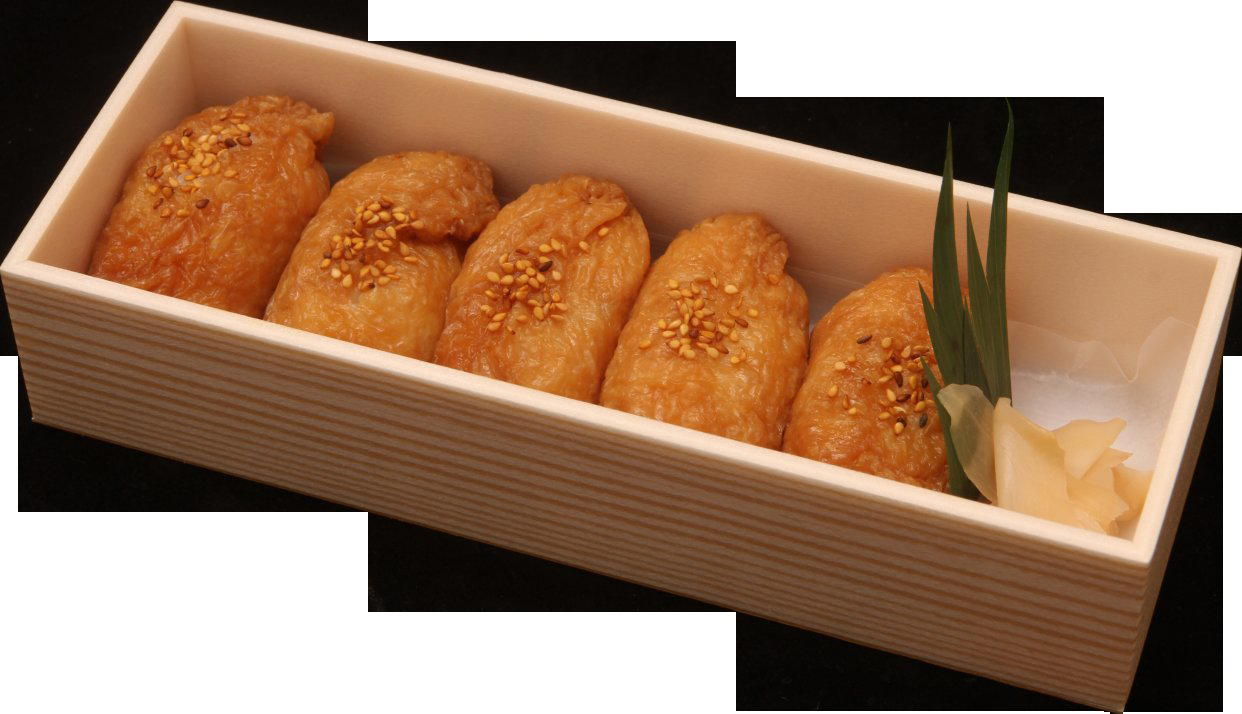
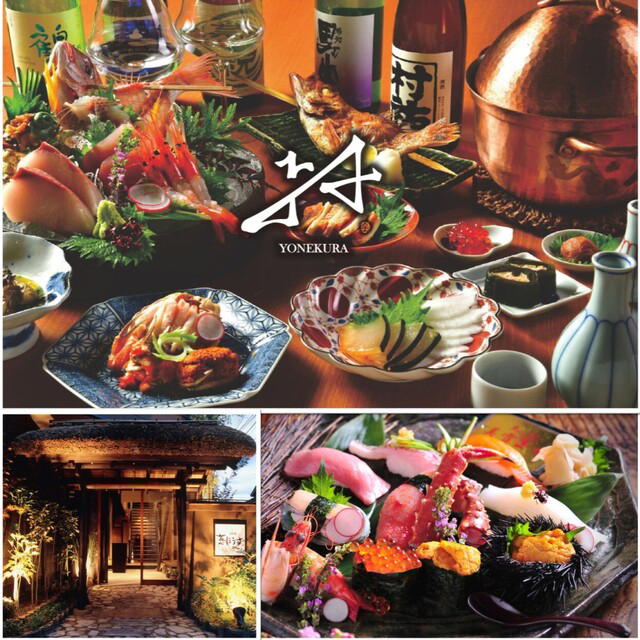
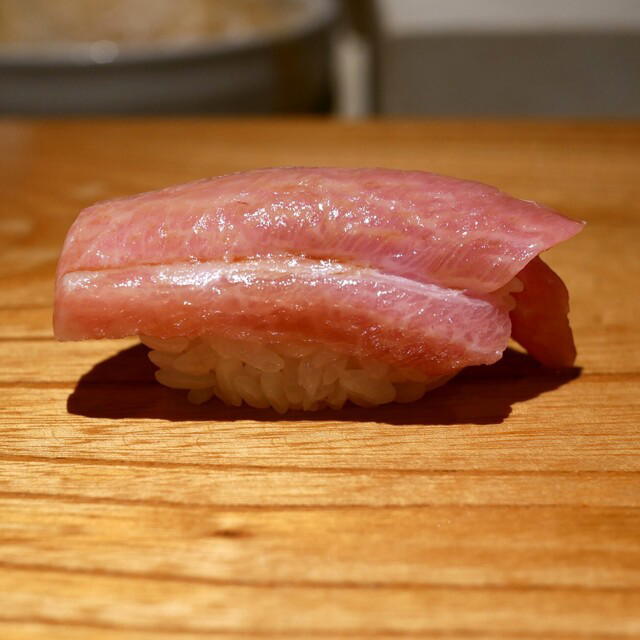
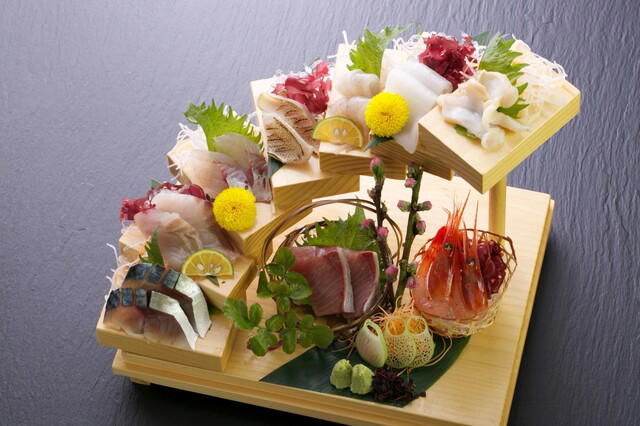
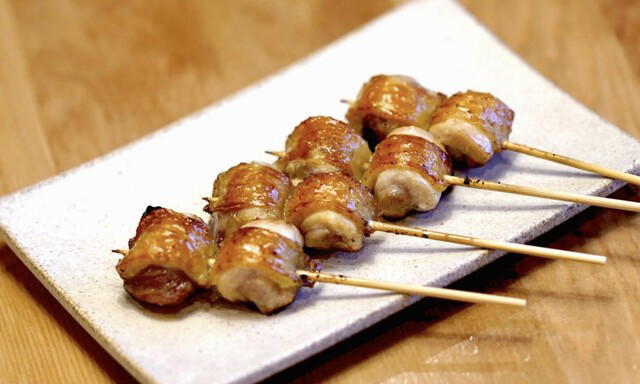
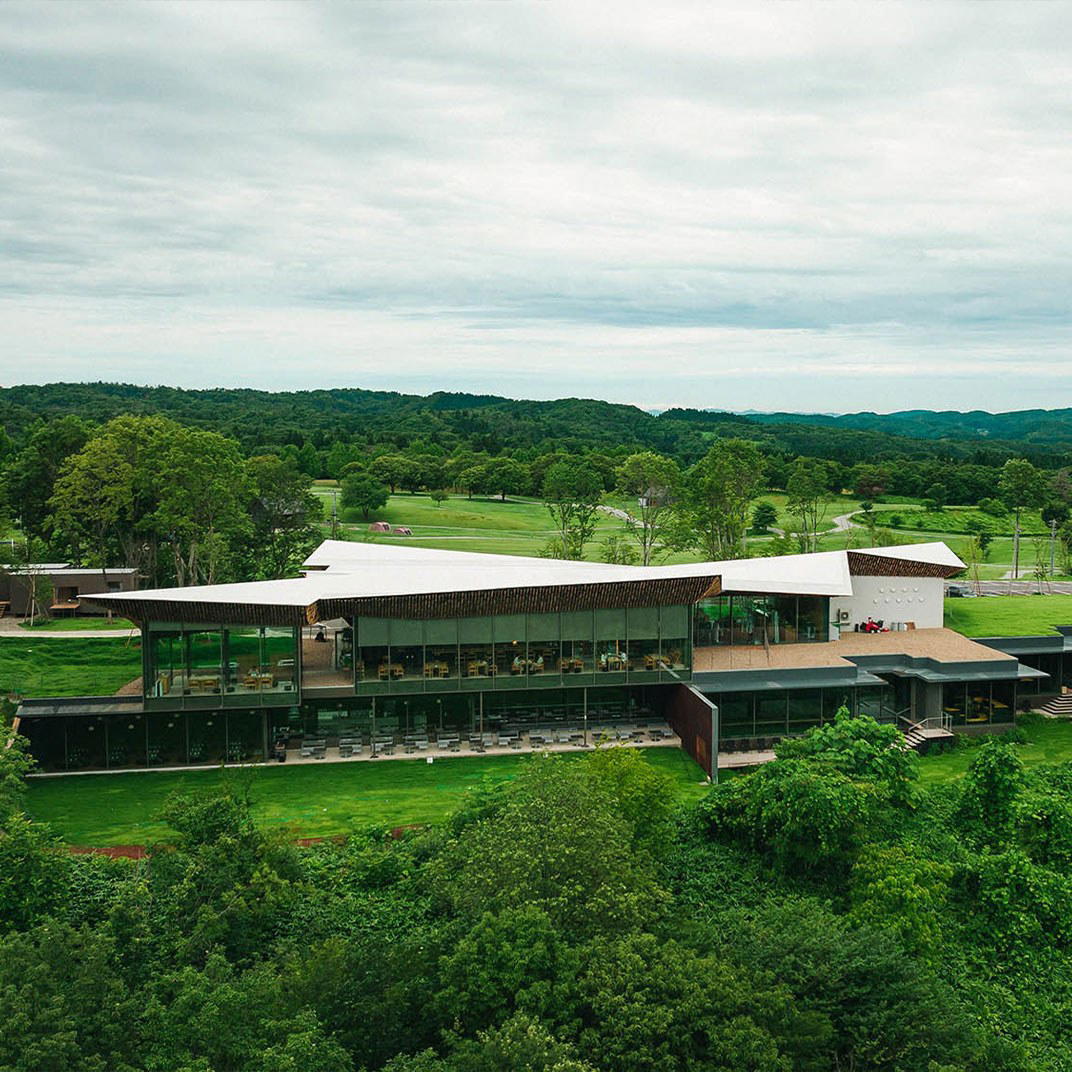
鮨 登喜和
The wine
- Wine program
- Curated wine list
- Sake program
- Beer program
Details
- Cozy
- Trendy
- Casual
- Group Dining
- Casual Hangout
- Open Kitchen
- Sake Program
- Beer Program
- Small Plates
- A La Carte
- Beer
- Wine
- Spirits
Casual, cosy, and trendy environment well-suited for groups and various dining occasions.