
Tabelog 100 #36
Our verdict
Chiyo Zushi gives Niigata’s sushi scene a serious, ingredients-led address close to the station, with local seafood culture doing much of the talking. Its 2025 selection for Tabelog Sushi EAST “Tabelog 100” places it in a regional sushi conversation that rewards consistency, sourcing, and craft over spectacle.

Pearl is the En Primeur Club membership app — saves, bookings, and concierge access live there. Same editors, same standards.
- Address
- 新潟県新潟市中央区東大通1-5-26
- Phone
- +81252456727
- Website
- tabelog.com
- Directions
- Get directions
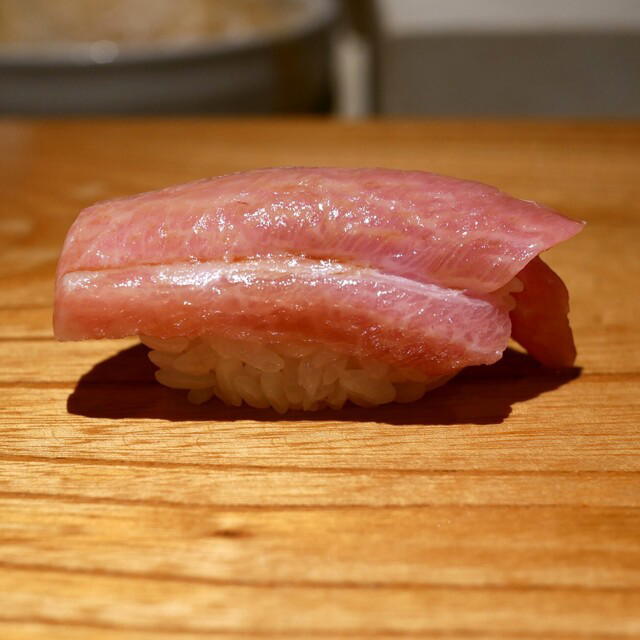
Approaching the station-side dining streets of central Niigata, the mood is less theatre than habit: office workers moving between trains and counters, sake signs glowing after dark, seafood restaurants drawing on a prefecture shaped by rice, water, and the Sea of Japan. Chiyo Zushi belongs to that practical, produce-first world. The point is not choreographed luxury, but sushi in a city where the raw material has local gravity.
Niigata’s dining identity is often reduced to rice and sake, but sushi is where both meet the coast. The prefecture faces rich fishing grounds, and its better counters read differently from Tokyo’s high-gloss omakase rooms: less scarcity as performance, more seafood, rice, and local drinking culture fitting into a regular evening. A 2025 selection for Tabelog Sushi EAST “Tabelog 100” gives Chiyo Zushi a clear trust signal for travellers separating serious local counters from interchangeable station-area dining.
Sea of Japan sushi, read through Niigata's rice-and-sake culture
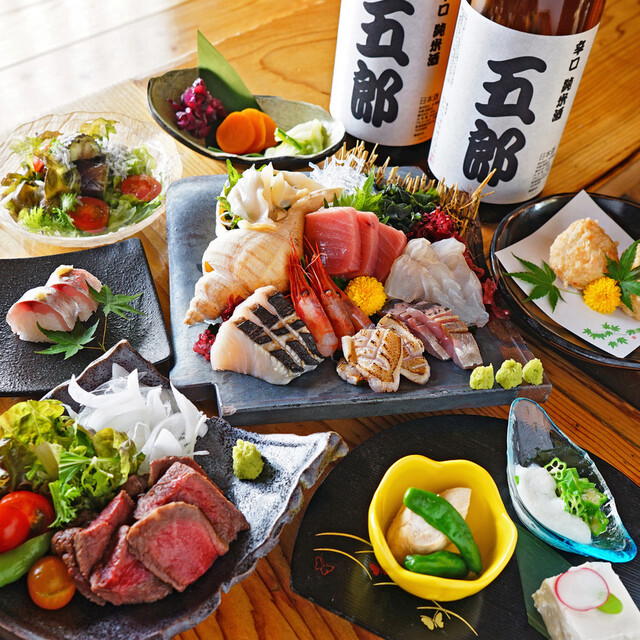
Ingredient sourcing matters more in Niigata than decorative technique. The city’s sushi tradition benefits from proximity to the Sea of Japan and from a rice culture that gives shari particular significance, unlike cities better known for importing prestige. Sushi, Japanese cuisine, and seafood are all part of the restaurant’s listed category, a useful clue that the meal sits inside a broader local washoku vocabulary rather than a narrow luxury omakase script.
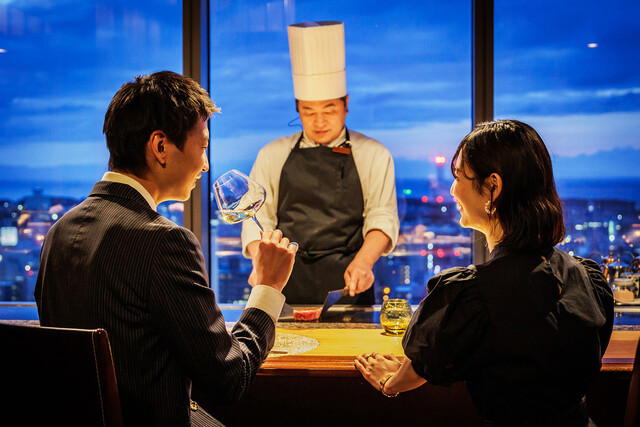
That distinction shapes the room. At many regional sushi restaurants in Japan, the counter is only part of the format; tatami seating and group dining can matter as much. Chiyo Zushi lists both counter seating and tatami rooms across 50 seats, placing it in a more accessible local category than the tiny, reservation-locked counters of Ginza or Akasaka. For travellers, the appeal is not only the chef-facing seat. The larger format suggests a restaurant built for friends, colleagues, and repeat local use, while still recognized enough to merit a Niigata detour.
The drinks signal is equally local. Sake and shochu are listed, and in Niigata that means more than a generic beverage note. The prefecture’s sake reputation is tied to clean water, cold winters, and polished rice, and sushi gives those bottles a natural role without making dinner a formal pairing exercise. Read it simply: a place to understand Niigata seafood culture in conversation with its drinking culture, not to chase one trophy piece of fish.
How it sits among Niigata dining choices
Niigata’s station area supports several kinds of serious eating, and the differences matter. Echigo Ichie Juro occupies a nearby Japanese dining lane at a lower dinner spend, while Negi Bouzu and Nerima Toricho Niigata point toward izakaya and grilled formats. Chiyo Zushi sits above those casual dinner categories and below the rarefied sushi counters that define Tokyo’s international reservation economy. That middle position gives the meal consequence without the psychological contract of a destination-only omakase.
For a short stay, the broader Niigata food circuit can move in several directions. Amaranthus and French Teppan Seikou An show how the city absorbs Western technique and teppan formats, while Burger Stand Tender and gelateria popolo. belong to a more casual urban register. Sushi remains the category that explains the prefecture most directly. If time allows only one serious meal near the station, a recognized sushi address argues more strongly than a format replicated with less loss elsewhere in Japan.
The Tabelog score of 3.61 also needs context. In Japan’s user-review culture, scores above the mid-threes can signal meaningful local traction, especially outside the major metropolitan hype cycle. Combined with the 2025 Tabelog 100 selection for Sushi EAST, the number supports a practical conclusion: this is not merely convenient sushi near transport, but a locally validated address in a region where seafood competence is expected rather than decorative.
Planning the meal around a compact Niigata itinerary
The logistics suit a station-based trip. The restaurant is listed near Niigata Station, with no parking, so it fits travellers arriving by rail or staying in the central hotel cluster. Reservations are available, important for a recognized sushi restaurant with lunch and dinner appeal. The room is completely non-smoking, private rooms are unavailable, and payment flexibility includes major credit cards and QR code payments, though electronic money is not accepted.
Chiyo Zushi is better read as part of a wider Niigata weekend than as an isolated trophy booking. Use Our full Niigata restaurants guide to build the dining sequence, then connect it with Our full Niigata hotels guide, Our full Niigata bars guide, Our full Niigata wineries guide, and Our full Niigata experiences guide. The city rewards cross-category planning: sushi for seafood and rice, sake for the prefecture’s drinking identity, and compact central routing for a trip that avoids wasted transit.
Readers comparing Japanese dining beyond Niigata can place this address against a broader national spread, from -Grilled beef Sukiyaki- KAMAKURA TANUKIAN 鎌倉 たぬき庵 in Kamakura and. 鮪と炭火焼き うお炭 秋葉原店 in Tokyo to.cafe in Osaka.know in Kumamoto, (Shoku) Vietnam in Kawasaki, and [Curry Senmon Ten] Maruyama Kyoju. in Sapporo. For a transpacific angle on Japanese drinking and casual rice culture, Jōdo Saké Bar in Los Angeles and Onigiri Time in Pasadena show how the context changes once the ingredients leave their home region.
The verdict is direct: Chiyo Zushi is strongest for travellers who want Niigata sushi with local credibility rather than luxury performance. The sourcing context, sake culture, station-side practicality, and Tabelog 100 recognition all point the same way. This is the kind of restaurant that explains a city through what it serves, often the smarter booking than chasing a louder name elsewhere.
Frequently asked questions
Is Chiyo Zushi good for families?
The 50-seat room includes tatami seating as well as counter seating, which makes Chiyo Zushi workable for mixed groups. Its location in Niigata and price range of JPY 8,000–JPY 9,999 for dinner also suit a planned family meal rather than a casual drop-in.
How would you describe the vibe at Chiyo Zushi?
Expect a station-area sushi room with counter seating, tatami seating, and a non-smoking interior. The Tabelog 100 Sushi EAST 2025 selection gives it clear credibility, while the Niigata address keeps it grounded in a local dining circuit rather than a destination-room mood.
What does dinner at Chiyo Zushi typically cost?
Pricing at Chiyo Zushi is listed as JPY 8,000 - JPY 9,999 JPY 3,000 - JPY 3,999.
Where is Chiyo Zushi in Niigata?
Chiyo Zushi is located in Niigata.
Side-by-Side Snapshot
Comparable venues by cuisine and price in the same metro.
| Venue | Cuisine | Price | Awards | Notes |
|---|---|---|---|---|
| Chiyo ZushiThis venue — the venue you are viewing | Traditional Sushi & Japanese Seafood | $50–100 | Tabelog 100 #36 | Not listed |
| 割烹渡辺 | Edomae Sushi | $100–150 | Tabelog 100 #27 | Chuo-ku |
| Sushi Yasu | Traditional Edo‑style Sushi | $30–50 | Tabelog 100 #48 | Chuo Ward |
| Goro Bandai ten | Niigata seafood izakaya | $30–50 | Tabelog 100 #87 | Bandai / Chuo Ward |
| Tonkatsu Taro | Traditional Niigata Tare Katsudon | Not listed | Not listed | Chuo-ku |
| Shukouya Ikkou | Niigata izakaya & sake bar | $50–100 | Tabelog 100 #86 | Chuo Ward, Niigata City |
Recognition history
Dated appearances from independent guides and award organizations, with the underlying list record or original source where available.
Tabelog 100 #36 · No. 36
Tabelog · Tabelog 100 - Sushi - EAST - 2025
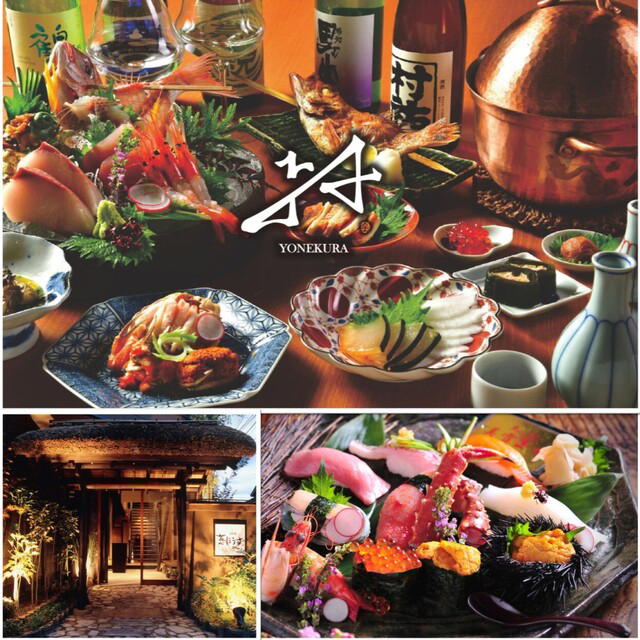
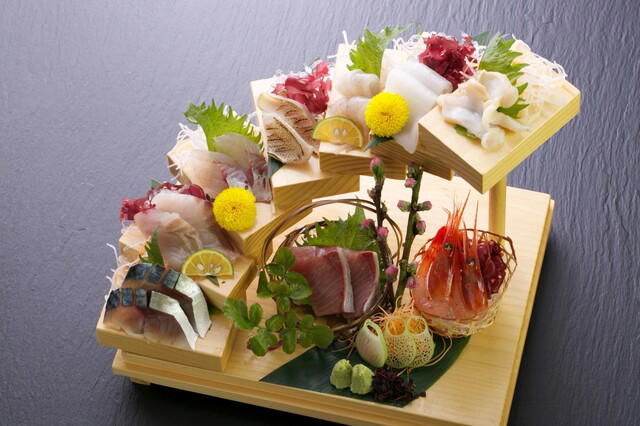
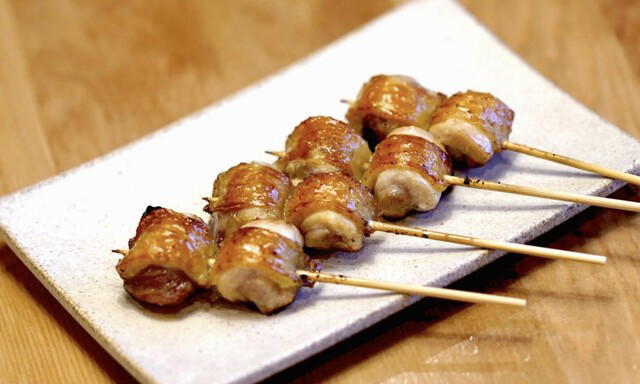
Details
- Classic
- Cozy
- Lively
- Casual Hangout
- Group Dining
- Solo
- After Work
- Chefs Counter
- Standalone
- Sake Program
- A La Carte
- Counter Dining
- Sake
- Shochu
- Pescatarian Friendly
Traditional sushi-house atmosphere with counter seats and tatami rooms, non-smoking and likely relaxed yet busy, suitable for friends and small groups rather than formal fine dining.