
Tabelog 100 #32
Our verdict
Niigata’s izakaya culture is strongest when seafood, sake, and station-side practicality meet without ceremony. Negi Bouzu sits in that lane: a seafood-led Japanese tavern near Niigata Station, selected for Tabelog 100 Izakaya EAST in 2024 and 2025, with a drinks program that keeps nihonshu close to the food rather than treating it as an afterthought.

Pearl is the En Primeur Club membership app — saves, bookings, and concierge access live there. Same editors, same standards.
- Address
- 1 Chome-10-1 Sasaguchi, Chuo Ward, Niigata, 950-0911, Japan
- Phone
- +81 25-240-6363
- Hours
- Daily 5 PM–12 AM
- Website
- yonekura-group.jp
- Directions
- Get directions
- Booking
- Book on the venue's website
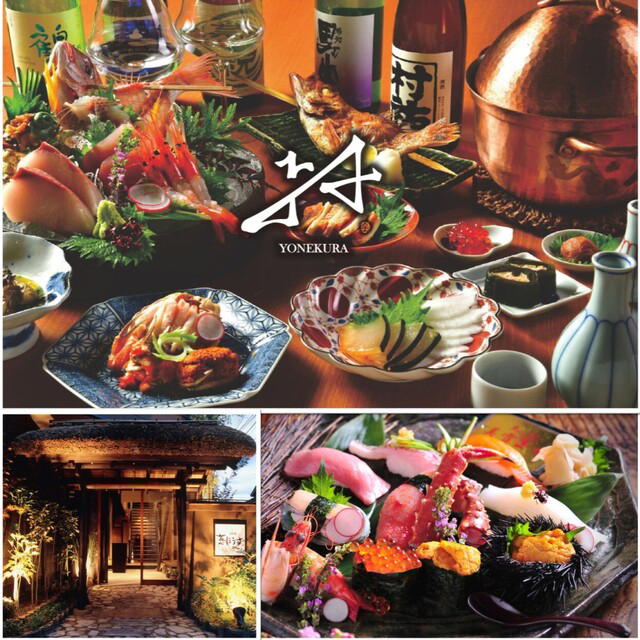
The menu
What to order
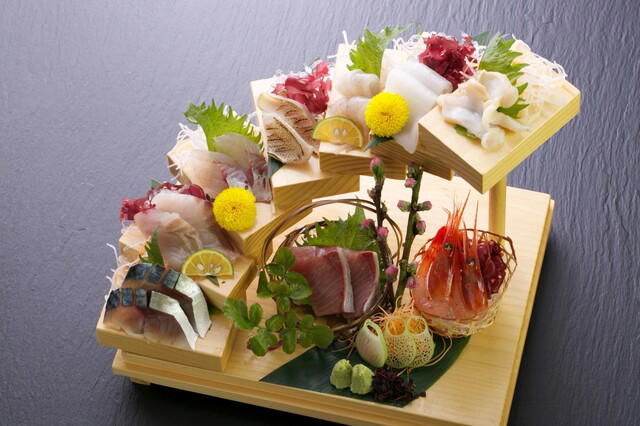
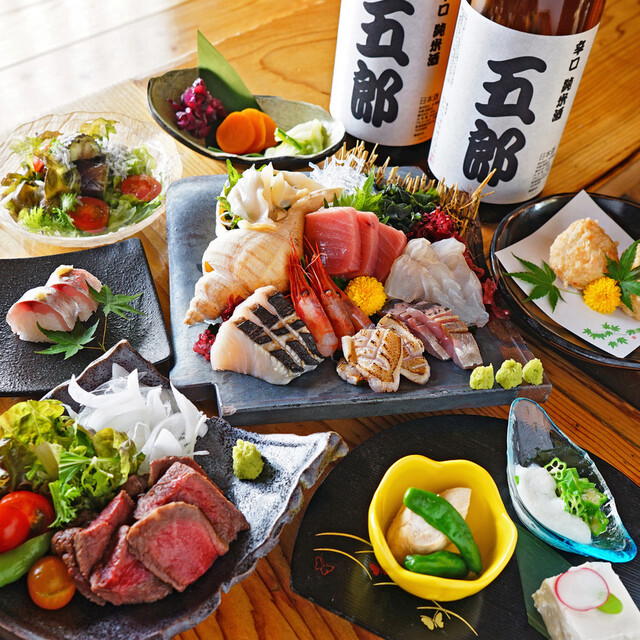
- Assorted local sashimi
- Squid sashimi
- Deep-fried shrimp paste
- Fried octopus
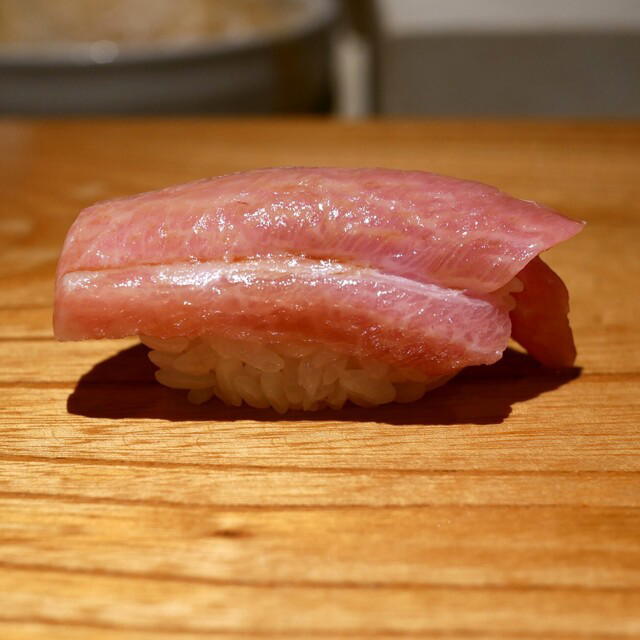
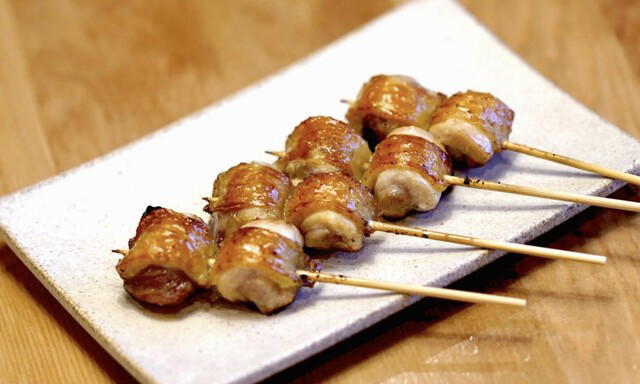
- Negima skewers
- Local cuisine noppe stew
In Niigata, the mood can change from transit to dinner with unusual speed: office workers, small groups, and rail passengers fold into the evening rhythm of the city, where izakaya dining is less about spectacle than pace, sourcing, and the right drink beside the right fish. In a city defined by the Sea of Japan, rice country, and sake breweries, the serious local tavern has to do more than serve snacks. It has to connect the table to the region’s waters and fermentation culture without turning the room into a lecture.
Negi Bouzu belongs to that practical Niigata category: izakaya, Japanese sake bar, and seafood-focused casual regional dining under one roof. Its 2025 Tabelog Hyakumeiten recognition gives it a clear external signal in a category that is often judged locally and informally. The score attached to its listing, 3.64, is not the point on its own; the more useful reading is that a Niigata izakaya has earned recognition in a field where smaller, more specialised rooms can often dominate outside attention.
Sea of Japan fish, sake, and the Niigata izakaya equation
Niigata’s dining identity starts with rice, clean water, winter seafood, and sake. That combination shapes the izakaya table differently from a Tokyo drinking den or a Kyoto kappo room. Fish is not an accessory here; it is the reason the format works. The restaurant’s public category language puts seafood and sake in the foreground, and that matters because Niigata’s stronger taverns tend to read as regional restaurants disguised as drinking rooms.
The sourcing angle is especially relevant in this prefecture. Niigata faces the Sea of Japan, a coastline associated with cold-water seafood, while the inland plains underpin the area’s rice and nihonshu reputation. A seafood izakaya in this setting competes less on luxury theatre than on whether the kitchen can make fish, sake, and side dishes feel native to the place. The emphasis on sake is the meaningful signal: local izakaya dining works when the beverage list is built around the food rather than bolted on as a separate program.
That also explains why the format is useful for travellers. Sushi in Niigata can be a sharper, more formal expression of the same waters, and Chiyo Zushi offers one version of that focused counterpoint. An izakaya table gives more range: grilled, raw, simmered, and shared dishes can move around the same seafood culture without the concentration of a sushi counter. Echigo Ichie Juro sits closer in spirit as a regional evening choice, while other dining in Niigata shows how broad the city’s restaurant map has become beyond the seafood-and-sake axis.
The tavern format changes the way the meal works
Many serious izakaya are intimate by necessity, but the format itself changes the social use of dinner. Negi Bouzu reads as a practical izakaya choice rather than a hushed counter built around a single fixed tempo. In Japanese dining terms, that puts it closer to the civic side of tavern culture: dates, families, friends, work dinners, and longer gatherings can all use the same seafood-and-drinks framework without requiring the silence or concentration of a narrow counter meal.
That also clarifies the critical lens. This is not a rarefied tasting-menu restaurant and should not be judged as one. Its strength is the breadth implied by the format: fish-forward cooking, sake compatibility, shared dishes, and a Niigata setting that makes sense for an evening built around local food culture. The average dinner band sits at JPY 4,000 to JPY 4,999, which places it in the serious-but-accessible tier for Niigata evenings. The more meaningful comparison is not with luxury dining, but with the kind of regional tavern that can absorb different preferences, offer seafood as the centre of gravity, and keep the drinking side aligned with the food.
Planning is best treated as part of the visit, especially when the evening matters or the table has several preferences to satisfy. That detail matters because an izakaya can look casual from the outside while still operating with the coordination expected of a recognised regional venue. For small parties, it works as a dependable dinner anchor; for groups, it reads as a place better approached with a clear plan than pure improvisation.
How to place it in a Niigata itinerary
For visitors building a food-focused route, the smarter approach is to treat the city by category rather than chase a single defining meal. Sushi gives precision, izakaya gives range, contemporary formats show the city’s wider dining spread, and sake bars connect Niigata’s rice culture to the glass. Negi Bouzu is the izakaya slot: regional, seafood-led, and suited to an evening when the table needs flexibility.
That makes it a useful counterweight to narrower reservations. A traveller might put sushi on one night, a broader regional tavern on another, and a more specialised room after that. For deeper planning, Our full Niigata restaurants guide is the relevant companion; the wider city context also sits alongside Our full Niigata hotels guide, Our full Niigata bars guide, Our full Niigata wineries guide, and Our full Niigata experiences guide.
The national comparison is useful, but only to a point. A sake-led seafood tavern in Niigata is doing different work from dining rooms in larger cities or from more specialised counters elsewhere in Japan. The value here is local alignment: fish, sake, shared pacing, and a format that can make the meal social rather than precious.
Frequently asked questions
What price level is Negi Bouzu?
Pricing at Negi Bouzu is listed as JPY 4,000 - JPY 4,999.
What are the opening hours for Negi Bouzu?
Specific opening hours are not provided here; check directly with Negi Bouzu before visiting.
Where is Negi Bouzu in Niigata?
Niigata.
What's the signature at Negi Bouzu?
No single named dish is listed, but the clearest through-line is seafood, backed by its 2025 Tabelog Hyakumeiten recognition. Its public category language also identifies it as a Japanese sake bar, which fits Niigata’s seafood-and-sake brief.
Snapshot
Comparable venues by cuisine and price in the same metro.
| Venue | Cuisine | Price | Awards | Notes |
|---|---|---|---|---|
| Negi BouzuThis venue — the venue you are viewing | Seafood-focused Japanese Izakaya | $30–50 | Tabelog 100 #32 | Not listed |
| Menya Agosuke | Japanese Ramen | $10–20 | Tabelog 100 #82 | Shimomonzen, Joetsu |
| Goro Bandai ten | Niigata seafood izakaya | $30–50 | Tabelog 100 #87 | Bandai / Chuo Ward |
| 割烹渡辺 | Edomae Sushi | $100–150 | Tabelog 100 #27 | Chuo-ku |
| 古門 | japanese | Not listed | Not listed | Niigata |
| World Burger Niigata ekimae ten | Burgers / Steak Burgers | $10–20 | Tabelog 100 #85 | Niigata Station area |
Recognition history
Dated appearances from independent guides and award organizations, with the underlying list record or original source where available.
Tabelog 100 #32 · No. 32
Tabelog · Tabelog 100 - Izakaya - EAST - 2025
Details
- Lively
- Energetic
- Cozy
- Group Dining
- After Work
- Casual Hangout
- Late Night
- Celebration
- Business Dinner
- Private Dining
- Standalone
- Sake Program
- Beer Program
- Local Sourcing
- A La Carte
- Small Plates
- Set Menu
- Sake
- Beer
- Pescatarian Friendly
Current opening hours
- Monday
- 5 PM–12 AM
- Tuesday
- 5 PM–12 AM
- Wednesday
- 5 PM–12 AM
- Thursday
- 5 PM–12 AM
- Friday
- 5 PM–12 AM
- Saturday
- 5 PM–12 AM
- Sunday
- 5 PM–12 AM
Hours can change for holidays and private events. Last verified .
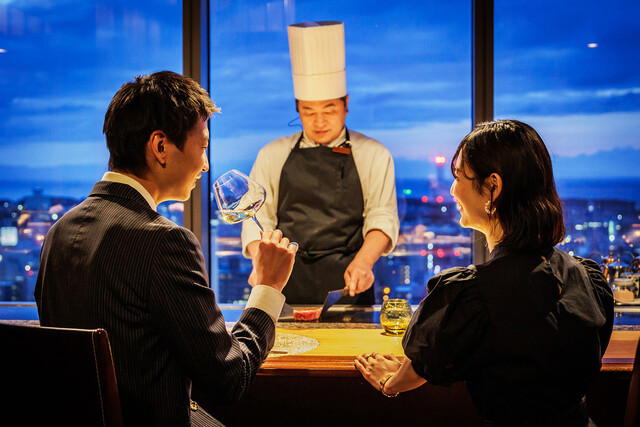
Bustling seafood izakaya atmosphere with casual table seating and banquet rooms, active in the evenings and geared toward groups enjoying drinks and shared dishes.