900 ALL'ISOLA
900 ALL'ISOLA sits in the wetlands of Palazzolo dello Stella, in Friuli's Stella River reserve, where the surrounding lagoon and agricultural land shape everything that reaches the table. This is a corner of northeastern Italy where landscape and ingredient are inseparable, placing the restaurant in a tradition of place-driven cooking that runs deep through the region. Guests arriving by road find themselves in one of Italy's quieter, more purposeful dining destinations.
Pearl is the En Primeur Club membership app — saves, bookings, and concierge access live there. Same editors, same standards.
- Address
- Via Casali Isola Augusta, 4, 33056 Palazzolo dello Stella UD, Italy
- Phone
- +39431586283
- Website
- novecentoallisola.it
- Directions
- Get directions
 Saves & bookings on Pearl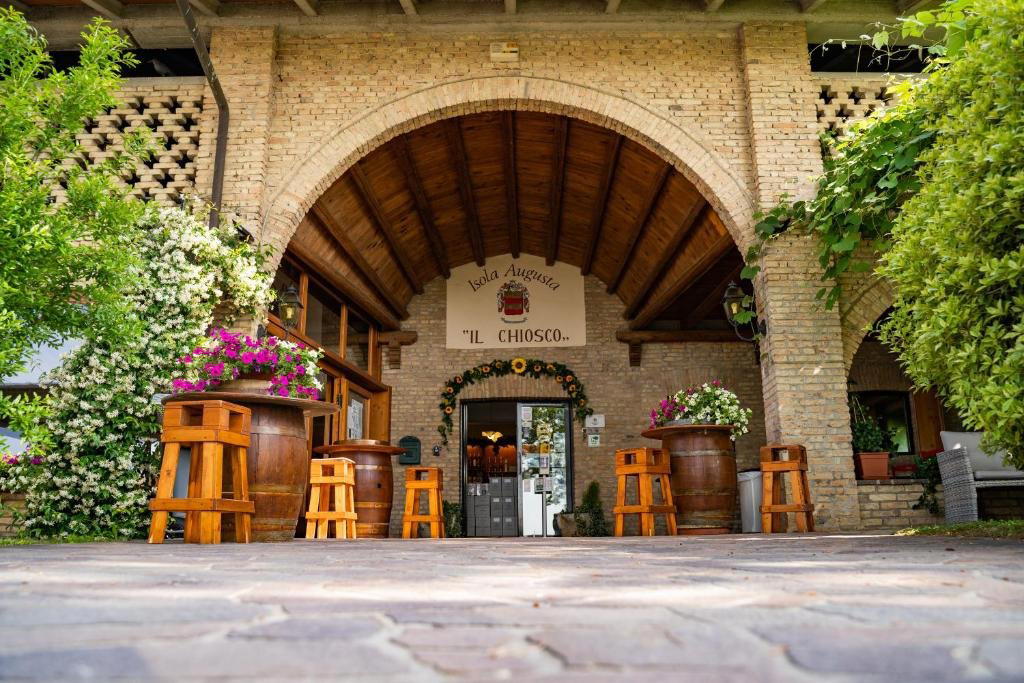
Where the Lagoon Sets the Menu
Friuli-Venezia Giulia's coastal wetlands occupy a peculiar position in Italian gastronomy: close enough to Venice to carry Adriatic seafood traditions, yet distinct enough in agricultural character to maintain their own culinary logic. The Stella River reserve, which borders the hamlet of Casali Isola Augusta, sits within this overlap. Reed-lined water channels, small-scale fishing operations, and farmland that floods seasonally define the area's productive identity. Restaurants that root themselves here are working with a larder shaped by water levels and season.
900 ALL'ISOLA, at Via Casali Isola Augusta 4 in Palazzolo dello Stella, sits within this environment. The approach road narrows as it crosses the reserve, and the sense of arrival is one of gradual removal from the motorway network of northern Italy. That physical approach matters: it tells you something about the relationship between this kitchen and its sources before you've sat down. The setting recalibrates expectations immediately.
Ingredient Logic in the Friulian Wetlands
Italy's most compelling regional kitchens have always organised themselves around what is immediately producible rather than what is fashionable. In the northeast, that means a pantry shaped by the Adriatic, by river systems, and by an agricultural tradition that blends Venetian, Austro-Hungarian, and Slavic influences into something genuinely its own. The lagoon towns between Grado and Lignano Sabbiadoro have long sustained a fishing culture centred on grey mullet, sea bass, cuttlefish, and the small clams that thrive in brackish water. The fields behind the coast produce white asparagus, radicchio variants, and corn for polenta that differs texturally from its Veneto counterpart.
For a kitchen in this part of Friuli, this is not a curatorial decision but a practical one. Proximity to these sources is the operating condition. The same principle drives some of Italy's most respected regional tables, from Dal Pescatore in Runate, where the Po Valley's agricultural specificity anchors decades of cooking, to Uliassi in Senigallia, where Adriatic catch defines both menu structure and creative ambition. In each case, geography precedes concept.
The Friulian lagoon adds a layer of complexity: it is neither fully freshwater nor fully marine. The resulting ingredient palette, particularly in fish and bivalves, carries a salinity and texture that open-sea equivalents don't replicate. Kitchens that work with this material honestly produce results that coastal restaurants in more trafficked tourist areas cannot easily copy, regardless of their technical skill.
Northeastern Italy's Quieter Fine Dining Circuit
Italy's fine dining conversation often defaults to a familiar list of reference points: Osteria Francescana in Modena, Le Calandre in Rubano, Enoteca Pinchiorri in Florence, Piazza Duomo in Alba, or in the urban tier, Enrico Bartolini in Milan. These are the anchoring names of the country's high-end restaurant culture, and they cluster predictably in cities or wine-country towns with existing tourism infrastructure.
Friuli-Venezia Giulia sits outside that clustering. The region generates serious wine, Collio and Colli Orientali del Friuli produce whites with extended fermentation profiles that attract committed buyers, but its restaurant circuit operates at lower visibility than Piedmont or Emilia-Romagna. Atelier Moessmer Norbert Niederkofler in Brunico represents the Alpine edge of this northeastern tradition; the lagoon coast represents its other boundary. Tables in between, including those in the wetland reserve around Palazzolo dello Stella, serve an audience that is largely local and regional rather than international, which tends to keep cooking honest.
That dynamic parallels what you find at places like Gambero Rosso in Marina di Gioiosa Ionica in Calabria or Quattro Passi in Marina del Cantone on the Sorrentine coast: serious kitchens in coastal locations that tourism has not yet entirely colonised, where the peer pressure is local expectation rather than international review cycles. For travellers who have worked through the recognised circuit and want to understand how Italian regional cooking operates outside award spotlights, this tier of restaurant is where the education continues.
The Broader Reference Frame
Comparing 900 ALL'ISOLA directly to La Pergola in Rome, Reale in Castel di Sangro, or Villa Crespi in Orta San Giulio would misframe the question. Those are destination restaurants calibrated for international readership and award infrastructure. A restaurant in the Stella River wetlands operates on a different axis: the question is not whether it competes with three-Michelin-star kitchens but whether it executes on the specific ingredients and traditions of its location with enough rigour to justify the journey.
Italy has a long tradition of restaurants that answer that question affirmatively without ever appearing on a European fine dining shortlist. Da Vittorio in Brusaporto built its reputation through decades of family-driven consistency before awards caught up. Casa Perbellini 12 Apostoli in Verona spent years consolidating a regional identity before wider recognition followed. The pattern is familiar: serious kitchens in non-capital locations mature slowly and resist easy categorisation.
For travellers whose reference points extend beyond Italy, the comparison to something like Le Bernardin in New York City or Atomix in New York City clarifies the stylistic distance: those are urban, technique-driven restaurants. A wetland address in Friuli is doing something structurally different, anchoring its identity in place rather than in the movement of ideas through global dining culture.
Planning a Visit
Palazzolo dello Stella sits in Udine province, roughly equidistant between Udine city and the Adriatic coastal towns of Lignano Sabbiadoro and Grado. A visit is easiest by car. Travellers flying into Venice Marco Polo or Trieste airport can reach the Stella River area in under 90 minutes by road. The lagoon coast's quieter months offer a different version of the wetland environment, with fewer day-trippers on the approach roads.
Side-by-Side Snapshot
Comparable venues nearby, for context on price, style, and recognition.
| Venue | Cuisine | Price | Notes |
|---|---|---|---|
| 900 ALL'ISOLAThis venue — the venue you are viewing | Friulian Seafood Italian | $$$ | Not listed |
| L'Ultimo Mulino | Traditional Italian in Historic Mill | $$$ | Fiume Veneto |
| Ai Casoni | Traditional Italian Seafood | $$$ | Bibione Pineda |
| Stiefel | Traditional Italian Pizza | $$$ | Lido di Jesolo |
| Casa Orter | Traditional Friuli Regional Italian | $$$ | Risano, Pavia di Udine |
| Blu Marino | Italian Seafood | $$$ | Bibione |
Continue exploring
More in Casali Isola Augusta
Restaurants in Casali Isola Augusta
Browse all →
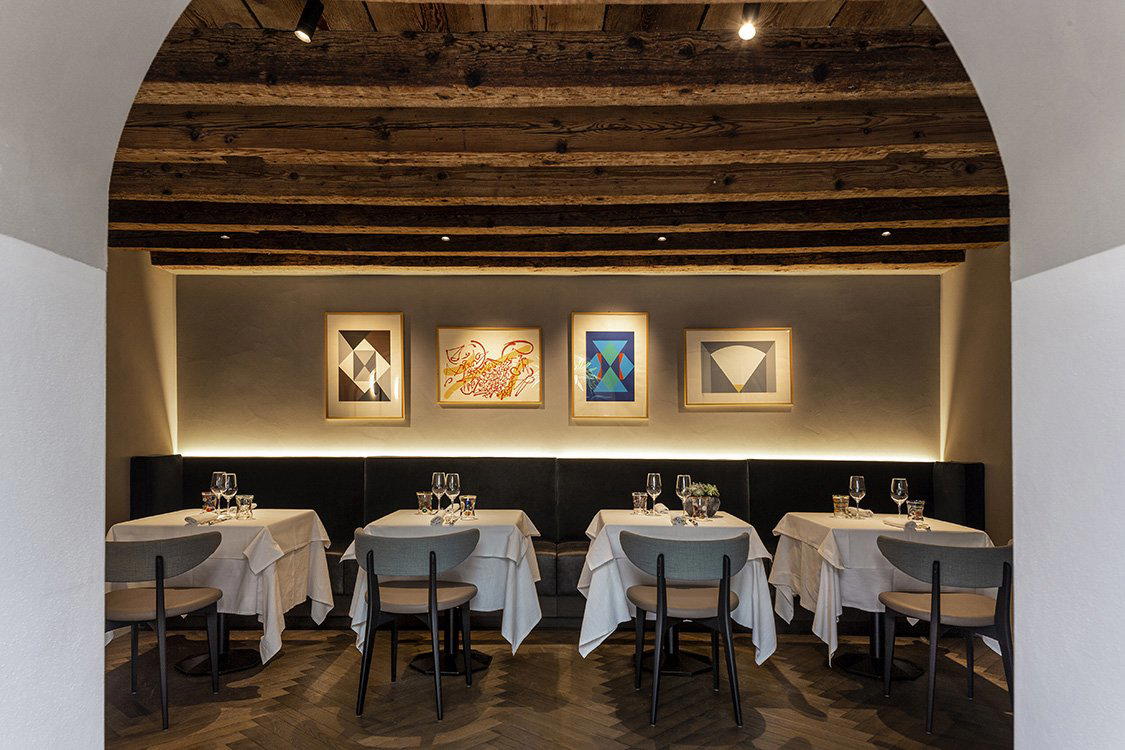
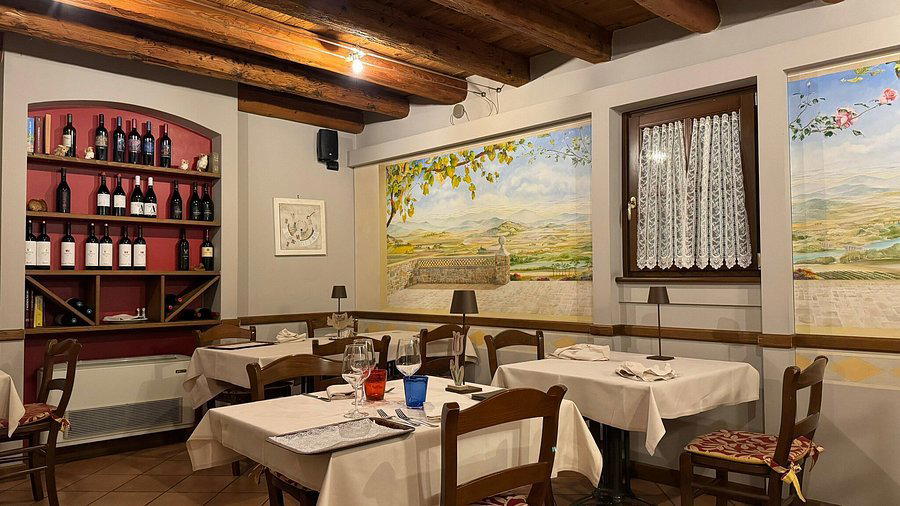
Bars in Casali Isola Augusta
Browse all →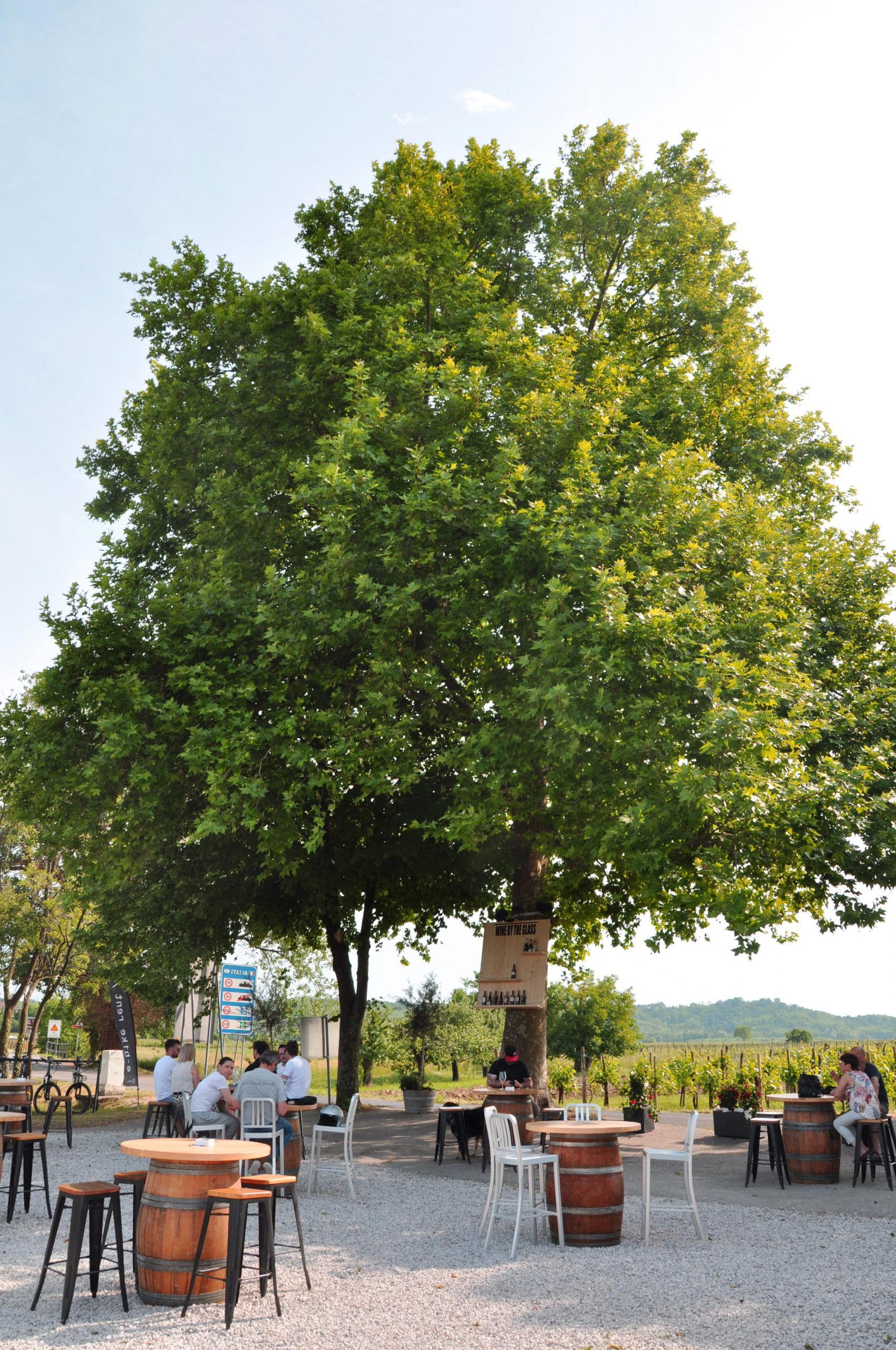
Hotels in Casali Isola Augusta
Browse all →
At a Glance
- Rustic
- Elegant
- Special Occasion
- Standalone
- Extensive Wine List
- Local Sourcing
Current opening hours
- Monday
- Closed
- Tuesday
- Closed
- Wednesday
- 12:30–2:30 PM, 7:30–10:30 PM
- Thursday
- 12:30–2:30 PM, 7:30–10:30 PM
- Friday
- 12:30–2:30 PM, 7:30–10:30 PM
- Saturday
- 12:30–2:30 PM, 7:30–10:30 PM
- Sunday
- 12:30–2:30 PM
Hours can change for holidays and private events. Last verified .