ヴィルセゾンうさぎ
Our verdict
ヴィルセゾンうさぎ sits in the Kiyosue Higashimachi district of Shimonoseki, a city whose identity is inseparable from the Kanmon Strait and the produce it yields. Shimonoseki's dining scene draws heavily on proximity to some of Japan's most closely regulated seafood, and this address places itself within that tradition. Visitors to the broader Yamaguchi dining circuit will find it worth including alongside a considered itinerary of the region.

Pearl is the En Primeur Club membership app — saves, bookings, and concierge access live there. Same editors, same standards.
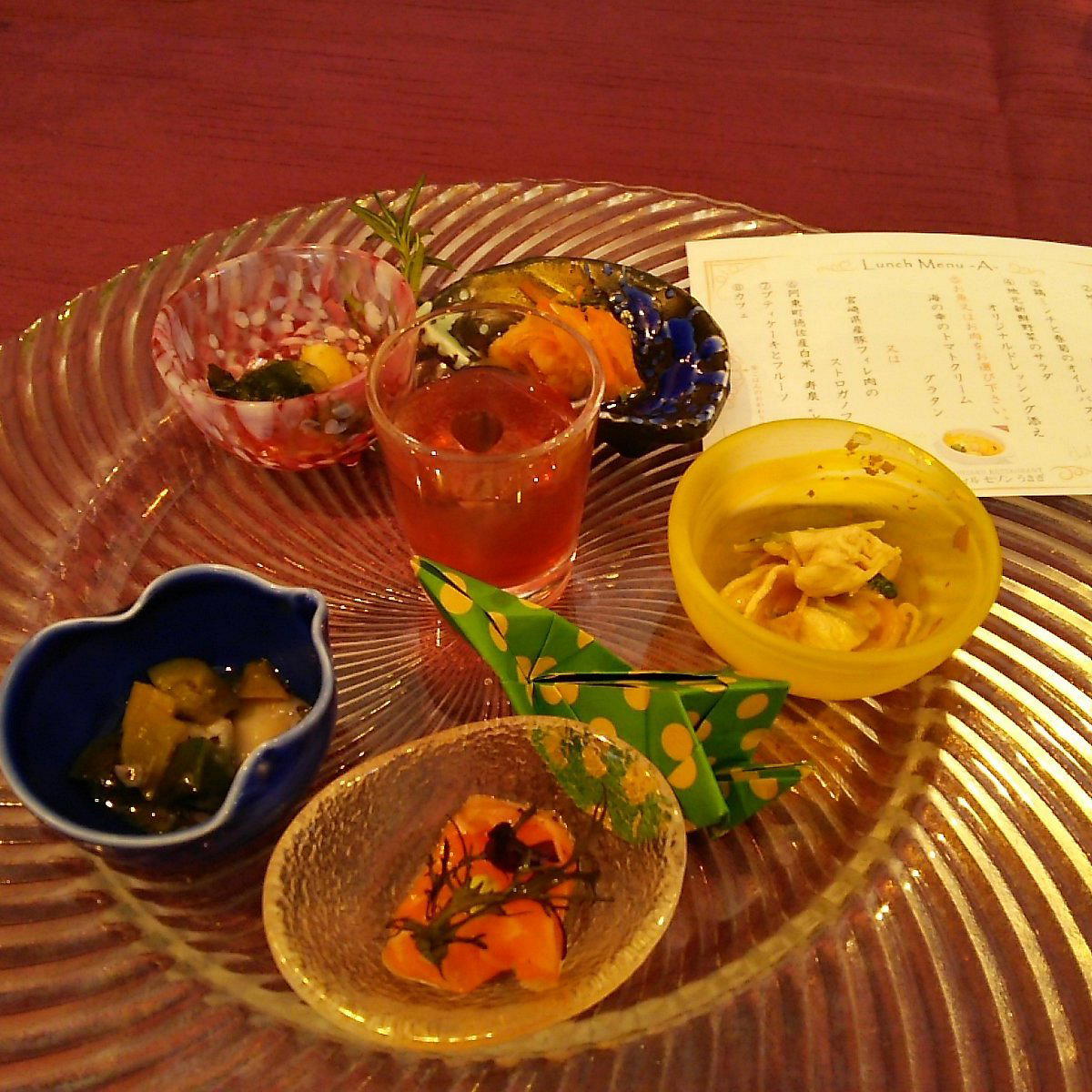
The menu
What to order
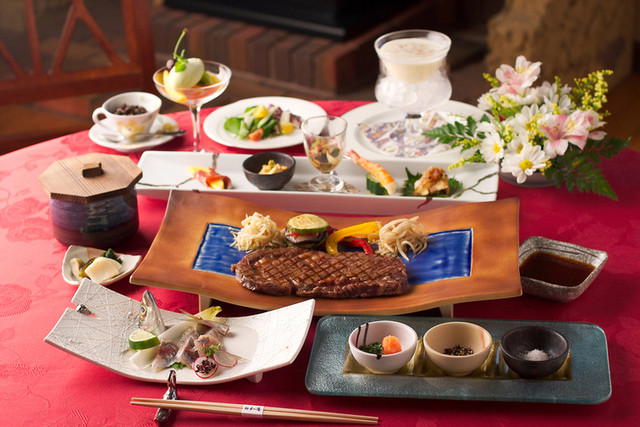
- Wagyu Steak Course with Japonaise Sauce
- Lobster Course
- Seasonal Pasta
Shimonoseki and the Sourcing Advantage
Few Japanese cities carry as direct a line between geography and plate as Shimonoseki. The Kanmon Strait, which separates Honshu from Kyushu at one of its narrowest points, creates tidal conditions that have made this coastline one of Japan's most consequential fishing grounds for centuries. The currents here produce fugu (tiger puffer fish) of a quality so closely associated with the city that Shimonoseki processes a significant share of Japan's annual fugu catch, with Karato Market serving as the distribution hub for much of western Japan's seafood trade. That supply chain is not incidental to dining here — it is the entire argument for why the city's restaurant scene exists in the form it does.
ヴィルセゾンうさぎ, addressed at 1 Chome-332 Kiyosue Higashimachi, sits in a residential district that places it at some remove from the tourist-facing waterfront. That address, away from the concentrated restaurant clusters near Karato and Shimonoseki Station, signals something about the type of dining it represents: a neighbourhood establishment drawing on local sourcing rather than positioning itself as a destination for transit visitors. In a city where the most celebrated ingredient — fugu, is available in highly standardised formats across dozens of licensed restaurants, the places operating at a quieter register often work closer to the supply chain, with less markup on the performance and more attention paid to what arrives from the water each morning.
What Ingredient-Led Dining Looks Like in Yamaguchi Prefecture
Yamaguchi Prefecture's coastal restaurants occupy a position in Japanese dining that is rarely discussed in the same breath as Tokyo's omakase counters or Kyoto's kaiseki tradition, but the sourcing conditions here justify serious attention. Beyond fugu, the Kanmon Strait and the surrounding Sea of Japan coastline yield sea bream, yellowtail, oysters from Hiroshima's neighbouring bays, and seasonal shellfish that track the cold-water cycles of the Japan Sea. Restaurants drawing from this supply base work with ingredients that, at their seasonal peak, require minimal intervention, a principle that defines much of western Honshu's quieter dining culture.
This approach stands in contrast to the high-intervention technical cooking that defines the top tier of Japan's urban restaurant scene. Venues like HAJIME in Osaka or the refined kaiseki structures of Gion Sasaki in Kyoto operate within traditions where culinary architecture and technique are as visible as the ingredient. Regional coastal establishments in Yamaguchi tend toward the opposite: the fish is the argument, and the cooking exists to clarify rather than transform it. That is not a lesser ambition, it reflects a different set of sourcing priorities and a different relationship to the calendar of what the sea is producing at a given moment.
Across the broader Kyushu and western Honshu corridor, restaurants like Goh in Fukuoka demonstrate how coastal proximity and seasonal discipline can produce cooking that earns national recognition without operating within the formal kaiseki or omakase structures that dominate Tokyo's conversation. Shimonoseki's dining scene shares that orientation, even if it has historically attracted less coverage from publications based in the capital.
The Kiyosue Higashimachi Address
The residential character of Kiyosue Higashimachi means that arriving at ヴィルセゾンうさぎ involves passing through streets that look more like a working neighbourhood than a restaurant district. This is consistent with a pattern visible in other Japanese cities where the most ingredient-focused establishments have settled away from high-traffic commercial corridors, where rent pressures tend to push menus toward higher-margin, standardised formats. The quieter residential address allows a different operating model: smaller capacity, tighter supplier relationships, and a clientele that arrives with some deliberateness of purpose rather than on impulse.
Shimonoseki is accessible from Fukuoka's Hakata Station in under an hour by shinkansen, and from Hiroshima in approximately an hour by limited express, which makes it a viable day trip or overnight stop on a longer western Japan circuit. Visitors building an itinerary around ingredient-led dining in the region might also consider how Shimonoseki connects to other notable addresses along the Sea of Japan and Seto Inland Sea coastlines, including establishments like 一本木 旅川製 in Nanao and 湖畔荘 in Takashima, where the sourcing logic similarly follows the water rather than the urban dining calendar. Our full Shimonoseki restaurants guide maps this further, including レストラン 高津, another address worth cross-referencing when planning a visit to the city.
Positioning Within Japan's Regional Dining Circuit
Japan's regional dining scene has matured considerably over the past decade, with venues outside Tokyo and Kyoto receiving greater attention from both the Michelin Guide's regional editions and from international food media. Addresses in secondary cities, the kind that require a deliberate journey rather than fitting naturally into a Tokyo-Osaka express route, attract a different type of visitor: one who has typically already worked through the capital's most-discussed counters and is following the supply chain back toward its source. Tokyo's leading sushi counters, including Harutaka in Tokyo, source from many of the same fishing grounds that regional restaurants in western Honshu access directly, often at greater freshness advantage given proximity.
That proximity argument is the central case for exploring Shimonoseki's dining scene with care. Venues operating close to primary fishing ports work with fish that has not spent time in refrigerated transit, and that difference shows in texture and flavour in ways that are immediately legible to anyone who has eaten comparable species in both settings. The broader EP Club network maps this regional picture across Japan, from akordu in Nara to bodai in 那智勝浦町 and beyond, with each address representing a distinct relationship between geography and what arrives on the plate.
For visitors who have oriented their Japan dining around the formal international reference points, the technical ambition of Atomix in New York City or the seafood precision of Le Bernardin in New York City, the quieter register of Shimonoseki's coastal dining offers a genuinely different set of reference points, organised around what the Kanmon Strait produces rather than what a particular culinary lineage demands.
Planning a Visit
Neighbourhood establishments of this type in Japan frequently operate without English-language web presence, and booking may require phone contact or in-person enquiry. The broader Shimonoseki tourism infrastructure, anchored near Karato Market and the Shimonoseki Station area, can serve as a planning base.
Frequently asked questions
Where is ヴィルセゾンうさぎ located?
ヴィルセゾンうさぎ is located at 1 Chome-332 Kiyosue Higashimachi, Shimonoseki, Yamaguchi 750-1156, Japan, Shimonoseki.
Do they accommodate allergies at ヴィルセゾンうさぎ?
Given the venue's residential Shimonoseki location and the likelihood of a set or ingredient-driven menu format common to this class of regional Japanese restaurant, communicating any dietary requirements in advance — ideally in Japanese — is strongly recommended.
What dish is ヴィルセゾンうさぎ famous for?
Confirmed signature dishes are not on public record for ヴィルセゾンうさぎ. What is clear from its Shimonoseki address is the proximity to the Kanmon Strait, one of Japan's most productive fishing corridors and the source most closely associated with fugu (tiger puffer fish) — a regional speciality that defines dining in this city more than any other ingredient. Whether that connection shapes the menu directly requires confirmation on arrival.
Is ヴィルセゾンうさぎ reservation-only?
Reservation policy has not been publicly confirmed for ヴィルセゾンうさぎ. The venue sits in Kiyosue Higashimachi, a residential part of Shimonoseki without the foot-traffic of a commercial dining district, which typically means walk-ins are not the operating model. Contacting the venue directly before visiting is advisable.
What makes ヴィルセゾンうさぎ worth seeking out?
The address in Kiyosue Higashimachi places this venue outside Shimonoseki's more obvious dining corridors, which in Japan's regional restaurant scene often signals a cook-first operation built around repeat local custom rather than tourist throughput. Shimonoseki itself sits at the narrowest point of the Kanmon Strait, giving restaurants here access to seafood that Tokyo venues pay a premium to source. That geography alone makes the city a credible stop on any serious Yamaguchi itinerary.
Do they accommodate allergies at ヴィルセゾンうさぎ?
Dietary accommodations can vary. Flag restrictions in advance via the venue's official channels.
Fast Comparison
Comparable venues nearby, for context on price, style, and recognition.
| Venue | Cuisine | Price | Awards | Notes |
|---|---|---|---|---|
| ヴィルセゾンうさぎThis venue (the venue you are viewing) | Modern French Fusion | $30–50 | Not listed | Not listed |
| Hiroshima Okonomiyaki Kokoya | Hiroshima-style okonomiyaki & teppanyaki | $20–30 | Tabelog 100 #4 | Yamanoda Chuocho |
| レストラン 高津 | Modern French with Local Seafood | $150–200 | Tabelog Bronze #367 | 岬之町 |
| Mimasu | Traditional Shimonoseki Izakaya & Fugu | $30–50 | Tabelog 100 #85 | Takezakicho |
| Hiyorian | Japanese-European Creative Cuisine | Not listed | Tabelog 100 #22 | Maruyama-cho |
| Otona | French-Italian Bistro | $50–100 | Not listed | Kinshicho |
Continue exploring
More in Shimonoseki
Restaurants in Shimonoseki
All restaurants in Shimonoseki →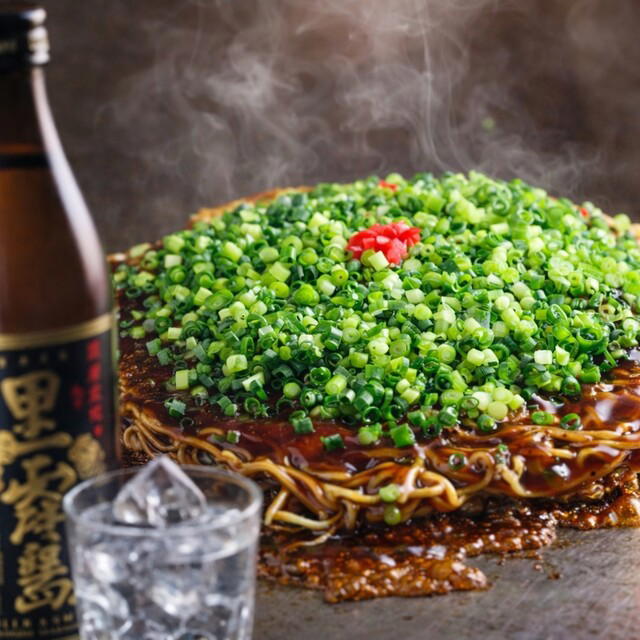
Hotels in Shimonoseki
Browse all →
Details
- Elegant
- Romantic
- Intimate
- Sophisticated
- Date Night
- Celebration
- Special Occasion
- Group Dining
- Standalone
- Private Dining
- Local Sourcing
- Prix Fixe
- Set Menu
Current opening hours
- Monday
- 11:30 AM–2 PM, 6–9 PM
- Tuesday
- 11:30 AM–2 PM, 6–9 PM
- Wednesday
- Closed
- Thursday
- 11:30 AM–2 PM, 6–9 PM
- Friday
- 11:30 AM–2 PM, 6–9 PM
- Saturday
- 11:30 AM–2 PM, 6–9 PM
- Sunday
- 11:30 AM–2 PM, 6–9 PM
Hours can change for holidays and private events. Last verified .
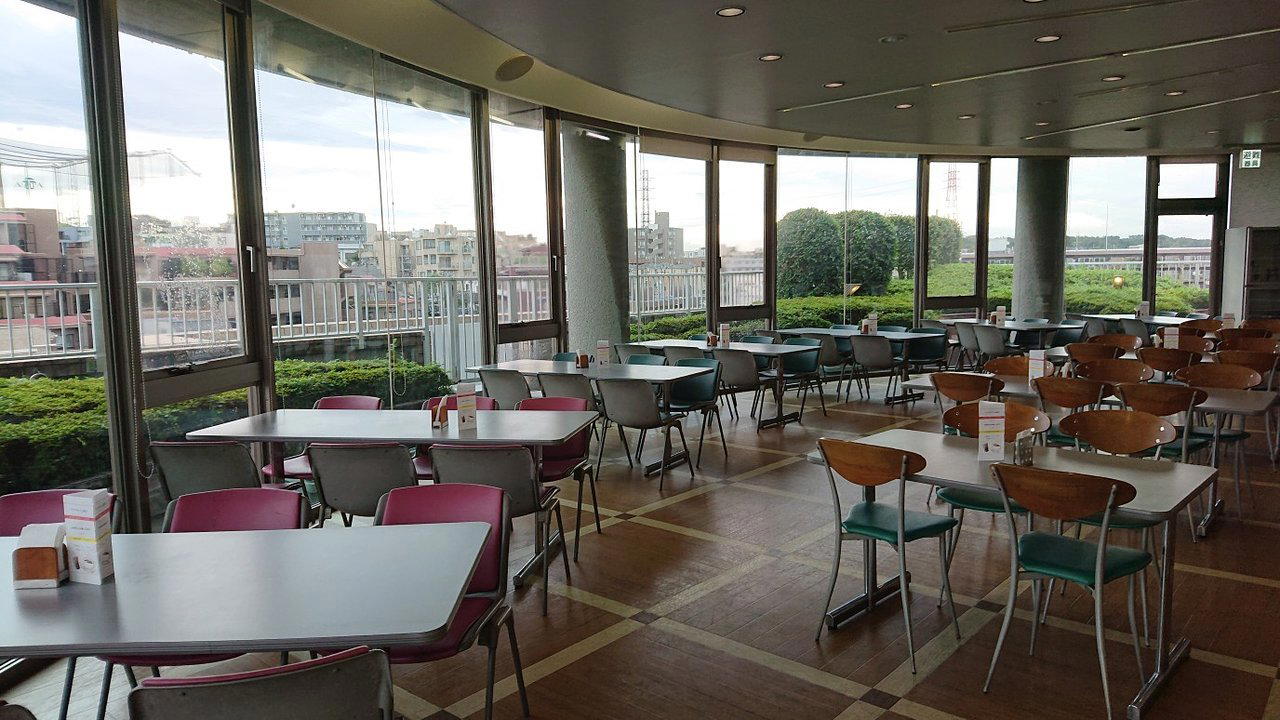
Bright natural light during lunch service; elegant and refined atmosphere in a standalone house restaurant setting.