Mimasu

Tabelog 100 #85
Our verdict
Mimasu is a Shimonoseki izakaya shaped by the city’s seafood culture, with fugu and fish at the center of its identity rather than as decorative menu signals. Its Tabelog 100 Izakaya WEST selections in 2024 and 2025 place it in a serious regional conversation, while the compact room and tavern format keep the experience closer to local drinking food than formal dining.

Pearl is the En Primeur Club membership app — saves, bookings, and concierge access live there. Same editors, same standards.
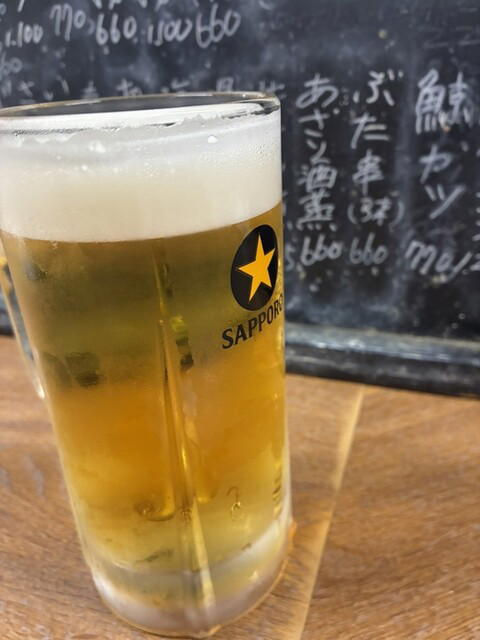
The menu
What to order
- Fried fugu
- Fugu sashimi
- Tecchiri (fugu hot pot)
- Beef tendon stew
- Pork skewers
- Squid okonomiyaki
Approaching an izakaya in Shimonoseki, polish is rarely the first clue. Better signs are city dining streets, early-evening arrivals, a room built for drinking, and a menu treating fish as daily material, not luxury theater. Mimasu fits that register. Its Shimonoseki setting places it in Japanese tavern tradition: close quarters, shared rhythm, and cooking answerable to drinks as much as appetite.
That matters here. Shimonoseki’s food identity is closely associated with fugu, but the strongest meals do not reduce the city to one fish. They read the port broadly: seafood as habit, not event. Categorized as izakaya, seafood, and fugu, Mimasu reflects that grammar. It is not presented here as a tasting-menu room or hotel dining room; it sits where fish, drinks, and local regularity carry the argument.
Fish-led izakaya cooking in a port city built around fugu
Shimonoseki is one of Japan’s defining fugu cities, a reputation that can flatten the dining conversation for visitors. The better reading is layered. Fugu is the headline, but the izakaya format folds seafood culture into an evening rather than framing it as a set-piece meal. Mimasu is useful because its listed focus is not broad “Japanese food” but izakaya, seafood, and fugu, supported by tavern informality rather than fine-dining formality.
The Tabelog Hyakumeiten recognition in 2025 gives the room a public credential without changing its category. This remains tavern dining, not destination gastronomy framed by ceremony. A Tabelog score of 3.76 in Japan’s user-review ecosystem signals consistent local and regional traction, especially meaningful for an izakaya beyond the country’s largest restaurant circuits. The recognition places it among stronger listed izakaya performers, where atmosphere and repeat appeal matter alongside cooking.
Ingredient focus is the central reason to care. In port cities, fish-led izakaya cooking leaves less room for disguise than urban concept dining. The appeal depends on handling and pacing: seafood must fit a drinking table, not dominate it. That is Shimonoseki’s advantage. The city’s relationship with the sea is part of the dining context, not decorative branding. Mimasu sits in that system, with fugu as identity and fish as the broader point.
For comparison in Shimonoseki, Hiroshima Okonomiyaki Kokoya speaks to a different comfort-food format, while Hiyorian offers another local point of contrast. RESTAURANT TAKATSU and レストラン 高津 point toward a different side of the city’s dining mix, and other Shimonoseki dining rooms add further local reference points. Mimasu belongs to the tavern side of that map, measured not by linen, ceremony, or course architecture, but by how convincingly it converts seafood into drinking food.
A tavern format, not a formal seafood house
The izakaya format is part of the answer. Mimasu reads as tavern dining without needing luxury cues. The appeal of the format is the short distance between order, cooking, and drinking, with a rhythm that suits a casual evening more than a special-occasion room built around long reservations and hushed pacing.
The tavern category is not a footnote for international travelers. It changes the room. Visitors expecting fine-dining service choreography are reading the wrong category. The atmosphere is best understood as Japanese tavern dining: adult, informal, and built around food that works with drinks. That may be the point. Shimonoseki’s seafood culture is not only formal fugu restaurants; it also lives where a drink order sets the tempo and cooking follows.
The practical character separates it from higher-polish city dining. Mimasu is best approached as a seafood-and-drink stop rather than a room defined by luxury cues. Its Shimonoseki location keeps it within the city’s local dining circuit, while the Tabelog recognition gives travelers a reason to plan ahead without mistaking the place for reservation-theater dining.
Travelers building a broader Shimonoseki itinerary can place Mimasu within the city’s food-and-drink ecosystem rather than treating it as a trophy. The wider dining picture is covered in Our full Shimonoseki restaurants guide, while overnight planning sits in Our full Shimonoseki hotels guide. For drinking culture beyond the meal, see Our full Shimonoseki bars guide; for regional wine context, Our full Shimonoseki wineries guide; and for activities around the table, Our full Shimonoseki experiences guide.
How to read Mimasu against Japan's broader casual-dining map
Japan’s casual dining categories can look simple from outside: ramen, sushi, izakaya, okonomiyaki, café. In practice, distinctions are sharp. An izakaya recognized by Tabelog Hyakumeiten is judged inside a demanding format where repeatability, drink compatibility, and ingredient trust matter. That differs from quick-meal counters, specialist comfort-food formats, or casual international cooking in other cities.
The distinction also holds across drinking-food formats. Other Japanese cities have their own dense specializations and drinking rhythms, from charcoal-led counters to sake-focused bars and narrow comfort formats. Mimasu is not part of an export conversation. Its value is local: a Shimonoseki tavern where seafood and fugu align with the city’s coastal identity.
For travelers moving through Japan, the decision is clear. Choose this room to understand how Shimonoseki eats after the market headlines fade, not for polished service architecture. The Tabelog Hyakumeiten recognition supplies the trust signal; the city supplies the ingredient logic. Expect an adult tavern anchored by fish and drink, with the regional seafood tradition doing the heavy lifting.
For a different regional contrast beyond Yamaguchi, other Japanese dining traditions can run through beef, noodles, sushi, or griddle cooking, far from Shimonoseki’s fish-first vocabulary. That contrast defines Mimasu more clearly: not a generalized Japanese meal, but a tavern expression of a port city’s seafood culture.
Frequently asked questions
Is Mimasu child-friendly?
Mimasu is an izakaya in Shimonoseki. Its casual tavern format is better understood as a fish-and-drink setting than as a formal family dining room.
What is the atmosphere like at Mimasu?
The room is best read as a local seafood tavern rather than a grand dining room. Its Tabelog Hyakumeiten 2025 recognition and fish-led focus give it a regional trust signal while keeping it firmly in the izakaya category.
What does dinner at Mimasu typically cost?
Pricing at Mimasu is listed as JPY 3,000 - JPY 3,999.
What days is Mimasu closed?
Specific closing-day information is not provided here; check directly with Mimasu before visiting.
Side-by-Side Snapshot
Comparable venues by cuisine and price in the same metro.
| Venue | Cuisine | Price | Awards | Notes |
|---|---|---|---|---|
| MimasuThis venue (the venue you are viewing) | Traditional Shimonoseki Izakaya & Fugu | $30–50 | Tabelog 100 #85 | Not listed |
| レストラン 高津 | Modern French with Local Seafood | $150–200 | Tabelog Bronze #367 | 岬之町 |
| Hiroshima Okonomiyaki Kokoya | Hiroshima-style okonomiyaki & teppanyaki | $20–30 | Tabelog 100 #4 | Yamanoda Chuocho |
| Hiyorian | Japanese-European Creative Cuisine | Not listed | Tabelog 100 #22 | Maruyama-cho |
| ヴィルセゾンうさぎ | Modern French Fusion | $30–50 | Not listed | Kiyosue |
| 楽々 | Handmade Udon | $10–20 | Tabelog 100 #32 | 幾野 |
Recognition history
Dated appearances from independent guides and award organizations, with the underlying list record or original source where available.
Tabelog 100 #85 · No. 85
Tabelog · Tabelog 100 - Izakaya - WEST - 2025
Continue exploring
More in Shimonoseki
Restaurants in Shimonoseki
All restaurants in Shimonoseki →
Hotels in Shimonoseki
Browse all →
Details
- Lively
- Cozy
- Classic
- Intimate
- Casual Hangout
- After Work
- Group Dining
- Solo
- Date Night
- Standalone
- Sake Program
- Beer Program
- Local Sourcing
- Sustainable Seafood
- A La Carte
- Small Plates
- Counter Dining
- Sake
- Shochu
- Beer
- Pescatarian Friendly
Current opening hours
- Monday
- 3–10 PM
- Tuesday
- 3–10 PM
- Wednesday
- Closed
- Thursday
- 3–10 PM
- Friday
- 3–10 PM
- Saturday
- 3–10 PM
- Sunday
- 3–10 PM
Hours can change for holidays and private events. Last verified .