Our verdict
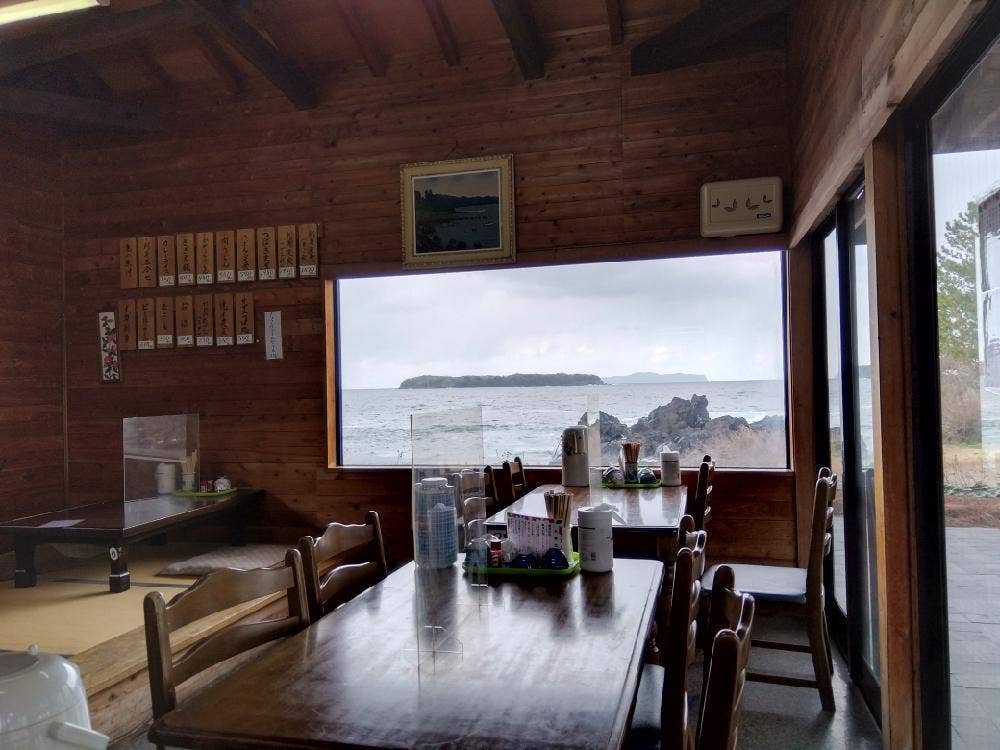
つばきの館 serves Local Hagi Seafood from a waterfront, standalone setting in Hagi. Casual service, quiet pacing, and lunch focus suit an unhurried midday stop.

Pearl is the En Primeur Club membership app — saves, bookings, and concierge access live there. Same editors, same standards.
- Address
- 716-16 Chinto, Hagi, Yamaguchi 758-0011, Japan
- Phone
- +81838266446
- Hours
- Mon–Tue 11 AM–2 PMWed–Thu ClosedFri–Sun 11 AM–2 PM
- Directions
- Get directions
The menu
What to order
- Tsubaki set meal
- Simmered amadai
- Sazae takikomi rice
- Sashimi set meal
- Grilled squid
- Sazae tsuboyaki
Where Hagi's Coastline Meets the Table
The approach to Chinto, the quiet residential quarter that curves along Hagi's northern shoreline, tells you something about the dining choices that follow. This is a town where the Sea of Japan delivers directly to the kitchen door, where the Chugoku Mountains define what grows within reach, and where the rhythm of tide and season shapes a meal more reliably than any tasting menu calendar. つばきの館, addressed at 716-16 Chinto, sits inside that geography. Before any dish arrives, the setting already argues for a specific way of eating: closely sourced, unhurried, and rooted in a coastline that most visitors to Japan's main island pass through rather than linger in.
Hagi occupies a niche in Japan's regional dining story that is worth understanding before you book. The city is better known for its Hagi-yaki ceramics and its Edo-period samurai districts than for a restaurant scene, which means the kitchens that do serious work here operate outside the awards circuits that funnel attention toward Osaka, Kyoto, and Tokyo. That comparative obscurity is a structural condition of the region, not a quality signal either way. Venues such as Gion Sasaki in Kyoto or Harutaka in Tokyo compete in verified Michelin territory; Hagi's kitchens compete on access to ingredients that those city counters spend considerable effort and money sourcing from exactly this kind of coastal prefecture.
The Sourcing Logic of Yamaguchi Prefecture
Yamaguchi Prefecture has a geography that concentrates ingredients in a way few Japanese prefectures can match. The San'in coast along the Sea of Japan and the Seto Inland Sea coastline to the south bracket a prefecture that produces fugu (tiger puffer fish) in quantities that make Shimonoseki, its western city, the acknowledged centre of that trade in Japan. Inland, the Chugoku range supports wild mountain vegetables and mushroom varieties that follow seasonal cycles with little commercial cultivation pressure. On the coast near Hagi itself, yellowtail, sea bream, and squid are landed at proximity that allows kitchens to work with fish measured in hours out of water rather than days in transit.
This sourcing reality distinguishes regional Japanese cooking from its metropolitan counterpart in a practical sense. A counter in Ginza can access Yamaguchi fugu by air freight, and many do. A kitchen in Hagi accesses the same fish at a different cost structure and freshness curve. That difference in proximity cascades through preparation decisions: aging protocols, cutting temperatures, the choice between raw and lightly cooked treatments. Understanding つばきの館 requires understanding that it operates inside this ingredient geography, which is the defining advantage of cooking in a producing region rather than a consuming city. For a sense of what top-tier Japanese kitchens do with similar prefecture-sourced ingredients at a metropolitan scale, Goh in Fukuoka and akordu in Nara offer instructive comparisons.
Regional Dining Outside the Awards Circuit
Japan's regional dining tier has expanded meaningfully in the past decade. The Michelin guide's reach into prefectures beyond the major metropolitan zones, and the growing editorial attention to San'in and Setouchi as travel corridors, has shifted how internationally oriented visitors think about itineraries outside Osaka-Kyoto-Tokyo. Venues in smaller cities now draw the kind of traveller who previously would have confined serious eating to the capital triangle.
That context matters when positioning つばきの館. What the address and location confirm is that it operates in Hagi's Chinto district, within range of the coastal ingredient supply that makes this corner of Yamaguchi Prefecture worth the attention of anyone routing through the San'in region. For travellers combining Hiroshima or the Setouchi islands with a northern extension, Hagi sits approximately 90 minutes from Shimonoseki by road, making it a logical stop rather than a detour. Denko Sekka in Hiroshima is one reference point for the western Honshu dining conversation that Hagi sits adjacent to.
How to Approach a Visit
Hagi is a city where telephone reservations remain standard practice at many establishments, and where walk-in availability depends heavily on season. The town sees its highest visitor density during cherry blossom season in late March and April, and again in autumn when the castle district draws domestic tourists. Planning a visit outside those windows typically improves both availability and the likelihood of eating what is genuinely in season rather than what is in demand.
Travellers combining Hagi with broader San'in and Setouchi routing might cross-reference Cafe Naoshima Konichiwa in Naoshima for the island leg, or consider 湖畔荘 in Takashima and 奥羽本線 in Nishikawa Machi for further regional reference. For those constructing a Japan itinerary that takes regional sourcing seriously, the comparison set also extends to 三本木 能川製 in Nanao and 古代山之 in Sapporo, both of which operate in producing regions with direct coastline access. Further afield, bodai in 那智勝浦町 represents the same genre of coast-proximate, ingredient-driven Japanese kitchen. International reference points for the ingredient-first philosophy that coastal Japanese cooking exemplifies include Le Bernardin in New York City and Atomix in New York City, both of which treat sourcing provenance as a primary editorial frame for their menus.
What the Location Implies
Chinto is not Hagi's commercial centre. It is a quieter coastal address, which in Japan's regional dining geography often signals a kitchen that relies on local word of mouth and repeat visitors rather than passing tourist traffic. That pattern appears across the country, from the fishing village kaiseki houses of the Noto Peninsula to the unmarked storefronts of coastal Tohoku. The physical address at 716-16 Chinto places つばきの館 in that tradition: a venue whose setting does some of the work before the food arrives. Travellers who have eaten at Blue Ocean Steak in Nakagami District or Bistro Ange in Toyohashi will recognise the format: regional venues that draw their identity from geography as much as from the kitchen. Birdland in Sakai is another example of a regional Japanese venue where address and ingredient access define the offer as much as any formal culinary credential.
Frequently asked questions
Is つばきの館 a family-friendly restaurant?
Hagi is a city where multi-generational dining is a common format, and the Chinto district address suggests a neighbourhood-oriented venue rather than a formal counter. Contacting the venue directly before a family visit is the practical step.
What's the overall feel of つばきの館?
The Chinto address places the venue in a quiet coastal residential quarter north of Hagi's historic centre, away from the tourist-facing commercial strip. In Japan's regional dining geography, that kind of address typically signals a kitchen operating for a local repeat clientele rather than overnight visitors. Expect a low-key setting rather than a destination-format dining room.
Is つばきの館 worth including on a San'in coast route through western Japan?
Hagi sits at a natural stopping point on the San'in coast, logically positioned between Shimonoseki to the southwest and the Setouchi access points to the east, making it a practical overnight on a longer western Japan circuit. The Chinto district location, on Hagi's northern shoreline, keeps the venue close to the city's coastal character rather than its more visited castle and samurai quarter. For travellers routing through Yamaguchi Prefecture, a regionally embedded table in a quieter coastal address adds a different register to a trip otherwise anchored in the major city dining circuits.
Where do I go for つばきの館?
つばきの館 is located at 716-16 Chinto, Hagi, Yamaguchi 758-0011, Japan, Hagi.
How It Stacks Up
Comparable venues nearby, for context on price, style, and recognition.
| Venue | Cuisine | Price | Notes |
|---|---|---|---|
| つばきの館This venue — the venue you are viewing | Local Japanese Seafood | $10–20 | Not listed |
| Jiyuken | Japanese Izakaya with Western Fusion | Not listed | Motomachi |
| すし築地日本海 長野駅前店 | Authentic Edomae Sushi & Izakaya | $30–50 | Nagano Station (Zenkokuji-guchi) |
| Chen Kenichi Mapo Tofu Restaurant (陳建一麻婆豆腐店) | Sichuan Mapo Tofu Specialist | Not listed | Tachikawa |
| だるま食堂(ホテルジャパン志賀) | Japanese Donburi | $10–20 | Yamanouchi |
| Sajiro Caffe | Nepalese-Indian Curry Cafe | $10–20 | Kyu Karuizawa |
Details
- Scenic
- Classic
- Rustic
- Casual Hangout
- Family
- Group Dining
- Waterfront
- Standalone
- Local Sourcing
- Waterfront
- Set Menu
- A La Carte
- Pescatarian Friendly
Current opening hours
- Monday
- 11 AM–2 PM
- Tuesday
- 11 AM–2 PM
- Wednesday
- Closed
- Thursday
- Closed
- Friday
- 11 AM–2 PM
- Saturday
- 11 AM–2 PM
- Sunday
- 11 AM–2 PM
Hours can change for holidays and private events. Last verified .
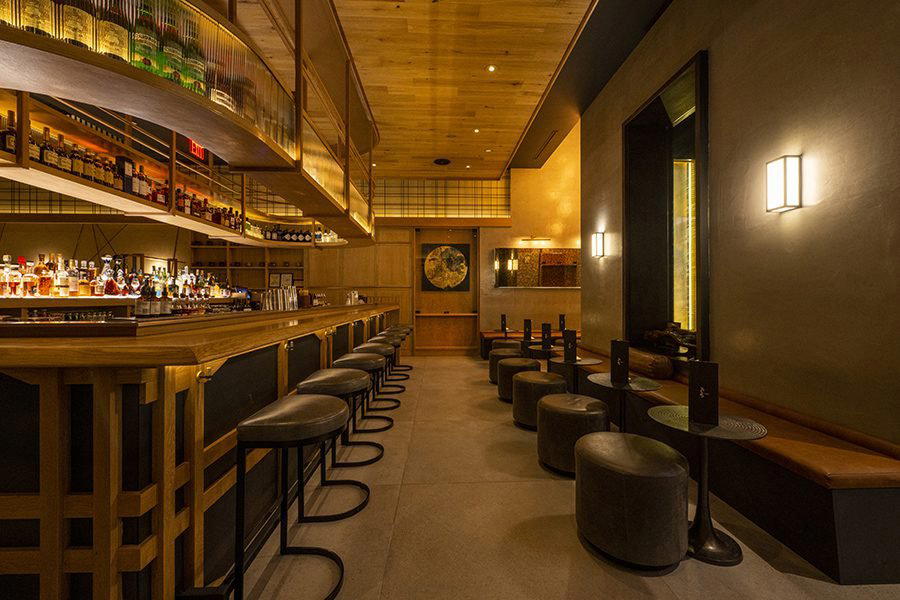
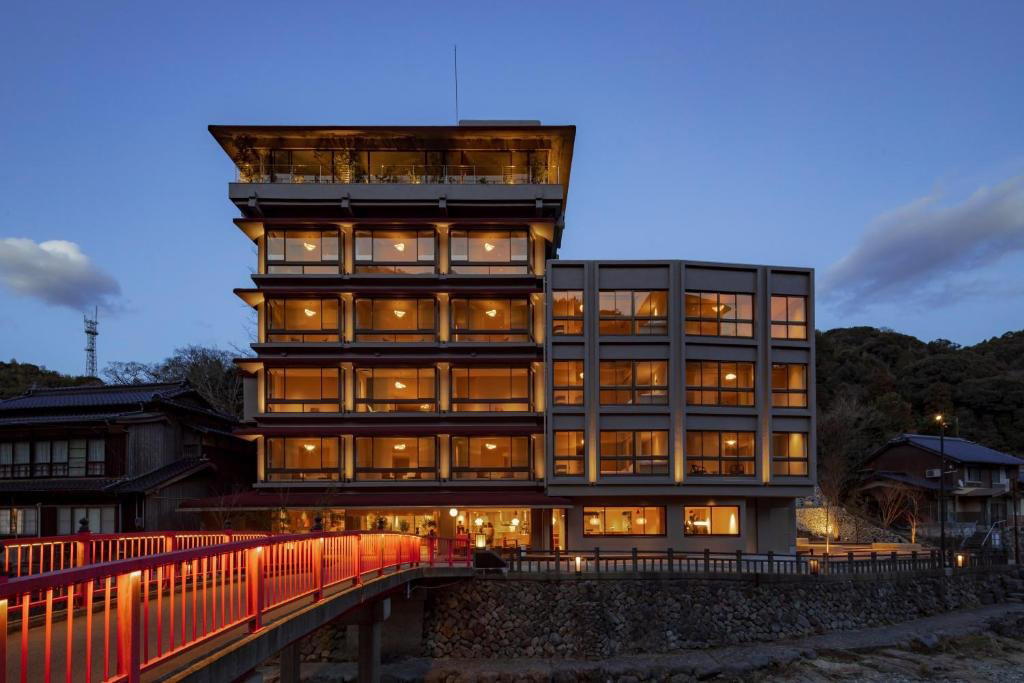
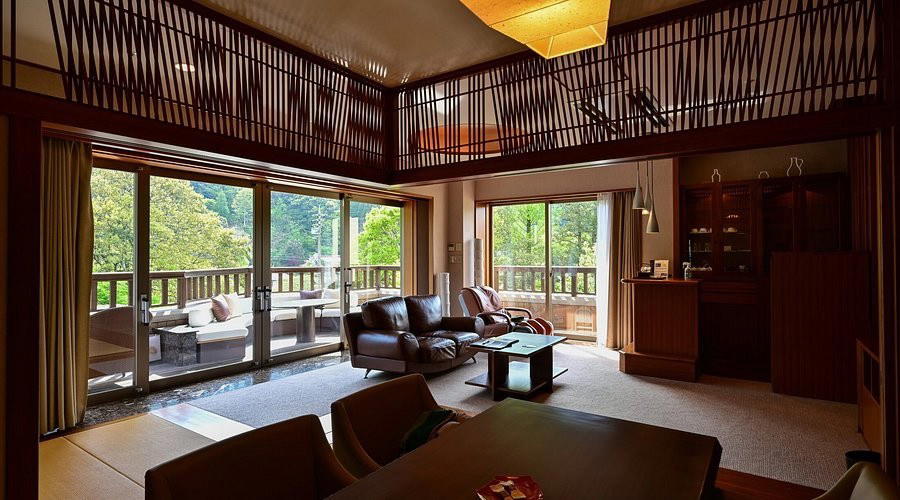
Casual, local, and scenic, with a dining room overlooking the Sea of Japan and a mix of chair and tatami seating.