Kyo-no-kaze sits in the Yuda Onsen district of Yamaguchi city, a setting that frames the question of what serious regional Japanese dining looks like outside the major urban corridors. The restaurant occupies a city where traditional kaiseki and local prefecture ingredients define the upper tier of the dining scene, placing it within a conversation about culinary depth that Yamaguchi's best tables are quietly building.
Pearl is the En Primeur Club membership app — saves, bookings, and concierge access live there. Same editors, same standards.
- Address
- 1 Chome-10-9 Yudaonsen, Yamaguchi, 753-0056, Japan
- Phone
- +81839236655
- Website
- instagram.com
- Directions
- Get directions
 Saves & bookings on Pearl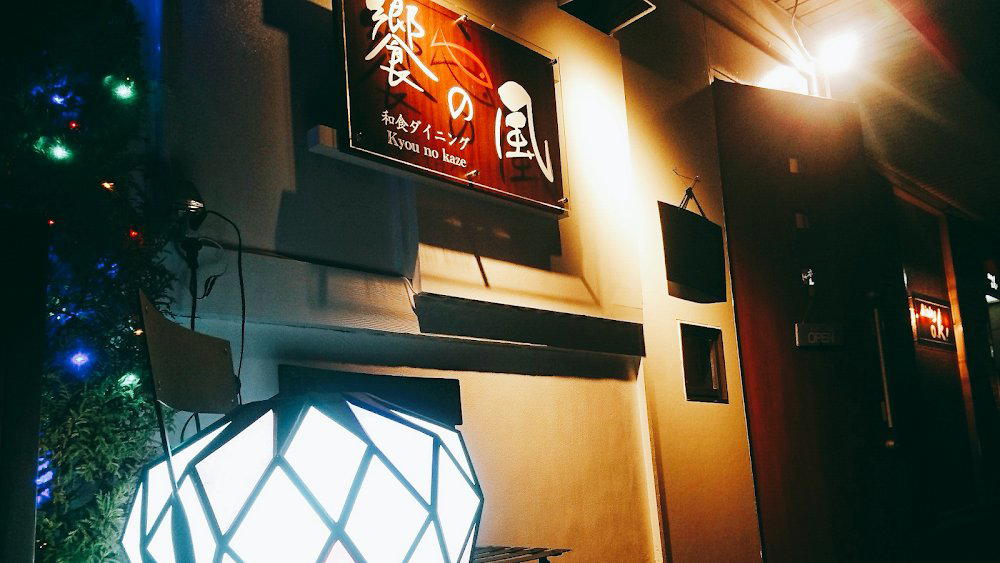
Yamaguchi's Onsen District and the Case for Regional Dining
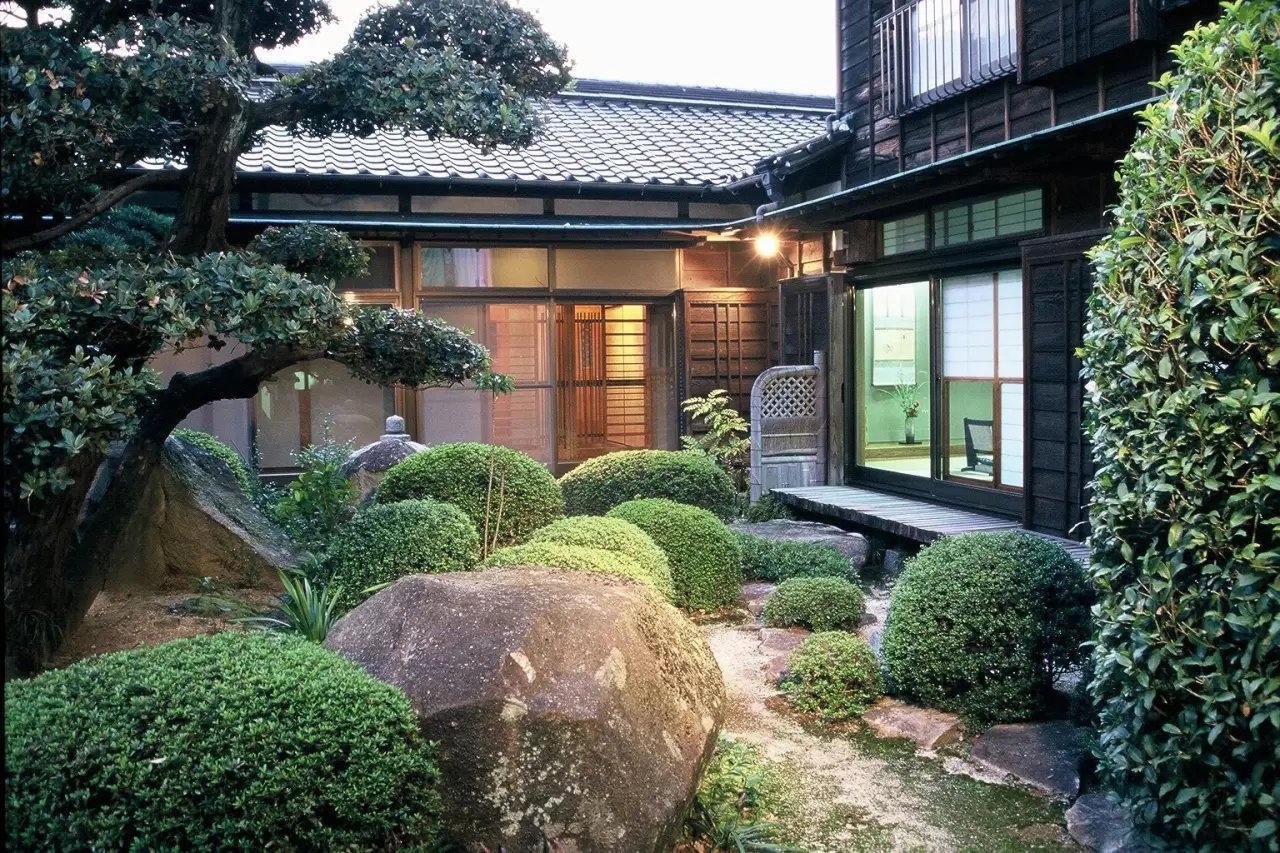
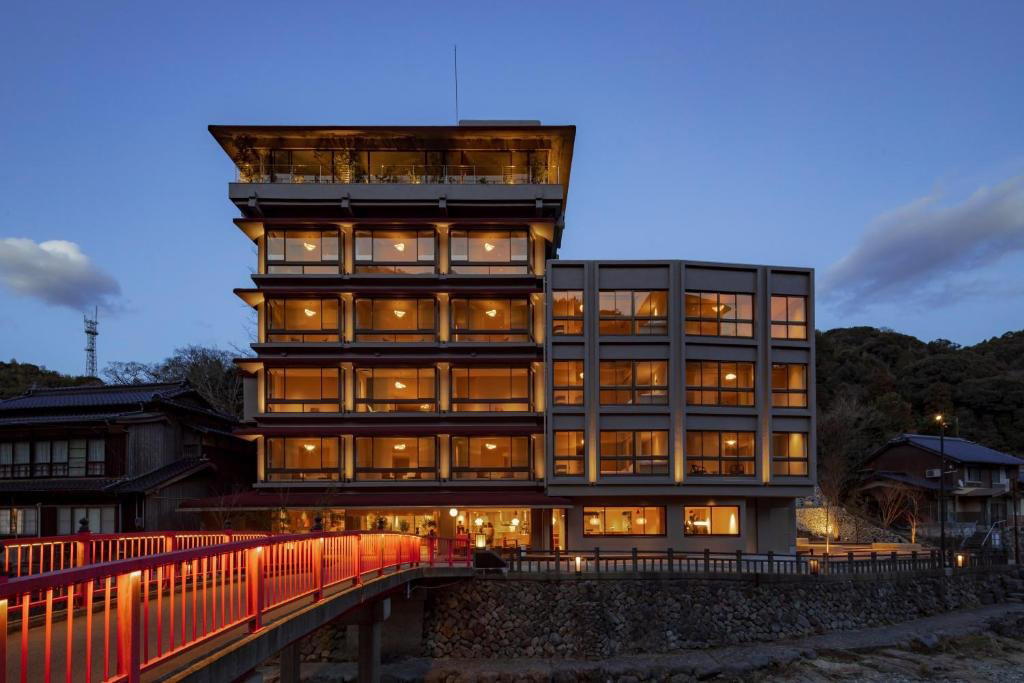
The Yuda Onsen district of Yamaguchi city operates at a different register from the main commercial streets of the prefecture capital. The hot-spring quarter carries the particular atmosphere of a Japanese spa town: the mineral-tinged air, the rhythm of guests moving between ryokan corridors and streetside shops, the general sense that meals here are expected to carry weight. It is the kind of setting where a restaurant's relationship with local culinary tradition is not incidental but structural. Kyo-no-kaze sits at 1 Chome-10-9 Yudaonsen, positioned within that cultural gravity rather than apart from it.
Yamaguchi prefecture sits at the western tip of Honshu, across the Kanmon Strait from Kyushu, and its food culture reflects that geographic position. The prefecture has long-standing access to some of the finest seafood in Japan: the Seto Inland Sea to the south and the Sea of Japan to the north produce markedly different fish, giving Yamaguchi kitchens a range that landlocked prefectures cannot replicate. Fugu — the pufferfish for which nearby Shimonoseki is the national distribution hub — defines the area's prestige ingredient calendar, but the broader seafood culture runs deeper than a single headline product. Against that backdrop, a restaurant in the onsen district is not a curiosity but a logical continuation of a tradition in which the leading local produce meets a formal dining context.
Where Kyo-no-kaze Sits in Yamaguchi's Dining Scene
Yamaguchi city's restaurant scene is smaller in scale than Hiroshima or Fukuoka but not smaller in ambition. The upper tier of the city's dining operates through a combination of traditional Japanese formats and, increasingly, Western-influenced or fusion approaches that reflect the prefecture's historical openness, Yamaguchi's Choshu domain played a formative role in the Meiji Restoration, and a certain willingness to engage with outside influences has carried through in its cultural institutions. Within that context, Kyo-no-kaze occupies a position shaped by the onsen setting: guests arriving from or returning to ryokan accommodations form part of the natural audience, which tends to push restaurants in this zone toward a more considered, multi-course approach rather than quick, counter-style dining.
The broader picture of Yamaguchi's dining includes a range of registers. Kigokoro and le-sorcier represent different points on the city's spectrum, while Masala Curry Shop and Mitsuwa show how the city's appetite ranges across categories. At the more formal end, RESTAURANT TAKATSU sits in the same conversation about where Yamaguchi's serious dining is heading. For anyone building a considered itinerary, the Our full Yamaguchi restaurants guide provides the most complete orientation across price tiers and formats.
The Cultural Logic of Onsen Dining in Japan
In Japan, the association between hot-spring resorts and refined food culture is not accidental. The kaiseki tradition, the sequential, aesthetically governed multi-course meal, developed in large part within the ryokan and onsen context, where guests arrived with time, expectation, and a appetite sharpened by bathing. The format prioritises seasonal produce, presented in courses calibrated to build and release tension across an evening. This is a fundamentally different logic from the efficiency-driven omakase counter found in major cities, and it produces a different relationship between diner and kitchen.
What distinguishes the onsen district restaurant from its urban counterpart is proximity to that tradition. The setting is not merely decorative: the expectation of a certain kind of evening, the presence of guests from across Japan who have made a deliberate journey, and the cultural weight of the ryokan meal all shape the dining room's atmosphere before a single course arrives. Restaurants in these districts compete not just on food but on their ability to sustain and justify that atmosphere across the full arc of a meal. Japan's most closely watched regional tables, Gion Sasaki in Kyoto, HAJIME in Osaka, Harutaka in Tokyo, all operate within a comparable tension between tradition and the expectations of a well-travelled audience. Outside the major cities, tables like Goh in Fukuoka and akordu in Nara have demonstrated that regional positioning is not a constraint but a source of definition. The same argument applies along Japan's lesser-visited corridors, from 丸本旅館 in Nanao to 古代山乃 in Sapporo, 湖畔廣場 in Takashima, and 羽根屋 in Nishikawa Machi.
Planning a Visit: Practical Orientation
Yuda Onsen is accessible from Yamaguchi Station in under 15 minutes by bus or taxi, and from Shin-Yamaguchi Station, the shinkansen stop connecting the city to the wider Sanyo Main Line, the journey runs roughly 25 to 30 minutes by local rail or road. The onsen district is compact enough to cover on foot once you arrive, which makes pre-dinner timing direct for guests based in the area. For anyone combining Kyo-no-kaze with a wider western Honshu itinerary, Birdland in Sakai and tables in the Kansai region represent natural extensions at either end of the journey. Internationally, those curious about how regional Japanese culinary logic translates into a different cultural frame can find instructive parallels at Le Bernardin in New York City and Atomix in New York City, both of which demonstrate how a specific cultural tradition can sustain itself in an unfamiliar market.
Because specific booking details, hours, and contact information for Kyo-no-kaze are not currently confirmed in EP Club's verified data, prospective visitors should plan to confirm arrangements directly with the venue or through their ryokan concierge if staying in the onsen district. That concierge relationship is often the most reliable channel in a traditional onsen setting, where personal introductions still carry practical weight.
Continue exploring
More in Yamaguchi
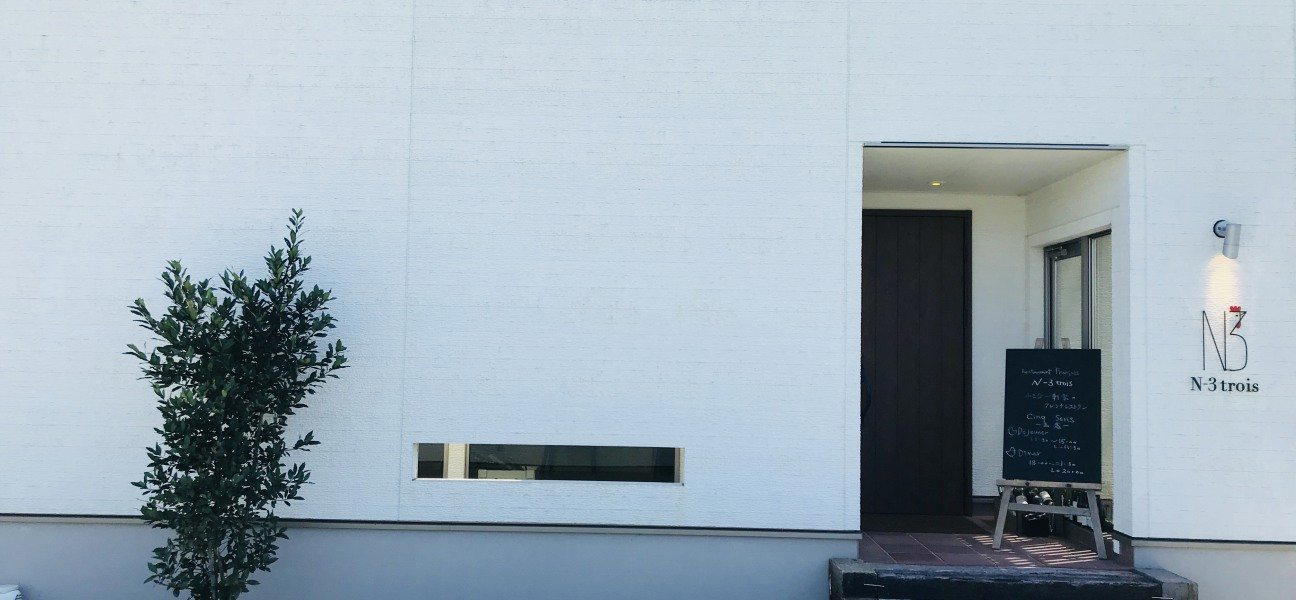
Restaurants in Yamaguchi
Browse all →
Bars in Yamaguchi
Browse all →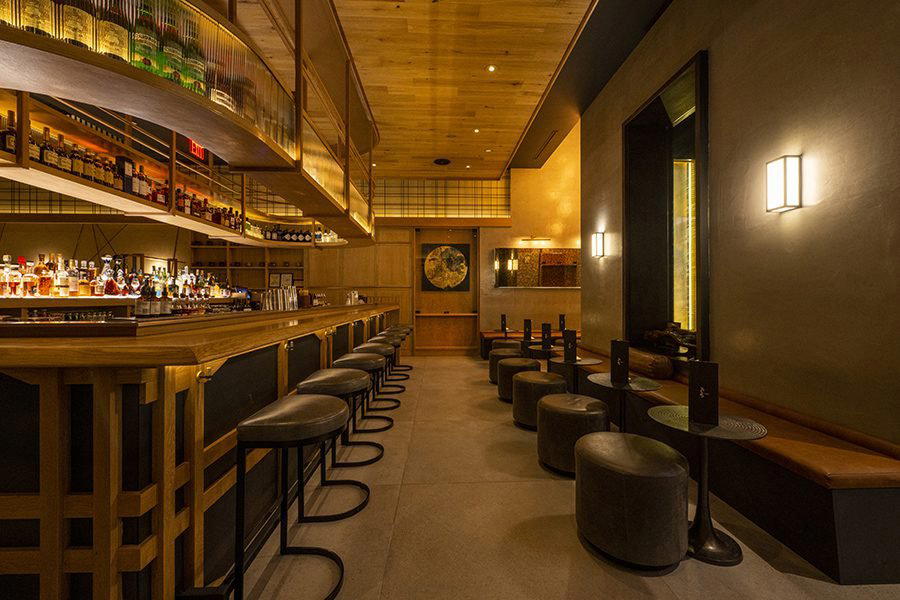
Hotels in Yamaguchi
Browse all →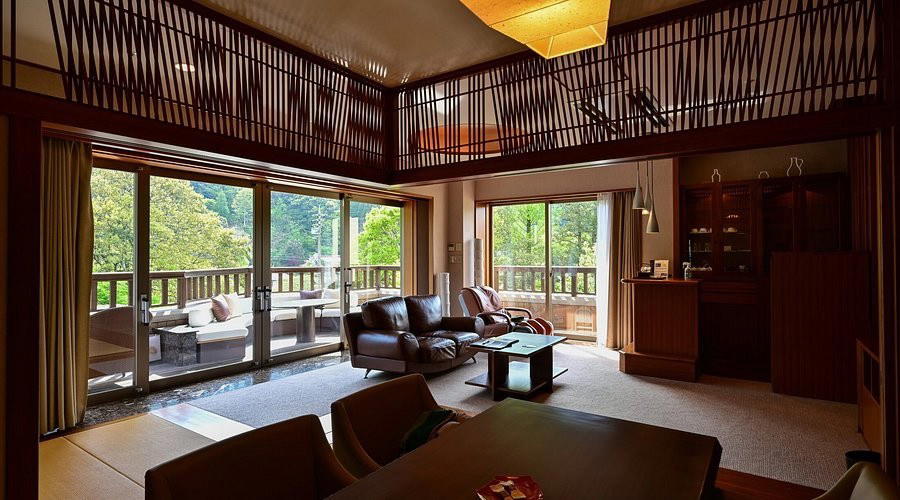
At a Glance
- Cozy
- Intimate
- Casual Hangout
- After Work
- Group Dining
- Standalone
- Terrace
- Beer Program
- Sake Program
Current opening hours
- Monday
- 6 PM–12 AM
- Tuesday
- 6 PM–12 AM
- Wednesday
- 6 PM–12 AM
- Thursday
- 6 PM–12 AM
- Friday
- 6 PM–12 AM
- Saturday
- 6 PM–12 AM
- Sunday
- Closed
Hours can change for holidays and private events. Last verified .
Cozy and intimate atmosphere with warm, inviting natural materials and a traditional Japanese pub aesthetic; outdoor seating areas provide a relaxed, casual dining environment.
Know Before You Go
- Getting there
- 1 Chome-10-9 Yudaonsen, Yamaguchi, 753-0056, Japan