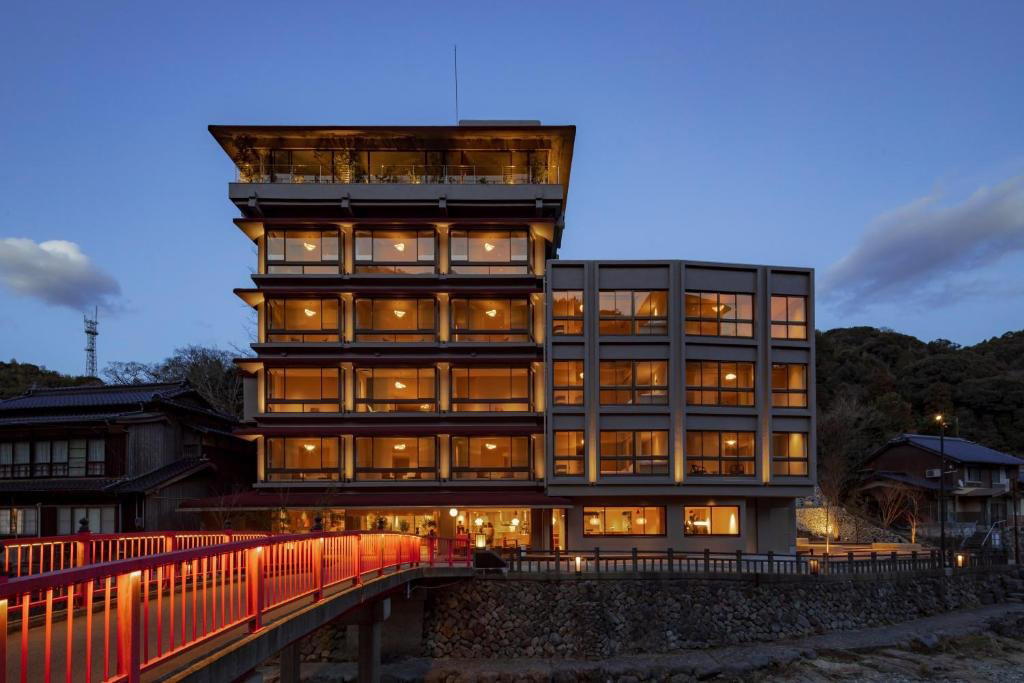
Kigokoro occupies the ground floor of a building in Yamaguchi's Yuda Onsen district, one of western Honshu's quieter dining corners. The restaurant sits in a city that rewards those who look past the obvious Honshu circuit, where local ingredient traditions run deep and the pace of a meal rarely rushes. A thoughtful address for anyone moving between Kyoto and Kyushu with time to pause.
Pearl is the En Primeur Club membership app — saves, bookings, and concierge access live there. Same editors, same standards.
- Address
- Japan, 〒753-0056 Yamaguchi, Yudaonsen, 1 Chome−2−1 白狐ビル 1F
- Phone
- +81839330800
- Website
- kigokoro-yuda.com
- Directions
- Get directions
 Saves & bookings on Pearl
The Yuda Onsen Setting
Yuda Onsen, Yamaguchi's thermal spring district, has long operated as a place of slow accumulation rather than spectacle. The streets around the onsen quarter move at a different register from Japan's bullet-train cities: foot traffic is local, signage is modest, and restaurants that have lasted here have done so by serving a regular community rather than a transient tourist surge. Kigokoro sits at ground level on a quiet block within this district, at 1-2-1 Yuda Onsen — a position that places it inside the neighbourhood's rhythm rather than outside it looking in.
The physical approach matters in this part of Yamaguchi. You arrive not through a curated entrance experience but through the ordinary street life of a provincial Japanese onsen town, which is itself a form of editorial context. Venues that succeed in this environment tend to anchor themselves to what the region actually produces rather than importing a concept from elsewhere. That instinct toward local grounding is the characteristic that defines the more durable restaurants in cities like Yamaguchi, where the dining scene is smaller and less forgiving of inauthenticity than the major metropolitan markets.
Where Yamaguchi Sits in Western Honshu's Dining Map
Yamaguchi Prefecture occupies the western tip of Honshu, separated from Kyushu by the Kanmon Strait and positioned at the end of a rail line that most travellers treat as a pass-through. That geographic position has shaped what the prefecture's restaurants work with: Seto Inland Sea seafood from the south, Sea of Japan fish and shellfish from the north, and agricultural produce from the interior valleys. Fugu, in particular, is deeply associated with Yamaguchi — Shimonoseki, the prefecture's port city, processes the majority of Japan's commercial pufferfish supply, and its cultural proximity to the rest of the prefecture runs through the local food conversation in ways that outsiders rarely register.
For a restaurant operating in Yuda Onsen, the surrounding ingredient geography is a structural advantage. The distance between catch and kitchen is short in ways that metropolitan venues, however well-resourced, cannot replicate through sourcing networks alone. This is not a romantic argument for localism but a practical one: freshness in Japanese fish cookery is a technical variable, not a marketing claim, and proximity to the source compresses the timeline in ways that matter on the plate. Restaurants in smaller Japanese cities that understand this tend to cook differently from their urban equivalents, with less intervention, because the raw material requires less of it. The comparison to how venues like Gion Sasaki in Kyoto or Harutaka in Tokyo operate is instructive: those counters pay premium prices to source what a well-positioned Yamaguchi kitchen can access with less friction.
Ingredient Sourcing as the Central Logic
The argument for eating in Yamaguchi rather than passing through it rests heavily on this sourcing geography. Western Honshu produces ingredients that appear on menus in Osaka and Kyoto at a distance, but which appear in Yamaguchi restaurants at their point of origin. That distinction is not always visible on a menu, but it tends to show in the cooking's confidence, the willingness to leave things alone, to let temperature and texture carry the work rather than sauce and seasoning.
Within Yamaguchi's small but considered restaurant community, addresses like Kigokoro, Kyo-no-kaze, le-sorcier, Mitsuwa, and RESTAURANT TAKATSU represent a dining tier that takes the local supply chain seriously enough to build menus around it. This is a different proposition from the metropolitan fine-dining circuit, where provenance is a story told on a menu card. Here, the sourcing is the operational logic, not the marketing layer on top of it. For a fuller view of what the city offers across categories, the full Yamaguchi restaurants guide covers the range in detail.
Japan's regional fine-dining conversation has expanded considerably over the past decade. Venues that once existed in isolation from the critical mainstream have gained attention as travellers and critics have moved beyond the Tokyo-Kyoto-Osaka axis. Goh in Fukuoka, HAJIME in Osaka, and akordu in Nara each demonstrate that Japan's most compelling dining is no longer concentrated in a single urban corridor. The same expansion has reached further west, into prefectures like Yamaguchi where the ingredient base was always present but the critical infrastructure was thinner.
Kigokoro sits within this broader regionalisation of Japanese dining, operating in a city where the competitive set is small enough that reputation travels through local networks rather than review aggregators. Across rural and semi-urban Japan, this pattern recurs: venues in cities like Nanao (see 一本杉 川島), Takashima (湖里庵), and Nishikawa Machi (庄羽屋) have built followings that function independently of the metropolitan review cycle. The same is true in Sapporo, where 冬夏春乃 occupies an analogous position in Hokkaido's provincial fine-dining tier. For international comparison, the contrast with how metropolitan venues like Le Bernardin in New York City or Atomix in New York City operate, with sourcing networks that span continents, underscores what proximity means in a prefecture like Yamaguchi. And in Sakai, Birdland shows how Japanese provincial cities can sustain specialist kitchens that reward deliberate travel.
Planning a Visit
Yamaguchi City is accessible by Shinkansen via Shin-Yamaguchi Station, roughly 90 minutes from Hiroshima on the Sanyo line and around four hours from Osaka. The Yuda Onsen district is a short taxi or local bus ride from the station, making it practical as an overnight stop on a westbound journey toward Kyushu rather than a standalone destination requiring significant detour. Given the absence of published contact details in standard directories, the most reliable approach to booking Kigokoro is to enquire through your hotel concierge in Yuda Onsen or Yamaguchi City, a method that works well across provincial Japanese dining and often yields better results than direct cold contact for smaller kitchens. Visiting in winter aligns with the peak fugu season, when the prefecture's most celebrated ingredient is at its finest and regional menus build around it with greater depth than at other times of year.
Continue exploring
More in Yamaguchi
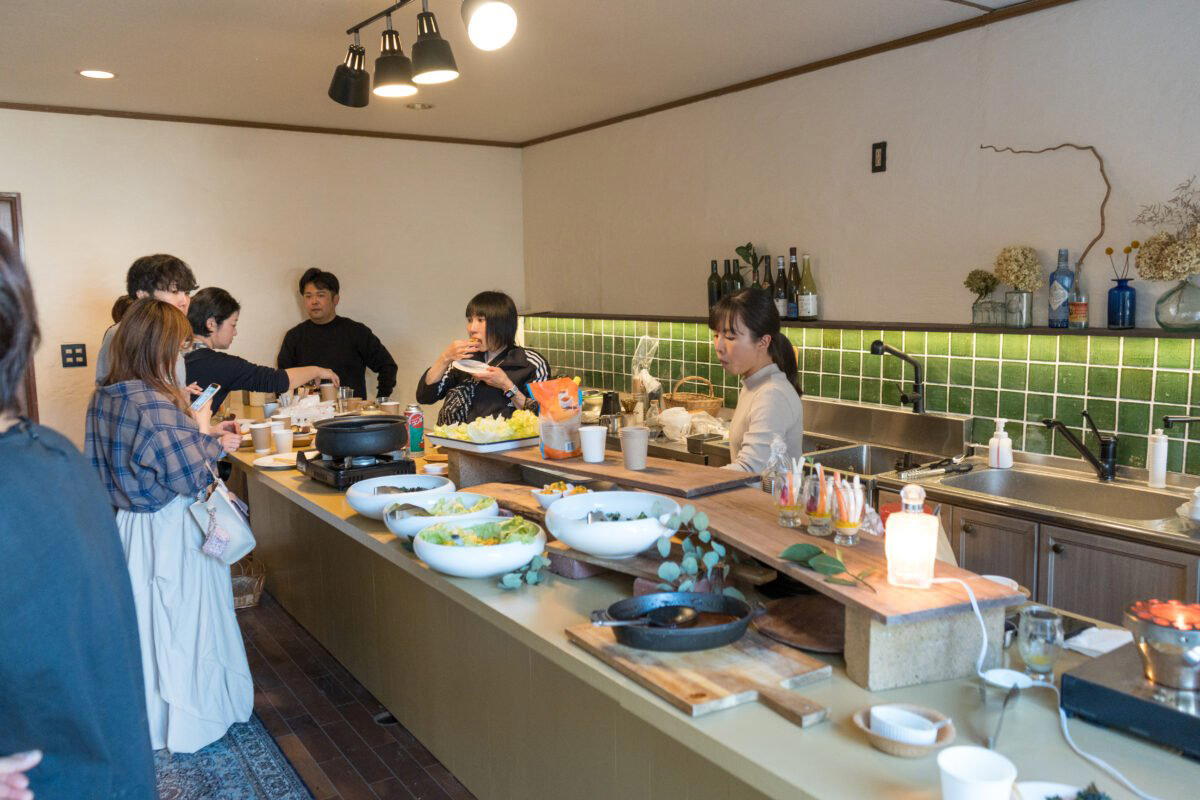
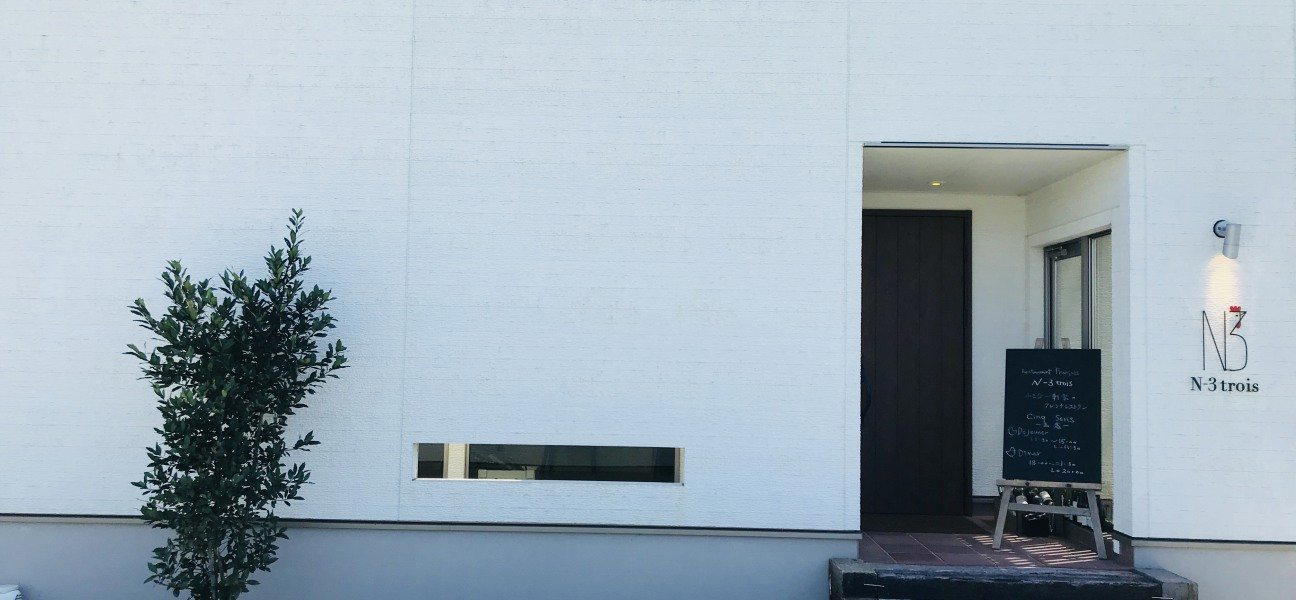
Restaurants in Yamaguchi
Browse all →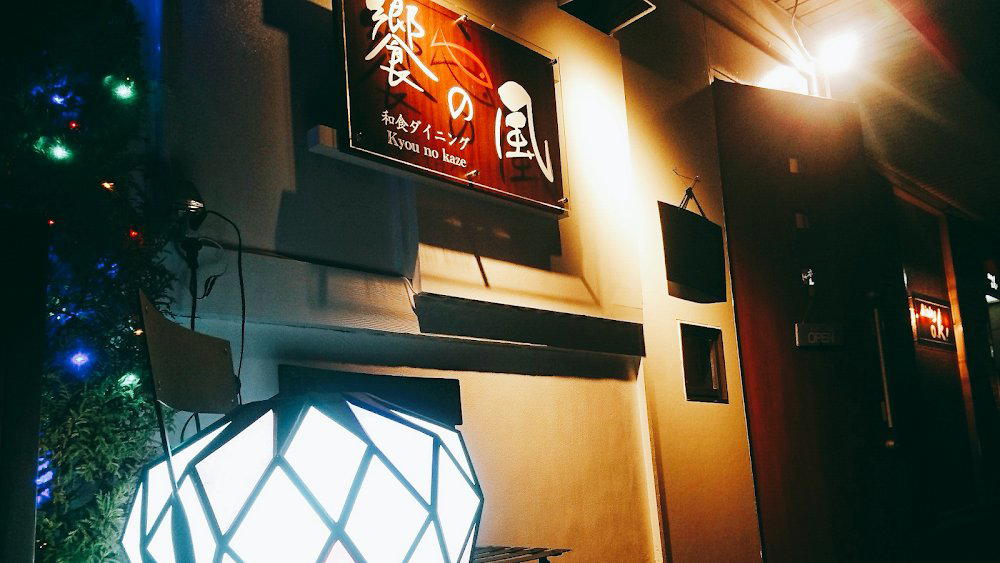
Bars in Yamaguchi
Browse all →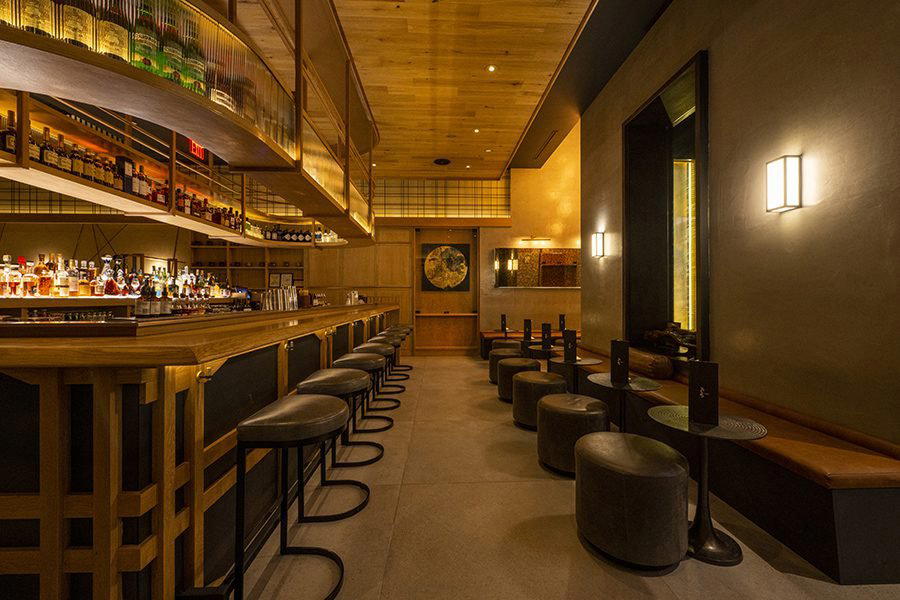
Hotels in Yamaguchi
Browse all →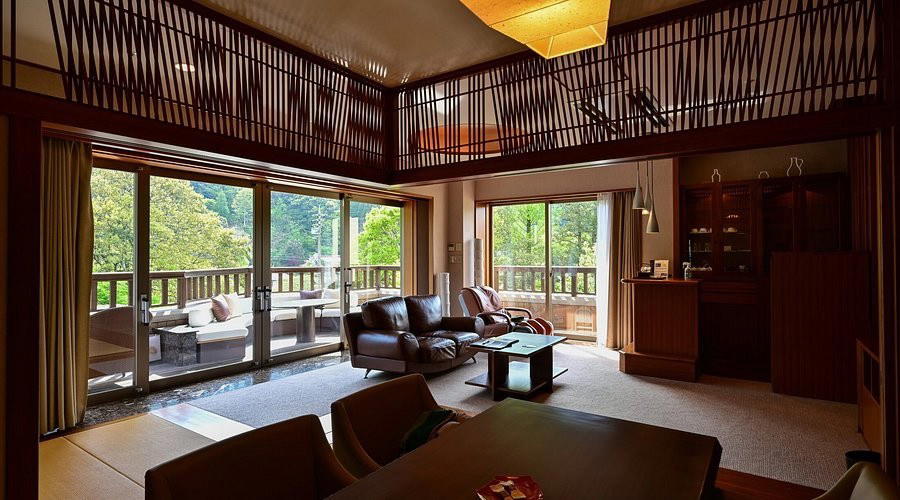
At a Glance
- Intimate
- Date Night
- Special Occasion
- Sake Program
Current opening hours
- Monday
- 11:30 AM–2 PM, 6–11 PM
- Tuesday
- 11:30 AM–2 PM, 6–11 PM
- Wednesday
- 11:30 AM–2 PM, 6–11 PM
- Thursday
- 11:30 AM–2 PM, 6–11 PM
- Friday
- 11:30 AM–2 PM, 6–11 PM
- Saturday
- 11:30 AM–2 PM, 6–11 PM
- Sunday
- Closed
Hours can change for holidays and private events. Last verified .
Know Before You Go
- Getting there
- Japan, 〒753-0056 Yamaguchi, Yudaonsen, 1 Chome−2−1 白狐ビル 1F