54° Steakhouse sits inside Singapore’s expanding steakhouse conversation, where provenance, breed and finishing matter as much as the grill. The useful lens here is not spectacle but sourcing literacy: how a beef-led room explains marbling, texture, fat character and doneness in a city already fluent in Japanese, French, Peranakan and hawker traditions.
 Discover on Pearl
Pearl is the En Primeur Club membership app — saves, bookings, and concierge access live there. Same editors, same standards.
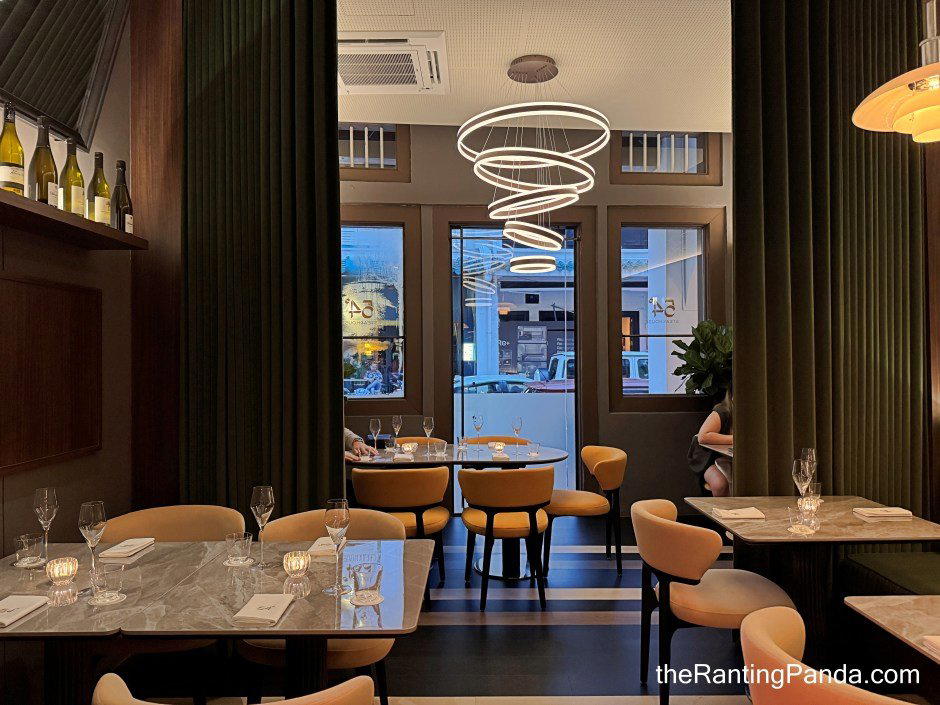
The first read of a serious steakhouse is rarely the plate. It is the temperature of the room, the rhythm of service, the confidence around the grill and the way beef is discussed before it is cooked. In Singapore, that matters. The city’s dining culture is unusually fluent across price tiers, from hawker stalls built around a single perfected dish to tasting-menu rooms that trade on technique and imported produce. A steakhouse has to earn attention in that setting by doing more than serving a large cut of beef.
54° Steakhouse belongs to that beef-led category where the decisive questions are breed, provenance and finishing. Grass-fed beef tends to bring a leaner frame and more mineral character; grain-finished beef usually reads richer, rounder and more marbled. Wagyu, Angus and other cattle lines each signal different expectations around fat, texture and cooking tolerance. A room built around steak should make those differences legible without turning dinner into a lecture. That is the point of the format: a diner should be able to understand why one cut rewards a higher degree of doneness while another loses its appeal when pushed too far.
Singapore steak culture now rewards sourcing literacy, not size alone
Singapore is a sharp test market for steakhouses because the city already treats food as a matter of detail. The same diner who knows the difference between laksa styles or chicken rice textures is unlikely to be impressed by generic luxury cues. Beef programs here compete against a broader dining field that includes French fine dining, modern Chinese rooms, dessert-focused counters, Peranakan kitchens and hawker specialists. For a wider map of that range, Our full Singapore restaurants guide gives the category context; hotels, bars, wineries and experiences sit separately in Our full Singapore hotels guide, Our full Singapore bars guide, Our full Singapore wineries guide and Our full Singapore experiences guide.
The useful comparison is not whether a steakhouse feels grand, but whether it can explain its beef with the same clarity that Singapore’s other specialists bring to their own forms. A bowl at 328 Katong Laksa (Peranakan) is judged by broth, noodle cut and heat balance; Ah Ter Teochew Fishball Noodles in Downtown Core depends on bounce, seasoning and texture; Ann Chin Popiah in Outram turns on freshness and assembly. A steakhouse works by parallel discipline: breed selection, ageing decisions, grill control, resting time and carving all carry weight.
The cut matters, but the cooking philosophy matters more
Steakhouse menus often look simple from a distance: ribeye, striploin, tenderloin, larger sharing cuts. The real distinctions sit underneath. Ribeye usually suits diners who want fat and depth; striploin offers a clearer line between chew and marbling; tenderloin trades intensity for tenderness. Bone-in cuts add ceremony but also demand greater technical control. In a humid, high-tempo city such as Singapore, where dining rooms often move between business meals, date-night tables and group dinners, a steakhouse has to manage pacing as carefully as heat.
The 54° name inevitably points attention toward temperature, and that is an intelligent frame for beef. Steak is a narrow-margin craft: a few degrees can shift texture, juiciness and fat expression. Lower-temperature cooking methods, hard searing and controlled resting all exist to solve the same problem, which is keeping tenderness and surface character in balance. The point is not novelty. It is repeatability.
That puts 54° Steakhouse in conversation with a broader set of Singapore venues where format defines expectation. Luke's (Gemmill Lane) speaks to the city’s American-leaning appetite for seafood and steakhouse comfort; 15 Stamford Restaurant represents the hotel-dining end of Singapore’s all-day polish; 1887 by André and Béni in Orchard sit closer to the tasting-menu conversation; 2am:dessertbar (Dessert Bar) shows how a narrow format can become a complete evening. The city rewards precision, not breadth for its own sake.
How to read the room before ordering
A practical steakhouse order starts with appetite, not prestige. Two diners sharing a larger cut will get a different meal from two individually plated steaks. Diners who care about fat should start with marbling and breed; diners who care about chew should ask how the kitchen treats leaner cuts. Sides and sauces should be treated as calibration, not distraction: acidity, salt, greens and potatoes can either sharpen the beef or flatten it.
Singapore’s advantage is range. A beef-led dinner can sit in the same itinerary as banana-leaf dining at Banana Leaf Apolo in Rochor, airport chicken rice at Bugis Street Ah Huat Hainanese Chicken Rice in Changi Airport or casual regional cooking such as Asian Twist by 365 Food in Queenstown. Outside Singapore, steakhouse culture takes different forms, from the polished urban chophouse model at 1515 West Chophouse, Steakhouse in Shanghai to the American beef-country signal of 1587 Prime, Steakhouse in Kansas City. The Singapore version has to answer a more compact question: does the beef justify the focus in a city with so many competing claims on dinner?
54° Steakhouse is best understood through that question. The draw is the steakhouse form itself, filtered through Singapore’s expectation for specificity. Order by cut, ask about provenance and finishing, and judge the meal by whether the cooking makes those distinctions clear.
Comparable Venues Nearby
Comparable venues nearby, for context on price, style, and recognition.
| Venue | Cuisine | Price | Notes |
|---|---|---|---|
| 54° SteakhouseThis venue — the venue you are viewing | Modern Steakhouse | $$$ | |
| Aviators' Lounge | American Bistro | $$$ | Seletar Aerospace Park |
| Flutes Singapore | Modern European Fine Dining | $$$ | CITY HALL |
| Chin Huat Live Seafood Restaurant 镇发活海鲜 | Singaporean Live Seafood Zichar | $$$ | SUNSET WAY |
| Sushi Ashino | Edomae Jukusei Sushi Omakase | $$$ | CHINATOWN |
| Nikuya Tanaka | Premium Kobe Wagyu Omakase | $$$$ | CHINATOWN |
Continue exploring
More in Singapore
Restaurants in Singapore
Browse all →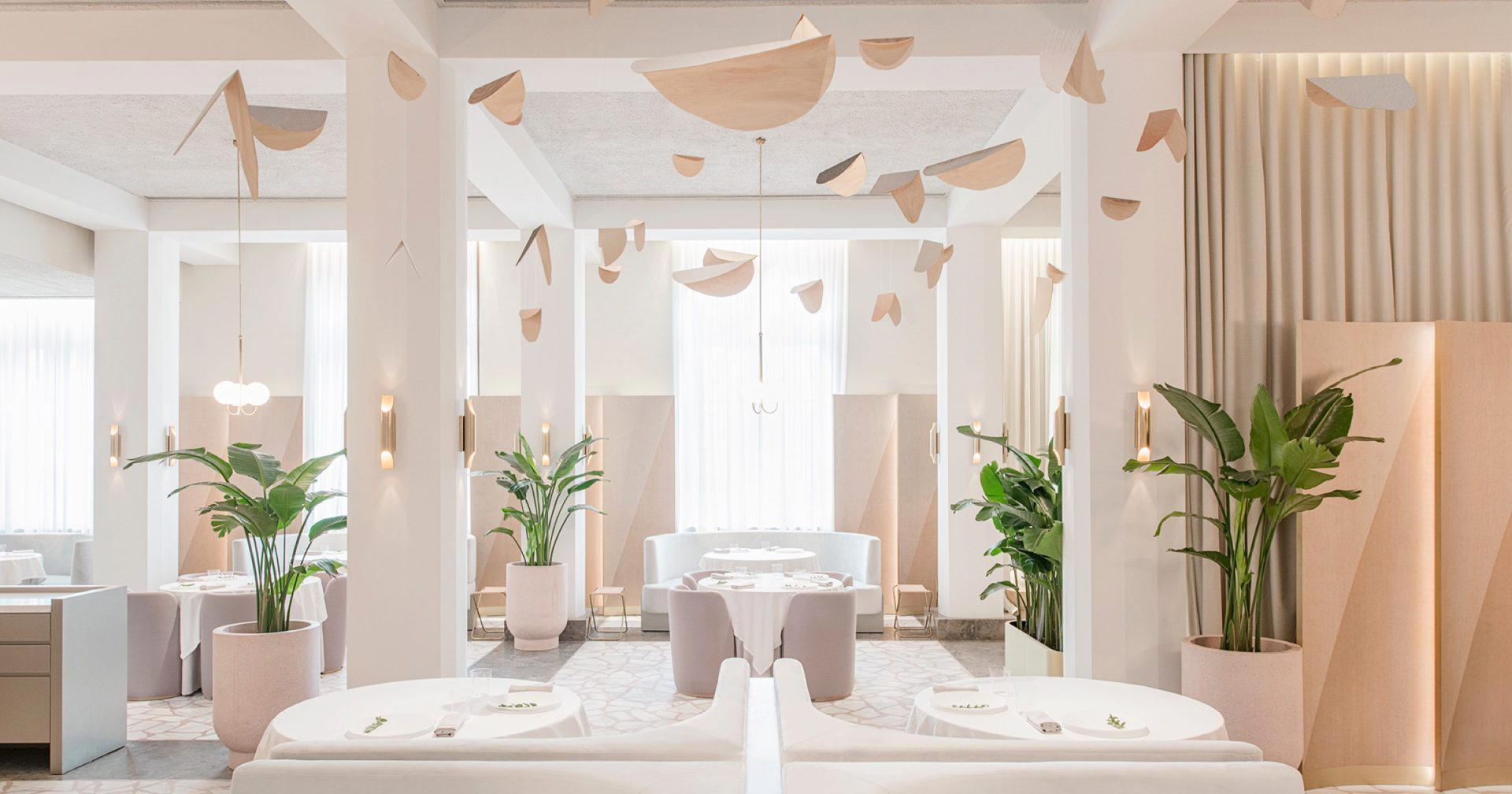
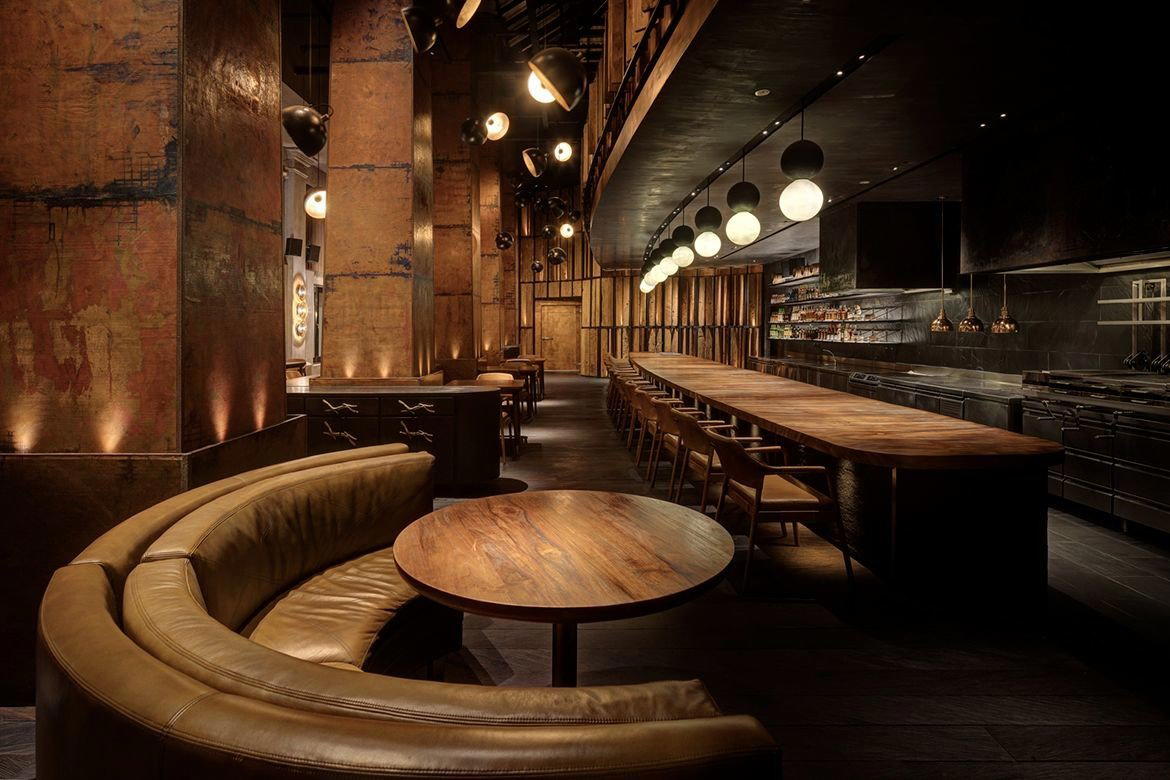
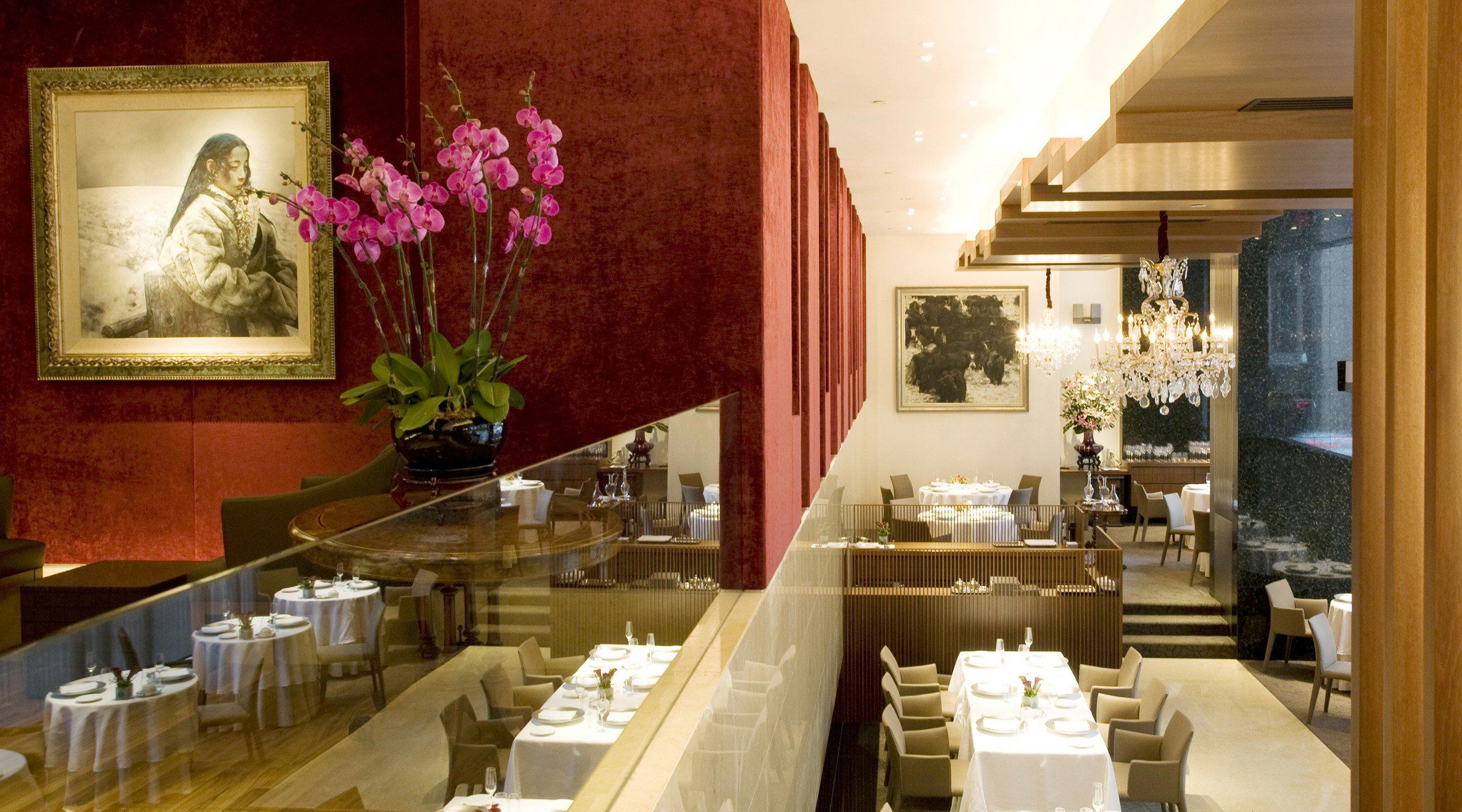
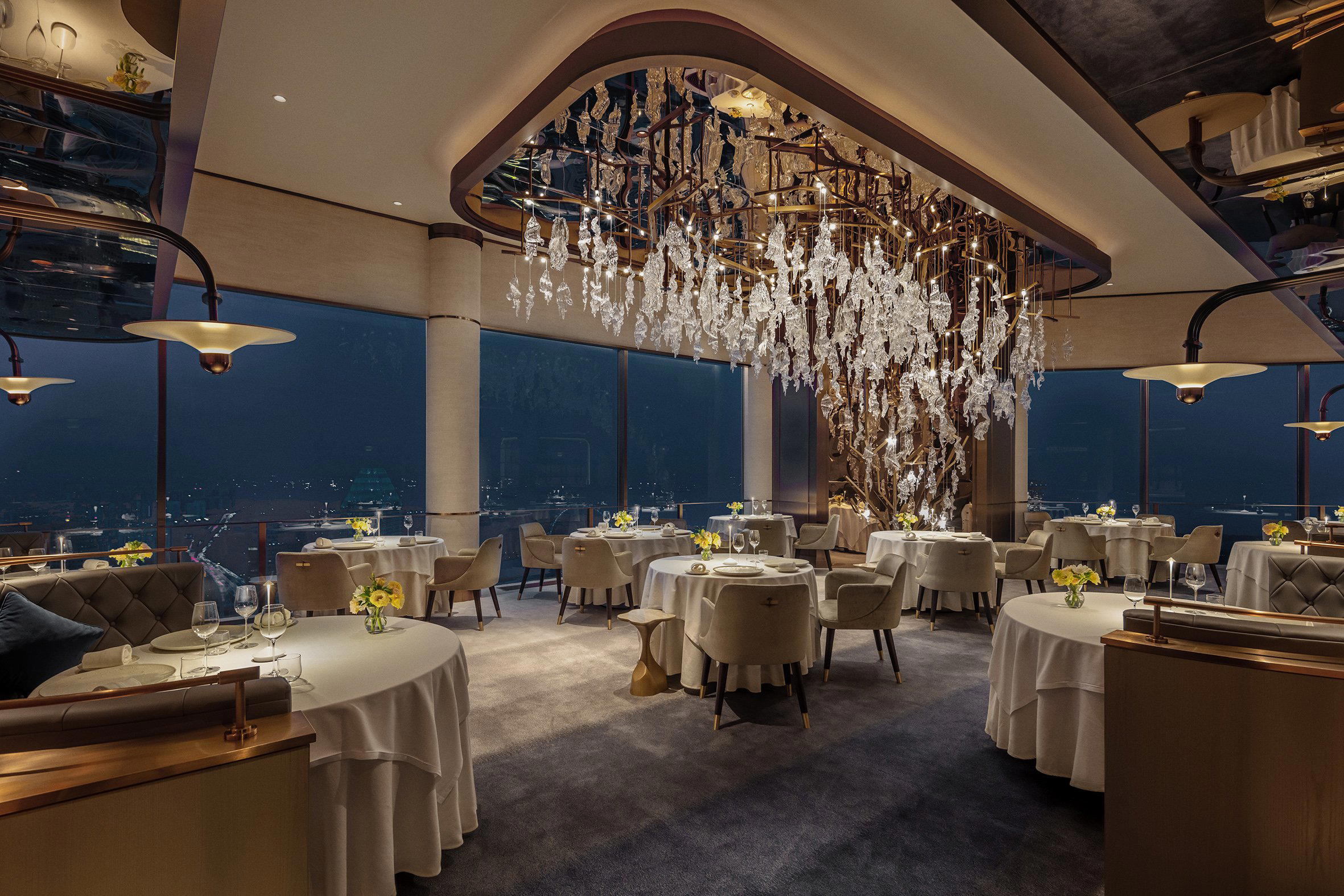
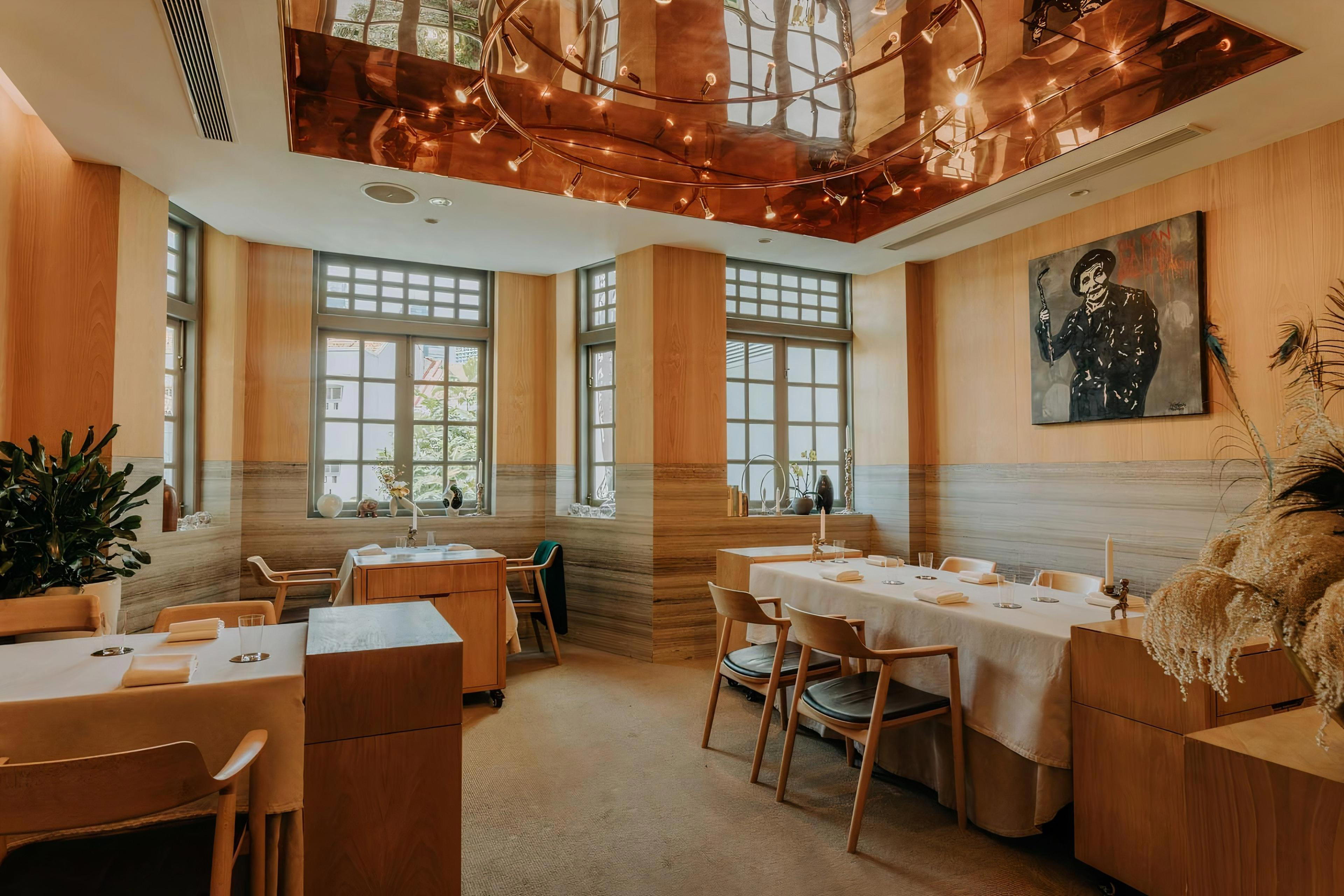
Bars in Singapore
Browse all →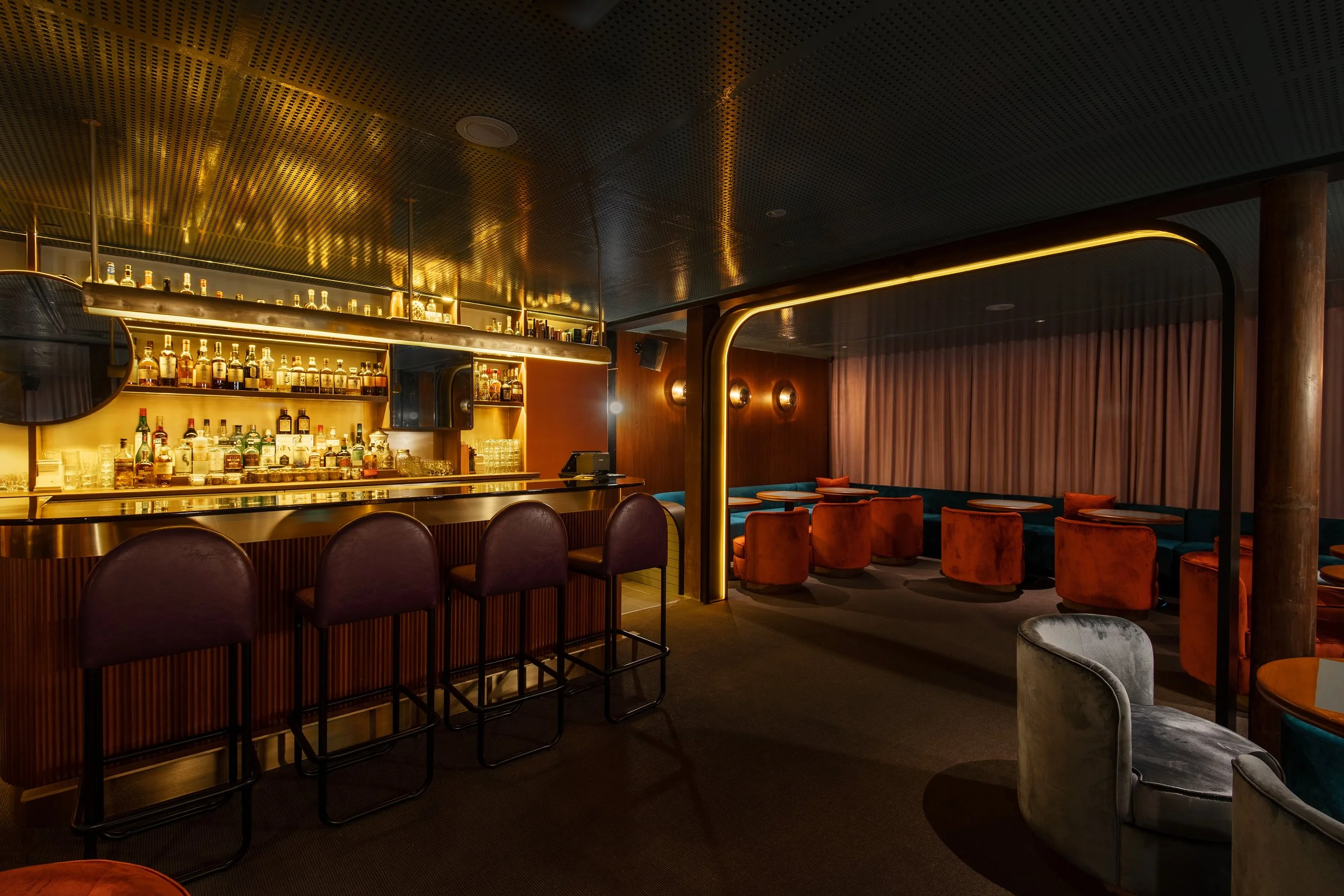
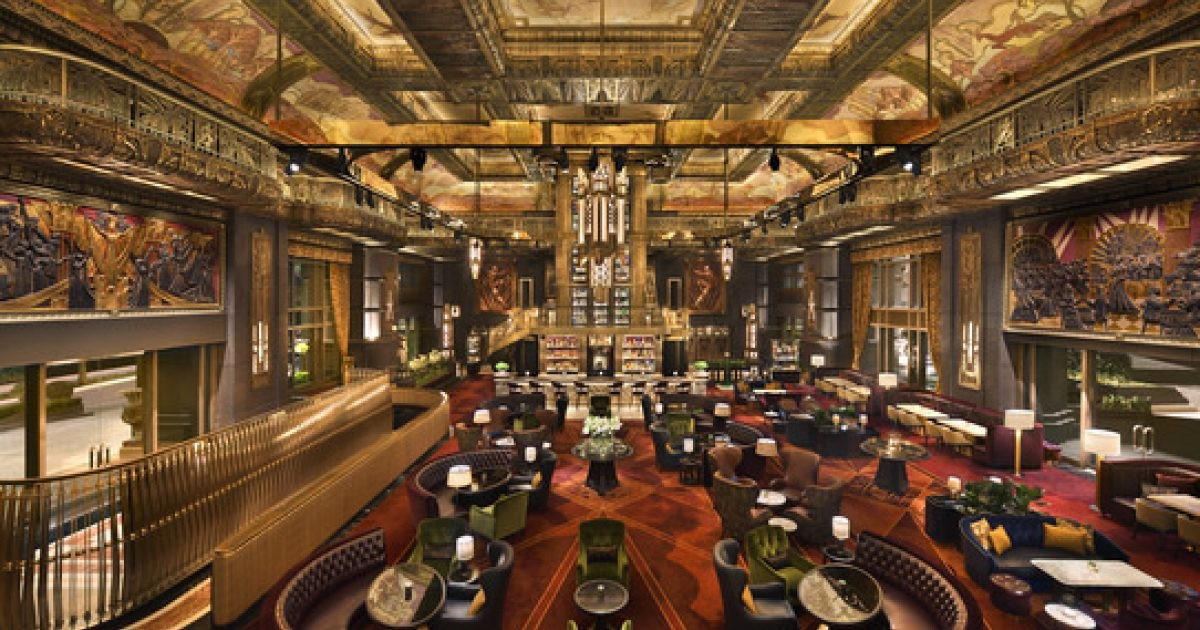
At a Glance
- Modern
- Sophisticated
- Elegant
- Intimate
- Date Night
- Business Dinner
- Group Dining
- Celebration
- Special Occasion
- Open Kitchen
- Design Destination
- Standalone
- Extensive Wine List
- Craft Cocktails
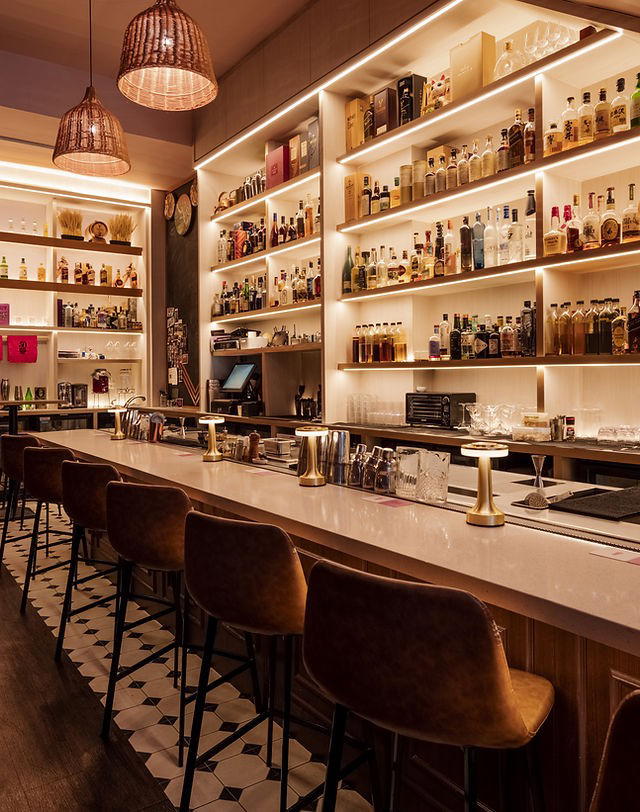
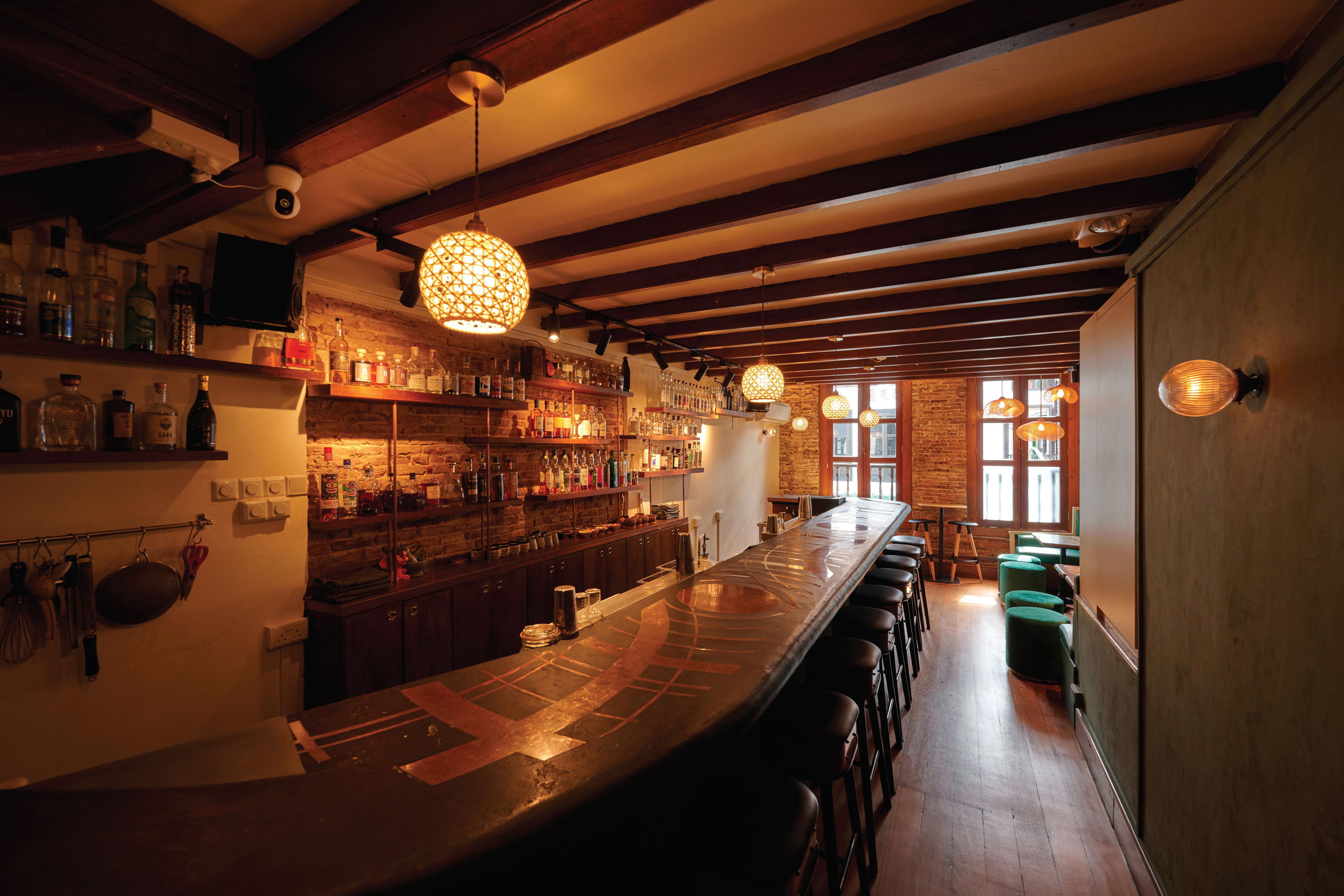
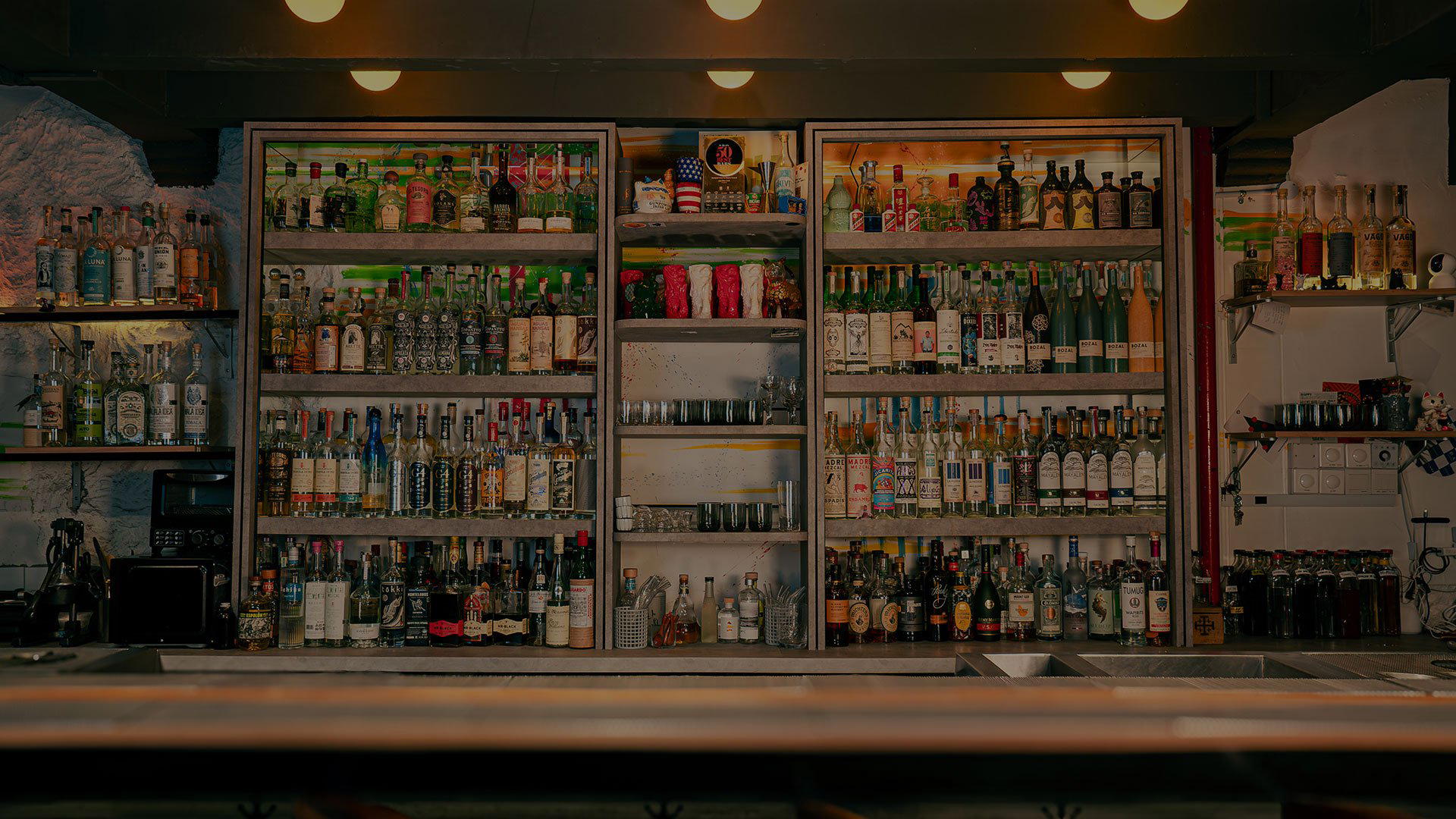
Sleek, dark-toned, and warmly sophisticated, with olive-green accents, smoky aromas, and a lively but personal dining room atmosphere.