
Our verdict
A Tokyo Counter Finds Its Singapore Register The address on Teck Lim Road offers few clues about what waits on the second floor. The street sits inside the Keong Saik corridor, a stretch of Outram that has become one of Singapore's more...

Pearl is the En Primeur Club membership app, where members save venues, book tables and use the concierge.
A Tokyo Counter Finds Its Singapore Register
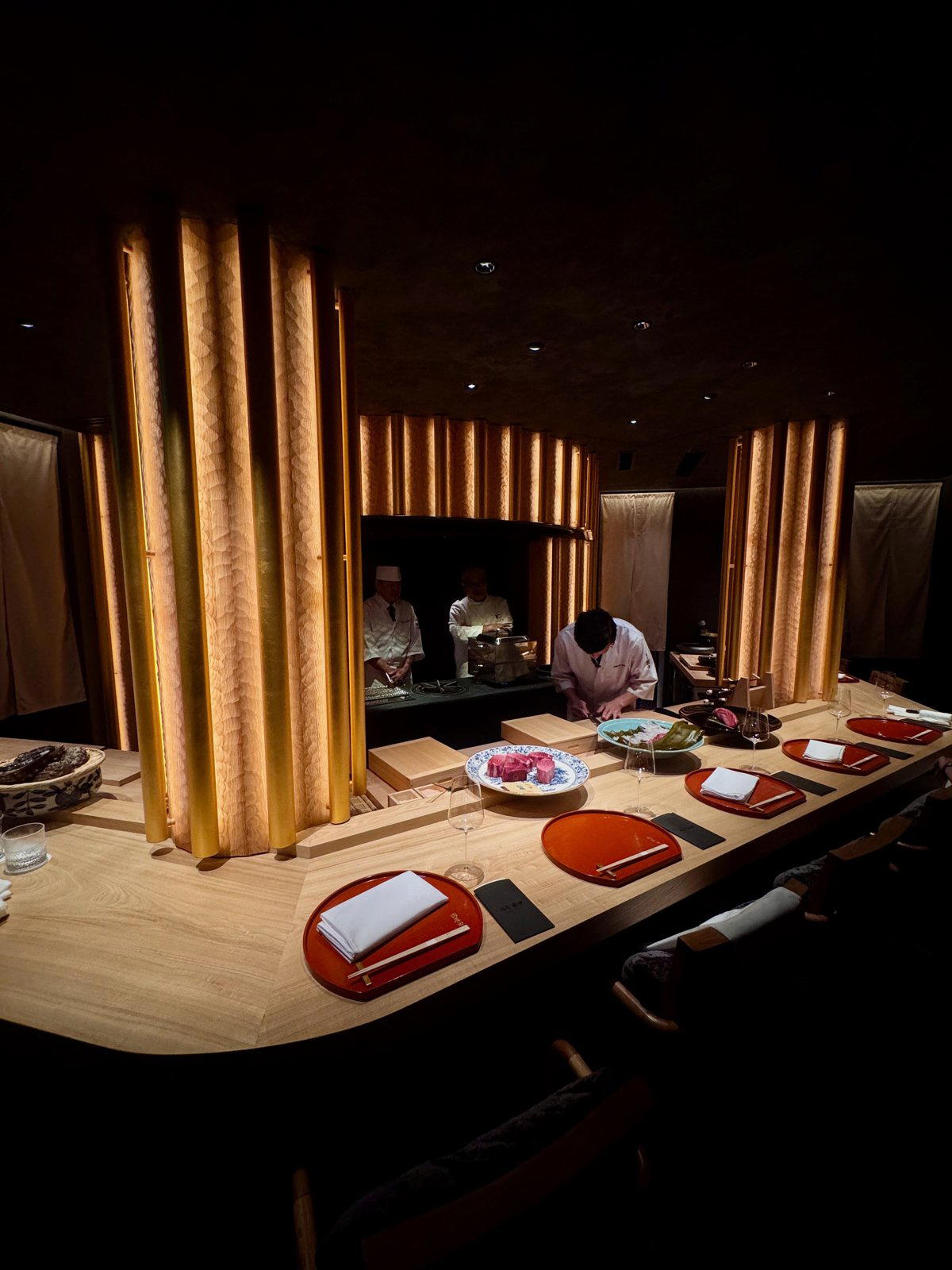
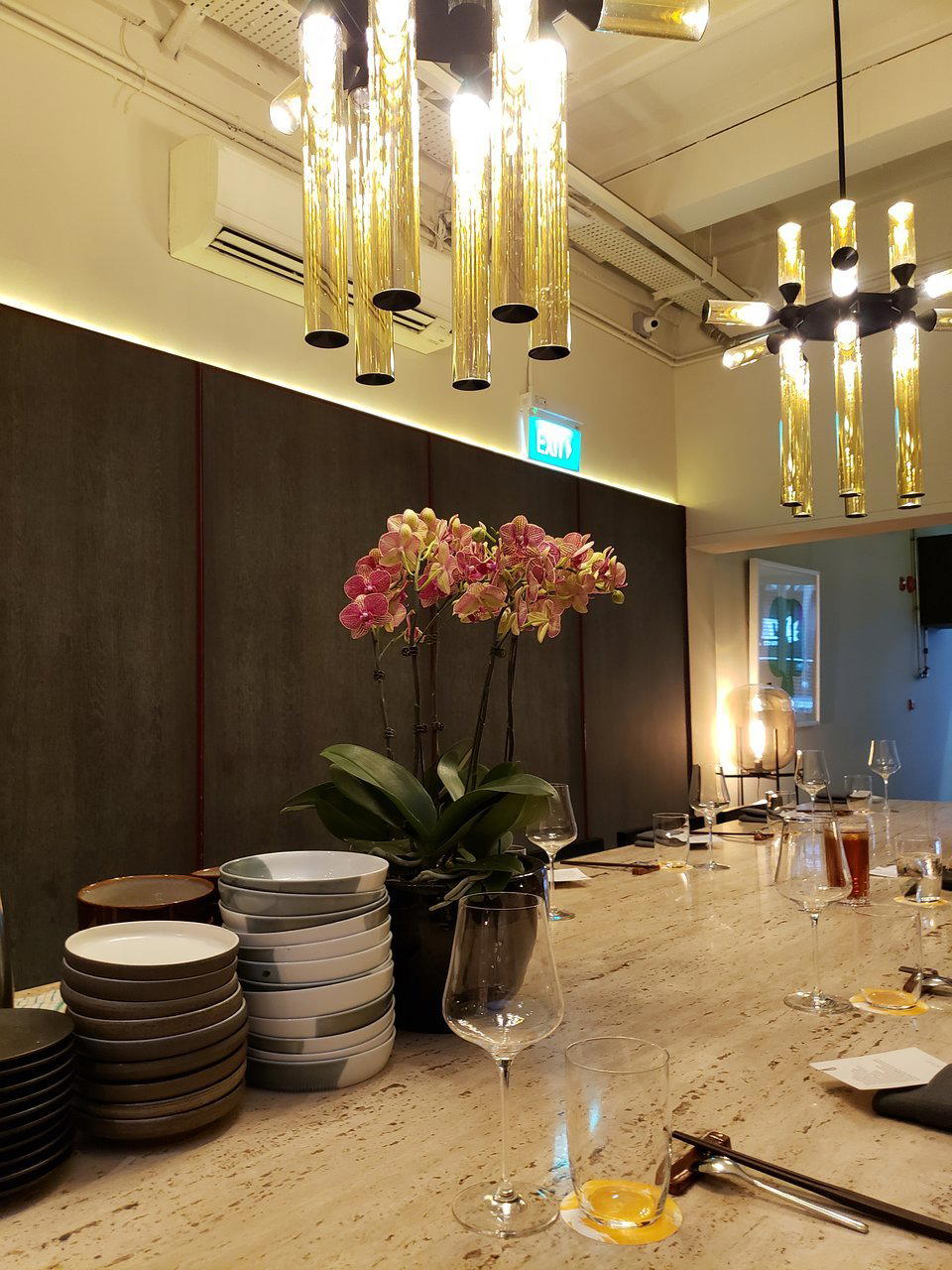
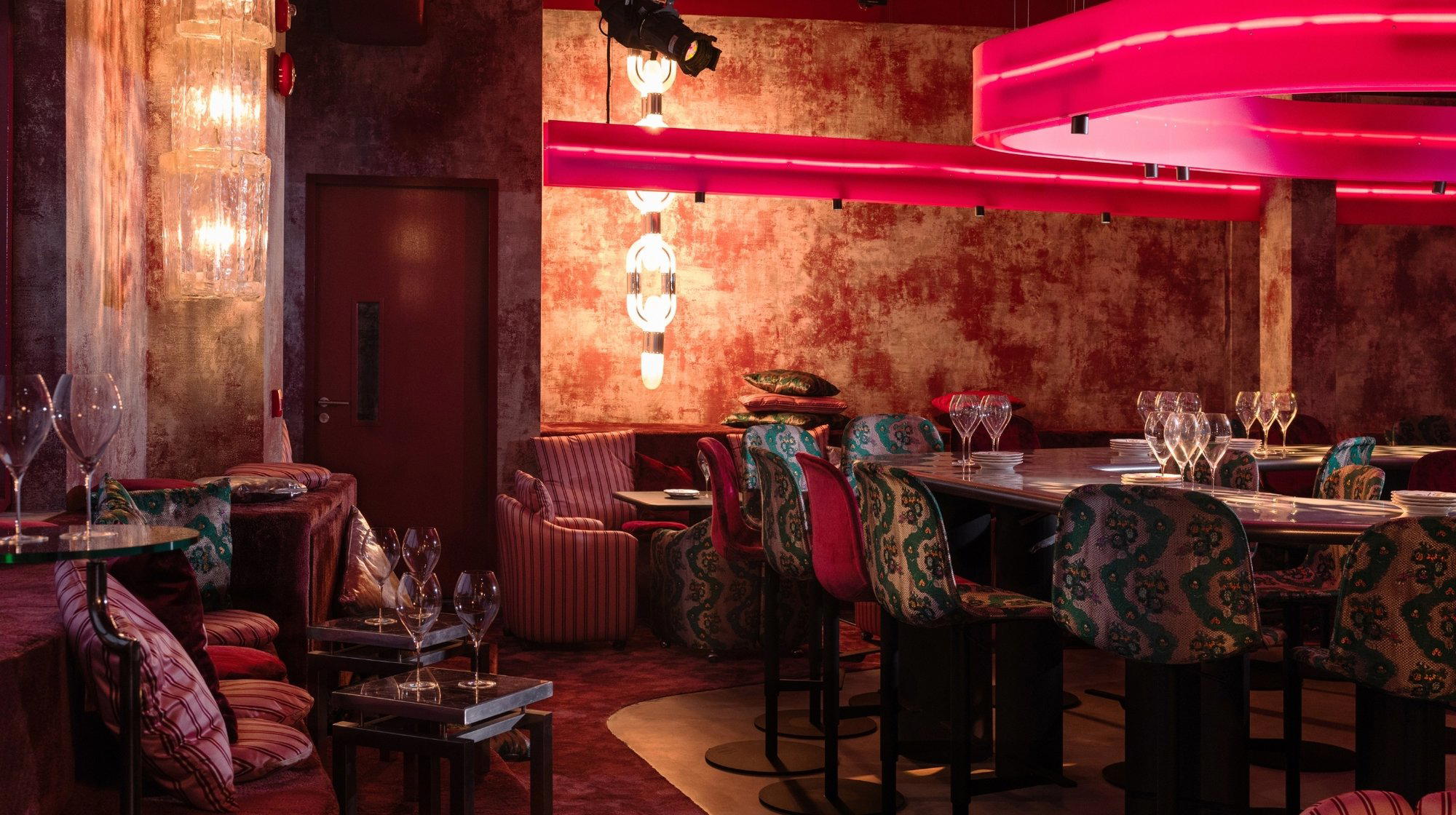
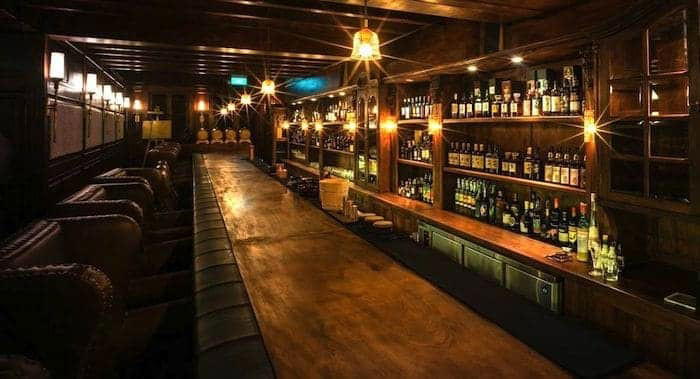
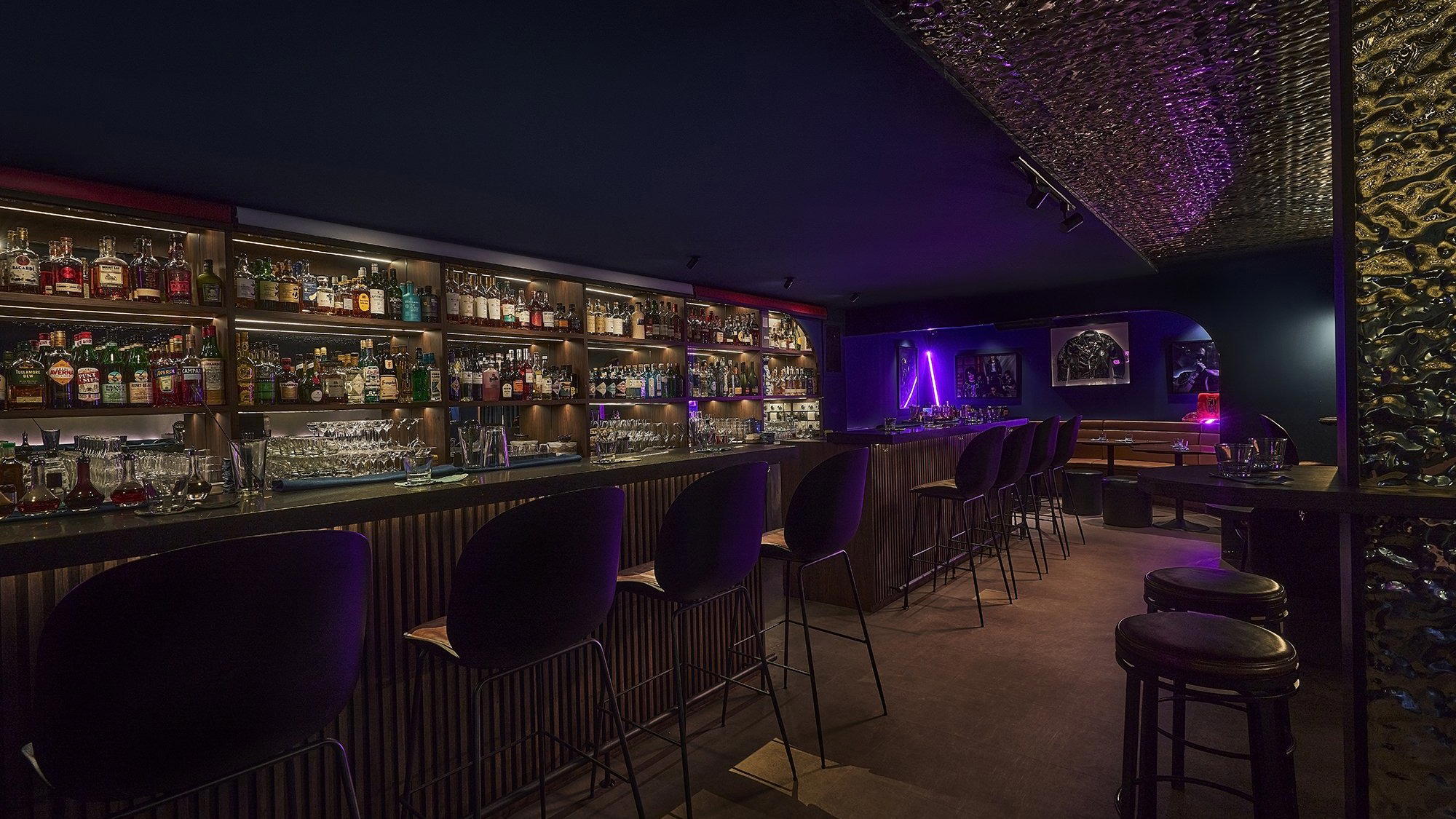
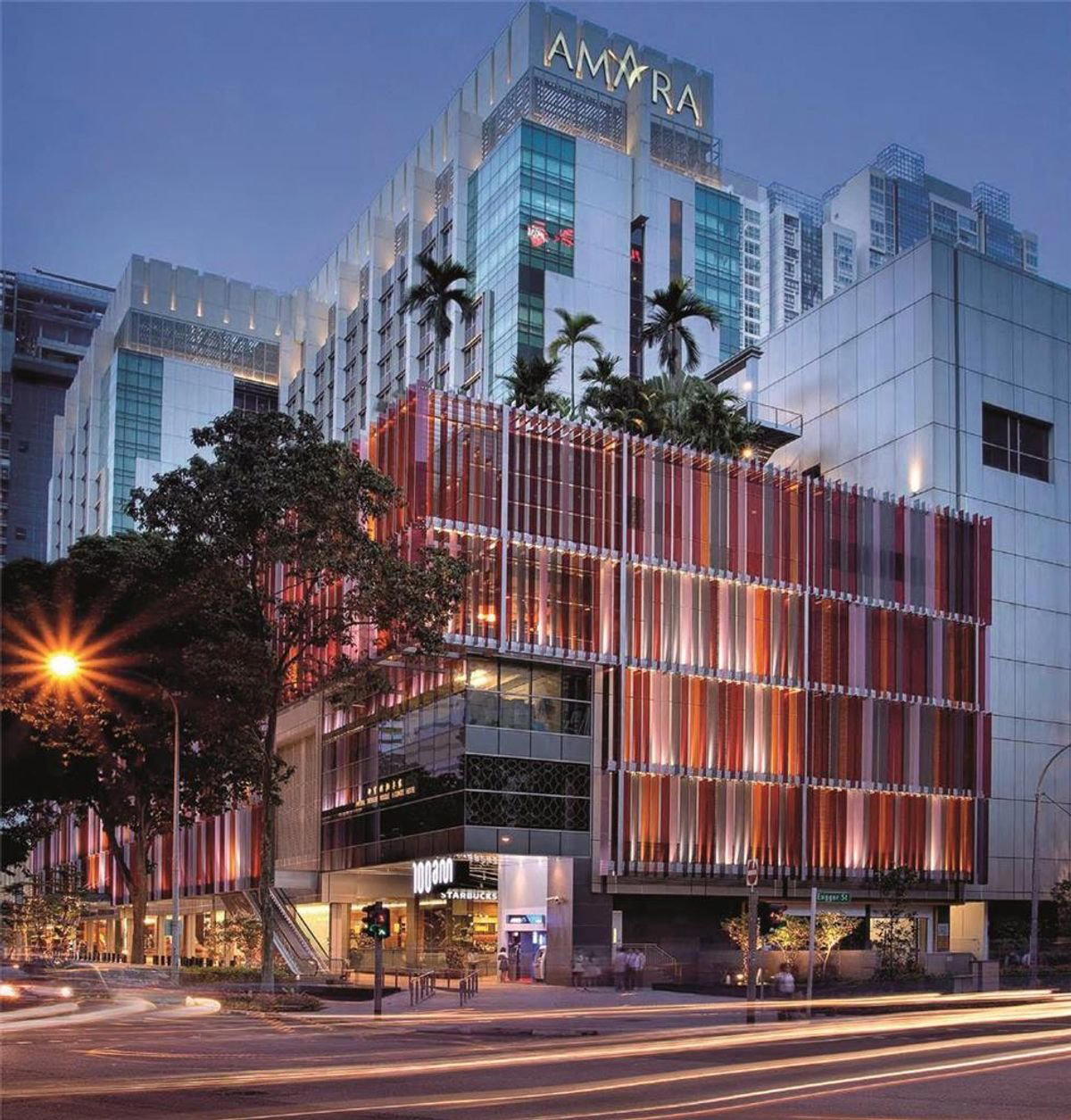
The address on Teck Lim Road offers few clues about what waits on the second floor. The street sits inside the Keong Saik corridor, a stretch of Outram that has become one of Singapore's more concentrated pockets of serious dining over the past decade. Climbing to the counter at Nikuya Tanaka, the mood shifts immediately: warm timber, clean geometry, and a stillness that reads as deliberate rather than empty. This is a room designed to slow the pace of a city that rarely slows on its own.
Counter dining in Singapore tends to fall into two registers. The first is theatrical: open kitchens where plating is performance and the diner is audience. The second is conversational: the chef within arm's reach, the exchange low-key and cumulative, the meal structured as a series of small knowings rather than a spectacle. Nikuya Tanaka operates in the second register, and in Singapore's current dining environment, that discipline carries weight.
The Craft Behind the Smoke
Nikuya Tanaka's reputation in Tokyo is built on a specific proposition: Japanese beef, handled with the precision of a specialist butcher and cooked over binchotan charcoal in a way that preserves rather than transforms the character of each cut. That proposition has crossed borders intact. Wet-aged Japanese beef, grilled over white charcoal, presented in sequence at the counter, the format is legible to anyone who has spent time at serious meat counters in Tokyo, and it will feel immediately purposeful to anyone encountering it for the first time in Singapore.
Binchotan is not a visual prop here. The fuel burns at a consistent, high temperature without producing the bitter smoke of softer charcoals, and it allows the surface of a cut to develop without the interior losing moisture. This is a technical choice with audible consequences: the sear is clean, the resting times matter, and the sequence of cuts across a meal is paced by the fire as much as by any written menu. In Singapore, the closest reference points for this style of restrained, ingredient-led precision cooking are found not at other meat counters but at the leading tasting-menu tables, at restaurants like Odette and Zén, where the philosophy of doing less to better ingredients is treated as a complete culinary position.
Local seasonal produce appears in the meal, but as accent rather than pivot. The Japanese beef remains the fixed point. This editorial restraint, knowing what the concept is and not diluting it to signal local engagement, is a discipline that many imported concepts lose within their first year of operation in a new market.
Reading the Reputation
Nikuya Tanaka arrives in Singapore with the credibility of an established Tokyo original rather than the uncertainty of a speculative export. The figure behind the concept, Satoru Tanaka, has built a reputation in Japan on the premise that beef is craft rather than occasion, and that the counter format is the correct delivery mechanism for that craft. When a Tokyo specialist of this standing opens a Singapore outpost, the critical question is not whether the concept translates but whether the discipline holds at distance. Early signals suggest it does.
Singapore's counter dining scene has grown materially over the past five years. In the tasting-menu segment, tables like Les Amis, Jaan by Kirk Westaway, and Meta have demonstrated that Singapore diners engage seriously with format-led, counter-based experiences. Nikuya Tanaka enters that conversation from a different culinary tradition but with aligned assumptions: that the ideal way to eat well is to sit close to the person cooking, watch the process, and let the meal unfold at a pace set by the kitchen rather than the clock.
The comparison with fire-led cooking elsewhere in Singapore is instructive. Burnt Ends, which helped put Australian barbecue on the city's serious dining map, operates in the $$$ tier and has built a following around the social energy of its open hearth. Nikuya Tanaka approaches fire from a different angle entirely: quieter, more formal in its counter protocol, and aligned with Japanese service conventions that treat brevity and intuition as marks of professionalism rather than detachment. These are two restaurants that share a primary cooking medium and almost nothing else, which says something useful about how much range now exists within Singapore's fire-cooking category.
Where It Sits in the City
The Keong Saik and Teck Lim area has accumulated enough serious restaurants over recent years to function as a dining neighbourhood rather than a collection of individual destinations. Its compact geography means guests often combine a meal here with drinks nearby, and the street-level energy of the precinct contrasts with the stillness of the Nikuya Tanaka counter upstairs in a way that makes the transition feel considered. Singapore's dining neighbourhoods each carry a distinct character: Orchard tilts formal and hotel-anchored, where Béni represents the refined Japanese-French tier; Rochor carries a looser, more convivial register, anchored by spots like Cicheti; Outram, where Nikuya Tanaka sits, has become the city's most coherent address for counter-focused, craft-led dining.
For readers building a broader Singapore itinerary, the full Singapore restaurants guide maps the city's dining character across neighbourhoods and price tiers. Those wanting to understand the full range of what Singapore's Downtown Core offers alongside their visit can also reference spots like Ah Ter Teochew Fishball Noodles for a grounding in the city's hawker tradition, which operates in productive parallel with its fine-dining scene. Internationally, the restrained fire-cooking philosophy Nikuya Tanaka represents has precedents at serious tables like Lazy Bear in San Francisco, where format discipline and ingredient transparency define the experience, and at technically precise institutions like Le Bernardin in New York, which demonstrated decades ago that a single-protein focus, handled with sufficient rigour, is a complete and defensible culinary position.
Planning a Visit
Nikuya Tanaka occupies the second floor at 1 Teck Lim Road in Outram, accessible on foot from Outram Park MRT in under ten minutes. Counter dining of this format typically requires advance booking, and given the concept's reputation and limited seating, planning at least several weeks ahead is advisable, particularly for weekend evenings. Service follows Japanese counter conventions: expect interactions that are informative without being effusive, and a pace set by the kitchen rather than by the guest's watch. The dress code is not formally stated, but the room's tone rewards a degree of consideration in how you arrive.
Frequently asked questions
What's Nikuya Tanaka's location?
Nikuya Tanaka is located at 1 Teck Lim Rd, level 2, Singapore 088379, Singapore.
What kind of recognition has Nikuya Tanaka received?
Nikuya Tanaka has received recognition including: Japanese precision, Singapore stage and a counter built for contemplation With Nikuya Tanaka’s arrival in Singapore, one of Tokyo’s most respected meat specialists has opened its doors and brought a quiet discipline across borders. This new….
What's the must-try dish at Nikuya Tanaka?
The menu centres on Japanese beef, primarily wet-aged cuts grilled over binchotan charcoal, served in sequence at the counter. Because the kitchen operates on a philosophy of restraint and precision, the cuts themselves carry the argument, no specific single dish is advertised above the rest. Arriving with appetite for the full counter progression gives the meal its proper shape.
How far ahead should I plan for Nikuya Tanaka?
Nikuya Tanaka is a counter-format restaurant on the second floor of 1 Teck Lim Road, which limits covers by design. As a Tokyo original now operating in Singapore's competitive Keong Saik corridor, demand is high relative to capacity. Booking several weeks in advance is advisable, particularly for weekend sittings.
What's the standout thing about Nikuya Tanaka?
The counter arrangement keeps the focus squarely on beef, fire and the exchange between chef and guest, a format that Nikuya Tanaka carried directly from Tokyo rather than recalibrating for an export market. What distinguishes it within Singapore's dining scene is that discipline: the cooking doesn't perform, it demonstrates. Satoru 'Boss' Tanaka's reputation as a meat specialist, built in Japan, travels intact.
Is Nikuya Tanaka good for vegetarians?
Nikuya Tanaka is a beef specialist restaurant built around Japanese beef grilled over binchotan charcoal. The concept is centred on meat at every course, with local produce appearing as subtle accompaniment rather than a primary offering. Vegetarians would find the menu misaligned with their requirements and would be better served elsewhere in the Keong Saik neighbourhood.
How does Nikuya Tanaka's Singapore outpost differ from the original Tokyo restaurant?
The Singapore location at 1 Teck Lim Road maintains the same core philosophy as the Tokyo original, Japanese beef, binchotan charcoal, counter seating, restrained service, while incorporating local seasonal produce in small flourishes. The format and craft travel unchanged; what shifts is the context, placing a quiet, Tokyo-rooted beef counter inside one of Singapore's most active dining corridors. According to Satoru 'Boss' Tanaka's stated vision, the Singapore outpost is designed to honour Japanese butchery discipline while building a distinct voice in its new city.
| Venue | Cuisine | Price | Awards | Notes |
|---|---|---|---|---|
| Nikuya TanakaThis venue (the venue you are viewing) | Premium Kobe Wagyu Omakase | $500+ | Not listed | Not listed |
| Zén | Neo-Nordic with Japanese Influences | $500+ | 3 Michelin Stars · Michelin Guide 3 Stars | European Contemporary |
| Jaan by Kirk Westaway | Modern British Fine Dining | $200–300 | 2 Michelin Stars · Michelin Guide 2 Stars | British Contemporary |
| Born | Contemporary Fusion Fine Dining | $200–300 | 1 Michelin Star · Michelin Guide 1 Star | Creative Cuisine, Innovative |
| Burnt Ends | Modern Australian Barbecue | $100–150 | 1 Michelin Star · Michelin Guide 1 Star | Australian Barbecue, Barbecue |
| Iggy's | Modern European with Japanese Influence | $150–200 | 1 Michelin Star · Michelin Guide 1 Star | Modern European, European Contemporary |
Recognition history
Dated appearances from independent guides and award organizations, with the underlying list record or original source where available.
World's Best Steaks 101 Best Steak Restaurants #30
World's Best Steaks
Continue exploring
More in Singapore
Restaurants in Singapore
All restaurants in Singapore →
Bars in Singapore
All bars in Singapore →
Details
- Intimate
- Elegant
- Minimalist
- Sophisticated
- Special Occasion
- Date Night
- Celebration
- Chefs Counter
- Open Kitchen
- Design Destination
- Sake Program
- Local Sourcing
- Omakase
- Counter Dining
- Tasting Menu
- Sake
- Wine
Current opening hours
- Monday
- 12–2 PM, 6:30–8 PM
- Tuesday
- 12–2 PM, 6:30–8 PM
- Wednesday
- 12–2 PM, 6:30–8 PM
- Thursday
- 12–2 PM, 6:30–8 PM
- Friday
- 12–2 PM, 6:30–8 PM
- Saturday
- 12–2 PM, 6:30–8 PM
- Sunday
- Closed
Hours can change for holidays and private events. Hours as of .
Moody, minimalist elegance with warm lighting over a naguri wood counter; intimate 10-seat kappo counter with threads of binchotan smoke drifting through the contemporary space designed by celebrated Japanese interior designer Morita Yasumichi.