
Niou Jia Juang holds back-to-back Michelin Bib Gourmand recognition for 2024 and 2025, making it one of Taichung's most consistent addresses for Hakkanese cooking at accessible prices. The kitchen draws on a culinary tradition that prizes slow braises, preserved ingredients, and controlled savour over theatrical presentation.3 across more than 4,500 reviews confirms this is a local institution as much as a critical one.
Pearl is the En Primeur Club membership app — saves, bookings, and concierge access live there. Same editors, same standards.
- Address
- No. 21, Siwei St, Yongkang District, Tainan City, Taiwan 710
- Phone
- +886 6 233 5757
- Website
- facebook.com
- Directions
- Get directions
 Saves & bookings on Pearl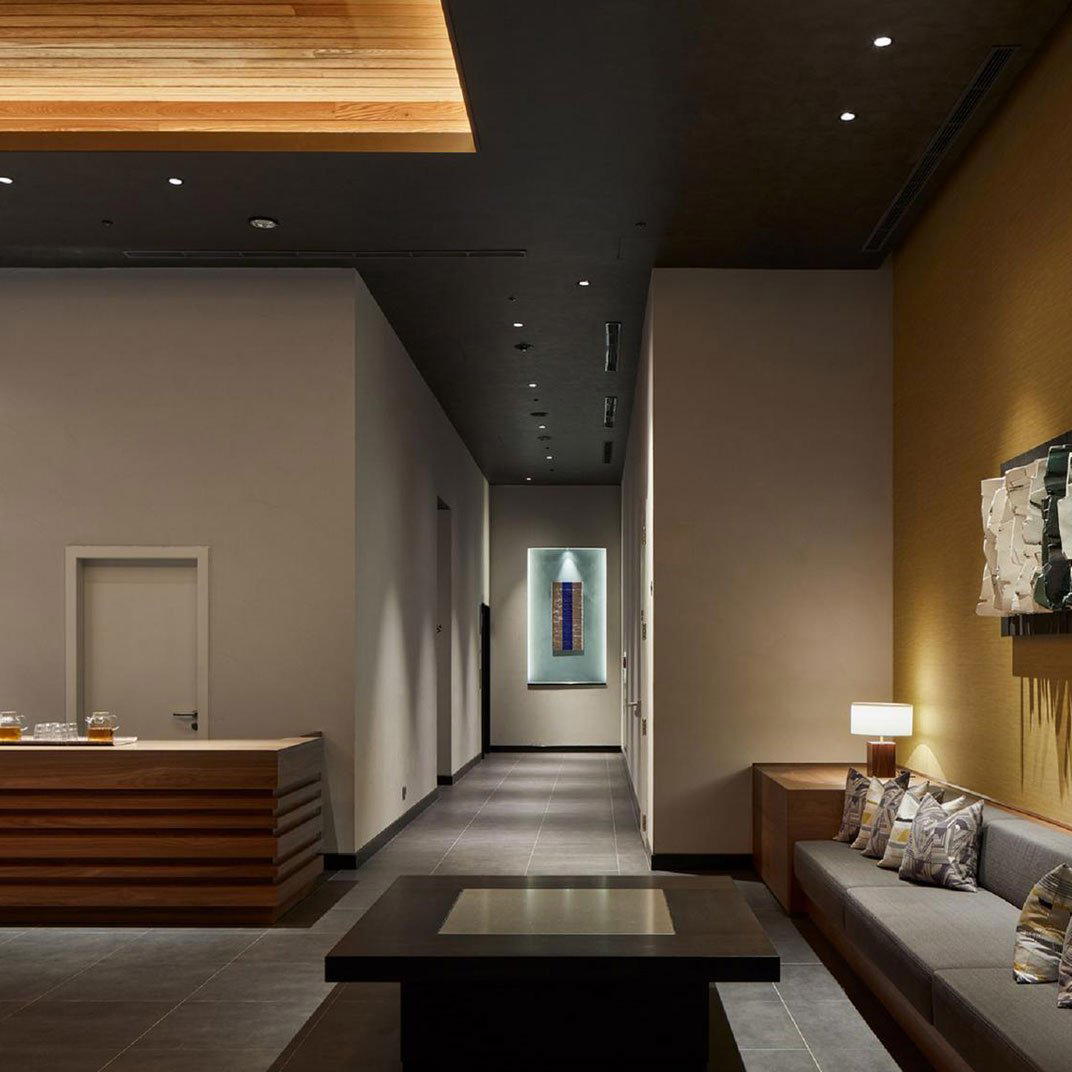
Hakkanese Cooking in Taichung: What Niou Jia Juang Represents
There is a particular kind of restaurant that defines a city's dining credibility not through price or spectacle but through consistency and cultural depth. In Taichung, where the upper tiers of contemporary dining are occupied by places like JL Studio and L'Atelier par Yao, the restaurants that carry real weight at street level are the ones doing something older and harder to replicate. Niou Jia Juang is that kind of place. It holds Michelin Bib Gourmand recognition for both 2024 and 2025, a back-to-back endorsement that places it firmly in the tier of restaurants that deliver cooking of genuine quality at prices that remain accessible.
The Bib Gourmand designation matters here in a specific way. Unlike starred restaurants, which reward ambition and refinement, the Bib recognises value-to-quality ratio. In a city where Sur- and Oretachi No Nikuya both operate in the $$$ bracket, Niou Jia Juang sits at $$, a price point that, combined with repeated Michelin recognition, signals something worth paying close attention to.
The Hakka Tradition Behind the Kitchen
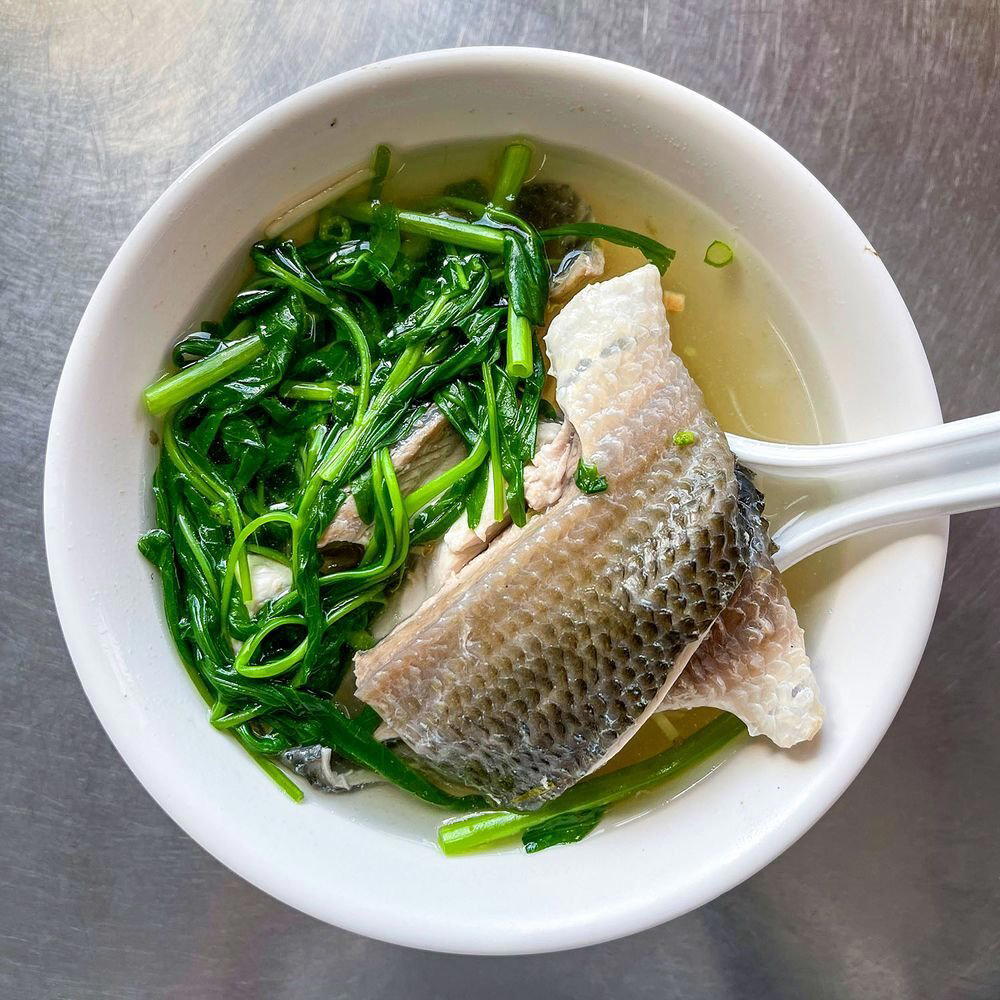
Hakkanese cuisine is among the more misunderstood culinary traditions in the Chinese-speaking world. The Hakka people, a Han Chinese subgroup with a history defined by migration across southern China and eventually Southeast Asia, developed a cooking style shaped directly by necessity and resourcefulness. Preservation techniques, including salting, fermenting, and drying, became structural to the cuisine rather than ornamental. The result is a kitchen that prizes depth of savour over freshness of produce, and slow cooking over quick execution.
In Taiwan, Hakka populations are concentrated primarily in Hsinchu and Miaoli counties in the north and in parts of Taoyuan, but the community's culinary influence extends across the island. Dishes like mei gan cai kou rou (braised pork belly with preserved mustard greens) and ban tiao (flat rice noodles) appear on menus throughout the country, though quality and authenticity vary considerably. The Hakka tradition shares certain sensibilities with other preservation-forward cuisines, the Hunanese love of cured and smoked ingredients, or the Cantonese practice of air-drying meats, but its identity is specific. Fat, salt, and time are the primary tools. There is no equivalent in Hakka cooking to the delicate lightness of Shanghainese or the numbing heat of Sichuan.
For comparison in the broader Taiwan and regional context, May Snow Hakka Food in Taipei and Hor Poh Cuisine in Kuala Lumpur represent how Hakkanese cooking is being maintained across different urban settings, each adapting to its local audience while preserving the cuisine's structural logic. The restaurant operates within the same tradition, and its Michelin recognition places it ahead of most in terms of externally verified quality.
The Physical Experience: Approaching and Sitting Down
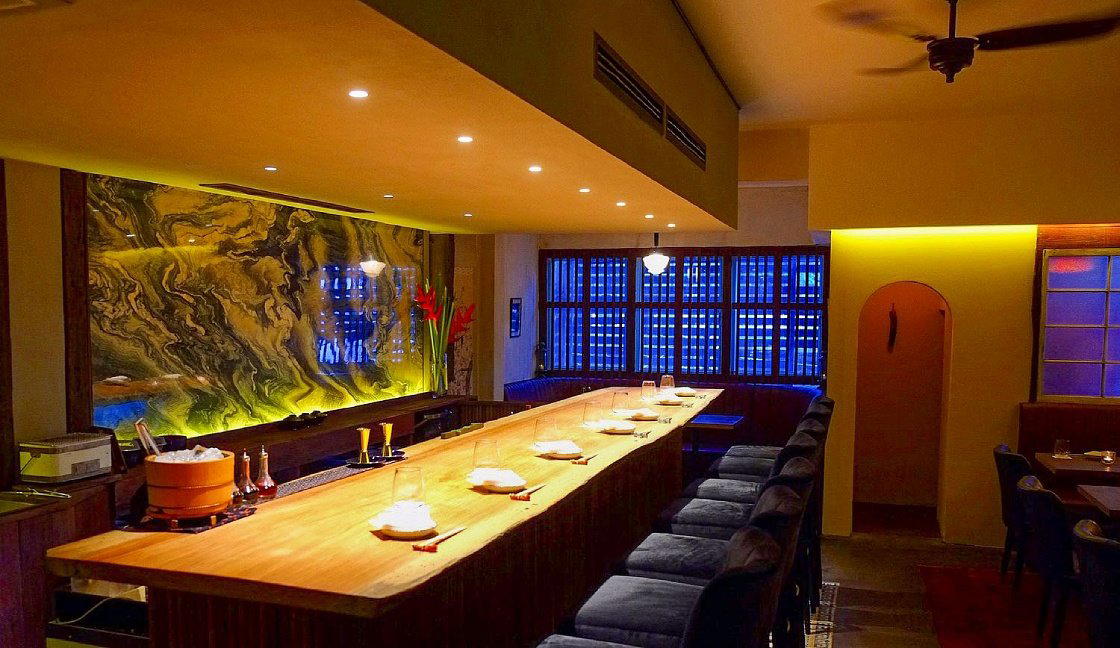
The address, No. 21, Siwei St, Yongkang District, Tainan City, Taiwan 710, places this restaurant in one of southern Taiwan's food-dense neighbourhoods. Yongkang is the kind of area where the leading cooking often happens inside modest shopfronts with hand-painted signage and fluorescent lighting, and the restaurant fits that context. The visual cues outside do not perform prestige. That is a deliberate feature of the category, not a deficiency. In Taiwanese dining culture, the absence of decorative investment frequently signals that all the effort has gone elsewhere, into sourcing, preparation, and proportion.
Coming from the more architecturally intentional spaces of Taichung's contemporary dining scene, like MINIMAL, the shift in register is immediate and instructive. The meal here is framed by the food alone. The crowd across more than 4,500 reviews suggests an audience that spans multiple demographics, a dependable indicator of a restaurant operating at a community level rather than a niche one.
Where Niou Jia Juang Sits in Taiwan's Broader Dining Picture
Taiwan's restaurant recognition story has become more internationally legible over the past decade. Taipei holds the highest concentration of Michelin-recognised addresses, with places like logy in Taipei representing the fine dining tier. Kaohsiung has its own critical mass, including GEN as a regional reference point. Tainan, where the restaurant is physically located, has built a reputation specifically on its food culture rather than its fine dining count.
The Bib Gourmand category across Taiwan tends to cluster around traditional and regional cooking that has been refined through decades of repetition. A restaurant earning that recognition two years consecutively is not doing so through novelty. It is doing so through discipline. For context on other Tainan addresses worth combining with a visit, A Cun Beef Soup (Baoan Road) operates in a similar value tier and with a similarly long community track record. The comparison is useful: both represent regional specialisation over generalist menus.
For travellers extending further, Akame in Wutai Township and Volando Urai Spring Spa and Resort in Wulai District offer different registers of Taiwanese dining, but they share with the restaurant an interest in cooking that is specific to place and tradition rather than internationally portable technique. And if a comparison point from outside Asia is useful for calibrating expectations on the Bib Gourmand standard, Le Bernardin in New York City demonstrates how consistent critical recognition over multiple years functions as a signal of operational integrity, regardless of cuisine or price tier.
Planning a Visit
The restaurant sits on Siwei Street in Yongkang District. At roughly $15 per person, this is the kind of address that fits easily into a multi-day itinerary. Given the 4,577-review count on Google, the restaurant clearly manages volume, but the Michelin recognition and review density both suggest that arriving early or checking whether reservations are accepted will reduce the risk of waiting. Reservations are recommended, and weekend lunch and dinner service runs Saturday and Sunday from 11 AM to 9 PM.
Side-by-Side Snapshot
Comparable venues nearby, for context on price, style, and recognition.
| Venue | Cuisine | Price | Awards | Notes |
|---|---|---|---|---|
| Niou Jia JuangThis venue — the venue you are viewing | Traditional Hakka Beef | $$ | Bib Gourmand | Not listed |
| Feng Chi Goose | Taiwanese Goose Specialist | $$ | Bib Gourmand | Shalu District |
| Fu Kuei Ting | Traditional Taiwanese Smoked Goose & Herbal Noodles | $$ | Bib Gourmand | Dadun |
| Li Xiao Lou | Taiwanese Home Cooking | $$ | Bib Gourmand | Shangshi |
| Lao Shih Kuan Noodles | Traditional Hand-Rolled Noodles | $ | Bib Gourmand | Qingshui District |
| Lou's (Nantun) | Authentic Taiwanese Sesame Oil Cuisine | $$ | Bib Gourmand | Sanhe |
Recognition history
Dated appearances from independent guides and award organizations, with the underlying list record or original source where available.
Michelin Bib Gourmand
Michelin
Michelin Bib Gourmand
Michelin


At a Glance
- Classic
- Cozy
- Casual Hangout
- Open Kitchen
- Local Sourcing
Current opening hours
- Monday
- Closed
- Tuesday
- Closed
- Wednesday
- Closed
- Thursday
- Closed
- Friday
- Closed
- Saturday
- 11 AM–9 PM
- Sunday
- 11 AM–9 PM
Hours can change for holidays and private events. Last verified .
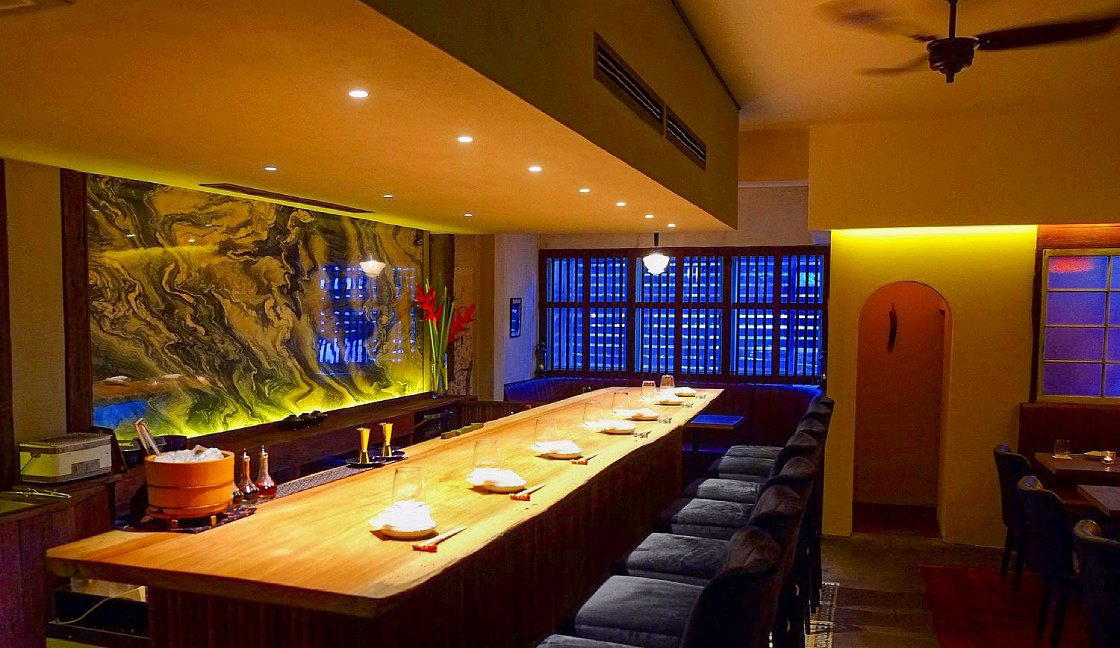
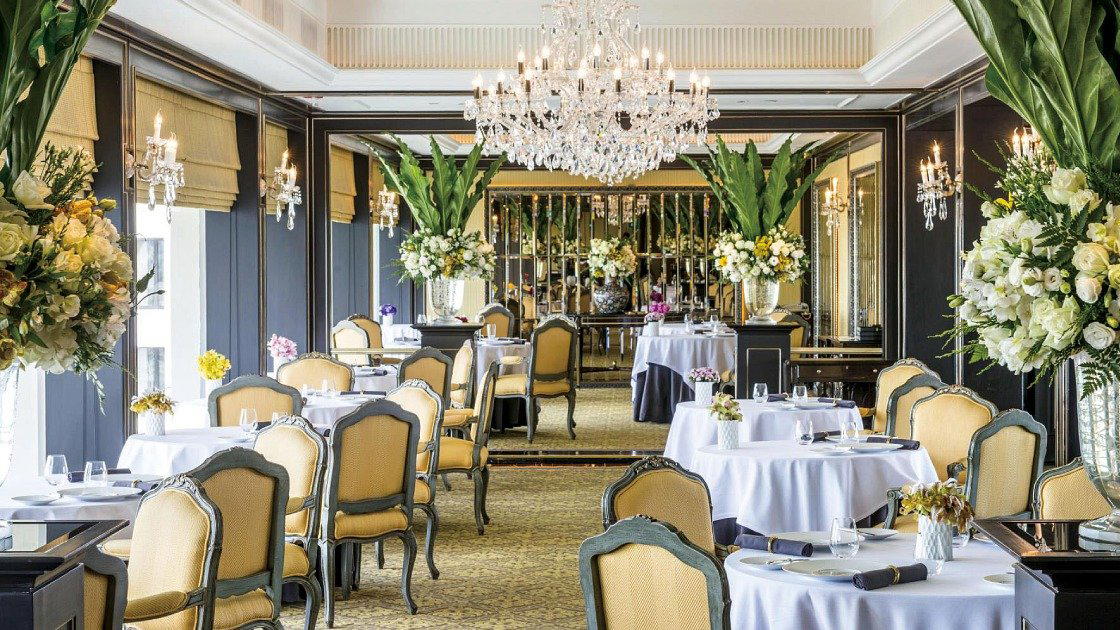
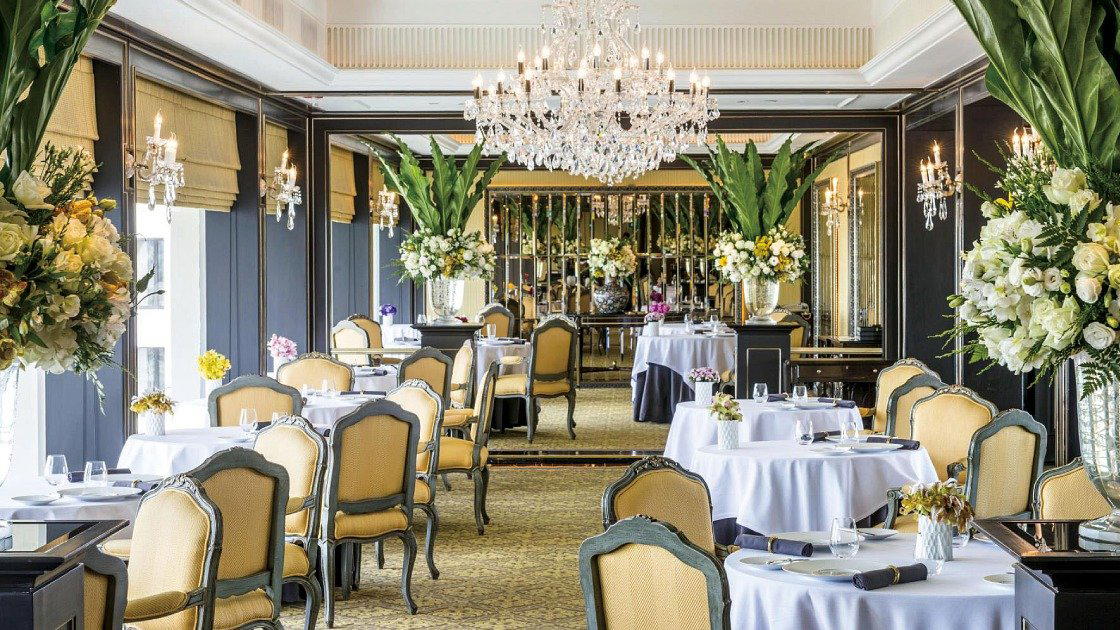
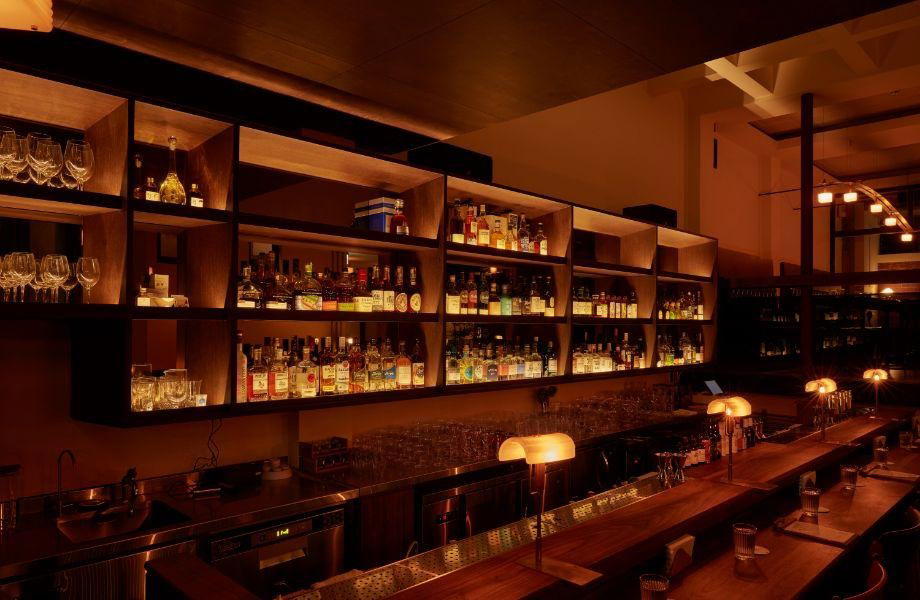
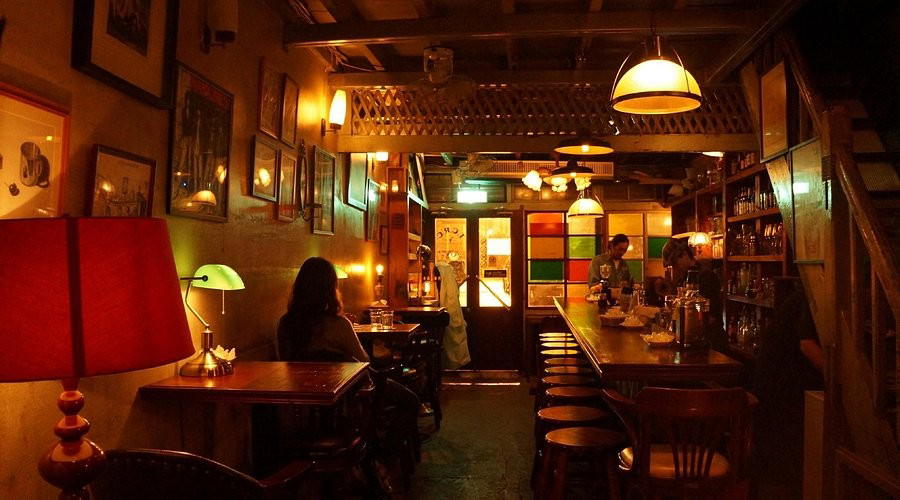
Nostalgic with colorful murals, cow-themed decorations, and a warm welcoming atmosphere.