4 Fuegos
Fire, Coast, and the Tulum Dining Shift The road south from Tulum town toward Boca Paila has become one of the more concentrated stretches of serious dining in the Riviera Maya. Restaurants along this corridor operate in a format that is particular to the region: open-sided structures designed to dissolve the boundary between indoor and outdoor, kitchens built around wood and live flame, and menus that treat the Yucatan Peninsula's ingredients as a primary subject rather than a backdrop. 4 Fuegos, located at Km 10 of that road, belongs to this format and to this moment in Mexican coastal cooking. The address matters here. The Tulum hotel zone sits between the ruins of a Mayan city to the north and the Sian Ka'an biosphere reserve to the south, a geographical frame that has given the area an identity distinct from the resort density of Cancun or the commercial bustle of Playa del Carmen. That identity has shaped what diners expect when they travel this road: not just a meal, but an environment. Fire-centered restaurants in this context are not a trend imported from elsewhere; they are a local expression of a broader Mexican movement that has spent the past decade reexamining pre-Hispanic techniques and applying them to contemporary menus. What Live-Fire Cooking Means in This Context Across Mexico, the past decade has seen a serious recalibration of what constitutes a progressive kitchen. In Mexico City, restaurants like Pujol built their reputations on codifying and elevating traditional Mexican culinary logic. In Oaxaca, places like Levadura de Olla have worked from the ground up with regional ingredients and ancestral technique. In the Riviera Maya, the live-fire approach draws from a slightly different set of influences: Mayan cooking traditions that relied on pit-roasting and ember-cooking long before European contact, combined with the coastal availability of fish, shellfish, and citrus that define the Yucatecan table. The name 4 Fuegos translates directly to "four fires," a reference to the cooking method that anchors the kitchen. This is not metaphorical branding; it describes a technical commitment to heat sourced from wood and charcoal rather than gas or induction. Live-fire kitchens of this kind produce results that differ structurally from conventional restaurant cooking: the Maillard reaction runs harder, smoke becomes an ingredient in itself, and timing is governed by the fire rather than a dial. In Valle de Guadalupe, Animalón has built a comparable identity around open-flame technique in a wine-country setting. Along Mexico's Caribbean coast, the same approach carries a different set of associations, tied more directly to the ceremonial and communal role that fire has played in Mesoamerican culture. Where 4 Fuegos Sits in the Tulum Restaurant Field The Tulum zone now contains a broad range of dining formats, from casual beach clubs to destination restaurants with serious kitchen programs. Arca in Tulum has become a regional reference point for what contemporary open-fire cooking can look like with disciplined technique and a strong local-ingredient commitment. Gaia at Maykana works a different register, focusing on Mexican seafood in a setting that emphasizes the coast. Tauro Steakhouse occupies the premium red-meat tier of the Riviera Maya dining field. 4 Fuegos positions itself through its name and its address as a fire-focused option further down the Boca Paila road, in a part of the hotel zone where the built environment is less dense and the connection to the natural surroundings is more immediate. Further north along the coast, HA' in Playa del Carmen has developed a reputation for cenote-influenced cooking and local ingredient sourcing. In Puerto Morelos, Le Chique operates at the technical end of contemporary Mexican cuisine with a tasting menu format that has drawn sustained attention. These restaurants collectively describe a Riviera Maya dining scene that is no longer defined solely by international resort cuisine but by a serious engagement with what the region's own larder and culinary history can produce. The Broader Mexican Culinary Conversation Understanding 4 Fuegos requires understanding where it sits in the wider Mexican restaurant conversation of the past decade. Across the country, chefs and restaurateurs have built a shared vocabulary around terroir, ancestral technique, and regional identity. In Monterrey, KOLI Cocina de Origen has pushed that conversation into northern Mexican cuisine. In Guadalajara, Alcalde has done similar work with western Mexico's ingredient traditions. In Mérida, Huniik has drawn on Mayan culinary heritage specifically. The Riviera Maya, with its proximity to Mayan archaeological sites and its access to Caribbean seafood, tropical fruits, achiote, and recado spice pastes, occupies a distinct node in that national conversation. The live-fire approach is not incidental to that context. In pre-Hispanic Mesoamerica, fire was central to both the practical and the ceremonial dimensions of cooking. The barbacoa tradition of pit-roasting in agave leaves, the cochinita pibil of the Yucatan cooked underground in banana leaves, the whole fish grilled over open coals on the coast: these are the antecedents of what a restaurant named for four fires is invoking when it builds its identity around flame. The reference is serious, even when the setting is a beachside restaurant in a hotel zone. For comparison points outside Mexico, the live-fire movement has produced influential work at restaurants like Lazy Bear in San Francisco, where the communal format and fire technique are explicit design decisions, and the precise plating discipline of Le Bernardin in New York City represents an entirely different school of thought about what serious cooking requires. In the Riviera Maya, the answer is smoke, salt air, and proximity to the source. Planning a Visit The restaurant is located at Carr. Tulum-Boca Paila Km 10, in the Tulum hotel zone south of Tulum town. The address places it beyond the denser cluster of restaurants near Km 7 and 8, in a stretch of the road where the properties are more dispersed and the setting correspondingly quieter. Visitors traveling from Tulum town should plan for a short taxi or rental car trip; this part of the hotel zone is not easily walkable from the town center, and transportation options thin out later in the evening. Contact details and reservation information were not available at the time of this writing; checking directly with the hotel zone or current booking platforms before traveling is advisable. Our full Riviera Maya restaurants guide covers the range of options across the hotel zone and town, with context on how the dining field has developed. For additional fire-forward and regionally focused options in Baja California, Lunario in El Porvenir and Olivea Farm to Table in Ensenada operate in comparable registers, while Pangea in San Pedro Garza García and Latino 8 in San José del Cabo round out the national picture for those building a broader Mexico itinerary around serious regional cooking. Frequently Asked Questions Is 4 Fuegos good for families? The Km 10 location in Tulum's hotel zone and the open-air, live-fire setting make it more suited to adult diners with an interest in the cooking format than to a family dinner with young children in tow. Is 4 Fuegos better for a quiet night or a lively one? The hotel zone south of Tulum town runs quieter than the beach clubs and bar-adjacent restaurants closer to the town center, and a restaurant built around fire technique and regional cuisine tends to draw a crowd more focused on what is on the plate than on the energy of the room. Among the Riviera Maya's more technically serious options, including Arca and Gaia at Maykana, the mood tilts toward engaged rather than festive. What do people recommend at 4 Fuegos? What can be said is that a restaurant centered on four distinct fire techniques, in a region with access to Yucatan seafood, tropical produce, and Mayan spice traditions, is likely to put its strongest work on the wood-fired and ember-cooked preparations; those are the categories worth asking about when you arrive. For a sense of what contemporary Mexican fire cooking looks like at a high technical level, Arca in Tulum and Pujol in Mexico City provide useful reference points. Does the Km 10 location change the experience compared to other Tulum hotel zone restaurants? Position on the Boca Paila road does affect the character of a meal at this end of the hotel zone. Restaurants at Km 10 and beyond sit in a less-trafficked stretch where the jungle canopy is denser and the ambient noise of the beach club circuit does not carry. That geography tends to select for a more deliberate dining crowd, and the fire-centered cooking at the restaurant aligns with that tone; it is a format that rewards attention rather than incidental dining. For comparison, Arca operates at a similar remove from the commercial center, and its regional reputation has been built in part on that separation from the louder parts of the Tulum scene.
Pearl is the En Primeur Club membership app — saves, bookings, and concierge access live there. Same editors, same standards.
- Address
- Carr. Tulum-Boca Paila Km.10, Tulum Beach, Zona Hotelera, 77780 Tulum, Q.R.
- Directions
- Get directions
 Saves & bookings on Pearl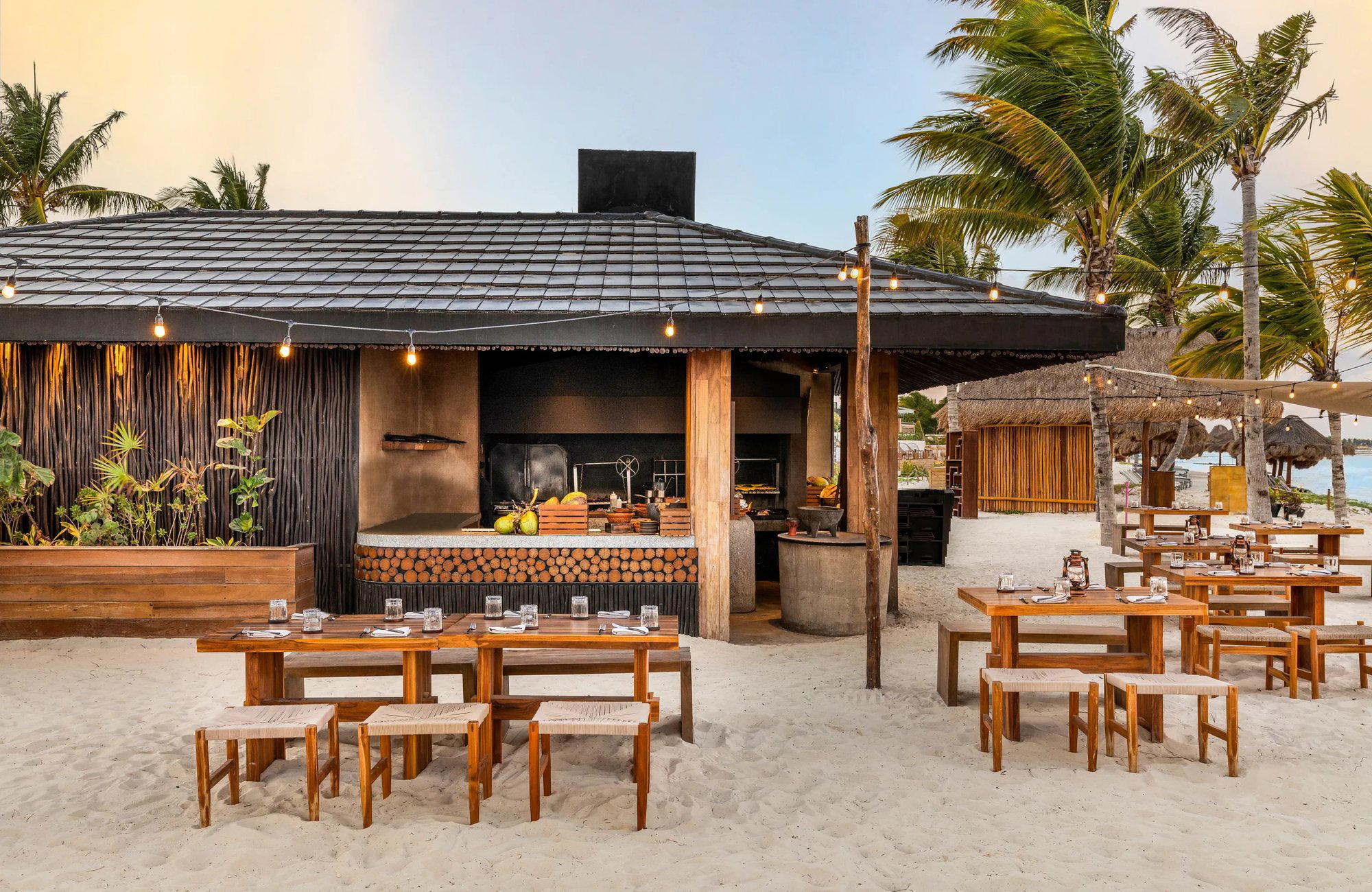
Fire, Coast, and the Tulum Dining Shift
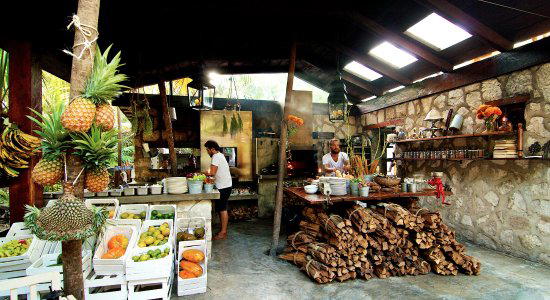
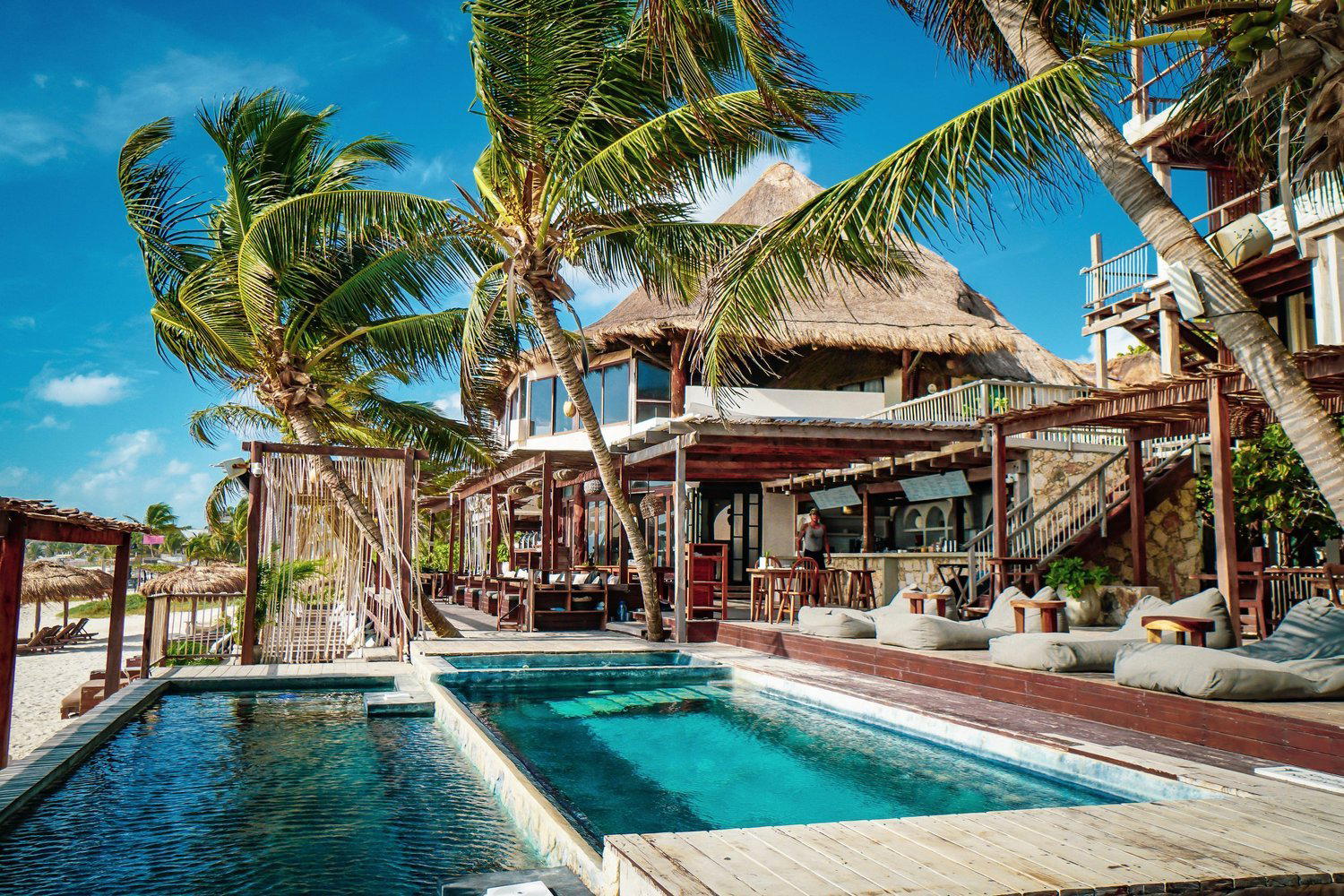
The road south from Tulum town toward Boca Paila has become one of the more concentrated stretches of serious dining in the Riviera Maya. Restaurants along this corridor operate in a format that is particular to the region: open-sided structures designed to dissolve the boundary between indoor and outdoor, kitchens built around wood and live flame, and menus that treat the Yucatan Peninsula's ingredients as a primary subject rather than a backdrop. 4 Fuegos, located at Km 10 of that road, belongs to this format and to this moment in Mexican coastal cooking.
The address matters here. The Tulum hotel zone sits between the ruins of a Mayan city to the north and the Sian Ka'an biosphere reserve to the south, a geographical frame that has given the area an identity distinct from the resort density of Cancun or the commercial bustle of Playa del Carmen. That identity has shaped what diners expect when they travel this road: not just a meal, but an environment. Fire-centered restaurants in this context are not a trend imported from elsewhere; they are a local expression of a broader Mexican movement that has spent the past decade reexamining pre-Hispanic techniques and applying them to contemporary menus.
What Live-Fire Cooking Means in This Context
Across Mexico, the past decade has seen a serious recalibration of what constitutes a progressive kitchen. In Mexico City, restaurants like Pujol built their reputations on codifying and elevating traditional Mexican culinary logic. In Oaxaca, places like Levadura de Olla have worked from the ground up with regional ingredients and ancestral technique. In the Riviera Maya, the live-fire approach draws from a slightly different set of influences: Mayan cooking traditions that relied on pit-roasting and ember-cooking long before European contact, combined with the coastal availability of fish, shellfish, and citrus that define the Yucatecan table.
The name 4 Fuegos translates directly to "four fires," a reference to the cooking method that anchors the kitchen. This is not metaphorical branding; it describes a technical commitment to heat sourced from wood and charcoal rather than gas or induction. Live-fire kitchens of this kind produce results that differ structurally from conventional restaurant cooking: the Maillard reaction runs harder, smoke becomes an ingredient in itself, and timing is governed by the fire rather than a dial. In Valle de Guadalupe, Animalón has built a comparable identity around open-flame technique in a wine-country setting. Along Mexico's Caribbean coast, the same approach carries a different set of associations, tied more directly to the ceremonial and communal role that fire has played in Mesoamerican culture.
Where 4 Fuegos Sits in the Tulum Restaurant Field
The Tulum zone now contains a broad range of dining formats, from casual beach clubs to destination restaurants with serious kitchen programs. Arca in Tulum has become a regional reference point for what contemporary open-fire cooking can look like with disciplined technique and a strong local-ingredient commitment. Gaia at Maykana works a different register, focusing on Mexican seafood in a setting that emphasizes the coast. Tauro Steakhouse occupies the premium red-meat tier of the Riviera Maya dining field. 4 Fuegos positions itself through its name and its address as a fire-focused option further down the Boca Paila road, in a part of the hotel zone where the built environment is less dense and the connection to the natural surroundings is more immediate.
Further north along the coast, HA' in Playa del Carmen has developed a reputation for cenote-influenced cooking and local ingredient sourcing. In Puerto Morelos, Le Chique operates at the technical end of contemporary Mexican cuisine with a tasting menu format that has drawn sustained attention. These restaurants collectively describe a Riviera Maya dining scene that is no longer defined solely by international resort cuisine but by a serious engagement with what the region's own larder and culinary history can produce.
The Broader Mexican Culinary Conversation
Understanding 4 Fuegos requires understanding where it sits in the wider Mexican restaurant conversation of the past decade. Across the country, chefs and restaurateurs have built a shared vocabulary around terroir, ancestral technique, and regional identity. In Monterrey, KOLI Cocina de Origen has pushed that conversation into northern Mexican cuisine. In Guadalajara, Alcalde has done similar work with western Mexico's ingredient traditions. In Mérida, Huniik has drawn on Mayan culinary heritage specifically. The Riviera Maya, with its proximity to Mayan archaeological sites and its access to Caribbean seafood, tropical fruits, achiote, and recado spice pastes, occupies a distinct node in that national conversation.
The live-fire approach is not incidental to that context. In pre-Hispanic Mesoamerica, fire was central to both the practical and the ceremonial dimensions of cooking. The barbacoa tradition of pit-roasting in agave leaves, the cochinita pibil of the Yucatan cooked underground in banana leaves, the whole fish grilled over open coals on the coast: these are the antecedents of what a restaurant named for four fires is invoking when it builds its identity around flame. The reference is serious, even when the setting is a beachside restaurant in a hotel zone.
For comparison points outside Mexico, the live-fire movement has produced influential work at restaurants like Lazy Bear in San Francisco, where the communal format and fire technique are explicit design decisions, and the precise plating discipline of Le Bernardin in New York City represents an entirely different school of thought about what serious cooking requires. In the Riviera Maya, the answer is smoke, salt air, and proximity to the source.
Planning a Visit
The restaurant is located at Carr. Tulum-Boca Paila Km 10, in the Tulum hotel zone south of Tulum town. The address places it beyond the denser cluster of restaurants near Km 7 and 8, in a stretch of the road where the properties are more dispersed and the setting correspondingly quieter. Visitors traveling from Tulum town should plan for a short taxi or rental car trip; this part of the hotel zone is not easily walkable from the town center, and transportation options thin out later in the evening. Contact details and reservation information were not available at the time of this writing; checking directly with the hotel zone or current booking platforms before traveling is advisable. Our full Riviera Maya restaurants guide covers the range of options across the hotel zone and town, with context on how the dining field has developed. For additional fire-forward and regionally focused options in Baja California, Lunario in El Porvenir and Olivea Farm to Table in Ensenada operate in comparable registers, while Pangea in San Pedro Garza García and Latino 8 in San José del Cabo round out the national picture for those building a broader Mexico itinerary around serious regional cooking.
Continue exploring
More in Riviera Maya
Restaurants in Riviera Maya
Browse all →
Bars in Riviera Maya
Browse all →

At a Glance
- Romantic
- Scenic
- Elegant
- Rustic
- Date Night
- Special Occasion
- Celebration
- Waterfront
- Terrace
- Open Kitchen
- Hotel Restaurant
- Craft Cocktails
- Waterfront
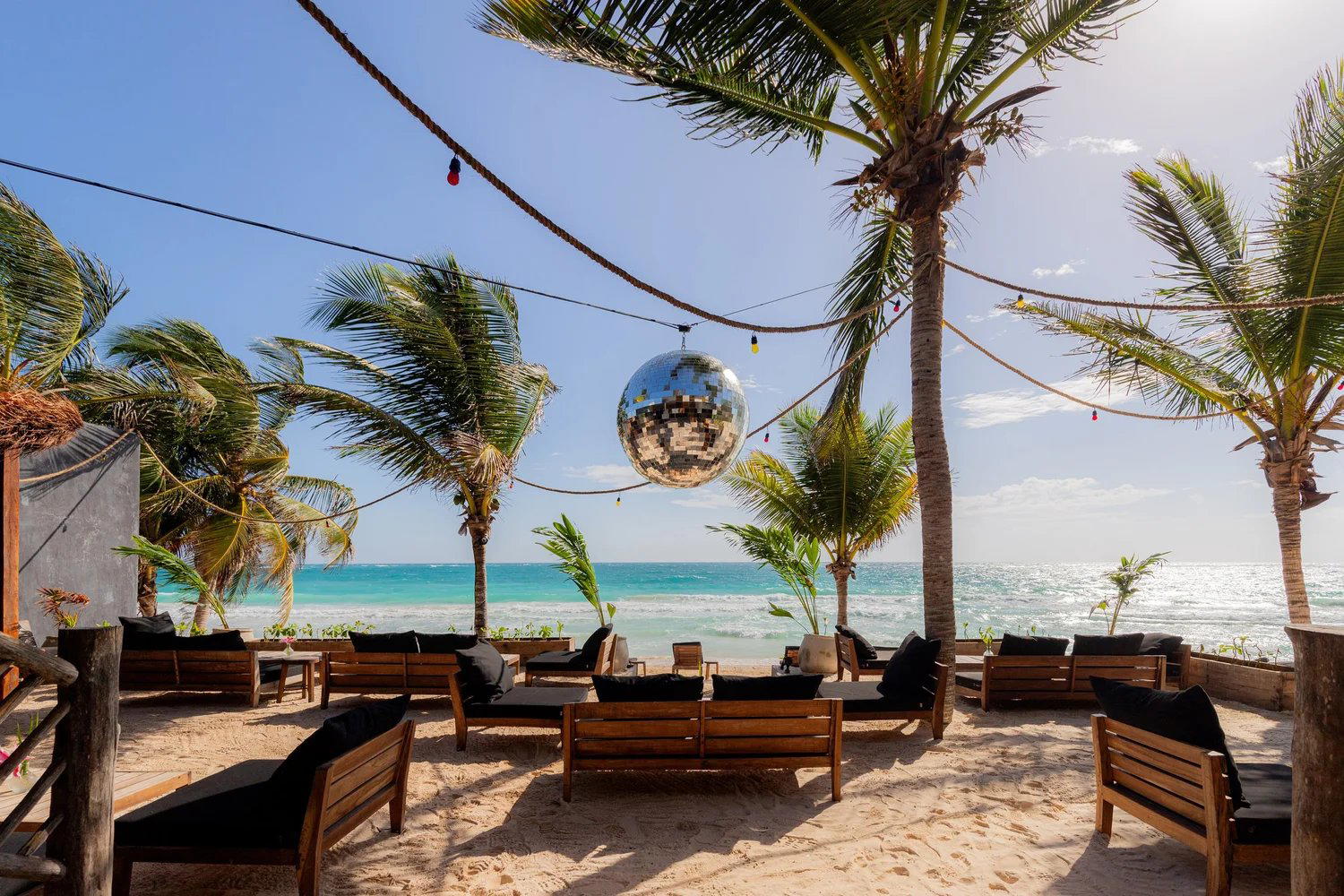
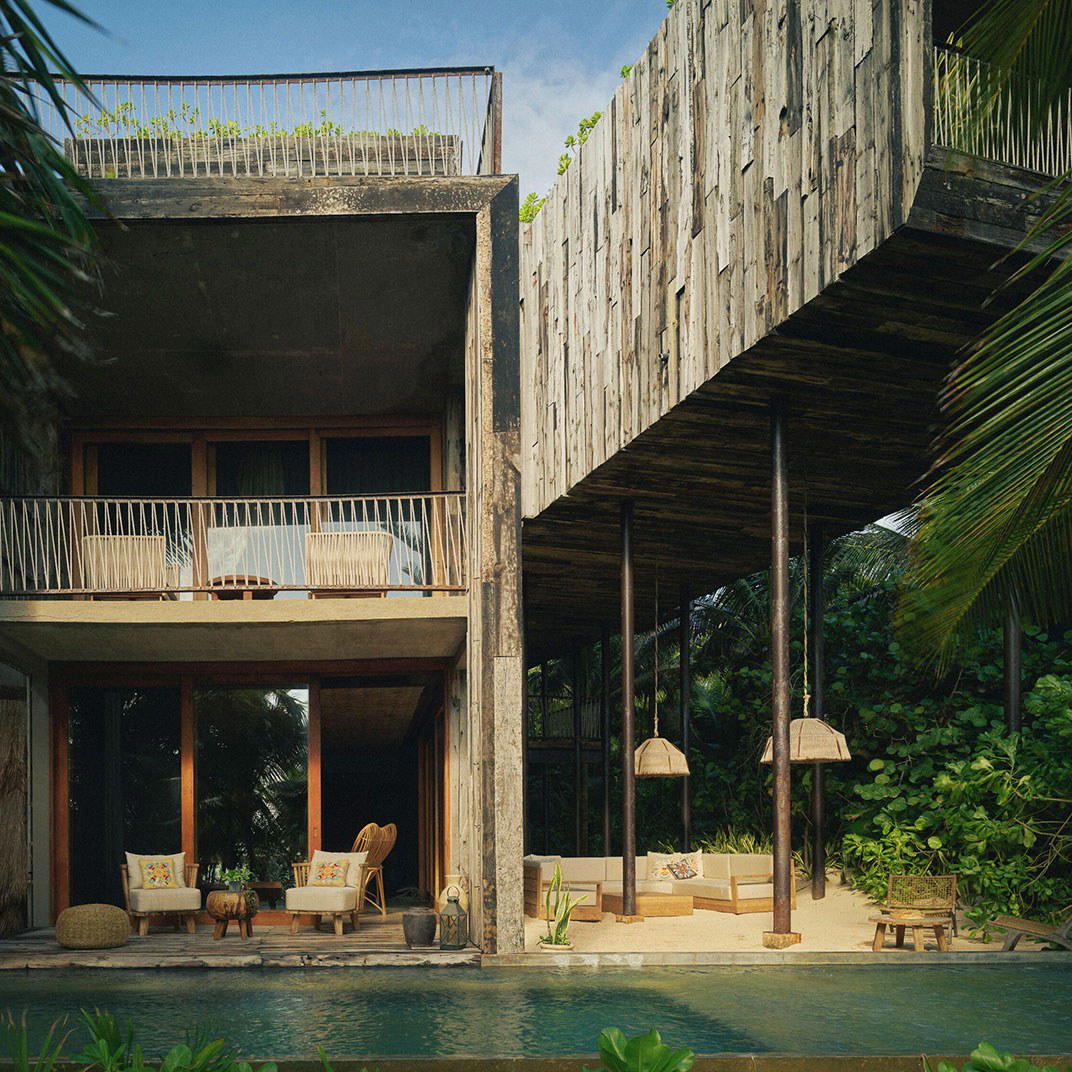
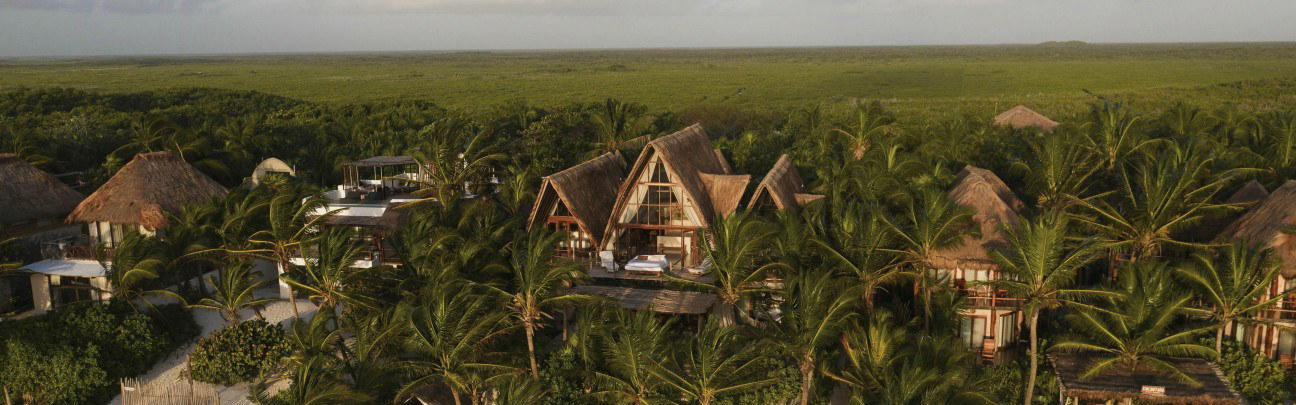
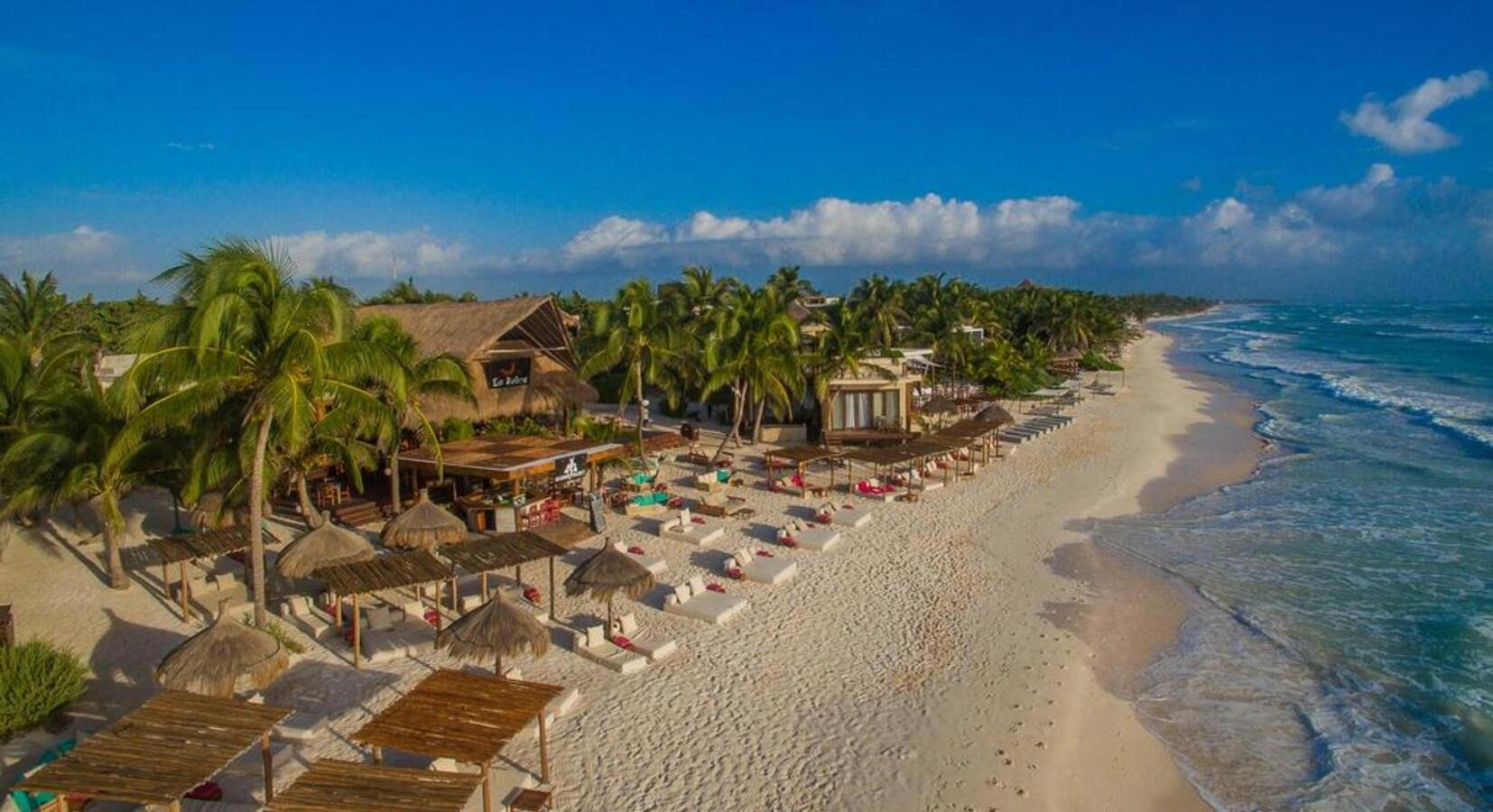
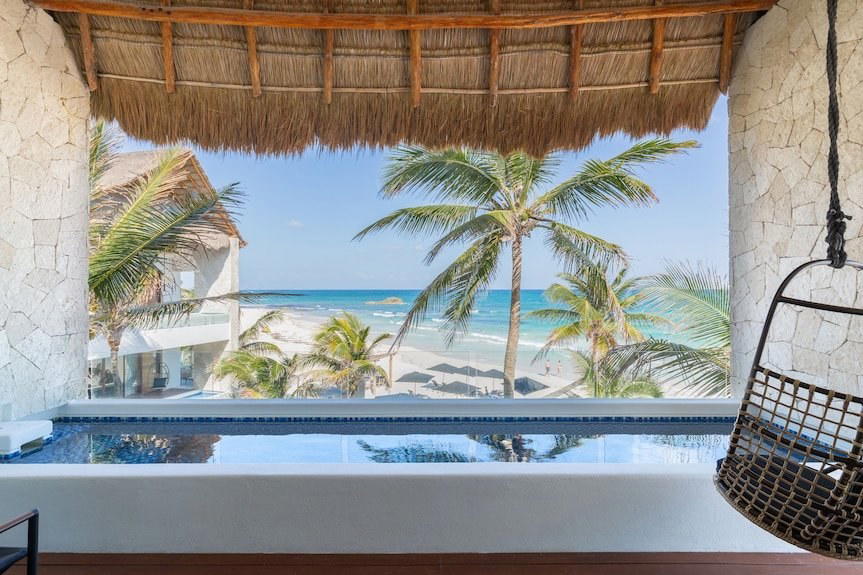
Rustic yet elegant outdoor setting with warm wood-fired grill ambiance, Caribbean breezes, and spectacular beach club views.