Tauro Steakhouse

Tauro Steakhouse at Fairmont Mayakoba brings a Mexican steakhouse sensibility to the Riviera Maya, with specialty aged cuts, an open wine cellar, and a cocktail program anchored by a martini bar and grand piano. The kitchen under Chef Cristian Ramirez spans cognac-aged beef to locally sourced Mexican ingredients alongside imported cuts. Reservations are required; resort casual dress applies.
Pearl is the En Primeur Club membership app — saves, bookings, and concierge access live there. Same editors, same standards.
- Address
- Hotel Fairmont Mayakoba, Carretera Federal Km 298, 77710 Playa del Carmen, Q.R., Mexico
- Phone
- +52 984 206 3000
- Website
- fairmont-mayakoba.com
- Directions
- Get directions
 Saves & bookings on Pearl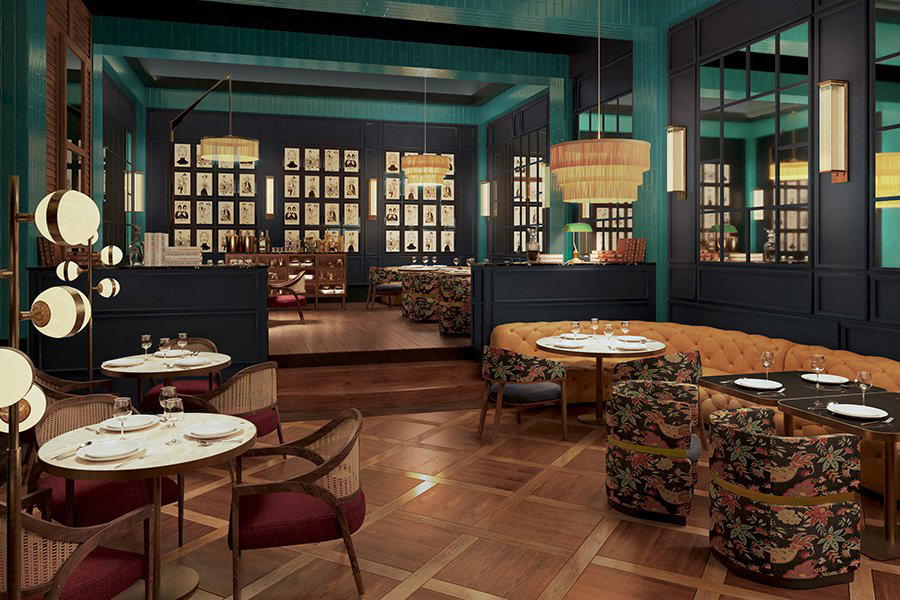
Where the Aging Refrigerator Is Part of the Room
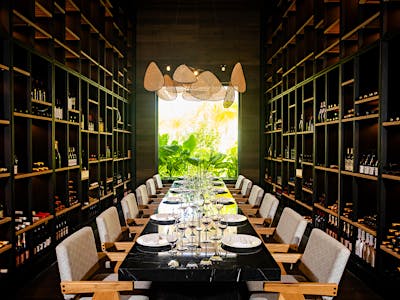
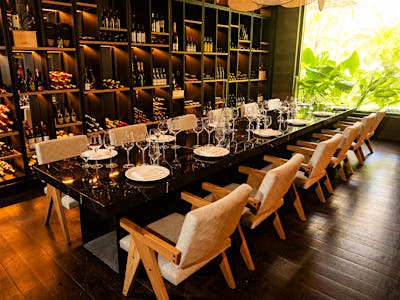
The steakhouse as a dining format has always traded on visibility: the open grill, the butcher's case, the theatrical cut presented tableside. At Fairmont Mayakoba's Tauro Steakhouse, that transparency extends to an open wine cellar and an aging refrigerator positioned within the dining space itself, so the programme that defines the kitchen's identity is legible before you order a single thing. In a resort corridor where much of the dining leans toward coastal seafood, Tauro Steakhouse, a dry-aged steakhouse with Mexican flair, occupies a distinct position.
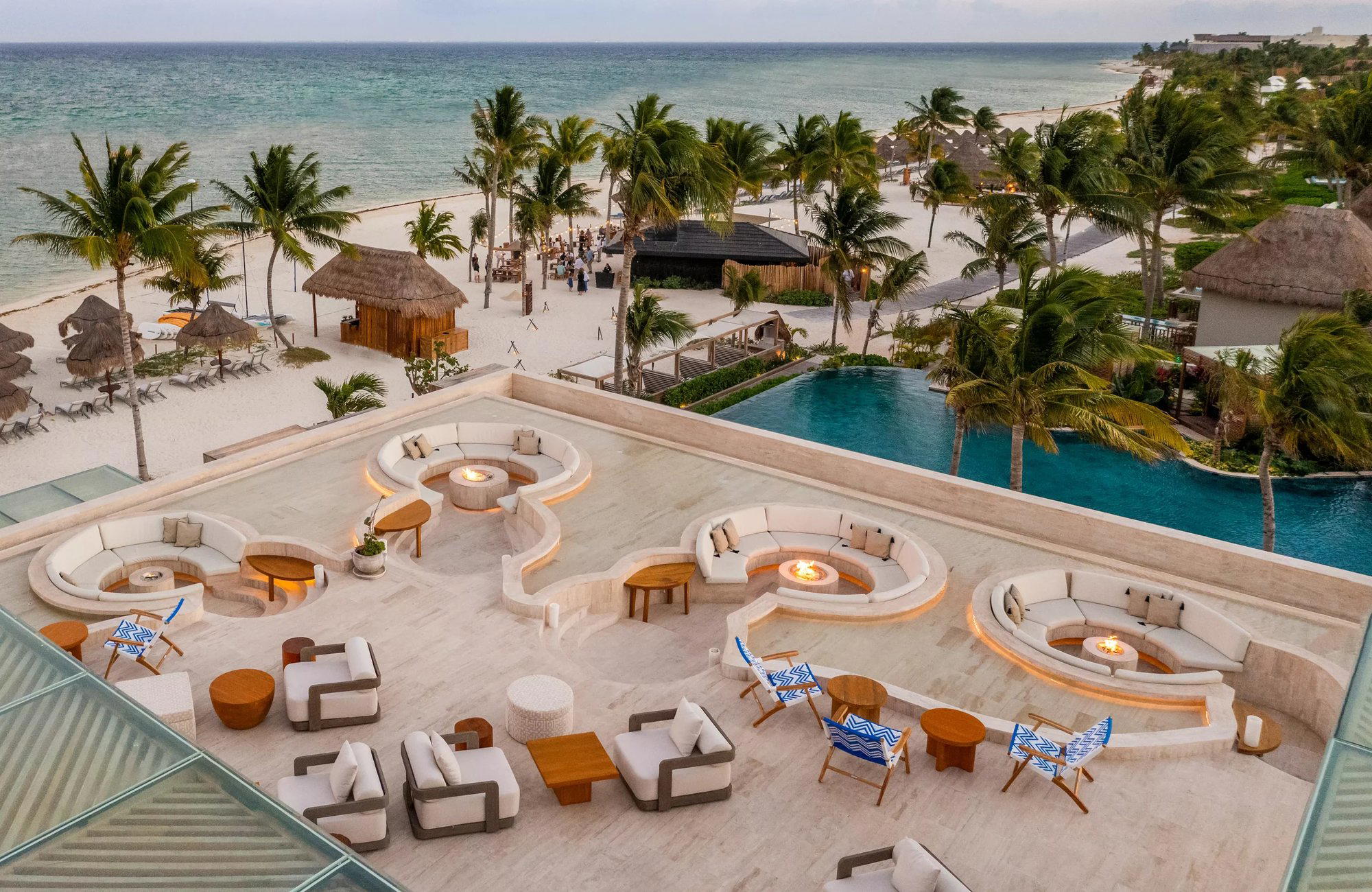
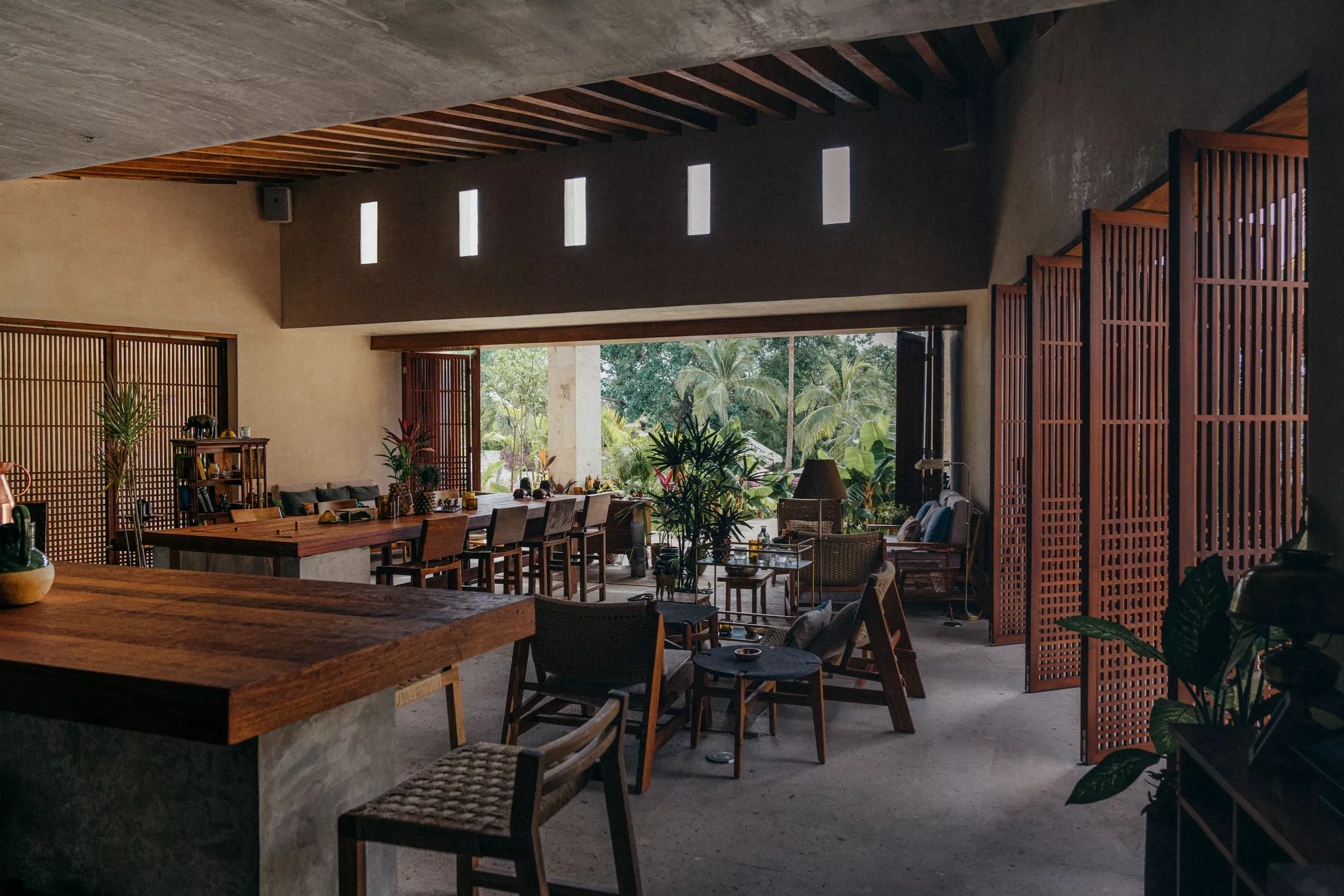
Entry brings you past a martini bar and a grand piano; the Room 1804 Design-conceived speakeasy aesthetic runs through the space with low lighting and a lounge area that invites a drink before and after the meal. There is indoor and outdoor seating, which in the Riviera Maya context matters: the outdoor tables extend the evening into warm Caribbean air, while the interior maintains the more formally composed bistro arrangement. The overall effect is a room that reads as resort-luxe without abandoning the structural grammar of a serious steakhouse.
The Aging Programme: Technique as Menu Logic
Animalón in Valle de Guadalupe and KOLI Cocina de Origen in Monterrey each demonstrate how a kitchen's relationship to provenance and technique can define an entire dining experience. Tauro applies a comparable logic through dry-aging, with the refrigerator on display signalling that the process is not incidental but central.
The specialty cuts are where that emphasis becomes concrete. Aging with cognac, finishing with a citrus and pistachio crust, pastrami preparation, these are techniques that treat the aging period as a creative variable rather than a straight aging-for-tenderness exercise. Each approach produces different flavour compounds, while the pastrami line draws on a curing tradition that uses spice rubs and smoke to develop complexity over time. Chef Cristian Ramirez's kitchen frames these as specialty cut options alongside more conventional selections running from New York strip to flank steak, which allows the programme to serve both guests who want a direct steak and those interested in the more technique-intensive cuts.
The transparency of the aging refrigerator in the dining room is worth reading as an editorial statement about the kitchen's confidence in the programme. Showing the aging cabinet during dinner is an invitation to ask questions, and it changes how a guest reads the menu that follows.
Mexican Identity Inside a Global Format
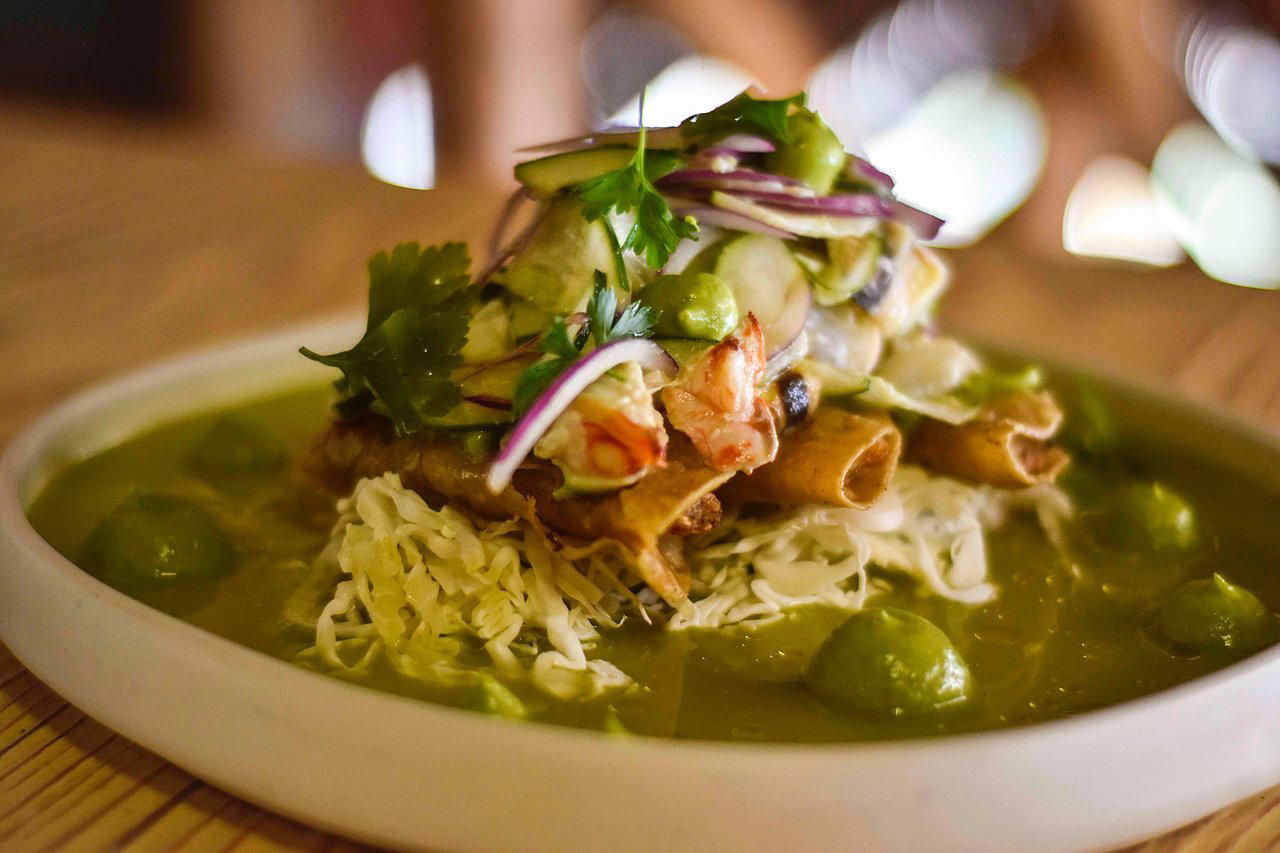
Steakhouse is among the more internationally recognisable restaurant formats, and its conventions are deeply embedded, raw bar starters, classic sauces, a dessert that functions as a palate reset. Tauro follows that structure while making deliberate use of Mexican sourcing and references. The kitchen includes both imported cuts and Mexican beef options, and the accompanying sauces extend beyond the expected Argentine chimichurri to include harissa, which introduces a North African current that is increasingly present in Mexico City's more cosmopolitan kitchens.
This dual sourcing approach reflects a more open integration of global technique with Mexican materials. Tauro sits in the second camp, using the steakhouse format as a frame within which Mexican ingredients and producers appear as natural constituents rather than novelties. The emphasis on locally sourced side ingredients alongside the beef is consistent with how the Riviera Maya's broader dining scene has evolved: Le Chique in Puerto Morelos and Arca in Tulum both demonstrate how regional sourcing has become a baseline expectation at this tier.
The Cocktail Program and the Martini Bar
The cocktail menu at Tauro is not an afterthought. The martini bar on entry establishes that this is a destination for a full evening rather than a quick dinner stop, and the drink construction reflects genuine programme ambition. The Raging Bull, corn whisky, corn liqueur, ginger, agave nectar, lemon juice, uses corn as a structural theme across two components, a choice that creates internal coherence rather than simply stacking flavours. The Wild West deploys Volcán Silver Tequila alongside corn liqueur and Ancho Reyes chile liqueur, which introduces capsaicin-driven heat that the orange bitters soften at the finish. Both builds treat the cocktail as a composed object rather than a shortlist of spirits.
For guests who want to extend the evening at the lounge before moving to dinner, the piano adds the kind of low-key ambience that is harder to find in beach-resort settings, where the instinct often runs toward high-energy entertainment.
Where Tauro Sits in the Wider Riviera Maya Dining Scene
The Riviera Maya's restaurant scene has matured considerably. For a full picture of what's on offer across price points and formats, our full Riviera Maya restaurants guide covers the range from beachside casual to resort fine dining. Within that spectrum, a hotel steakhouse with a dry-aging programme, a designed cocktail menu, and a speakeasy-adjacent interior occupies a specific tier: more formal than the pool-adjacent grill, less austere than a pure tasting-menu format like HA' in Playa del Carmen.
For comparison outside the Yucatan Peninsula, The Club Grill in Cancun represents the northern end of the corridor's formal dining options, while Pangea in San Pedro Garza García and Lunario in El Porvenir show how Baja and northern Mexican kitchens have developed their own high-end meat-focused credentials. Olivea Farm to Table in Ensenada extends that picture into wine country territory. Internationally, the craft of aging and sourcing premium beef at a hotel restaurant is well-documented at properties like those covered in our broader guides, including comparisons with coastal fine dining elsewhere, such as Le Bernardin in New York City, where a different discipline around provenance and technique produces a different but structurally comparable premium.
Planning Your Visit
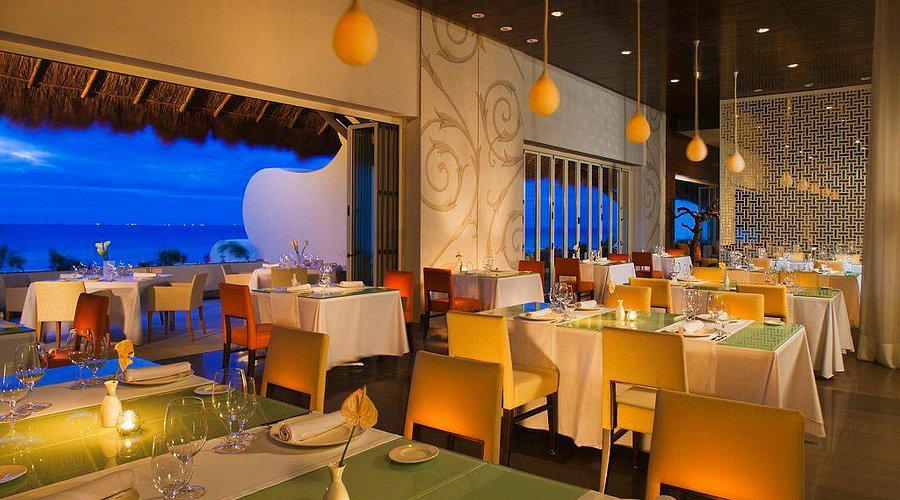
Tauro Steakhouse sits within the Fairmont Mayakoba at Carretera Federal Km 298, Playa del Carmen, and reservations are required. The resort operates valet parking and the dress code is resort casual, which in practice means no beachwear but does not require formal attire. The kitchen covers vegetarian options and gluten-free requests alongside the meat-focused core menu, and the format is kid-friendly, making it a viable choice for family dinners in a setting that would feel out of place with children at a strict tasting-menu counter.
Cost Snapshot
Comparable venues nearby, for context on price, style, and recognition.
| Venue | Cuisine | Price | Notes |
|---|---|---|---|
| Tauro SteakhouseThis venue — the venue you are viewing | Mexican Steakhouse | $$$$ | Not listed |
| Gaia at Maykana | Not listed | $$$$ | Playa del Carmen / Riviera Maya, Modern Coastal Seafood |
| Asador La Vaca Argentina | Not listed | $$$$ | 2300500013483, Argentine Steakhouse |
| Puerto Madero Cancún | Not listed | $$$$ | Cancún, Argentine Steakhouse with Fresh Seafood |
| Tuch de Luna | Not listed | $$$$ | Riviera Maya, Modern Mexican Haute Cuisine |
| Teodoro | Not listed | $$$$ | 2300800011440, Contemporary Mexican Fine Dining |
Recognition history
Dated appearances from independent guides and award organizations, with the underlying list record or original source where available.
Forbes Recommended
Forbes
Forbes Recommended
Forbes
Continue exploring
More in Riviera Maya
Restaurants in Riviera Maya
Browse all →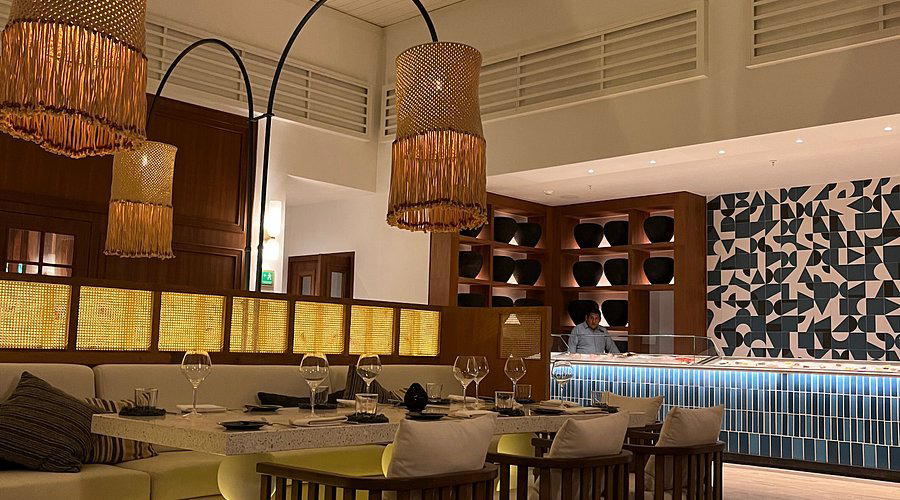
Bars in Riviera Maya
Browse all →
At a Glance
- Elegant
- Sophisticated
- Intimate
- Date Night
- Special Occasion
- Group Dining
- Family
- Open Kitchen
- Wine Cellar
- Terrace
- Extensive Wine List
- Craft Cocktails
- Local Sourcing
- Waterfront
Current opening hours
- Monday
- 6–11 PM
- Tuesday
- 6–11 PM
- Wednesday
- 6–11 PM
- Thursday
- 6–11 PM
- Friday
- 6–11 PM
- Saturday
- 6–11 PM
- Sunday
- 6–11 PM
Hours can change for holidays and private events. Last verified .
Classy yet sassy ambiance with umber tones from lighting and fixtures, complemented by background music and picturesque mangrove canal views.