3rd Block Depot
Situated on Chartres Street in the French Quarter, 3rd Block Depot occupies a stretch of New Orleans where the city's eating and drinking culture plays out at street level. The address places it inside among the more concentrated dining corridors in the American South, where Creole tradition, contemporary technique, and late-night informality share the same few blocks.
Pearl is the En Primeur Club membership app — saves, bookings, and concierge access live there. Same editors, same standards.
- Address
- 310 Chartres St, New Orleans, LA 70130
- Phone
- +15045524095
- Website
- 3rdblockdepot.com
- Directions
- Get directions
 Saves & bookings on Pearl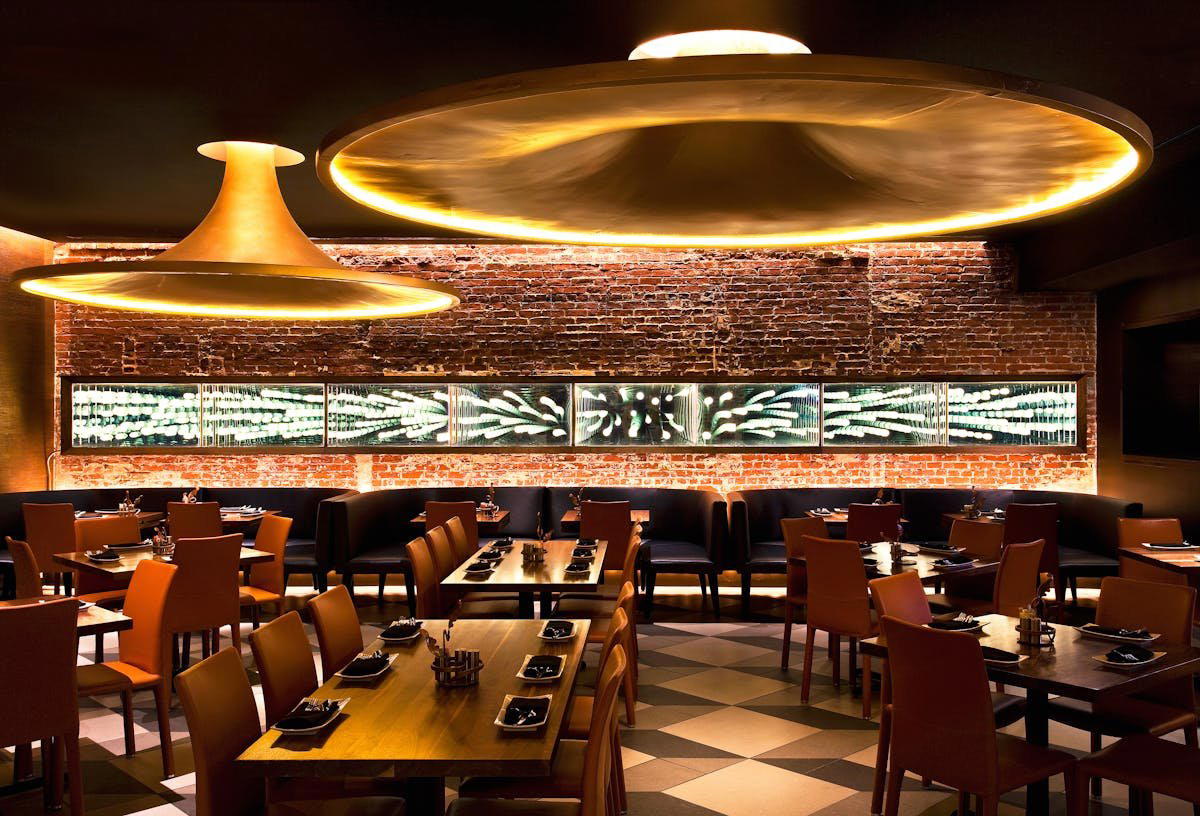
3rd Block Depot is a restaurant at 310 Chartres St, New Orleans, LA 70130, serving Modern Creole/Cajun. Chartres Street in the French Quarter does not ease you in gently. By the time you reach the 300 block, the buildings close in, the ironwork overhead thickens, and the competing smells of woodsmoke, shellfish, and spilled bourbon become a kind of orientation system. This is one of the oldest commercial corridors in the country, and the address at 310 Chartres puts 3rd Block Depot squarely inside a neighbourhood where the physical environment does most of the storytelling before you have crossed the threshold.
A Street That Sets the Terms
The French Quarter operates on a logic that few American dining districts share. Formal and casual exist on the same block, sometimes in the same building. The stretch around Chartres and Bienville has historically housed everything from white-tablecloth Creole institutions to counter-service lunch spots, and the foot traffic, locals at lunch, tourists at dinner, a post-theatre crowd that arrives well past ten, means a venue here is competing across multiple dayparts and against wildly different expectations depending on who walks in. That context shapes how any address on this block positions itself, whether explicitly or by default.
New Orleans dining has undergone a structural shift over the past decade. The city's Creole and Cajun identity remains commercially dominant, venues like Emeril's carry that tradition at scale, but a secondary tier of contemporary and neighbourhood-focused operators has grown steadily since the mid-2010s. Places like Bayona have shown that New American sensibilities can take root in the Quarter without abandoning the city's culinary character, while newer entrants such as Re Santi e Leoni signal that the appetite for contemporary formats at higher price points is not limited to the Warehouse District.
The Booking Question on Chartres Street
The editorial angle worth pressing on here is one that applies broadly to French Quarter dining: how much of your experience depends on planning, and how much can you leave to chance? The answer in this neighbourhood is almost always weighted toward planning. The Quarter concentrates demand from a large visitor base, a convention calendar that fills hotel blocks year-round, and a local dining population that treats reservation availability as a weekly logistical puzzle. At the higher end, Saint-Germain and comparable contemporary operators book weeks out, particularly on Friday and Saturday evenings. Even mid-range addresses find their better seatings claimed by Tuesday for the following weekend.
For 3rd Block Depot specifically, the regular opening hours are Mon-Sun: 6:30 AM to 10 PM, and reservations are recommended. That uncertainty is itself useful information. If you are travelling with a fixed itinerary, the working assumption for any French Quarter address should be that walk-in availability is tightest between 7pm and 9pm Thursday through Saturday, and that midweek or early-evening visits give you greater flexibility. Visiting New Orleans in late autumn or early spring, outside of Jazz Fest and Mardi Gras windows, also meaningfully loosens the competitive pressure on tables across the district.
Where This Address Sits in a National Context
To place Chartres Street in a national frame: the French Quarter operates as a culinary district with unusually high pedestrian density and a broader mix of dining formats than reservation-only, destination-dining models such as Le Bernardin in New York City, Alinea in Chicago, or The French Laundry in Napa. Those venues sell an experience whose scarcity is part of the price. The Quarter's commercial character is different: it sustains a broader range of formats, and a significant portion of its dining economy runs on walk-in traffic and impulse decisions.
That does not make the Quarter less serious as a dining destination. Lazy Bear in San Francisco, Single Thread Farm in Healdsburg, and Providence in Los Angeles represent the controlled, low-capacity end of American fine dining, where scarcity is architectural. New Orleans occupies a different position in that national map: its premium tier is real, but it coexists with a street-level eating culture that is equally serious and substantially more accessible. Zasu, working in the American Contemporary register at a mid-range price point, is one example of how that accessibility plays out at a credible level.
Other American fine dining comparisons that contextualise the range available nationally include Blue Hill at Stone Barns in Tarrytown, Addison in San Diego, The Inn at Little Washington, Bacchanalia in Atlanta, and Atomix in New York City. At the international end, 8 1/2 Otto e Mezzo Bombana in Hong Kong illustrates how a single flagship address can anchor a city's premium dining identity in a way that the French Quarter, with its distributed model, consciously resists.
Practical Notes for Visitors
310 Chartres Street is in the lower French Quarter, within walking distance of the central hotel corridor along Canal Street and the major culinary cluster around Bourbon and Royal. For visitors building a multi-day itinerary, the Chartres Street stretch is leading approached on foot; parking in this part of the Quarter is limited and the streets narrow. Timing a visit outside peak season, which in New Orleans means avoiding the February Mardi Gras period, the late-April Jazz Fest window, and the summer humidity peak in July and August, gives you a materially different experience of the neighbourhood itself, with shorter queues at adjacent venues and a slower pace on the street.
Because the record places the restaurant at a moderate price tier, with a recommended reservation policy and daily service from 6:30 AM to 10 PM, you can plan accordingly before building it into a fixed dinner plan. What the address does confirm is the neighbourhood context: a block of Chartres Street with significant foot traffic, a long commercial history, and a surrounding dining scene that offers credible alternatives at multiple price points if the primary plan does not hold.
Nearby-ish Comparables
Comparable venues nearby, for context on price, style, and recognition.
| Venue | Cuisine | Price | Notes |
|---|---|---|---|
| 3rd Block DepotThis venue — the venue you are viewing | Modern Creole/Cajun | $$ | Not listed |
| Mother's Restaurant | Classic New Orleans Po'boys & Cajun | $$ | Central Business District |
| Snug Harbor Jazz Bistro | Creole Jazz Bistro | $$ | Marigny |
| NOCHI | New Orleans-Inspired Student-Led Dining | $$ | Arts District |
| Rosedale | Contemporary Louisiana & Cajun Cuisine | $$ | Navarre |
| Satsuma Maple | Organic American Cafe | $$ | East Carrollton |
Continue exploring
More in New Orleans
Restaurants in New Orleans
Browse all →
Bars in New Orleans
Browse all →
At a Glance
- Intimate
- Trendy
- Lively
- Brunch
- Date Night
- Casual Hangout
- Live Music
- Open Kitchen
- Craft Cocktails
- Local Sourcing
- Street Scene
Current opening hours
- Monday
- 6:30 AM–10 PM
- Tuesday
- 6:30 AM–10 PM
- Wednesday
- 6:30 AM–10 PM
- Thursday
- 6:30 AM–10 PM
- Friday
- 6:30 AM–10 PM
- Saturday
- 6:30 AM–10 PM
- Sunday
- 6:30 AM–10 PM
Hours can change for holidays and private events. Last verified .
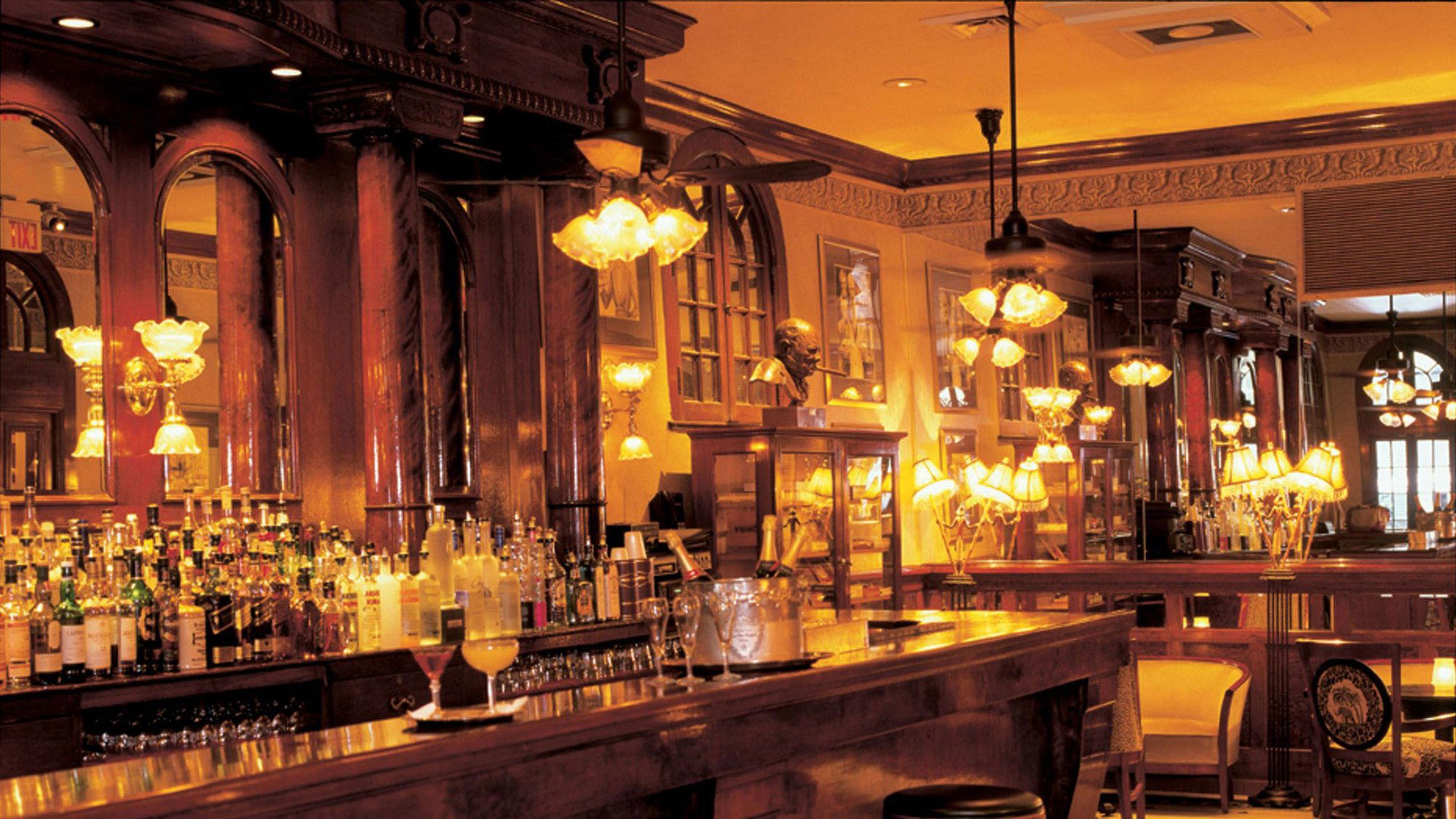
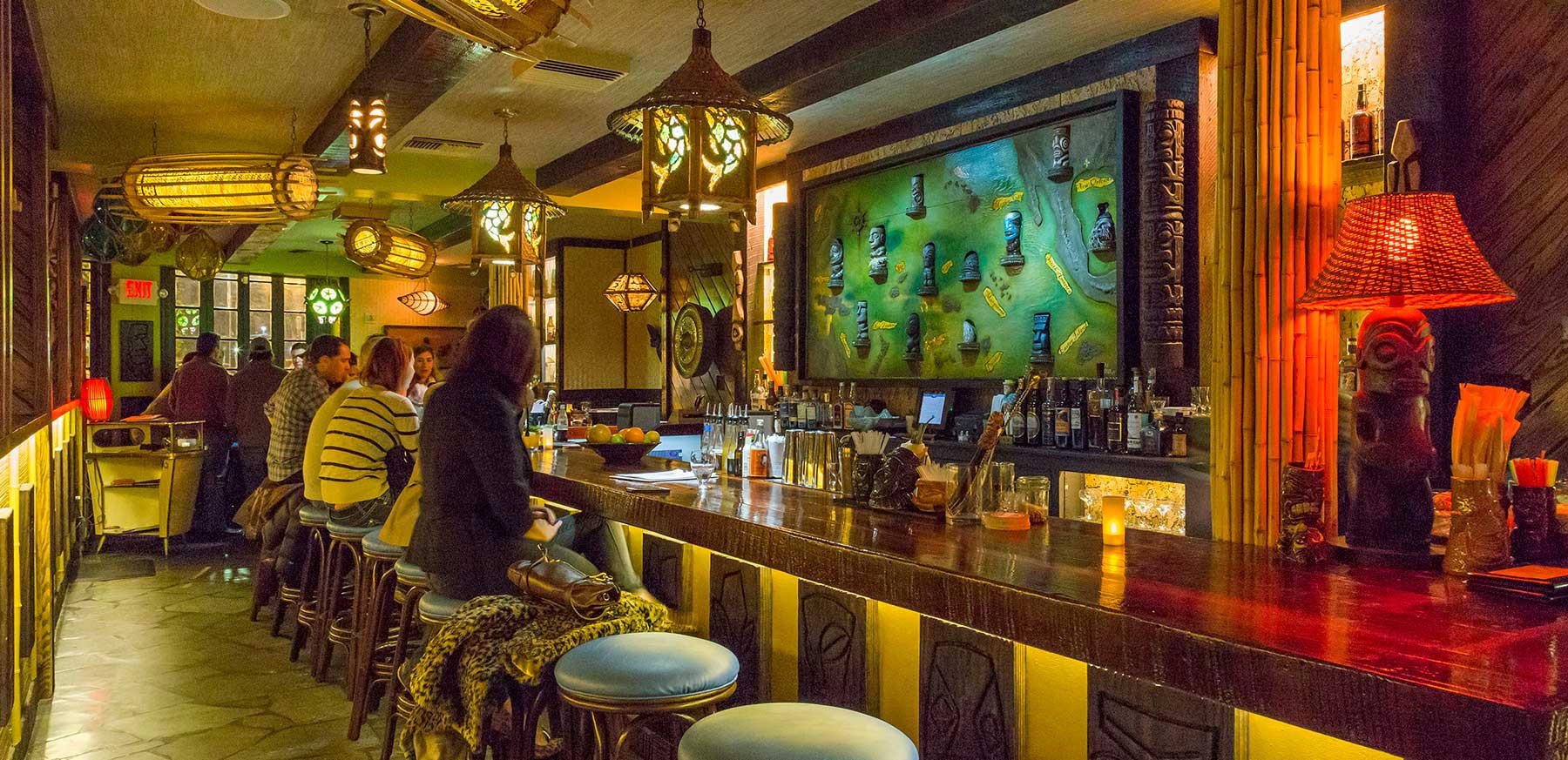
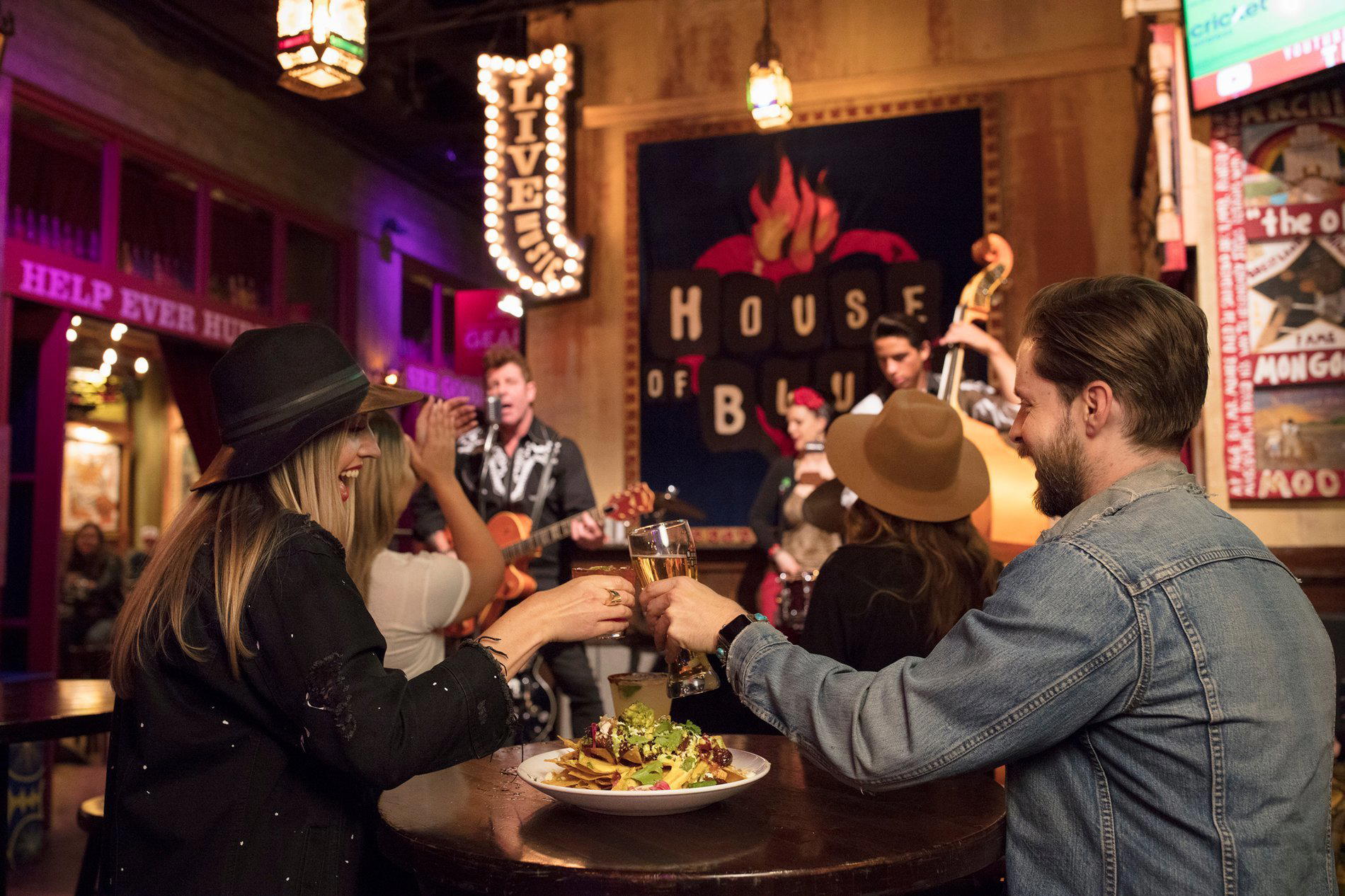
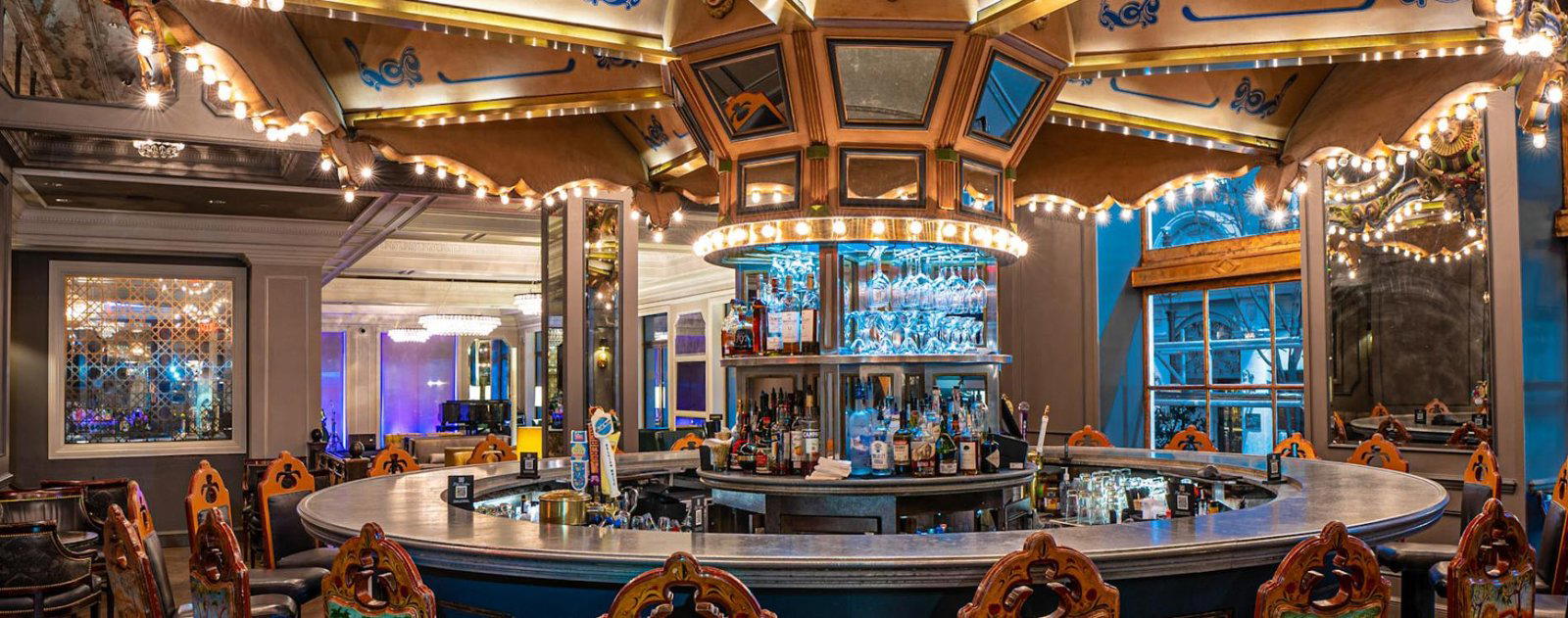
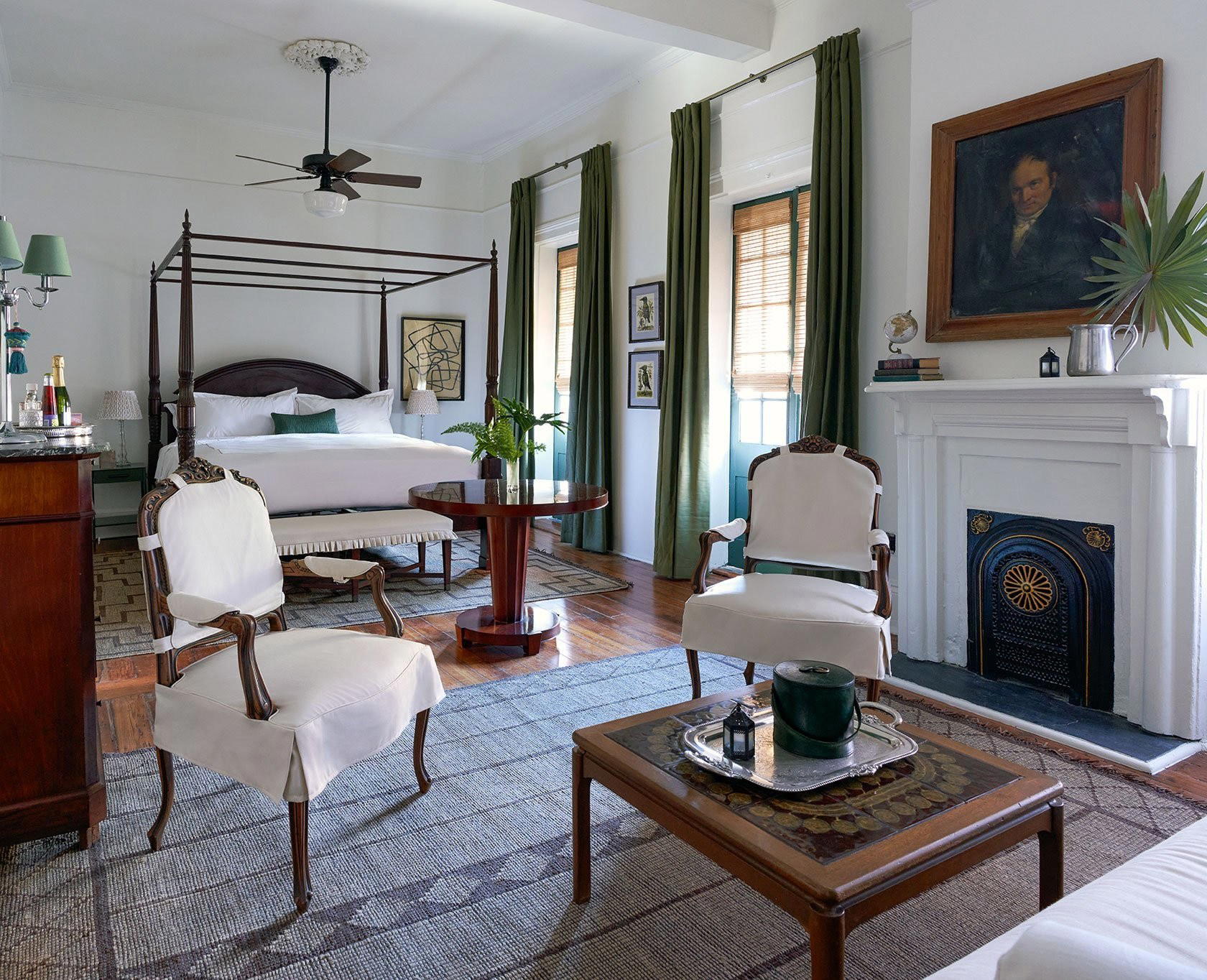
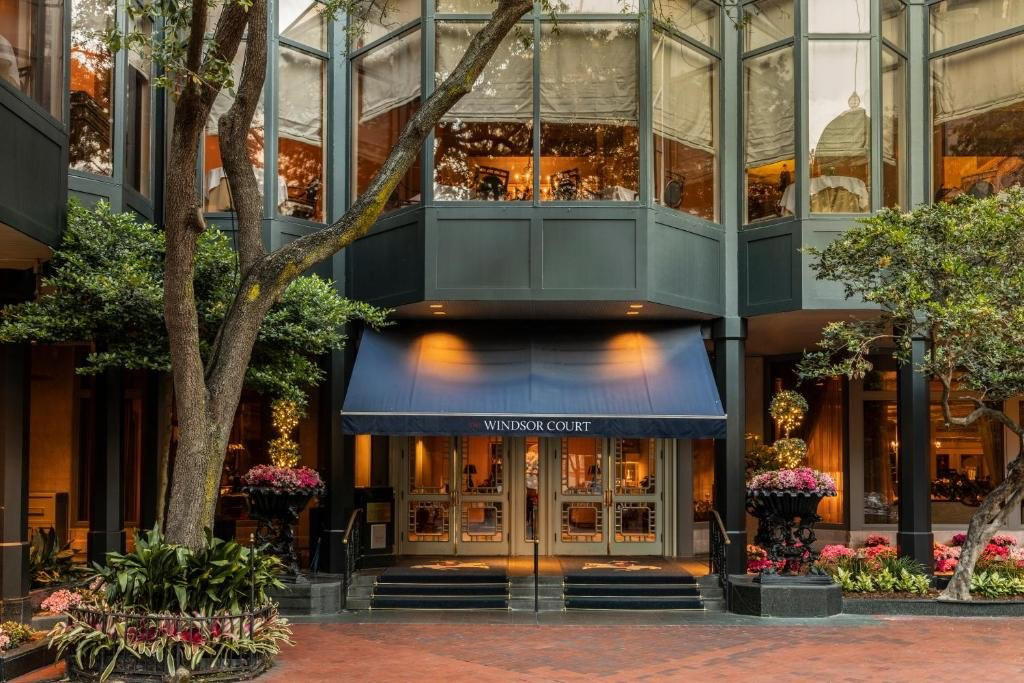
Glowing golden orange lighting with natural light from the street, creating an ultra-contemporary and intimate atmosphere.