Satsuma Maple
Satsuma Maple sits on the Uptown stretch of Maple Street, where New Orleans' residential dining culture operates at a quieter register than the French Quarter circuit. The kitchen draws on the sourcing traditions that define the city's most ingredient-driven cooking, placing it in a neighbourhood tier that rewards repeat visits over spectacle. A reliable address for those who eat by the season rather than the occasion.
Pearl is the En Primeur Club membership app — saves, bookings, and concierge access live there. Same editors, same standards.
- Address
- 7901 Maple St, New Orleans, LA 70118
- Phone
- +1 504 309 5557
- Website
- satsumamaple.com
- Directions
- Get directions
 Saves & bookings on Pearl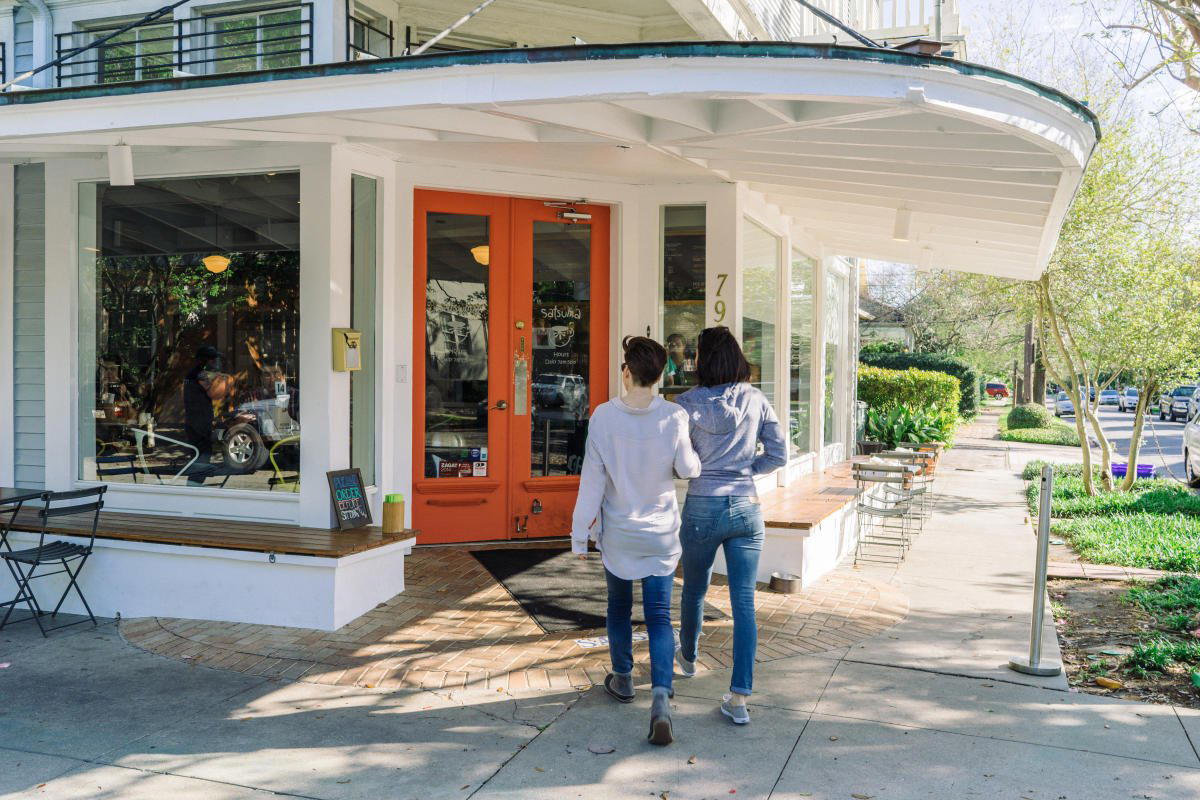
Maple Street and the Uptown Dining Register
New Orleans has always maintained two parallel restaurant cultures. One runs through the French Quarter and Warehouse District, driven by tourism volume and the mythology of Creole grandeur — the kind of cooking you find at Emeril's or the white-tablecloth rooms of Commander's Palace. The other operates in the residential neighbourhoods, particularly Uptown, where the audience is local, the pace is slower, and the food tends to follow the market rather than the legend. Maple Street sits firmly in that second tradition.
The 7900 block of Maple Street is the kind of address that gets discovered by word of mouth rather than guidebook placement. Uptown's dining corridor runs between the Tulane and Loyola campuses and the older residential grid of Carrollton, drawing a crowd that eats out regularly rather than occasionally. Restaurants in this corridor don't survive on tourist traffic; they earn their place through consistency and sourcing depth. Satsuma Maple occupies that position in a neighbourhood where the competition includes serious local operators who have been feeding the same families for decades.
The Sourcing Argument That Defines New Orleans Cooking
Louisiana's ingredient geography is one of the most compelling in North America. The Gulf provides shrimp, oysters, and finfish on a scale that few coastal states can match. The delta's waterways deliver crawfish through a season that runs from roughly December through June, with peak volume in spring. Inland farms across the state contribute Creole tomatoes, mirliton, okra, and heritage pork cuts that underpin the city's most ingredient-honest cooking. The question any serious New Orleans restaurant must answer is: how directly does it connect to that supply chain?
The ingredient-sourcing movement that reshaped American fine dining over the past two decades — documented at places like Blue Hill at Stone Barns in Tarrytown, Single Thread Farm in Healdsburg, and Smyth in Chicago, arrived in New Orleans with its own inflection. Here, farm-to-table is less a trend statement than a structural feature of the cuisine. Creole cooking was built on hyper-local sourcing before the term existed. The restaurants that do it well in this city tend to be the ones that treat those supply relationships as a competitive advantage rather than a marketing footnote.
At the neighbourhood level, where Satsuma Maple operates, that sourcing philosophy plays out without the tasting-menu architecture that defines its fine-dining counterparts. The format is more casual, the price point is proportionally lower, and the seasonal rotation is expressed through daily availability rather than quarterly menu overhauls. This is how ingredient-driven cooking works at street level in New Orleans, and Maple Street is one of the addresses where that version of the tradition is kept alive.
Where Satsuma Maple Sits in the New Orleans Dining Tier
The contemporary New Orleans restaurant spectrum runs from the Creole institutions through a middle tier of serious neighbourhood operators to a small cohort of destination-level modern rooms, Saint-Germain at the formal end, Re Santi e Leoni in the contemporary bracket, and Zasu representing the American contemporary strain. Satsuma Maple belongs to none of those tiers. It operates below the destination bracket, in the reliable neighbourhood layer that any city's dining culture depends on but rarely exports.
That positioning is not a limitation, it is a function. The Uptown residential audience that uses Maple Street as a local dining corridor is not looking for the architecture of a tasting menu or the credential signals that matter at Bayona or its French Quarter peers. They are looking for a kitchen that cooks honestly, sources with intention, and delivers value proportional to price. Restaurants at this tier in New Orleans tend to outlast their more celebrated counterparts because they are not dependent on external recognition cycles. The crowd that sustains them is already there, eating regularly, and largely indifferent to review traffic.
For context, the American restaurants that have most successfully combined neighbourhood-scale operation with rigorous sourcing, Frasca Food and Wine in Boulder, Providence in Los Angeles, Addison in San Diego, have done so by anchoring in a specific community rather than positioning for a national audience. Maple Street is a smaller stage, but the logic is the same.
Planning a Visit to Satsuma Maple
Satsuma Maple's Uptown location at 7901 Maple Street puts it within the Carrollton neighbourhood grid, accessible by the St. Charles streetcar line, which runs the length of St. Charles Avenue before turning onto Carrollton, a journey that itself reads as a useful orientation to how New Orleans is organised spatially. The surrounding blocks carry a mix of independent retail, coffee operations, and older restaurant addresses that make Maple Street a reasonable destination for an afternoon that extends into dinner. Those arriving from the French Quarter or the Warehouse District should allow time for the transit; this is not a short walk from the hotel-dense corridors of the city centre.
For visitors building a multi-day itinerary around New Orleans dining, the Uptown leg of the trip pairs naturally with the Magazine Street corridor and the Audubon area. The full picture of the city's restaurant culture, from the Creole institutions through the contemporary and neighbourhood tiers, is mapped in our full New Orleans restaurants guide. Those looking at the broader frame of American sourcing-led restaurants will find useful reference points at Lazy Bear in San Francisco, Le Bernardin in New York City, The French Laundry in Napa, Atomix in New York City, and Atelier Moessmer Norbert Niederkofler in Brunico, each of which anchors sourcing philosophy to a specific geography in a way that parallels what the leading New Orleans neighbourhood kitchens do at their own scale. The Inn at Little Washington offers a further American comparison for those interested in how regional sourcing translates into formal dining settings.
How Satsuma Maple New Orleans compares with similar nearby venues.
| Venue | Cuisine |
|---|---|
| Milk Bar | Sandwich Shop |
| Camelia Grill | Diner |
Continue exploring
More in New Orleans
Restaurants in New Orleans
Browse all →
Bars in New Orleans
Browse all →
At a Glance
- Cozy
- Modern
- Trendy
- Brunch
- Casual Hangout
- Family
- Open Kitchen
- Farm To Table
- Organic
- Local Sourcing
Current opening hours
- Monday
- 7:30 AM–3 PM
- Tuesday
- 7:30 AM–3 PM
- Wednesday
- 7:30 AM–3 PM
- Thursday
- 7:30 AM–3 PM
- Friday
- 7:30 AM–3 PM
- Saturday
- 7:30 AM–3 PM
- Sunday
- 7:30 AM–3 PM
Hours can change for holidays and private events. Last verified .
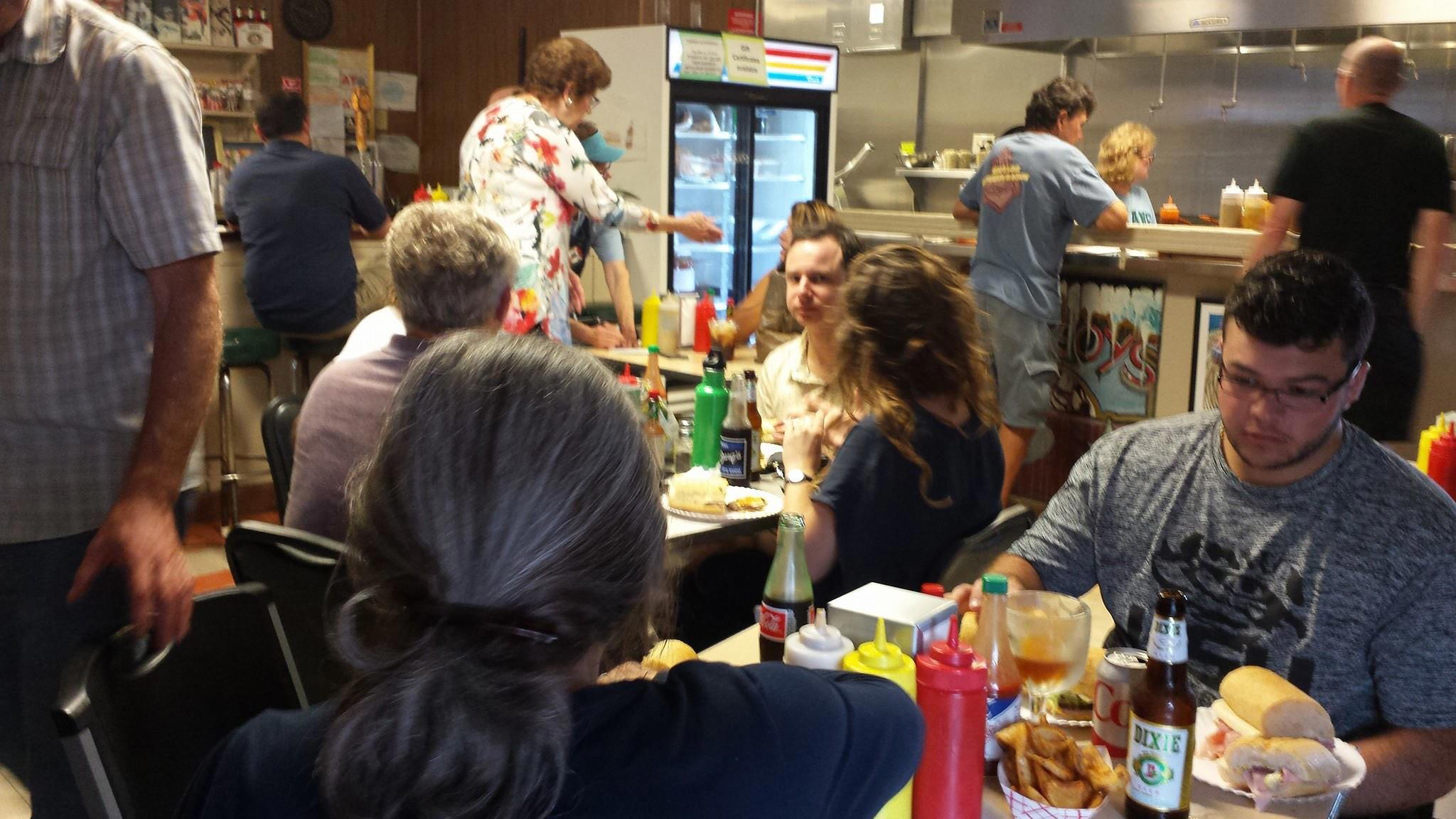
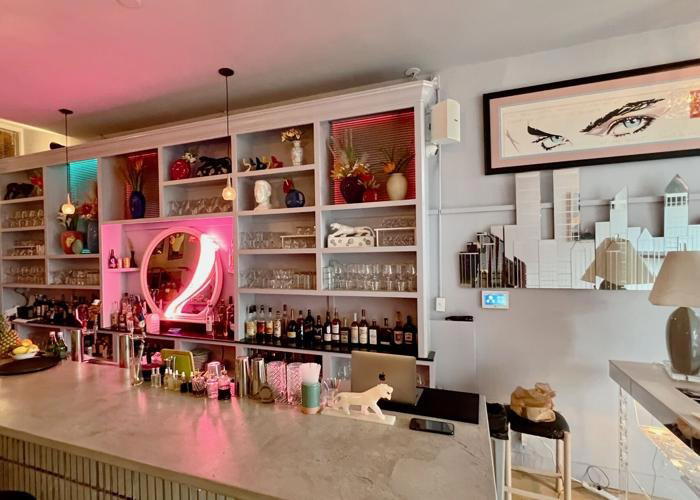
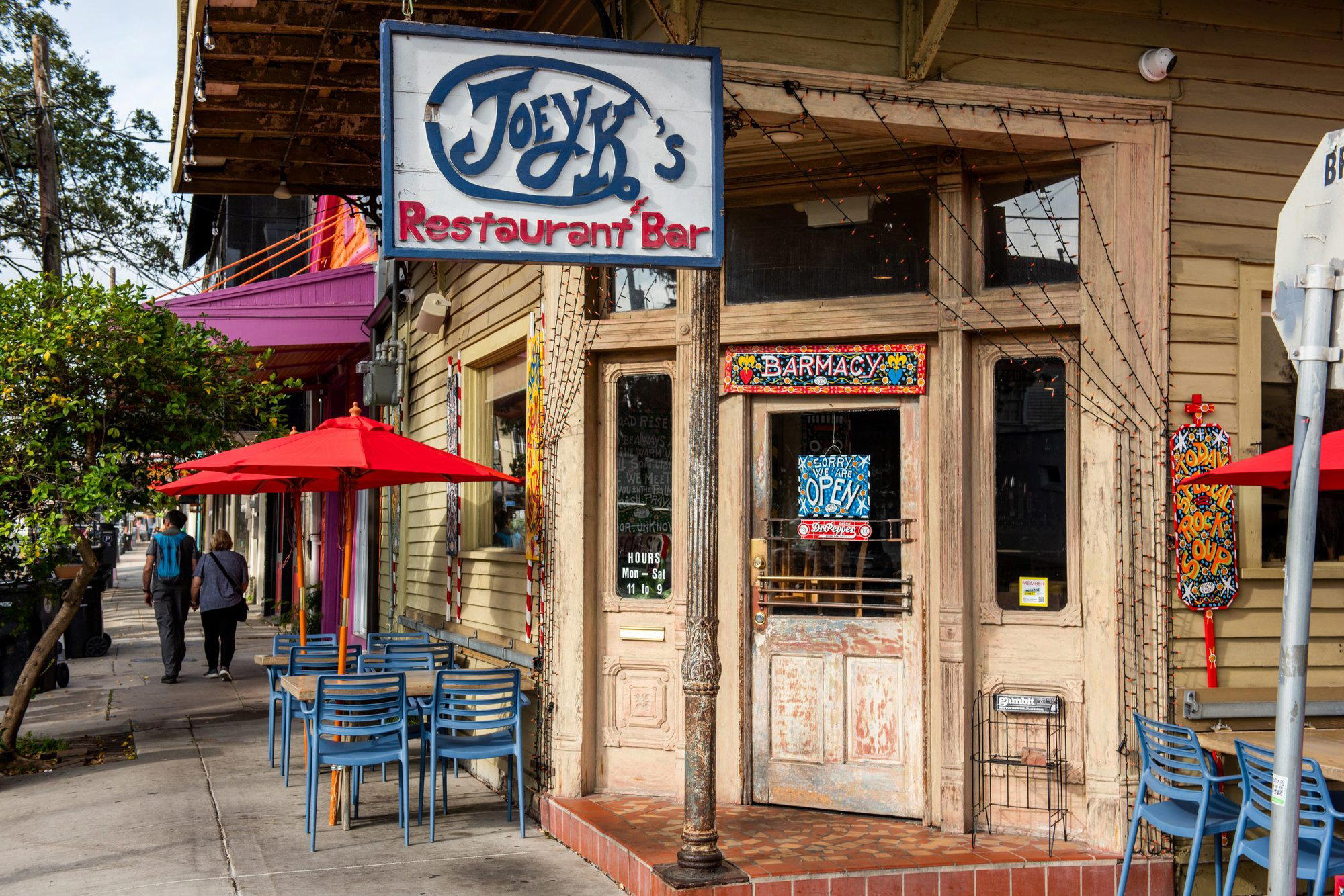
Airy space with colorful decor, yellow and blue-painted metal tables, and a casual, welcoming community atmosphere.
Know Before You Go
- Getting there
- 7901 Maple St, New Orleans, LA 70118