2nd Ave Deli

Few delis in New York carry the historical weight of 2nd Ave Deli, a fixture of the city's Ashkenazi Jewish food tradition since 1954. Operating now from its Upper East Side address at 1442 First Avenue, it holds a place in the conversation about authentic New York deli culture that few contemporaries can match. For pastrami, matzoh ball soup, and the full canon of Eastern European Jewish cooking, it remains a serious reference point.
Pearl is the En Primeur Club membership app — saves, bookings, and concierge access live there. Same editors, same standards.
- Address
- 1442 1st Ave, New York, NY 10021
- Phone
- +12127371700
- Website
- 2ndavedeli.com
- Directions
- Get directions
 Saves & bookings on Pearl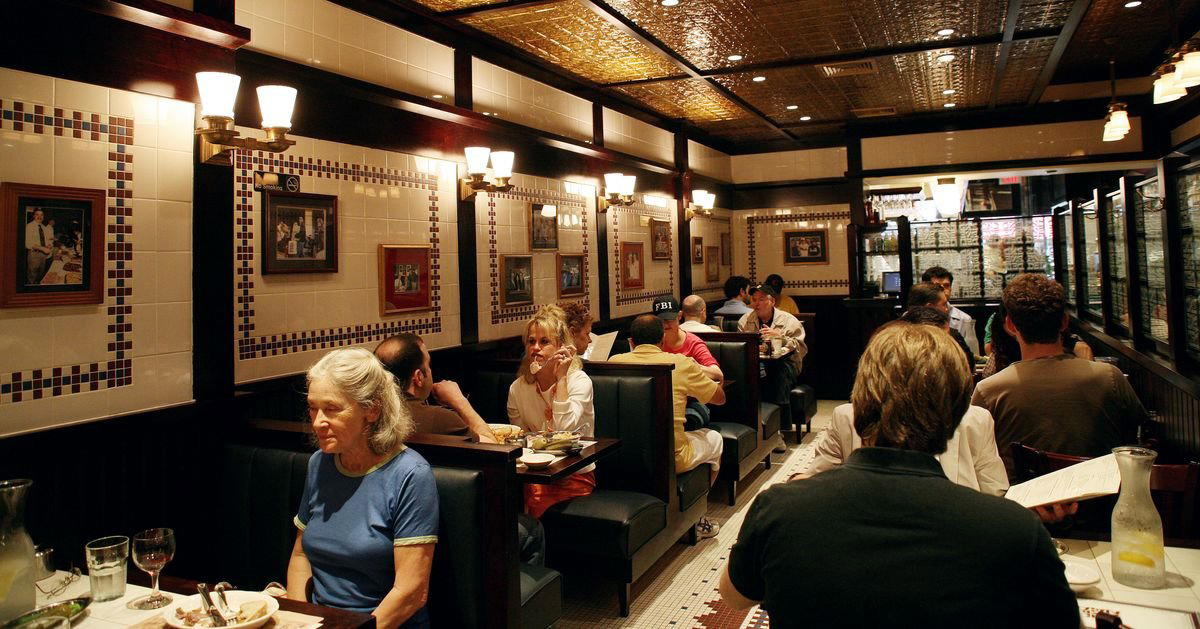
New York's Deli Tradition and Where 2nd Ave Deli Sits Within It
The New York deli is one of American food culture's most argued-over institutions. Unlike the tasting-menu format at counters such as Masa or the refined French technique driving kitchens like Le Bernardin, the Jewish deli operates on entirely different terms: century-old recipes, cured and smoked meats built to tradition rather than innovation, and a dining room culture that prizes abundance and familiarity over minimalism. Within that category, 2nd Ave Deli is one of the institutions that serious eaters use as a benchmark.
Founded in 1954 on Second Avenue in the heart of Manhattan's East Village, then the center of Yiddish-speaking immigrant life in New York, the deli carries a lineage that connects directly to the wave of Ashkenazi Jewish immigration that shaped the city's food identity in the early twentieth century. 2nd Ave Deli is a Kosher Jewish Deli in New York City, located at 1442 1st Ave, with a casual dress code and a walk-in-friendly format. That original address is gone, a casualty of rising rents, but the deli reopened and now operates from 1442 First Avenue on the Upper East Side. The relocation changed the geography without changing the register: the menu still reads as a document of the old neighborhood rather than a reinvention of it.
The restaurant sits closer to the latter group by reputation, even as its name has grown well beyond its immediate neighborhood.
The Food: Eastern European Jewish Cooking as Reference Point
The menu at a deli of this tradition is less a list of dishes than a record of technique passed across generations. Pastrami, brisket, corned beef, chopped liver, matzoh ball soup, kasha varnishkes, these are not items that benefit from reinvention. The argument for a deli like 2nd Ave is fidelity: curing, smoking, and preparation methods that hold to the original template rather than adapting toward contemporary tastes. For diners accustomed to the tasting formats at places like Per Se or the ingredient-driven precision of Blue Hill at Stone Barns, the deli operates in a completely different register, one where the measure of quality is correctness to tradition, not departure from it.
Pastrami is the dish most closely associated with the New York deli canon, and it is the item by which most serious eaters judge an operation. The process requires days of brining, spice curing, and smoking before steaming to finish, a labor-intensive sequence that explains why the product at high-end deli operations commands a meaningful premium over mass-produced alternatives. At the restaurant, pastrami on rye is the entry point most visitors use to assess the kitchen's fidelity to tradition.
Matzoh ball soup occupies a different position in the repertoire: it is the dish that carries direct emotional weight for those with Ashkenazi heritage, and therefore the one most likely to generate strong opinions. The debate between dense, sinker-style matzoh balls and light, floater-style versions is long-standing and genuinely unresolved, both have their defenders, and a deli's position on that question says something about its orientation toward tradition versus accessibility.
The Wine List Angle: Deli Culture and the Question of Beverage Pairing
It would be misleading to frame the restaurant through the lens of cellar depth or sommelier curation, that is not the tradition it operates in, and applying that framework would misrepresent what the experience is. Jewish deli culture historically pairs its food with Dr. Brown's sodas, egg creams, and similar period-appropriate beverages rather than wine programs. The absence of a curated wine list is not a gap; it is a feature of the format, the same way a ramen shop's beverage program is organized around the meal rather than around a cellar.
This positions the deli in sharp contrast to the wine-forward rooms that define much of New York's premium dining conversation. Operations like Atomix or Jungsik New York invest heavily in beverage programs as a core part of the dining proposition. At the restaurant, beverage pairing is beside the point. The deli operates in a food-first tradition where the product on the plate is the entire argument, and where the accompaniments are themselves traditional rather than curated.
New York Context: Where the Deli Fits in the City's Food Map
New York's dining scene is wide enough to accommodate everything from the $1,000-per-head omakase to the $3 slice to the full-service deli sandwich that can run twenty dollars or more without anyone finding it unreasonable. The deli occupies a middle tier in price but a foundational tier in cultural significance. Understanding the city's food identity without understanding the deli tradition is like reading The French Laundry's menu without knowing French classical technique, context changes meaning.
The Upper East Side address places the restaurant in a neighborhood that skews residential and established, with a clientele that includes longtime New Yorkers as well as visitors making a specific trip for the deli experience. It is not the kind of walk-in discovery format that defines, say, a downtown counter, the deli's reputation is sufficient that most visitors arrive with intention.
The deli is specifically and irreducibly a product of New York's immigrant history, and that specificity is its value.
Planning Your Visit
The restaurant operates at 1442 First Avenue, New York, NY 10021. The Upper East Side location is accessible by subway, and the format is casual, there is no dress code, no tasting menu structure, and no need to plan months in advance the way you would for a reservation at Alinea in Chicago or Addison in San Diego. Walk-in capacity varies by time of day; midday on weekends tends to draw the longest waits.
At a Glance
Comparable venues nearby, for context on price, style, and recognition.
| Venue | Cuisine | Price | Notes |
|---|---|---|---|
| 2nd Ave DeliThis venue — the venue you are viewing | Not listed | $$ | Not listed |
| Woodbines | Not listed | $$ | Long Island City-Hunters Point, Irish-American Gastropub |
| The Red Stache | Not listed | $$ | Hell's Kitchen, American Gastropub with Craft Cocktails |
| The Bonnie | Not listed | $$ | Astoria (North)-Ditmars-Steinway, American Bar Food and Cocktails |
| Russ & Daughters | Not listed | $$ | Lower East Side, Classic New York Jewish Appetizing |
| Beatnic Vegan Restaurant - West Village | Greenwich Village, Vegan Fast Casual | $$ | Not listed |
Recognition history
Dated appearances from independent guides and award organizations, with the underlying list record or original source where available.
Opinionated About Dining Cheap Eats in North America Recommended
Opinionated About Dining
Continue exploring
More in New York City
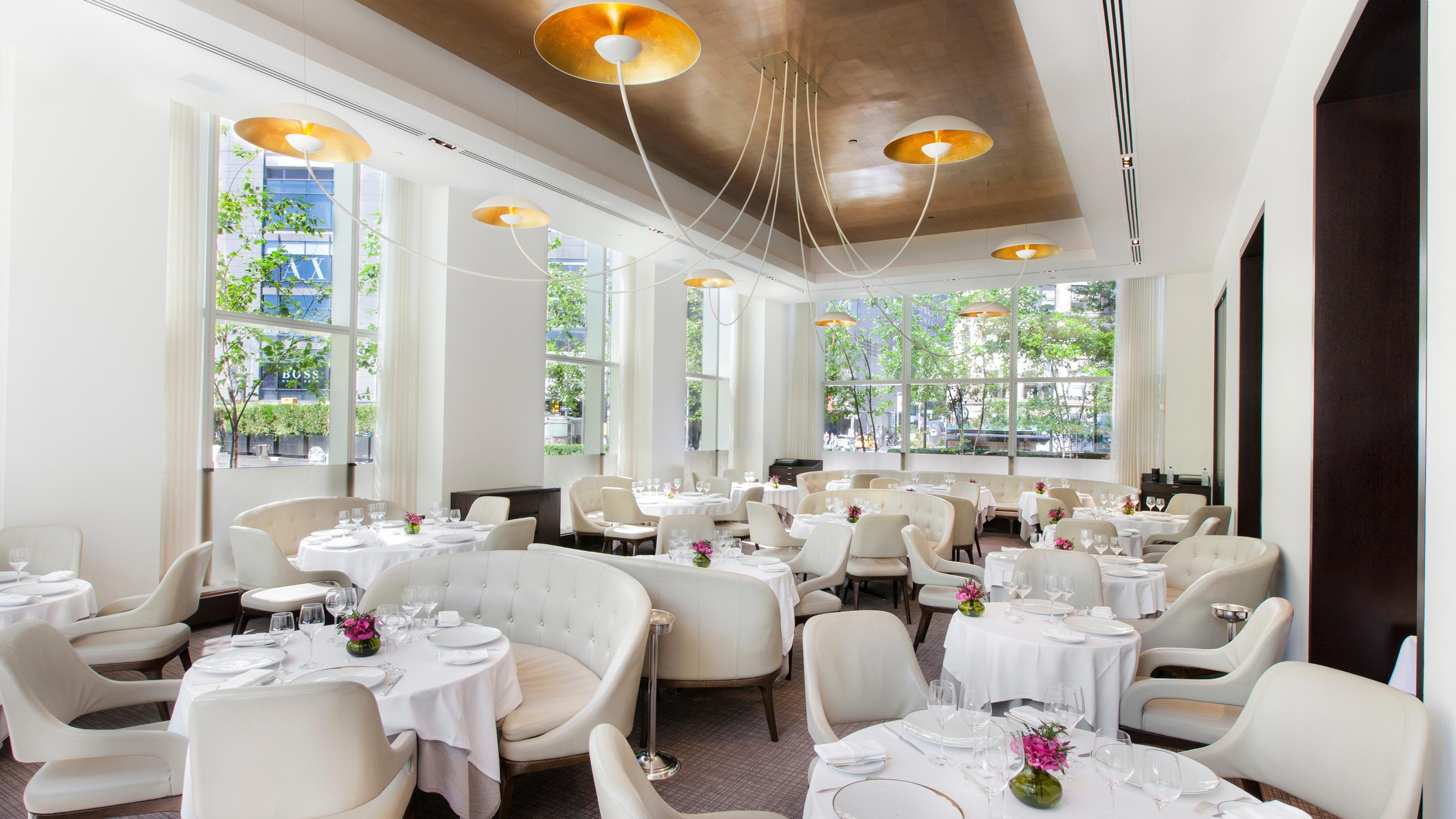
Restaurants in New York City
Browse all →
Bars in New York City
Browse all →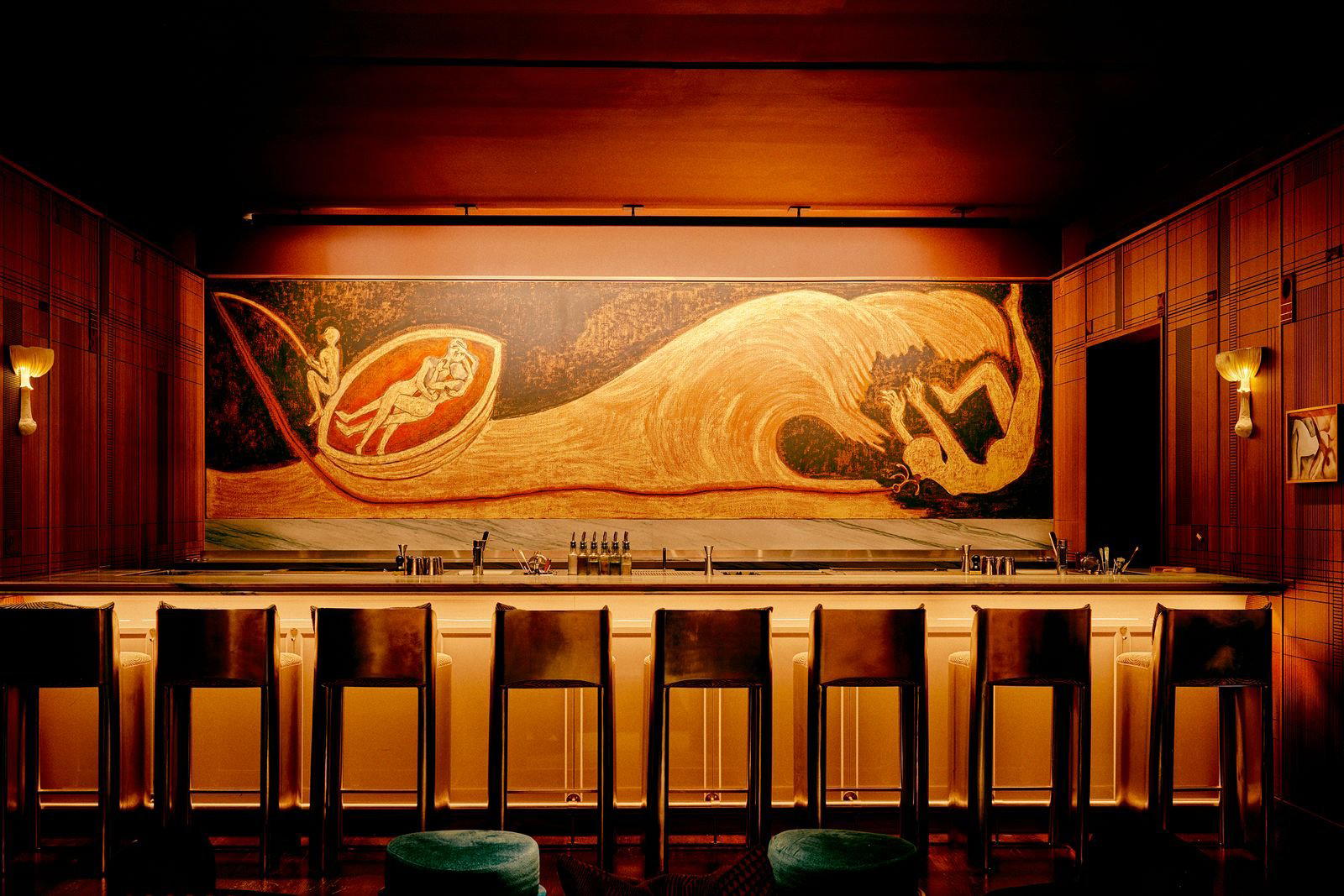
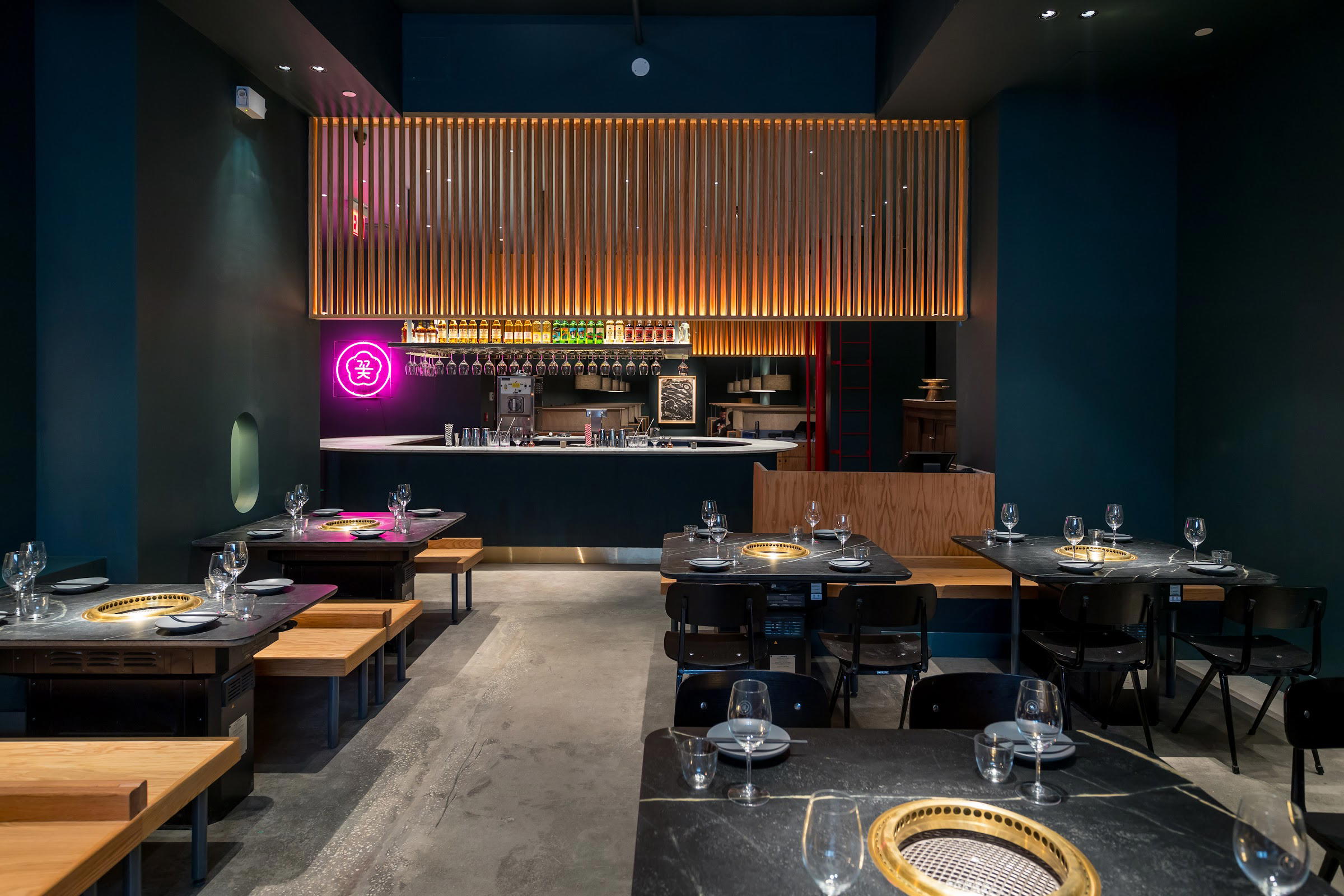
Hotels in New York City
Browse all →






At a Glance
- Classic
- Well Known
- Casual Hangout
- Historic Building
Current opening hours
- Monday
- 11 AM–9 PM
- Tuesday
- 11 AM–9 PM
- Wednesday
- 11 AM–9 PM
- Thursday
- 11 AM–9 PM
- Friday
- 11 AM–9 PM
- Saturday
- 11 AM–9 PM
- Sunday
- 11 AM–9 PM
Hours can change for holidays and private events. Last verified .
Casual, bustling atmosphere reminiscent of old-school New York delis with hearty portions and authentic Jewish culinary vibes.