2018 OAD New to the List Dinner
The 2018 OAD New to the List Dinner brought together London's most discussed newcomers in the Opinionated About Dining rankings, placing freshly recognised restaurants in conversation with each other and with the critics who track them. For diners and industry professionals following the OAD list, the event marked a specific moment in British fine dining's evolving hierarchy. It remains a reference point for understanding which venues entered the upper tier of critical regard that year.

Pearl is the En Primeur Club membership app — saves, bookings, and concierge access live there. Same editors, same standards.
When a List Becomes a Room
Every serious dining ranking produces a secondary event: the moment its newest entries are placed in the same physical space, evaluated not just on paper but against each other and against the expectations that recognition creates. The Opinionated About Dining list has a particular weight in this regard. Its methodology skews toward repeat visitors, which means a new entry carries a different signal than a mainstream guide listing. The 2018 OAD New to the List Dinner in London used that signal as its organising principle, gathering the restaurants that had just earned their place in the ranking and staging a collective introduction to the broader dining community.
London in 2018 was at a specific point in its fine-dining evolution. A cluster of restaurants that had opened in the preceding two or three years were beginning to convert critical attention into sustained recognition. The question that year was less about which kitchens were technically accomplished and more about which were building the kind of ingredient relationships and sourcing discipline that separates a one-season story from a durable reputation. OAD's model is well positioned to track that distinction, because contributors return to the same tables repeatedly and notice when a kitchen's supply chain deepens or loosens.
Sourcing as Signal
In the years around 2018, one consequential shift in London's upper dining tier was not in technique but in provenance. Kitchens that had spent the early 2010s refining classical execution were increasingly differentiating themselves through the specificity of their ingredient sourcing: named farms, heritage breed programmes, direct relationships with foragers and small-scale fishermen. This was not a new idea globally, but it was becoming a credentialing mechanism in London in a way it had not been before. A restaurant that could trace its lamb to a specific upland farm or its bivalves to a particular tidal estuary was making a claim about consistency and care that went beyond what any single dish on the plate could demonstrate.
The OAD list's 2018 newcomers, presented together at the dinner, represented that shift in concentrated form. The event was a test of which kitchens had built sourcing relationships that would hold. For diners paying attention to OAD, the dinner offered an opportunity to compare notes across a cohort rather than evaluating each restaurant in isolation.
This kind of comparative moment matters more than it might appear. London's upper-tier restaurants, from CORE by Clare Smyth to The Ledbury to Sketch, The Lecture Room and Library, do not exist in a vacuum. They compete for the same seasonal produce, the same small-producer relationships, and the same segment of the dining public. When a cohort of newcomers enters the ranking, it reshapes those competitions at the margin, and a dinner that stages that entry explicitly is making an argument about the category's direction.
The OAD Context and Its comparable venues
OAD's approach to ranking differs from the Michelin model in ways that matter for understanding what the 2018 dinner represented. Michelin inspectors visit anonymously and evaluate against a house standard. OAD aggregates scores from a self-selected pool of high-frequency diners who log meals across multiple visits, which means the list reflects sustained performance over time rather than a single inspection moment. A restaurant new to the OAD list in 2018 had typically been accumulating positive repeat visits for at least a full season, often longer.
That context places the 2018 newcomers in a specific credibility bracket. They were not discoveries; they were confirmations. The dinner format acknowledged that by presenting them to an audience already familiar with the list's methodology and already likely to have visited several of the restaurants in question. The conversation in the room was between people comparing second and third visits, not first impressions.
London's restaurant culture in 2018 was well equipped for it. Venues like Dinner by Heston Blumenthal and Restaurant Gordon Ramsay had spent years building the kind of repeat-visitor loyalty that OAD's model rewards. Newer entrants to the list were being measured against that standard implicitly, whether or not they had the same institutional history.
Beyond London, the UK's fine-dining geography was also in a period of productive decentralisation. Restaurants like L'Enclume in Cartmel, Moor Hall in Aughton, and Waterside Inn in Bray were demonstrating that the country's most ambitious ingredient sourcing was often happening outside the capital, in kitchens with direct access to specific landscapes and producers. Le Manoir aux Quat'Saisons in Oxford had long modelled the kitchen-garden integration that younger restaurants were now adapting for urban contexts. The 2018 OAD London dinner sat within that broader national conversation, even if its immediate focus was the capital's newest entrants.
Further afield, the OAD list's global reach meant that the 2018 newcomers were being considered alongside international peers. Restaurants like Le Bernardin in New York City and Atomix in New York City occupied different points on the OAD ranking, and the dinner's implicit framing was always comparative in that international sense. For London kitchens entering the list, the question was not just how they compared to their neighbourhood peers but how they read against the global field that OAD's contributors were tracking simultaneously.
Across the UK, other venues that have subsequently earned critical attention include Gidleigh Park in Chagford, Midsummer House in Cambridge, Opheem in Birmingham, Restaurant Andrew Fairlie in Auchterarder, Hand and Flowers in Marlow, and hide and fox in Saltwood, each representing a different model of what serious cooking looks like outside a metropolitan centre.
Know Before You Go
Where It Fits
Comparable venues nearby, for context on price, style, and recognition.
| Venue | Cuisine | Price | Notes |
|---|---|---|---|
| 2018 OAD New to the List DinnerThis venue — the venue you are viewing | Modern British Fine Dining | $$$$ | Not listed |
| Purple Dragon | Family-friendly British classics | $$$$ | Belgravia |
| Corenucopia | Modern British Bistro | $$$$ | Belgravia |
| Bustronome | British with French twist | $$$$ | Strand |
| Oxo Tower | Modern British Brasserie | $$$$ | Bankside |
| Thomas Cubitt | Modern British Gastropub | $$$ | Belgravia |
Continue exploring
More in London
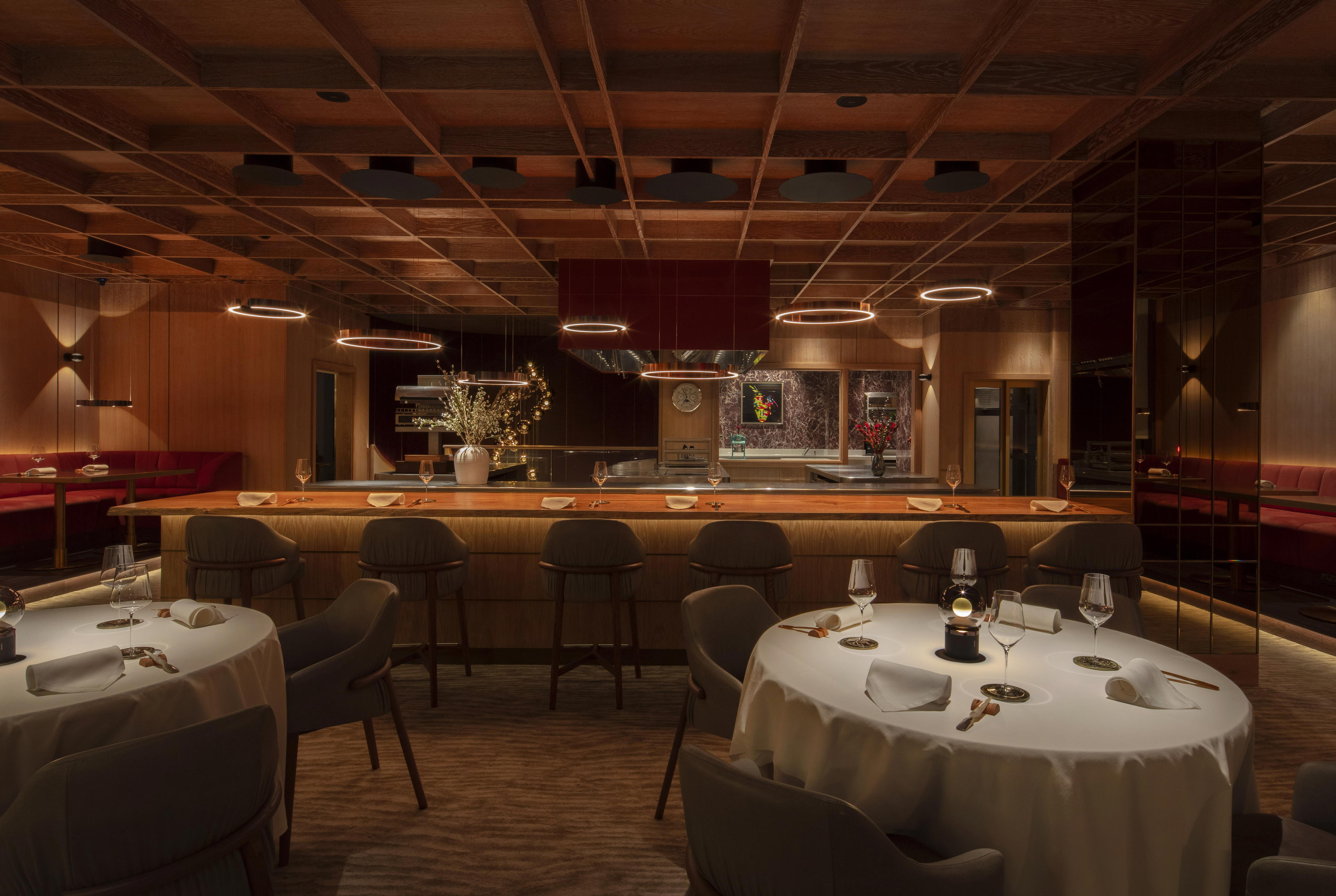
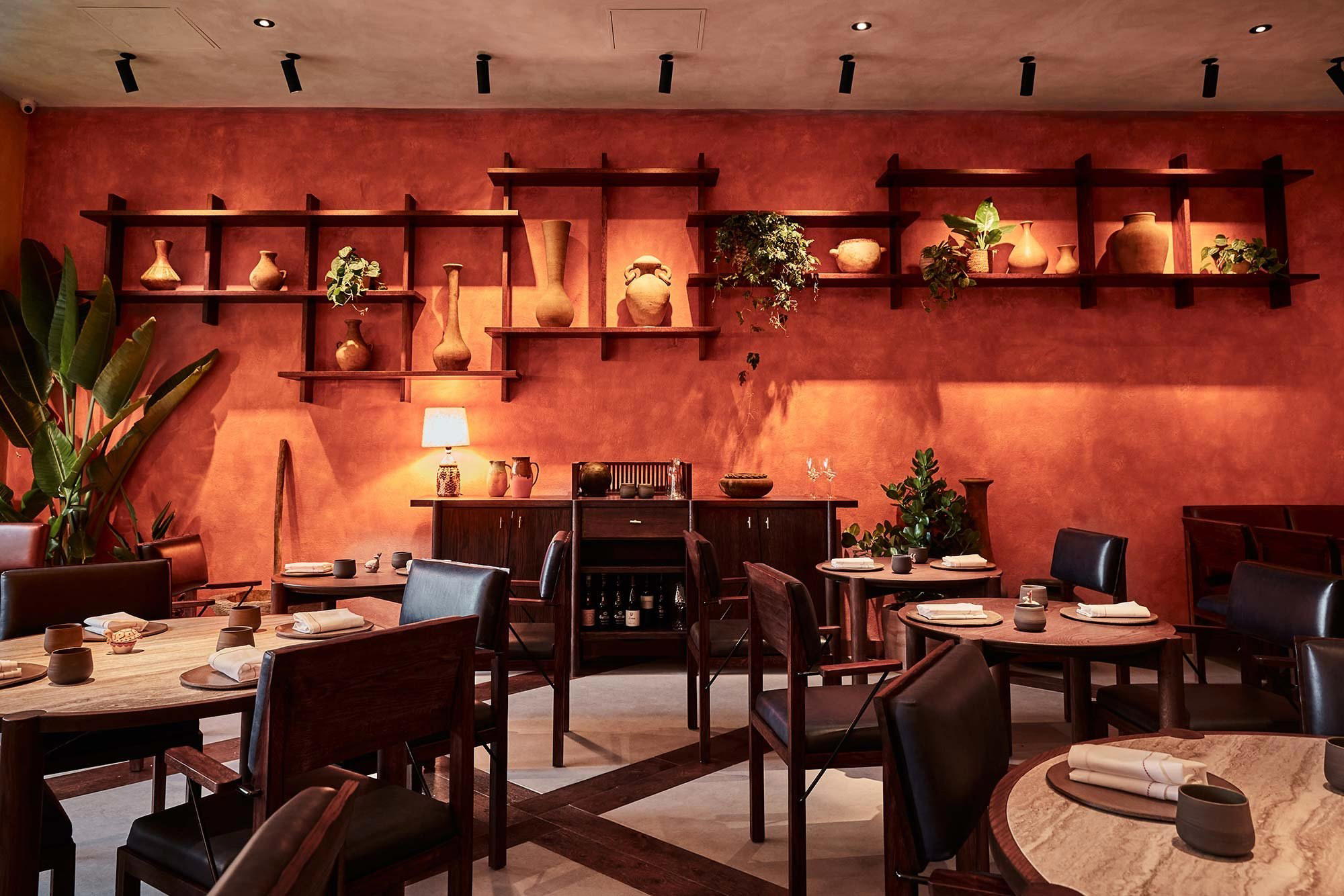
Restaurants in London
Browse all →
Bars in London
Browse all →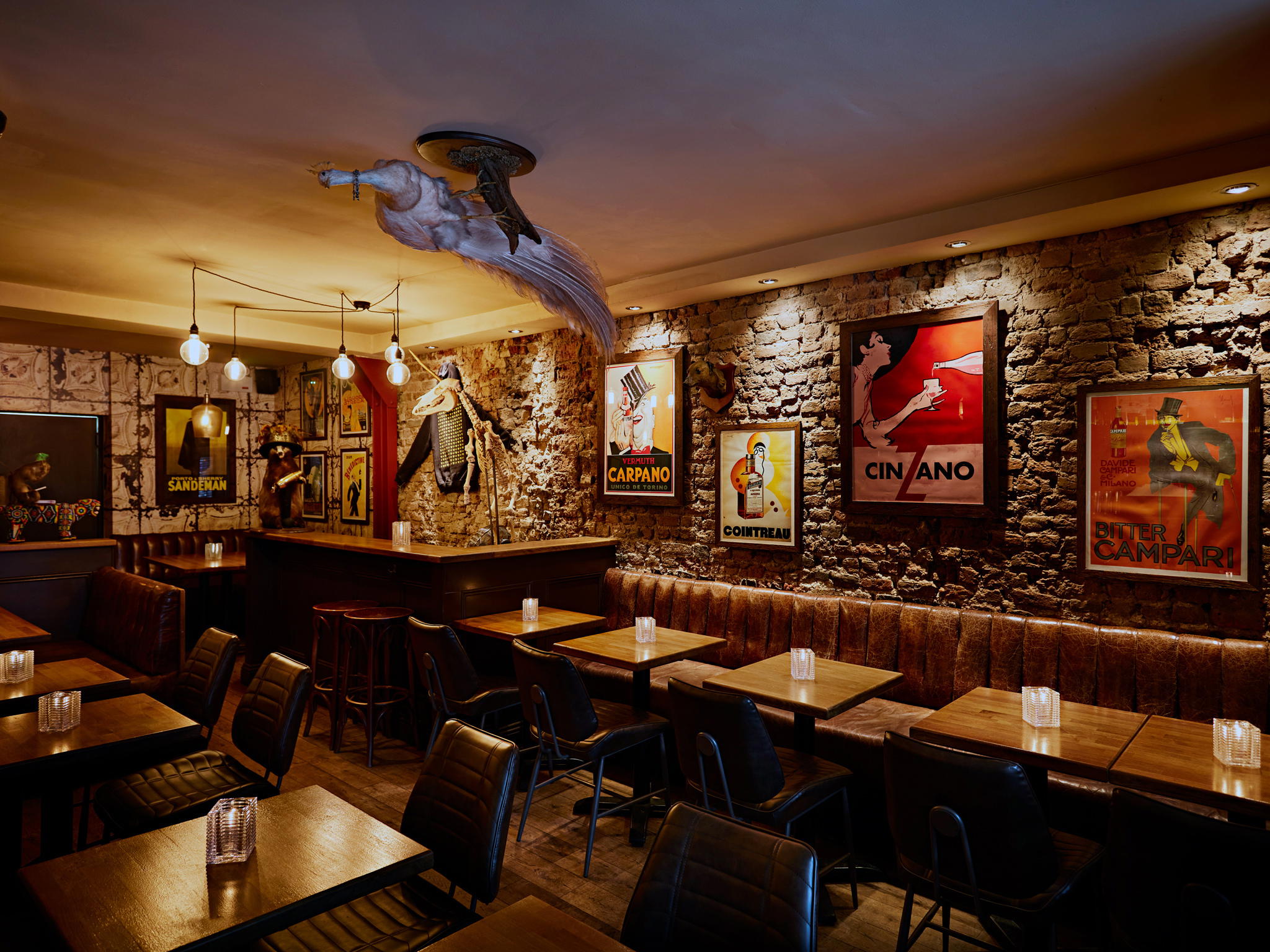
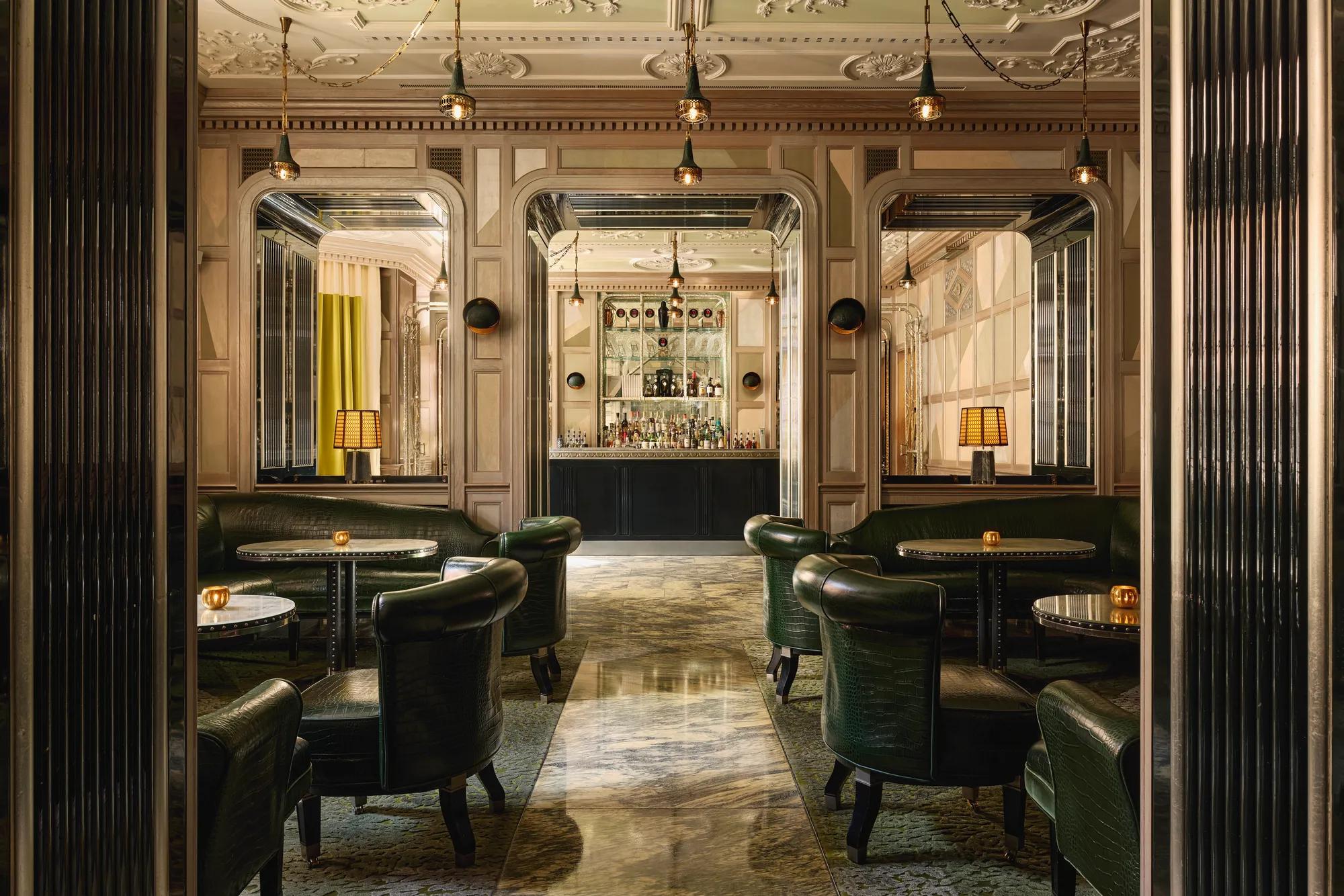
Hotels in London
Browse all →


At a Glance
- Elegant
- Sophisticated
- Special Occasion
- Date Night
- Wine Cellar
- Extensive Wine List
- Sommelier Led
- Street Scene
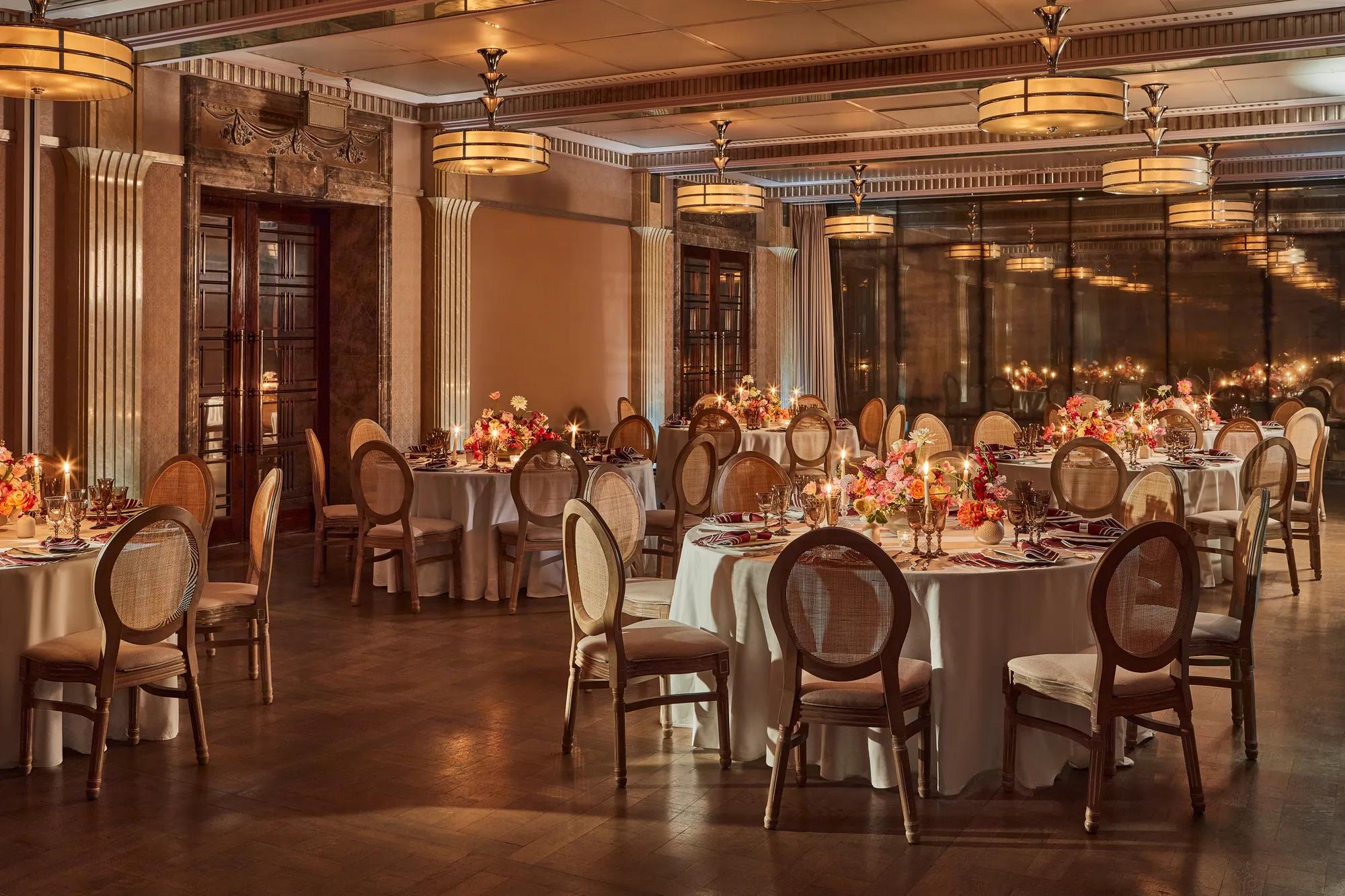
Sophisticated atmosphere with access to extensive wine catalogue, on-site bakery, and views over Green Park.