
Relais Chateaux Award
Our verdict
At the edge of the terrace, nestled in foliage, Le 1917 is a well-kept secret, where one can take the time to do nothing at all. This chic bistro is the dream setting for getting to know the Herbes de Vif, featured in mocktails, and to taste a menu of light meals with a nod to the sea.

Pearl is the En Primeur Club membership app, where members save venues, book tables and use the concierge.
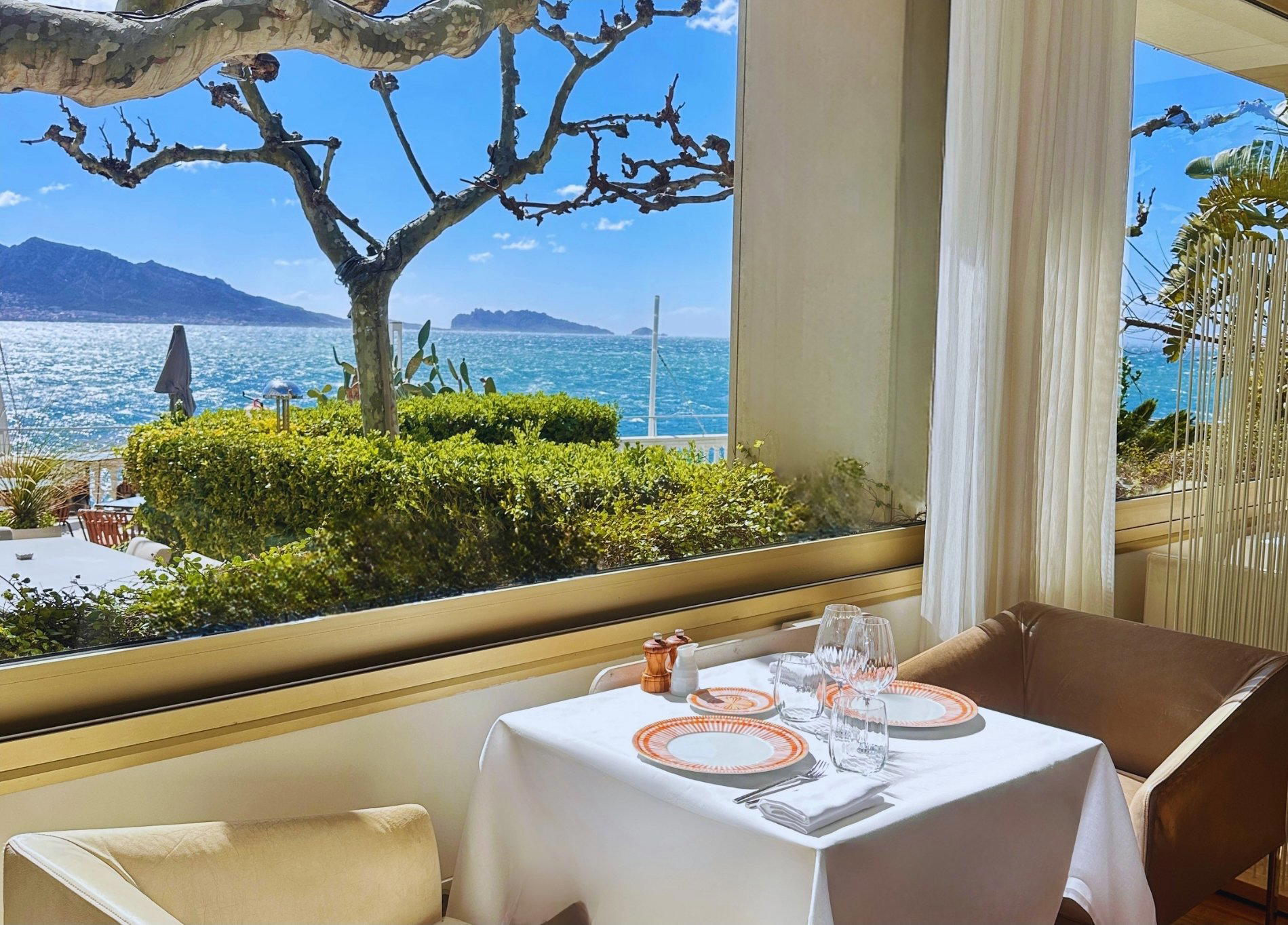
Where the Corniche Meets the Table
The approach along the Corniche Kennedy tells you something about how Marseille has learned to frame its dining ambitions. The waterfront boulevard, running from the old port toward the calanques, concentrates the city's most scenically positioned restaurants in a stretch where the Mediterranean is never out of sight. 19-17, addressed at the Anse de Maldormé, occupies this zone, a part of the 7th arrondissement where the relationship between the water and the kitchen is not decorative but structural. In a city where Le Petit Nice has built its Michelin-starred reputation almost entirely on what the sea delivers each morning, the geography of sourcing is the primary editorial fact about any serious restaurant in this corridor.
Marseille's fine-dining scene has split into two legible camps over the past decade. The first is the creative, technique-forward cohort represented by AM par Alexandre Mazzia, where Mediterranean ingredients pass through a filter of invention and global reference. The second is the terroir-rooted camp, where the Provençal supply chain, small-boat fishermen, inland farms, hillside herbs, does most of the work and the kitchen's role is to translate rather than transform. 19-17's waterfront position places it in conversation with both, though the address suggests the latter sensibility: on this stretch of coastline, the argument for restraint is made by the view.
The Sourcing Logic of the Mediterranean South
France's southern coast, from Menton down to the Bouches-du-Rhône delta, operates on a sourcing logic that differs from Paris or Lyon. In cities where Arpège built its identity around a garden outside the capital, or where Bras in Laguiole made the Aubrac plateau the conceptual centre of every plate, the relationship between place and ingredient is explicit and argued. On the Marseille waterfront, that argument is harder to fake: the fish market at the Vieux-Port runs on boats that left the night before, the bouillabaisse tradition has a charter document specifying which species qualify, and any kitchen that ignores the coastal supply chain is working against its own geography.
This matters for 19-17 because the Anse de Maldormé address is not incidental. The calanques to the south supply rascasse, grondin, and sea urchin through a network of artisanal fishermen whose catch is too small in volume for Paris distributors but sufficient for a single serious kitchen. Further inland, the Var and Bouches-du-Rhône departments produce olive oil, early-season vegetables, and the wild herbs, thyme, rosemary, fennel, that define Provençal cooking at its least theatrical. Restaurants in this tier, from Une Table, au Sud to Alivetu, have built their menus around this supply logic. The question for any waterfront address is whether it participates in that network or merely implies it through décor.
The broader French fine-dining model, as demonstrated by Troisgros in Ouches or Auberge de l'Ill in Alsace, has always assigned moral weight to regional sourcing, but the Mediterranean south adds a practical dimension: the ingredients degrade fast, the growing season is compressed into specific windows, and the sea's output is weather-dependent in ways that interior France's larder is not. A kitchen that works seriously with this material is, by necessity, building menus week by week rather than year by year. That impermanence is the point, and it is what separates the Corniche's dining offer from the more stable, reference-driven tasting menus of, say, Mirazur in Menton or Flocons de Sel in Megève.
Where 19-17 Sits in Marseille's Dining Tier
Marseille's restaurant map has become more legible since the city's 2013 European Capital of Culture designation accelerated investment in the food scene. The top tier, Le Petit Nice, AM par Alexandre Mazzia, carries Michelin weight and prices accordingly. A middle tier, including Une Table, au Sud and 1860 Le Palais, offers serious cooking at a step below peak price. Below that, neighbourhood bistros and traditional Provençal tables fill the rest of the map. 19-17 enters this structure from the waterfront, a position that in Marseille carries its own implied hierarchy: real estate on the Corniche comes at a premium, and the dining room's orientation toward the sea is a given rather than a differentiator.
For international visitors already familiar with how coastal fine dining operates in France, the emphasis on fishing-day freshness, the relatively short menus, the service calibrated to match the view's natural pace, the 7th arrondissement corridor is the correct part of the city to anchor an evening. Visitors exploring the full range of what Marseille offers would do well to consult our full Marseille restaurants guide before committing to a single reservation. The waterfront cluster at Malmormé sits roughly equidistant from the Vieux-Port and the calanques trailheads, making it a logical endpoint for an afternoon that begins in the old city and moves south.
The comparison set that matters most here is not global, not Le Bernardin in New York or Lazy Bear in San Francisco, but local and regional. La Table du Castellet in the Var and Auberge du Vieux Puits in Fontjoncouse represent the Provençal interior's approach to the same southern larder. Georges Blanc in Vonnas and Paul Bocuse north of Lyon represent a different French fine-dining grammar entirely. 19-17's Corniche Kennedy address aligns it with the coastal school, where the sea's presence in the sourcing chain is felt every service.
Planning Your Visit
The 7th arrondissement is accessible from the city centre by the Corniche road or, more efficiently, by taxi from the Vieux-Port area, a short journey that takes roughly ten to fifteen minutes depending on traffic along the boulevard. The Anse de Maldormé sits at one of the coves along the Corniche where parking exists but is limited during summer evenings, when the waterfront draws significant pedestrian and vehicle traffic. Visiting outside July and August reduces competition for both tables and parking, and the spring and autumn seasons, when the Provençal fish run is active and the mistral is less disruptive, tend to represent the most coherent expression of what coastal Mediterranean kitchens in this zone can deliver.
Frequently asked questions
Is 19-17 suitable for children?
Is 19-17 better for a quiet night or a lively one?
What should I order at 19-17?
How far ahead should I plan for 19-17?
What makes 19-17's address on the Corniche Kennedy distinct from other Marseille waterfront restaurants?
Recognition history
Dated appearances from independent guides and award organizations, with the underlying list record or original source where available.
Relais Chateaux Award
Relais Chateaux
Continue exploring
More in Marseille
Restaurants in Marseille
All restaurants in Marseille →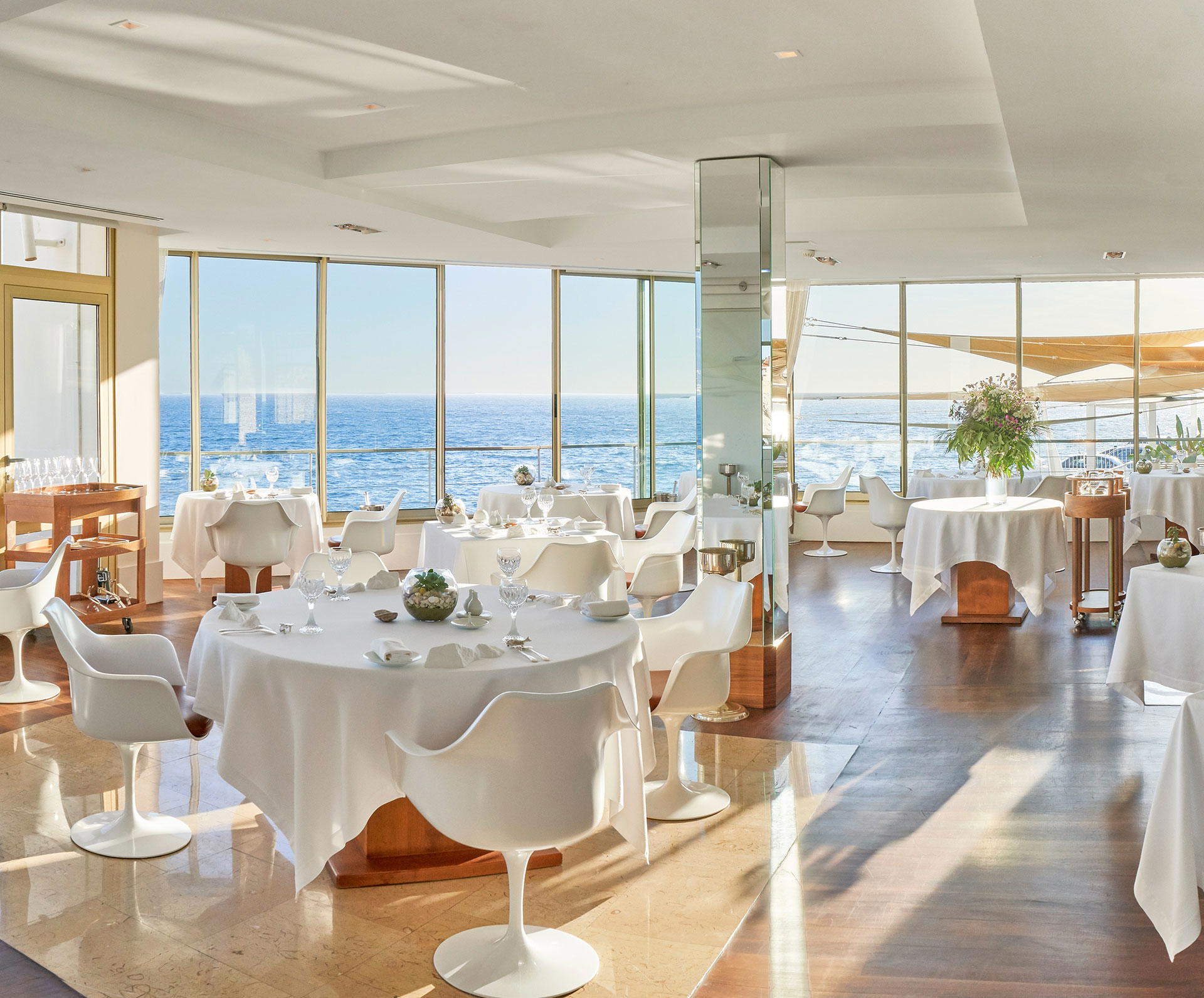
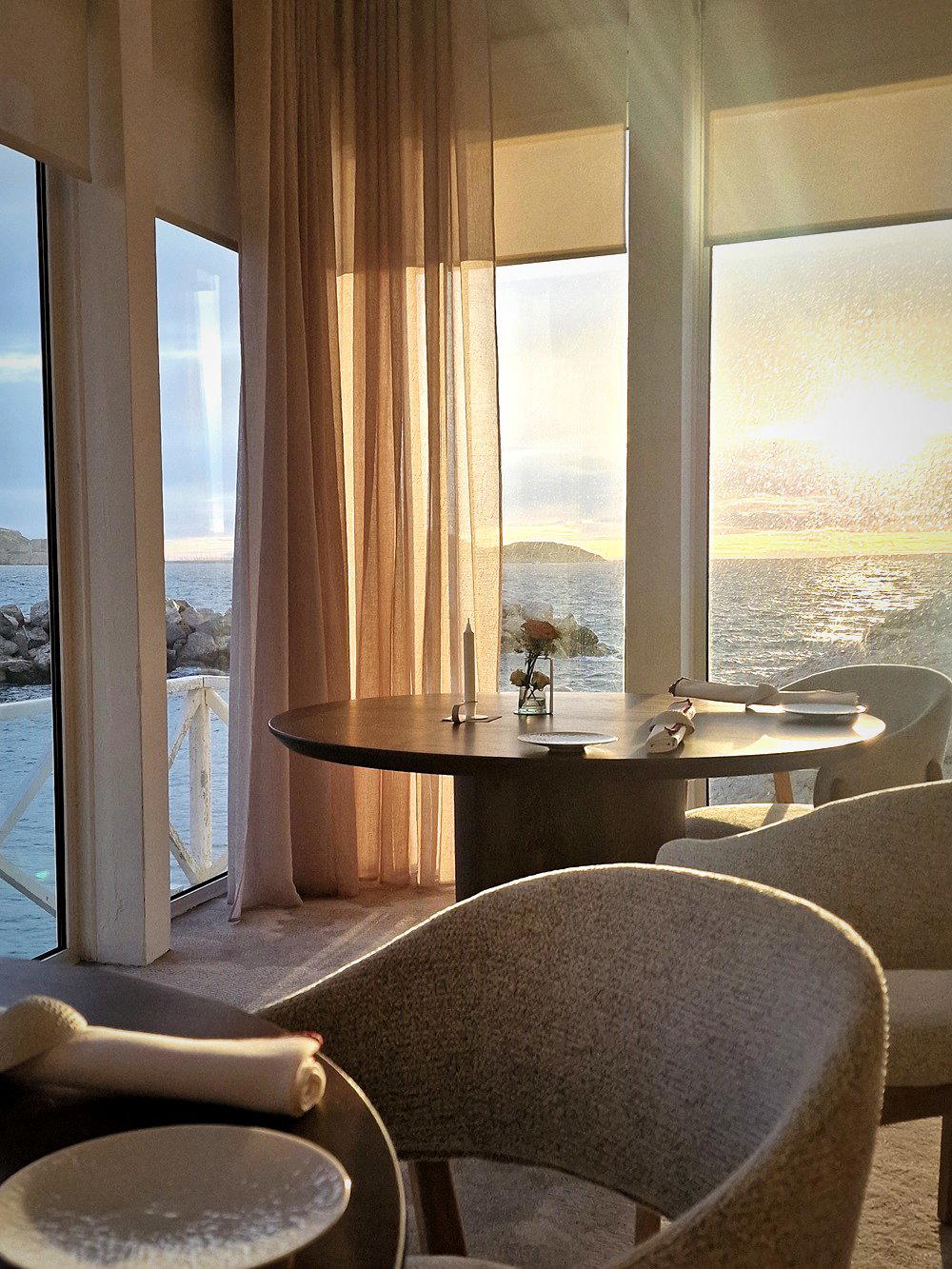
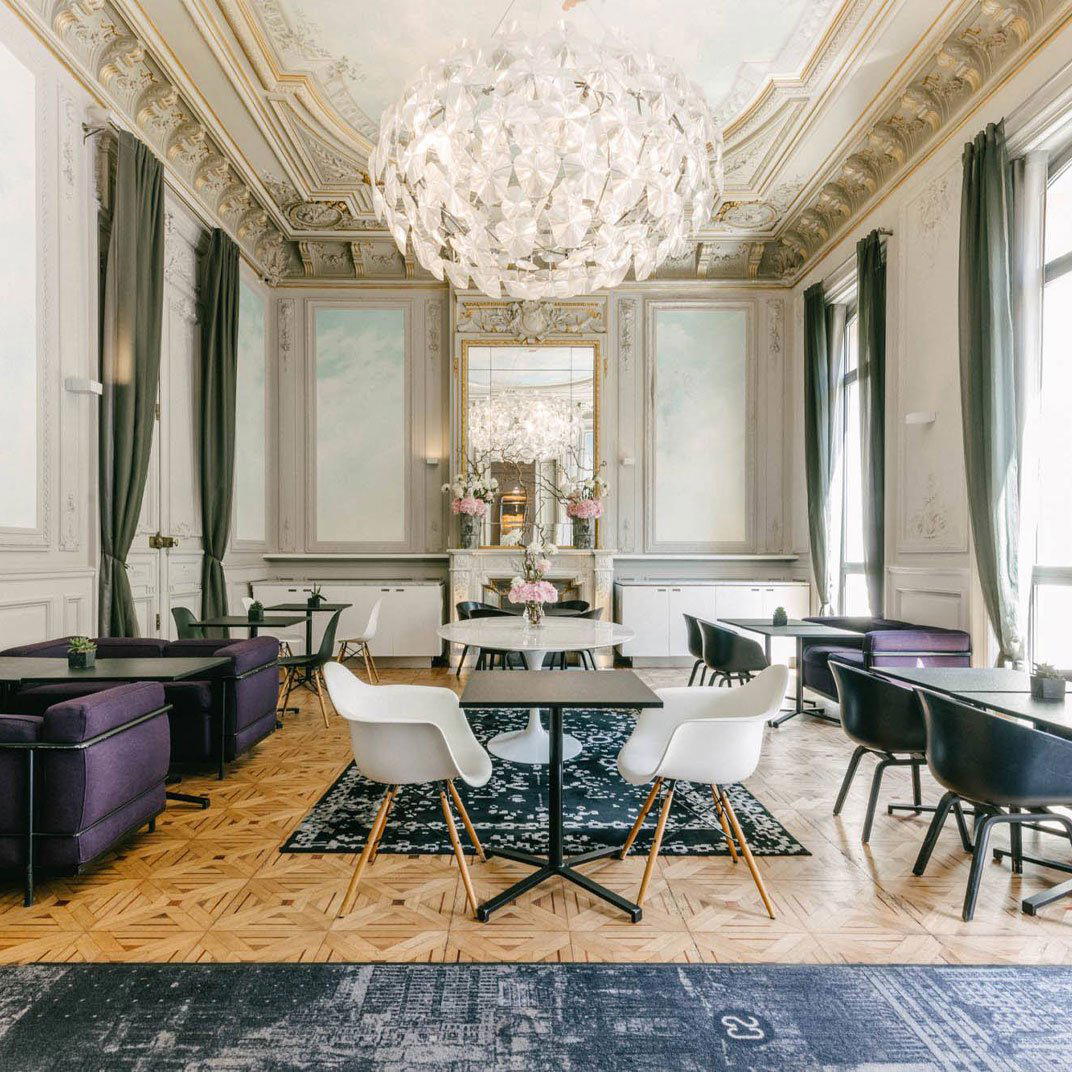
Bars in Marseille
All bars in Marseille →
Details
- Scenic
- Elegant
- Cozy
- Sophisticated
- Date Night
- Casual Hangout
- Brunch
- Waterfront
- Terrace
- Hotel Restaurant
- Craft Cocktails
- Local Sourcing
- Sustainable Seafood
- Waterfront
- A La Carte
- Small Plates
- Cocktails
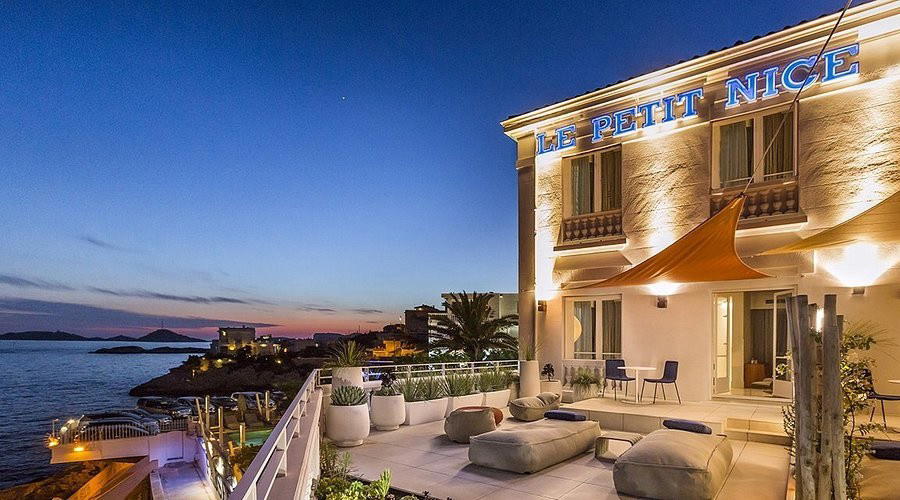
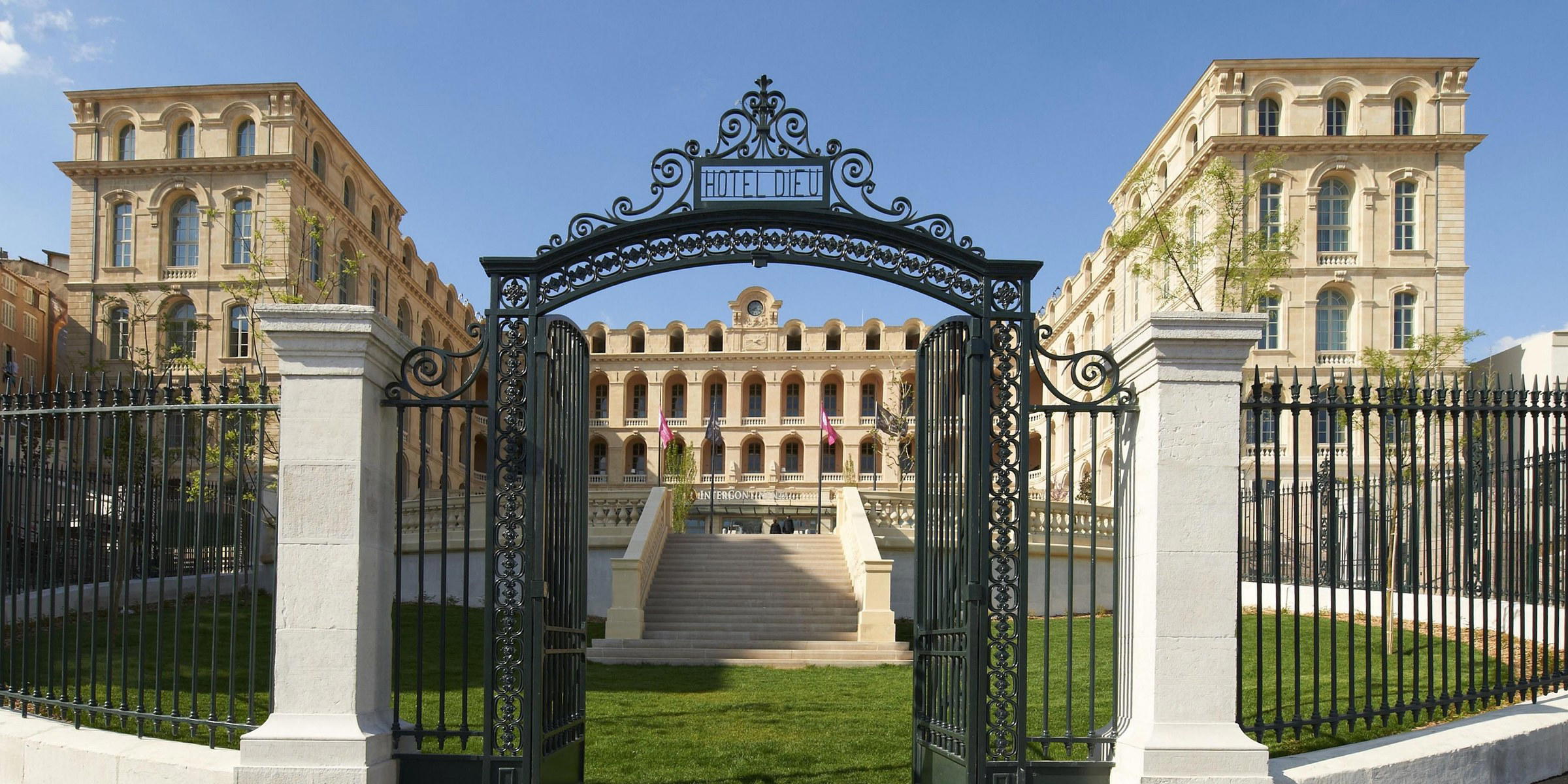
Relaxed seaside terrace ambiance with sea views of Château d'If and Frioul islands, featuring sun-drenched cocktails and sharing dishes.