Bar Patrick sits in Bandol, a Provençal port better known for structured rosé, mourvèdre-led reds and seaside drinking than for codified cocktail culture. With no published awards, prices, menu details or booking channel in the available record, it reads as a local bar to assess through setting, timing and comparison with France’s larger cocktail cities rather than through trophy data.
Pearl is the En Primeur Club membership app — saves, bookings, and concierge access live there. Same editors, same standards.
- Address
- 83150 Bandol, France
- Directions
- Get directions
 Saves & bookings on Pearl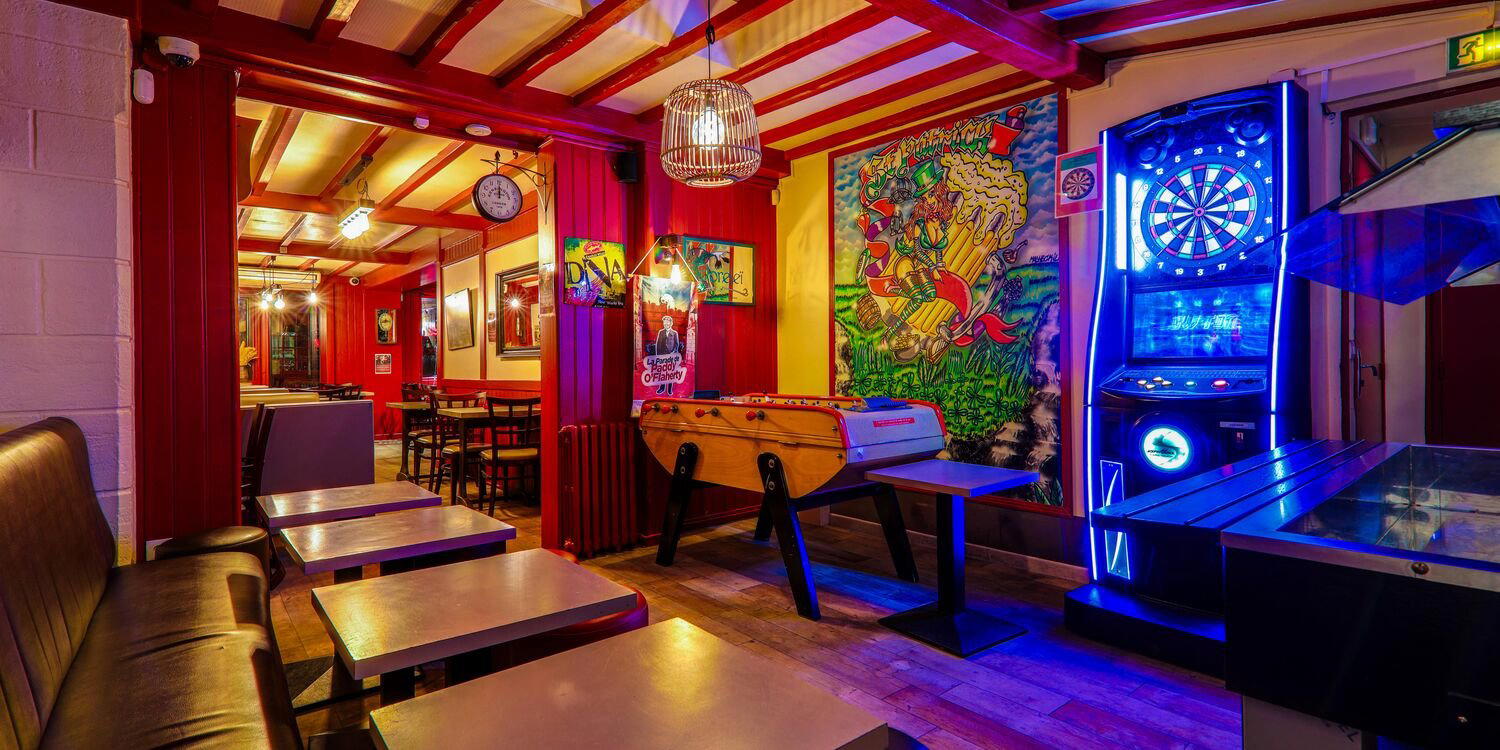
Bandol drinking culture, seen from the harbour edge
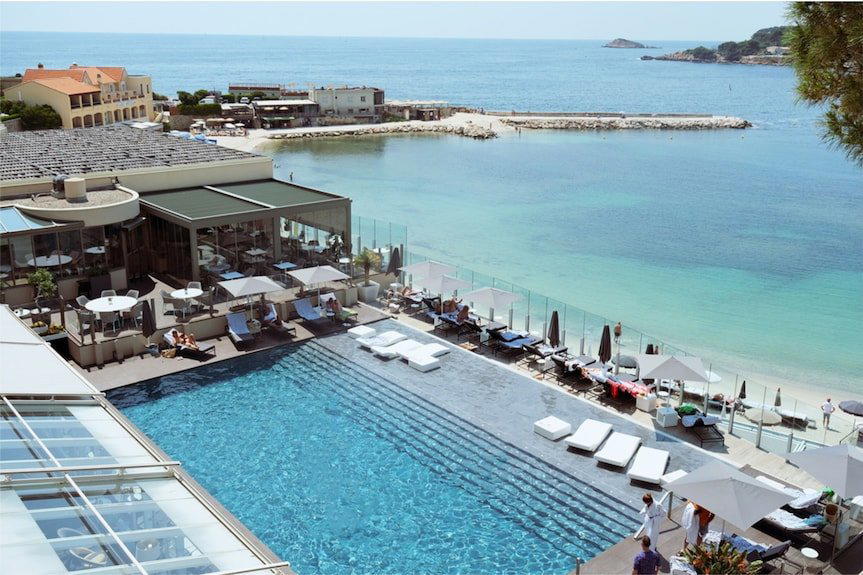
Approaching a bar in Bandol usually means passing the practical theatre of a working Mediterranean town: café terraces, marina traffic, late-afternoon light on stone façades, and the slow shift from beach clothes to evening shirts as the port begins to fill. The soundscape matters here. Glassware, scooters, restaurant service and boat masts set the rhythm before a cocktail list ever enters the conversation. Bar Patrick belongs to that setting: 83150 Bandol, France, with the available record offering no published phone number, website, price range, hours, awards, chef name or bartender profile. That absence shapes the editorial read. This is not a venue to judge through the usual global cocktail metrics of ranked lists, laboratory technique or named signatures. It sits in a town where the first context is the waterfront and the second is wine country.
Bandol’s drinking identity has long been pulled toward the vineyard rather than the shaker tin. The appellation’s reputation rests on serious rosé, structured reds and mourvèdre, while the town itself works seasonally around the port, beaches and restaurant terraces. A cocktail bar here has a different job from one in Paris, Bordeaux or Montpellier. It is not only competing with other mixed-drink rooms; it is competing with the reflex to order a chilled local rosé, a pastis before dinner, or a glass poured from a nearby domaine. That makes the cocktail programme, even when public detail is limited, a question of place: does the bar lean into holiday ease, aperitif culture, late-night service, or the more technical language now common in French urban cocktail bars?
In larger French cities, the cocktail conversation has become increasingly professionalised. Paris hotel bars and independent speakeasy-descended rooms have pushed clearer ice, lower-sugar builds, savoury modifiers and precise service rituals into the mainstream. On the coast, the grammar shifts. Seaside bars must handle mixed groups, early evening traffic, tourists arriving without a reservation plan and locals using the same streets year-round. That creates a looser, more practical form of hospitality. For a traveller comparing coastal Provence with city-bar circuits, the useful frame is not whether the room mirrors a capital-city programme, but whether it fits Bandol’s evening tempo without becoming anonymous.
The cocktail programme question in a wine-first town
That limits any responsible claim about what is poured. It also clarifies the right way to read the venue: through category, not mythology. In a destination where wine has stronger public identity than mixed drinks, a cocktail bar carries a specific kind of editorial weight. It offers a change of register between vineyard visits, seafood-led meals and the default apéritif order. In practice, that can mean a short drink before dinner, a longer highball after a portside meal, or a late drink when restaurant service begins to thin out.
France’s contemporary cocktail scene is not monolithic. The polished hotel model can be seen in La Bar du Plaza Athénée in Paris, where luxury hospitality frames the drink as part of a larger palace-hotel ritual. Montpellier’s independent cocktail current has a different energy, represented in EP Club coverage by Papa Doble in Montpellier. Champagne country adds another register at La Vertu in Reims, where regional wine identity inevitably affects what a bar audience expects. Bordeaux’s drinking culture, through venues such as Papillon in Bordeaux, sits close to another major wine region, while seaside hotel service appears in a different form at Aquarium Bar and Charcot Lounge in Dinard. Those comparisons matter because Bandol is also a wine place, but smaller, more seasonal and less formal than the major urban circuits.
On that spectrum, Bar Patrick should be approached as a local coastal bar unless direct menu evidence suggests otherwise. The address places it in Bandol rather than a resort enclave, and the absence of published accolades keeps the emphasis on fit rather than prestige. For cocktail-focused travellers, that is a useful distinction. A night in Bandol does not need to reproduce Parisian formality. The sharper question is whether a bar can serve the moment between harbour, dinner and late walk without pretending to be a destination laboratory.
Awards and rankings are helpful when they exist, but they also distort how travellers read smaller towns. That does not make the bar lesser by default; it means there is no external credential to cite. EP Club’s standard is to avoid filling that gap with reputation language. Without verified recognition, the better measure is category logic: Bandol’s bar scene is shaped by seasonality, port proximity, restaurant traffic and the town’s wine identity.
This is where peer comparison becomes more honest than praise. A trophy-led cocktail room signals itself through known bartenders, named menus, press coverage, design statements and booking demand. A coastal local bar may signal itself through location, regular use, weather dependency and how comfortably it handles mixed occasions. Those are different forms of value. Travellers who use award data to plan every evening may find the lack of public detail limiting. Travellers building a looser Bandol itinerary, especially around restaurants, wineries and the waterfront, may read the same absence as a sign to treat the stop flexibly rather than anchor a night around it.
Bandol also resists the clean segmentation common in larger cities. The same evening can move from beach to apéritif to seafood table to after-dinner drink with little need for transport. That compressed geography gives bars a practical role. They absorb unscheduled time. They let a group pause before a later reservation. They provide an alternative when wine fatigue sets in after a day of tasting. For that reason, the cocktail programme here should be judged less by global taxonomy and more by how it works inside a Provençal evening.
How to place it within a Bandol itinerary
The planning intelligence is simple because the public data is sparse. The listed address is Bandol, 83150, France; no official website, phone number, opening hours or booking method appears in the available record. That means travellers should not assume online reservations, late-night hours, card-specific policies or a published menu. In a small coastal town, the practical move is to verify current opening locally before building a tight schedule around any single bar. Season also matters in Bandol. Summer evenings bring heavier foot traffic and later outdoor movement, while shoulder-season nights can feel more local and less extended.
For dinner planning, the bar works better as a flexible stop than a fixed logistical centre. Pair the evening with Our full Bandol restaurants guide if the priority is food, then use drinks before or after depending on where the meal sits in the town. For hotels, Our full Bandol hotels guide gives the wider accommodation context, which matters because walking distance and post-dinner transport are part of the experience in small coastal destinations. Bar-hopping research belongs in Our full Bandol bars guide, while vineyard days should be cross-checked against Our full Bandol wineries guide. Travellers building a broader cultural or coastal schedule can also use Our full Bandol experiences guide to keep the evening from carrying the whole trip.
The smarter timing is early evening if the aim is an apéritif and later if the aim is a nightcap. That sounds basic, but in coastal towns it is the difference between catching the social transition and arriving when the town has already settled into dinner. With no verified hours in the record, the bar should not be treated as reservation-only or reliably open at a specific time. It is better placed as a low-friction option to check in person, especially if the day has included winery visits or a long lunch.
Comparisons beyond Bandol
Looking outside France helps sharpen the distinction between destination cocktail bars and place-responsive bars. Café La Trova in Miami operates in a city where cocktail culture is bound up with performance, Cuban-American hospitality and late-night energy. That kind of room announces its identity at volume. Bandol works at a lower register. The town’s drinking life is not built around spectacle; it is built around proximity, season and the long French habit of using drinks to mark the beginning or end of a meal.
Within the region, comparison with Bar à cocktails du Soukana is useful for readers tracking how Mediterranean destinations package cocktails alongside hotel, restaurant or resort contexts. Some bars borrow glamour from property design; others draw from their street or harbour environment. The responsible editorial position is to read it as part of Bandol’s wider social drinking pattern, then let an on-the-ground menu confirm the details.
This also affects expectations around price. Bandol can swing between casual terrace drinking and higher-cost seasonal hospitality, especially in peak summer. The same restraint applies to signature drinks. No verified cocktail names appear in the record, so recommendations should be made at the counter from the current menu rather than borrowed from unsupported online chatter.
Critical read
The case for Bar Patrick is strongest when the evening calls for a local Bandol stop rather than a fully documented cocktail pilgrimage. The lack of website, phone, hours, price range, awards and menu detail makes it unsuitable as the sole anchor for a tightly planned night. It works better in a coastal itinerary where flexibility is the point: arrive from the port, read the room, check the current list, then decide whether to stay for one drink or continue toward dinner.
That may sound cautious, but caution is useful in travel writing when data is limited. The modern cocktail traveller is trained to look for rankings, signature serves and named bartenders. Bandol asks for a different kind of literacy. The town’s bar culture sits beside wine, seafood restaurants, beach schedules and the marina’s daily rhythm. In that context, a bar does not need to carry the weight of a capital-city programme to be relevant. It needs to fit the hour. If the mood calls for technique-led drinking with documented awards, larger French cities give clearer targets. If the goal is to understand how a wine town spends the evening once the tasting rooms and beaches recede, this address belongs in the conversation.
Planning notes
- Address: 83150 Bandol, France.
- Reservations: No booking method is listed, so do not assume reservation-only service.
- Price range: Not published in the available record; check the current menu before ordering multiple rounds.
- Useful context: Bandol is a wine-first coastal town, so cocktail expectations should be set against local aperitif culture rather than only against Paris or major-city cocktail rooms.
Continue exploring
More in Bandol
Bars in Bandol
Browse all →
Restaurants in Bandol
Browse all →
Hotels in Bandol
Browse all →
Know Before You Go
- Getting there
- 83150 Bandol, France