Tilar Siro, Andamans

Tilar Siro sits at Beach No. 5 on Havelock Island in India's Andaman archipelago, carrying a 2025 Michelin Selected distinction that places it among a small number of recognised properties in this remote island group. The setting trades on direct beach access and the particular quiet of Swaraj Dweep, positioning it within a niche tier of design-conscious coastal stays well removed from India's mainland luxury circuit.
Pearl is the En Primeur Club membership app — saves, bookings, and concierge access live there. Same editors, same standards.
- Address
- Beach No. 5, Vijay Nagar Swaraj Dweep, Havelock Island, India
- Phone
- +91 75940 12555
 Saves & bookings on Pearl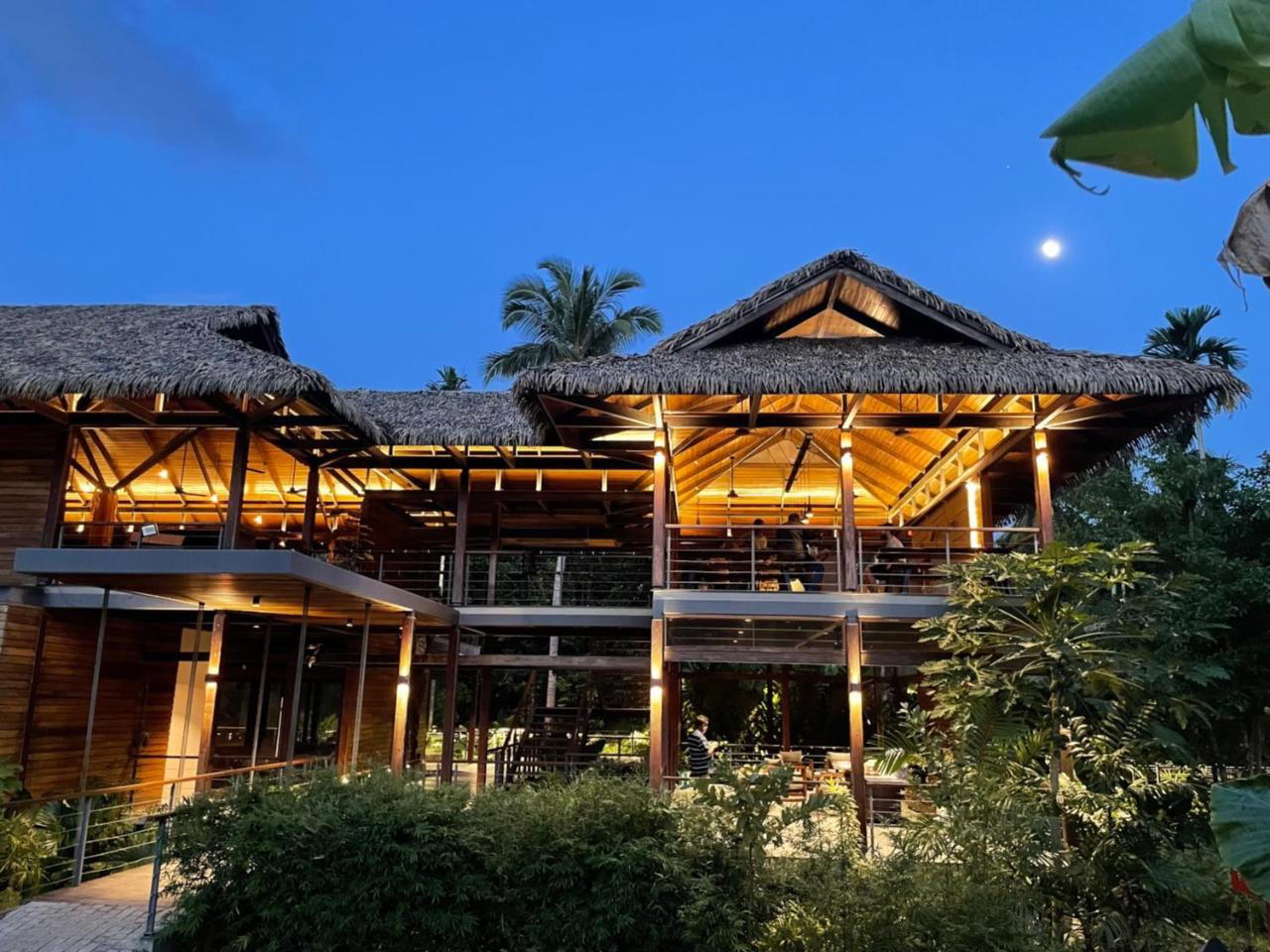
Where the Andamans' Coastal Design Conversation Is Happening
India's premium hotel tier has long been anchored to the subcontinent's historic palace conversions and urban grand dames, properties like The Taj Mahal Palace, Mumbai or The Leela Palace Jaipur, which draw authority from architectural heritage and institutional scale. The Andaman Islands represent something structurally different: a remote island chain in the Bay of Bengal where the relevant design references are ecological rather than dynastic, and where the constraints of island logistics force a more considered, material-specific approach to building. At Beach No. 5 on Swaraj Dweep, the renamed Havelock Island, Tilar Siro operates in that second register, earning a 2025 Michelin Selected distinction.
That Michelin selection matters partly because of what surrounds it. The Andamans have historically attracted travellers seeking dive sites and relative seclusion rather than curated hospitality, and the accommodation spectrum has reflected that: functional beach huts at one end, a handful of mid-range resort compounds in the middle. A Michelin Selected property at Beach No. 5 signals a different ambition, one oriented toward guests who weigh the physical experience of a property as seriously as its location.
The Architecture of a Beach No. 5 Stay
Beach No. 5 is one of Havelock's quieter stretches, which sets a particular frame for how a property here can be experienced. The design vocabulary available on a remote island is partly dictated by what can be sourced and transported, the Andamans' own timber traditions, the proximity to open water, the salt-heavy air that governs material choices over time. Properties that work well in this context tend to use those constraints productively: low-rise structures that sit within rather than over the vegetation line, open-sided pavilion formats that allow sea air to move through rather than air conditioning to suppress it, and palette choices drawn from the sand, ironwood, and water that define the immediate environment.
Tilar Siro's positioning at this beach addresses a gap in the island's hospitality offer that has existed for years. Havelock attracts a significant volume of visitors relative to its infrastructure, and the accommodation options at the recognised end of the market have been limited. A Michelin Selected flag here reflects both the property's own merit and the relative scarcity of competition at that tier on the island. The comparison is less with other Havelock properties and more with design-led coastal stays elsewhere in India, a set that includes Alila Diwa Goa and Anantya By The Lake in Kaliyal, both of which operate in the niche of smaller, considered properties built around a specific natural site rather than a broad amenity programme.
Remote India's Recognised Property Tier
The Michelin hotel guide's reach into India has expanded into territories that were previously outside its scope, and its 2025 selections include properties in destinations that require meaningful travel effort to reach. Havelock Island sits approximately 70 kilometres from Port Blair, the Andamans' administrative capital, with access by ferry or seaplane. That logistical remove is part of the proposition: guests arriving at Tilar Siro have already committed to the journey, and the property's design and service logic follow from that self-selecting audience rather than from the casual drop-in traffic that shapes urban hotel programming.
This positions Tilar Siro in a different competitive conversation from India's palace circuit. The reference group is not The Oberoi Amarvilas in Agra or Taj Lake Palace in Udaipur, properties whose architecture is inseparable from Mughal or Rajput heritage. It is closer to the set of ecologically grounded Indian stays that have grown in recognition over the past decade: Woods at Sasan in Sasan Gir, Kumarakom Lake Resort in Kerala, or Shakti Prana in Kasar Devi, places where the physical environment is the primary architectural material, and where the property's design is evaluated on how well it inhabits rather than reshapes its setting.
That framing also places Tilar Siro in conversation with the growing number of internationally recognised remote stays that have drawn travellers away from India's established heritage corridors. Properties like Suján Jawai in Rajasthan or Ananda in the Himalayas in Narendra Nagar have demonstrated that guests at the recognised end of the market will travel for a specific environmental experience when the accommodation delivers at a commensurate level. The Andamans, with their protected marine parks and limited development density, offer a natural context that few other Indian coastal destinations can replicate.
Planning a Stay: Practical Frame
Reaching Beach No. 5 requires flying into Port Blair's Veer Savarkar International Airport, which has direct connections from several Indian mainland cities including Chennai, Kolkata, and Delhi. The onward journey to Havelock Island runs by government or private ferry from Port Blair's Phoenix Bay Jetty, with journey times of roughly one to two hours depending on the service, or by seaplane for a faster and considerably more expensive crossing. The island's limited road network means that most properties, including those at Beach No. 5, are reached by auto-rickshaw or taxi from the ferry jetty at Havelock's main port area.
The Andamans' peak season runs broadly from October through May, when the northeast monsoon recedes and sea conditions stabilise sufficiently for diving, snorkelling, and beach use. The southwest monsoon between June and September brings heavy rainfall and rougher seas, and a number of properties reduce operations or close entirely during this period. Booking Tilar Siro directly through the property's own channels is advisable; the Michelin Selected recognition will sharpen demand during peak months, and the island's limited accommodation inventory at this tier means availability tightens earlier than comparable mainland destinations.
Travellers combining the Andamans with broader India itineraries often route through Chennai or Kolkata, both of which have good onward connections to Port Blair. For those building a longer India stay around recognised properties, the contrast between Tilar Siro's island format and the heritage-led stays of the mainland, Suryagarh in Jaisalmer, Amanbagh in Ajabgarh, or Suján Sher Bagh in Ranthambhore, makes for a coherent itinerary structure that moves between India's ecological and architectural registers rather than duplicating the same format across multiple stops.
Side-by-Side Snapshot
Comparable venues nearby, for context on price, style, and recognition.
| Venue | Cuisine | Price | Awards | Notes |
|---|---|---|---|---|
| Tilar Siro, AndamansThis venue — the venue you are viewing | Eco-conscious beachfront resort on stilts integrated with rainforest. | $$$ | 4-Star | Not listed |
| The Pllazio Hotel | European-style luxury hotel with contemporary design elements and traditional hospitality. | $$$ | 4-Star | Sector 29 |
| The Malabar House | East-meets-west colonial heritage boutique hotel blending 18th-century architecture with contemporary design and curated artworks. | $$$ | 4-Star | Fort Kochi |
| Brij Atmanya Bhowali | Contemporary luxury mountain lodge with modern design complementing natural surroundings, opened in 2024 | $$$ | 5-Star | Bhowali, Kumaon Lake District |
| Royal Heritage Haveli | Restored 250-year-old Maharaja haveli blending Rajasthani heritage with modern comforts | $$$ | 4-Star | Jaswant Nagar |
| Novotel Goa Panjim | Contemporary upscale hotel blending modern luxury with local cultural charm in a central urban location. | $$$ | 4-Star | Patto Plaza, Panjim |
Recognition history
Dated appearances from independent guides and award organizations, with the underlying list record or original source where available.
Michelin Selected
Michelin
At a Glance
- Scenic
- Quiet
- Romantic
- Elegant
- Rustic
- Honeymoon
- Romantic Getaway
- Weekend Escape
- Beachfront
- Pool
- Wi Fi
- Restaurant
- Beach Access
- Room Service
- Waterfront
- Pool
- Wi Fi
- Restaurant
- Beach Access
- Room Service
Serene tropical atmosphere with lush greenery, natural light through floor-to-ceiling windows, and soothing ocean views.