The Zetter Clerkenwell


A Victorian warehouse conversion on St John's Square, The Zetter Clerkenwell occupies one of London's most historically layered addresses, sitting at the intersection of Clerkenwell's medieval past and its contemporary creative identity. The hotel's design registers the building's industrial bones without erasing them, placing it in the smaller, character-led tier of London accommodation rather than the grand-hotel tradition of Mayfair or Belgravia.
Pearl is the En Primeur Club membership app — saves, bookings, and concierge access live there. Same editors, same standards.
- Address
- 49-50 St John's Sq, London EC1V 4JJ, United Kingdom
- Phone
- +44 20 7324 4444
- Website
- thezetter.com
- Directions
- Get directions
 Saves & bookings on Pearl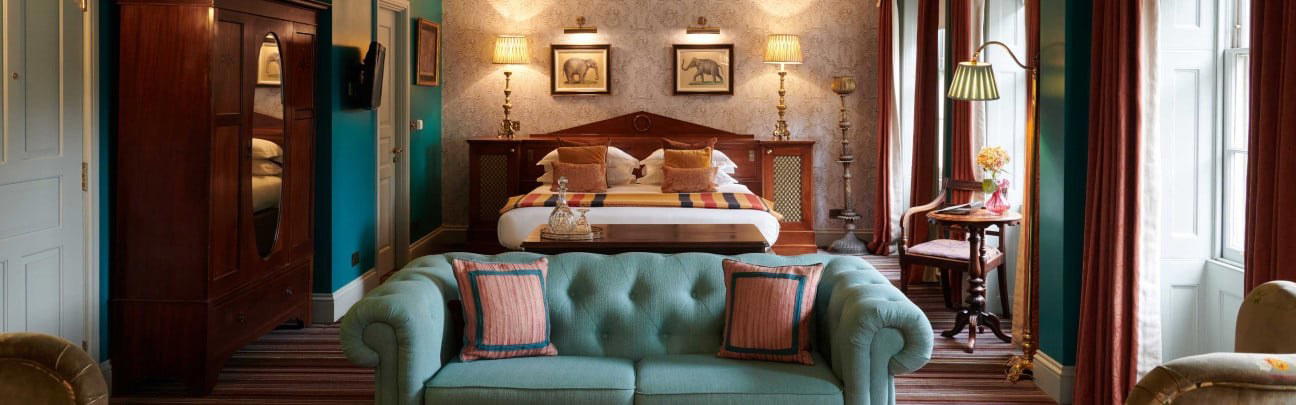
St John's Square and the Clerkenwell Tradition
Clerkenwell's relationship with hospitality goes back further than most London neighbourhoods. The square on which The Zetter Clerkenwell sits, St John's Square, was once the outer precinct of the Priory of the Knights of St John, a medieval order whose London headquarters occupied this ground from the twelfth century. The gatehouse that still stands at the square's southern edge is among the more intact medieval survivals in central London, and it frames the approach to the hotel with a sense of compressed history that no amount of interior design can manufacture. Arriving at 49-50 St John's Square, you are walking into a conversation between centuries, with Victorian warehousing sitting above remnants of monastic London.
That layering matters for understanding what kind of hotel The Zetter Clerkenwell is, and what kind of traveller it suits. Clerkenwell has never been a district that performs London for visitors. It is a working creative quarter, dense with architects' studios, independent restaurants, and the kind of bars that attract an industry crowd rather than a tourist one. The hotel reads as part of that fabric rather than a departure from it. This is the opposite end of the spectrum from the grand-hotel tradition represented by properties like Claridge's or The Savoy, where the architecture announces itself as theatre. Here, the building's Victorian bones are the point.
The Architecture of a Converted Warehouse
Victorian warehouse conversions in London tend to go one of two ways: either the industrial character is scrubbed out in favour of a generic boutique finish, or it is used as genuine structural evidence of the building's past. The Zetter sits in the second camp. The building's original fabric, exposed brick, cast iron, period proportions, is legible throughout, and the design works with those constraints rather than against them. This approach has become more common in London's independent hotel sector since the early 2000s, but it requires discipline to execute without tipping into deliberate rusticity. The neighbourhood context makes the choice coherent: Clerkenwell's creative industries community has a well-developed eye for the distinction between authentic material character and its simulation.
Compared with design-led contemporaries in other London districts, such as NoMad London in Covent Garden or The Emory in Knightsbridge, The Zetter operates with a smaller footprint and a more locally specific identity. It is not attempting to compete on scale or spectacle. Its comparable set is the cohort of independently minded London hotels where the building's history does meaningful work, rather than the large luxury operators with international brand recognition.
Rooftop Rooms and the Question of Altitude
The hotel's most discussed accommodation tier is its rooftop studio and terrace rooms, which sit above the main warehouse floors and offer views across Clerkenwell's rooflines toward the City. In a district without the grand mansion blocks of Mayfair or the riverside panoramas of South Bank properties, rooftop access carries genuine value. The rooftop rooms represent the hotel's premium offering and function as its equivalent of a suite tier, in the absence of formal suite categories of the kind found at Raffles London at The OWO or The Connaught.
The demand for these rooms reflects a broader shift in how design-conscious travellers think about London accommodation. The view from a rooftop in EC1 is not the view from a Hyde Park Corner suite, but it is a view that positions the guest inside a specific, historically dense part of the city rather than above a park or a high street. That is a different kind of premium, and it appeals to a different kind of traveller.
The Cocktail Bar as Neighbourhood Anchor
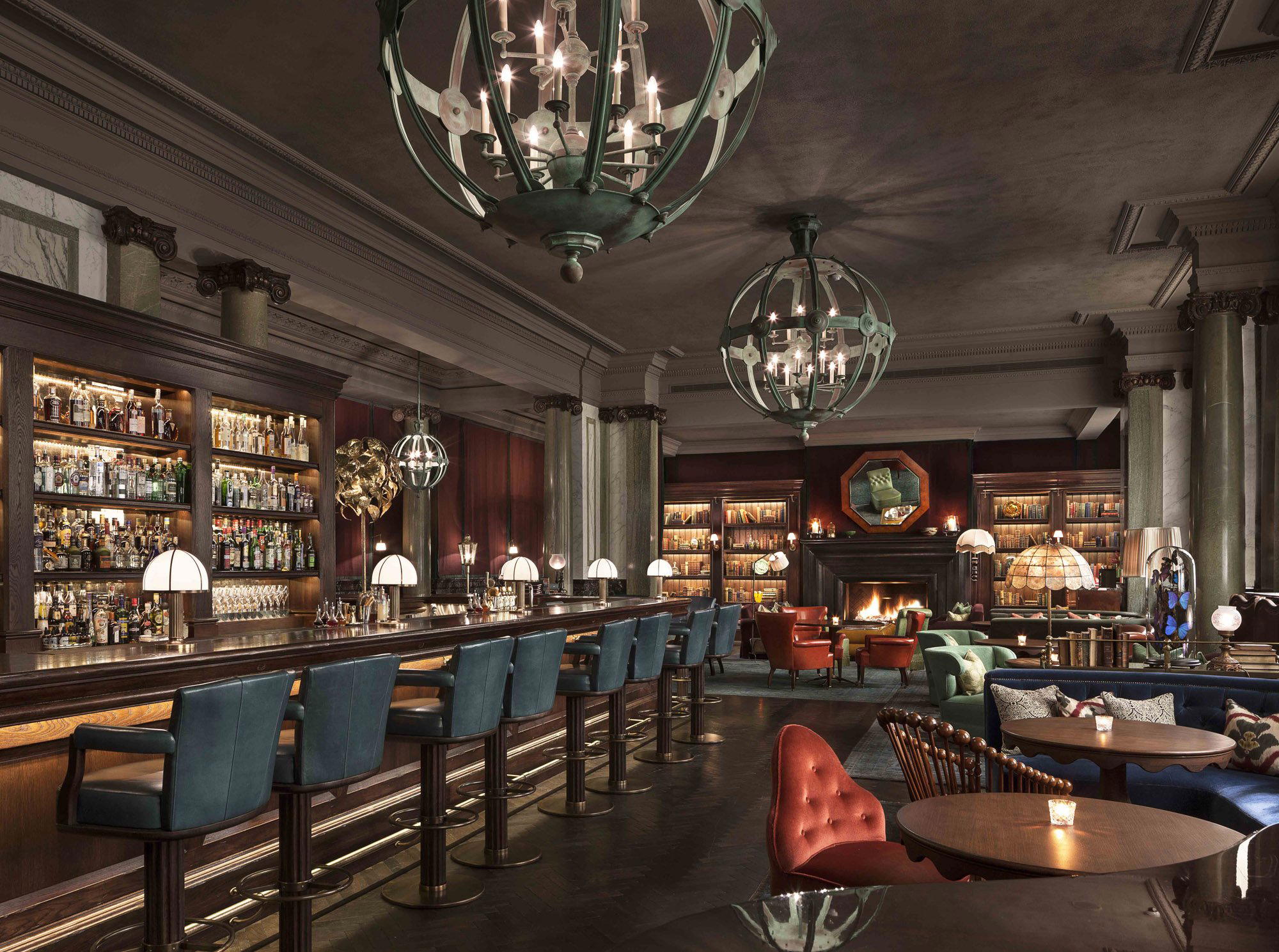
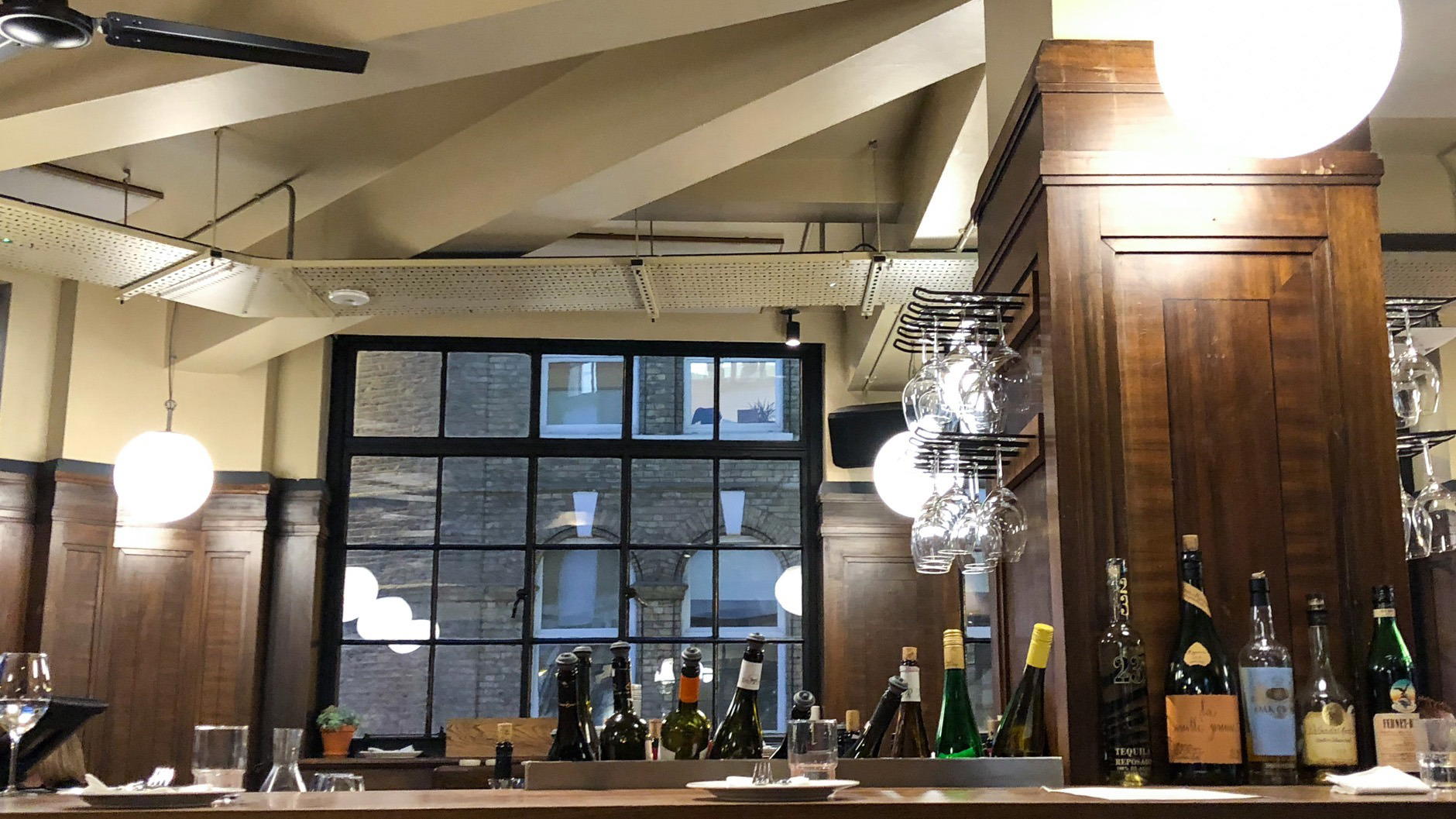
Zetter Clerkenwell's ground-floor cocktail bar has accumulated a reputation that extends beyond the hotel's own guest base. In a neighbourhood with a strong independent bar culture, including the proximity of some of London's more serious cocktail operations in nearby Exmouth Market and Farringdon, the hotel bar holds its own partly because it functions as a genuine local rather than a hotel amenity that happens to be open to the public. The drinks program has historically drawn on British larder references, a decision that aligns the bar with the wider London movement toward domestically sourced ingredients and away from generic international spirits lists.
This position, a hotel bar that locals actually use, is harder to sustain than it sounds. Properties operating at larger scale, or with a more international brand identity, tend to find it difficult. The Zetter's comparatively modest footprint, and its location off a square rather than on a main thoroughfare, creates the right conditions for that relationship to develop.
Clerkenwell's Position in London's Wider Hotel Map
For travellers arriving in London for the first time, the instinct is usually to anchor in Mayfair, Belgravia, or the South Bank, areas with immediately readable luxury infrastructure. Clerkenwell sits outside that reflex. It is not a destination district in the way that 1 Hotel Mayfair or 11 Cadogan Gardens are proximate to tourist-facing landmarks. What it offers instead is genuine neighbourhood immersion: morning coffee from the cluster of independent cafes around St John's Square, lunch at St John Bread and Wine on St John Street, and evening access to a bar and restaurant culture that is pitched at a local professional audience rather than an international visitor one.
The Farringdon and Barbican Elizabeth line stations place the hotel within four to six minutes' walk of frequent cross-London rail connections, reducing the friction of operating from an address that is not Zone 1 in the conventional sense. This logistics point separates Clerkenwell from some of the more genuinely peripheral design hotels that have opened in East London over the past decade.
For readers building a broader picture of British hotel options, The Zetter's approach connects to a category of independently spirited, historically grounded properties that includes places like Lime Wood in Lyndhurst, Estelle Manor in North Leigh, and The Newt in Somerset: properties where the building and its setting carry as much editorial weight as the service proposition. Internationally, the sensibility has parallels with Hope Street Hotel in Liverpool and King Street Townhouse Hotel in Manchester, both of which occupy historically significant buildings in creative urban quarters.
Planning Your Stay
| Detail | The Zetter Clerkenwell | Raffles London at The OWO | The Connaught |
|---|---|---|---|
| Location | Clerkenwell, EC1 | Whitehall, SW1 | Mayfair, W1 |
| Building character | Victorian warehouse conversion | Former government office, Edwardian | Georgian townhouse |
| Nearest station | Farringdon (4 min walk) | Westminster / Charing Cross | Bond Street / Green Park |
| Hotel type | Independent, design-led | Branded luxury | Branded luxury |
| Scale | Boutique | Large | Mid-size |
The hotel sits within walking distance of Exmouth Market and St John Street, both of which are at their most active from Thursday through Saturday evenings, making midweek arrivals a quieter entry point for those who prefer the neighbourhood at a lower register.
Peers You’d Cross-Shop
Comparable venues nearby, for context on price, style, and recognition.
| Venue | Cuisine | Price | Notes |
|---|---|---|---|
| The Zetter ClerkenwellThis venue — the venue you are viewing | Georgian townhouse with eclectic, design-led interiors | $$$$ | Not listed |
| Aman Spa | Contemporary Asian-inspired design juxtaposed with quintessentially British Victorian heritage | $$$$ | Mayfair |
| The Dixon, Tower Bridge | Edwardian courthouse converted to luxury boutique hotel | $$$$ | Tower Bridge |
| The Zetter Marylebone | Boutique Georgian townhouse with eclectic, characterful design | $$$$ | Marble Arch |
| St Martins Lane Hotel | Urban resort with Philippe Starck's irreverent design updated by Tim Andreas. | $$$$ | Covent Garden |
| St. Pancras London | Victorian Gothic Revival heritage hotel blending historical grandeur with modern luxury | $$$$ | King's Cross |
Recognition history
Dated appearances from independent guides and award organizations, with the underlying list record or original source where available.
House & Garden 2026 House & Garden Best Hotels in London
House & Garden
Mr & Mrs Smith Smith Seal of Approval
Mr & Mrs Smith
Michelin Selected
Michelin
Continue exploring
More in London
Hotels in London
Browse all →
Bars in London
Browse all →
Restaurants in London
Browse all →



At a Glance
- Bohemian
- Cozy
- Elegant
- Intimate
- Sophisticated
- Romantic Getaway
- Weekend Escape
- Business Trip
- Historic Building
- Terrace
- Wi Fi
- Room Service
- Concierge
- Street Scene
- Wi Fi
- Room Service
- Concierge
Intimate and eclectic with layered antiques, mismatched furnishings, warm heritage colors, and a parlour bar evoking a secret, characterful private residence.