The Mandeville Hotel

A Marylebone address with 142 rooms, The Mandeville Hotel sits a short walk from Bond Street in a neighbourhood that has shifted decisively upmarket over the past two decades. Compared with the grand institution hotels of Mayfair, it occupies a more independent, residential tier, closer in character to a well-appointed townhouse than a flagship property.
Pearl is the En Primeur Club membership app — saves, bookings, and concierge access live there. Same editors, same standards.
- Address
- Mandeville Pl, London W1U 2BE
- Phone
- +44 20 7935 5599
- Website
- mandeville.co.uk
- Directions
- Get directions
 Saves & bookings on Pearl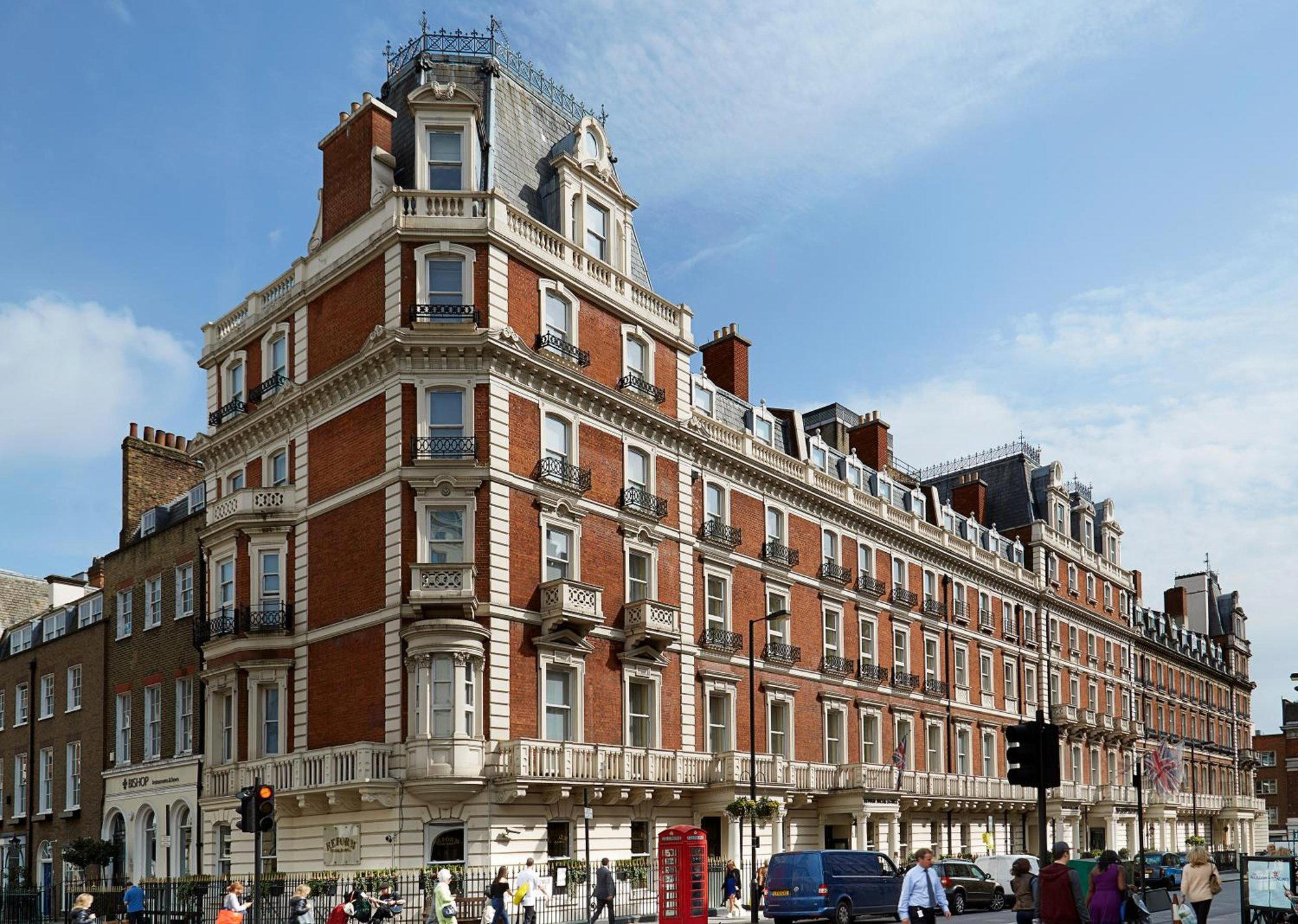
Marylebone's Shifting Hotel Register
The stretch of London between Oxford Street and Marylebone High Street has undergone one of the more quietly consequential transformations in the city's hotel geography. A decade ago, the neighbourhood read primarily as a transit zone between the grand Mayfair properties, Claridge's, The Connaught, and the residential quiet further north. Today, Marylebone commands its own hospitality identity: independent boutique properties, a retail scene built around small specialist shops, and a dining culture that has matured past the transient lunch crowd. The Mandeville Hotel, on Mandeville Place just minutes from Bond Street Underground, occupies this changed register with 142 rooms, a scale that places it firmly in the mid-size independent tier rather than the grand-hotel bracket.
That scale matters. At 142 rooms, the property is large enough to sustain consistent operational standards but compact enough to avoid the impersonal lobbying effect that affects larger city-centre hotels. In a neighbourhood that increasingly attracts guests who want Mayfair adjacency without Mayfair pricing or formality, this positioning has proven durable.
How the Property Has Evolved Within Its Category
The evolution of London's independent hotel sector over the past fifteen years has followed a recognisable arc. Properties that once differentiated themselves through décor novelty, baroque maximalism, industrial minimalism, design-hotel tropes borrowed wholesale from New York or Milan, have progressively recalibrated toward service consistency and neighbourhood integration. The Mandeville's trajectory fits that broader pattern. Where the property once leaned into a more overtly fashion-forward aesthetic, its current direction reflects the maturation of its guest base and the changed expectations of the Marylebone postcode itself.
This kind of reinvention is not cosmetic. In London's competitive hotel middle-ground, the properties that have held their footing through cycles of new openings, NoMad London arrived with considerable fanfare, The Emory reset expectations in Knightsbridge, are those that developed a clear sense of guest identity rather than chasing each new design wave. For the Mandeville, the pivot has been toward a more considered residential tone: a hotel that reads as a place people return to rather than a debut destination.
Compare this with the larger institutional properties along Park Lane or in St James's, where the frame of reference is always the grand tradition of London hospitality. The Savoy and Raffles London at The OWO carry the weight of that tradition as a core part of their offering. The Mandeville operates without that inheritance, which is both a constraint and a freedom: the property has had to build its own narrative rather than curate an existing one.
The Bond Street Corridor: Location as Competitive Advantage
Proximity to Bond Street Underground gives the Mandeville a logistical advantage that is easy to understate. From the front door on Mandeville Place, guests reach the Elizabeth line in under five minutes on foot, which means Heathrow in approximately 35 minutes, Canary Wharf in under 20, and Paddington without a change. For business travellers or those using London as a base for wider travel, this connectivity competes favourably with hotels deeper in Mayfair or along the Strand, where Underground access requires longer walks or cab legs.
The surrounding neighbourhood has also evolved in ways that extend a stay's usefulness. Marylebone High Street, a short walk west, offers a density of independent food shops, restaurants, and boutiques that functions more like a village high street than a central London commercial strip. This matters for the kind of guest who wants to eat well without booking a week in advance, or who wants to use downtime purposefully rather than defaulting to the hotel's own food and drink operation.
Properties such as 1 Hotel Mayfair and 11 Cadogan Gardens occupy adjacent but distinct niches: the former built around an environmental positioning, the latter around a townhouse-residential format in Chelsea. The Mandeville's own niche is the well-connected Marylebone address with a track record of consistency.
Independent Hotels in the UK Context
The Mandeville sits within a broader pattern of UK independent hotels that have held their ground against both chain consolidation and the wave of new luxury entrants. Outside London, the comparison class includes properties such as Lime Wood in Lyndhurst, Estelle Manor in North Leigh, and The Newt in Somerset in Castle Cary, all properties that built identity through specificity of place and consistent reinvestment rather than brand affiliation. In Scotland, properties like Gleneagles in Auchterarder and smaller operators such as Burts Hotel in Melrose and Dun Aluinn in Aberfeldy illustrate how independent hotels at different scales develop loyalty through character rather than scale.
Within London, the competitive pressure has intensified. Hope Street Hotel in Liverpool and King Street Townhouse Hotel in Manchester represent how regional UK cities have developed their own credible independent hotel tiers, drawing guests who might once have defaulted to London. The capital's hotels must now compete not just against each other but against a maturing national independent sector.
Aman New York and The Fifth Avenue Hotel in New York City occupy the upper end of the independent spectrum in a city with comparable pressures. Aman Venice demonstrates what deep architectural heritage can do for an independent property's positioning. The Mandeville competes on different terms: not heritage grandeur or ultra-luxury scale, but address quality, operational reliability, and the particular appeal of a Marylebone base.
Know Before You Go
| Address | Mandeville Place, London W1U 2BE |
|---|---|
| Rooms | 142 |
| Nearest Underground | Bond Street (Elizabeth line, Jubilee line, Central line), approx. 5 min walk |
| Booking | |
| Leading Approach |
The Short List
Comparable venues nearby, for context on price, style, and recognition.
| Venue | Price | Notes |
|---|---|---|
| The Mandeville HotelThis venue — the venue you are viewing | $$$$ | Not listed |
| The Chancery Rosewood | $$$$ | Mayfair, Contemporary luxury all-suite hotel with residential design, blending historic preservation with modern refinement in London's prestigious Mayfair district. |
| Great Scotland Yard London | $$$$ | Whitehall, Historic luxury boutique hotel blending Edwardian architecture with modern sophistication |
| Zetter Bloomsbury | $$$$ | Bloomsbury, Georgian townhouse conversion designed as a private London residence with maximalist, eclectic interiors inspired by Bloomsbury's intellectual heritage. |
| Andaz London Liverpool Street, by Hyatt | $$$$ | Broadgate, Historic Victorian railway hotel with modern lifestyle twists |
| Henrietta Experimental | $$$ | Covent Garden, Experimental Group's creative boutique hotel blending Victorian architecture with contemporary design; positioned as a discreet, charming escape in the heart of London's action. |
Recognition history
Dated appearances from independent guides and award organizations, with the underlying list record or original source where available.
Preferred Hotels Member
Preferred Hotels
Continue exploring
More in London
Hotels in London
Browse all →
Bars in London
Browse all →
Restaurants in London
Browse all →



At a Glance
- Elegant
- Sophisticated
- Cozy
- Business Trip
- Romantic Getaway
- Terrace
- Wi Fi
- Room Service
- Concierge
- Restaurant
- Bar
- Laundry Service
- Business Center
- Street Scene
- Wi Fi
- Room Service
- Concierge
- Restaurant
- Bar
- Laundry Service
- Business Center
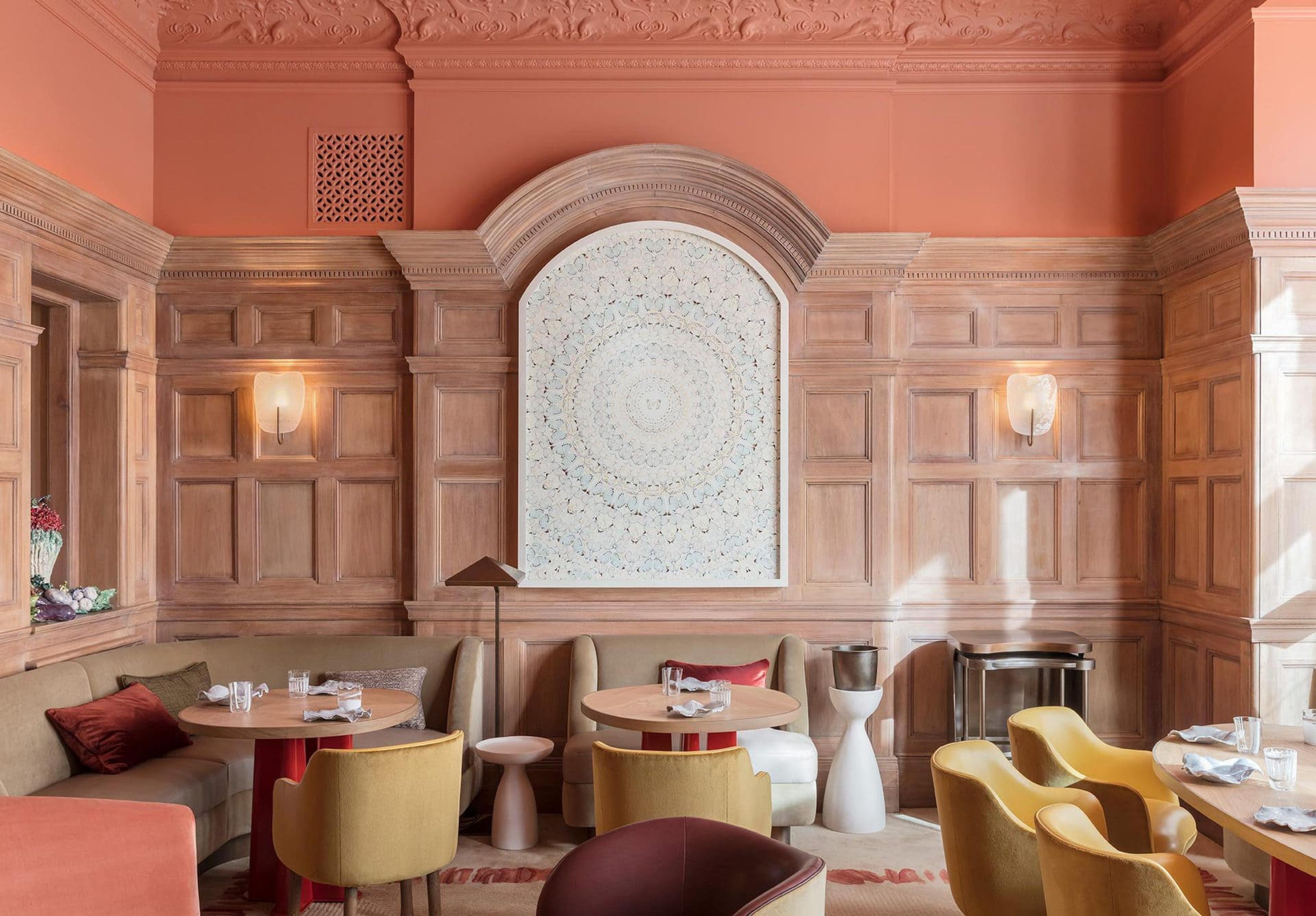
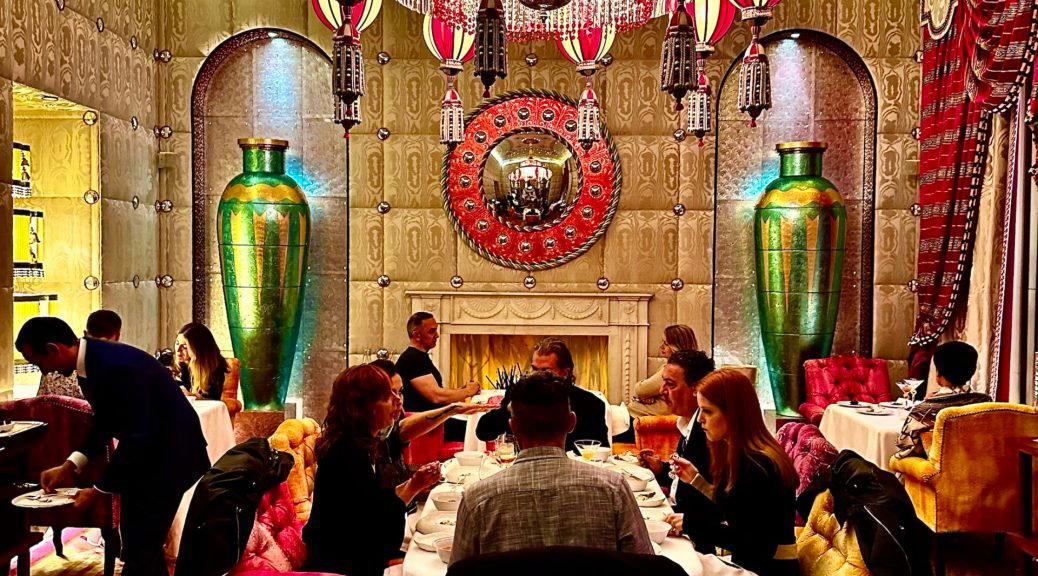
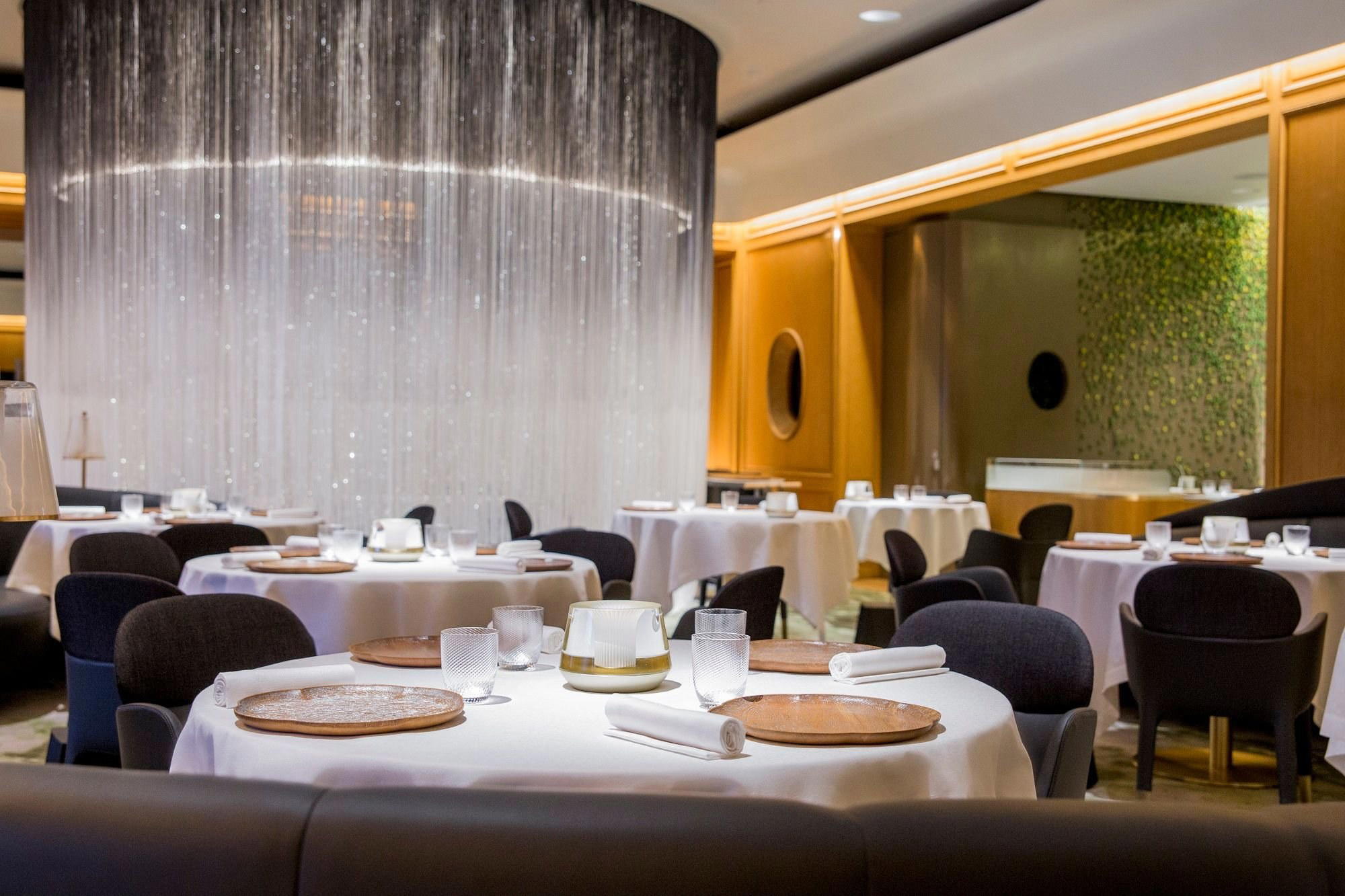
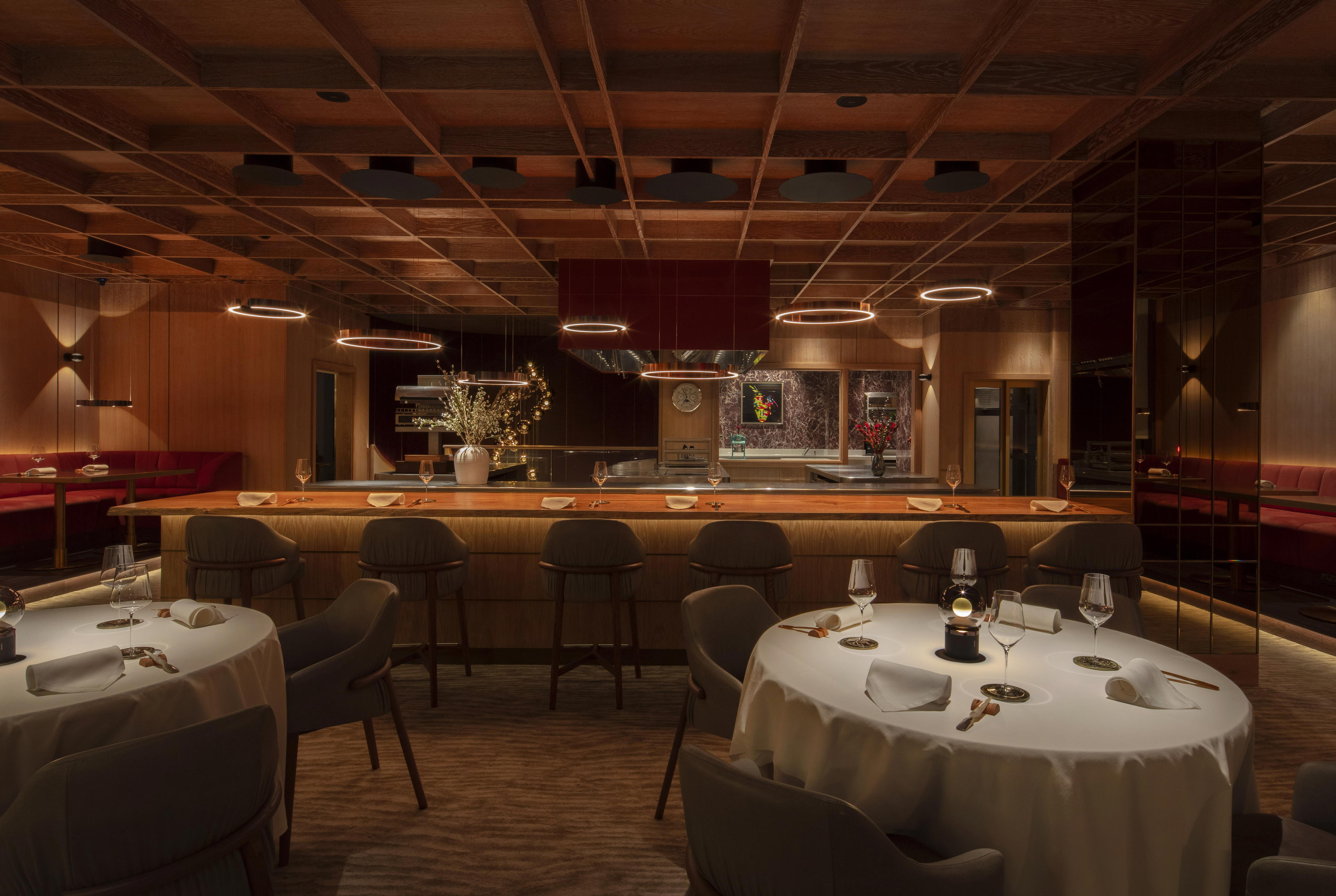
Calm and relaxing atmosphere with modern yet cozy decor and elegant touches.