The Publishing House Bed and Breakfast


Michelin Selected · Mr & Mrs Smith Seal of Approval
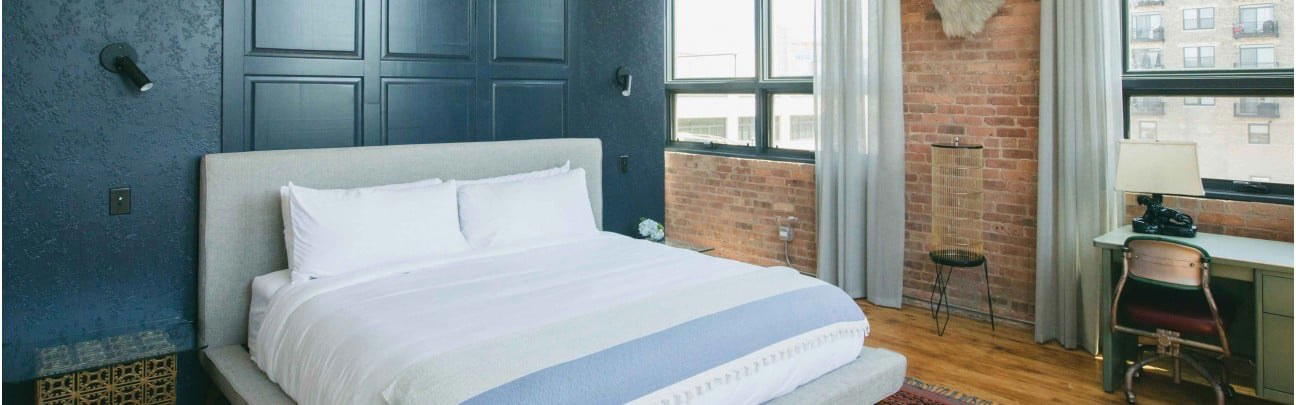
A converted early-twentieth-century publishing house on North May Street in Chicago's West Loop, this bed and breakfast occupies a building whose industrial bones have been preserved rather than erased. It sits at the quieter, more residential edge of a neighbourhood defined by serious dining and creative commerce, making it an interesting alternative base to the Loop's larger hotel properties.

Pearl is the En Primeur Club membership app, where members save venues, book tables and use the concierge.
The West Loop as a Lodging Context
Chicago's West Loop has spent the past decade consolidating its identity around two things: serious restaurants and adaptive reuse architecture. The neighbourhood that once processed meat and printed newspapers now processes reservations at some of the city's most discussed dining addresses, and its building stock, warehouses and former industrial blocks with thick timber frames and original brick, has become the preferred canvas for a particular kind of hospitality project. The Publishing House Bed and Breakfast, at 108 N May Street, sits inside that pattern. The address alone signals a deliberate choice: May Street runs through a stretch of the West Loop where the restaurant corridor thins out and the block character turns more residential, which means guests trade proximity to the Randolph Street dining strip for something quieter and more neighbourhood-scaled.
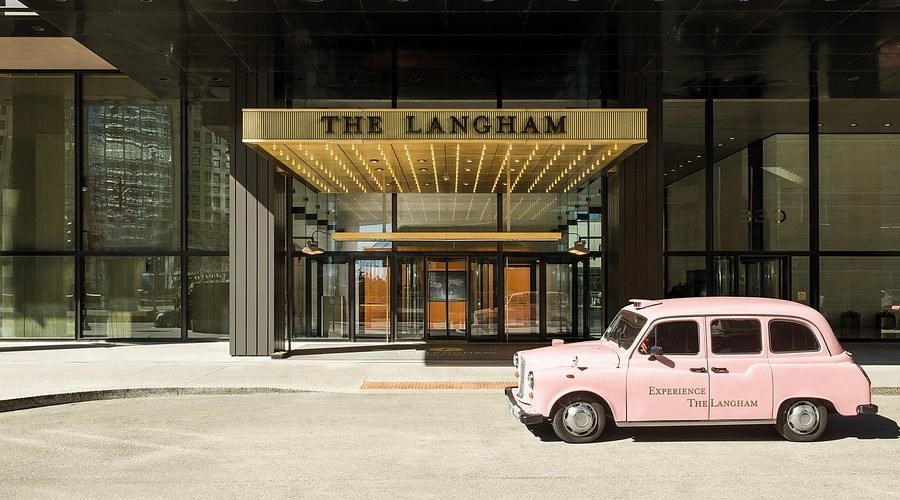
That trade-off is worth understanding before booking. Larger downtown Chicago properties, including Chicago Athletic Association, Pendry Chicago, and The Langham, Chicago, sit closer to the Magnificent Mile and the Loop's central business district, with full-service dining programs, bars, and concierge infrastructure built in. The Peninsula Chicago and Waldorf Astoria Chicago operate at the upper end of that full-service tier. The Publishing House works from a different premise, one that American bed and breakfasts have always operated from: the host-guest relationship replaces branded service infrastructure, and the building's character substitutes for a lobby bar.
The B&B Format in a Restaurant-Dense Neighbourhood
The editorial angle that makes this property interesting is not the property itself in isolation, but what it represents inside a specific Chicago hospitality segment. Bed and breakfasts in American cities have historically occupied a middle tier between budget hotels and full-service boutique properties, but a subset of them, particularly those housed in architecturally significant buildings in food-forward neighbourhoods, function as something closer to design-led guesthouses. The category has split along these lines in cities like New York, where The Fifth Avenue Hotel demonstrates how historically grounded properties can compete with full-service luxury; in New England, where Troutbeck in Amenia shows how house-scale intimacy can anchor a premium experience; and in Boston, where Raffles Boston illustrates how heritage buildings can underwrite contemporary hospitality.
The Publishing House's position in Chicago's West Loop places it adjacent to one of the country's more concentrated casual-fine dining corridors. Randolph Street's restaurant row and the broader Fulton Market district have drawn significant chef attention over the past decade, meaning guests who choose this address are, in effect, choosing to be walking distance from serious food without paying for a hotel that internalises that food within its own dining program. Whether that exchange works depends on the traveller's preference for embedded hotel dining versus the freedom to choose from a neighbourhood with genuine restaurant density at multiple price points.
Building Character and the Industrial-Heritage Lodging Trend
Across the American boutique lodging market, the conversion of early-twentieth-century commercial and industrial buildings into hospitality spaces has produced some of the country's more compelling small properties. The logic is consistent: original materials carry authenticity that new construction cannot replicate, and the spatial generosity of commercial floors translates well to guestroom volume. Properties like SingleThread Farm Inn in Healdsburg and Post Ranch Inn in Big Sur demonstrate how a strong architectural or landscape premise can anchor a lodging identity even when the property operates at intimate scale. The Publishing House's name references its building's prior life directly, a choice that signals intentionality about the structure's history rather than a cosmetic renovation approach.
Chicago has particular depth in this building type. The city's late-nineteenth and early-twentieth-century commercial construction produced a stock of brick and timber loft buildings that have proven adaptable to residential, office, and hospitality uses. May Street and the surrounding blocks in the West Loop represent some of the better-preserved examples of that typology, which gives a property at this address genuine architectural context to work with.
Within Chicago's hotel market, the alternatives at various price and service levels are well-documented. Nobu Hotel Chicago and Viceroy Chicago occupy the design-led boutique tier with embedded food and beverage programs. The Gwen, a Luxury Collection Hotel, Michigan Avenue operates closer to the Gold Coast with a brand affiliation that signals a certain service standard. The Publishing House sits outside all of these peer sets, which is itself a signal. Guests who choose a bed and breakfast in the West Loop over a Michigan Avenue hotel have already made a decision about what kind of Chicago stay they want: smaller scale, more neighbourhood-integrated, less reliant on in-house programming.
For travellers who find resonance in that preference elsewhere, the pattern appears at other scales: Amangiri in Canyon Point uses landscape isolation as its core proposition; Hotel Bel-Air in Los Angeles uses garden seclusion within a dense city; Little Palm Island Resort & Spa uses physical separation. The Publishing House uses neighbourhood integration and building specificity rather than isolation, but the underlying logic, find a property whose premise matches your travel intention, applies equally.
Planning and Practical Considerations
The West Loop is accessible from O'Hare International Airport via the Blue Line CTA train, with stops that place the neighbourhood within reasonable reach without requiring a taxi or rideshare for the full journey. The area's restaurant density means that advance reservations at nearby dining addresses are advisable, particularly for Fulton Market district restaurants that operate with limited covers and strong local demand. For guests arriving from elsewhere in the country, Four Seasons at The Surf Club in Surfside, Canyon Ranch Tucson, or Kona Village, A Rosewood Resort represent the full-service resort alternative that the West Loop B&B format does not provide. The Publishing House's specific booking process, room categories, and current pricing are best confirmed directly through the property, as this information was not available at time of writing. For broader Chicago context, our full Chicago guide covers the city's dining and hotel landscape across neighbourhoods and price tiers.
Cuisine and Awards Snapshot
Comparable options at a glance, pulled from our tracked venues.
| Venue | Price | Awards |
|---|---|---|
| The Publishing House Bed and BreakfastThis venue (the venue you are viewing) | $200–300 | Michelin Selected · Mr & Mrs Smith Seal of Approval |
| Pendry Chicago | Not listed | 1 Michelin Key · La Liste Top Hotels |
| The Langham, Chicago | $300–500 | 2 Michelin Keys · La Liste Top Hotels |
| The Peninsula Chicago | $300–500 | 2 Michelin Keys · La Liste Top Hotels |
| Nobu Hotel Chicago | $300–500 | Michelin Selected · Virtuoso Luxury Hotel Partner |
| Viceroy Chicago | $300–500 | 1 Michelin Key · Forbes Recommended |
Recognition history
Dated appearances from independent guides and award organizations, with the underlying list record or original source where available.
Michelin Selected
Michelin
Mr & Mrs Smith Seal of Approval
Mr & Mrs Smith
Continue exploring
More in Chicago
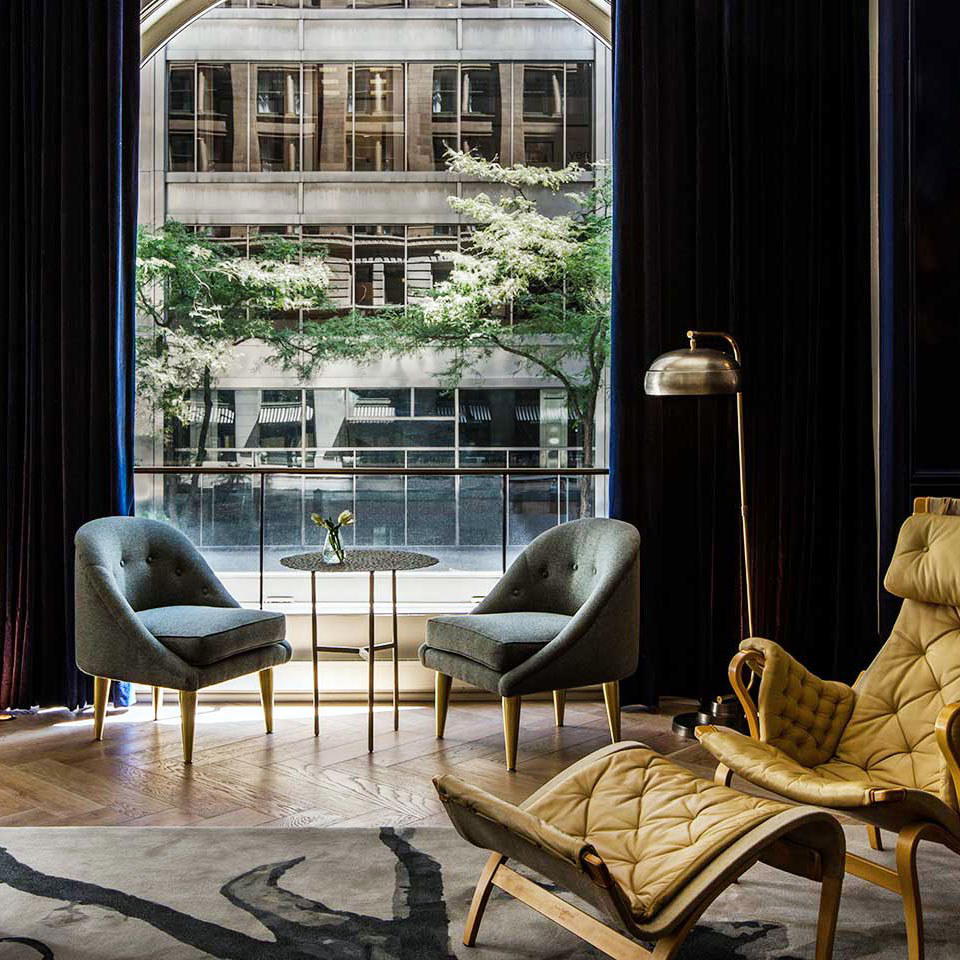
Hotels in Chicago
All hotels in Chicago →
Bars in Chicago
All bars in Chicago →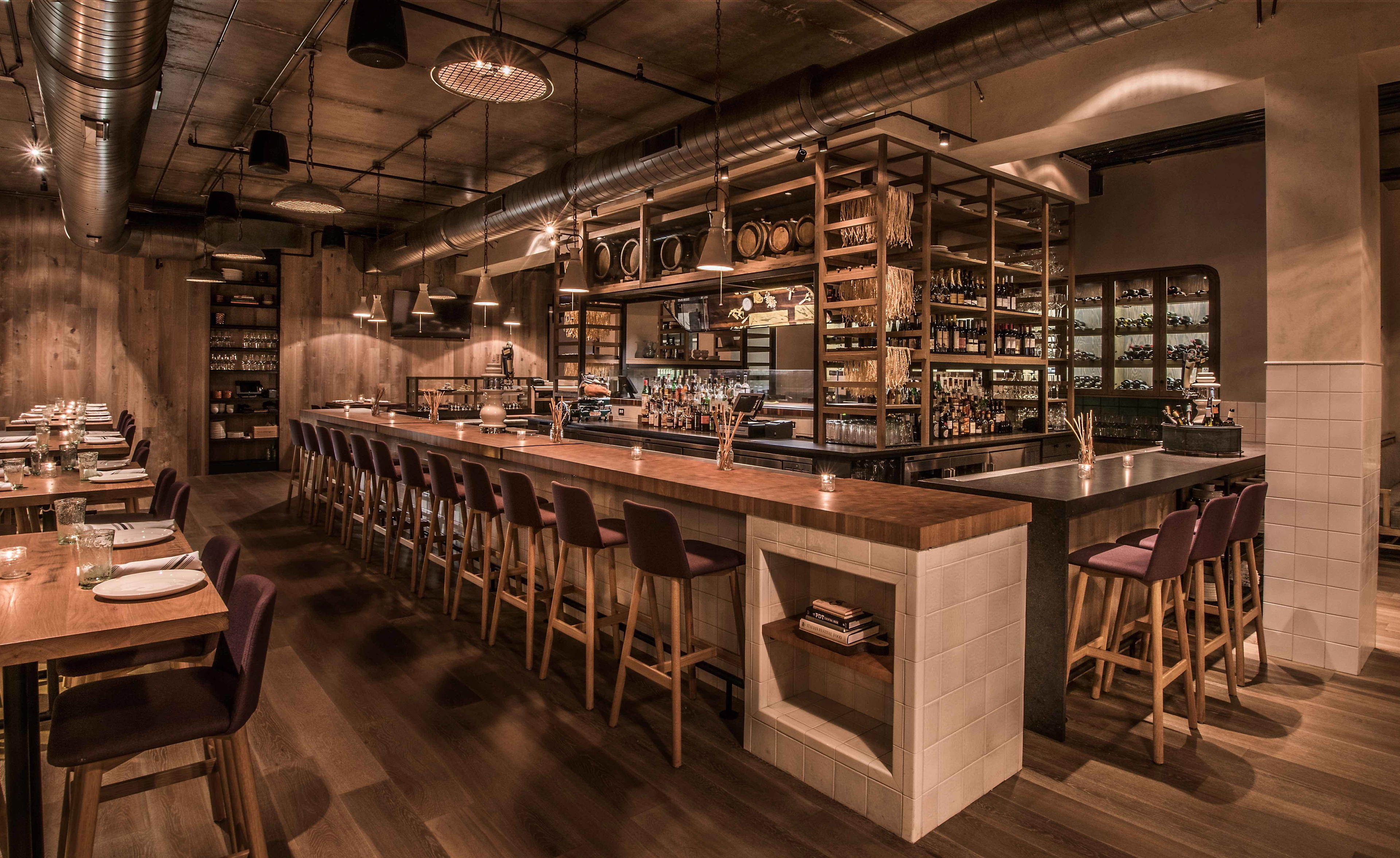
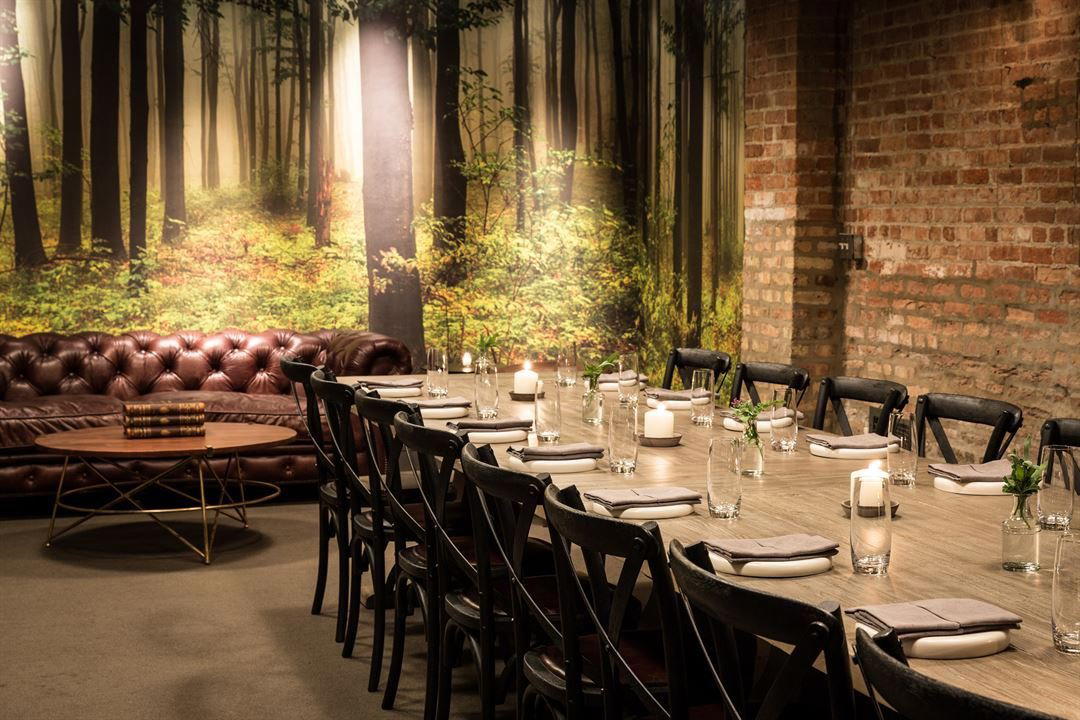
Details
- Intimate
- Cozy
- Sophisticated
- Whimsical
- Bohemian
- Romantic Getaway
- Weekend Escape
- Celebration
- Historic Building
- Design Destination
- Wi Fi
- Bar
- Concierge
- Business Center
- Elevator
- Street Scene
- Wheelchair Accessible
- Elevator
- Accessible Restroom
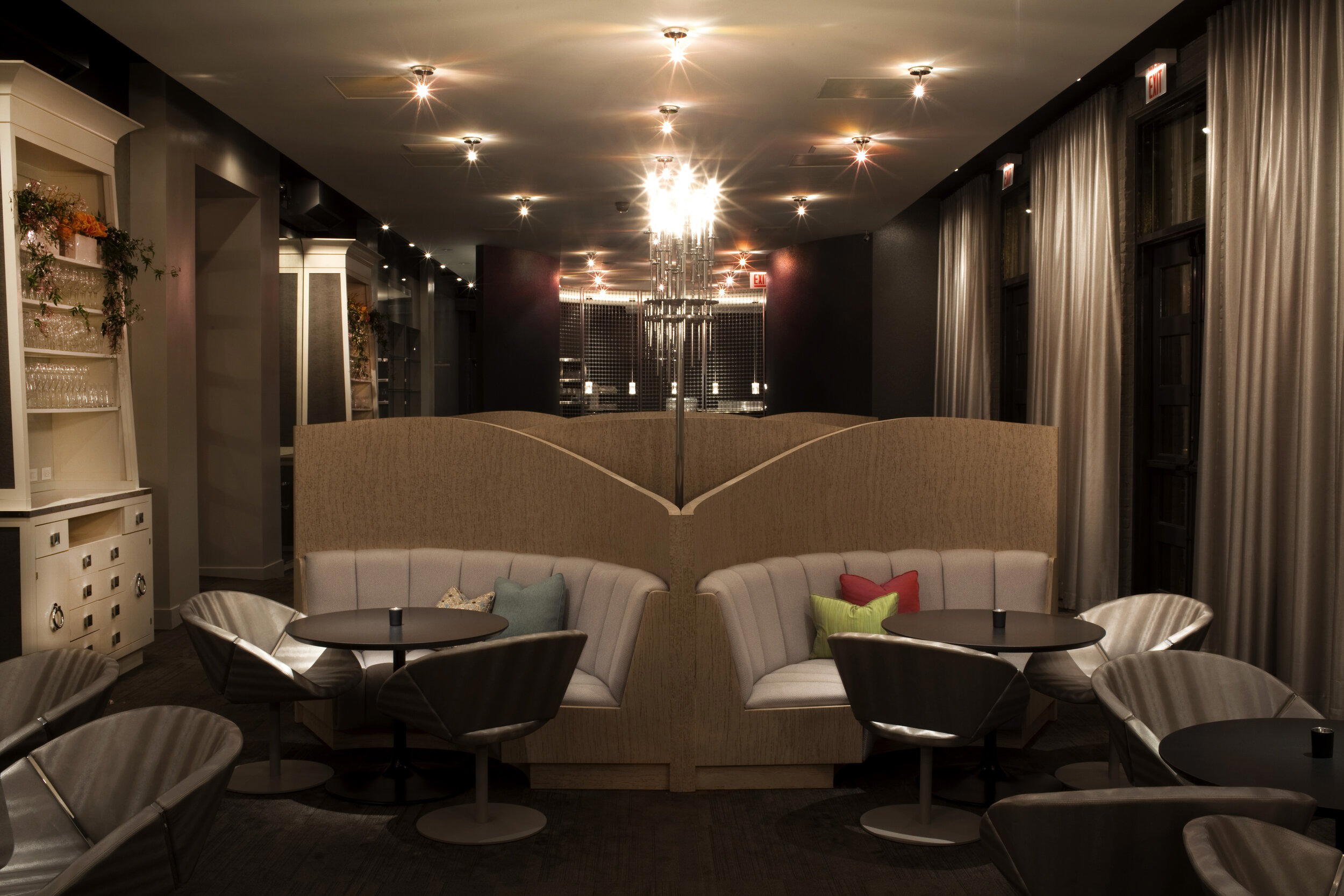
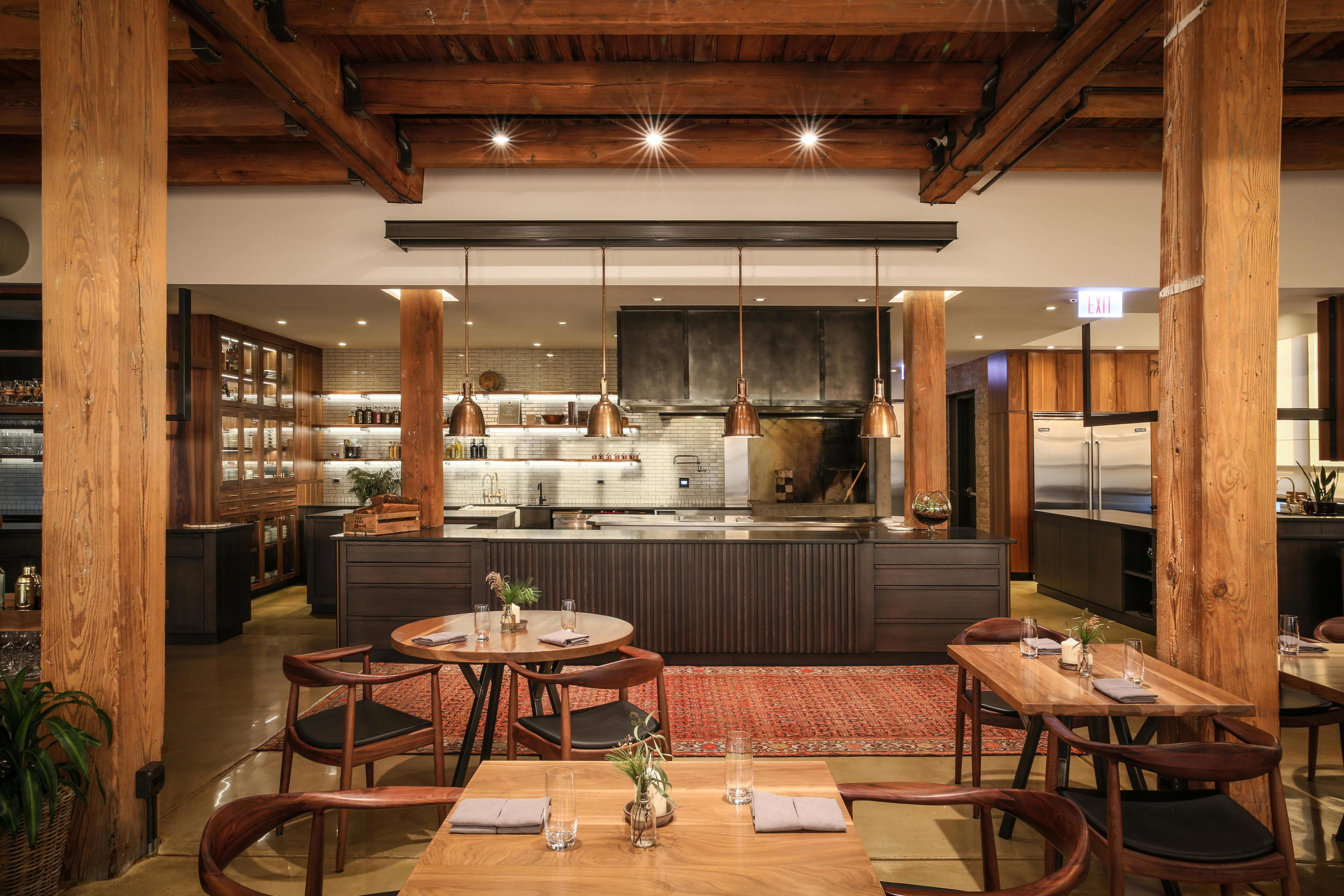
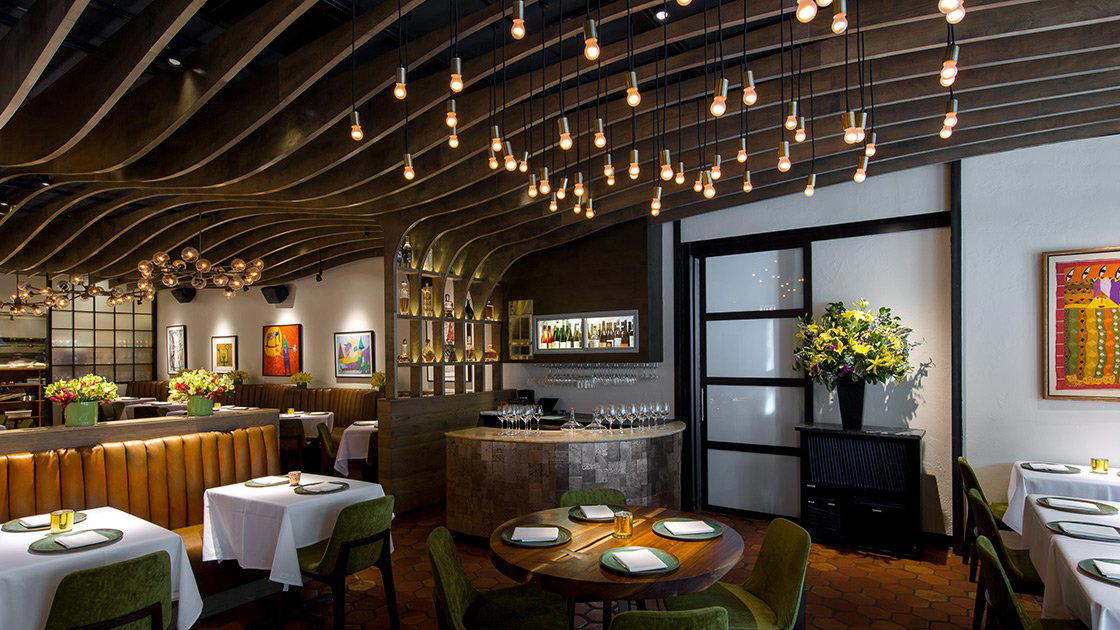
Warm and inviting with high ceilings, exposed brick, refined wood floors, and artistic touches including a double-sided fireplace and grand piano in the communal area; described as modern-industrial yet cozy with colorful rugs and eclectic décor.